


Original Article Date Published:
Article Date Modified:
Help support our mission—donate today and be the change. Every contribution goes directly toward driving real impact for the cause we believe in.
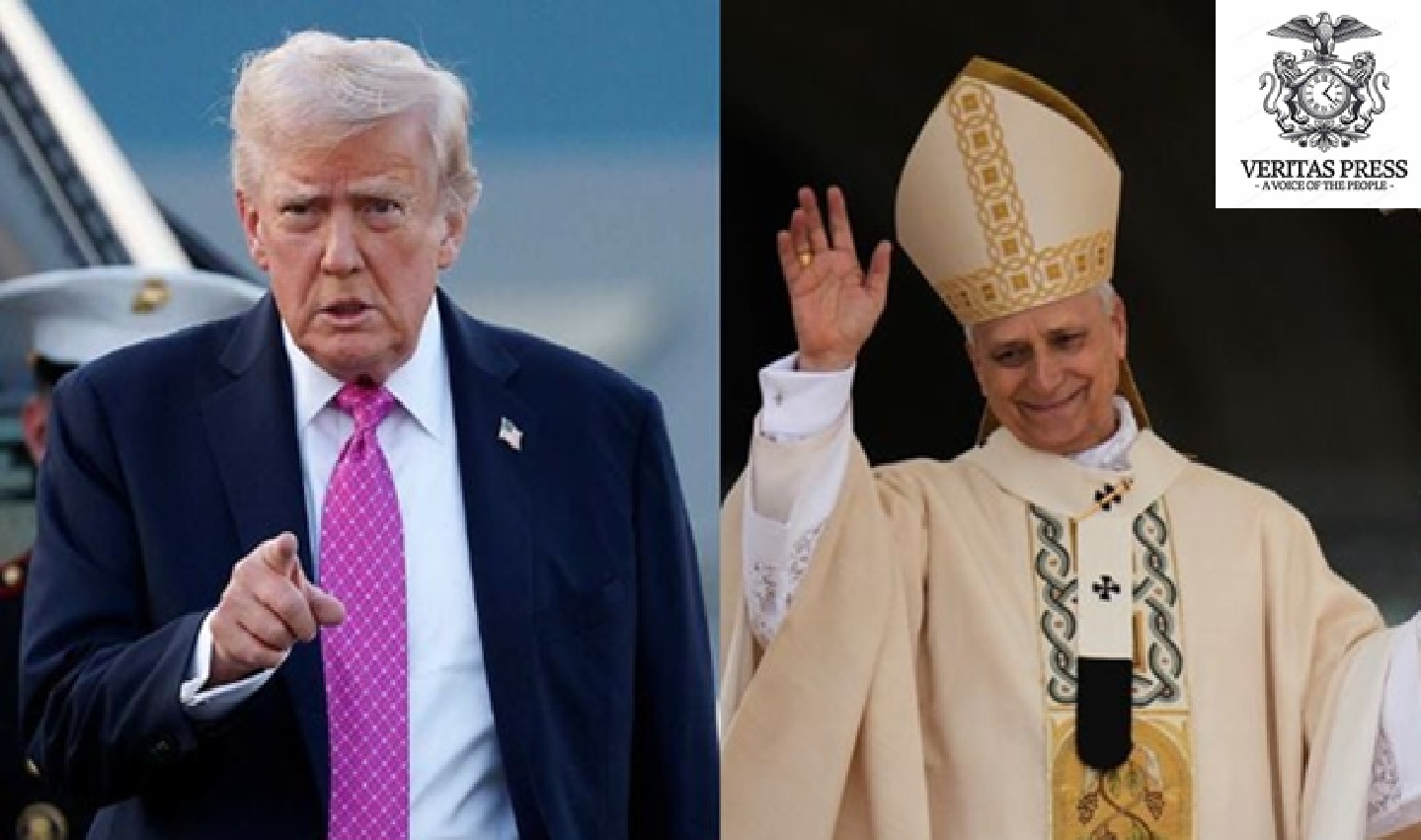
In a decisive and diplomatically significant rebuff, Pope Leo XIV has formally declined an invitation to join U.S. President Donald Trump’s “Board of Peace.” The Vatican’s rejection, announced on Tuesday by Secretary of State Cardinal Pietro Parolin, is far more than a simple RSVP; it is a profound ideological stand against a shifting paradigm in global governance. By choosing the United Nations over a U.S.-led consortium, the Holy See has fired a warning shot across the bow of an initiative that critics decry as a neo-colonial power play, exposing the deep divisions in how the world should be governed.
The Theology Of Multilateralism Vs. The Art Of The Deal:
The Vatican’s rationale, delivered with the precision of a centuries-old diplomatic corps, was unambiguous. “The Holy See will not participate in the Board of Peace because of its particular nature, which is evidently not that of other States,” Cardinal Parolin stated, according to Vatican News. This framing is crucial: the Pope is not merely the leader of a state (the world’s smallest), but a universal moral authority whose flock spans the globe. To sit on a board chaired by a polarising political figure, and one designed as an alternative to the established international order, would be to abandon the Vatican’s role as a bridge-builder in favour of being a cog in a partisan machine.
Parolin went straight to the heart of the matter, articulating a concern that echoes in chanceries from Paris to Pretoria: “One concern is that, at the international level, it should above all be the UN that manages these crisis situations. This is one of the points on which we have insisted”.
This is not a naive attachment to a bygone era. It is a calculated defence of the principle of multilateralism, the idea that rules should bind all actors, rather than the strong imposing order on the weak. The Pope’s stance is rooted in the lived reality of Gaza. As the Anadolu Ajansı notes, despite the Board’s formation and the endorsement of UNSC Resolution 2803 for its Gaza mandate, the body operates with a troubling independence from full UN oversight. For the Vatican, which has permanent observer status at the UN and has spent decades advocating for the two-state solution, this end-run around the world body is a threat to the very framework of post-WWII stability, a framework the Pope has recently warned is being replaced by a “diplomacy of force”.
The Board Of Peace: A Charter For A New Colonialism?
To understand the gravity of the Vatican’s decision, one must scrutinise the nature of the body it is rejecting. Conceived in the aftermath of an October 2025 Gaza ceasefire, the Board of Peace has rapidly evolved from a reconstruction oversight committee into something far more ambitious and alarming. Signed into being at the World Economic Forum in Davos on January 22, 2026, the Board is chaired permanently by Donald Trump and comprises a mix of corporations, nations, business titans, and political figures.
The composition is a mosaic of Trump’s transactional worldview. Alongside nations like Egypt, Jordan, and the UAE, whose inclusion signals a pragmatic Arab calculation to have a seat at the table, sit figures like former UK Prime Minister Tony Blair and Trump’s son-in-law, Jared Kushner. For many, Blair’s presence is a ghost of interventions past, a reminder of the Iraq War and the devastating consequences of bypassing the UN. His inclusion on a “Peace” board is viewed by critics in the Global South as a grotesque historical irony.
Trump himself has touted the board’s financial might, announcing that members have pledged over $5 billion for Gaza’s reconstruction, alongside thousands of personnel for an “International Stabilisation Force”. The quid pro quo is stark: reports indicate that permanent membership requires a $1 billion contribution, with Trump installed as permanent chairman even beyond his term. This pay-to-play structure has led rights experts to draw comparisons to a corporate hostile takeover of a foreign territory.
As the Irish Independent reported, many see this as a “colonial structure”, a private-sector-led oversight body, accountable to its financial backers in Washington rather than the people of Gaza, and crucially, one that operates without formal Palestinian representation. This absence is a gaping wound. While the Board claims to support the “National Committee for the Administration of the Gaza Strip,” it is a body conceived in the West, funded by its members, and secured by a foreign-stabilisation force. The Palestinian Authority, fractured and weakened, is a peripheral observer in the rebuilding of its own territory.
The Geopolitical Divide: West Vs. The Rest?
The Vatican’s refusal places it in a distinct category. While dozens of nations, including Egypt, Turkey, Pakistan, and Hungary, have signed on, the board has become a litmus test for allegiance to a new, U.S.-centric world order.
Western allies have shown remarkable hesitancy. Italy and the European Union have opted to send only observers to the board’s inaugural meeting in Washington on February 19. The UK, Germany, France, and New Zealand have outright declined the invitation. This Transatlantic coolness suggests that even close allies are wary of legitimising a body that could undermine the UN Charter.
Meanwhile, the Global South is watching warily. Mexican President Claudia Sheinbaum refused to join as a full member, citing the “absence of Palestinian representation,” and will only send an observer. India, a key strategic partner of the US, is “reviewing” the invitation, with the MEA cautiously stating it supports any initiative that promotes “long-term and lasting peace,” without committing to the board itself. This hesitation reflects a fear of being drawn into a US-led project that may lack international legality and could collapse under its own contradictions.
Leo’s Counter-Prophet: A Vision Of Dignity Over Dominance.
Pope Leo XIV, the first American pope, has consistently challenged the Trumpian worldview. His rejection of the Board is the latest in a series of theological and political clashes. In January, he delivered a damning indictment of the current global mood, lamenting that a “zeal for war is spreading” and that diplomacy is being replaced by “the diplomacy of force” exercised by individuals or groups of allies. Though he did not name Trump, the context, coming amid US military actions in Venezuela and the push for the Board of Peace, was unmistakable.
His previous criticisms of Trump’s immigration policies as incompatible with “pro-life” values were a precursor to this moment. They established a pattern: Leo sees the dignity of the human person, whether a migrant at the border or a child in Gaza, as non-negotiable. He has explicitly reaffirmed the right of Palestinian civilians to “live in peace on their land” and backed the two-state solution, a concept the Trump peace plan has consistently sidelined.
By staying out of the Board, the Pope is not retreating from the world; he is holding a mirror up to it. He is arguing that peace cannot be imposed by a boardroom in Washington, but must be built through inclusive, law-based dialogue. The Board of Peace, with its $5 billion war chest and former heads of state, offers a technocratic fix. The Vatican, with its 1.4 billion followers, is demanding a moral reckoning.
Conclusion:
As the Board of Peace convenes in Washington this week, it will do so without the moral authority of the Vatican. The body will discuss billions in aid, security coordination, and the mechanics of rebuilding Gaza’s infrastructure. But it has already failed a critical test: it has proven unable to build the very thing it claims to champion, trust. The Pope’s absence is not a diplomatic snub; it is a prophecy. It is a warning that a peace built on exclusion, financial might, and the whims of the powerful will be, in the words of the Pope himself, a “peace” demanded “by the force of arms as a means to impose dominance and sovereignty.” And that, the Holy See has made clear, is no peace at all.

The raw numbers tell a story of profound inequality. On 1 April 2026, more than
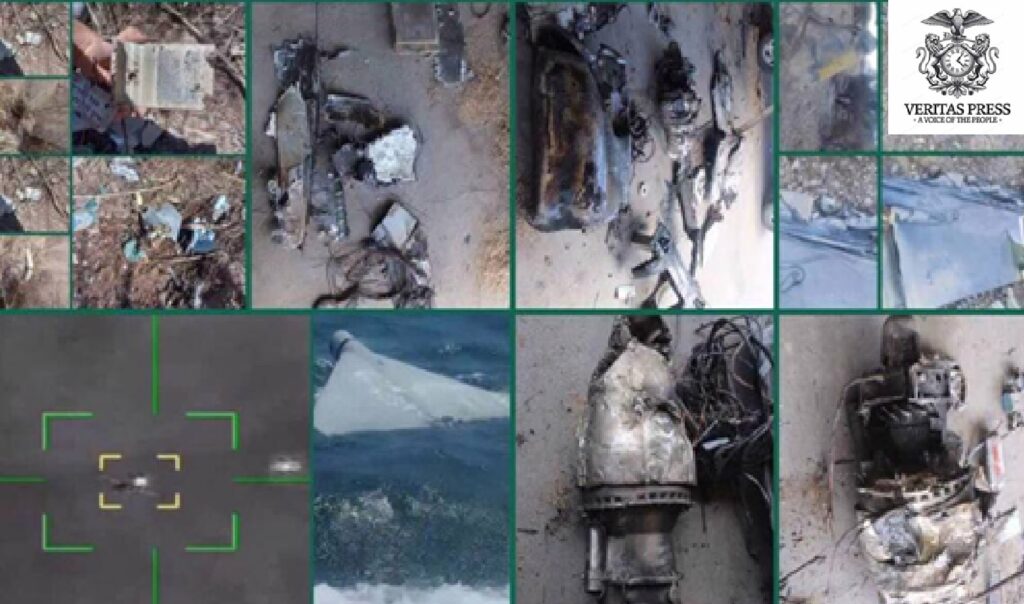
What began on February 28, 2026, as a coordinated US-Israeli campaign to decapitate Iran’s military
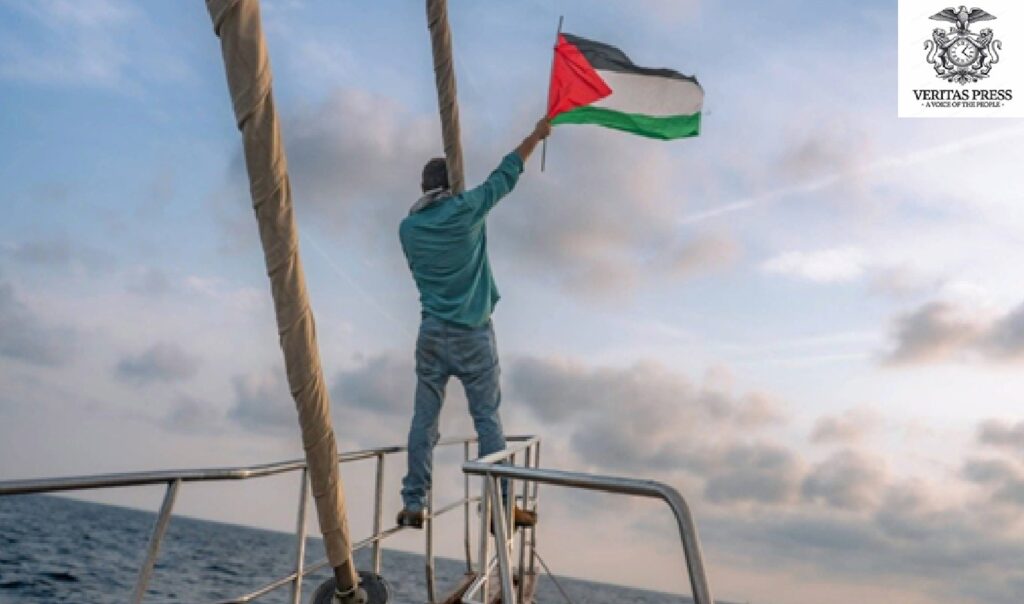
The idea of a “freedom flotilla” carries a ghost in its hold: the 2010 Mavi
Original Article Date Published: Article Date Modified: Help support our mission, donate today and be
Original Article Date Published: Article Date Modified: Help support our mission, donate today and be
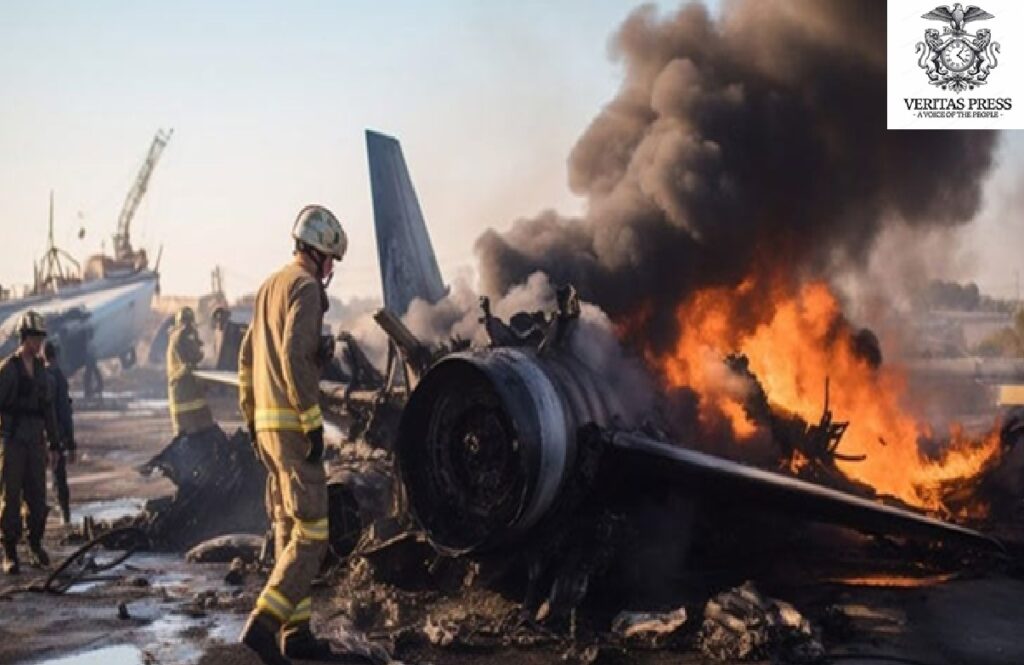
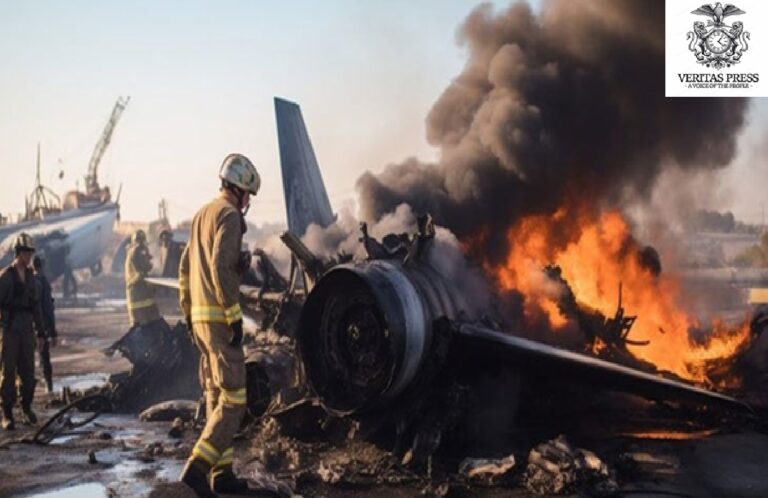
A United States fighter jet has been shot down over Iran, marking a dangerous and
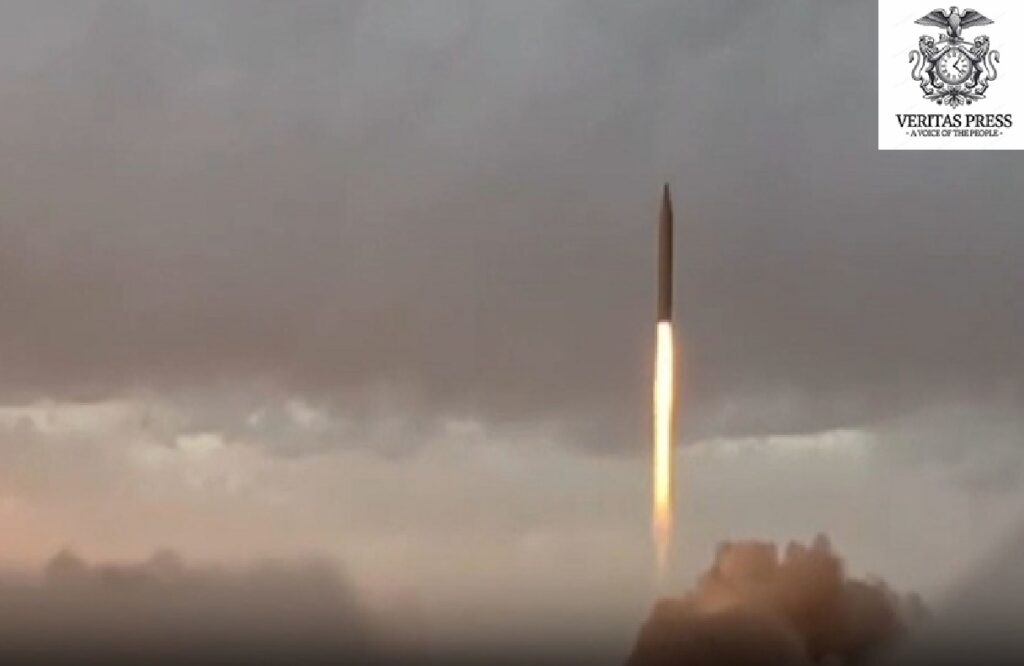
On February 28, the United States and Israel launched coordinated strikes on Iran, reported by

LONDON, UK – Just weeks after being appointed as the government’s “Cost of Living Champion”,

On February 28, 2026, the first wave of U.S.-Israeli pre-emptive strikes hit Iranian military and
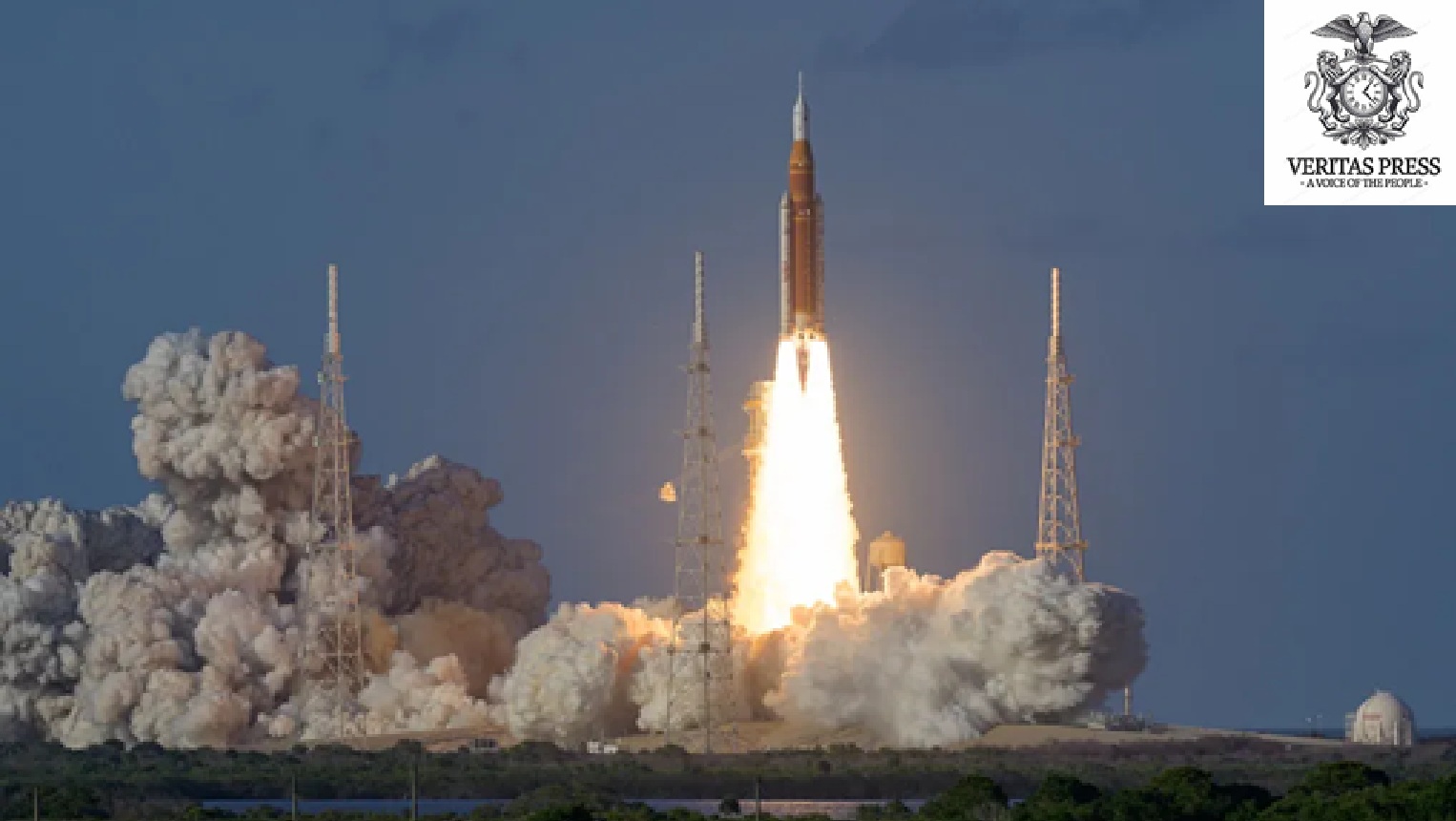
USA, NASA – Spurred by American ingenuity, astronauts on NASA’s Artemis II mission are in