
Title: Storms Kill Displaced Woman In Gaza As Tents And War-Damaged Buildings Collapse, A Humanitarian Catastrophe Deepens.
Press Release: Veritas Press C.I.C.
Author: Kamran Faqir
Article Date Published: 28 Dec 2025 at 11:10 GMT
Category: Middle-East | Palestine-Gaza-West Bank | Storms Kill Displaced Woman In Gaza As Tents And War-Damaged Buildings Collapse, A Humanitarian Catastrophe Deepens.
Source(s): Veritas Press C.I.C. | Multi News Agencies
Website: www.veritaspress.co.uk

Business Ads


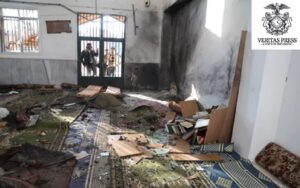
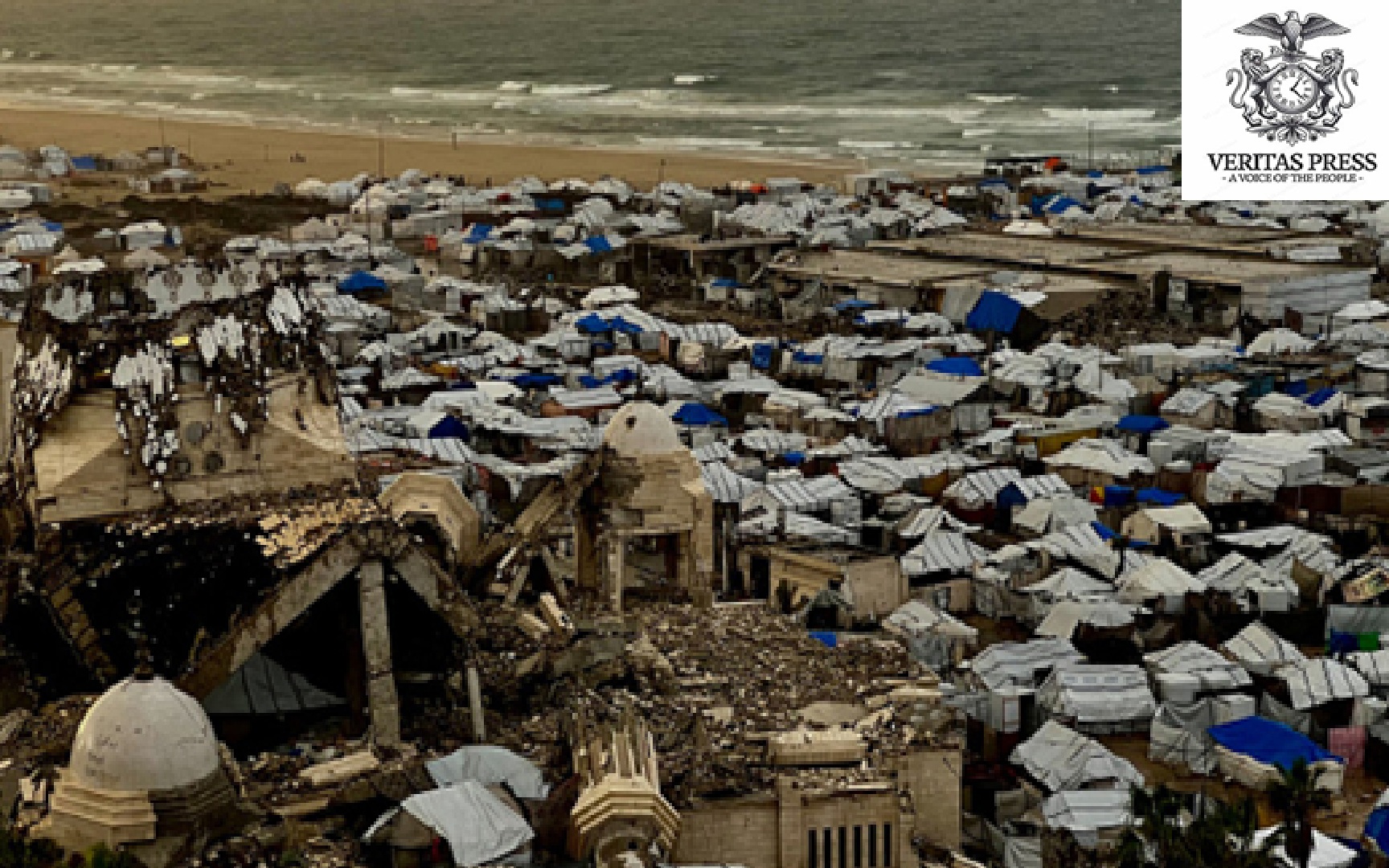
GAZA STRIP — A 30-year-old displaced Palestinian woman was killed, and multiple family members were wounded when a partially destroyed building collapsed onto the flimsy tent in which they were sheltering amid a powerful winter storm that has battered the Gaza Strip. The incident on Sunday in Gaza City’s Al-Rimal neighbourhood starkly underscores how a war-ruined environment, blocked aid supplies, and systemic neglect have turned ordinary weather events into deadly disasters.
A Death That Reveals A Larger Failure:
Medics told the Anadolu news agency that the wall of a residential building, already structurally compromised from previous Israeli bombardment, crumbled under torrential rain and gale-force winds, burying the woman’s tent beneath concrete and debris.
This tragedy is not isolated. Across Gaza, hundreds of thousands of people shelter in tents or partially destroyed structures that would never meet basic safety standards in peacetime. Gaza’s Civil Defence has urged civilians not to shelter in structurally compromised buildings, warning that winds and rainfall are causing walls and ceilings to crack and collapse without warning.
Weather As A Weapon In A War-Ravaged Zone:
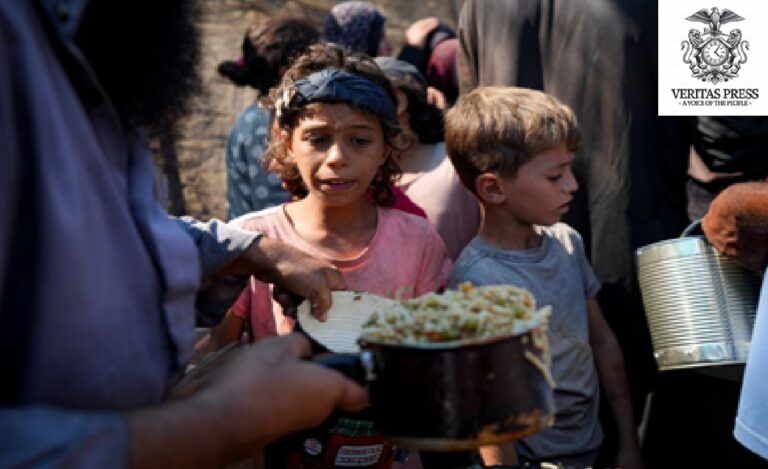
Heavy rain, driven by a polar low-pressure system, has flooded tent encampments and coastal displacement sites, uprooted shelters, and inundated possessions and bedding. In Khan Younis, surging sea waves swept through tent cities set up along the coast, sweeping away anything not tied down.
Like a cruel metaphor, the storm has exposed the fragility of life in Gaza today: an environment where weather joins warfare in killing civilians. According to Gaza’s health authorities, hundreds have already died from exposure, structural collapse, and freezing after heavy rain in recent weeks, including at least 15 deaths attributed to a previous storm in early December.
Voices From The Ground: Suffering, Fear, And Desperation.
Local families, medics, and humanitarian workers speak not just of inconvenience, but of terror.
Medics and aid workers have described the crisis in chilling terms. Caroline Seguin, Emergency Coordinator for Médecins Sans Frontières (MSF) in Gaza, warned bluntly after Storm Byron:
“Last night has been very difficult… tents flooded, belongings soaking, people overwhelmed by cold… I’m more worried about the winter coming rather than the bombing now because of the terrible living conditions inside Gaza today.”
Hospital staff have seen clinics and field hospitals inundated, forcing temporary shutdowns of operations critical to life-saving care. One clinician reported that water had seeped into operating rooms at a field hospital in Khan Younis, halting essential treatment.
Families on the ground describe similar crises:
- At a tent in Deir al-Balah, mother Shaima Wadi, displaced for nearly two years, explained:
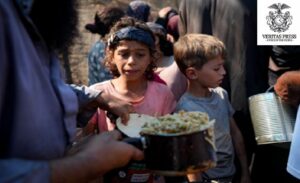
“We have been living in this tent for two years. Every time it rains and the tent collapses over our heads, we try to put up new pieces of wood… We can barely afford clothes for our children or mattresses for them to sleep on.” - Eight-month-old Rahaf Abu Jazar died of exposure in a flooded tent in Khan Younis, her mother recounting the nightmare of waking up to find her child frozen after rain poured inside their shelter.
- Another displaced father, Amjad Dawoud, told human rights observers about being forced onto the rooftop of a precarious family home during heavy rain:
“There is nowhere else for us to go… as the rain and wind intensified, a wall collapsed onto the tent where we were sleeping… we survived by God’s mercy.”
These testimonies illustrate a common truth: for Gaza’s displaced, there is literally nowhere safe to shelter.
Infrastructure Collapse Meets Blockade:
Humanitarian analysts emphasise that these deaths are not merely the result of nature but of man-made conditions:
- The United Nations Office for the Coordination of Humanitarian Affairs (OCHA) notes that persistent rainfall comes at a time when there is no access to regular electricity, severely limited shelter supplies, and challenges with getting fuel or equipment into Gaza due to ongoing restrictions on humanitarian access.
- Médecins Sans Frontières and UN agencies have warned that cold, crowded, unsanitary conditions heighten the risk of illness, infection, and additional deaths, yet shelter aid is arriving far too slowly.
- Gaza Municipality officials said the territory “urgently requires 120,000 tents or suitable housing units” to withstand seasonal weather.
Multiple monitoring and rights organisations have documented the dramatic reduction of Gaza’s infrastructure: roads, water, sewage systems and drainage networks are destroyed in most governorates, allowing rainwater to pool in flooded tent camps and turning dust into mud-filled deathtraps. Reddit
Blocked Aid And Political Responsibility:
Critics point to Israeli policies that have blocked or severely limited the entry of shelter materials, winter clothes, heating supplies, and mobile homes into Gaza, even after ceasefire agreements were struck. Humanitarian groups note that only a fraction of promised shelter supplies have been allowed through border crossings, leaving displaced families exposed.
One local aid coordinator explained that aid stockpiles waited for months on the Egyptian side of the Rafah crossing without being allowed in by Israel, even as rain approached. Families still live in tents battered by two years of warfare.
The Political Dimension Of Disaster Deaths:
International observers and analysts argue that these weather-related deaths reflect broader political decisions:
- The restricted flow of humanitarian aid, even under ceasefire arrangements, is seen by rights groups as part of a systemic denial of essential services to the Palestinian population.
- Gaza’s civil defence and local authorities have repeatedly called on the international community and Israeli authorities to allow unrestricted entry of shelter materials, fuel, and emergency supplies, warning that each delay places more civilian lives at risk.
A UN official emphasised:
“This suffering could be prevented by unhindered humanitarian aid, including medical support and proper shelter.”
Conclusion: When Rain Becomes Lethal, Responsibility Is No Longer Ambiguous.
The death of a displaced Palestinian woman crushed beneath a war-damaged wall during a winter storm in Gaza cannot be dismissed as a tragic accident or an unavoidable act of nature. It is the foreseeable outcome of a political and military reality in which civilians have been systematically stripped of shelter, safety, and the means to survive even the most basic environmental threats.
Every element of this death was preceded by warning signs. Gaza’s civil defence, municipalities, medics, and international humanitarian organisations have repeatedly cautioned that thousands of families are being forced to live in structurally unsound buildings or threadbare tents incapable of withstanding wind or rain. Aid agencies documented months in advance that winter storms would turn displacement camps into flood zones. UN officials warned that without unrestricted access to shelter materials, fuel, and heavy equipment, preventable deaths were inevitable. These warnings were not ignored by chance; they were ignored by choice.
The evidence points to a clear chain of responsibility. Israeli military bombardment reduced entire neighbourhoods to unstable ruins, leaving civilians with no viable housing alternatives. Israeli restrictions on the entry of tents, prefabricated shelters, plastic sheeting, fuel, and construction materials ensured that displaced families remained exposed as winter arrived. The destruction of sewage networks, drainage systems, and roads guaranteed that rainfall would accumulate into flooding. When the storm came, the conditions for catastrophe were already locked in.
In this context, heavy rain is not just a weather event; it is a lens revealing the depth of structural violence inflicted upon civilians who survived bombardment only to be abandoned to the elements. Storms do not create this vulnerability; they expose it. Rain becomes lethal only when infrastructure has been deliberately dismantled, humanitarian relief obstructed, and an entire population denied the right to rebuild or seek safety.
International law is unambiguous. As the occupying power, Israel bears legal obligations to ensure the welfare of the civilian population, including protection from environmental hazards and unhindered access to humanitarian assistance. The repeated deaths of displaced Palestinians during storms raise serious questions about grave breaches of these obligations, particularly when aid agencies attest that shelter materials and winter supplies were available but blocked at border crossings.
The international community’s role is equally inescapable. Expressions of concern and temporary aid pledges have failed to translate into enforcement, accountability, or sustained pressure to dismantle the policies that make such deaths inevitable. Each storm-related fatality adds to a growing body of evidence that diplomatic inaction has become a form of complicity.
If Gaza’s displaced are to survive future winters, the international community must confront not only the immediate consequences of flooding and cold but the political and logistical barriers that have rendered such suffering predictable and preventable. Until the siege is lifted, infrastructure repaired, and durable shelter and humanitarian aid allowed to flow freely, storms will continue to function as silent executioners, claiming lives not through sudden violence, but through sustained political neglect.