


Title: Republic Day Shadowed By Hate: Mob Violence Against Muslims In India.
Press Release: Veritas Press C.I.C.
Author: Kamran Faqir
Article Date Published: 01 Feb 2026 at 17:30 GMT
Category: South Asia | India-Islamophobia | Republic Day Shadowed By Hate: Mob Violence Against Muslims In India
Source(s): Veritas Press C.I.C. | Multi News Agencies
Website: www.veritaspress.co.uk

Business Ads


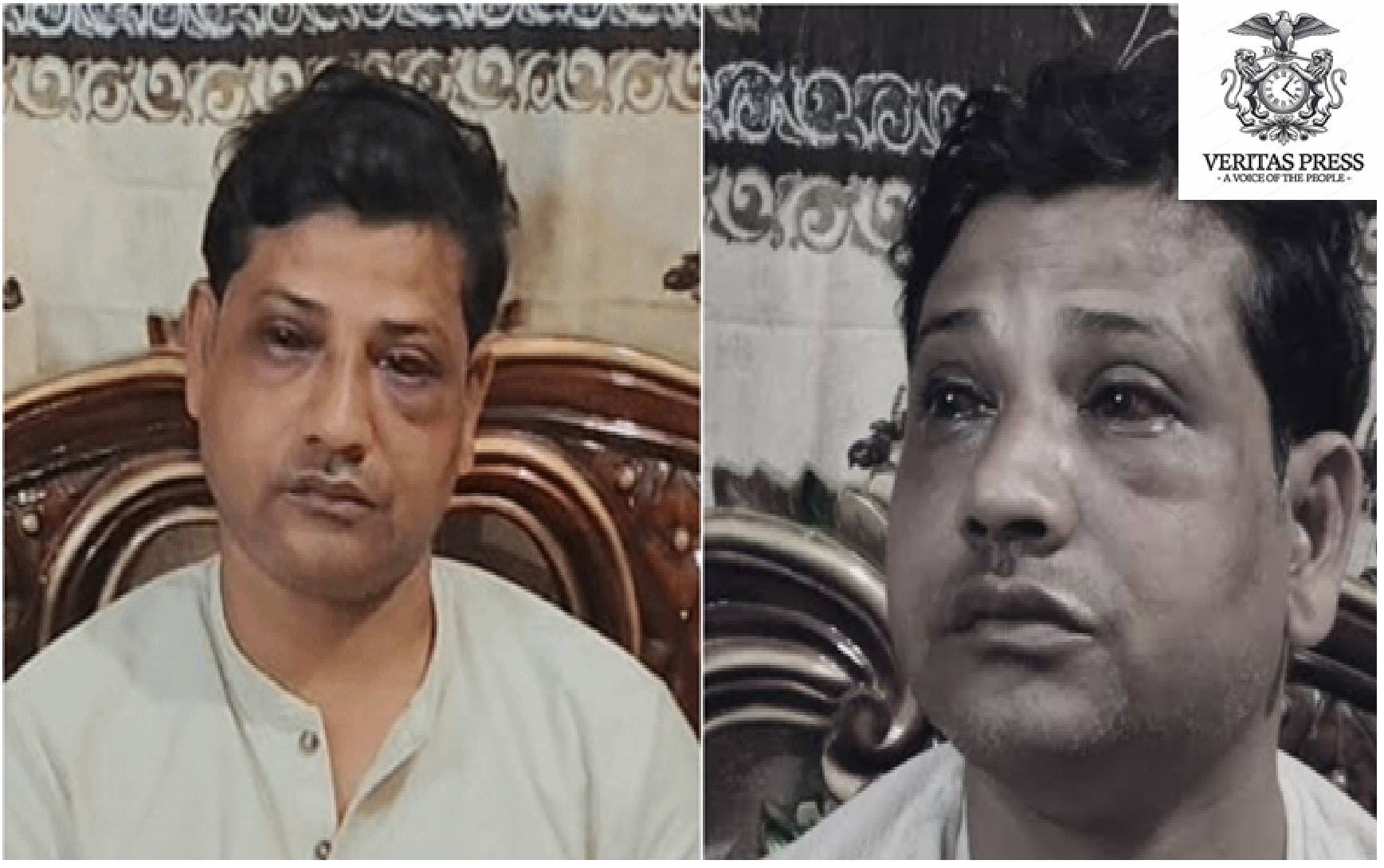
On 25 January 2026, the eve of India’s 77th Republic Day, a brutal episode of mob violence in South 24 Parganas, West Bengal, starkly contrasted with India’s constitutional ideals of equality, secularism, and rule of law. Three Muslim meat traders, Faraz Ali Piyada (35), Akkash Ali Piyada (37), and Ansar Ali Piyada (29), were assaulted, stripped, humiliated, and beaten by a large mob, not over a legal dispute but seemingly over their religious identity and perceived “foreignness.”
This was not an isolated incident. It reflects systemic social fractures where mob “justice” increasingly supplants law enforcement, and majoritarian narratives shape violence on India’s streets.
Republic Day Eve Violence: Assault, Humiliation, And Communal Slurs.
The confrontation reportedly began with a minor business dispute over meat quality. Customers had raised concerns about the meat sold at the shop; in response, the traders slaughtered additional goats and issued refunds.
Tensions escalated later that evening when Faraz Ali was intercepted near Jhulpiya Koylar Mor, dragged into a nearby village, and surrounded by a mob of 40–50 people. Witnesses reported that the mob shouted “You Muslim Bangladeshis live illegally on our land” as they beat him.
When Akkash Ali attempted to help, the mob intensified the assault. He was forced to write abusive statements about his family and humiliated for being Muslim. His wife, Sujata Bibi, alleges that attackers tore her clothes, kicked her, and physically harassed her as she tried to intervene. In a shocking violation of dignity, some attackers reportedly checked circumcision marks to confirm religious identity, and looted valuables from the victims.
The injured men were hospitalised in critical condition at Baruipur Hospital, later discharged but bedridden, physically injured, and psychologically traumatised.
Police Response And Human Rights Concerns:
Local police registered a case and arrested three suspects. Raids are ongoing to apprehend others allegedly involved, including Chandan Mandal, Kartik Naskar, Indra Ghosh, and Akash.
Advocate Asfak Ahammed of the Indian Justice Forum described the assault as “premeditated communal terror” and demanded non-bailable charges, fast-track trials, and recognition of hate crime motives. Rights organisations have called attention to the worrying trend of branding Indian Muslims as “Bangladeshis” to justify violence, a tactic increasingly observed across West Bengal and neighbouring states.
Locals reported fear and mistrust: decades of communal coexistence are now strained by narratives of suspicion, exclusion, and religious profiling.
A Broader Pattern: Lynching And Vigilante Violence In Odisha:
Just weeks prior, in Balasore, Odisha, Sheikh Makandar Mohammad (35) was fatally attacked by alleged cow vigilantes. Reports indicate he was forced to chant “Jai Shri Ram” and “Gau Mata Ki Jai” before being beaten to death, reflecting a chilling intersection of mob violence, religious coercion, and identity-based targeting.
Civil society organisations condemned the attack, calling it part of a growing culture of impunity for mob violence against minorities in India. Independent journalists note that selective media coverage and political narratives often amplify communal divisions rather than discourage vigilantism.
Legal Frameworks And Gaps:
Current Law
India addresses violent acts through the Indian Penal Code (IPC), Criminal Procedure Code (CrPC), and some state-level legislation, but no comprehensive national anti-lynching law exists.
Key IPC Sections Used in Mob Violence:
- 302 IPC: Murder
- 307 IPC: Attempt to murder
- 323–325 IPC: Hurt or grievous hurt
- 153A IPC: Promoting enmity between groups
- 506 IPC: Criminal intimidation
- 34 / 149 IPC: Common intention / unlawful assembly
Problem: These sections do not capture the mob or hate-driven nature of lynching, often treating it as an ordinary assault or murder, without addressing premeditation, communal targeting, or collective culpability.
Judicial Directives
- Supreme Court (2018, Tehseen Poonawalla case): Directed states to treat lynching as cognizable and non-bailable, recommended fast-track courts, and urged victim compensation.
- State Laws: Maharashtra enacted the first anti-lynching law in 2018; Jharkhand and Odisha have draft provisions. Enforcement, however, remains patchy.
Proposed Reforms:
1. Legislative
- The National Anti-Lynching Law defines mob violence, communal intent, and collective liability.
- Explicit classification of hate crimes based on religion, caste, ethnicity, and gender identity.
- Mandatory non-bailable and cognizable offence status.
2. Police and Investigation
- Training to recognise communal dynamics.
- Strict accountability for inaction or collusion.
- Use of forensic and digital evidence to identify mob leaders.
3. Victim Support
- Cash compensation, free medical and psychological care.
- Witness protection during trials.
- Community reintegration programs to restore safety.
4. Judicial Reforms
- Fast-track courts for lynching cases.
- Uniform sentencing guidelines.
- Public interest litigation monitoring by civil society.
5. Civil Society and Media
- NGOs and media to document, track, and report hate crimes consistently.
- Religious institutions and community leaders should actively denounce mob violence.
Ahsan Khan, human rights activist in Kolkata:
“It is not enough to punish individual attackers. We must dismantle the ecosystem, ideology, impunity, and inaction that allows mobs to thrive.”
Conclusion: Rule Of Law Vs. Mob Justice.
The attacks in South 24 Parganas and Balasore are not random; they are symptomatic of a growing culture of communal vigilantism and state and societal inaction. Citizens are increasingly forced to prove their Indian identity under threat of violence, revealing a profound erosion of constitutional guarantees.
Let it be clear:
- Mob lynching is a crime — whether it happens to Hindus in Bangladesh or Muslims in India.
- Violence has no religion. Murder, assault, or coercion cannot be justified in the name of faith, nationalism, or cow protection.
- Selective outrage deepens divisions.
- Human life must matter equally — everywhere.
- Rule of law — not mobs — must prevail.
As India commemorated its Republic Day, a celebration of justice, liberty, equality, and fraternity, these incidents highlight the urgent need for legal reform, police accountability, and societal vigilance to safeguard minorities, uphold constitutional rights, and restore social harmony.

When Lieutenant Colonel Ebrahim Zolfaqari, spokesman for Iran’s Khatam al-Anbiya Central Headquarters, issued a warning
The historic Christian presence in Palestine, dating back to the earliest centuries of Christianity, is
JERUSALEM – For the first time since the aftermath of the Six-Day War, the courtyards
TEHRAN – As the sun rose on Eid al-Fitr, a day meant for celebration and
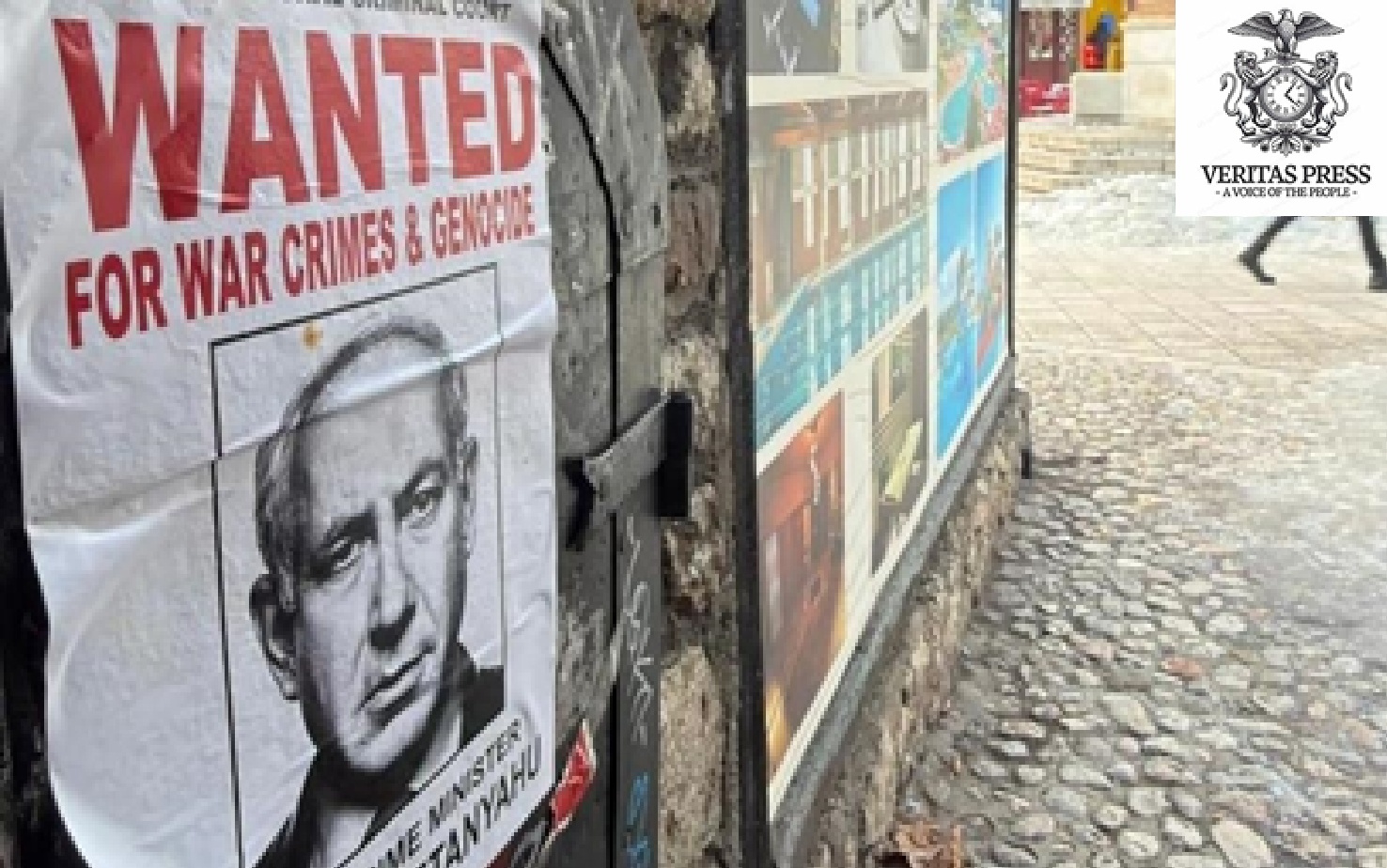
HUNGARY – As Benjamin Netanyahu prepares to travel to Hungary this weekend, a mounting legal

LONDON — In the polished corridors of 10 Downing Street, the language remains meticulously calibrated:
On March 20, 2026, the Pentagon quietly announced what amounts to a fundamental restructuring of
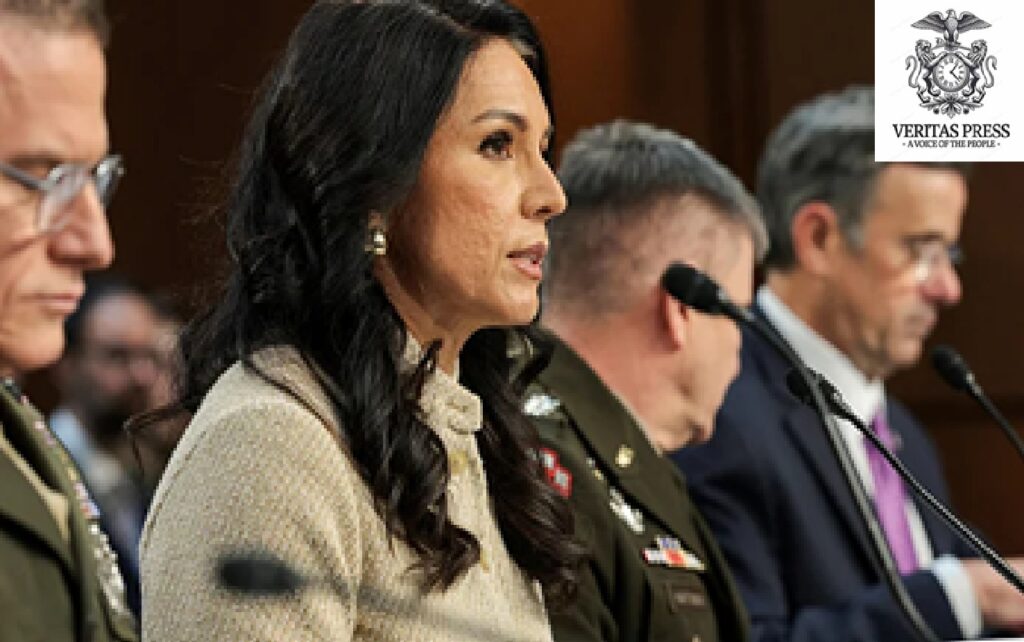
WASHINGTON / ISLAMABAD — A fresh warning by US Director of National Intelligence Tulsi Gabbard