







Press Release: Veritas Press C.I.C.
Author: Kamran Faqir
Article Date Published: 23 Oct 2025 at 13:09 GMT
Category: UK | Politics | Reform UK’s Only Black Branch Chair Quits
Source(s): Veritas Press C.I.C. | Multi News Agencies

Business Ads

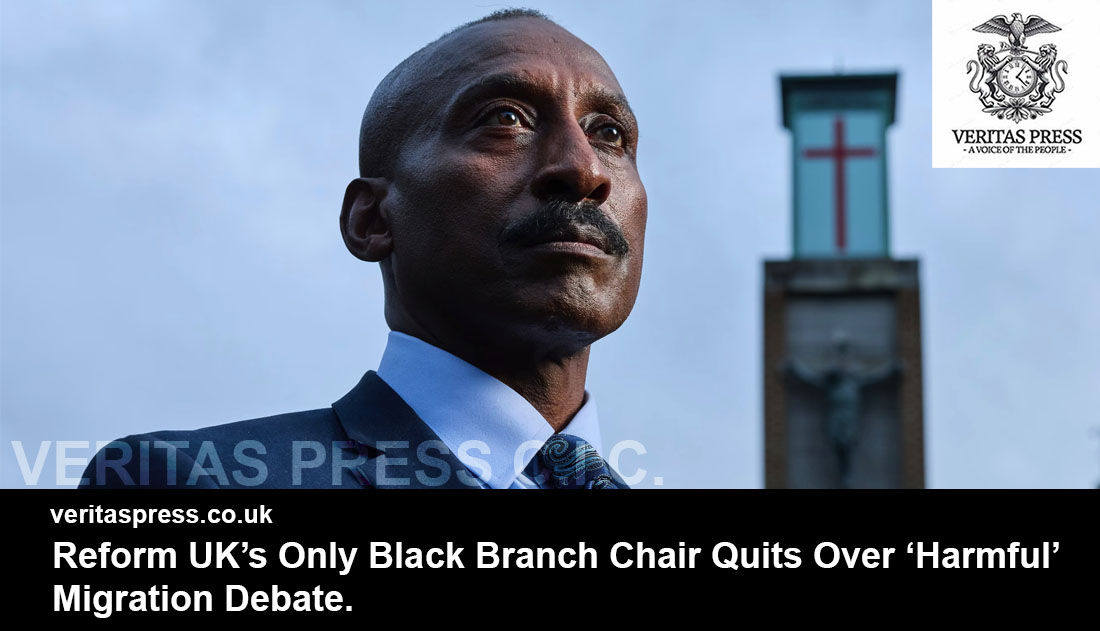
Exclusive: Neville Watson leaves amid concerns over the weaponisation of religion and erosion of community relations.
The right-wing populist party Reform UK is facing internal turbulence after the resignation of its only Black branch chair, Neville Watson. Watson, who led the Enfield branch of the party, told The Guardian that he felt “the tone of Britain’s migration debate is doing more harm than good.”
Neville Watson, of north London and the son of Jamaican Windrush-generation parents, had carved out a notable role in Reform. With a professional background in social enterprise, youth work and special educational needs, he was one of the more outward-facing figures in the party from a minority community. Under his stewardship, the Enfield branch attracted members from Nigerian, Sikh and Turkish backgrounds, people disillusioned with mainstream politics.
Watson said he did not personally experience racism within Reform, describing the people he met there as “a lot of good people.” But his decision to leave was driven by deeper concerns: over the party’s direction, the growing influence of Christian-nationalist rhetoric, rising Islamophobia, and what he felt was a politics losing its compassion.
Key Issues Raised.
Several themes emerged from Watson’s departure:
- Migration and morale: Watson challenged the dominant migration narrative within his former party. He said that while he believes migration has been good for the country, and if managed properly, still could be, he worried that Reform’s tone and the wider political conversation were increasingly antagonistic and harmful to community relations.
- Religion and ideology: A recurring concern for Watson was the entanglement of faith and politics, in particular, the rise of what he referred to as Christian nationalism, where religious symbols and beliefs are used to advance a political ideology that he argues is not genuinely Christian. He told the Guardian that he left Reform because he no longer felt compatible with a party whose policies and discourse he believed were at odds with his evangelical Christian faith and the “love thy neighbour” principle.
- Islamophobia and far-right sympathies: Watson was alarmed by what he perceived as growing sympathy within the party for figures like Tommy Robinson (founder of the far-right English Defence League). Although the party leadership denies being aligned with such figures, Watson believes some within the party are “sympathetic” to the ideas they promote. He also raised concerns about rising Islamophobia in the party’s discourse and the wider political space.
- Party politics and competition: Watson argued that UK politics is increasingly losing its compassion as parties compete to “out-Reform Reform”. He felt that by staying on as branch chair, he would always be conscious of the misalignment between his faith/values and the party’s emerging direction, and so he chose to leave.
Departure And Aftermath:
Watson’s exit followed the large “Unite the Kingdom” rally in London (which reportedly drew around 110,000 protesters) and his earlier correspondence with Reform’s former chair and head of policy, Zia Yusuf, where he proposed reparations to African-Caribbeans, a stance Yusuf had dismissed.
Since leaving Reform, Watson has joined the Christian People’s Alliance, stating that the move allows him to “proclaim who I am without flinching”. He emphasised his respect for Muslim brothers and sisters and rejected a society in which faith is weaponised against Islam.
Broader Context: Reform UK And Migration Politics.
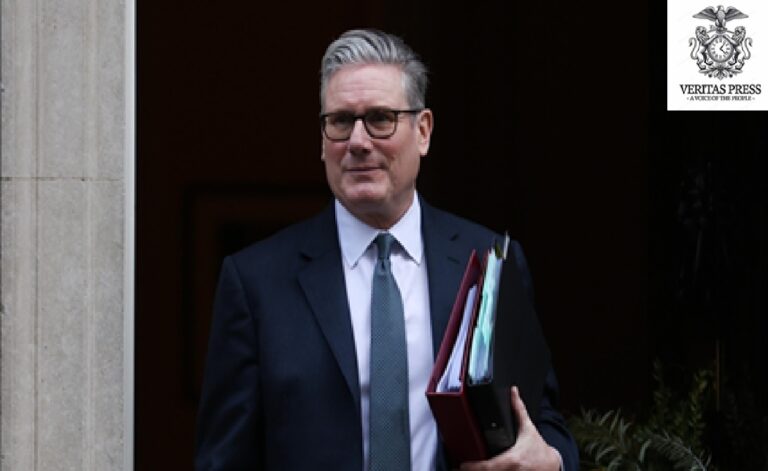
Watson’s departure comes amid heightened scrutiny of Reform’s immigration and asylum policies. For instance, party leader Nigel Farage recently announced a policy to abolish indefinite leave to remain (ILR), under which some lawful residents could lose their right to stay permanently. The Labour leader Keir Starmer called it “racist” and “immoral”.
Additionally, Reform has been grappling with internal rifts. Earlier in the year, Zia Yusuf resigned as chairman following a rift over a call to ban the burqa, only to return days later in a different role. Wikipedia. These episodes suggest tensions in the party between its populist hard-line stances and attempts to broaden its appeal.
Reactions: Political, Faith & Community Leaders.
- Faith leaders across Christian, Muslim and Jewish traditions have been vocal about migration rhetoric. More than 30 senior faith figures, including rabbis, imams and bishops, signed a letter in May 2025 urging the government to adopt “a more compassionate narrative” on migration and avoid polarising language.
- The Church of England, notably through its Archbishop of York, Stephen Cottrell, criticised Reform UK’s migration plans as “isolationist, short-term and knee-jerk”.
- Within Reform UK itself, the party faces internal volatility, including the withdrawal of the whip from MP Rupert Lowe over allegations of threats and bullying, which commentators say underscores fault-lines in the party’s organisation and coherence.
- Community leaders and local authorities have also flagged concerns about Reform-driven campaigns, for example, in the town of Weston-super-Mare, where Reform’s local activism around asylum-seeker housing has been criticised for spreading misinformation and inflaming local tensions.
How This Might Affect Reform UK’s Prospects Ahead Of The Next General Election:
- Representation and diversity risk: Watson’s departure may undermine Reform’s efforts to portray itself as a party with appeal beyond its core white working-class base. Given that Watson had been seen as a bridge to diverse communities, his exit signals potential difficulty in reaching those electorates.
- Credibility and coalition-building: The party is positioning itself for the next general election (with Farage saying Reform must be ready for power by 2027). Yet the exit of a minority branch chair over ideological and moral issues may dent the narrative of unity and upward trajectory.
- Messaging risk: With faith leaders condemning certain migration narratives as polarising, Reform’s strong anti-immigration rhetoric may provoke backlash among faith communities, non-white voters and moderates, thereby narrowing its effective electoral coalition.
- Internal stability: Internal disputes and high-profile departures raise questions about discipline and coherence within Reform, vital if a party is serious about governing. The resignation of Watson adds to previous resignations (e.g., Georgie David from Reform, alleging racism) and internal conflicts (e.g., Rupert Lowe), which may project weakness.
- Electoral timing and space: With the ruling Labour government under pressure and Reform polling well in some areas, the party has a window of opportunity. But if the party cannot broaden beyond its high-immigration, anti-establishment niche, the next election may expose limits in national appeal.
Conclusion: A Party Divided, Reform UK’s Embrace Of Far-Right Rhetoric And Christian Nationalism.
Neville Watson’s resignation from Reform UK is a pivotal moment, exposing the party’s deepening entanglement with far-right ideologies and the weaponisation of religion in political discourse. As the only Black branch chair, Watson’s departure underscores a growing dissonance between Reform UK’s public image and the realities within its ranks.
Far-Right Influences And Islamophobic Rhetoric:
Reform UK’s association with figures like Tommy Robinson, known for his anti-Muslim rhetoric and anti-migrant views and leadership of the English Defence League, has raised significant concerns. While the party leadership, including Nigel Farage, publicly distances itself from Robinson, internal party dynamics suggest a more complex relationship. Allegations have surfaced of Reform UK councillors sharing far-right and Islamophobic content on social media, indicating a troubling undercurrent within the party.
Christian Nationalism And Religious Instrumentalisation:
The increasing prominence of Christian nationalism within Reform UK further complicates its position. Leaders like Danny Kruger have articulated a vision of England as a Christian nation, advocating for policies that align with conservative Christian values. This ideological shift raises questions about the party’s commitment to secularism and inclusivity, particularly concerning its treatment of Muslim communities.
Impact On Community Relations And Electoral Prospects:
Watson’s departure highlights the erosion of compassionate discourse in British politics. His concerns about the party’s rhetoric on migration and its implications for community relations resonate with broader critiques of Reform UK’s approach. The party’s focus on divisive issues, such as immigration, often framed in terms of cultural and religious threats, risks alienating diverse communities and undermining social cohesion.
Political Reactions And Public Sentiment:
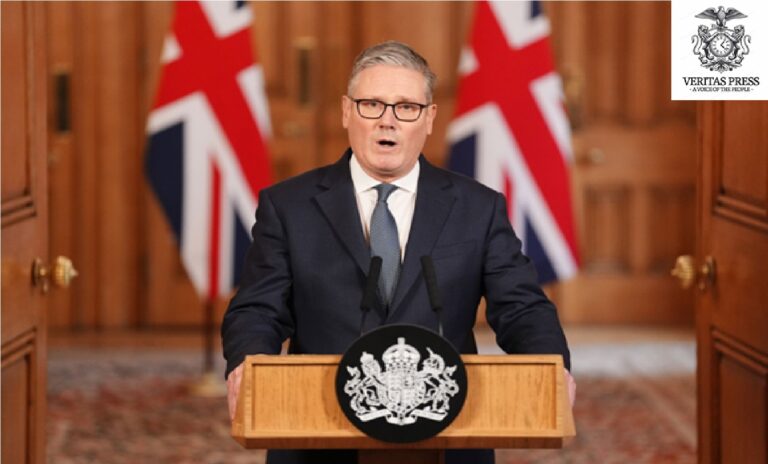
The resignation has elicited responses from various political figures. Labour leader Keir Starmer has condemned Reform UK’s proposed immigration policies as “racist” and “immoral,” particularly the plan to revoke indefinite leave to remain for migrants. These policies have been criticised for their potential to sow division and harm established communities.
Public opinion reflects growing unease with Reform UK’s direction. A poll by the 1928 Institute indicates that support for the party among British Indians has tripled since the last election, suggesting a shift in demographic support. However, this increase may not necessarily translate into broader electoral success, especially if the party’s associations with far-right elements continue to surface.
In any event, Neville Watson’s resignation serves as a clarion call for introspection within Reform UK. It exposes the dangers of embracing divisive ideologies and the instrumentalisation of religion for political gain. As the party approaches the next general election, its ability to reconcile its rhetoric with the values of inclusivity and compassion will be critical. Without a genuine commitment to bridging divides and fostering unity, Reform UK’s prospects may be compromised, leaving it to navigate a political landscape increasingly wary of its affiliations and policies.