


Title: Ramadan 2026: The Month Of Revelation, Reflection, And Renewal
Press Release: Veritas Press C.I.C.
Author: Kamran Faqir
Article Date Published: 05 Jan 2026 at 13:00 GMT
Category: Religion | Islam | Ramadan 2026: The Month Of Revelation, Reflection, And Renewal
Source(s): Veritas Press C.I.C. | Multi News Agencies
Website: www.veritaspress.co.uk

Business Ads

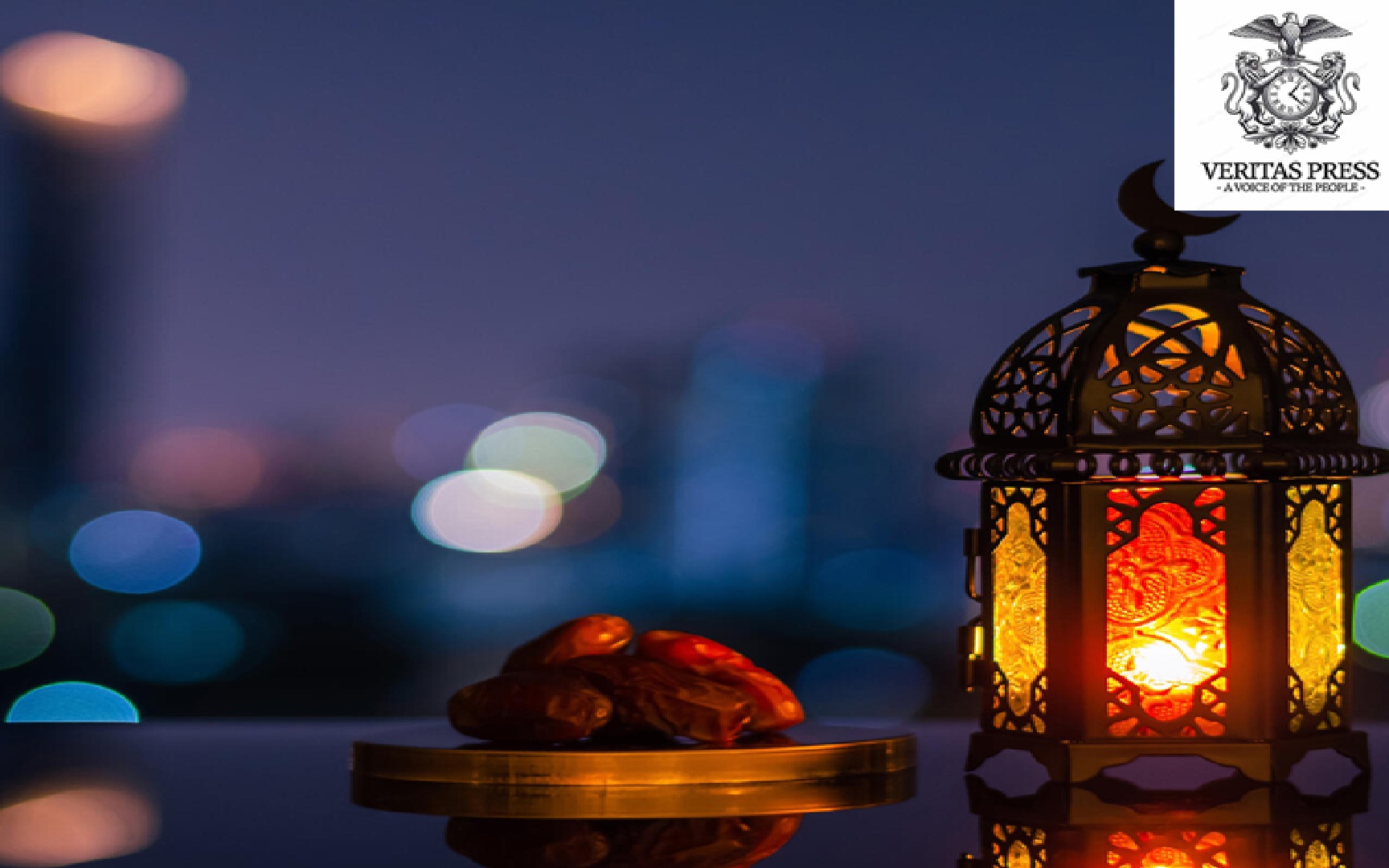
The auspicious month of Ramadan is a time of reflection, contemplation, discipline, and celebration. Observed by over two billion Muslims worldwide, Ramadan marks a profound spiritual period rooted in revelation, worship, charity, and community.
As Muslims prepare for this blessed month, understanding its origins, practices, and key milestones helps place Ramadan in its full religious and historical context.
What Is Ramadan?
Ramadan is the ninth month of the Islamic lunar calendar and commemorates the month in which the Qur’an was first revealed to the Prophet Muhammad (peace be upon him). It is a time dedicated to spiritual growth, moral discipline, and renewed devotion to God (Allah).
More than a ritual observance, Ramadan is one of the Five Pillars of Islam, making it central to Muslim faith and practice.
The Sacred Story At The Heart Of Ramadan:
The Core Story: Revelation Of The Qur’an.
More than 1,400 years ago, during Ramadan, the Prophet Muhammad was meditating in the Cave of Hira, near Mecca. Muslims believe that on a night later known as Laylat al-Qadr (the Night of Power), the angel Jibril (Gabriel) appeared to him and revealed the first verses of the Qur’an.
This moment marked the beginning of Muhammad’s prophethood and the gradual revelation of Islam’s holy book over the following years.
The Qur’an describes Laylat al-Qadr as a night “better than a thousand months”, emphasising its immense spiritual significance. For this reason, Ramadan is regarded as a time when divine mercy, guidance, and forgiveness are especially close.
Why Muslims Fast?
Ramadan commemorates this revelation through fasting (sawm) from dawn to sunset. During daylight hours, Muslims abstain from:
- Food and drink (including water)
- Smoking
- Marital relations
This fast is not a punishment, but an act of devotion intended to:
- Draw believers closer to God
- Cultivate patience, humility, and self-control
- Deepen empathy for the poor and hungry
- Encourage moral reflection and repentance
Daily Life During Ramadan:
The Daily Rituals:
The rhythm of daily life shifts throughout Ramadan and is anchored by three key moments:
- Suhoor (Pre-dawn meal): A nourishing meal eaten before first light, often including slow-digesting foods such as oats, dates, and plenty of water.
- The Fast (Sawm): From dawn until sunset, Muslims abstain from food, drink, and other physical needs.
- Iftar (Breaking the fast): At sunset, the fast is traditionally broken with dates and water, following the Sunnah of the Prophet Muhammad, before sharing a meal with family, friends, or the wider community.
Beyond Food: Spiritual And Moral Discipline.
While fasting is the most visible aspect of Ramadan, the “inner fast” is equally important. Muslims strive to:
- Control speech by avoiding gossip, lies, and foul language
- Control anger and practise patience
- Increase worship, including prayer and Qur’an recitation
- Strengthen generosity through charity
Many aim to complete a full reading of the Qur’an during the month, while charitable giving is strongly emphasised.
Community, Compassion, And Charity:
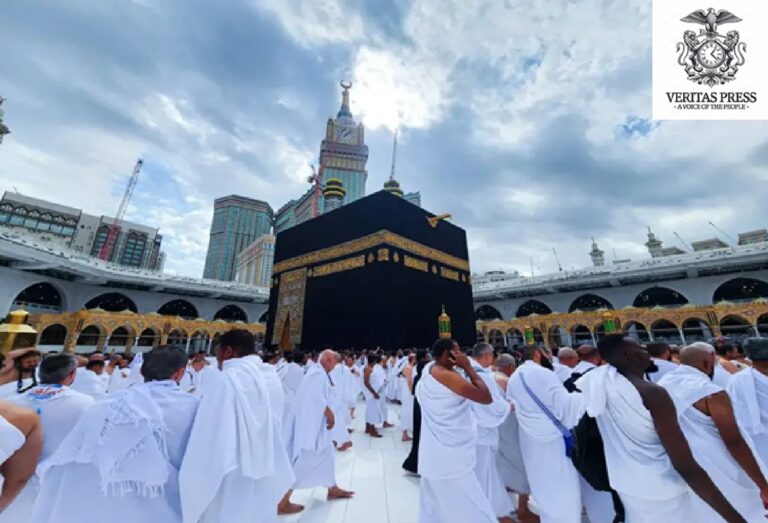
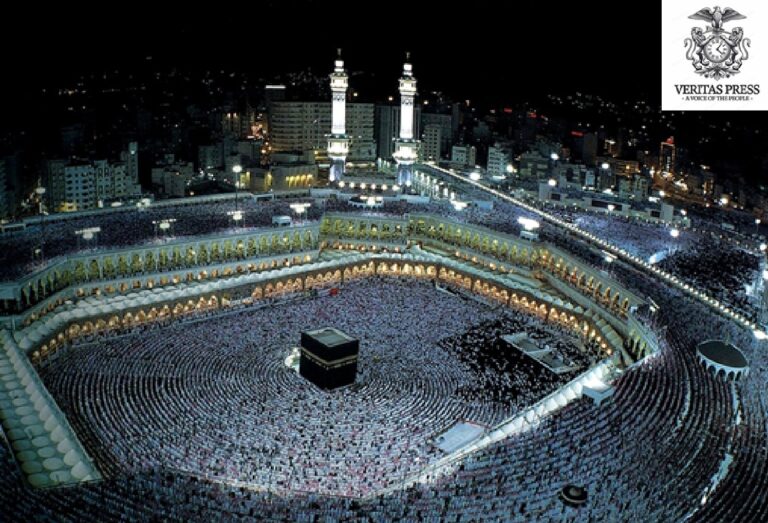
Ramadan is deeply communal. Families and neighbours gather for iftar meals, and mosques become centres of worship and social solidarity.
Charity plays a central role:
- Zakat (obligatory annual charity) is often paid during Ramadan
- Sadaqah (voluntary charity) is strongly encouraged
Good deeds performed in Ramadan are believed to carry multiplied reward.
Key Milestones Of The Month:
- Taraweeh Prayers
Special nightly prayers are held after the final daily prayer, during which the Qur’an is recited in full over the month. - Laylat al-Qadr (The Night of Power)
Occurring on one of the odd-numbered nights in the last ten days (commonly the 27th), worship on this night is said to be better than a thousand months. - Itikaf
Some Muslims spend the last ten days in seclusion at a mosque, focusing entirely on prayer and spiritual reflection.
When Is Ramadan 2026?
The Islamic calendar follows the lunar cycle, meaning Ramadan begins about 10 days earlier each year in the Gregorian calendar.
Ramadan 2026 – Key Dates at a Glance:
- Expected start of Ramadan:
19 or 20 February 2026 (subject to moon sighting) - Length of Ramadan:
29 or 30 days - Expected end of Ramadan:
Around 20 March 2026 - Laylat al-Qadr (27th night):
Likely around 17 March 2026 (subject to confirmation) - Expected start of Eid al-Fitr:
Around 20 or 21 March 2026
For confirmed dates, Muslims are advised to check with local mosques or trusted Islamic organisations.
Eid Al-Fitr: The Joyful Conclusion.
Ramadan concludes with Eid al-Fitr, meaning the Festival of Breaking the Fast. It begins with the sighting of the new moon and a special communal prayer.
Eid al-Fitr is a time of:
- Gratitude and forgiveness
- Family gatherings and shared meals
- Gift-giving, especially to children
- Community celebration
Zakat Al-Fitr:
Before the Eid prayer, all Muslims must give Zakat al-Fitr, a compulsory donation traditionally provided as food or its monetary equivalent. Its purpose is to ensure that the less fortunate can also enjoy the celebration of Eid.
Many choose to give Zakat al-Fitr or Zakat during Laylat al-Qadr, when charitable acts are believed to carry greater reward.
In Essence:
Ramadan is far more than a change in diet. It is a spiritual reset, a month of revelation, restraint, compassion, reflection, and renewal. It invites Muslims to realign their lives with the moral and spiritual guidance of the Qur’an while strengthening bonds with God, family, and community.
Ramadan Mubarak To All Our Readers, From All Of Us At Veritas Press.