



Original Article Date Published:
Article Date Modified:
War, Displacement, And The Emerging Battle Over Gaza’s Future
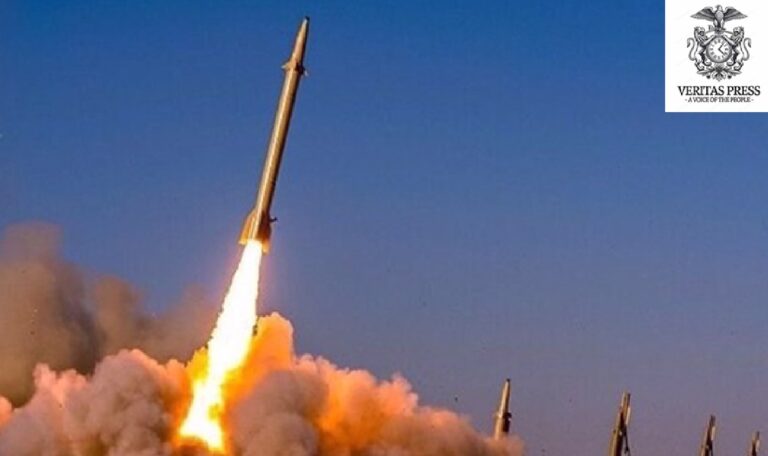
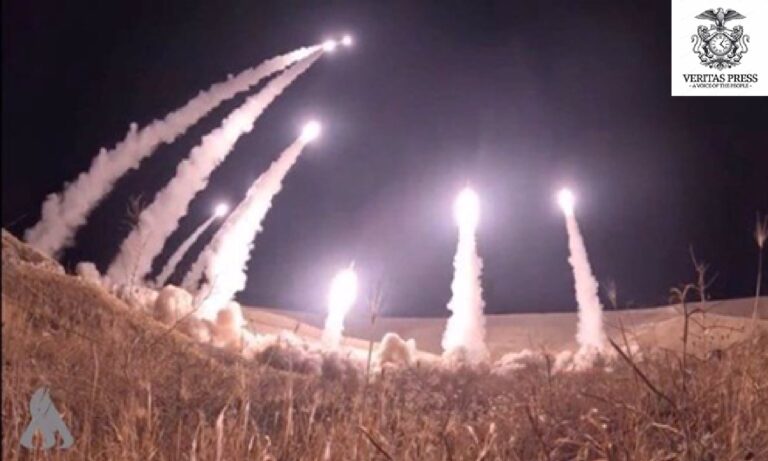
Israel’s leadership continues to insist that its post–October 7 military campaign restored “deterrence.” Yet mounting battlefield incidents, persistent armed networks, and widening regional tensions point toward a far less stable reality, one in which the structural drivers of the 2023 shock remain firmly in place.
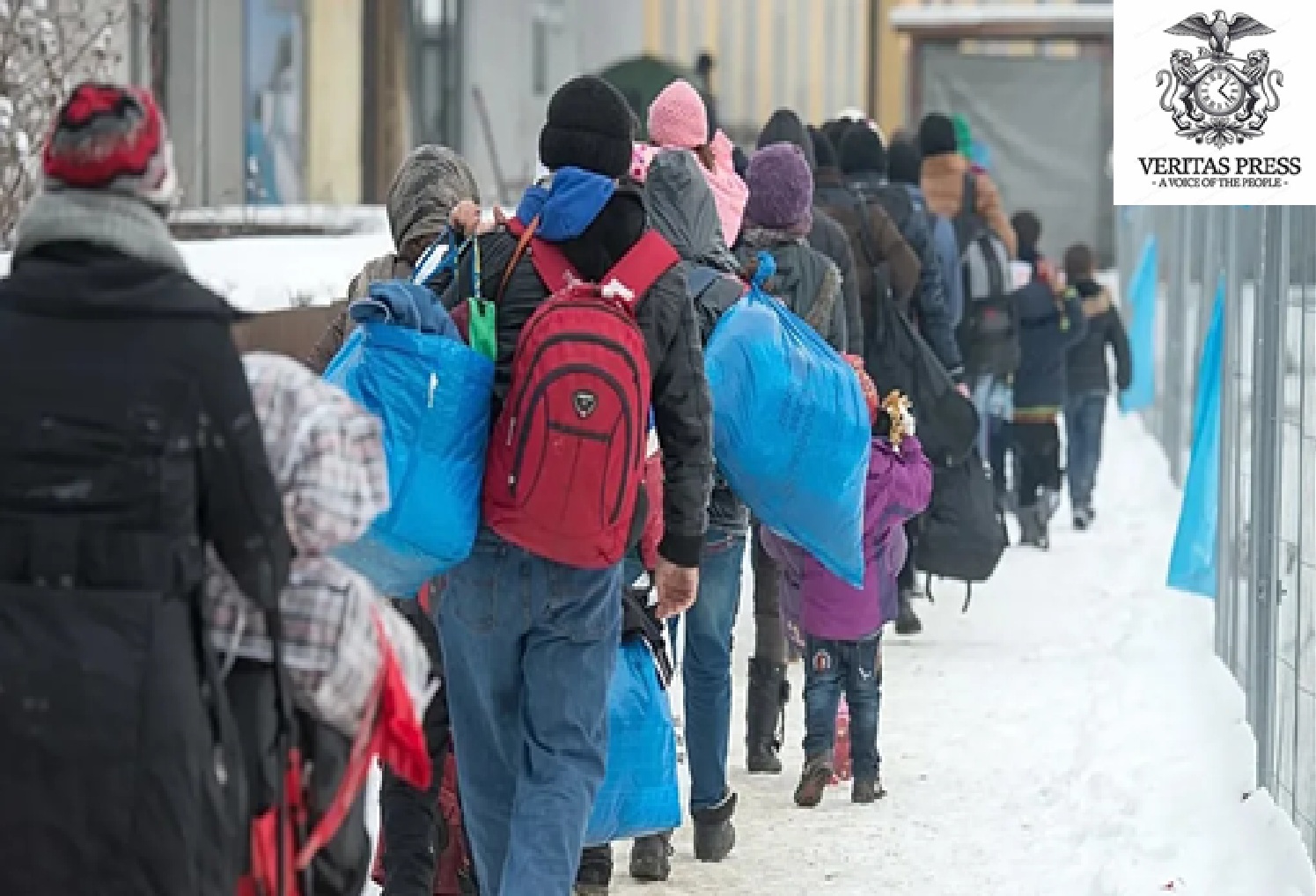
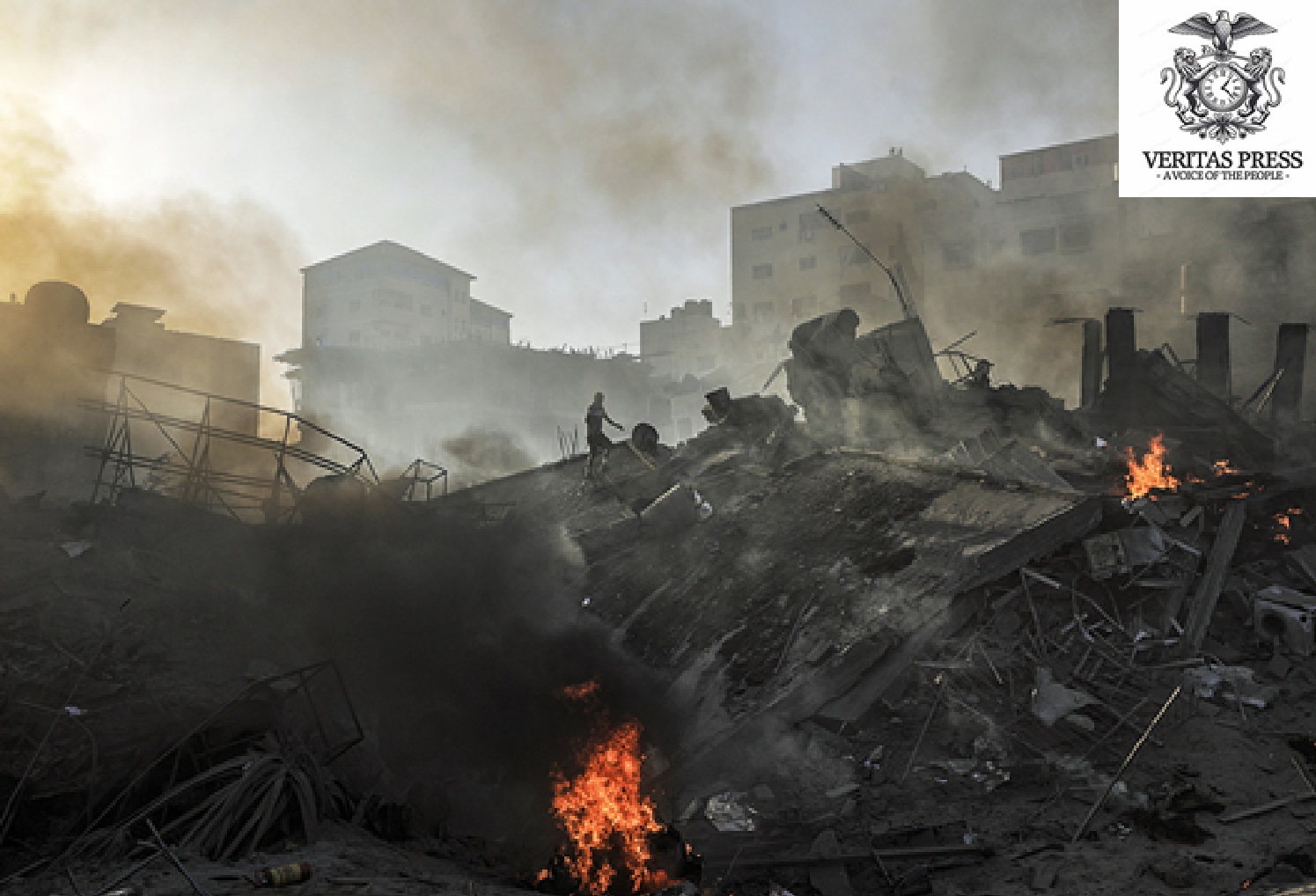
Rather than proving strategic supremacy, the war has exposed the limits of overwhelming force when deployed against conflicts rooted in dispossession, sovereignty, and competing national narratives. Increasingly, the conflict is no longer a military debate alone; it is entangled with ethnic cleansing, cultural and generational erasure, forced displacement, human rights violations, and the planned transformation of Gaza into a radically restructured enclave.
Israel’s Deterrence Doctrine: Theory And Practice.
Israel’s defence strategy has long rested on deterrence. The logic is simple: to avoid full-scale wars, Israel must convincingly demonstrate its capacity to retaliate. Potential adversaries are warned that any aggression will incur overwhelming costs.
The conceptual framework of deterrence developed around nuclear weapons, whose absolute destructive potential creates caution even without actual use. Israel maintains a nuclear arsenal, deliberately opaque, designed to deter Arab governments and, increasingly, Iran. Here, demonstration is unnecessary; the threat alone is the deterrent.
For lesser contingencies, notably Hamas in Gaza and Hezbollah in Lebanon, deterrence operates differently. It is not absolute, nor guaranteed. It is fragile, akin to a fence that can be broken but repaired, a system that requires constant forceful demonstration to sustain the illusion of control. When deterrence fails, Israel’s doctrine defaults to punitive military action, seeking to restore fear and demonstrate the folly of defiance.
Historical Lessons: Gaza And Lebanon.
Before reliance on deterrence, Israel sought to control threats directly. Maintaining a presence in Gaza and Lebanon proved costly.
- Lebanon (1970s–2000): After the PLO relocated from Jordan, Israel periodically entered southern Lebanon to push guerrilla bases away from its northern border. The 1982 invasion sought to remove the PLO entirely and install a compliant government, a mission that failed and catalysed the rise of Hezbollah. Israel’s eventual withdrawal in 2000 was unilateral, seen as a Hezbollah victory and a consequence of constant harassment.
- Gaza (2005): Prime Minister Ariel Sharon, noting the unsustainable cost of occupation, ordered a unilateral withdrawal. Settlements were closed; the Palestinian Authority was left with minimal governance capacity. Hamas filled the vacuum within two years, consolidating power and turning Gaza into a militarised base, leveraging external resources, including Iranian support.
These experiences shaped Israel’s reliance on deterrence by denial and punishment, rather than direct occupation, a model that would dominate Gaza strategy in the years leading up to 2023.
Forms Of Deterrence And Their Limits:
Israel’s deterrence manifests in two main ways:
- Deterrence by denial: Fences, Iron Dome, and shelters protect civilians while preventing incursions. Yet tunnels, rockets, and asymmetrical attacks routinely bypass these measures.
- Deterrence by punishment: Airstrikes, targeted killings, and infrastructure destruction impose costs, signalling that aggression carries consequences.
While effective in the short term, these measures cannot resolve underlying grievances. Urban warfare inherently risks civilian casualties, eroding Israel’s moral and legal standing, and fueling resistance. Human rights observers highlight that repeated attacks on civilian-populated areas may constitute collective punishment, violating international humanitarian law.
Hezbollah Vs. Hamas: Different Deterrence Dynamics.
- Hezbollah (2006): Israel’s campaign, following a Hezbollah cross-border raid, revealed weaknesses in Israeli strategy. Despite casualties among Hezbollah commanders, the militia survived, illustrating the limits of deterrence in politically integrated armed groups.
- Hamas (Gaza): Periodic clashes, rocket attacks, and retaliatory airstrikes create a “mowing the lawn” dynamic, short-term disruption without strategic resolution. Deterrence failed on October 7, showing that Hamas cannot be coerced solely through fear; Israel’s postwar campaign aims to eliminate Hamas’ capacity, but even temporary gains may be fleeting.
October 7: The Psychological Rupture.
The attack exposed Israel’s overconfidence and structural blind spots. Despite intelligence indicating Hamas’s plans, officials dismissed the threat. Analysts describe the event as a “political shock,” fracturing deterrence and emboldening regional actors who concluded that even the most advanced military could be penetrated.
Humanitarian And Legal Consequences:
Israel’s retaliation caused catastrophic humanitarian damage, violating basic human rights and international law. Civilian deaths, infrastructure destruction, and restricted aid led Amnesty International to highlight potential war crimes. The deliberate targeting of densely populated areas and displacement campaigns has systemically terrorised civilians, reinforcing cycles of ethnic cleansing, cultural erasure, and generational trauma.
Trump-Linked Redevelopment: Displacement By Another Name.
Postwar reconstruction proposals, particularly those endorsed or inspired by Trump, envision Gaza transformed into luxury compounds, economic zones, and high-tech hubs, often contingent on the permanent or temporary removal of residents. These plans, framed as economic modernisation, risk institutionalising displacement, erasing Palestinian identity, and violating international human rights law.
Structural Oppression And Global Complicity:
The war exposes a system of global complicity: arms sales, financial support, and political shielding enable Israel’s operations, while selective moral condemnation undermines international accountability. Corruption, opaque reconstruction contracts, and profiteering reveal a networked system linking global power and local violence.
Toward Another Confrontation:
Three structural realities shape the current risk:
- The unresolved question of Palestinian statehood
- Gaza’s humanitarian and infrastructural collapse
- A networked regional axis capable of coordinated escalation
History shows deterrence alone rarely prevents future conflict. Without diplomacy, legal enforcement, and political solutions, another large-scale attack is plausible.
Conclusion: Fragile Deterrence, Structural Failure, And The Looming Rupture.
The war in Gaza has exposed more than the limits of Israel’s military doctrine, it has laid bare a system marked by racism, fascism, human rights violations, and disregard for international law and accountability. Deterrence, long invoked to justify overwhelming force, has not restored stability; it has deepened chaos, entrenched cycles of death, displacement, ethnic cleansing, and cultural erasure, and failed to neutralise resistance.
Patterns of forced displacement, generational trauma, and destruction of neighbourhoods, schools, archives, historic mosques and churches reveal systemic oppression. In this environment, fear cannot impose obedience; it fuels resistance and perpetuates trauma.
Trump-aligned reconstruction proposals, backed by Israeli elites, risk institutionalising displacement and erasing Palestinian identity, while global complicity demonstrates that Gaza’s suffering is entwined with international networks of power and profit. Regional actors remain capable of coordinated resistance, proving that Israel’s deterrence is an illusion, producing multi-directional risk rather than stability.
Unless the international community enforces human rights, holds perpetrators accountable, and recognises Palestinian sovereignty, Gaza’s ruins will continue to symbolise systemic injustice. Deterrence without justice is not stability, it is a countdown to the next rupture. The next “flood” may not be preventable by bombs or sirens; it will be the product of decades of dispossession, trauma, and unchecked structural violence.
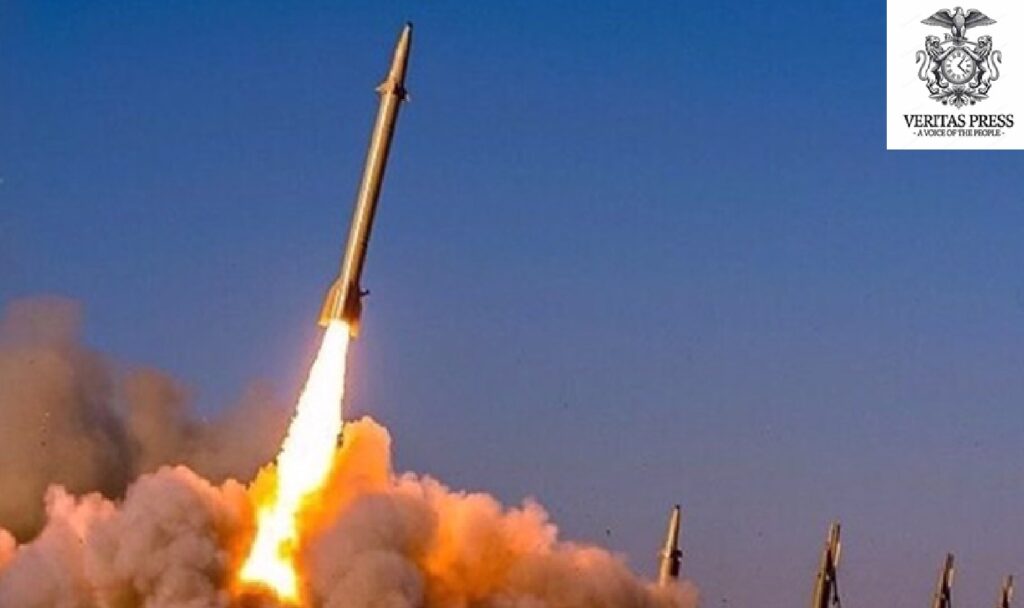
TEHRAN, IRAN – Twenty-eight days after the assassination of Iran’s Supreme Leader Ayatollah Seyyed Ali

Original Article Date Published: Article Date Modified: Help support our mission, donate today and be

NEW YORK, US – On the night of March 26, 2026, Nerdeen Kiswani received a
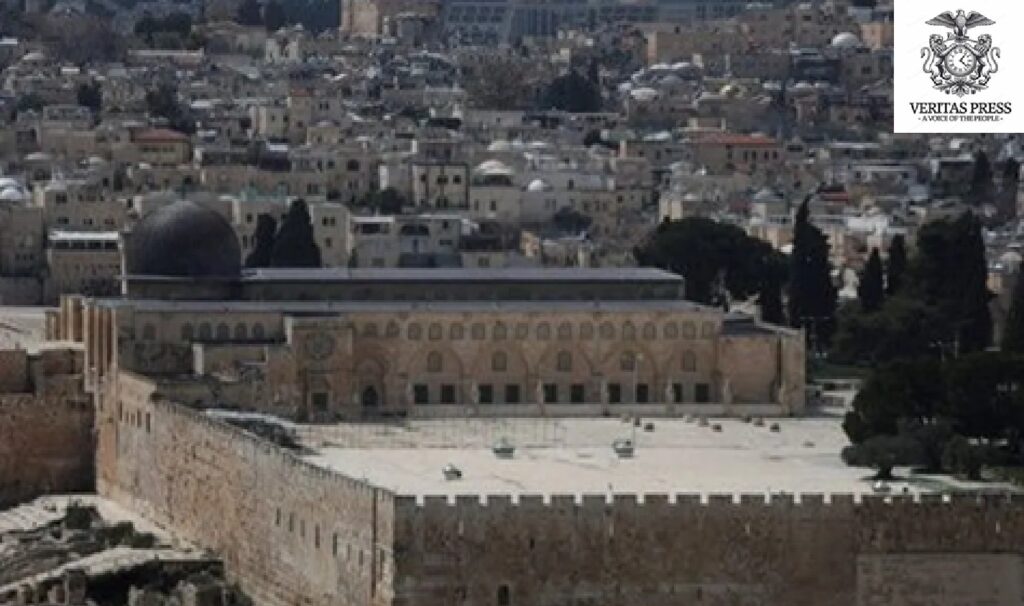
JERUSALEM — For the 29th consecutive day, the heavy iron gates surrounding the Al-Aqsa Mosque

GAZA, March 27, 2026 — The cries of 28-day-old Adam Al-Ustaz shattered the silence of
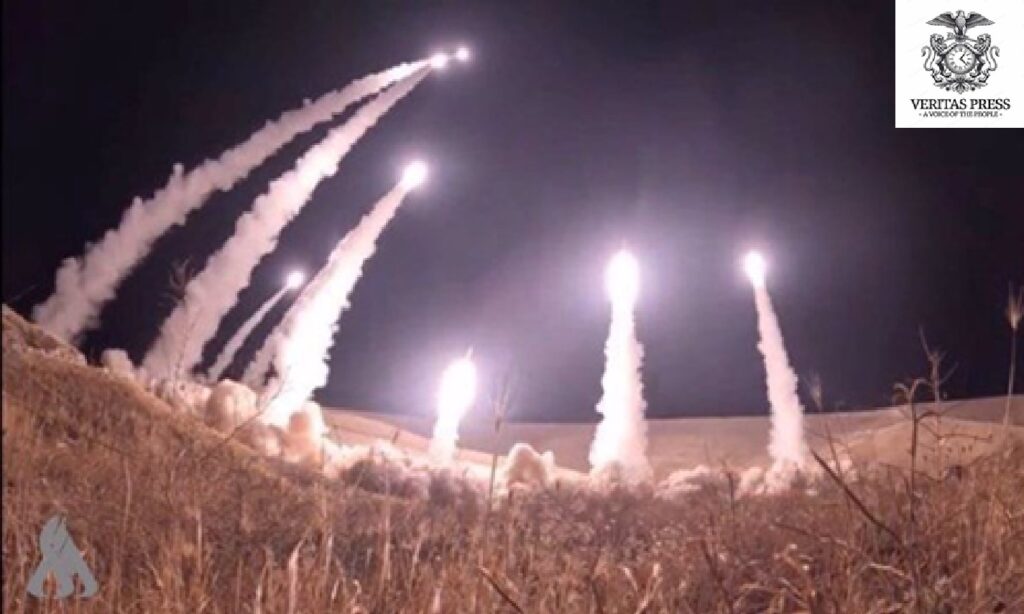
TEHRAN – In the pre-dawn hours of March 27, 2026, the Islamic Revolution Guards Corps
MOSCOW, LONDON – In what marks a significant escalation in the prolonged confrontation between London
TEL-AVIV – When Lieutenant General Eyal Zamir, Chief of Staff of the Israel Defence Forces

GREEK ISLANDS – A controversial proposal by Israeli politician Avri Steiner to purchase Greek islands
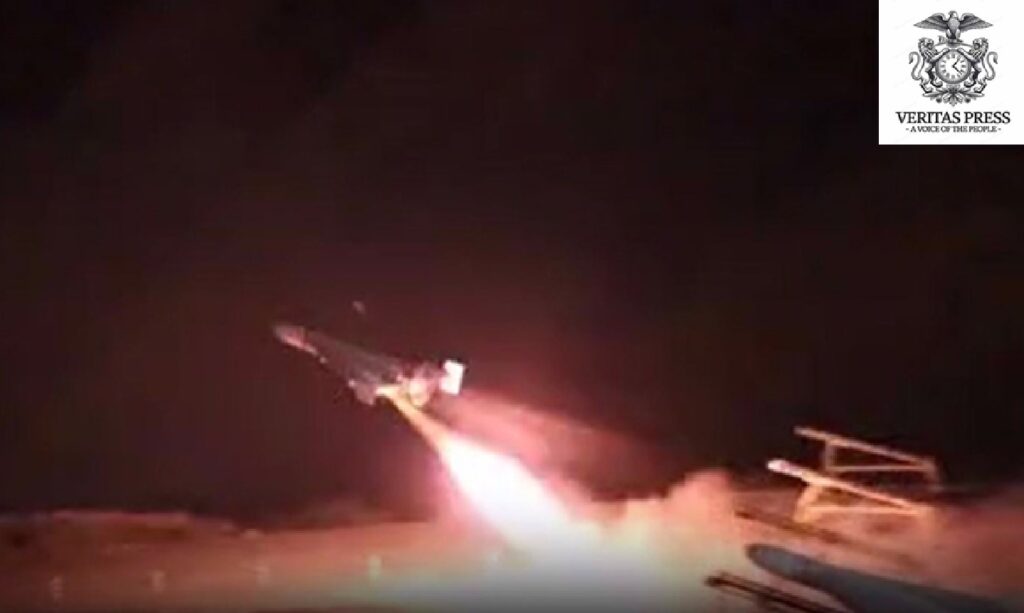
TEHRAN, IRAN – In the early hours of Thursday, the Islamic Revolutionary Guard Corps (IRGC)