
Original Article Date Published:
Article Date Modified:
Help support our mission—donate today and be the change. Every contribution goes directly toward driving real impact for the cause we believe in.
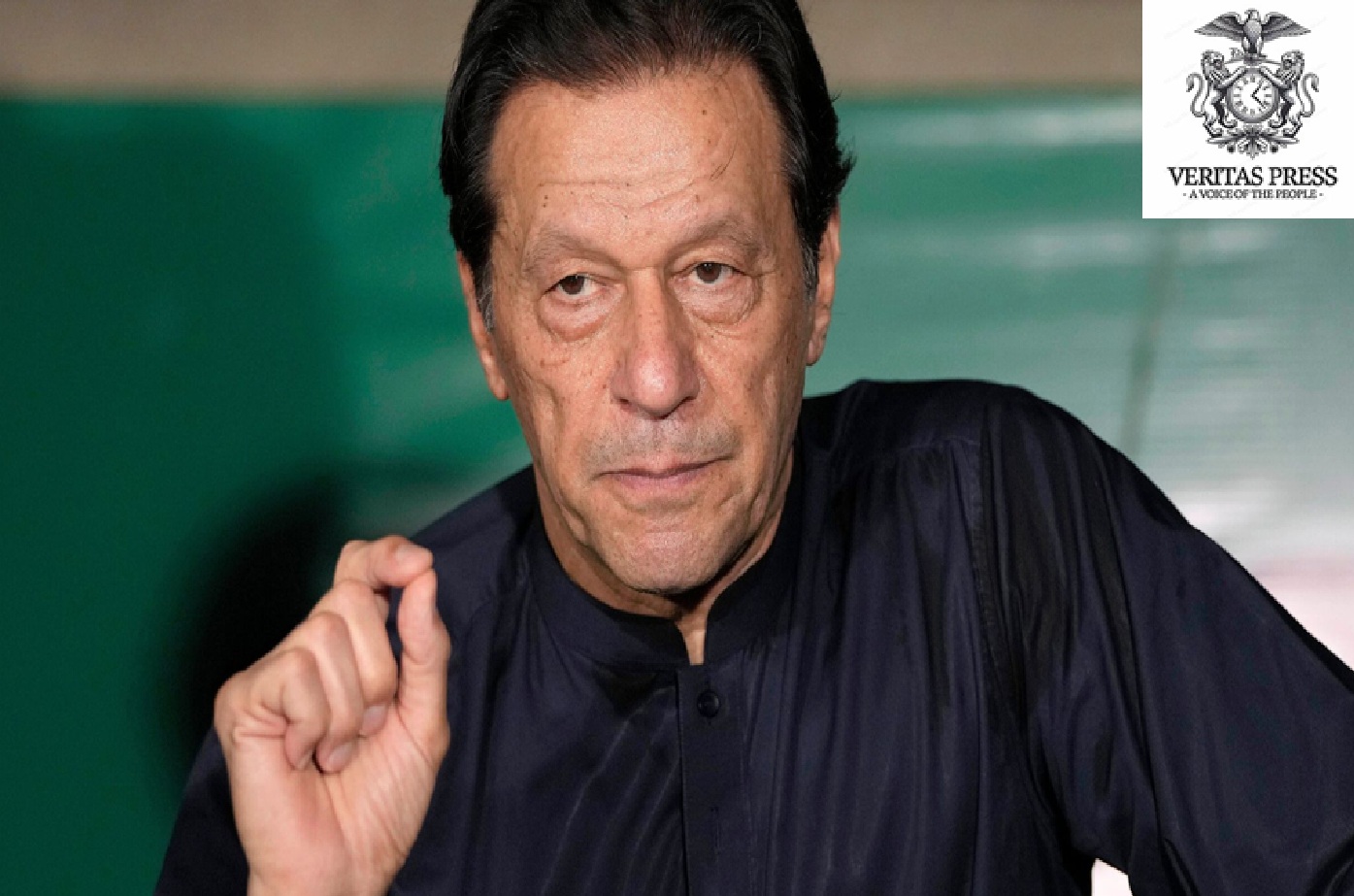
A growing international outcry over the health of jailed former Pakistani prime minister Imran Khan is rapidly evolving into a broader debate about human rights, state accountability, and compliance with international law, with critics warning that the government’s conduct risks normalising custodial practices inconsistent with democratic norms.
The intervention by 14 former international cricket captains, including Greg Chappell, Sunil Gavaskar, Kapil Dev, Clive Lloyd, Steve Waugh, Michael Atherton and Nasser Hussain, has transformed what authorities frame as a routine prison medical matter into a reputational test for the administration of Prime Minister Shehbaz Sharif.
Their appeal for “immediate and adequate medical attention” reflects fears that the alleged denial of specialist care and restricted family access could constitute violations of internationally recognised detention standards.
From Medical Dispute To Human Rights Question:
Reports that Khan has suffered severe vision deterioration, potentially linked to retinal vein occlusion, have intensified scrutiny of his treatment at Adiala Jail in Rawalpindi.
Government officials insist he has received proper care, citing examinations at the Pakistan Institute of Medical Sciences. Interior Minister Mohsin Naqvi has accused the opposition of politicising the issue, while Information Minister Attaullah Tarar said the former premier is “absolutely healthy.”
Yet family members, led by Aleema Khan, dispute these findings and are demanding an independent examination at Shifa International Hospital.
The clash between official assurances and family allegations has exposed what analysts describe as a deeper structural concern: whether politically sensitive detainees can realistically expect impartial medical oversight.
International Law And Custodial Obligations:
Under widely accepted global standards, including the UN’s “Nelson Mandela Rules” governing prisoner treatment, states are legally obligated to ensure:
- Prompt access to qualified medical professionals
- Clinical independence in diagnosis and treatment
- Contact with family
- Protection from cruel, inhuman, or degrading treatment
Failure in these areas can constitute a breach of international human rights commitments.
The earlier finding by the United Nations Working Group on Arbitrary Detention, which characterised Khan’s detention as politically motivated, has already placed Pakistan under heightened global observation.
Now, appeals by his sons to UN torture rapporteur Alice Edwards, alleging solitary confinement and medical denial, risk escalating the matter into a potential international legal controversy.
Even the involvement of Pakistan’s Supreme Court, of Pakistan, which ordered a medical team and facilitated contact with his children, underscores the gravity of the situation.
Allegations Of Immoral State Conduct:
While the government rejects accusations of negligence, critics argue that the pattern described by Khan’s family, delayed treatment, restricted access to personal doctors, contested medical reports, and limited visitation, reflects behaviour inconsistent with ethical governance.
Human rights observers note that morality in state conduct is measured not by rhetoric but by transparency and verifiable safeguards.
Interior Minister Naqvi’s remarks suggesting that prison conditions could be “tightened” if political revenge were intended have drawn particular criticism from opposition figures, who say such statements risk signalling the discretionary use of state power over detainee welfare.
Khan’s party, Pakistan Tehreek-e-Insaf, has warned that prolonged solitary confinement combined with deteriorating eyesight could amount to psychological and physical harm, conditions often scrutinised under international anti-torture frameworks.
Meanwhile, the opposition alliance Tehreek Tahafuz Ayeen-i-Pakistan has accused authorities of constructing a “fabricated narrative” to obscure rights violations.
If proven, such practices would not merely represent administrative failures but could signal systemic disregard for custodial ethics, a charge that carries significant diplomatic consequences.
Equality Before Law Or Selective Application?
Government officials maintain that Khan is being treated like any other inmate and that “all prisoners are equal.”
Paradoxically, legal scholars argue that equality before the law does not absolve the state of heightened responsibility toward vulnerable detainees, particularly elderly prisoners with serious medical conditions.
Indeed, international jurisprudence increasingly emphasises that denying specialised care to high-risk detainees may itself constitute discriminatory neglect.
The Attorney General, Mansoor Usman Awan, has pledged specialist access, but scepticism persists over whether independent verification will be permitted.
Without it, analysts warn, the government risks appearing both opaque and defensive, a perception often more damaging than the underlying allegations.
Political Context And The Shadow Of Power:
Khan’s fall from office and subsequent imprisonment followed a dramatic rupture with Pakistan’s establishment, a trajectory that continues to polarise the country.
To supporters, the cases against him exemplify political victimisation; to opponents, they demonstrate accountability.
But the entry of globally respected sporting figures into the debate reframes the issue beyond domestic politics, turning it into a question of universal human dignity.
When athletes historically associated with neutrality invoke “decency” and “justice,” the signal is unmistakable: the controversy has crossed from partisan dispute into the realm of international concern.
A Test Of Democratic Credibility:
Pakistan now confronts a familiar but consequential dilemma faced by many states:
Can a democracy credibly champion the rule of law while facing persistent allegations of custodial mistreatment against a former head of government?
Transparency remains the decisive variable.
Allowing independent medical evaluation could rapidly restore confidence. Continued resistance, however, risks reinforcing narratives of political retribution and institutional overreach.
More broadly, the episode highlights a critical principle of international law:
A state’s legitimacy is judged as much by how it treats its prisoners as by how it governs its citizens.
The Stakes Are Rising:
With protests intensifying, court oversight expanding, and international voices multiplying, Khan’s health has become more than a medical issue, it is now a barometer of Pakistan’s human rights trajectory.
Two competing realities persist:
- Officials insist the former premier is stable and receiving top-tier care.
- Family members and allies warn of irreversible harm and possible custodial abuse.
Until independent scrutiny settles the dispute, the controversy will continue to cast a long shadow over Islamabad.
And as global attention sharpens, the question confronting the current government is no longer simply whether it is providing treatment, but whether its conduct reflects the moral and legal responsibilities expected of a modern democratic state.
Conclusion: A Defining Moment For Rule Of Law Or Its Erosion?
The deepening controversy surrounding Imran Khan has moved far beyond a dispute over medical treatment. It now represents a profound stress test for Pakistan’s constitutional order, institutional integrity, and adherence to international human rights obligations.
Yet the gravity of this moment is amplified by who Khan is. For millions at home and across the cricketing world, he is not merely a former prime minister but a global sporting hero, the leader who guided Pakistan to its first Cricket World Cup and helped redefine the country’s international identity. When a figure of such global stature appears vulnerable in state custody, scrutiny inevitably transcends national boundaries and enters the realm of international accountability.
At the centre of the crisis lies a fundamental question that no official reassurance alone can resolve: can the state exercise custodial power without transparency and still claim moral legitimacy?
When a former head of government, and one of the country’s most recognisable global figures, is reportedly denied consistent access to independent physicians, family contact, and verifiable medical reporting, the implications extend well beyond one prisoner. Such conditions raise alarm under globally recognised detention standards and risk being interpreted as treatment incompatible with protections against cruel, inhuman, or degrading punishment.
The earlier determination by the United Nations Working Group on Arbitrary Detention that Khan’s detention was politically motivated has already placed Pakistan under sustained international observation. Should allegations of medical neglect or prolonged isolation gain further evidentiary weight, the situation could evolve from reputational concern into formal human rights scrutiny, a development no government can easily contain.
What makes the current moment particularly consequential is not merely the allegation of mistreatment, but the growing perception of state opacity.
Governments committed to the rule of law typically respond to such crises by expanding oversight, inviting independent verification, and reducing ambiguity. Resistance to these measures often produces the opposite effect: it amplifies suspicion that power is being exercised defensively rather than lawfully, a pattern critics increasingly describe as ethically troubling and inconsistent with democratic norms.
Statements from senior officials suggesting that prison conditions could be tightened, even hypothetically, have only intensified fears among legal observers that custodial authority may be viewed as discretionary rather than strictly regulated. In democratic systems, the appearance of punitive intent can be nearly as damaging as its proof, raising uncomfortable questions about proportionality, restraint, and the moral responsibilities of governance.
The administration of Shehbaz Sharif, therefore, faces a pivotal choice.
It can treat this episode as a narrow political controversy and continue contesting the narrative, a path that risks reinforcing global perceptions of institutional intolerance and deepening concerns about democratic backsliding.
Or it can recognise the broader stakes and embrace radical transparency: independent medical access, unrestricted reporting, judicial oversight, and visible compliance with international detention norms.
History suggests that states are rarely judged by how they treat ordinary prisoners, but by how they treat extraordinary, and often polarising ones.
If the government’s handling of Khan is ultimately seen as retaliatory, secretive, or ethically indifferent, the consequences may extend far beyond domestic politics. It could shape foreign relations, unsettle investor confidence, and recalibrate Pakistan’s standing in international legal forums. More importantly, it would signal a troubling precedent: that political rupture can quietly translate into custodial vulnerability.
Conversely, demonstrable adherence to due process would strengthen Pakistan’s democratic credentials at a time when many nations face scrutiny over shrinking civic space and the expanding reach of executive power.
The involvement of globally revered cricket figures, voices historically detached from partisan struggle, underscores how far the issue has travelled beyond Pakistan’s borders. Once a detention begins to resonate internationally as a potential human rights concern involving a global hero, narrative control becomes exceedingly difficult for any government to reclaim.
Ultimately, this is no longer only about the health of one prisoner.
It is about whether state power in Pakistan is visibly constrained by law or perceived to be guided by political expediency.
Because in the calculus of modern governance, legitimacy is not asserted; it is observed.
And as the world watches how Pakistan treats one of its most famous sons, the deeper question is becoming unavoidable:
Will this chapter be remembered as evidence of democratic strength, or as a warning about the fragility of justice when power is left insufficiently checked?
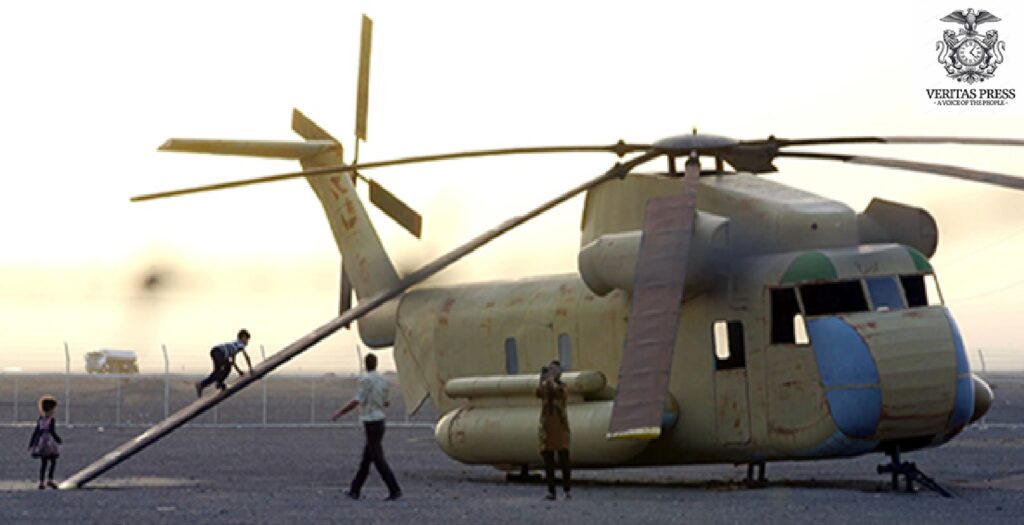
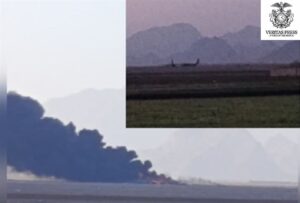
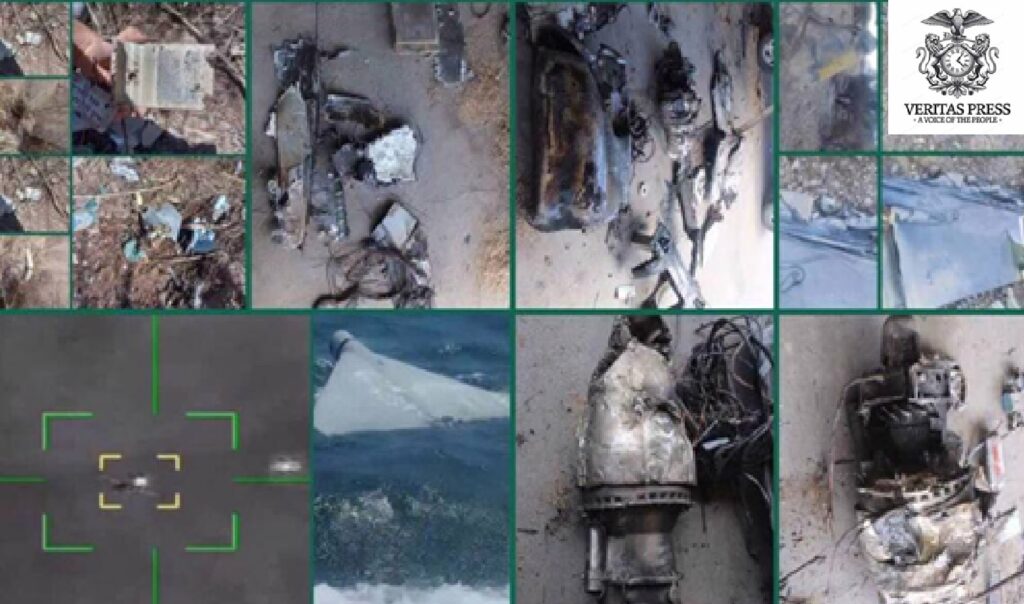
TEHRAN – The fog of war thickened over central Iran on Sunday, as sharply conflicting
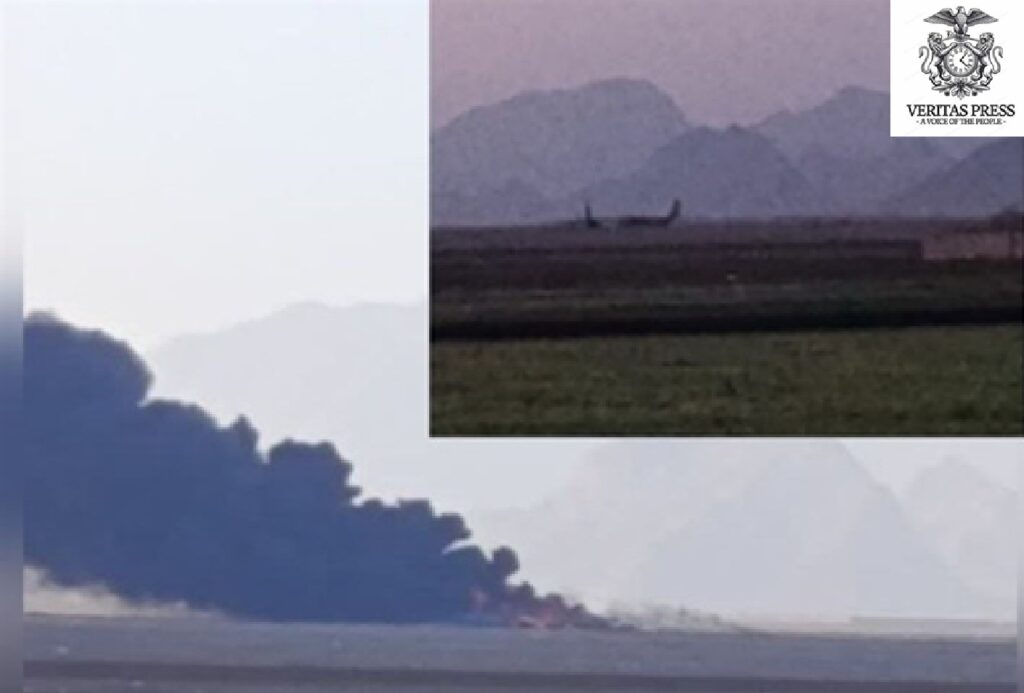
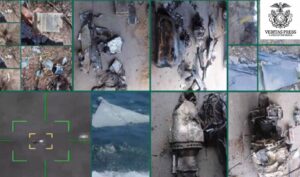
ISFAHAN PROVINCE, IRAN – April 5, 2026, In the rugged, mountainous terrain south of the
Original Article Date Modified: Article Date Modified: Help support our mission, donate today and be
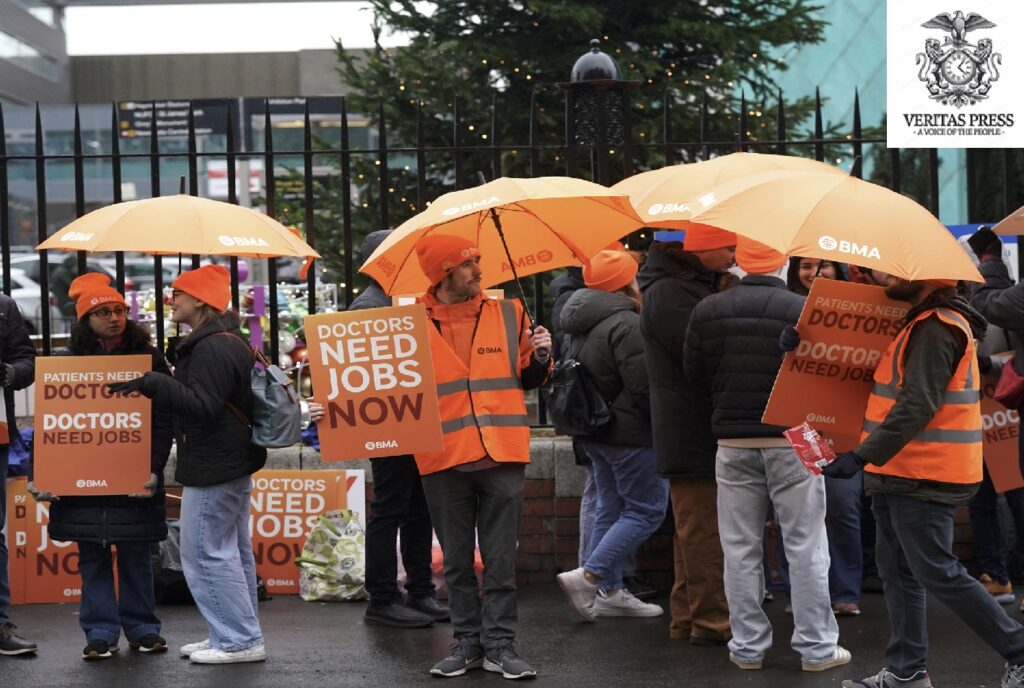
The raw numbers tell a story of profound inequality. On 1 April 2026, more than
What began on February 28, 2026, as a coordinated US-Israeli campaign to decapitate Iran’s military
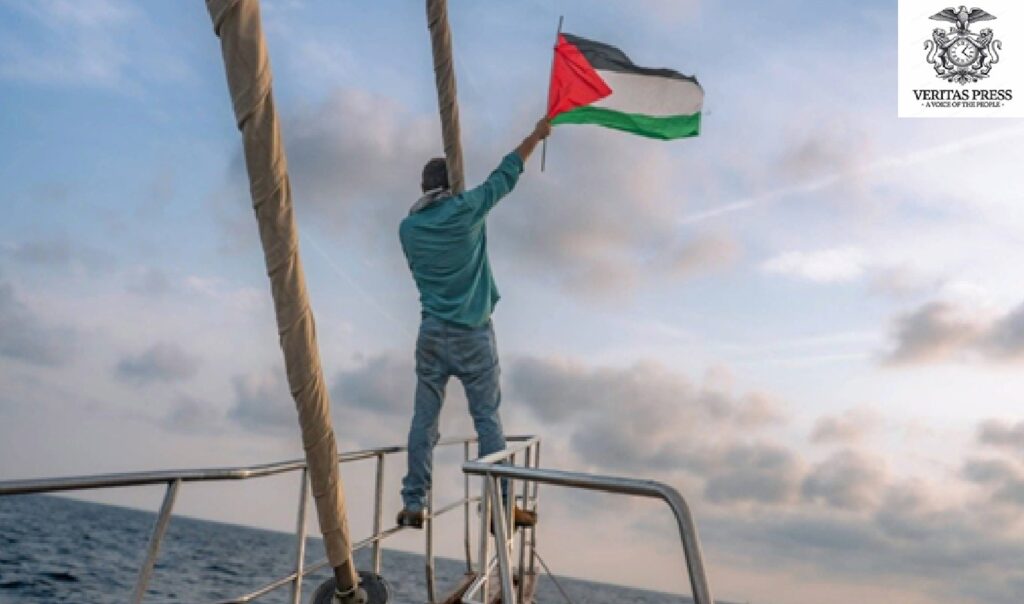
The idea of a “freedom flotilla” carries a ghost in its hold: the 2010 Mavi
Original Article Date Published: Article Date Modified: Help support our mission, donate today and be

Original Article Date Published: Article Date Modified: Help support our mission, donate today and be
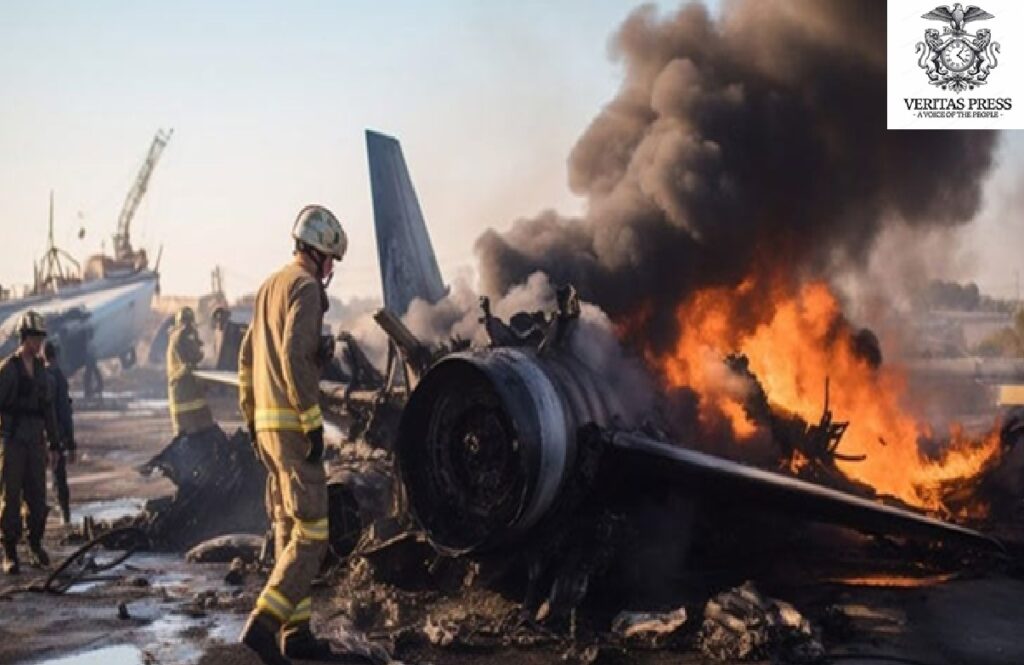
A United States fighter jet has been shot down over Iran, marking a dangerous and
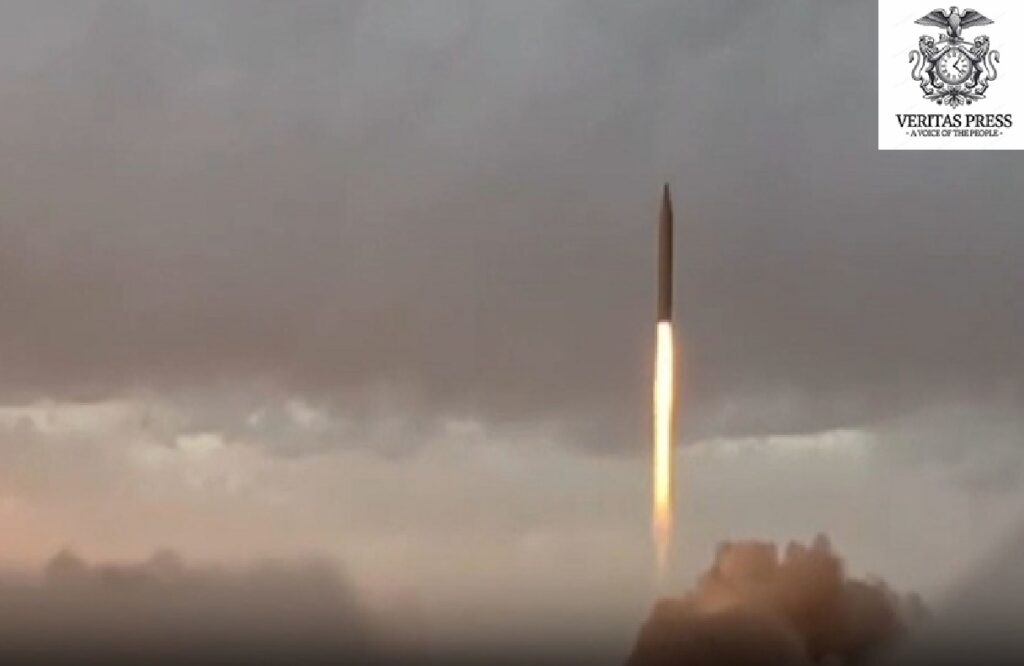
On February 28, the United States and Israel launched coordinated strikes on Iran, reported by