




Original Article Date Published:
Article Date Modified:
Help support our mission—donate today and be the change. Every contribution goes directly toward driving real impact for the cause we believe in.
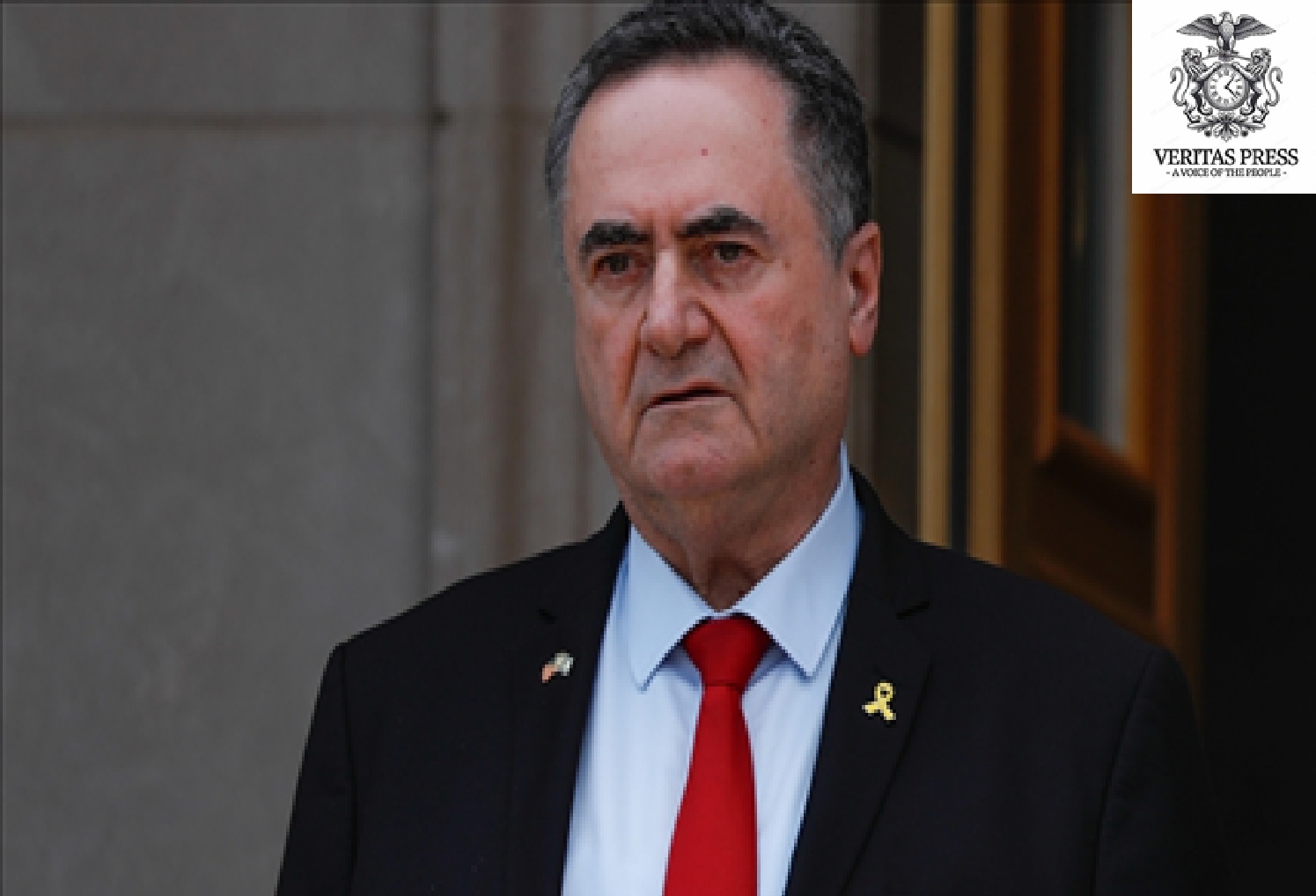
GAZA STRIP – In a dramatic escalation that threatens to unravel the tenuous ceasefire in the Gaza Strip, Israeli Defence Minister Israel Katz has declared that Israel will not withdraw “one millimetre” from the “Yellow Line” inside Gaza until the militant group Hamas is completely disarmed. The statements, made on Tuesday, directly contravene the terms of the US-backed peace plan that took effect in October 2025 and signal a shift toward a permanent Israeli military presence in the enclave.
The “Yellow Line” And The Disarmament Ultimatum:
Speaking at a conference organised by the Israeli newspaper Yedioth Ahronoth, Katz laid out a hardline stance. “We will never allow Hamas to remain, not with weapons and not with tunnels. The slogan is simple: until the last tunnel,” he said. “We will not move from the Yellow Line by one millimetre until Hamas is disarmed, from weapons, from tunnels and from other things”.
The “Yellow Line” refers to the forward-most position Israeli forces currently hold in eastern Gaza, a line from which they were expected to gradually withdraw under the second phase of President Donald Trump’s plan, which began in mid-January. This second phase was designed to include further Israeli pullbacks, the initiation of massive reconstruction projects, and the establishment of a technocratic administrative committee to govern the territory. Katz’s remarks freeze that process, making any withdrawal conditional on the complete dismantling of Hamas—a goal that has eluded the Israeli military after two years of devastating war.
This military stance is backed by a political ultimatum. On Monday, Israeli Cabinet Secretary Yossi Fuchs stated that the government would give Hamas 60 days to disarm, threatening an immediate resumption of full-scale war if it does not comply.
“We Will Never Leave All Of Gaza”: The Nahal Outposts.
Katz’s comments went further than merely delaying a withdrawal; they outlined a future of permanent occupation. “We are located deep inside Gaza, and we will never leave all of Gaza,” Katz stated. “We are there to protect”.
In the most provocative part of his announcement, Katz revealed plans to establish new military outposts for the Nahal infantry brigade in northern Gaza, in areas where Israeli settlements were dismantled during the 2005 disengagement. “In due course, we will establish Nahal outposts in northern Gaza in place of the settlements that were uprooted,” he said.
The Nahal brigade has a historical role in combining military service with the establishment of civilian communities, often blurring the lines between military installations and settlements. Following what Israeli media reported as displeasure from US officials, Katz later issued a clarification stating the units would be stationed there “only for security reasons.” However, the initial framing has fueled fears among Palestinians and international observers that Israel is laying the groundwork for permanent military rule and potential re-settlement.
“Shield Of Israel”: Boosting Domestic Arms Production.
Separately, Katz addressed Israel’s long-term security strategy, emphasising the need for strategic independence. Citing global competition for ammunition and what he described as “occasional disagreements with allies during wartime,” Katz announced a massive new defence initiative.
While hailing the US as a “great ally” that supported Israel during its “multi-front conflict,” he acknowledged that disagreements with Washington “had their impact.” To mitigate future vulnerabilities, the Defence Ministry has launched a long-term plan temporarily named “Shield of Israel.” The initiative will inject an additional 350 billion shekels (approximately $95 billion) into the defence budget over the next decade. “There is no security without an economy, and no economy without security,” Katz said, framing the plan as a vote of confidence in Israel’s economic strength. This push for self-reliance is already visible on the ground, with the IDF completing the nationwide rollout of thousands of domestically produced “Arad” rifles to rapid response teams earlier this year.
A “Ceasefire In Name Only”: Deaths And Destruction Continue.
The强硬 rhetoric from Israeli leaders comes against a backdrop of continued violence, which critics describe as a systematic undermining of the ceasefire agreement. An analysis published by The Nation on February 3 characterised the current situation as a “ceasefire in name only,” arguing that the truce has been repurposed from a pause in violence into a “mechanism for managing it, sanitising ongoing military force under the guise of restraint”.
According to Gaza’s Health Ministry, since the ceasefire took effect on October 10, 2025, Israeli forces have committed hundreds of violations through shelling and gunfire, killing 603 Palestinians and injuring 1,618 others. These figures add to the staggering toll of the war since October 7, 2023, which has now killed more than 100,000 Palestinians and wounded more than 377,000, the majority of whom were women and children.
The humanitarian situation remains catastrophic. The United Nations reported on Monday that Israel denied or impeded nearly half of the coordinated humanitarian aid movements inside Gaza between February 6 and 11. “Of nearly 50 such movements coordinated… just over half were fully facilitated,” said UN spokesperson Stephane Dujarric, adding that shipments from Egypt face high return rates and that “just today, we had two more denials”. The UN also noted that Israel has banned over 30 aid organisations, including Doctors Without Borders, from operating in Gaza.
West Bank “Era Of Practical Sovereignty”:
Katz’s statements on Gaza were delivered at a ceremony in the occupied West Bank marking the approval of 1,200 new housing units in the illegal settlement of Beit El. There, he framed the government’s actions within a broader ideological context, declaring, “Netanyahu’s government is a settlements government… If we can get sovereignty, we will bring about sovereignty. We are in the practical sovereignty era”.
This expansion has drawn swift international condemnation. On Tuesday, the foreign ministers of Türkiye, Egypt, Jordan, Indonesia, Pakistan, Qatar, Saudi Arabia, and the UAE issued a joint statement condemning Israel’s decision to designate large areas of the West Bank as “state land.” They called it “a grave escalation aimed at accelerating illegal settlement activity… and applying unlawful Israeli sovereignty over the Occupied Palestinian Territory,” warning it undermines the two-state solution and violates international law.
Settler Movements And Regional Instability:
The hardening official position is mirrored by actions on the ground from extremist groups. Earlier in February, the Israeli military escorted about 1,500 Jewish settlers affiliated with the Nachala movement away from the Gaza border after allowing them to spend a single night near the “Yellow Line.” The group had attempted to breach the border, with their leader stating that Gaza “belongs to Israel” and vowing to return repeatedly to “revive the settlement project”.
As Israel entrenches its position in Gaza and accelerates settlement expansion in the West Bank, analysts point to a growing mental health crisis within the Israeli military itself. Reports indicate a sharp rise in psychological disorders and suicide cases among soldiers following the Gaza war, with the average rate of post-traumatic stress disorder rising by about 40%.
With an election year looming in 2026, the issue of illegal settlement expansion and the future of Gaza are set to be key political battlegrounds. For now, Defence Minister Katz has made Israel’s position unequivocally clear: there will be no withdrawal, no reconstruction, and no peace until Hamas is gone, a condition that, if unmet, threatens to plunge the region back into full-scale war.

JERUSALEM, OPT – Occupied Jerusalem is witnessing what Palestinian officials, religious authorities, and analysts describe
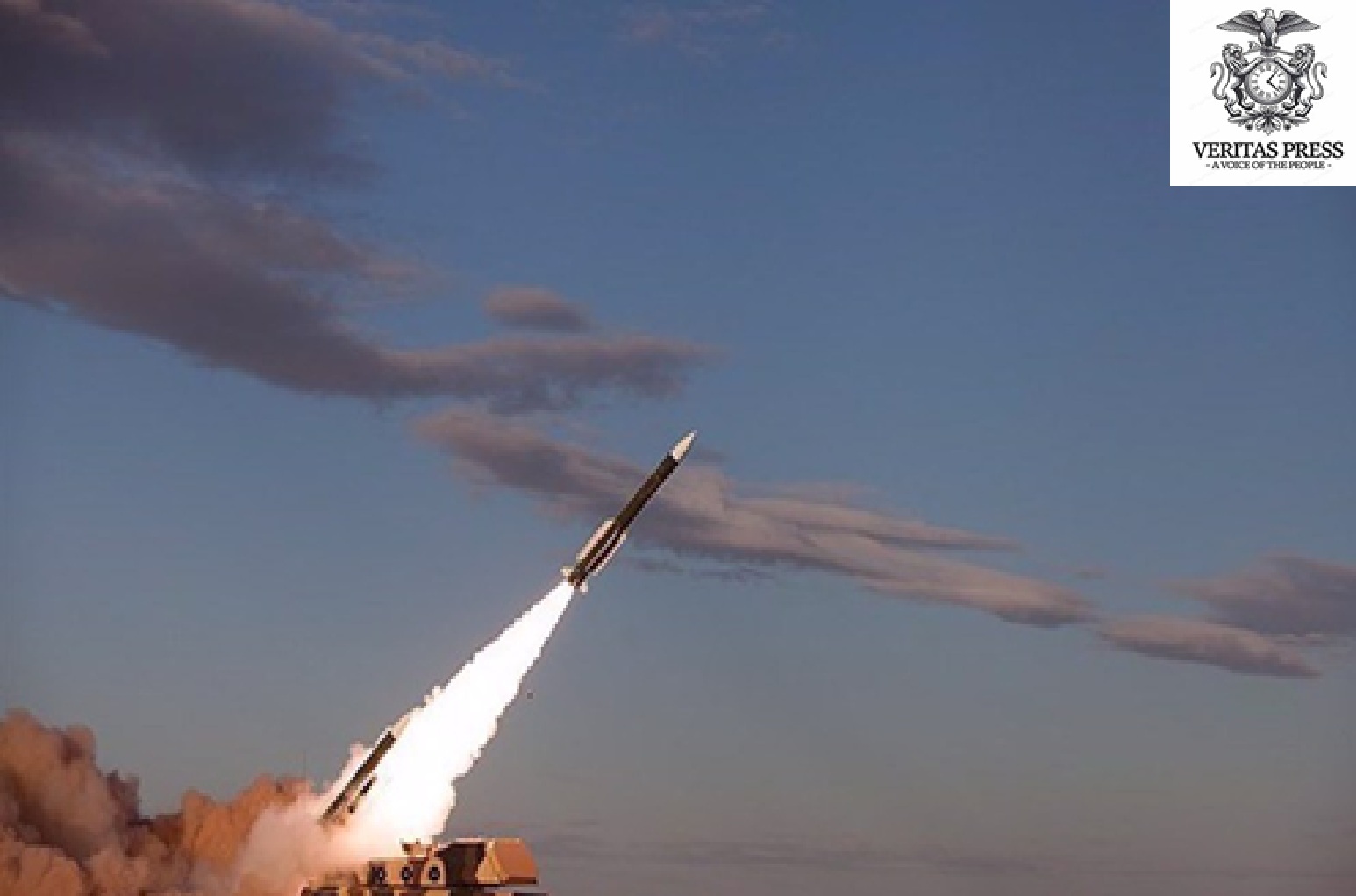
TEHRAN – The conflict, which began with a devastating US-Israeli pre-emptive strike on Iran on

WASHINGTON – The white-knuckle countdown is ticking towards President Donald Trump’s self-imposed Tuesday deadline, a
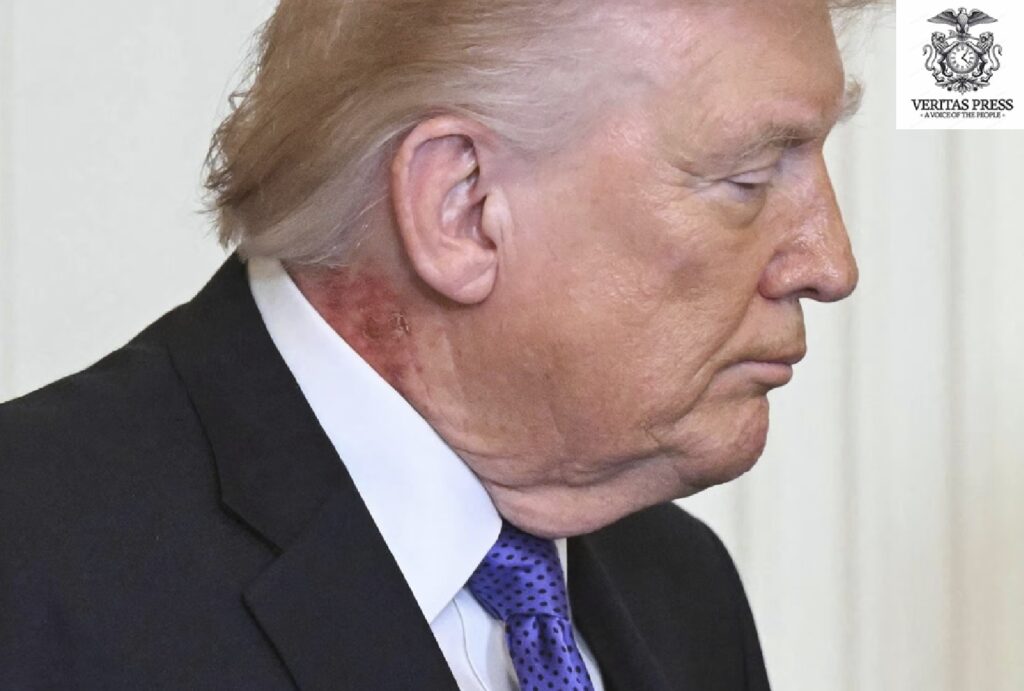
WASHINGTON – The United States’ sudden descent into war with Iran is not merely another

TEHRAN – The fog of war thickened over central Iran on Sunday, as sharply conflicting
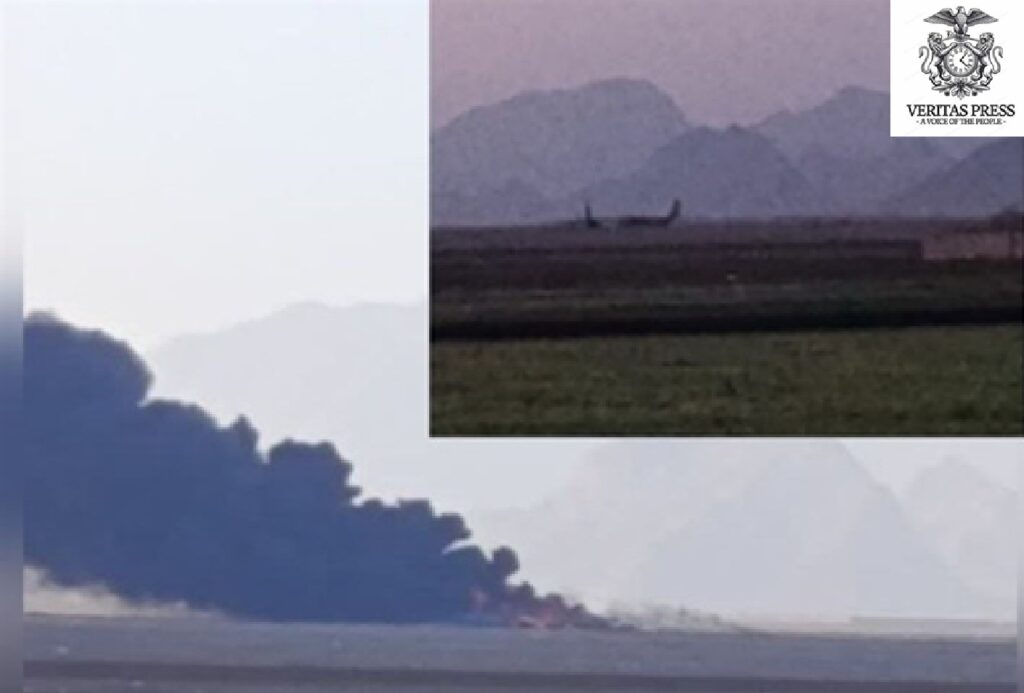
ISFAHAN PROVINCE, IRAN – April 5, 2026, In the rugged, mountainous terrain south of the
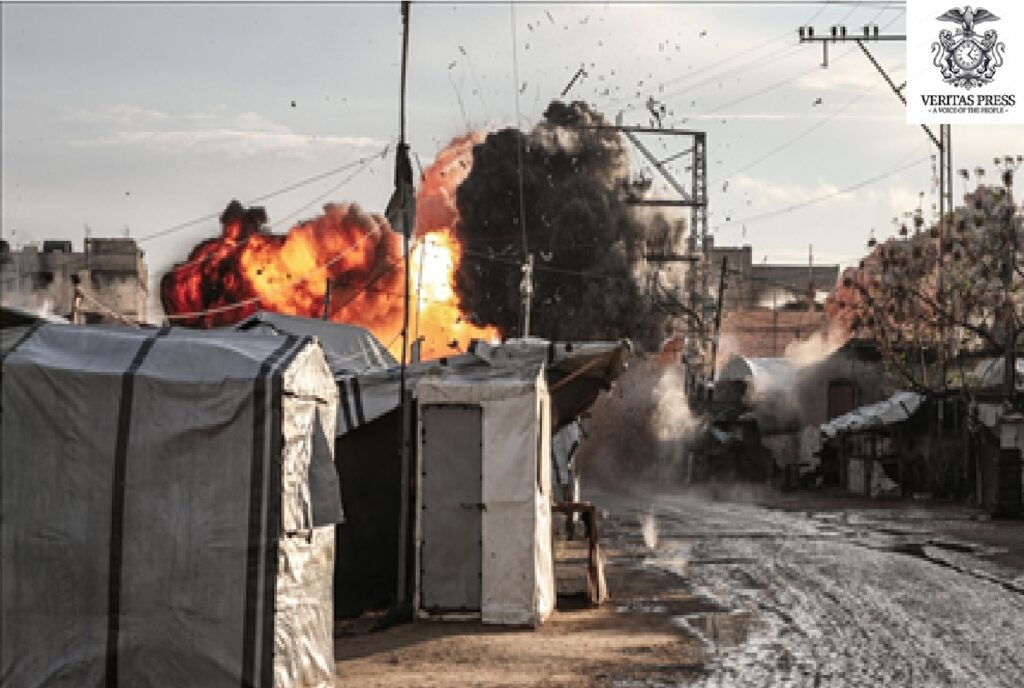
Original Article Date Modified: Article Date Modified: Help support our mission, donate today and be

The raw numbers tell a story of profound inequality. On 1 April 2026, more than
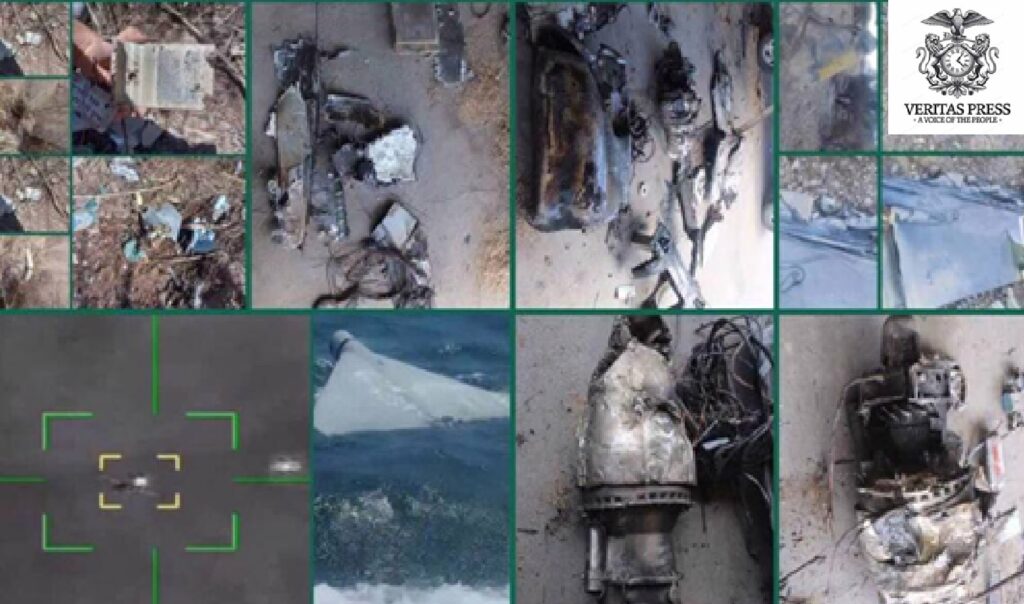
What began on February 28, 2026, as a coordinated US-Israeli campaign to decapitate Iran’s military
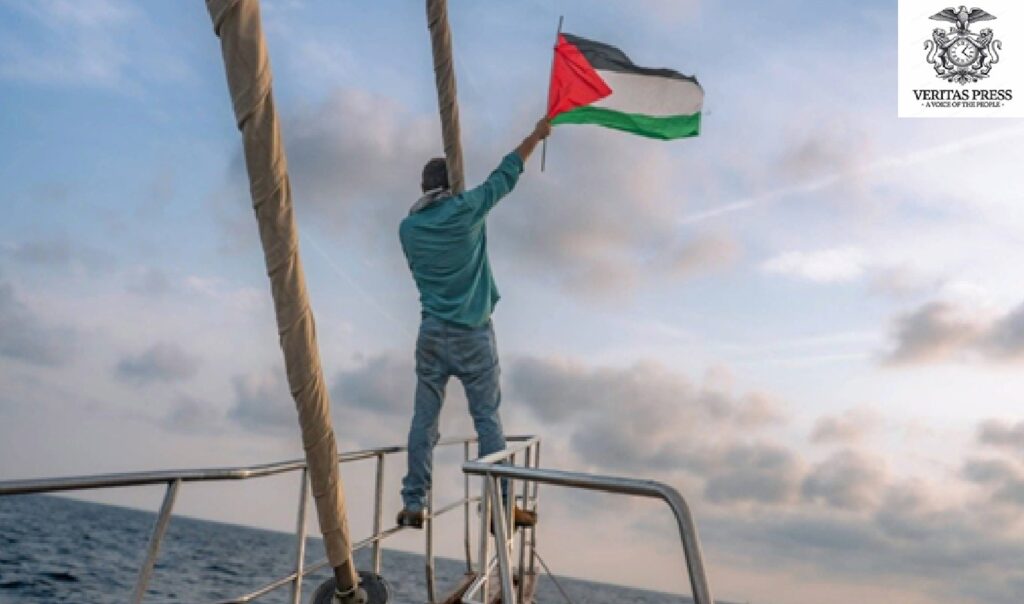
The idea of a “freedom flotilla” carries a ghost in its hold: the 2010 Mavi