
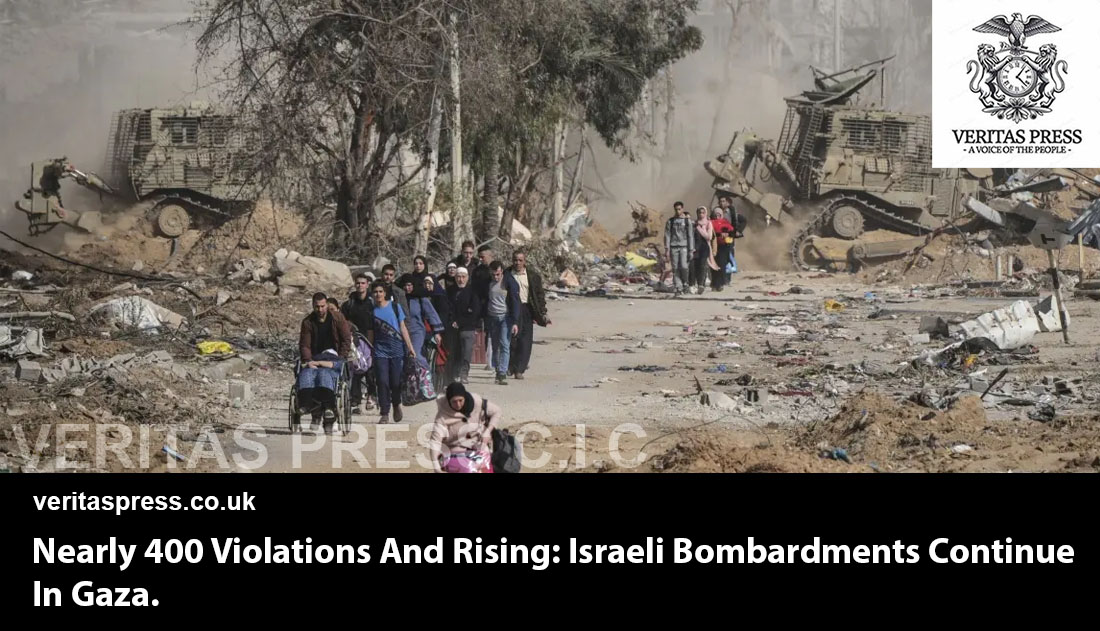

Title: Nearly 400 Violations And Rising: Israeli Bombardments Continue In Gaza.
Press Release: Veritas Press C.I.C.
Author: Kamran Faqir
Article Date Published: 19 Nov 2025 at 13:05 GMT
Category: Middle-East | Palestine-Gaza-West Bank | Nearly 400 Violations And Rising
Source(s): Veritas Press C.I.C. | Multi News Agencies
Website: www.veritaspress.co.uk

Business Ads


Persistent Bombing Despite a Ceasefire
Since the ceasefire came into effect, Israeli forces have carried out nearly 400 violations, according to Gaza’s Government Media Office, resulting in the loss of at least 279 Palestinian lives. Despite promises of a truce, the bombing has intensified in key areas, particularly in eastern Khan Yunis, Rafah, Gaza City, and Jabalia. Reports describe “heavy explosions, intense gunfire, and on-the-ground demolition operations” by the Israeli army in populated zones previously thought safer under the ceasefire.
In one particularly harrowing incident late Tuesday night, Israeli airstrikes wounded a woman and her child in Khan Yunis, signalling the fragile, volatile nature of any supposed calm.
Humanitarian Fallout: Displacement, Flooding, And Blockaded Aid.
Displacement and Winter’s Wrath
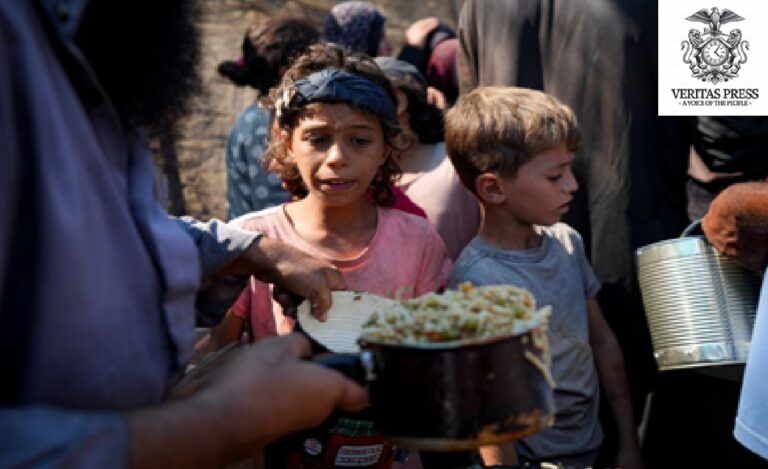
The toll of displacement is staggering. Humanitarian sources now estimate that 1.5 million Palestinians in Gaza are internally displaced, many living in tents, damaged buildings or unsafe camps with little access to basic services.
With the onset of winter, their vulnerability has deepened: heavy rainfall in recent days has flooded tent camps, soaking mattresses, clothes and meagre belongings. In Khan Yunis, storm winds have ripped tents apart, forcing many to take refuge in structurally damaged buildings, a perilous compromise.
Local authorities warn that this is “the most dangerous humanitarian disaster” since the war began, accusing Israel of deliberately blocking shelter supplies, including tents, tarpaulins, and mobile homes. Gaza’s Government Media Office estimates up to 300,000 tents and mobile shelters are needed, but Israel continues to restrict their entry.
Starving For Survival: Malnutrition, Blocked Aid, And Rising Mortality, Infants, Malnutrition, And A Growing Death Toll.
The health crisis in Gaza has escalated to alarm levels. According to WHO, as of mid-2025, three-quarters of Gaza’s population are facing “Emergency” or “Catastrophic” levels of food deprivation. Since March, 57 children under five have been reported to have died from malnutrition, likely an undercount.
Per recent WHO data, nearly 12,000 children under five in Gaza were diagnosed with acute malnutrition in July 2025 alone, the highest monthly number on record. Of these, around 2,500 are suffering from the most severe form, known as severe acute malnutrition (SAM).
The UN has now officially confirmed famine in Gaza, a heartbreaking milestone.
Aid Blockades, Ceasefire Broken Promises:
The ceasefire agreement envisioned a dramatic increase in humanitarian aid, but the reality on the ground tells a different story. Aid agencies report that only a fraction of the promised volumes are coming through. According to Reuters, only 145 aid trucks per day are entering Gaza, well below the 600 per day mandated in the agreement.
UNRWA (the UN agency for Palestinian refugees) has publicly stated it has enough shelter supplies, tents, blankets, and tarpaulins to serve up to 1.3 million people, yet Israeli restrictions remain a critical barrier to their delivery. UN officials describe the situation as “misery on top of misery” Vulnerable families are drowning in flooding while desperately waiting for the humanitarian aid that remains trapped by bureaucracy and blockade.
UN Under-Secretary-General for Humanitarian Affairs and Emergency Relief Coordinator Tom Fletcher has repeatedly called for the immediate removal of Israeli restrictions, warning that with cold weather and rising floodwaters, Gaza’s displaced are “wet, freezing, and losing what little they have left.”
Eyewitnesses, Aid Workers, And Emotional Toll:
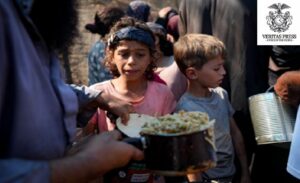
In a UNICEF-supported nutrition centre, Hasan, aged 3, was being examined by a health worker. He is just one of thousands of children now struggling with acute malnutrition. According to Edouard Beigbeder, UNICEF Regional Director for the Middle East and North Africa:
“In just 150 days … 16,736 children, an average of 112 children a day, have been admitted for treatment for malnutrition … The food, water, and nutrition treatments they desperately need are being blocked from reaching them … Man-made decisions that are costing lives.”
One mother, Nisreen, whose one-year-old child previously received nutritional paste from UNICEF, described what happened when aid was cut:
“Through the UNICEF team, we received help … but when aid deliveries into Gaza were halted … his health deteriorated again. His body grew weaker.”
Meanwhile, the WHO Director-General, Dr Tedros Adhanom Ghebreyesus, said:
“Famine is now a grim reality … children on the brink of starvation need the special therapeutic feeding that UNICEF provides. A ceasefire is an absolute and moral imperative now.”
Aid Workers Speak Out: Frustration, Powerlessness, And Urgent Cries.
Aid workers describe a sense of overwhelming helplessness. In a widely shared AP News interview, aid worker Rana Soboh recounted heart-wrenching moments:
She attended to a new mother who collapsed while breastfeeding after days without proper food. The newborn was so weak it barely cried.
“This is the worst feeling, wanting to help but knowing you can’t. I wish the earth would crack open and swallow me,” Soboh said.
These visceral testimonies expose the human toll of bureaucratic and political failures.
A Health Catastrophe Engineered From Above:
One of the most alarming developments is the surge in childhood anaemia, prompting strong warnings from Gaza’s health authorities. The Director-General of the Health Ministry, Munir Al-Bursh, reports that 82% of infants under one year old are now suffering from anaemia, a figure described as “life-threatening” and “damaging to growth and development.”
The scale and severity of the malnutrition crisis, especially among infants and young children, raises troubling questions: Is this merely collateral damage, or part of a deliberate strategy of deprivation?
Gaza’s health authorities have accused Israel of systematically blocking paediatric medicines and essential nutrition supplies, framing it as an “engineered extermination” designed to damage future generations. (This echoes similar analyses from rights groups.)
Al‑Bursh has accused Israel of systematically blocking the entry of essential paediatric medicines, calling the blockade a deliberate campaign to “engineer extermination” and erase Palestinian generational continuity. He further claimed a 40% drop in birth rates since the war began, along with rising numbers of birth defects, painting a chilling picture of a health system collapsing under deprivation.
When combined with the ongoing shelter blockade, the picture is stark: the ceasefire, far from alleviating suffering, has provided a fragile framework under which humanitarian collapse accelerates.
International Pressure Mounts:
The international community has not remained silent. UN agencies and aid groups are stepping up demands as the suffering mounts:
- Al Jazeera reports at least three Palestinians killed during Israeli strikes amid the same flooding crisis, including in Khan Yunis and Gaza City, as Israeli forces target areas even inside the so-called “yellow line,” despite the ceasefire.
- UNICEF has mobilised to push more essential supplies, nutrition, medicine, hygiene kits, and water into Gaza, especially for children.
- The UN Secretary-General’s office has confirmed that 87.7% of Gaza is now under displacement orders, and 1.35 million people need shelter or household items like tents and plastic sheeting.
- Meanwhile, UN OCHA reports rising rates of acute malnutrition, even as shelter supplies dwindle.
- UN World Food Programme (WFP) leaders have joined the calls, warning that without sustained aid, mass starvation could become inevitable.
- UNRWA and other humanitarian agencies have demanded that Israel respect its obligation under the ceasefire to allow shelter and non-food items into Gaza. Lazzarini and others argue that preventing aid in winter, when lives are most vulnerable, is morally indefensible.
What This Means And What Comes Next:
Strategic Deprivation or Collateral Collapse?
The scale and intensity of health and humanitarian suffering raise disturbing questions: is this systemic neglect, or something more calculated? Al-Bursh’s language, calling the anaemia crisis a “designed extermination”, echoes longstanding accusations from rights groups that Israel is weaponising deprivation.
The flooding and shelter shortages add another cruel layer: the ceasefire, rather than ushering in relief, is exposing Gaza’s population to seasonal hazards with inadequate protection. The failure to deliver agreed humanitarian supplies is not just bureaucratic, for many, it is a matter of survival.
What International Actors Must Do
- Enforce Aid Commitments: Israel must be held to its promises under the ceasefire. The international community, especially guarantor states and the UN, must press for the removal of bureaucratic and political obstacles blocking all aid.
- Unlock All Aid Routes: Every crossing must be opened fully. Shelter materials, nutrition supplies, medicines, especially for children, must flow without further delay or restriction.
- Scale up Shelter Deliveries Immediately: With winter storms battering Gaza, tents, mobile homes, and tarpaulins must be allowed through in large quantities, without delay.
- Medical Supplies & Maternal/Child Health: The health crisis demands urgent action; the international community should prioritise pediatric medicines and nutritional support, especially given the reported rise in anaemia and birth complications.
- Accountability & Monitoring: Independent monitors should be granted access to investigate ceasefire violations, civilian harm, and the impact of aid restrictions. Transparency is critical to preventing further suffering.
- Pressure for a Durable Ceasefire: Beyond tactical pauses, a long-term ceasefire with enforceable mechanisms is essential. Without it, displacement, health collapse, and starvation will persist.
Why These Stories Matter:
Behind every statistic, every ceasefire violation, every malnourished child, every flooded tent, there is a human life. The testimonies of Abu Ghassan, Nisreen, Rana Soboh, and countless other displaced Gazans illuminate not just suffering, but systemic failure.
What we are witnessing is not incidental: it is a humanitarian catastrophe unfolding under a fractured ceasefire. The international community must stop treating Gaza’s crisis as a side‑effect of war, and start recognising it as a central moral, political, and legal challenge.
Conclusion: The Ceasefire As A Veneer For Systemic Harm.
The ceasefire, intended as a respite from war, is proving increasingly hollow for Palestinians in Gaza. Rather than ushering in stability, it has coincided with a surge in humanitarian crises: relentless bombing, lethal displacement, blockade-driven health collapse, and the onset of winter flooding. Nearly 400 violations, mass civilian casualties, and the continued obstruction of aid reveal a deliberate failure to protect life. The evidence points to a systematic erasure of the Palestinian people by design: healthcare crippled, food scarce, shelters flooded, and winter encroaching, all worsened by political and bureaucratic restrictions.
What is unfolding is not just the failure of a peace deal; it is a deeper, systemic unravelling of Gaza’s basic lifelines. Children are malnourished, infants are dying, and families are exposed to the elements, outcomes that could have been mitigated had humanitarian obligations been respected. Gaza’s health authorities describe the blockade and aid restrictions as an “engineered extermination” aimed at erasing Palestinian lineage. Aid workers speak of frustration and helplessness in the face of bureaucratic obstruction and political indifference.
Adding another layer to this engineered crisis, President Trump’s proposed International Gaza Force, officially presented as a neutral peacekeeping and humanitarian initiative, is increasingly viewed by analysts and local observers as a ploy envisioned by Israel to consolidate control. By placing Israel effectively in command of this force, the plan would enable the permanent annexation of additional territory while facilitating the Gaza Riviera project, an ambitious development initiative that would further alienate and deprive Palestinians of essential services, including housing, water, electricity, and healthcare. This move risks transforming Gaza into a strip under international oversight but fully dominated by Israeli strategic and economic interests, perpetuating displacement and systemic deprivation.
International actors, UN agencies, humanitarian organisations, and donor states have repeatedly called for unimpeded access, yet life-saving aid continues to be blocked. The persistence of bombardments and the deliberate denial of essential services raises profound questions of accountability: under international humanitarian law, deliberate starvation, obstruction of aid, and engineered displacement constitute serious violations.
This is a moral and legal crisis of global significance. If the international community does not act decisively now, the ceasefire could not become a shield, but a doorway to further catastrophe. The evidence is undeniable: what is unfolding in Gaza is not just a failed ceasefire it is a humanitarian catastrophe compounded by systemic oppression and a systematic erasure of the Palestinian people by design, with Israel leveraging political, military, and even so-called international initiatives to permanently control Gaza’s land, resources, and population, threatening not only lives but the very continuity of a people under siege.