



Original Article Date Published:
Article Date Modified:
Help support our mission, donate today and be the change. Every contribution goes directly toward driving real impact for the cause we believe in.
Global financial markets have been jolted by the rapid escalation of war between the United States, Israel and Iran, with oil prices surging, equities tumbling, shipping routes paralysed, and central banks facing the spectre of renewed inflation.
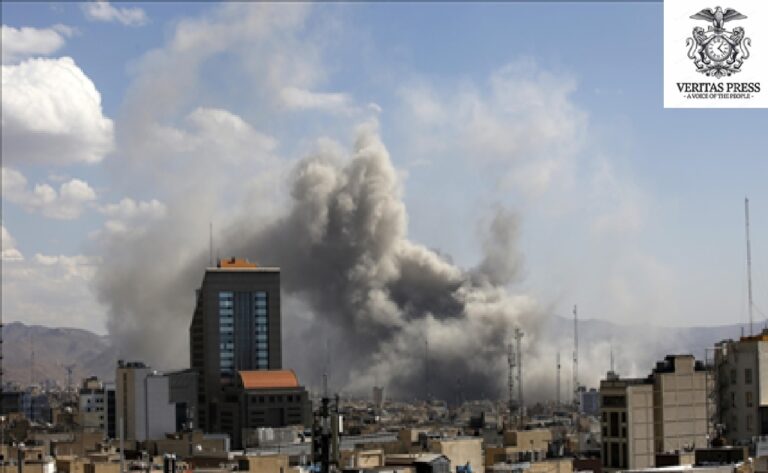
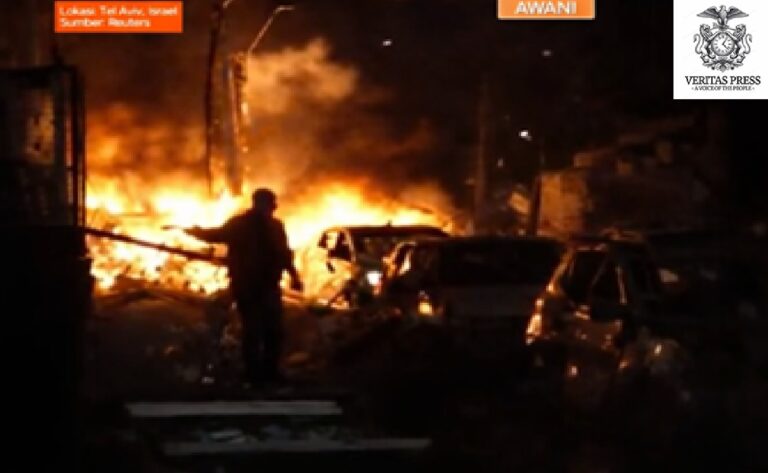
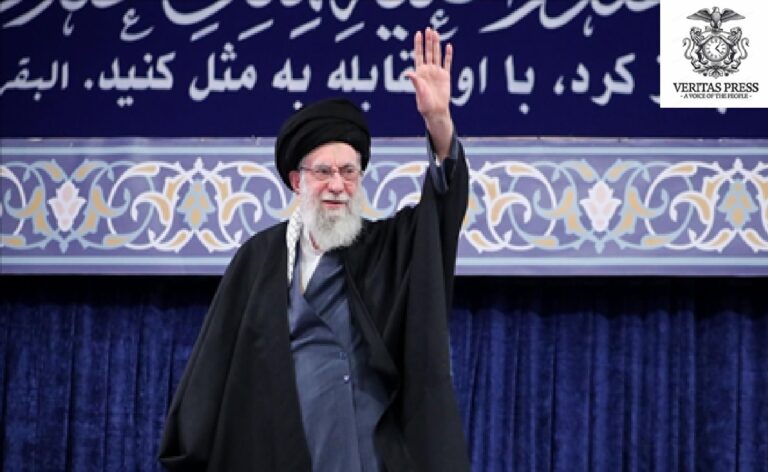
The immediate shock followed coordinated US-Israeli strikes on Iran and Tehran’s retaliatory drone and missile barrages, including attacks on commercial vessels and energy infrastructure across the Gulf. The killing of Iran’s Supreme Leader, Ali Khamenei, marked a dramatic escalation that analysts warn could transform a regional confrontation into a protracted global economic crisis.
Oil Shock: Strait Of Hormuz At Breaking Point.
At the centre of the crisis lies the Strait of Hormuz, a maritime artery through which roughly 20% of the world’s seaborne oil and liquefied natural gas flows.
Brent crude spiked by as much as 13% to over $82 a barrel in early trading, its sharpest jump since Russia’s invasion of Ukraine in 2022, before settling slightly lower but still dramatically elevated. European gas prices leapt by up to 25%, marking the steepest surge in three years.
Marine tracking data showed tankers queuing at either end of the Strait amid missile fire and insurance withdrawals. At least three oil tankers were reportedly damaged over the weekend, and one crew member was killed.
Jorge Leon Of Rystad Energy Warned:
“The most immediate and tangible development affecting oil markets is the effective halt of traffic through the Strait of Hormuz, preventing 15 million barrels per day of crude oil from reaching markets. Unless de-escalation signals emerge swiftly, we expect a significant upward repricing of oil.”
Alan Gelder At Wood Mackenzie Added:
“Spare barrels serve little purpose if there are no serviceable sea lanes.”
Saudi Arabia confirmed that parts of its massive Ras Tanura refinery, one of the largest in the Middle East, were temporarily halted after drone interceptions caused a fire. Although Riyadh insisted domestic supply was unaffected, analysts described the attack as a “major uptick” in Gulf tensions.
Meanwhile, OPEC+ announced a modest output increase of 206,000 barrels per day from April. But as RBC analyst Helima Croft cautioned:
“Additional barrels may do little if trade routes become unserviceable.”
Energy security expert Dan Marks of the Royal United Services Institute warned LNG markets could face “major shortages” if a de facto blockade lasts more than a few weeks.
Oil nearing $100 per barrel is now a realistic scenario. Quantum Strategy president David Roche warned this conflict “could be long duration and of much greater economic impact” than previous flare-ups.
FTSE 100 Volatility: Defence And Oil Surge, Airlines Crash.
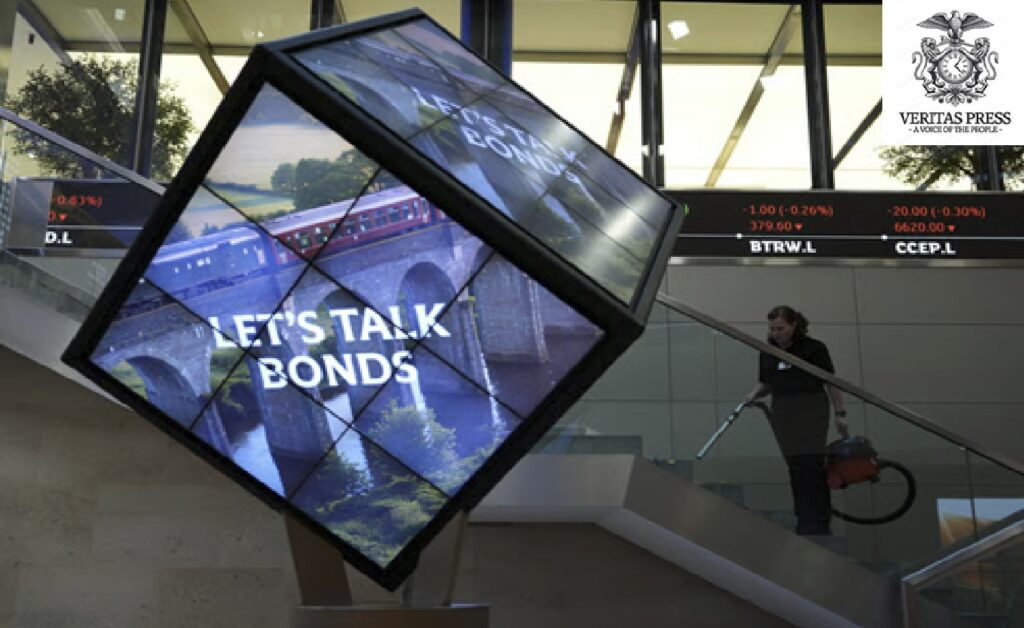
London’s FTSE 100 swung violently as markets absorbed the shock.
Airline and travel stocks were hammered:
- International Consolidated Airlines Group plunged as much as 12.7%, its worst drop in four years.
- easyJet fell sharply after cancelling UK–Cyprus routes.
- Lufthansa slid up to 11% in Frankfurt.
- Air France-KLM lost around 7%.
British Airways suspended services to Tel Aviv and Bahrain; airports in Dubai, Doha and Abu Dhabi were temporarily closed amid missile alerts. UAE authorities reported intercepting over 500 drones, though dozens landed, causing fatalities and injuries.
Luxury and retail shares also suffered amid fears of collapsing consumer confidence. Burberry, WH Smith, JD Sports and Watches of Switzerland all recorded heavy losses.
By contrast, defence and energy stocks surged:
- BAE Systems rose to a record high, climbing over 7%.
- Shell and BP gained strongly.
- US defence giant Lockheed Martin rose in pre-market trading.
The divergence reflects what IG’s Chris Beauchamp called “a contained but serious repricing of geopolitical risk.”
Inflation Shock Looms Over Central Banks:
The oil spike threatens to derail fragile disinflation trends across advanced economies.
Capital Economics estimates that a sustained 5% oil increase adds roughly 0.1 percentage points to developed market inflation. A move to $90–$100 per barrel could raise inflation by 0.6–0.7 percentage points.
Neil Shearing, group chief economist, warned:
“Central banks might be forced to raise interest rates, and the squeeze on real incomes would be more substantial.”
Money markets have already repriced expectations for the Bank of England. Traders trimmed bets on rate cuts this year, with the probability of an imminent reduction falling sharply below previous expectations.
Jordan Rochester of Mizuho Bank said:
“If oil were trading at $100 per barrel, it would make it unlikely the Bank of England cuts.”
Government borrowing costs rose in tandem. UK 10-year gilt yields climbed as investors anticipated prolonged higher rates.
Across the Atlantic, stronger-than-expected US producer price data compounded fears that the Federal Reserve may delay easing. Analysts warn that the Biden-Trump election cycle dynamic, with Donald Trump facing mid-term political pressure, could further complicate energy policy decisions.
Currency And Safe Haven Flight:
Investors fled to traditional havens:
- Gold jumped over 3%.
- The US dollar strengthened sharply.
- The Swiss franc hit an 11-year high versus the euro.
Sterling dropped to its weakest level since December, sliding toward $1.33.
Thomas Mathews of Capital Economics observed:
“Much has been made of whether the greenback has lost its safe-haven status. The moves so far suggest that status remains intact.”
Corporate Disruption Spreads:
The war’s economic impact is extending beyond energy.
An Amazon Web Services data centre in the UAE was knocked offline after drone debris caused fire damage, disrupting cloud services across the region.
London-based law firm Freshfields instructed 5,700 staff in the Middle East to work from home. A spokesman confirmed:
“All colleagues are safe… We are monitoring the situation closely.”
Airspace closures and rerouted shipping lanes are raising freight costs and threatening supply chains still recovering from pandemic and Ukraine war disruptions.
Political Fallout: Transatlantic Strains.
In an exclusive interview, Donald Trump expressed frustration with UK Prime Minister Keir Starmer over the initial reluctance to allow US forces to use the Diego Garcia base in the Chagos Islands for strikes on Iran.
Trump said he was “very disappointed,” describing it as unprecedented in bilateral relations. London later allowed limited defensive access.
The episode underscores widening tensions between Western allies over legal justification, escalation risks and the potential duration of the campaign.
How Severe Could The Global Impact Be?
The conflict differs from last year’s brief Iran-Israel exchange. This time, analysts warn, regime change rhetoric, attacks on infrastructure, and direct US involvement increase the risk of prolonged disruption.
Dan Marks Of RUSI Cautioned:
“If markets sense that a closure has persisted for more than a few days, it is possible there will be panic.”
Adam Hetts of Janus Henderson added:
“A global inflationary scare could reduce the likelihood of interest rate cuts.”
The longer tanker traffic remains restricted through the Strait of Hormuz, the greater the risk of:
- $100+ oil
- Renewed global inflation
- Delayed rate cuts
- Slower GDP growth
- Financial market volatility
Beneath The Market Reaction: Structural Fragility.
Beyond daily market swings, the crisis reveals structural vulnerabilities:
- Energy chokepoints remain dangerously exposed, despite years of diversification rhetoric.
- Financial markets remain highly sensitive to geopolitical shocks, particularly after inflation trauma from 2022–2023.
- Western economies are entering this crisis with limited policy space, as debt levels remain high and consumer confidence is fragile.
- Military escalation is feeding defence sector windfalls, raising ethical and political questions about the financial beneficiaries of war.
- The Energy Shock: The potential closure of the Strait of Hormuz is the single most critical factor. As the analysis correctly notes, spare production capacity is useless if the oil can’t be shipped. The spike in Brent crude and European gas prices is a direct consequence, and the $100/barrel scenario is now a tangible risk that would ripple through every economy.
- Market Divergence: The reaction in the FTSE 100 perfectly illustrates the “geopolitical risk repricing.” The brutal sell-off in airlines, travel, and consumer stocks highlights the immediate fear of demand destruction and higher operating costs. Conversely, the surge in defence and oil majors shows where capital is seeking refuge and betting on prolonged disruption.
- The Inflationary Dilemma: This is the nightmare scenario for central banks. They were finally seeing progress on curbing inflation, and now a supply-side shock threatens to re-ignite it. The analysis correctly points out that this forces their hand—delaying or halting rate cuts, which in turn tightens financial conditions further and squeezes already-strained households. The rise in gilt yields is a direct market reaction to this anticipated policy shift.
- Wider Economic Fractures: The disruption to an AWS data centre and law firm operations shows how quickly the shock spreads beyond traditional energy and financial sectors into the digital and service economies. This conflict is testing the resilience of globalised systems in real-time.
- Geopolitical Fragility: The reported tension between the US and UK over the Diego Garcia base highlights the political complexities even among allies. This kind of friction can undermine a unified response and prolong uncertainty.
The FTSE 100 had been enjoying record highs earlier this year. Within days, geopolitical risk has erased gains in travel and consumer sectors while rewarding oil and arms manufacturers.
For households already squeezed by high mortgage rates and stagnant wages, another inflationary shock would deepen cost-of-living pressures.
For policymakers, the choice is stark: escalate militarily and risk an energy shock, or push urgently for de-escalation to stabilise global trade routes.
As oil tankers idle outside the Strait of Hormuz and missiles continue to fly across the Gulf, markets are delivering a clear verdict: the economic cost of war may only just be beginning.
Source: Multiple News Agencies
Submissions:
For The Secure Submission Of Documentation, Testimonies, Or Exclusive Investigative Reports From Any Global Location, Please Utilise The Following Contact Details For Our Investigations Desk: enquiries@veritaspress.co.uk or editor@veritaspress.co.uk
Help Support Our Work:
Popular Information is powered by readers who believe that truth still matters. When just a few more people step up to support this work, it means more lies exposed, more corruption uncovered, and more accountability where it’s long overdue.
Help Protect Independent Journalism, Which Is Currently Under Attack.
If you believe journalism should serve the public, not the powerful, and you’re in a position to help, becoming a DONATOR or a PAID SUBSCRIBER truly makes a difference.
DONATION APPEAL: If You Found This Reporting Valuable, Please Consider Supporting Independent Journalism.
Help Support Our Work – We Know, We Know, We Know …
Seeing these messages is annoying. We know that. (Imagine what it’s like writing them … )
Your support fuels our fearless, truth-driven journalism. In unity, we endeavour to amplify marginalised voices and champion justice, irrespective of geographical location.
But it’s also extremely important. One of Veritas Press’s greatest assets is its reader-funded model.
1. Reader funding means we can cover what we like. We’re not beholden to the political whims of a billionaire owner. We are a small, independent and impartial organisation. No one can tell us what not to say or what not to report.
2. Reader funding means we don’t have to chase clicks and traffic. We’re not desperately seeking your attention for its own sake: we pursue the stories that our editorial team deems important and believe are worthy of your time.
3. Reader Funding: enables us to keep our website and other social media channels open, allowing as many people as possible to access quality journalism from around the world, particularly those in places where the free press is under threat.
We know not everyone can afford to pay for news, but if you’ve been meaning to support us, now’s the time.
Your donation goes a long way. It helps us:
- Keep the lights on and sustain our day-to-day operations
- Hire new, talented independent reporters
- Launch real-time live debates, community-focused shows, and on-the-ground reporting
- Cover the issues that matter most to our communities, in real time, with depth and integrity
We have plans to expand our work, but we can’t do it without your support. Every contribution, no matter the size, helps us stay independent and build a truly people-powered media platform.
If you believe in journalism that informs, empowers, and reflects the communities we serve, please donate today.
Global financial markets have been jolted by the rapid escalation of war between the United
DEIR EL-BALAH, GAZA STRIP – The first wave of panic did not arrive with an
The human cost of the “Lion’s Roar” operation has crystallised into a stark, horrifying statistic.
IRAN – The third day of “Operation Epic Fury” has plunged the Middle East into
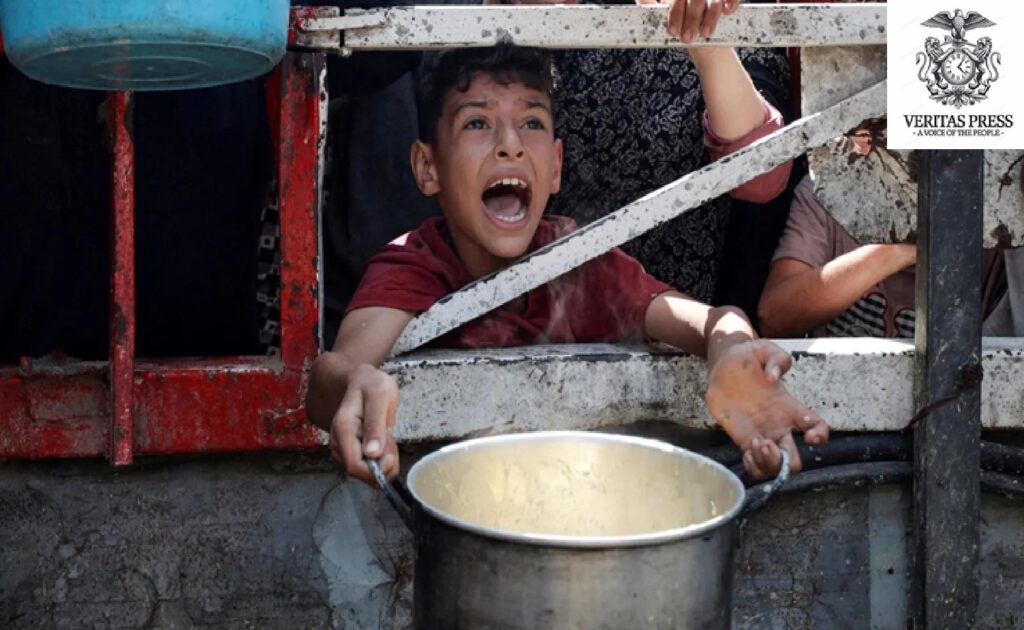
On Saturday, February 28, 2026, Israeli authorities announced the indefinite closure of all crossings into
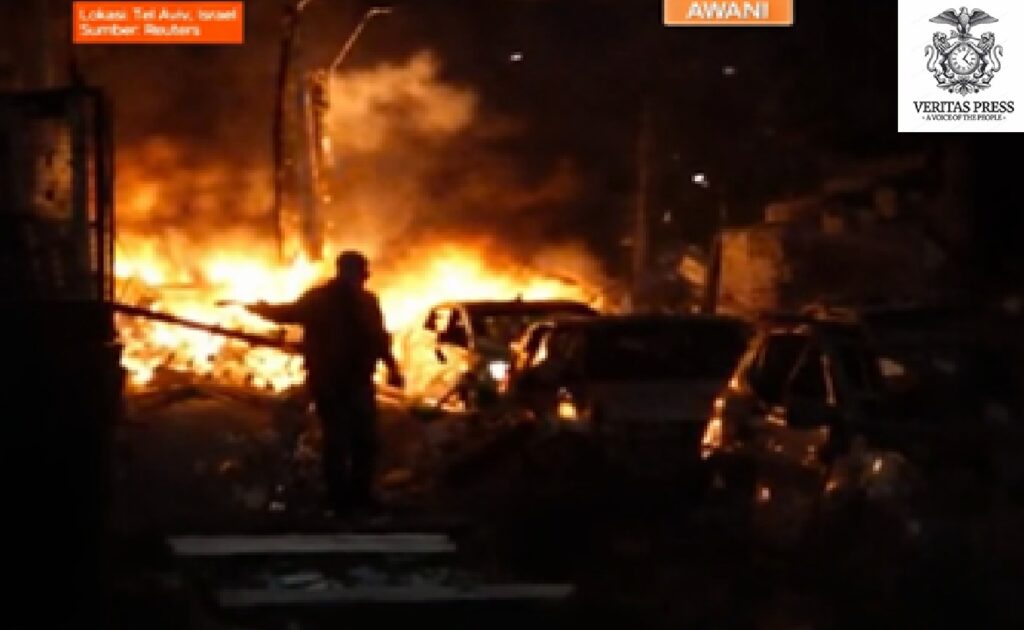
The military confrontation between Israel, the United States, and Iran is no longer confined to
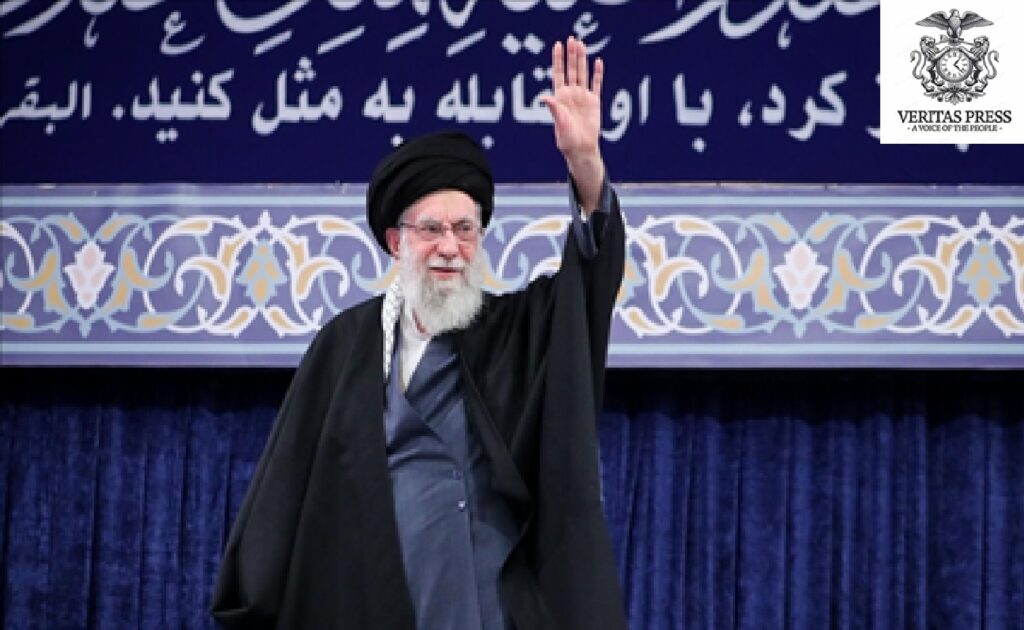
TEHRAN, IRAN – At 5:00 a.m. on Sunday, March 1, 2026, Iranian state television did
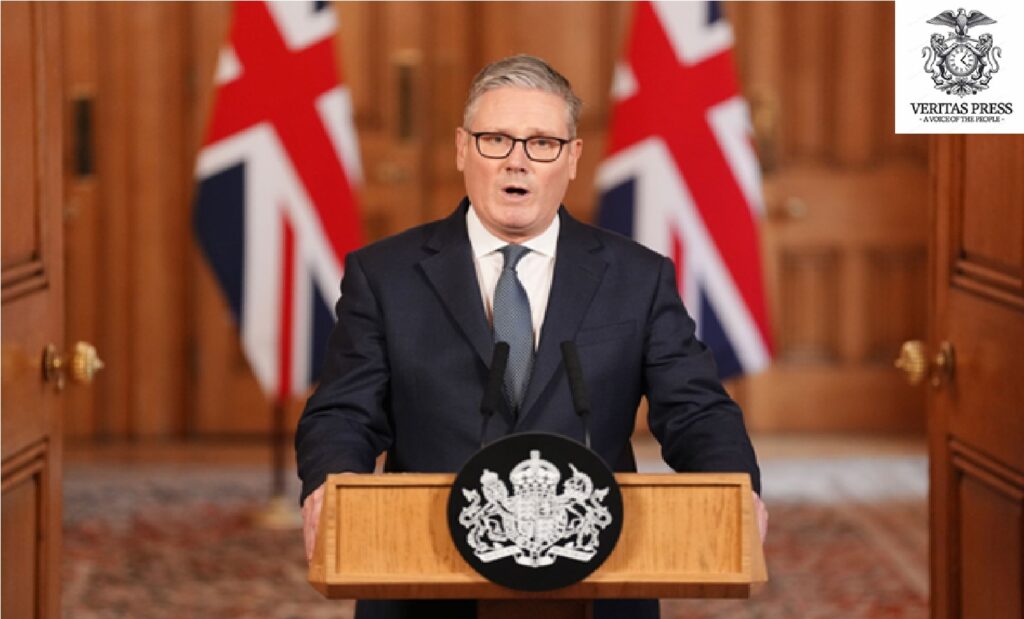
In the early hours of Saturday morning, the Middle East lurched into a new and
MINAB, IRAN — In the quiet coastal town of Minab, along the strategic Strait of

GORTON AND DENTON, UK – At 4:30 am on February 27th, 2026, Hannah Spencer stood