

Original Article Date Published:
Article Date Modified:
Help support our mission, donate today and be the change. Every contribution goes directly toward driving real impact for the cause we believe in.
BEIRUT, LEBANON, OCCUPIED PALESTINE — The Middle East is hurtling toward an unprecedented abyss. What began as a US-Israeli offensive against Iran 12 days ago has metamorphosed into a multi-front war, marked this week by a historic first: a fully coordinated, large-scale missile and drone operation by Iran and its prized proxy, Hezbollah, against Israel. Simultaneously, Israel has unleashed its most devastating bombardment on Beirut’s southern suburbs since the 2006 war, signalling a strategic shift from covert assassinations to open, high-intensity warfare.
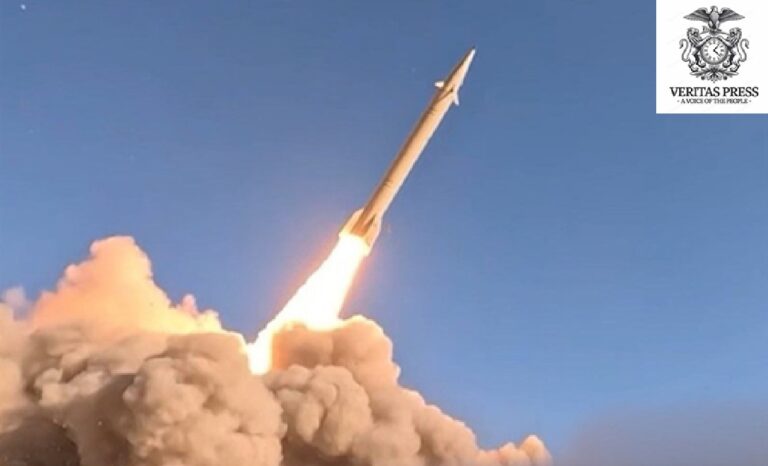
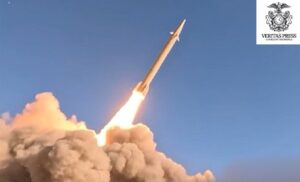
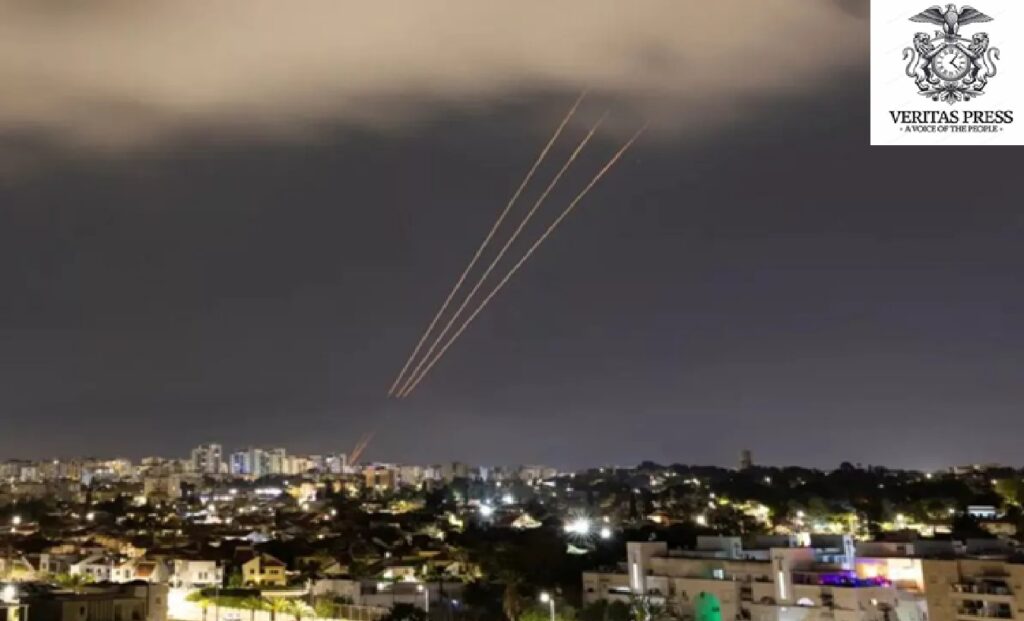
This escalation, which included over 150 rockets from Lebanon and a concurrent missile barrage from Iran, represents not just a quantitative leap in firepower but a qualitative shift in the conflict’s architecture. For the first time since the war began, Israeli intelligence has confirmed “full coordination” between Tehran and Beirut. This coordinated attack, dubbed “Al-Asf Al-Ma’koul” (The Smart/Calculated Storm) by Hezbollah, appears designed to overwhelm Israel’s multi-layered air defence network, with Israeli media reporting over 60 launches in a single barrage targeting northern settlements.
The ‘Chewed Wheat’ Doctrine: Tactical Coordination And Strategic Revenge.
Hezbollah’s operation, which it also frames through the Quranic verse of “Chewed Wheat”, a metaphor for the total annihilation of one’s enemies, was explicitly justified as revenge for the assassination of Iran’s Supreme Leader, Ali Khamenei. However, analysts suggest the timing is more than just retributive; it is existential.
“The weaker Hezbollah becomes, the more exposed Iran is,” notes a recent analysis of the shifting power dynamics. With the US “now directly involved in the Israeli war room,” the pressure on Tehran to activate its primary deterrent, Hezbollah’s precision-guided missile arsenal, reached a breaking point.
The Islamic Revolutionary Guard Corps (IRGC) confirmed the “joint and integrated operation” in a statement carried by Fars and Tasnim news agencies. They claimed the attack focused on “more than 50 targets” deep inside Israeli territory, including military bases in Haifa, Tel Aviv, and Beersheba.
This represents a significant escalation from the “shadow war” paradigm. An Israeli security official told Channel 13 that previous assessments underestimated the real-time connectivity between IRGC command centres and Hezbollah’s launch units in southern Lebanon. “This was not simultaneous fire; this was synchronised, target-shared aggression,” the official said, speaking on condition of anonymity due to strict military censorship.
Israel has imposed a blackout on precise damage assessments, but independent analysts point to satellite imagery suggesting that while the Iron Dome and David’s Sling systems intercepted many projectiles, several Iranian missiles appear to have landed near strategic sites, including the Nevatim airbase, which houses F-35 squadrons.
The Beirut Inferno: Bombardment, Displacement, And The Strike On The Corniche.
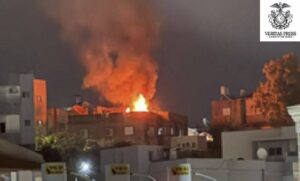
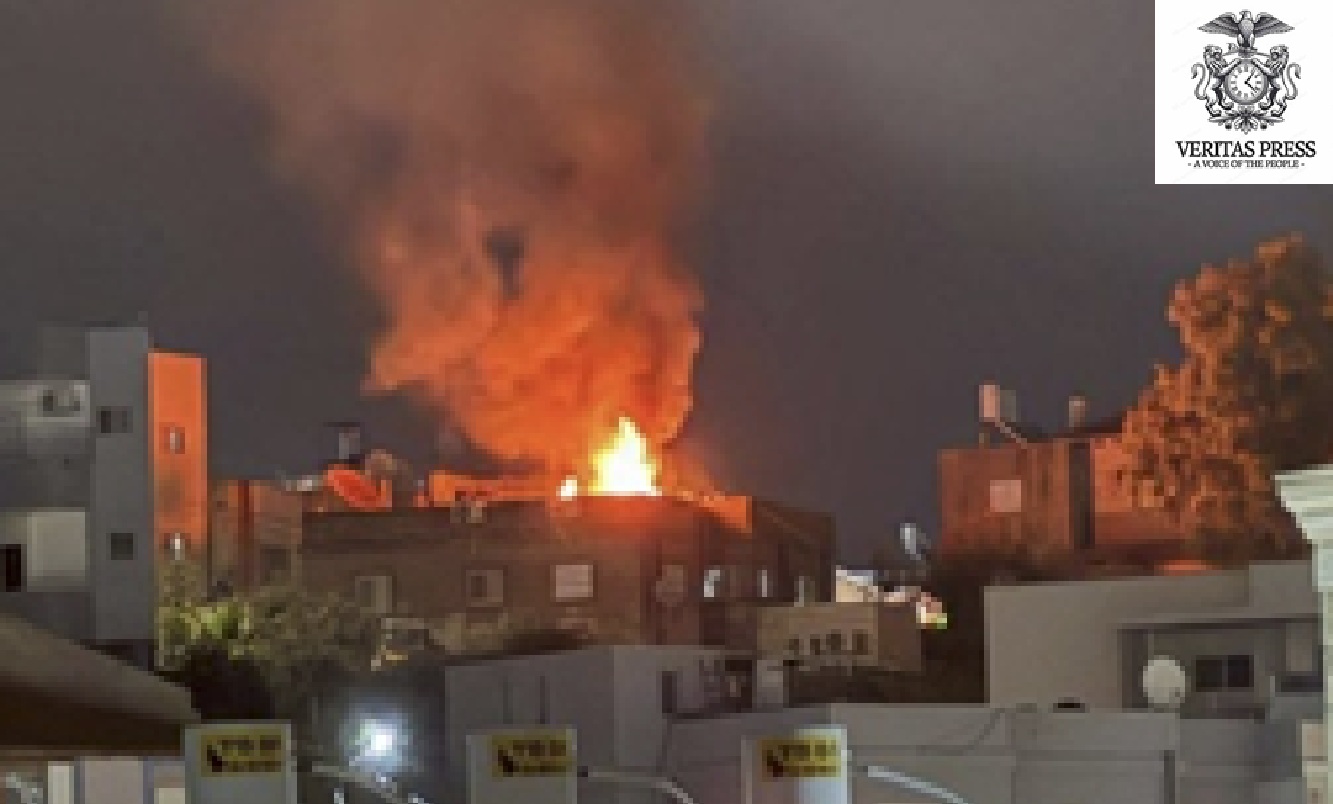
As sirens wailed across Israel, the skies over Beirut turned an apocalyptic red. Israeli warplanes responded with overwhelming force, pounding the southern suburbs, a Hezbollah stronghold, with a ferocity described by residents as unmatched in this round of fighting.
The most visceral symbol of this new phase came in the early hours of Thursday, when Israel struck the Ramlet al-Baida neighbourhood in central Beirut. The strike hit the corniche, a seaside promenade that had become a de facto shelter for hundreds of families displaced by the earlier evacuation orders in the south.
Graphic footage verified by QNN shows at least two men lying dead on the walkway, their bodies sprawled next to the personal belongings of families who had been sleeping rough. Lebanon’s Health Ministry confirmed that at least seven people were killed and 21 others injured in this strike alone.
Images circulating on social media showed scenes of chaos, with rescue teams attempting to treat the wounded amid damaged vehicles. This marked the third Israeli attack in central Beirut since the war began, following strikes on an apartment building and a seaside hotel. For many Lebanese, the bombing of the corniche shattered any remaining illusion of safe havens within the capital.
Caretaker Prime Minister Najib Mikati condemned the strikes as “aggressions by the Israeli enemy, which are in violation of international law and humanitarian regulations”. His government, already crippled by a political vacuum and economic collapse, is now grappling with a humanitarian catastrophe.
The Humanitarian Toll: 600,000 Displaced And A Health System On Its Knees.
The human cost of the 12-day war is staggering. According to Lebanon’s Health Ministry, Israeli strikes have killed at least 634 people and injured 1,586. The UN reports that over 600,000 people have been internally displaced in Lebanon, a quarter of them in the week following the escalation of airstrikes. The International Organisation for Migration (IOM) puts the figure even higher, noting that more than 809,000 people have registered as displaced, though the actual number is likely far higher.
The United Nations Relief and Works Agency (UNRWA) has activated 11 emergency shelters, housing thousands of people, including Palestinian refugees. “A significant return of IDPs is reported in the Tyre area… with many choosing to remain in the camps despite the ongoing heavy airstrikes,” an UNRWA situation report noted, highlighting the impossible choices facing civilians: flee into the unknown or risk staying put.
The healthcare system is collapsing under the strain. Caretaker Health Minister Firas Abiad reported that Israeli attacks have resulted in 97 deaths and 188 injuries among various rescue organisations, damaging 45 facilities and 128 vehicles. In a deeply condemned incident, an Israeli drone strike targeted civil defence teams and journalists clearing debris in the Mreijeh neighbourhood of Beirut’s southern suburbs, killing one rescuer. The strike occurred while the group was assessing damage, leading Mikati to urge international powers to pressure Israel to cease attacks on first responders.
The Battle For Southern Lebanon: Radwan Forces, Tunnels, And Ambushes.
On the ground, the conflict is devolving into a bloody guerrilla war. The Israeli military has ordered residents to evacuate vast swathes of southern Lebanon, warning it would “soon act with overwhelming force” against Hezbollah’s missile infrastructure. The Israeli security cabinet has met to discuss a significant widening of operations, with Lt Gen Eyal Zamir ordering the elite Golani Brigade to the northern border, a move analysts interpret as preparation for a deeper ground invasion.
Hezbollah, despite suffering the devastating loss of its senior leadership, including Secretary-General Hassan Nasrallah, in a massive airstrike on September 27, is putting up fierce resistance. Small, autonomous units of Hezbollah’s elite Radwan Force are conducting ambushes against Israeli troops conducting cross-border raids.
The Israeli military claimed on October 7 that it had killed at least 50 Hezbollah fighters in a series of airstrikes targeting underground command centres belonging to the Radwan Force and other units. “For years, Hezbollah’s Southern Front has built an extensive network of underground infrastructure and command centres in southern Lebanon, aimed at attacking IDF soldiers during combat,” the IDF stated.
This infrastructure has proven resilient. On October 15, the Israeli military announced it had captured three Hezbollah fighters found in an underground shaft inside a building, equipped with “many weapons and equipment needed for a long stay”. The discovery of these entrenched positions suggests that despite the heavy bombing, Hezbollah has maintained a significant military capability in the border region, preparing for a prolonged stalemate.
International Fallout: Peacekeepers Under Fire And A Region On The Brink.
The widening conflict has ensnared international actors. The United Nations Interim Force in Lebanon (UNIFIL) has come under direct fire. In a shocking incident early Sunday morning, two Israeli Merkava tanks forced their way into a UNIFIL base belonging to the Ghanaian contingent in Ramyah, damaging the entrance gate. The incursion led to 15 Ghanaian peacekeepers being injured by smoke inhalation and skin irritations after rounds were fired near their post.
The Italian press reported that the IDF requested the base’s lights be turned off, a request UNIFIL personnel rejected. Israel claimed the incursion was part of an operation to evacuate wounded soldiers after an anti-tank missile attack.
This incident, along with previous injuries to Indonesian and Sri Lankan peacekeepers, prompted a rare, unified rebuke. Forty nations contributing to UNIFIL, including Indonesia, Italy, India, France, and China, issued a joint statement “strongly condemn[ing] recent attacks” on the peacekeepers. “Such actions must stop immediately and should be adequately investigated,” the statement read.
UN Special Coordinator for Lebanon, Jeanine Hennis-Plasschaert, warned the Security Council that the region is “dangerously teetering on the brink of an all-out war.” She stressed the need for a return to Resolution 1701, which stipulates that only the Lebanese army and UN peacekeepers should be deployed in south Lebanon. However, with the Lebanese state weak and Israel determined to degrade Hezbollah by force, diplomacy appears paralysed.
The View From Washington And Tehran: Trump’s “Last Targets.”
In Washington, the rhetoric is shifting. Former President Donald Trump, in an interview with Axios, claimed the United States “no longer has many targets left inside Iran,” suggesting that the initial wave of US strikes, which CENTCOM claims have hit over 5,500 targets and destroyed Iran’s Soleimani-class warship fleet, may be winding down. Trump added that the “war with Tehran could end soon,” a statement that has been met with deep scepticism in regional capitals.
Iran, meanwhile, is playing a long game. Beyond Hezbollah, it is activating other proxies. The Islamic Resistance in Iraq has claimed drone attacks on Eilat, and there are reports of Russia deepening its involvement, potentially transferring UAVs to Hezbollah and anti-ship missiles to the Houthis in Yemen via Iranian mediation. This suggests Tehran is attempting to bleed Israel on multiple fronts simultaneously, forcing it to fight a war of attrition it is ill-prepared for.
Conclusion: An Endless Tunnel.
Twelve days into this war, there is no end in sight. Hezbollah has proven it can still launch massive barrages despite the decapitation of its leadership. Israel has demonstrated its willingness to bomb central Beirut without regard for civilian casualties. And Iran has finally taken the bait, stepping out of the shadows to coordinate directly with its proxy.
For the people of Lebanon, the war has brought back the darkest memories of 2006, but this time, the destruction is more widespread, the displacement more chaotic, and the political class more helpless. As one displaced man from the southern suburbs told QNN from the corniche in Beirut, just hours before it was bombed: “We are being chewed like wheat between the millstones of Iran and Israel. No one cares about us.”
With nearly one million Israelis ordered into shelters, thousands of Lebanese displaced, and a growing toll on international peacekeepers, the Middle East is no longer edging toward war; it is fully engulfed in one.
Source: Multiple News Agencies
Submissions:
For The Secure Submission Of Documentation, Testimonies, Or Exclusive Investigative Reports From Any Global Location, Please Utilise The Following Contact Details For Our Investigations Desk: enquiries@veritaspress.co.uk or editor@veritaspress.co.uk
Help Support Our Work:
Popular Information is powered by readers who believe that truth still matters. When just a few more people step up to support this work, it means more lies exposed, more corruption uncovered, and more accountability where it’s long overdue.
Help Protect Independent Journalism, Which Is Currently Under Attack.
If you believe journalism should serve the public, not the powerful, and you’re in a position to help, becoming a DONATOR or a PAID SUBSCRIBER truly makes a difference.
DONATION APPEAL: If You Found This Reporting Valuable, Please Consider Supporting Independent Journalism.
Help Support Our Work – We Know, We Know, We Know …
Seeing these messages is annoying. We know that. (Imagine what it’s like writing them … )
Your support fuels our fearless, truth-driven journalism. In unity, we endeavour to amplify marginalised voices and champion justice, irrespective of geographical location.
But it’s also extremely important. One of Veritas Press’s greatest assets is its reader-funded model.
1. Reader funding means we can cover what we like. We’re not beholden to the political whims of a billionaire owner. We are a small, independent and impartial organisation. No one can tell us what not to say or what not to report.
2. Reader funding means we don’t have to chase clicks and traffic. We’re not desperately seeking your attention for its own sake: we pursue the stories that our editorial team deems important and believe are worthy of your time.
3. Reader Funding: enables us to keep our website and other social media channels open, allowing as many people as possible to access quality journalism from around the world, particularly those in places where the free press is under threat.
We know not everyone can afford to pay for news, but if you’ve been meaning to support us, now’s the time.
Your donation goes a long way. It helps us:
- Keep the lights on and sustain our day-to-day operations
- Hire new, talented independent reporters
- Launch real-time live debates, community-focused shows, and on-the-ground reporting
- Cover the issues that matter most to our communities, in real time, with depth and integrity
We have plans to expand our work, but we can’t do it without your support. Every contribution, no matter the size, helps us stay independent and build a truly people-powered media platform.
If you believe in journalism that informs, empowers, and reflects the communities we serve, please donate today.
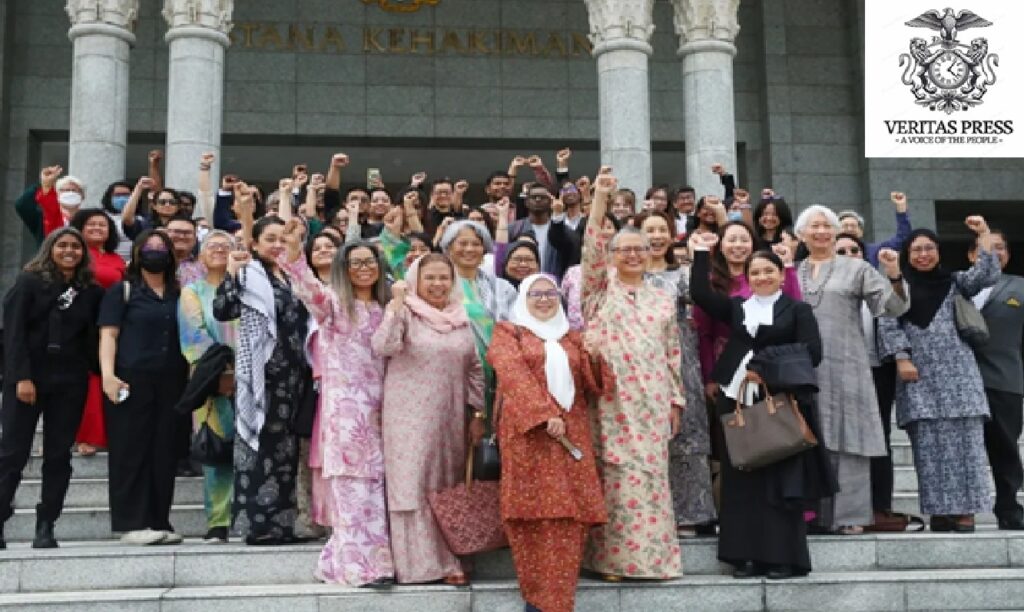
In contemporary geopolitics, the language of gender equality and women’s liberation increasingly appears within the
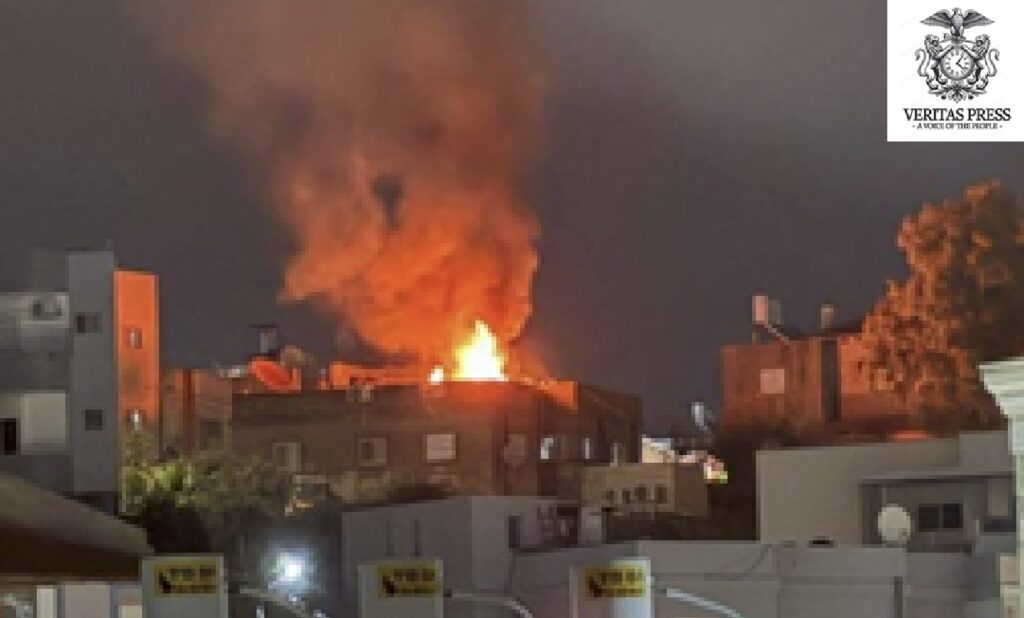
BEIRUT, LEBANON, OCCUPIED PALESTINE — The Middle East is hurtling toward an unprecedented abyss. What
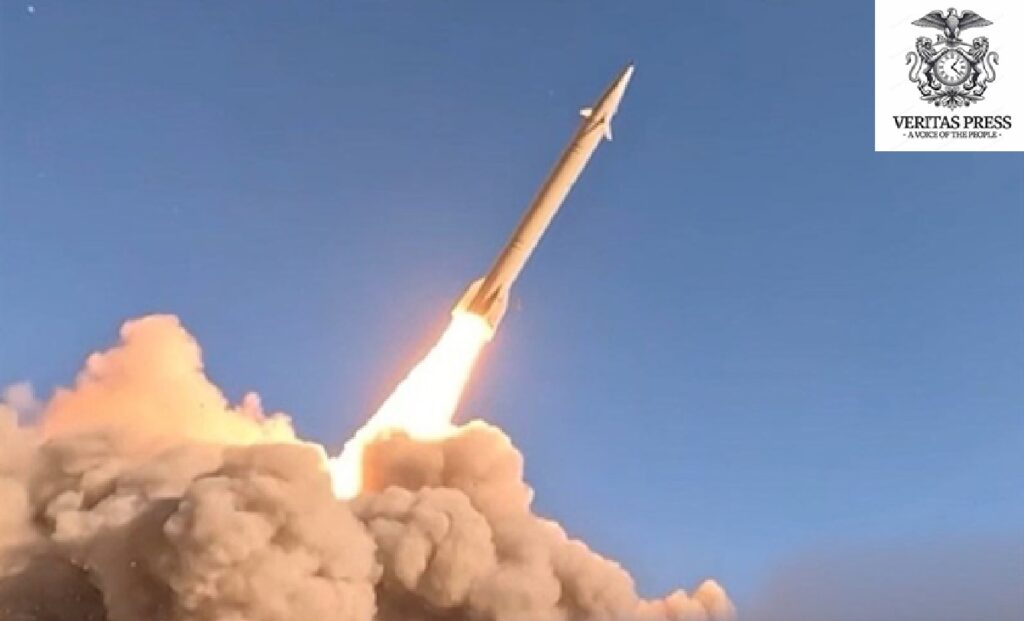
TEHRAN, IRAN – For the past two weeks, the Middle East has been engulfed in
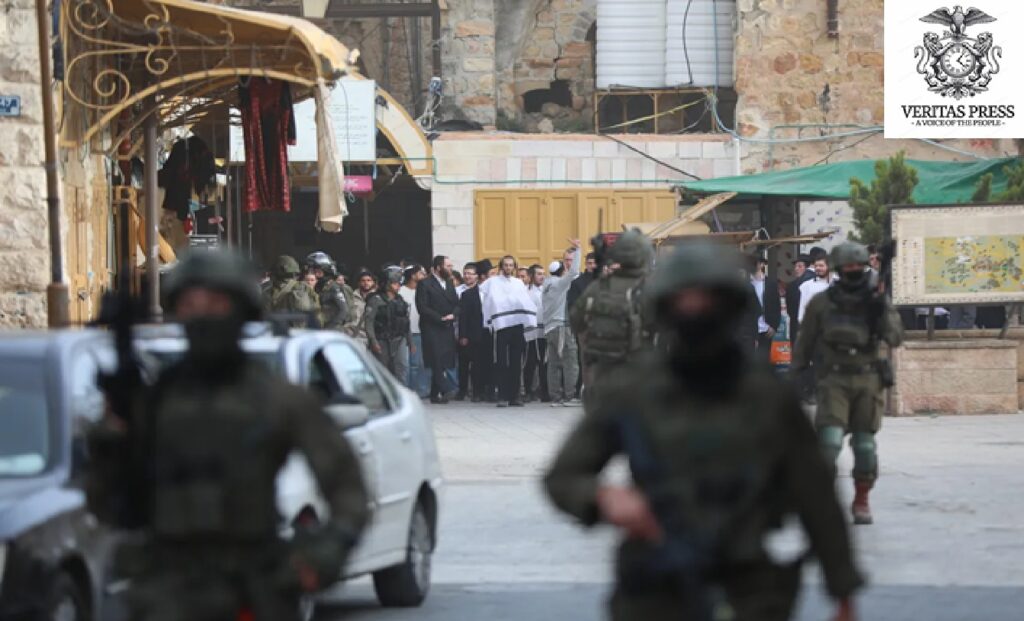
WEST BANK – In the pre-dawn hours of Thursday, March 12, 2026, the occupied West
Original Article Date Published: Article Date Modified: Help support our mission, donate today and be
TEHRAN, IRAN – The global economy is holding its breath. Nearly two weeks after the

As the Middle East conflict enters its second week, triggering the largest energy supply disruption
RAMALLAH / JERUSALEM / AMMAN — For the twelfth consecutive day, the gates of the
TEHRAN, IRAN – The early hours of March 11, 2026, marked a significant and dangerous

It was the kind of volatility that wipes out traders and creates legends. In a