




Original Article Date Published:
Article Date Modified:
Help Support our mission—donate today and be the change. Every contribution goes directly toward driving real impact for the cause we believe in.
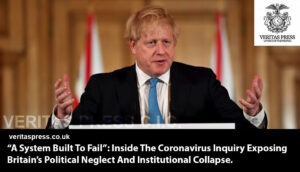
Britain’s governing Labour Party is entering one of the most unstable phases of its modern history, with Prime Minister Keir Starmer fighting to contain a widening web of controversies while senior figures quietly position themselves for a potential leadership contest.
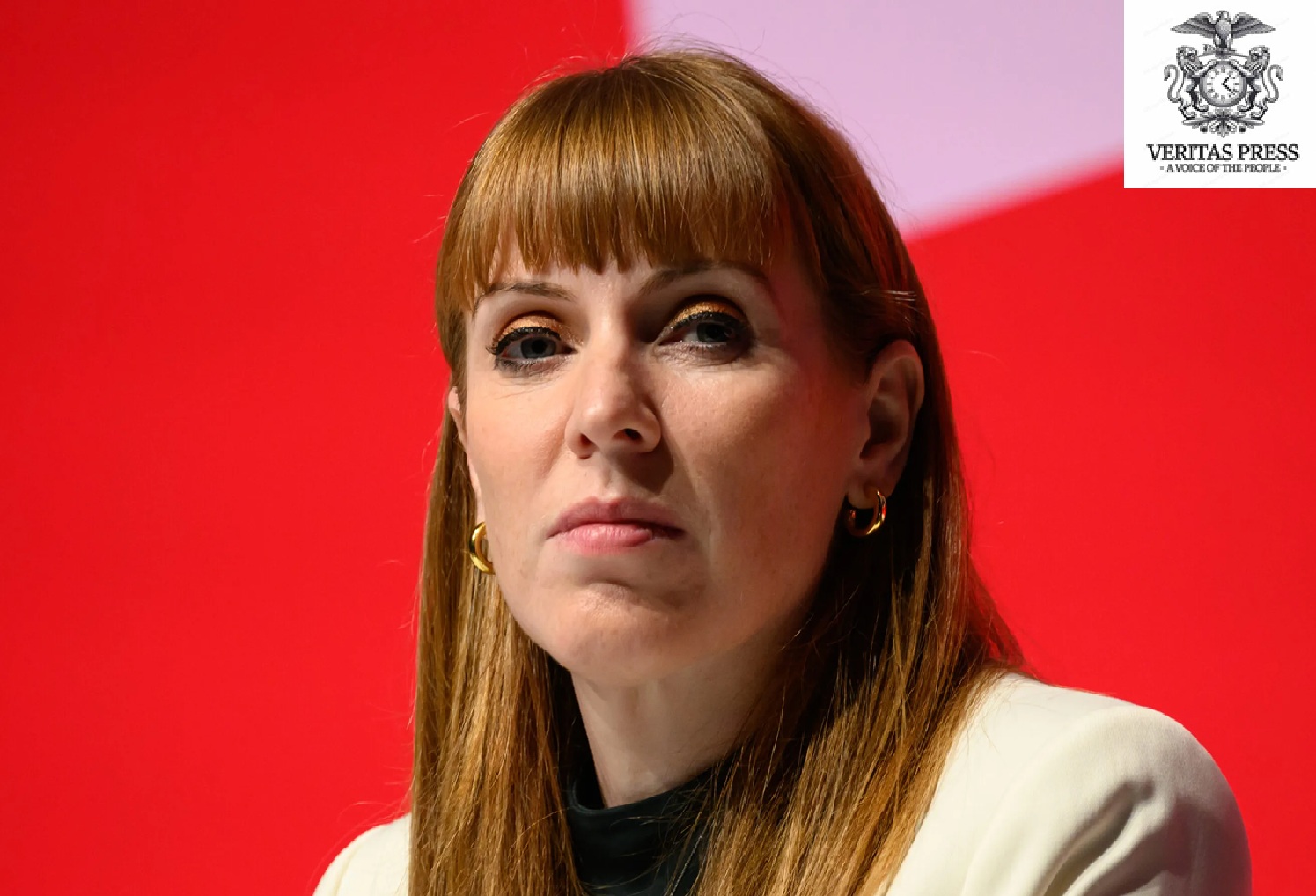
At the centre of that looming struggle is Angela Rayner, a politician whose rapid political resurrection has impressed allies but whose unresolved tax investigation continues to cast a long shadow over her credibility.
For many inside Westminster, the question is no longer whether Labour faces a succession battle, but when it will erupt.
A Premiership Increasingly Defined By Scandal:
Starmer’s authority has been eroded by successive controversies that critics say point to deeper failures of judgment at the top of government.
The row surrounding Labour grandee Peter Mandelson, and the forced disclosure of documents relating to his diplomatic role, has triggered anger across party factions and revived longstanding concerns about elite networks inside Labour.
Union leaders have been particularly blunt.
Steve Wright, general secretary of the Fire Brigades Union, warned:
“Anyone who has any association with Peter Mandelson should be nowhere near government.”
The remark, widely interpreted as a swipe at senior figures close to Mandelson, reflects growing impatience within organised labour, a constituency historically central to Labour’s identity.
Meanwhile, Conservative leader Kemi Badenoch has escalated political pressure, describing Starmer’s position as increasingly untenable and predicting it is a matter of “when, not if” he leaves office.
Even within Labour ranks, anxiety is becoming harder to conceal.
One senior MP told reporters the party risks entering an election cycle without “a clear person to take over,” a scenario that analysts warn could trigger the kind of factional warfare that has previously paralysed the party.
Political observers note that British prime ministers rarely fall purely because of scandal, they fall when their party decides they are an electoral liability.
That calculation may soon hinge on upcoming electoral tests, including a high-stakes by-election and local contests expected to gauge the government’s popularity.
Angela Rayner: Working-Class Insurgent Or Scandal-Scarred Frontrunner?
Few figures capture Labour’s internal contradictions more vividly than Rayner.
Once celebrated as the party’s working-class conscience, she was forced to resign after admitting she underpaid property tax on a seaside flat, reportedly saving about £40,000 by not paying the higher rate applied to second homes.
She has insisted the issue was not deliberate wrongdoing.
Rayner previously argued that allegations around her finances were politically motivated, telling the BBC’s Newsnight that the controversy had been:
“manufactured” and “a smear,” adding, “I’ve been very clear there are no rules broken.”
Starmer himself attempted to shield her at the height of the row, saying she had “clearly made a mistake” but was being subjected to unusual scrutiny “because she’s a working-class woman,” according to parliamentary reporting.
Yet critics reject the class-based framing.
Commentators have argued the affair is fundamentally about accountability rather than background, a distinction that cuts to the heart of Labour’s claim to ethical governance.
Opposition figures were harsher still. Badenoch called Rayner’s position “untenable” after the admission, intensifying demands for consequences.
The Investigation That Could Decide Labour’s Future:
The unresolved HMRC probe is now widely viewed inside Westminster as the single greatest obstacle to Rayner’s leadership ambitions.
Launching a bid while under investigation would be politically perilous, potentially allowing opponents to frame Labour as replacing one scandal-hit leader with another.
Analysts note the irony: the politician many activists see as Starmer’s natural successor may be temporarily disqualified by the very standards Labour has promised to uphold.
The episode has also exposed a deeper vulnerability.
Labour has repeatedly attacked Conservatives over tax conduct, making any perception of hypocrisy especially damaging.
As one political commentator observed, the row risks undermining Labour’s moral argument on fairness, a cornerstone of its electoral appeal.
Preparing For Power, Quietly:
Despite the uncertainty, few insiders believe Rayner is standing still.
Allies say she is “ready” should the leadership fall vacant, and bookmakers currently place her among the favourites, evidence that financial markets as well as political circles are hedging against a Starmer exit.
Her strategy appears deliberately cautious:
- Public loyalty to Starmer
- Targeted parliamentary interventions
- Alliance-building across unions and grassroots networks
The approach allows her to appear responsible rather than opportunistic, a critical distinction in leadership politics.
Yet critics warn that positioning oneself as indispensable while awaiting a leader’s collapse can look less like loyalty and more like calculated patience.
A Leadership Contest Is Already Underway:
Even without a formal vacancy, Labour’s internal factions are mobilising.
Health Secretary Wes Streeting is widely seen as the principal challenger from the party’s centrist wing. His allies accuse Rayner supporters of briefing against him to distract from her tax difficulties.
Rayner’s camp counters that Streeting’s perceived closeness to Mandelson could prove toxic in the current climate.
The result is a familiar Labour dynamic: ideological rivalry layered atop personal mistrust.
Other names, including Bridget Phillipson and Ed Miliband, continue to circulate, fuelling the perception of a party preparing for regime change.
One Labour insider summed up the mood bluntly:
“The Labour party is pretty sick of the toxic briefing culture… and will not want to bring in something even nastier.”
Popular Inside Labour, But A Risk With Voters?
Rayner’s biggest challenge may lie beyond Westminster.
While admired by activists, some MPs privately fear she could struggle with the broader electorate.
“A lot of her friends… just think she is fundamentally unelectable,” one party figure admitted, a stark assessment that highlights the gap between internal popularity and national viability.
Paradoxically, some Conservatives reportedly fear her more than other contenders, believing her biography could reconnect Labour with working-class voters drifting toward populist alternatives.
Her life story, leaving school pregnant at 16 before rising through trade union ranks, remains a powerful political narrative in an era defined by distrust of professional elites.
But authenticity alone does not guarantee economic confidence.
Market-focused MPs have quietly questioned whether investors would understand the direction of a more left-leaning platform under her leadership.
Starmer’s Shrinking Room For Manoeuvre:
For now, Starmer is resisting calls to step aside and has attempted to reframe himself as a guardian of “decent and tolerant Britain.”
Historically, embattled premiers survive by resetting their administrations, reshuffling staff, distancing themselves from controversy, and buying time.
But every scandal chips away at the central currency of leadership: judgment.
If Labour begins to fear electoral defeat, patience could evaporate rapidly.
The Deeper Problem: Identity Crisis.
Beyond personalities, the turmoil exposes a broader strategic dilemma.
Is Labour a technocratic, centrist governing party, or a movement rooted in working-class solidarity?
Rayner and Starmer increasingly symbolise those competing visions.
The risk for Labour is not merely a leadership fight, but a renewed ideological war reminiscent of the party’s most destructive eras.
A Party Suspended Between Two Uncertainties:
The irony is stark:
- The prime minister looks politically weakened.
- The presumed successor remains constrained by investigation.
Labour is therefore trapped between a damaged leader and an untested alternative.
If HMRC clears Rayner, she could emerge as a unity candidate capable of stabilising the party.
If the ruling goes against her, Labour may enter a leadership contest without its most recognisable grassroots figure, a scenario that could fragment the party further.
Either outcome points toward a defining moment.
Starmer insists he is staying.
His critics say the clock is ticking.
And across Westminster, one assumption is rapidly hardening into conventional wisdom:
The next Labour leadership race is no longer theoretical, it is simply waiting for the event that triggers it.
In the annals of American foreign policy, few moments have laid bare the tectonic shift
TEHRAN — In the early hours of March 31, 2026, the Islamic Revolution Guards Corps
On March 30, 2026, the Israeli Knesset passed legislation that fundamentally alters the country’s relationship
LONDON, UK – On a crisp Saturday in late March, central London became the stage

BINT JBEIL, LEBANON – The airstrike came just after midnight. Israeli warplanes targeted the perimeter

More than half a decade after COVID-19 first reshaped global society, a new variant dubbed
TEHRAN, IRAN – Twenty-eight days after the assassination of Iran’s Supreme Leader Ayatollah Seyyed Ali
Original Article Date Published: Article Date Modified: Help support our mission, donate today and be

NEW YORK, US – On the night of March 26, 2026, Nerdeen Kiswani received a

JERUSALEM — For the 29th consecutive day, the heavy iron gates surrounding the Al-Aqsa Mosque