





Title: Lab-Grown Proteins For A Hungry World, Made In Europe
Press Release: Veritas Press C.I.C.
Author: Kamran Faqir
Article Date Published: 16 Jan 2026 at 15:17 GMT
Category: Europe | Science & Technology | Lab‑Grown Proteins for a Hungry World, Made in Europe
Source(s): Veritas Press C.I.C. | Multi News Agencies
Website: www.veritaspress.co.uk

Business Ads


How Europe Aims To Lead The Future Of Food Technology:
Europe stands at a potential inflexion point in the global fight against hunger, climate change, and food insecurity. At the heart of this transition are cutting-edge food technologies, from mushroom-based proteins to cultured meat and other lab-grown alternatives, driven by innovation hubs across the continent. In cities like Leipzig, Germany, a new generation of biotech startups is building foundations for what could be Europe’s market leadership in future food systems.
Bio‑City Leipzig: Europe’s Food Tech Hotspot.
Leipzig’s Bio‑City exemplifies how interconnected regional, national, and European funding mechanisms can cultivate cutting-edge innovation. Here, hundreds of startups and biotech ventures are supported with grants, incubators, and research networks that span borders, a collaborative ecosystem tailored to address the global demand for sustainable protein solutions.
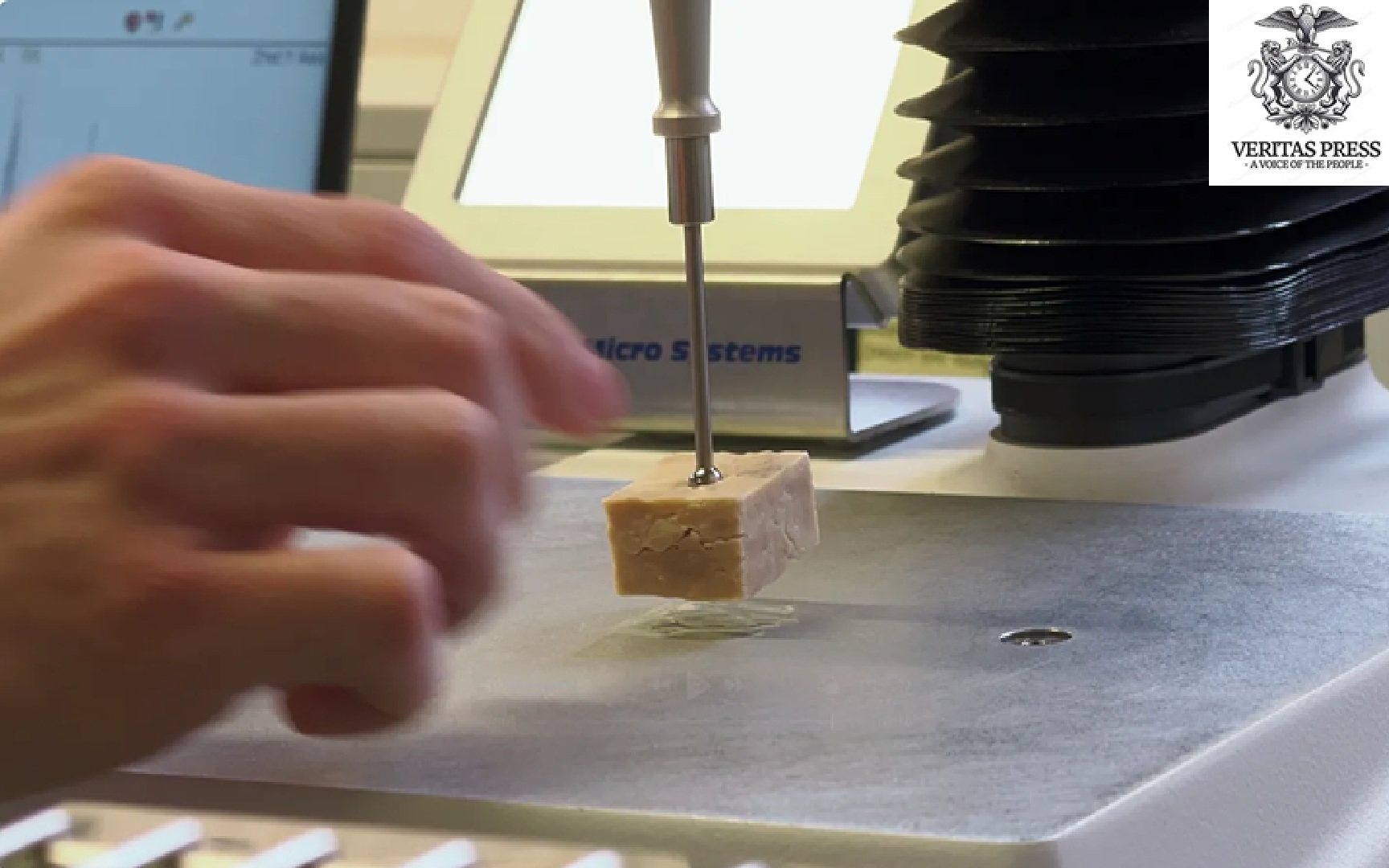
One standout example is Pacifico Biolabs, co-founded by Scottish innovator Zac Austin. Austin’s international team is dedicated to tackling hunger with new food technologies, notably, mushroom-derived proteins that could reshape how the world sources meat substitutes.
“Leipzig is a fantastic location where a large number of start-ups and biotech companies have set up shop,” Austin says, highlighting the dynamic and supportive environment.
Mycelial Breakthroughs In Alternative Proteins:
Pacifico’s co-founder, Washington Vintimilla, described by colleagues as a biochemical visionary, describes a milestone achievement: transforming mycelial fibres, the root structures of fungi, into plant-based chicken breast, with texture and mouthfeel that approach traditional meat.
“That was phenomenal. That’s when we knew we were on the right track,” Vintimilla says about the breakthrough that enables vegan steaks, sausages, and fillets from fungus-derived proteins.
Spanish food technician Pau Oller Armengol emphasises the versatility of these mycelial fibres, which can be adapted to produce vegan versions of fish, pork medallions, and chicken, all in dramatically shorter timeframes than conventional livestock. A real chicken takes roughly 60 days to grow; Pacifico’s systems can produce a comparable amount of protein in just one day, a fact with profound implications for food security as the global population continues to expand.
Why These Innovations Matter: Climate, Food Security, And Efficiency.
Vintimilla stresses the urgency of alternative food technologies in the face of climate‑induced crop losses: 30–40% declines in yields for critical staples are projected, threatening the ability of traditional agriculture to feed a growing population.
Lab-grown and fermentation-based proteins, including those produced from mycelium, cultured animal cells, or precision fermentation, do not rely on expansive farmland or be at the mercy of climate extremes. They also promise to reduce reliance on water, feed crops, and other resource-intensive inputs associated with livestock production.
Europe’s Novel Food Regulatory Landscape:
Despite Europe’s ambitious food tech ecosystem, regulatory hurdles remain a major bottleneck. Under EU law, cell-based foods and other “novel foods” must undergo rigorous safety assessments by the European Food Safety Authority (EFSA) before they can be marketed. While updated guidelines and pre-submission consultations aim to streamline this process, approvals can still take years, sometimes up to three or more, hampering innovation momentum.
The EU’s new Biotech Act is intended to enhance regulatory guidance and support for biotechnology firms, including provisions to better resource EFSA and clarify approval requirements. However, it explicitly excludes novel foods from regulatory sandboxes, controlled environments where innovators can engage with regulators to design standards and accelerate testing. Critics argue this is a missed opportunity that could slow European competitiveness relative to regions like Singapore or the UK.
Cell-Based Meat: Promise And Remaining Questions.
Pros:
- Animal welfare: Potential to generate meat without raising and slaughtering animals.
- Food safety: Lab conditions reduce typical livestock contamination risks (e.g., E. coli, Campylobacter).
- Efficiency & scalability: Potentially faster protein production with less land and water.
Cons:
- Regulatory delays: Europe has yet to approve any fully cultivated meat for human consumption, although the UK has greenlit pet food ingredients and Singapore and the U.S. have approved selected products.
- Environmental trade-offs: Energy use and long-term greenhouse gas implications depend on production systems and energy sources.
- Ethical concerns: Early reliance on animal-derived growth factors (like fetal bovine serum) and cultural perceptions continue to raise debate.
- Consumer acceptance: Many people remain hesitant about lab-grown foods, and acceptance depends on perception, taste, price, and labelling clarity.
The nuances of what counts as “meat” are also under debate. EU law currently defines meat as skeletal muscle from specified animal species, a definition that does not technically cover cultivated cells, complicating future labelling rules.
Global Context: Europe In The Protein Race.
Europe is not alone in the global food tech revolution. Singapore remains the first nation to approve cell-based chicken for sale, and Israel has authorised a cell-based beef product deemed kosher by religious authorities. Meanwhile, the UK, outside the EU, has created regulatory pathways for novel foods, including pet food ingredients derived from cultured cells. However, many startups are exploring how Europe can retain competitive strength against the U.S., Asia, and the Middle East markets.
Countries within Europe, like the Netherlands, are also moving ahead: Dutch governments have enabled taste testing for cultivated products and launched pilot-scale-up facilities to foster development.
Conclusion: Europe’s Promise And The Road Ahead.
Europe’s biotech hubs, exemplified by Leipzig’s Bio‑City and innovators like Pacifico Biolabs, are driving technologies that could transform food systems, reduce environmental harms, and help address world hunger. Yet, regulatory frameworks and consumer acceptance will shape whether these groundbreaking proteins move from laboratory breakthroughs into everyday diets. The region’s ability to harmonise innovation with safety and public trust may determine not only its leadership in alternative proteins, but its contribution to global food security for decades to come.