


Original Article Date Published:
Article Date Modified:
Help Support our mission—donate today and be the change. Every contribution goes directly toward driving real impact for the cause we believe in.
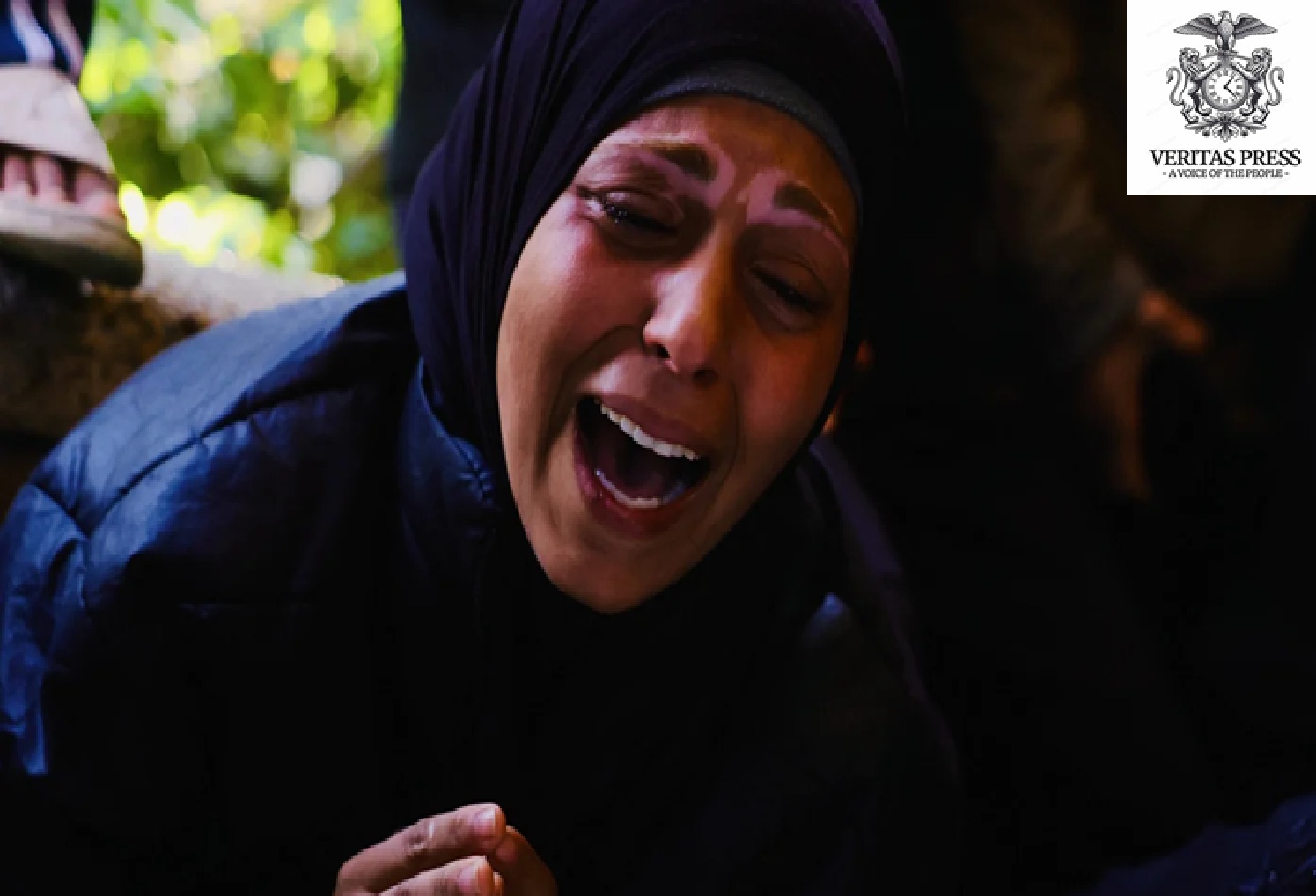
GAZA – Before dawn breaks over southern Gaza, the camps begin to stir. Wind rattles the nylon walls of tents pitched on flattened neighbourhoods. Smoke curls upward from makeshift stoves burning scraps of wood and plastic. Then, residents say, comes the sound that has outlived every ceasefire announcement, gunfire.
On Thursday, Israeli military vehicles opened fire toward tents sheltering displaced families south of Khan Younis, wounding three Palestinians, including two children. The victims were transported to Nasser Hospital with moderate injuries, according to medical sources.
The shooting reportedly occurred outside Israel’s declared deployment boundary, a detail that immediately raises questions under international humanitarian law (IHL), which obligates warring parties to distinguish between civilians and combatants and to take all feasible precautions to avoid harm.
Yet for many observers, the incident is less an anomaly than evidence of a deeper trajectory.
Gaza’s fragile ceasefire is increasingly being defined not by silence, but by the steady echo of drone surveillance, sporadic strikes, and collapsing civilian infrastructure, a reality educators and humanitarian officials warn is quietly engineering the destruction of an entire generation.
Even as diplomatic language invokes “de-escalation,” conditions on the ground suggest something far more systemic: the slow dismantling of Gaza’s social foundations, with education emerging as one of the war’s most consequential casualties.
Ceasefire In Name Only:
Despite the truce, Israeli forces have continued near-daily attacks across the enclave. Civilians have reportedly been wounded in Beit Hanoun and eastern Khan Younis, while heavy gunfire and drones persist along Gaza’s eastern perimeter.
UN officials warn that the normalisation of violence during a ceasefire risks entrenching a permanent humanitarian emergency.
“The children of Gaza have endured unimaginable suffering,” a UNICEF spokesperson said in a recent briefing. “What we are witnessing is not only a protection crisis, it is a crisis of humanity and of the future.”
Analysts increasingly argue that these patterns reflect more than tactical responses.
“This is not simply about tactical strikes,” a regional security analyst told Al Jazeera. “It reflects a strategy of sustained pressure that keeps Gaza socially and economically incapacitated, even when formal hostilities are paused.”
The implications extend beyond immediate casualties: they shape whether displaced families ever return home, and whether institutions necessary for recovery survive at all.
Death Inside The Tent:
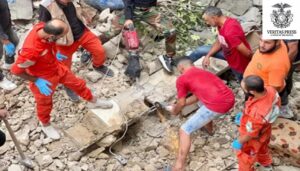
Hours after the shooting, another catastrophe unfolded in Deir al-Balah when a fire tore through a displacement tent, killing two children, a teenager and a toddler, and injuring their mother and sibling.
Such fires have become a grim feature of camp life.
With roughly 69% of Gaza’s structures damaged or destroyed, families rely on flammable materials, improvised wiring, and open flames for cooking and heat, hazards humanitarian agencies say are the predictable outcome of mass infrastructural devastation.
What emerges is a landscape where even survival mechanisms carry lethal risk.
Education Under Systematic Assault:
Before the war, Gaza’s literacy rate exceeded 97 percent, one of the highest in the Middle East, a statistic frequently cited by development economists as evidence of the enclave’s long-term human capital despite blockade conditions.
Today, that achievement lies buried beneath pulverised concrete.
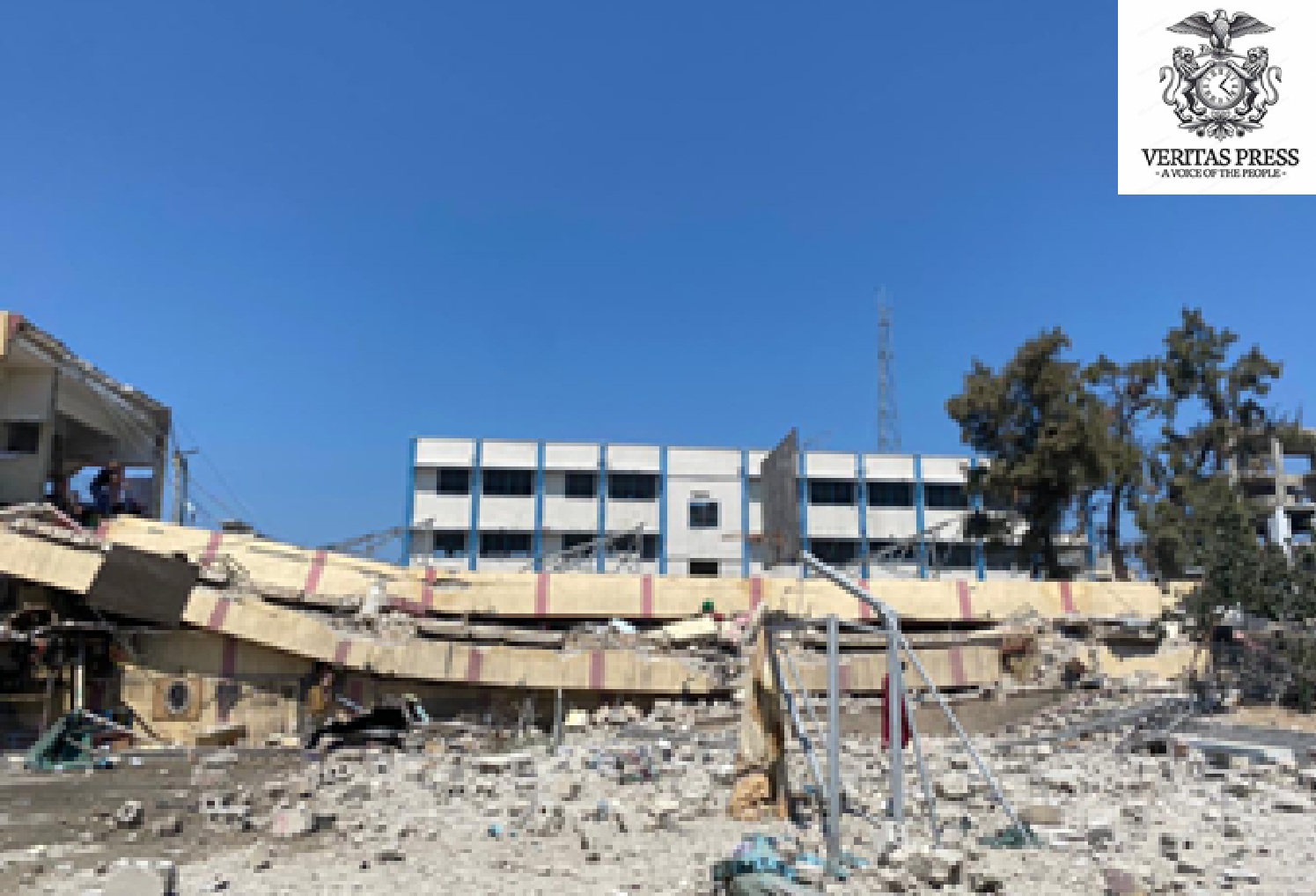
More than 70–90% of school buildings have been damaged or destroyed, according to UN agencies and education cluster assessments, while hundreds of thousands of children remain out of formal learning.
Philippe Lazzarini, Commissioner-General of UNRWA, has issued stark warnings:
“The longer children stay out of school, the higher the risk of a lost generation, fueling instability and deepening despair.”
Many surviving schools function primarily as overcrowded shelters.
In effect, institutions once designed to safeguard the future now serve as the last refuge from the present.
Human Rights Watch has warned that widespread destruction of civilian infrastructure raises serious concerns under IHL, which prohibits attacks on civilian objects unless they are being used for military purposes.
Legal scholars note that even when military necessity is invoked, proportionality remains binding, a standard increasingly scrutinised as the scale of destruction grows.
Some researchers have begun using a stark term: “scholasticide”, the systematic destruction of a society’s educational capacity.
Political scientist Stéphanie Latte Abdallah has described the phenomenon as “futuricide,” arguing that the erosion of education amounts to the dismantling of a people’s long-term viability.
Learning In The Shadow Of Trauma:
For Gaza’s children, survival has overtaken schooling as the central fact of daily life.
Aid workers report widespread symptoms consistent with post-traumatic stress disorder: emotional withdrawal, chronic anxiety, aggression, and developmental regression.
“Children cannot learn when they are in constant survival mode,” a Save the Children official said. “Education systems do not collapse overnight, but once they do, recovery can take generations.”
Journalists visiting makeshift classrooms describe students attempting lessons while artillery echoes in the distance. Some children instinctively dive to the floor at sudden noises, behaviour now so routine that teachers pause lessons without comment.
The psychological consequences may outlast the war itself.
The Rise Of Child Labour:
As Gaza’s economy implodes, with GDP estimated to have contracted by more than 80 percent, education is increasingly being replaced by labour.
Families stripped of income often have little choice but to send children to work: selling tea, scavenging scrap metal, gathering fuel, or assisting in informal markets.
The International Labour Organisation has warned that conflict-driven economic collapse almost inevitably triggers spikes in child labour.
“Children should be learning, not earning for family survival,” an ILO adviser said. “When education disappears, exploitation fills the vacuum.”
Local activists see a structural shift underway.
“We are witnessing the normalisation of child labour,” said a Palestinian civil society organiser. “This is how generational poverty becomes entrenched.”
Legal Exposure, War Crimes?
International humanitarian law prohibits attacks on civilians, disproportionate force, collective punishment, and the obstruction of humanitarian relief.
UN experts have previously accused Israeli forces of committing war crimes, including directing attacks against civilians and protected sites such as schools.
Israel rejects such allegations, maintaining that militants embed within civilian infrastructure and that operations comply with international law.
But legal analysts increasingly emphasise the importance of a cumulative pattern.
The question, one scholar noted, is no longer whether individual strikes can be justified — but whether the aggregate destruction signals policy.
Warnings Of A “Lost Generation”:
The phrase now echoes with growing urgency across UN briefings: lost generation.
UN Secretary-General António Guterres has repeatedly stressed:
“Every child deserves safety, education, and a future. Without them, there can be no sustainable recovery.”
Policy experts caution that educational collapse rarely remains contained.
“When you destroy an education system, the consequences ripple outward — politically, economically, and socially,” said a Middle East policy researcher. “Reconstruction is not just about buildings; it is about rebuilding human capital.”
Clearing Gaza’s rubble alone could take decades. Rebuilding its intellectual infrastructure may take longer.
Beyond Immediate Destruction:
Critics argue that international responses remain dangerously reactive, centred on emergency aid rather than structural preservation.
“Humanitarian assistance is essential, but it cannot substitute for political accountability,” a senior researcher at a global rights organisation observed. “Otherwise, we risk managing catastrophe instead of preventing it.”
Meanwhile, repeated ceasefire violations threaten to erase what little stability remains.
Without sustained civilian protection, analysts warn Gaza could enter a prolonged era of developmental paralysis, where education, economic mobility, and psychological recovery become increasingly unattainable.
A Future Buried Beneath The Rubble:
The destruction of schools is not only a humanitarian tragedy; it is a geopolitical warning.
Education has long functioned as Gaza’s primary pathway toward resilience. Its dismantling signals something deeper than wartime damage, the erosion of the very mechanisms that allow societies to recover after conflict.
As one veteran humanitarian worker put it:
“Wars end. But the loss of a generation can shape the course of a region for decades.”
For Gaza’s children, the defining question is no longer simply when the war will end.
It is whether the future waiting on the other side will still belong to them.
Conclusion: Futures Stolen, Childhoods Rewritten.
What is unfolding in Gaza can no longer be described as collateral damage. The scale, repetition, and cumulative impact of destruction point toward something far more consequential: the systematic erosion of a society’s ability to reproduce itself, intellectually, economically, and psychologically. Israeli forces continue to target civilians with alarming regularity, and children, by virtue of their vulnerability, are disproportionately exposed. Reports from UN agencies, humanitarian organisations, and investigative journalists document minors shot, injured, or killed, even outside declared conflict zones, raising urgent questions under international humanitarian law, including potential war crimes.
When classrooms are reduced to rubble, teachers vanish, and children exchange notebooks for labour, the war extends beyond territory and into time itself. For Palestinian scholars, activists, and human rights observers, this amounts to the theft of the future. Policies pursued under a Zionist security framework have created conditions in which an entire generation is being structurally denied the tools needed to build tomorrow. Israeli officials strongly reject such characterisations, insisting that military operations target armed groups and comply with international law. Yet the lived reality, children scavenging for fuel, selling tea, or hauling rubble, tells another story, fueling a global debate over intent, proportionality, and long-term consequence.
International humanitarian law was designed precisely to prevent this kind of societal collapse. The Geneva Conventions do not only forbid the direct targeting of civilians; they also protect the infrastructure that allows life to continue after war, schools, hospitals, water systems, and shelters. When those pillars crumble simultaneously, legal experts warn, the question shifts from isolated violations to whether the conditions necessary for civilian survival are being systematically undermined.
“The law is not concerned only with who is killed today,” one international law scholar noted, “but with whether a population is left able to exist tomorrow.”
Childhood Replaced By Survival:
Across Gaza, the evidence of that tomorrow narrowing is visible in the streets. Children, some barely tall enough to carry what they collect, sift through debris for wood, plastic, and cardboard to sell as fuel. Others hawk tea, sort recyclables, or haul goods through shattered marketplaces. Hands that should still be learning to write are hardened by labour.
The International Labour Organisation warns that conflict-driven economic collapse almost inevitably produces spikes in child labour. Humanitarian staff stress that this is not merely economic; it is civilizational.
“These are not isolated cases of poverty,” said a regional child-protection specialist. “This is the normalisation of child labour on a mass scale.”
“When tiny fingers are forced into labour instead of holding pencils, the world cannot pretend this is temporary,” added a Palestinian education advocate.
Some observers go further, accusing the international community of watching, in real time, what they describe as the slow social enslavement of children by circumstance: not chains imposed by law, but hunger, displacement, and institutional collapse.
The Silence Of Power:
Perhaps most alarming is not only the destruction itself, but the muted global response relative to the scale of harm. Diplomatic statements circulate. Investigations are announced. Condemnations are issued. Yet on the ground, the trajectory remains largely unchanged.
Critics increasingly describe this gap as a form of international complicity, not through direct participation, but through political paralysis.
“History rarely judges crises solely by the actors who carried them out,” a senior humanitarian researcher observed. “It also judges those who had the leverage to stop them and chose restraint instead.”
The risk is the normalisation of a precedent in which the dismantling of civilian life, and especially the targeting of children, can unfold in full global view without triggering decisive intervention.
A War Against Time:
For Gaza’s children, time is now the most unforgiving battlefield. Every missed academic year compounds cognitive loss. Every untreated trauma reshapes neurological development. Every month spent working instead of learning redraws the boundaries of future opportunity.
Schools can be rebuilt with concrete. But the developmental windows of childhood do not reopen. UN officials repeatedly stress that education is the backbone of recovery, the mechanism through which war-torn societies avoid generational decline. Destroy it, and the consequences ripple outward: entrenched poverty, chronic instability, forced migration, and cycles of violence that extend far beyond Gaza.
History offers sobering parallels: from Bosnia to Syria to Yemen, the collapse of education has left scars measurable decades later in weakened institutions and fractured social cohesion. Gaza now risks joining that lineage.
The Final Question:
The deeper question confronting the world is no longer whether Gaza can be reconstructed physically. Vast sums and decades of work could, in theory, restore buildings. The more urgent question is whether the world is prepared to prevent the quieter destruction already underway, the hollowing out of a generation before it has the chance to inherit the future.
Because when children are pushed from classrooms into labour, when futures are narrowed into survival, and when the safeguards of international law fail to halt the trajectory, the damage transcends war. It becomes the architecture of erasure.
Wars end.
Ceasefires are signed.
Cities are rebuilt.
But a generation raised without education, subjected to targeted violence, and forced to labour to survive does not simply recover, it reshapes the century that follows.
And the defining verdict of this war may ultimately rest on a question far simpler than geopolitics:
Who Allowed The Children To Lose Their Tomorrow? Who Watched Tiny Fingers Being Enslaved While Futures Were Stolen, Classrooms Reduced To Rubble, And Gaza’s Generation Denied The Chance To Inherit Life Itself?

In the annals of American foreign policy, few moments have laid bare the tectonic shift
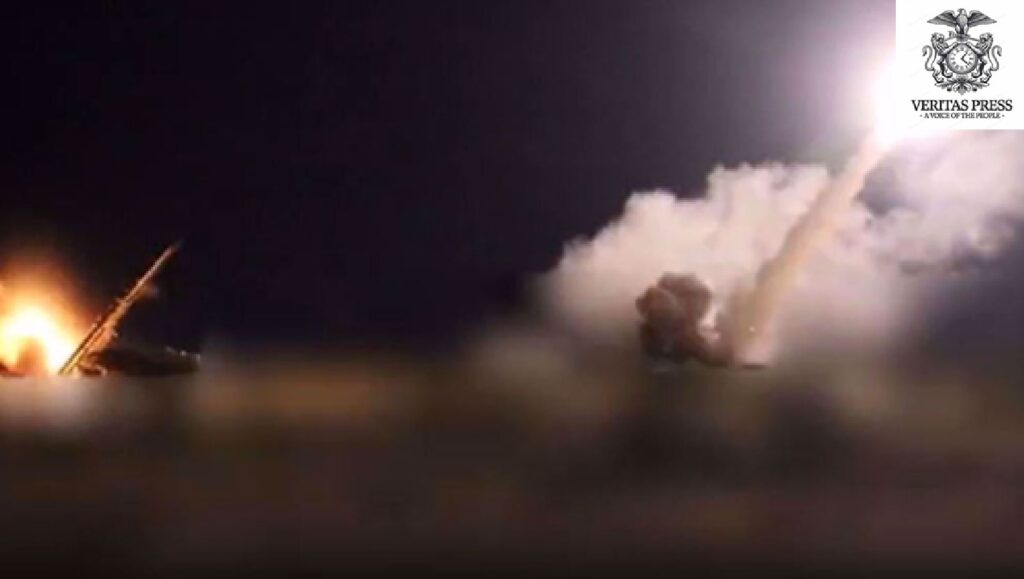
TEHRAN — In the early hours of March 31, 2026, the Islamic Revolution Guards Corps
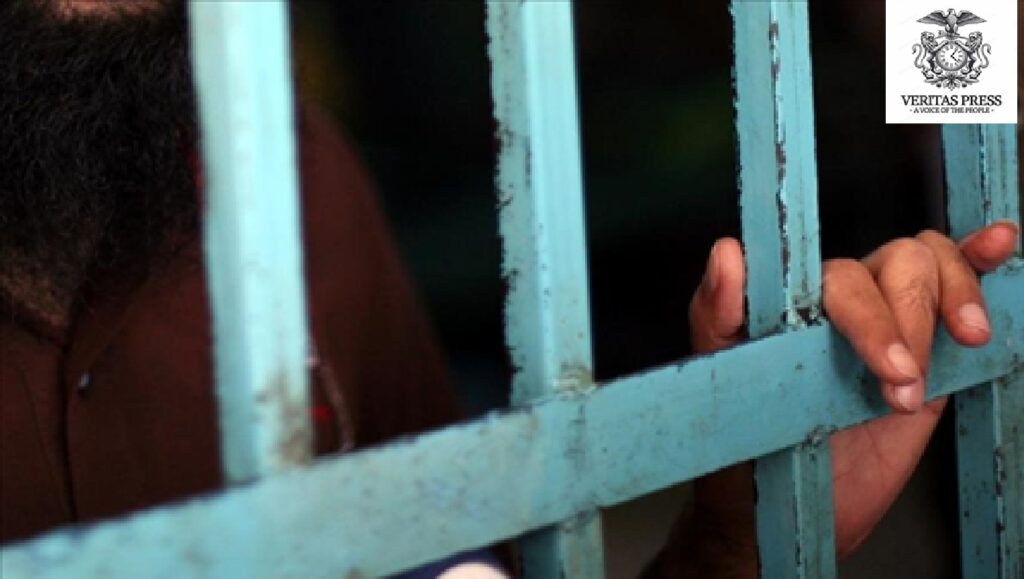
On March 30, 2026, the Israeli Knesset passed legislation that fundamentally alters the country’s relationship
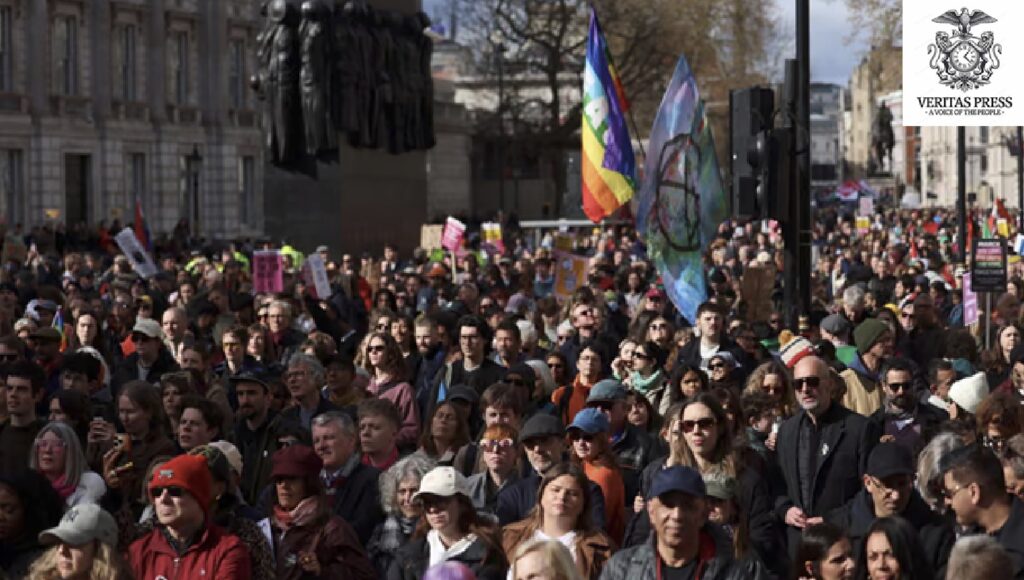
LONDON, UK – On a crisp Saturday in late March, central London became the stage
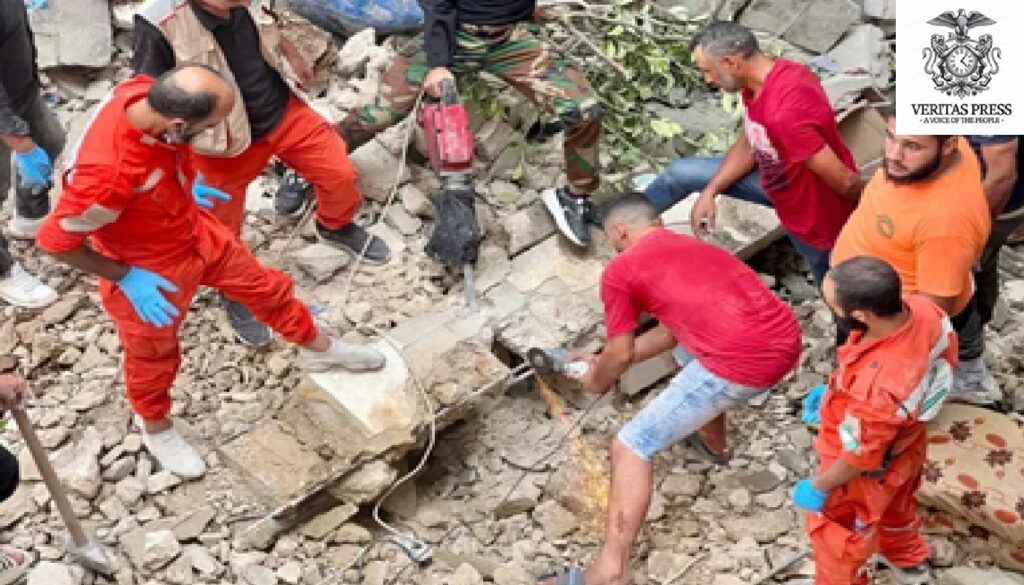
BINT JBEIL, LEBANON – The airstrike came just after midnight. Israeli warplanes targeted the perimeter

More than half a decade after COVID-19 first reshaped global society, a new variant dubbed
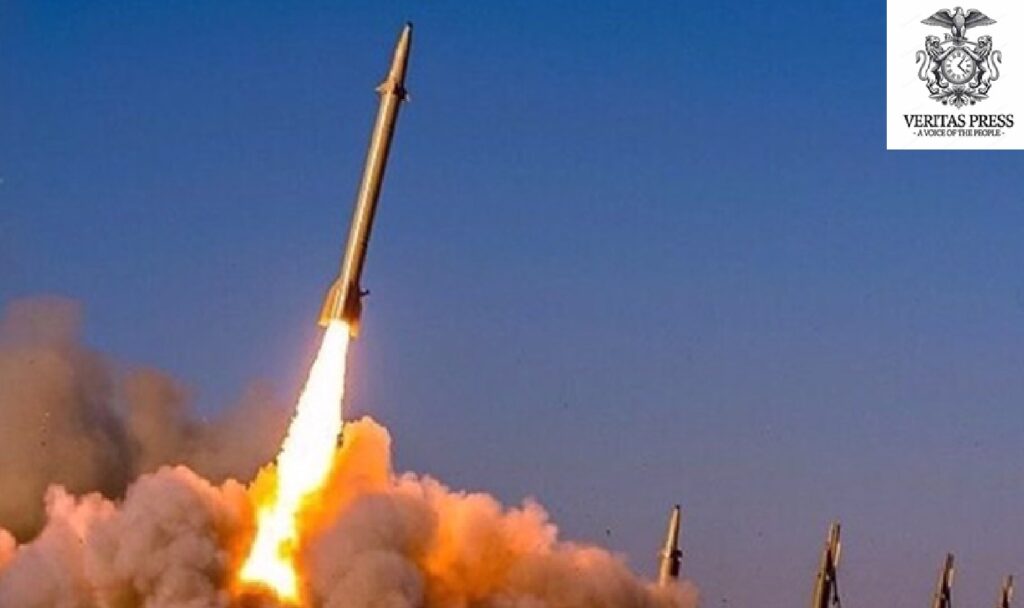
TEHRAN, IRAN – Twenty-eight days after the assassination of Iran’s Supreme Leader Ayatollah Seyyed Ali
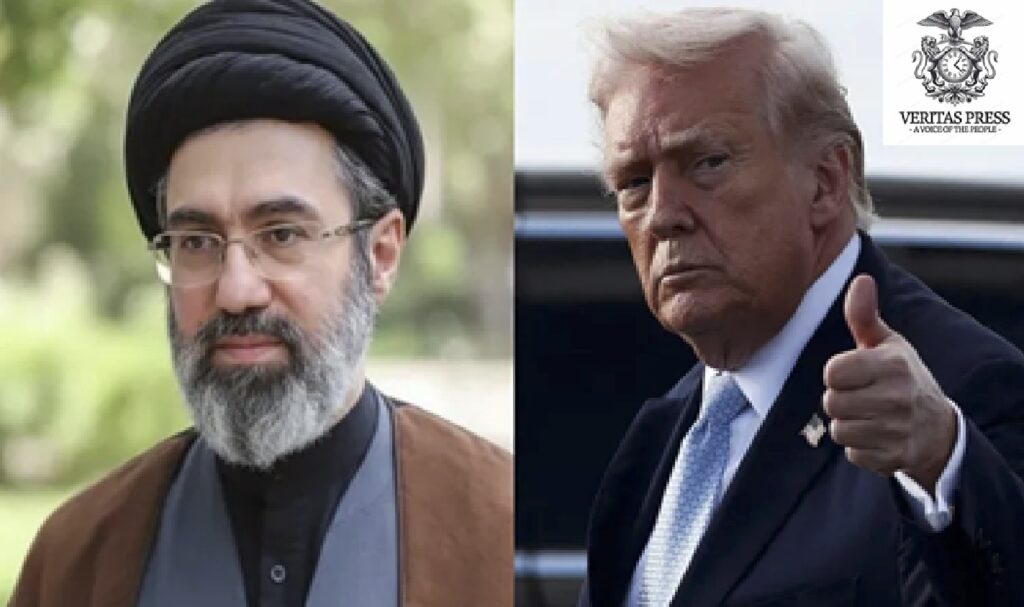
Original Article Date Published: Article Date Modified: Help support our mission, donate today and be

NEW YORK, US – On the night of March 26, 2026, Nerdeen Kiswani received a
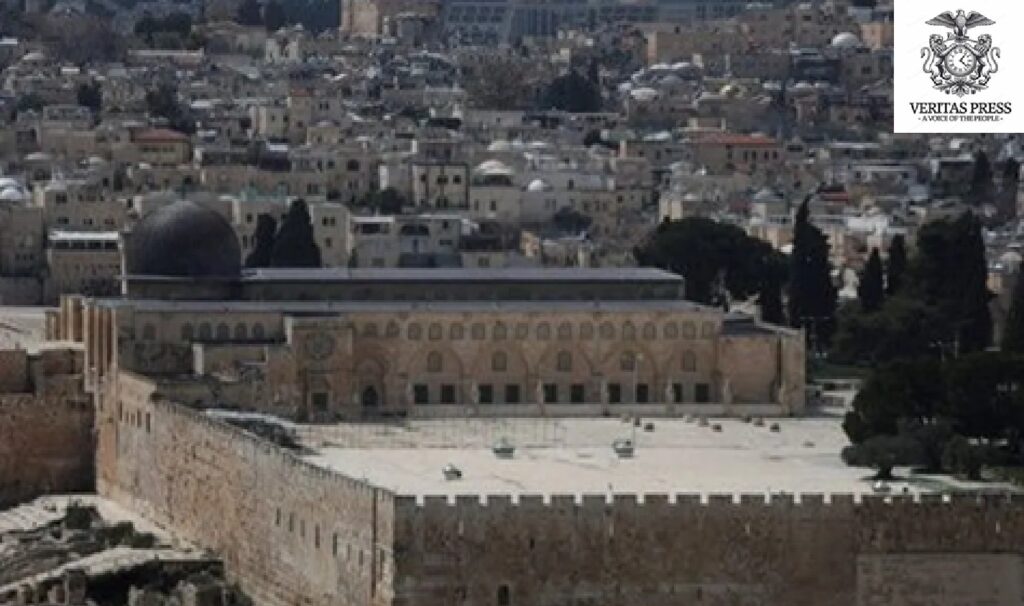
JERUSALEM — For the 29th consecutive day, the heavy iron gates surrounding the Al-Aqsa Mosque