

Date Published:
Date Modified:
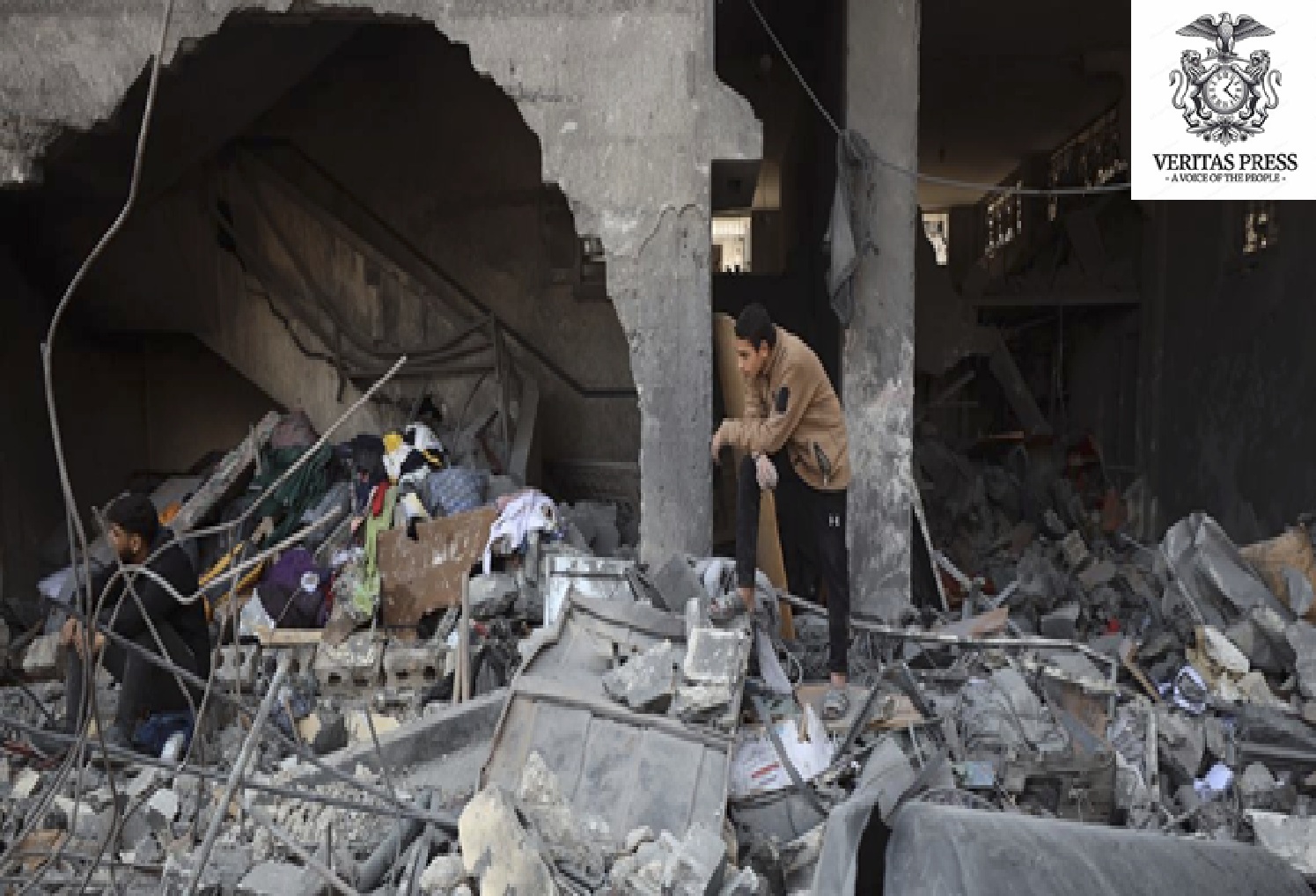
Israeli military planning for a renewed large-scale offensive in Gaza is unfolding against the backdrop of an escalating humanitarian catastrophe marked by blocked aid, crippled infrastructure, and worsening health conditions for a population already devastated by years of war and siege.
Recent strikes, stalled medical evacuations, and severe restrictions on humanitarian access underscore the fragility of the October ceasefire, while international agencies warn that the Strip is edging closer to systemic collapse.
Military Preparations Signal Possible New Offensive:
Israeli military and political circles are increasingly signalling readiness to resume wide-scale combat operations, with Hebrew-language media reporting that the army has begun “practical steps” toward renewed fighting aimed at eliminating Hamas and preventing it from rebuilding its capabilities.
Security officials reportedly believe Hamas is reorganising militarily, manufacturing rockets, replacing commanders, and restoring operational networks, prompting contingency planning for a major ground assault that could involve new displacement schemes in central Gaza.
The strategy is said to envision recurring operations similar to Israel’s Lebanon model, relying on periodic strikes to degrade resistance infrastructure over the long term.
These preparations come despite an existing ceasefire that has already proven unstable. Israeli strikes have continued across the enclave, killing at least 21 people, including women and children, this week alone, while more than 556 Palestinians have reportedly been killed since the truce began.
The violence highlights unresolved core issues such as Hamas’s disarmament and Israeli withdrawal, both of which remain central sticking points in negotiations.
Fragile Ceasefire Amid Ongoing Violence:
Diplomatic efforts have attempted to stabilise the situation, including a U.S.-brokered framework that envisions technocratic Palestinian governance, Israeli troop withdrawal, and international peacekeeping. Yet Hamas has rejected disarmament, and Israel has warned it may use force if necessary.
Meanwhile, sporadic airstrikes continue even as humanitarian mechanisms struggle to function.
The partial reopening of the Rafah crossing, Gaza’s primary link to the outside world, has allowed only limited movement, with strict security checks slowing evacuations for thousands awaiting medical care.
The World Health Organization reports that roughly 900 people have died while waiting for evacuation, underscoring the lethal consequences of restricted access.
Within days of reopening, patient transfers were halted again due to coordination failures, leaving critically ill Palestinians stranded.
UN Secretary-General António Guterres has called for “rapid and unimpeded passage of humanitarian relief at scale,” urging Israel to allow aid into the territory.
Aid Blockade Tightens Grip On Gaza:
Humanitarian agencies say Israel has effectively barred large-scale assistance from entering the Strip since 2 March 2025, when authorities halted humanitarian and commercial supplies.
UNRWA reports it has been blocked from directly bringing in food and other humanitarian assistance for almost ten months, even as the agency ran out of food at the end of April.
The consequences have been profound:
- Hospitals lack basic supplies, and essential medicines are nearly depleted.
- Aid workers themselves have gone hungry amid shortages.
- Fuel scarcity is undermining water provision and other lifesaving services.
The crisis has intensified further in recent days after Gaza’s civil defence agency announced it had halted vehicle operations due to Israel’s continued fuel blockade, warning that rescue efforts are now crippled.
International NGOs have urged Israeli authorities to permit lifesaving goods, arguing that repeated aid denials are contributing to preventable deaths.
Limited Rafah Opening Offers Symbolic Relief:
Israel’s decision to reopen Rafah, mostly closed since May 2024, was presented as a key step in advancing ceasefire plans.
However, only a small number of people have been allowed through, prompting UN officials to stress the need for the crossing to become a fully functional humanitarian corridor.
European officials and Palestinian leaders have described the reopening as welcome but insufficient given Gaza’s devastated healthcare system and infrastructure.
Water Infrastructure Under Sustained Pressure:
Beyond food and medicine shortages, Gaza faces a deepening water crisis.
UNRWA data show that emergency water activities have reached hundreds of thousands of displaced residents, yet the broader system remains severely strained due to infrastructure damage and fuel shortages.
Limited fuel threatens telecommunications, healthcare, and water services with shutdown, while humanitarian actors warn that the territory’s essential systems are nearing collapse.
(Independent satellite analyses and local authorities have repeatedly documented widespread destruction to water and sewage networks during the war, leaving the vast majority of families grappling with severe water insecurity.)
Elderly Palestinians Face Acute Health Collapse:
Older residents have emerged as one of the most vulnerable groups amid prolonged displacement, hunger, and medicine shortages.
Humanitarian surveys indicate widespread deterioration in physical and psychological health, driven by reduced access to treatment, inadequate nutrition, and overcrowded living conditions.
Aid restrictions, researchers conclude, have directly undermined healthcare and shelter access, accelerating what rights groups describe as an unprecedented decline in elderly well-being.
Food Security And Long-Term Regional Risks:
A growing body of research warns that the war and blockade have triggered acute food insecurity across Gaza, fueled by the destruction of bakeries, food factories, and supply chains alongside restrictions on water, fuel, and medical resources.
The findings point to severe hunger and the erosion of food sustainability goals, with potential ripple effects extending beyond Gaza, including disruptions to regional trade and heightened global food instability.
Experts emphasise that addressing the crisis will require urgent international coordination focused on:
- Ending hostilities
- Restoring access to essential supplies
- Rebuilding infrastructure
- Implementing sustainable food systems
Without such measures, analysts warn, Gaza risks sliding from chronic deprivation into full-scale famine conditions.
A Territory On The Brink:
Today, Gaza remains trapped between the prospect of renewed war and an already collapsing humanitarian environment.
Military preparations, continuing strikes, restricted aid flows, and failing infrastructure collectively suggest that, even in the absence of a formal return to all-out war, the enclave is experiencing what many observers describe as a slow-moving catastrophe.
The limited reopening of Rafah offers a narrow lifeline, but with ceasefire violations mounting and core political disputes unresolved, the possibility of another major Israeli offensive looms, threatening to deepen one of the most severe humanitarian crises of the modern era.
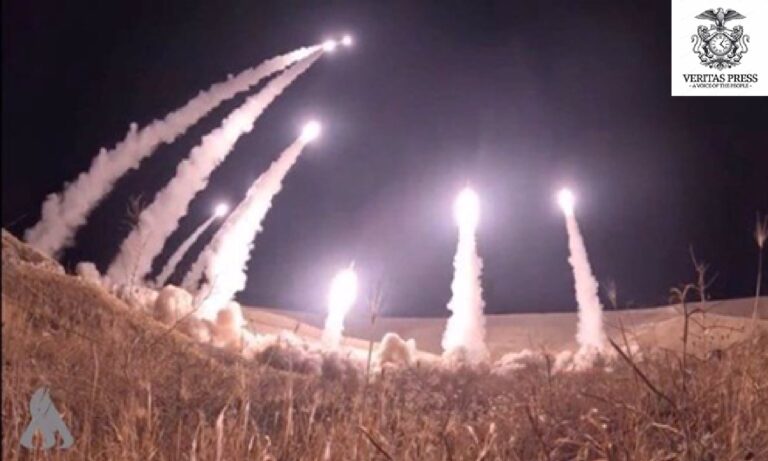
TEHRAN – In the pre-dawn hours of March 27, 2026, the Islamic Revolution Guards Corps
MOSCOW, LONDON – In what marks a significant escalation in the prolonged confrontation between London
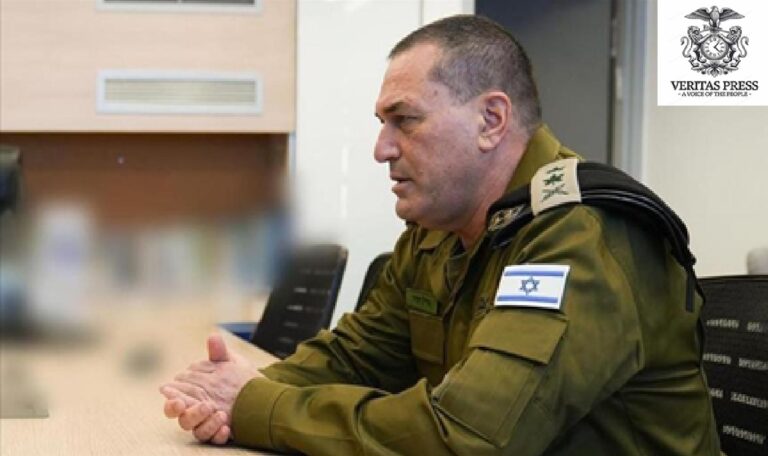
TEL-AVIV – When Lieutenant General Eyal Zamir, Chief of Staff of the Israel Defence Forces

GREEK ISLANDS – A controversial proposal by Israeli politician Avri Steiner to purchase Greek islands
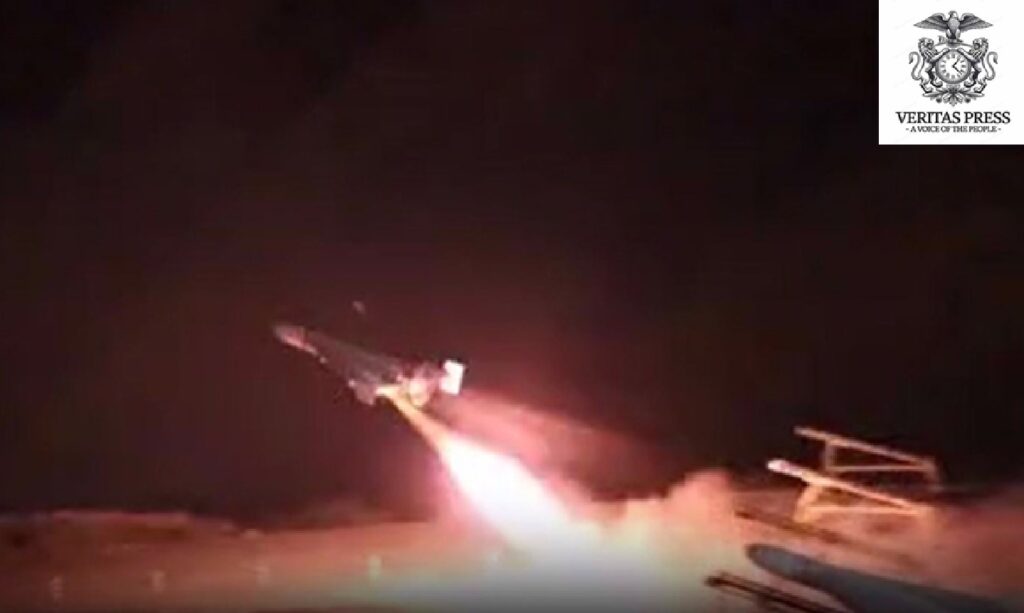
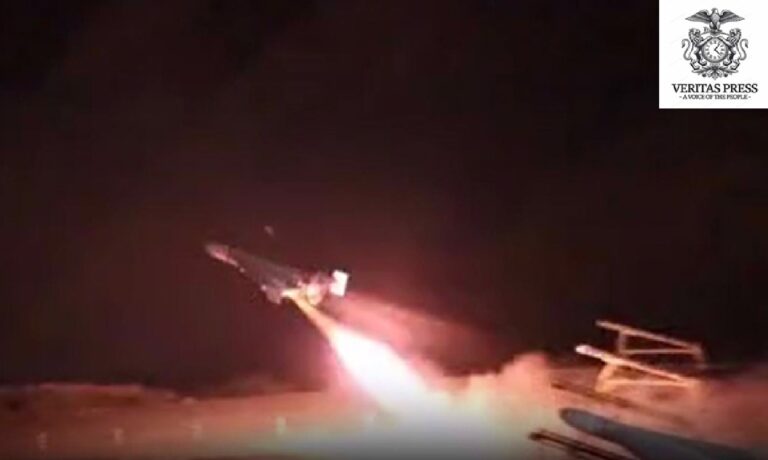
TEHRAN, IRAN – In the early hours of Thursday, the Islamic Revolutionary Guard Corps (IRGC)
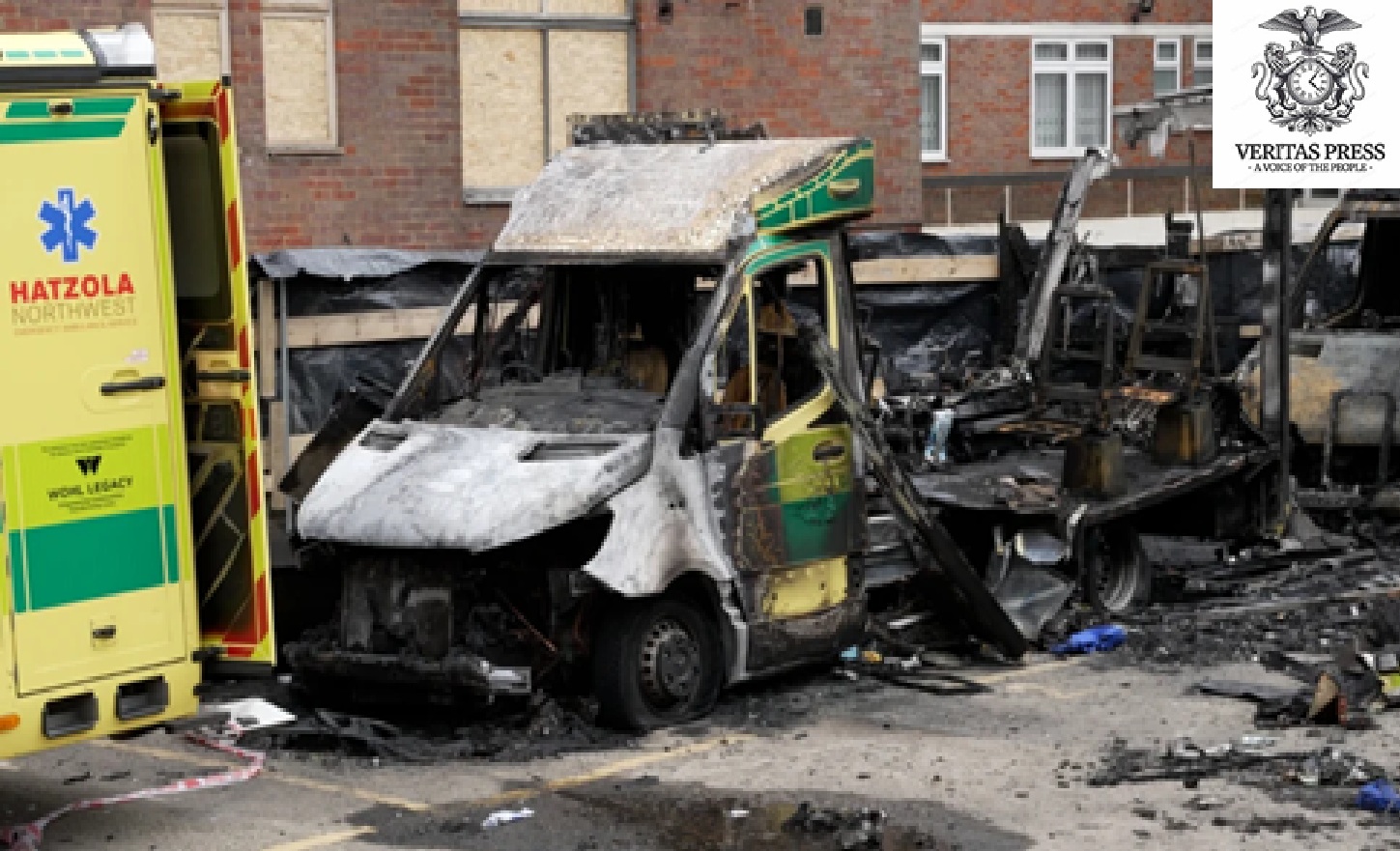
LONDON, UK – In the early hours of Monday morning, a quiet street in Golders
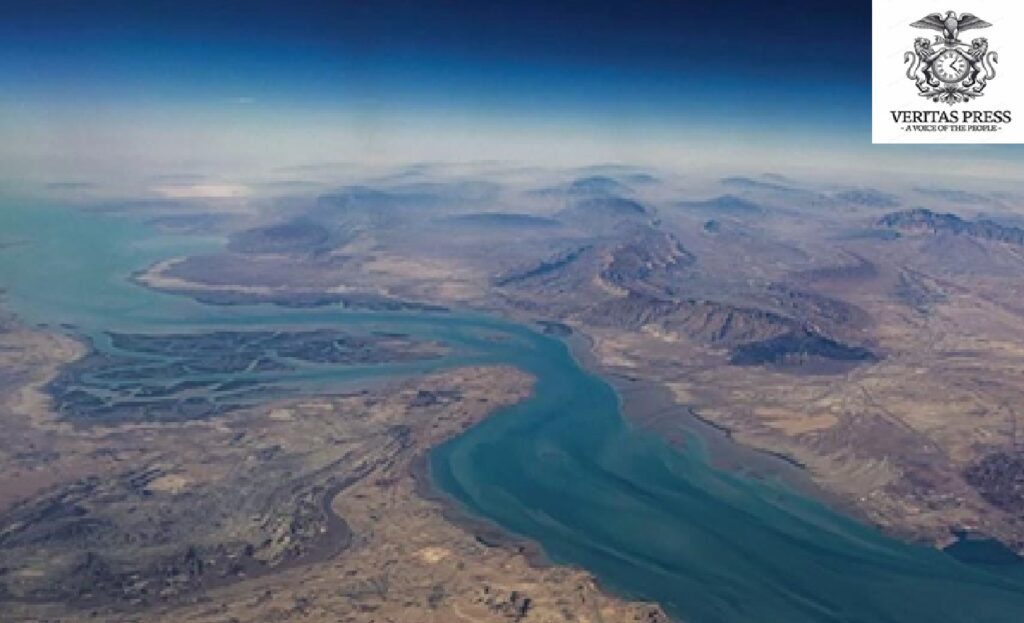
SEOUL / TEHRAN — In a packed press conference at the Iranian Embassy in Seoul’s

Pakistan’s imprisoned former prime minister Imran Khan has issued one of his most forceful denunciations
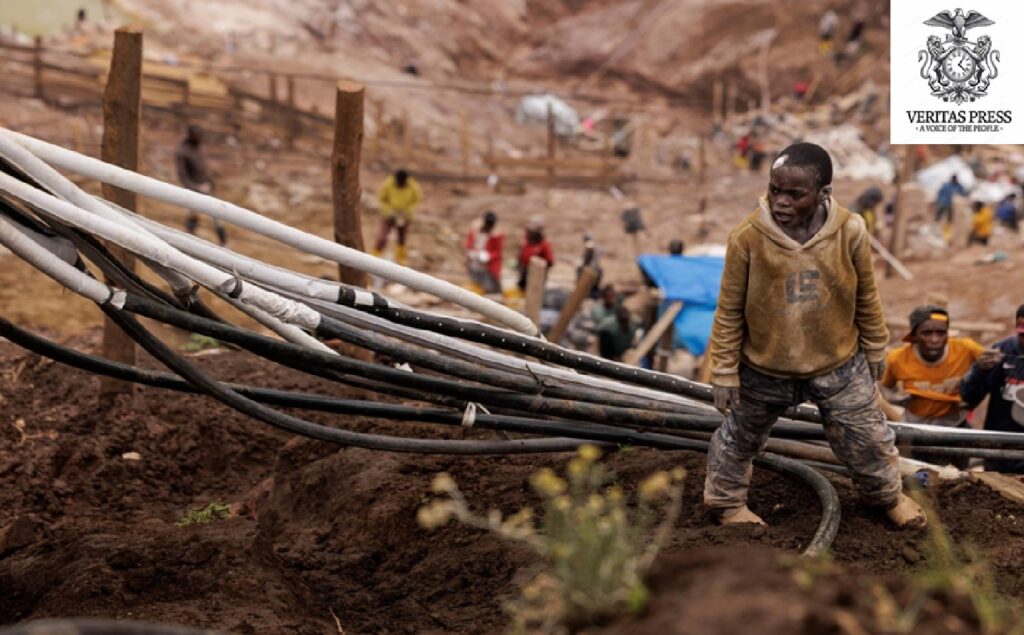
At the Rubaya mining complex in eastern Democratic Republic of Congo, the hillside known as
On the 25th day of a conflict that has already rewritten the geopolitical map of