



Date Published:
Date Modified:
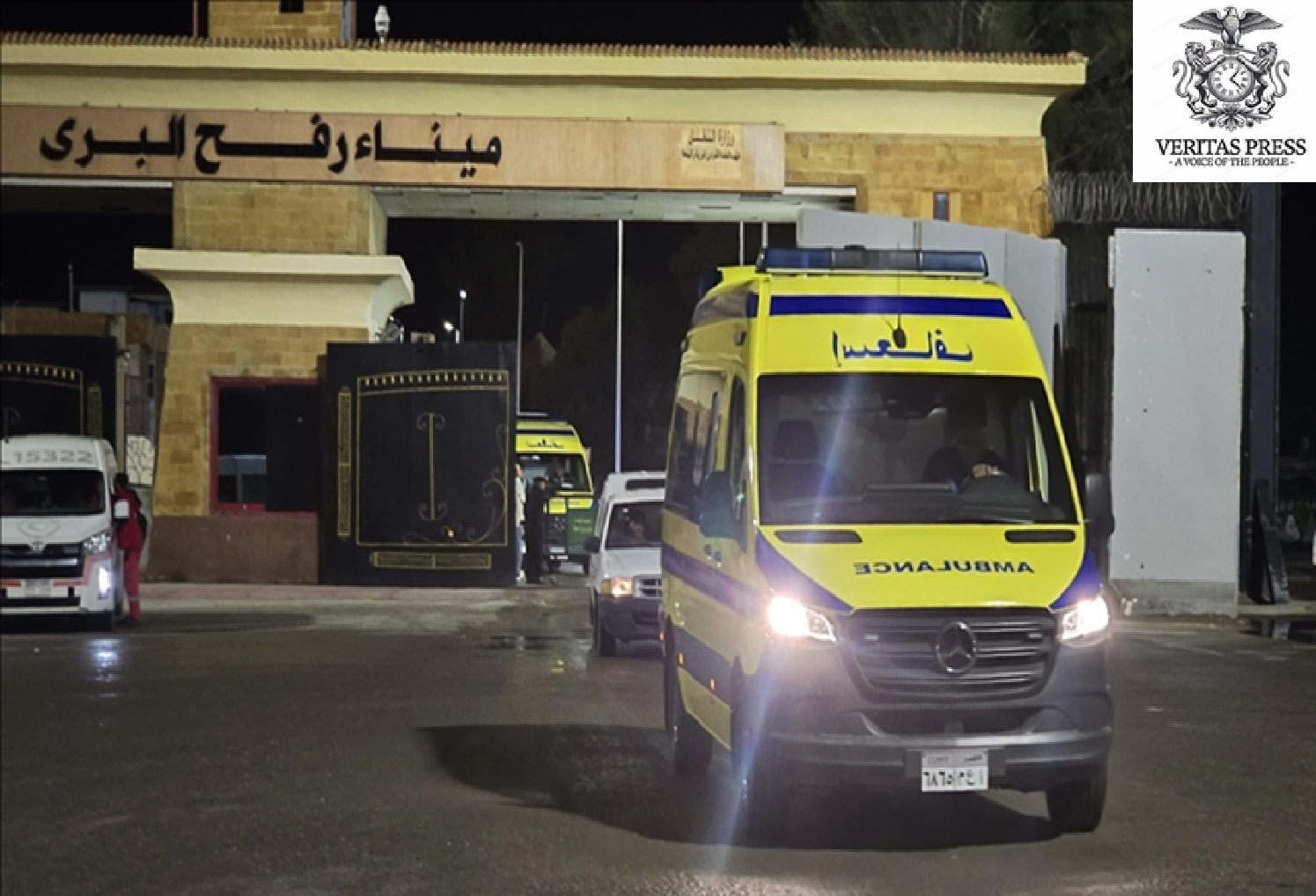
GAZA STRIP / CAIRO / GENEVA — Israeli authorities abruptly cancelled coordination for the evacuation of sick and wounded Palestinians through the Rafah land crossing on Wednesday, two days after it partially reopened. The decision has reignited fears of a medical catastrophe in Gaza, where hospitals are near total collapse and tens of thousands of patients urgently require specialised treatment abroad.
The Palestinian Red Crescent Society (PRCS) confirmed that medical teams were fully prepared to evacuate patients from Al-Amal Hospital in Khan Younis, but Israeli authorities revoked approval at the last minute, halting the transfer. The World Health Organization informed the Red Crescent of the cancellation without explanation, leaving hopes for Thursday’s evacuation uncertain.
“This is not just procedural, this is life and death,” said Dr. Khalil Al-Daqqran, spokesperson for Al-Aqsa Hospital. “We have more than 20,000 sick and wounded patients who need urgent medical treatment outside Gaza. Only allowing 50 patients a day means it could take more than two years to evacuate them. Many will not live that long.”
The Rafah Crossing: Lifeline Or Gatekeeper?
The Rafah crossing, Gaza’s main link to the outside world, has been under Israeli occupation since May 2024, following the seizure of the city during Israel’s offensive. Its partial reopening earlier this week, under strict restrictions, was intended as part of the U.S.-brokered ceasefire. Yet movement remains highly limited and unpredictable.
- Only a handful of patients and companions have been evacuated, with reports indicating just five patients departed via Rafah on the second day.
- More than 18,500 patients remain on waiting lists, including children, trauma survivors, and those with chronic illnesses.
A young Gazan woman waiting for evacuation told international media:
“They told me to prepare, they gave me hope, and then nothing. I die a little every day because my condition doesn’t improve here.”
Contradictions, Bureaucracy, And Deliberate Obstruction:
Israel’s Coordinator of Government Activities in the Territories (COGAT) claims the crossing remains open, arguing that the WHO failed to provide procedural details. Yet the Palestinian Red Crescent confirmed patients were fully prepared, demonstrating a clear disconnect between official Israeli statements and the reality on the ground.
“This is not just about security. It is a calculated obstruction of medical care,” said Dr. Zaher al-Wahidi, spokesperson for Gaza’s Ministry of Health. “Thousands of patients are ready for evacuation, but Israel’s repeated last-minute cancellations mean that many die waiting for treatment they could receive abroad.”
This pattern of cancellations, delays, and bureaucratic barriers reflects what public health experts describe as a deliberate policy to control Palestinian survival, restrict mobility, and isolate Gaza’s population medically.
Layth Malhis, a Palestinian health researcher, called this “de-healthification,” describing it as a policy that renders Palestinian life medically precarious and politically dependent. “If you control who can get care, you control survival itself,” he said.
Harassment, Trauma, And Security Screening:
Even patients permitted to cross Rafah report humiliation and intense security checks, including blindfolding, handcuffing, and prolonged interrogations. These measures serve as psychological and logistical barriers, effectively reducing the number of patients attempting or completing evacuation.
“They treat patients as suspects, not as human beings who need urgent care,” said a mother whose daughter requires reconstructive surgery.
Gaza’s Health System On The Brink:
Even under the ceasefire, Gaza’s healthcare infrastructure is devastated:
- 22 hospitals destroyed or rendered non-functional.
- 211 ambulances were damaged.
- Critical shortages of medicines, fuel, surgical supplies, and diagnostic equipment.
- Thousands with chronic illnesses receive no regular care, with deaths mounting from preventable conditions. (aa.com.tr)
Dr. Muhammad Abu Salmiya, director of al-Shifa Hospital, warned:
“We are losing patients with conditions we could’ve handled if not for the war. Infants with heart conditions are dying because we cannot operate on them.”
International Critique And Humanitarian Alarm:
Médecins Sans Frontières and other NGOs have bluntly condemned Israel’s policies as a form of systemic medical siege:
“Denying Palestinians access to treatment is effectively a death sentence,” said Javid Abdelmoneim, MSF International President. “This is not collateral damage. It is part of the siege.”
The UN, through Secretary-General Antonio Guterres, has urged rapid, unimpeded medical and humanitarian access, warning that limiting patient transfer and aid flows is tantamount to a systematic denial of survival rights.
Violence And Ceasefire Erosion:
Adding to the humanitarian urgency, renewed Israeli airstrikes have killed at least 19–21 civilians, including children and healthcare workers, highlighting that Gaza remains under siege even during ceasefire periods.
The combined effect of direct violence, obstructed medical evacuations, and a crumbling health system places Gaza’s population under existential threat, reinforcing the argument that Israel’s policies are both a military strategy and a systematic denial of essential human rights.
Intentionality And Structural Impact:
Experts argue the restrictions on patient transfers are not incidental but deliberate mechanisms of control:
- Survival as leverage: By limiting evacuation, Israel exerts political control over Gaza’s population, determining who can live or die based on procedural compliance.
- Medical isolation: Blocking patient transfers undermines the healthcare system itself, forcing hospitals to operate beyond capacity with minimal supplies.
- Psychological coercion: Harassment and unpredictable access deter patients from attempting travel, reinforcing displacement and dependency.
“When you prevent patients from getting life-saving care abroad, you are not just blocking treatment, you are deliberately amplifying suffering,” said Dr. Mohammed Tahir, a trauma surgeon who volunteered in Gaza.
In short, Rafah has become less a humanitarian crossing and more a gatekeeper of survival, where Israel’s policies systematically restrict the right to health and life for Palestinians, even amid an internationally recognised ceasefire.
Conclusion: Deliberate Denial, Structural Suffering, And A Siege On Survival.
GAZA — The halt of patient transfers at Rafah exposes a systematic strategy: controlling who can survive in Gaza. Tens of thousands of patients cannot access urgent treatment abroad, while hospitals crumble under the weight of war, shortages, and deliberate obstruction. Experts describe Israel’s actions as a form of medical siege, a calculated intersection of occupation, bureaucracy, and humanitarian deprivation.
The cancellation of evacuations is far more than a bureaucratic glitch. Across Gaza, critically ill patients, including children, trauma survivors, and the chronically ill, are trapped in a health system pushed to the brink of collapse. Israel’s last-minute cancellations, combined with extreme harassment at crossings, demonstrate a deliberate approach to controlling mobility, restricting access to care, and leveraging survival as a political tool.
Frontline accounts underscore the human cost: patients prepared for evacuation are returned to overburdened hospitals, forced to endure preventable suffering and death. A mother waiting to evacuate her daughter with a congenital heart condition described it as “like being sentenced to watch her slowly die while the doors to help are closed.”
Dr. Mohammed Tahir, a trauma surgeon who volunteered in Gaza, warned:
“When you prevent patients from getting life-saving care abroad, you are not just blocking treatment; you are deliberately amplifying suffering. This is a calculated humanitarian chokehold.”
Raed Al-Nems, spokesman for the Palestinian Red Crescent, emphasised the scale of the crisis:
“We are ready to evacuate dozens of critically ill patients every day, yet Israel’s repeated last-minute cancellations mean the Red Crescent can do nothing while people die waiting for treatment.”
International organisations have also condemned the policy. Médecins Sans Frontières called the obstruction a structural siege, while the UN Secretary-General warned that restricting patient transfers and humanitarian access constitutes an ongoing humanitarian catastrophe, with tens of thousands of preventable deaths looming.
The Rafah crossing, theoretically a lifeline, has instead become a gatekeeper of life and death, where survival depends not on medical need but on bureaucratic permission. By systematically controlling patient transfers, Israel is not merely restricting movement; it is weaponising healthcare itself, undermining civilian resilience, and imposing conditions that make survival a privilege, not a right.
“This is not just a medical crisis, it is an orchestrated strategy to deny Palestinians the right to life and health,” said Dr. Zaher al-Wahidi, spokesperson for Gaza’s Ministry of Health.
Without immediate, unimpeded medical evacuations and a concerted effort to restore Gaza’s healthcare infrastructure, the crisis will escalate, producing avoidable deaths, chronic trauma, and a generation trapped under siege. In Gaza today, access to medical care is not just a matter of health; it is a matter of life, death, and political control.
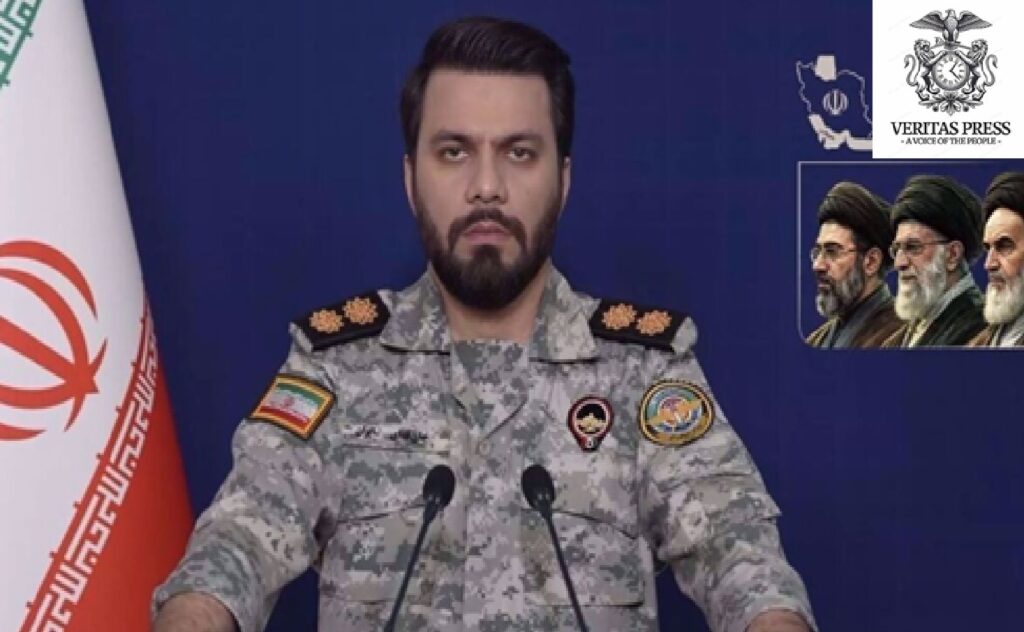
When Lieutenant Colonel Ebrahim Zolfaqari, spokesman for Iran’s Khatam al-Anbiya Central Headquarters, issued a warning

The historic Christian presence in Palestine, dating back to the earliest centuries of Christianity, is
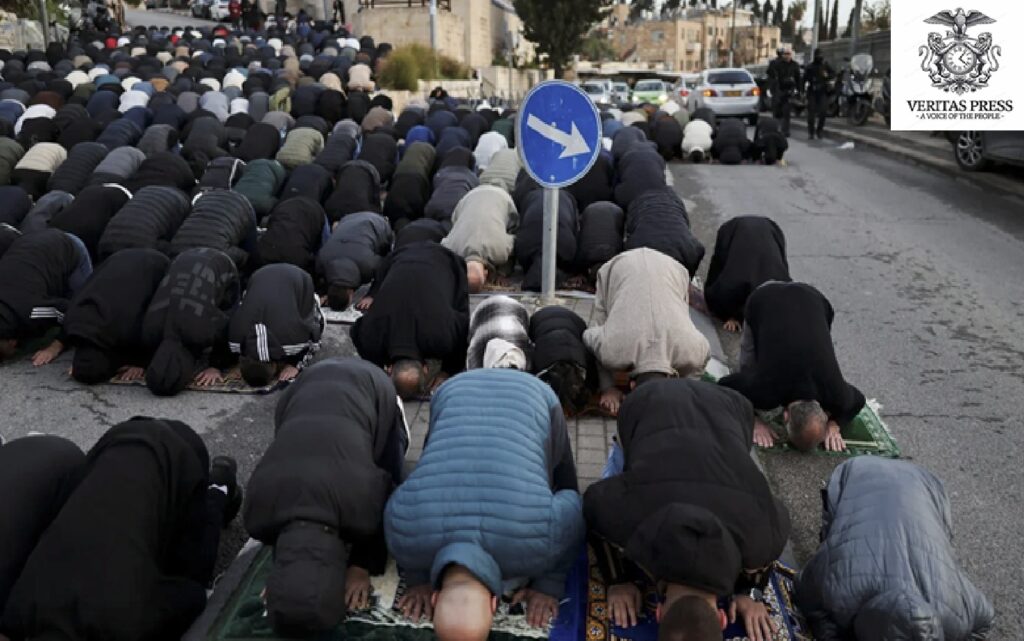
JERUSALEM – For the first time since the aftermath of the Six-Day War, the courtyards
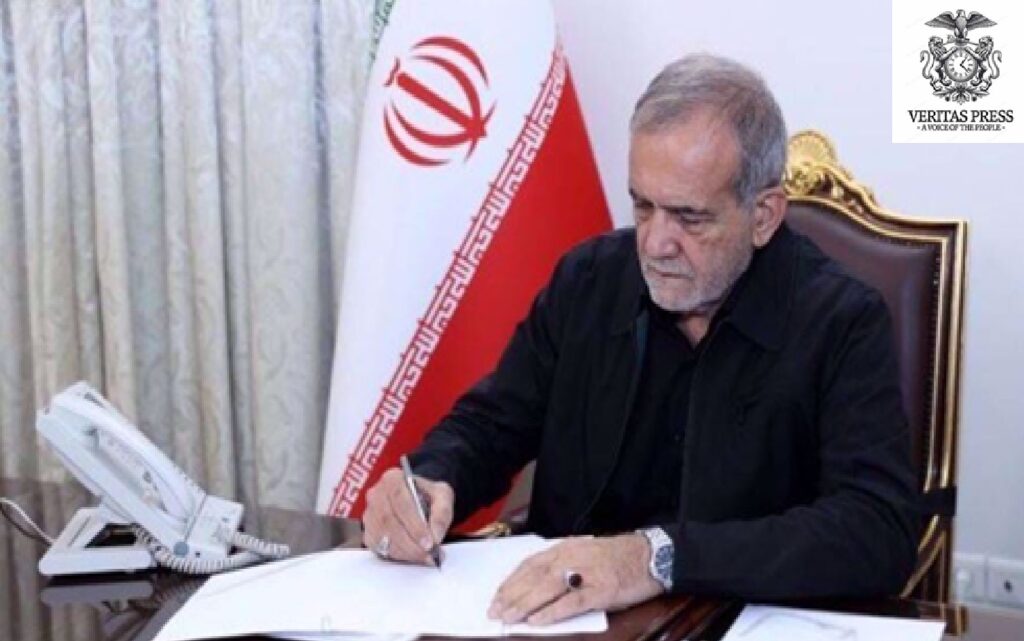
TEHRAN – As the sun rose on Eid al-Fitr, a day meant for celebration and
HUNGARY – As Benjamin Netanyahu prepares to travel to Hungary this weekend, a mounting legal
LONDON — In the polished corridors of 10 Downing Street, the language remains meticulously calibrated:
On March 20, 2026, the Pentagon quietly announced what amounts to a fundamental restructuring of
WASHINGTON / ISLAMABAD — A fresh warning by US Director of National Intelligence Tulsi Gabbard

For the first time since the US-Israeli campaign against Iran began on February 28, the
Tensions across the Gulf have escalated to levels not seen in decades, as Saudi Arabia