
Title: Iran Warns US Against Interference As Trump’s ‘Locked And Loaded’ Rhetoric Fuels Regional Tension.
Press Release: Veritas Press C.I.C.
Author: Kamran Faqir
Article Date Published: 02 Jan 2026 at 12:05 GMT
Category: Asia | Iran | Iran Warns US Against Interference as Trump’s ‘Locked and Loaded’ Rhetoric Fuels Regional Tension
Source(s): Veritas Press C.I.C. | Multi News Agencies
Website: www.veritaspress.co.uk

Business Ads

TEHRAN / WASHINGTON — The standoff between Tehran and Washington has taken a dramatic turn this week as economic protests within Iran have intersected with escalating US threats, prompting a stark warning from Iran’s Supreme National Security Council secretary that American-Israeli interference would not only destabilise the Middle East but also directly harm US strategic interests.
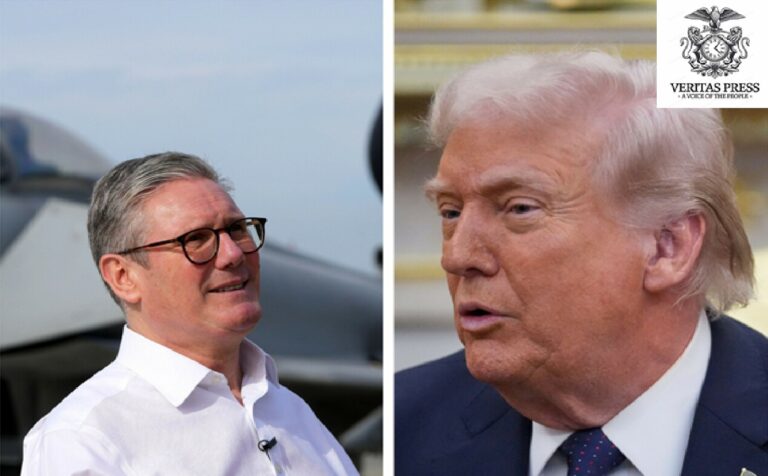
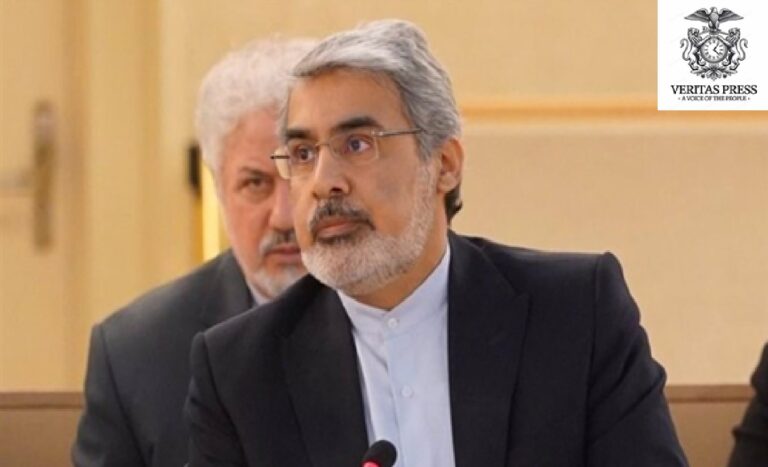
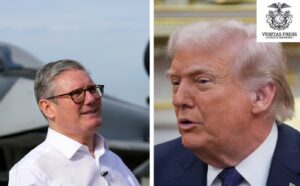
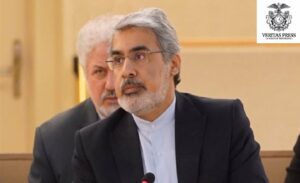
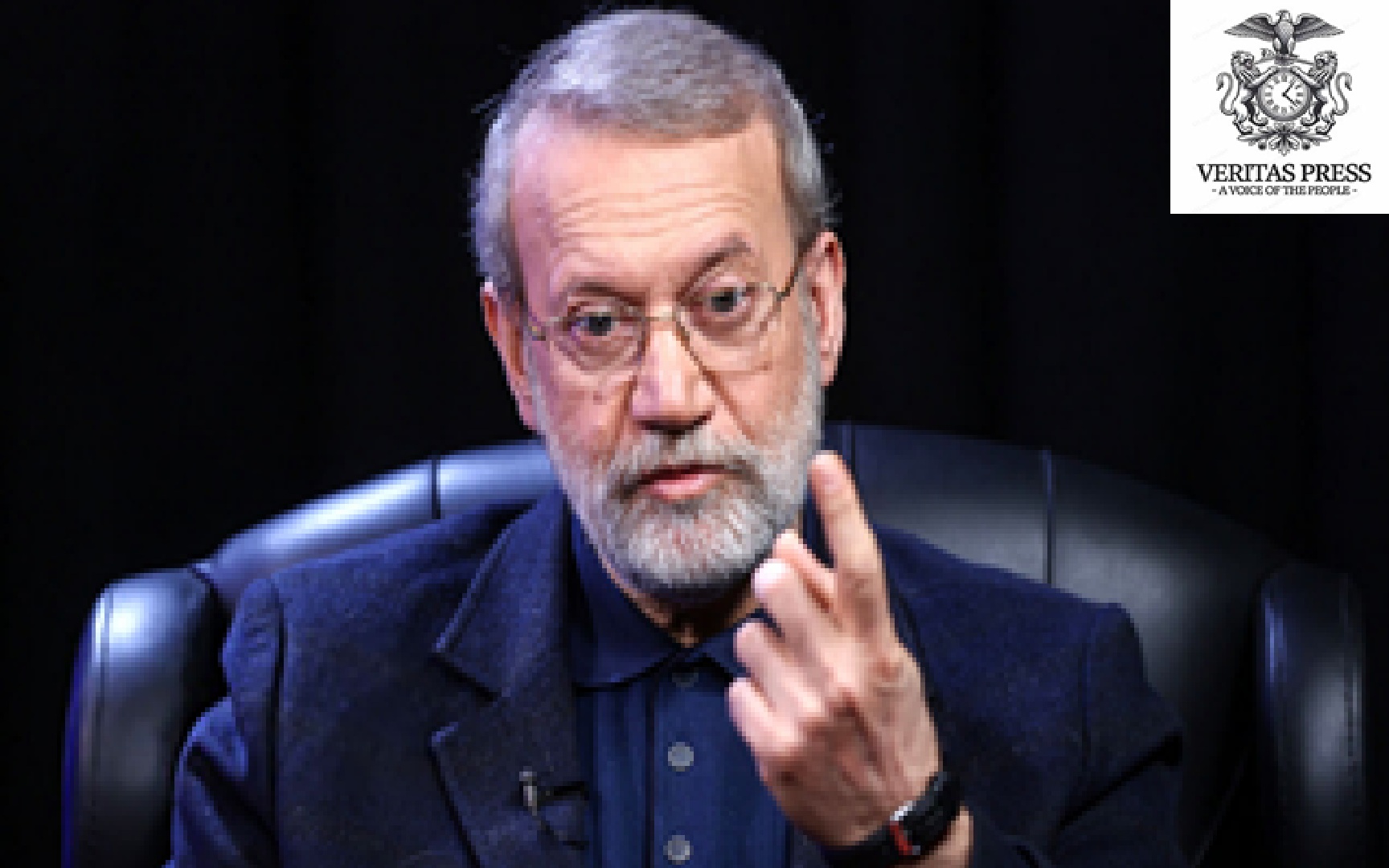
On Friday, Ali Larijani, former speaker of Iran’s parliament and now secretary of the Supreme National Security Council, responded sharply to heightened rhetoric from US President Donald Trump, telling the international audience, in English on the social platform X, that “what has been going on behind the scenes is now clear” following a series of comments by Trump and senior Israeli officials.
A New Flashpoint: Protests And Foreign Threats.
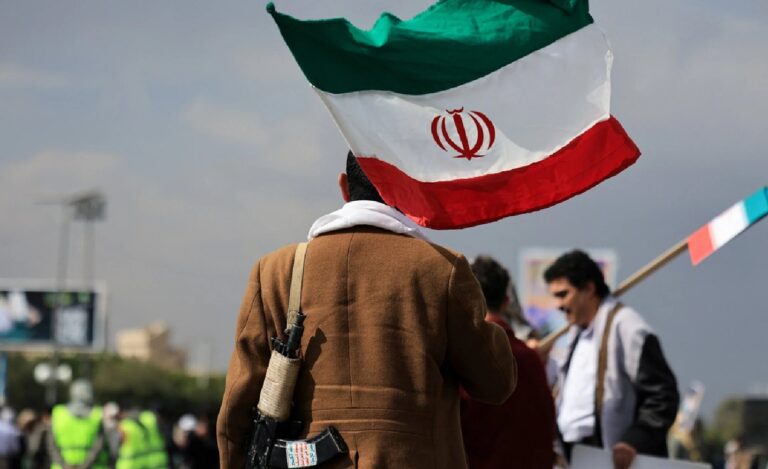
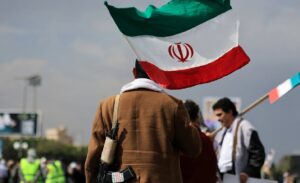
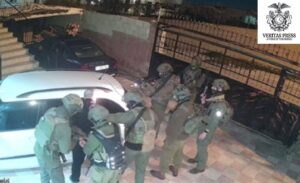
The exchange comes amid the largest wave of protests Iran has seen since 2022, initially sparked by economic grievances over inflation, the free-falling value of the Iranian rial, and deteriorating living standards. Weekend demonstrations, led by shopkeepers and merchants who closed markets in Tehran, have spread to universities and provincial cities, with at least six to seven protesters killed and dozens more detained or wounded in clashes with security forces, according to multiple reporting agencies.
Protesters have voiced broader discontent beyond economic hardship, echoing antigovernment slogans and challenging the Islamic Republic’s leadership. Officials in Tehran insist much of the unrest is driven by “disruptive elements” allegedly seeking to exploit economic angst. The Week
Trump’s Interventionist Warning:
In a post on his Truth Social platform, President Donald Trump doubled down on long-standing criticisms of the Iranian regime, saying that if Iranian authorities “shoot and violently kill peaceful protesters,” the United States would intervene to “come to their rescue.” He declared Washington “locked and loaded and ready to go”, a phrase that reverberated through diplomatic circles and was swiftly seized on by Tehran’s leadership.
Trump’s comments framed the unrest as a struggle for freedom that the United States is prepared to back, expanding beyond mere diplomatic condemnation into explicit threats of intervention. American officials have also reiterated support for the demonstrators’ right to expression, urging Iran’s leaders to respect human rights amid the unrest. Wikipedia
Tehran’s Stark Response: Sovereignty And Regional Stability.
Larijani’s reaction to the US threat was unusually direct and strident, warning that any American interference in what Iran regards as an internal matter would “destabilise the entire region” and “destroy America’s interests.” He issued a pointed caution to the American public, saying that “Trump started this adventurism” and that US citizens should be “mindful of their soldiers’ safety.”
In parallel, Ali Shamkhani, a senior adviser to Supreme Leader Ayatollah Ali Khamenei and member of Iran’s Supreme National Defence Council, warned that any external force approaching Iran’s security would face a “regret-inducing response.”
Iran’s leadership has also reiterated a long-standing theme: that Washington and Tel Aviv are actively seeking to exploit domestic unrest to weaken the Islamic Republic. While offering no concrete evidence, Iranian officials have labelled the protests part of a broader campaign of foreign interference aimed at regime change.
Inside Iran: Government Response And Socio-Political Fallout.
Amid this geopolitical brinkmanship, Iran’s economic crisis continues to fuel domestic discontent:
- The Iranian rial has plunged to historic lows, with currency rates reaching unprecedented levels, intensifying inflation and public despair.
- The government recently appointed a new central bank governor in an effort to stabilise the economy, a move seen as an attempt to quell public anger.
- President Masoud Pezeshkian has publicly acknowledged economic mismanagement and pushed for reforms, but says limitations in policy options constrain his ability to reverse the currency collapse.
Protests have seen markets and universities shut down, with students joining demonstrations and chants targeting state institutions. While not uniformly widespread like the 2022 movement set off by Mahsa Amini’s death, the current unrest reflects deepening frustration among broad segments of Iranian society.
Regional And Global Implications:
The Trump-Larijani exchange underscores how local upheaval in Tehran has rapidly morphed into a broader geopolitical confrontation:
- Regional actors — from Gulf states to NATO partners-are watching closely, aware that US military involvement in Iran could trigger broader instability in a region already scarred by wars in Ukraine, Yemen, Gaza and Syria.
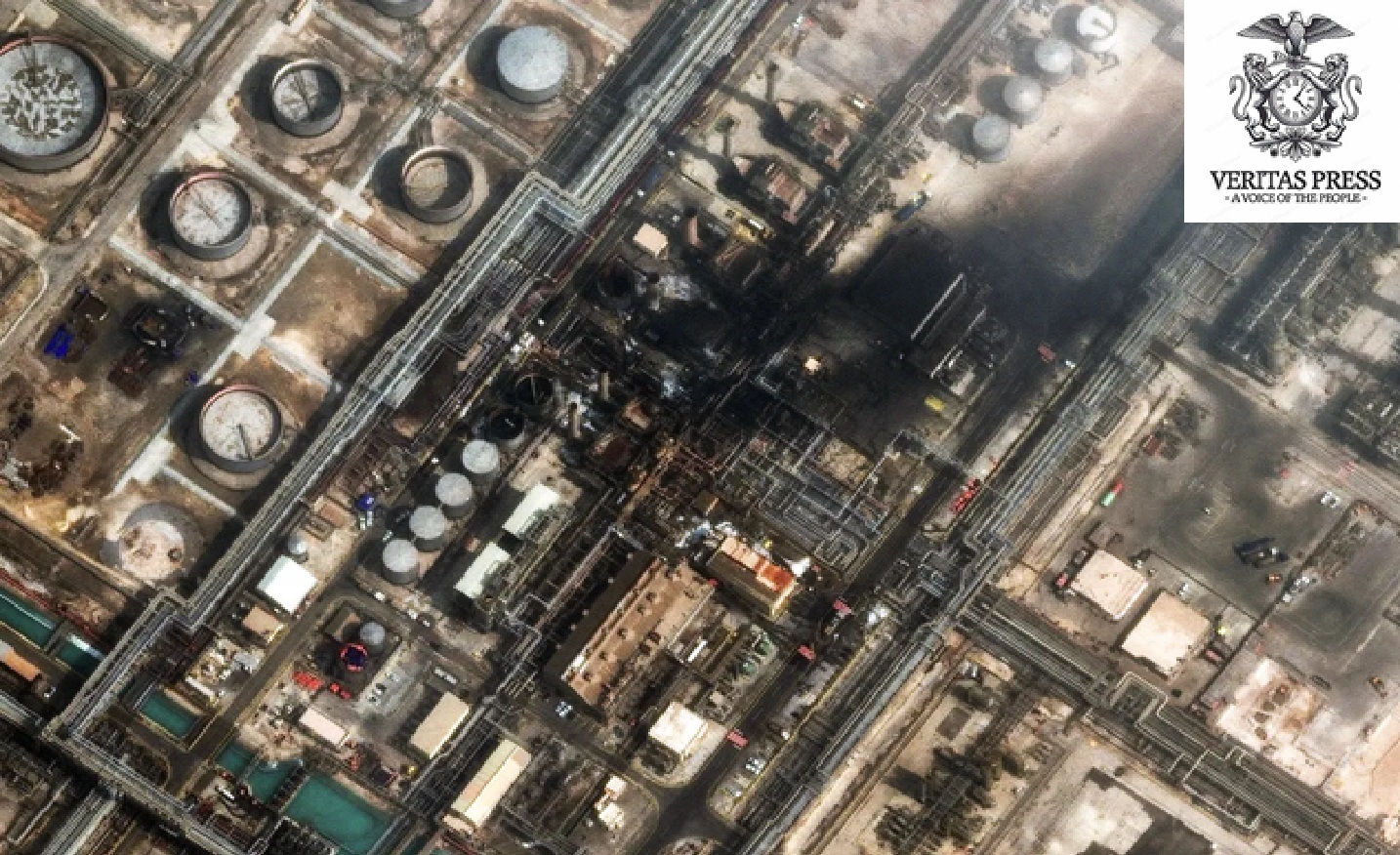
- Earlier conflicts — including the US and Israeli strike on Iranian nuclear sites in June and Iran’s retaliatory missile attack on Al Udeid Air Base in Qatar, have already amplified distrust and raised the spectre of open conflict.
- Diplomats in capitals from Ankara to Brussels are cautioning against any actions that might escalate beyond rhetoric into military confrontation.
In Washington, Republicans and some allies of Trump portray Iran’s domestic strife as evidence of regime weakness, while critics warn that interventionist threats risk dragging the US deeper into a volatile theatre with unpredictable consequences.
Conclusion:
The clash between Tehran and Washington reflects a dangerous new phase in US-Iran relations, where domestic unrest intersects with geopolitical competition. Larijani’s warning, that US interference would destabilise the region and undermine American interests, highlights the high stakes at play. In a Middle East already beset by decades of proxy wars, sanctions and distrust, the current escalation serves as a stark reminder that foreign policy pronouncements can quickly inflame tensions far beyond their original context.
As protests continue and leaders trade threats, the coming days will be crucial in determining whether this standoff spirals into broader conflict or yields to diplomatic restraint.