





Original Article Date Published:
Article Date Modified:
Help support our mission, donate today and be the change. Every contribution goes directly toward driving real impact for the cause we believe in.
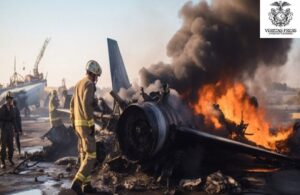
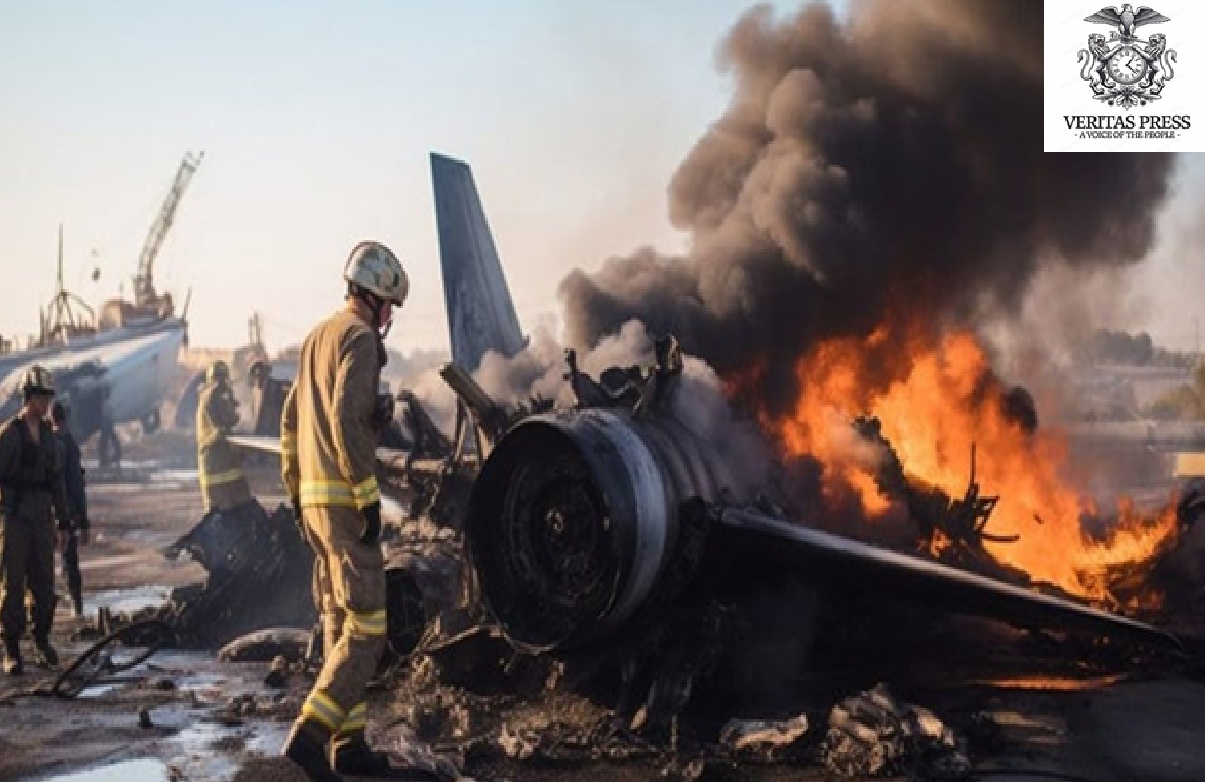
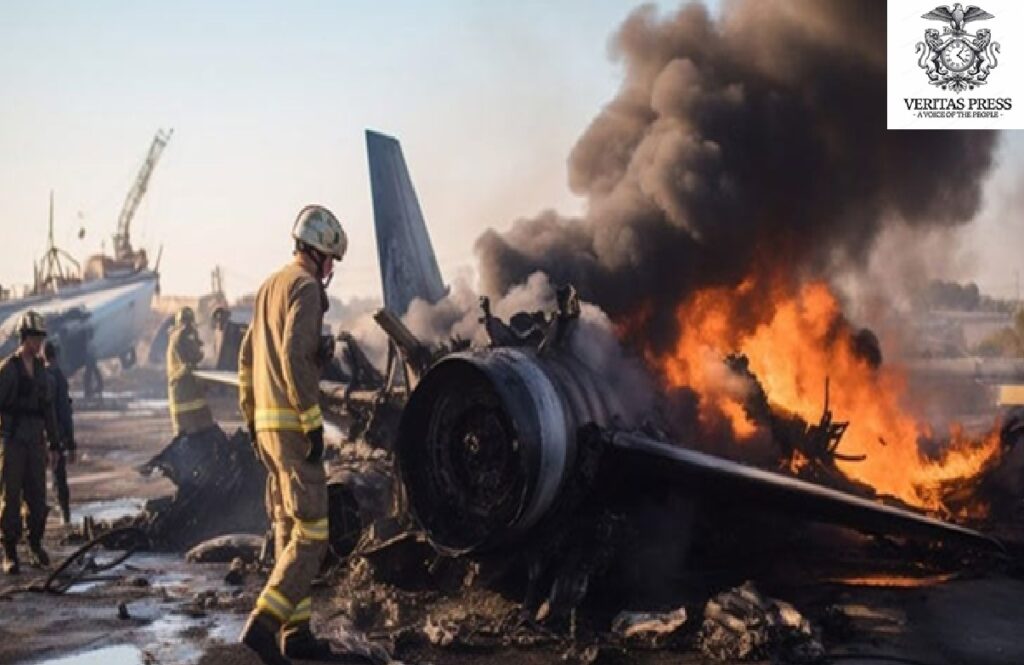
A United States fighter jet has been shot down over Iran, marking a dangerous and unprecedented escalation in the ongoing US-Israeli war against Tehran. According to multiple US officials speaking to Reuters and other outlets, a search-and-rescue operation is now underway for the crew, believed to include at least one pilot, and possibly two.
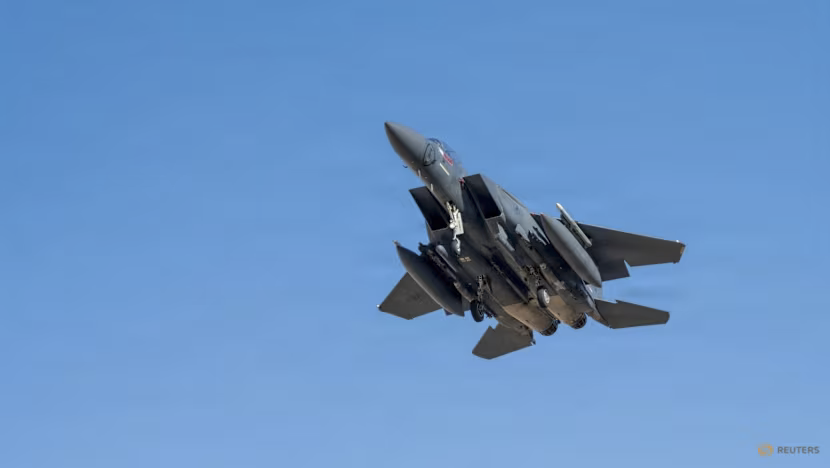
The incident, confirmed by American and Israeli sources cited in major US media, represents the first known downing of a US warplane inside Iranian territory since the war began on February 28, an escalation that analysts warn could dramatically widen the conflict.
A Downed Jet, Conflicting Narratives:
Details remain scarce, reflecting both operational secrecy and political sensitivity. A US official, speaking on condition of anonymity, confirmed to Reuters that the aircraft was “shot down over Iran,” but declined to provide further information. The Pentagon and US Central Command have yet to issue formal statements.
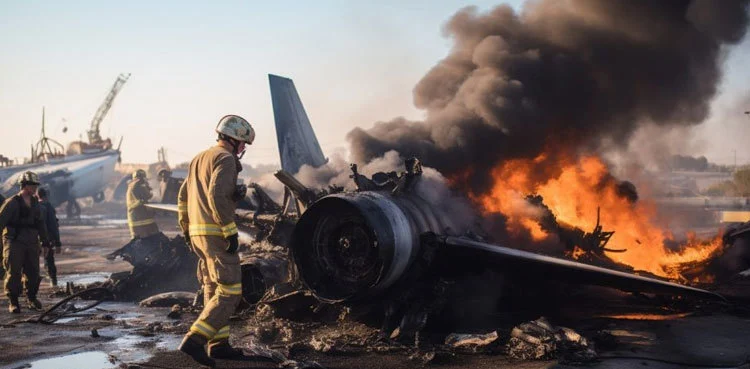
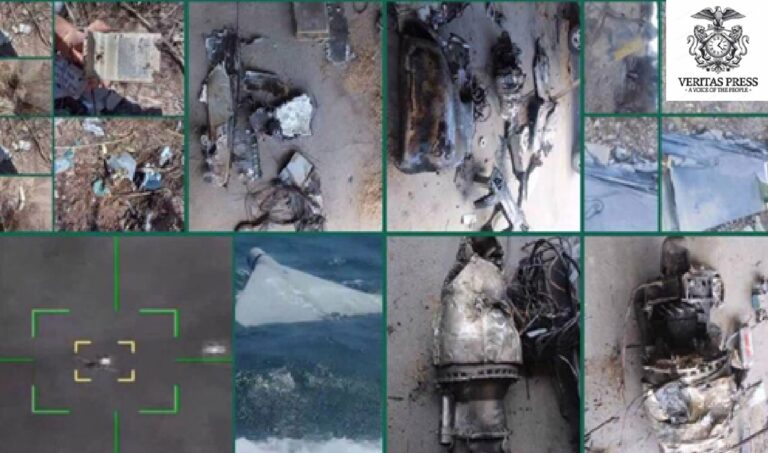
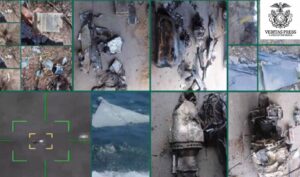
Iranian state media, however, moved quickly to shape the narrative. Outlets, including Fars News Agency, claimed Iranian air defence systems successfully targeted the aircraft, widely believed, based on circulated footage, to be a US Air Force F-15E Strike Eagle fighter Jet. Images broadcast on Iranian television purportedly show wreckage and an ejection seat scattered across rugged terrain.
According to reports from the Associated Press, an affiliate of Iranian state TV stated that at least one pilot ejected over southwestern Iran, raising the likelihood that American personnel may now be on the ground inside hostile territory.
Local authorities have escalated the situation further. The governor of a southwestern Iranian province reportedly offered rewards for the capture or killing of the downed jet’s crew, an extraordinary move that signals both the symbolic and strategic importance Tehran is attaching to the incident.
A statement carried by Iran’s semi-official ISNA news agency urged civilians to assist security forces in locating the pilot, effectively mobilising parts of the population in what could become a high-stakes manhunt.
Search And Rescue Under Fire:
US search-and-rescue operations are now believed to be underway, though their scope and location remain undisclosed. Military analysts note that such missions deep inside Iranian territory would be extremely risky, potentially requiring additional air support, covert ground units, or coordination with regional allies.
“This is the kind of scenario militaries plan for but desperately try to avoid,” said one defence analyst quoted in US media. “You’re now talking about boots, or at least personnel, on the ground in enemy territory, with escalation risks multiplying by the hour.”
The stakes are compounded by earlier incidents. On March 19, another US fighter jet was reportedly forced into an emergency landing after being struck by Iranian fire, an early signal that Iran’s air defences were capable of directly challenging US air superiority.
A Wider War: Drones, Oil, And Regional Spillover.
The downing of the jet comes amid intensifying regional hostilities. Around the same time, Iranian drones reportedly struck an oil refinery in Kuwait, according to regional reports, though Kuwaiti authorities said no injuries were recorded.
Meanwhile, a drone strike in Iran’s southern Bushehr province hit a warehouse containing humanitarian aid supplies and emergency vehicles, according to the International Federation of Red Cross and Red Crescent Societies. The organisation said the attack destroyed aid containers and vehicles critical to relief operations.
“We are seeing medical needs rising exponentially,” an IFRC official told Reuters, warning that supplies could soon run out. The organisation confirmed that at least three of its responders have been killed since the start of the US-Israeli campaign.
Humanitarian groups say such incidents are part of a broader pattern.
“This is not collateral damage, it reflects a growing disregard for protected civilian and humanitarian infrastructure,” said one aid worker operating in the region, speaking anonymously due to security concerns.
Trump’s Rhetoric And The War Crimes Debate:
The military escalation has been accompanied by increasingly aggressive rhetoric from Donald Trump, who has openly threatened to target Iran’s civilian infrastructure.
In a recent address, Trump warned that the US could “hit each and every one of their electric-generating plants” and “bring [Iran] back to the stone ages.” He later celebrated a US strike on a major bridge near Tehran, posting online: “Much more to follow!”
Legal experts say such statements and actions raise serious concerns under international law.
Erika Guevara Rosas of Amnesty International stated:
“Intentionally attacking civilian infrastructure such as power plants is generally prohibited… Given that such power plants are essential for meeting the basic needs of tens of millions of civilians, attacking them would be disproportionate and could amount to a war crime.”
The comments reflect a growing alarm among human rights organisations, which argue that the targeting, or threatened targeting, of civilian infrastructure signals a shift toward collective punishment strategies.
Strategic Calculations: Oil, The Strait Of Hormuz, And Global Shockwaves.
Beyond the battlefield, the conflict is rapidly reshaping global economic and geopolitical dynamics.
Trump has suggested that the US could “easily” open the Strait of Hormuz, a critical artery for global oil supplies, while boasting about the potential to “take the oil” and generate enormous profits.
Energy experts warn that any disruption to the strait could trigger a severe global energy crisis. European officials are already sounding the alarm.
Dan Jørgensen, the EU’s energy commissioner, warned that Europe must prepare for a “long-lasting” energy shock, underscoring how the war’s consequences are rippling far beyond the Middle East.
Military Expansion Amid Domestic Cuts:
As the conflict intensifies, the Trump administration is reportedly preparing a massive expansion of US military spending. According to The New York Times, the White House plans to request a $1.5 trillion defence budget for 2027, a 40% increase over 2025 levels.
The proposal would be paired with sweeping cuts to domestic programs, including climate initiatives, housing, and education, raising questions about the domestic cost of sustained war.
Critics argue that the juxtaposition is telling.
“You’re seeing a wartime economy being constructed in real time,” said a US policy analyst. “Massive military expansion, paired with austerity at home, is a familiar pattern.”
A Turning Point In The War?
The downing of a US fighter jet inside Iran may prove to be a pivotal moment in the conflict. It not only challenges assumptions about US military dominance but also exposes the growing risks of direct confrontation between major powers.
For civilians on the ground, in Iran and across the region, the consequences are already severe: rising casualties, damaged infrastructure, and a deepening humanitarian crisis.
For the US, the immediate priority is the fate of its missing personnel. But the broader question is whether this incident marks the beginning of a more dangerous phase of the war, one where escalation becomes harder to control, and the line between tactical engagement and full-scale regional conflict continues to blur.
Source: Multiple News Agencies
Submissions:
For The Secure Submission Of Documentation, Testimonies, Or Exclusive Investigative Reports From Any Global Location, Please Utilise The Following Contact Details For Our Investigations Desk: enquiries@veritaspress.co.uk or editor@veritaspress.co.uk
Help Support Our Work:
Popular Information is powered by readers who believe that truth still matters. When just a few more people step up to support this work, it means more lies exposed, more corruption uncovered, and more accountability where it’s long overdue.
Help Protect Independent Journalism, Which Is Currently Under Attack.
If you believe journalism should serve the public, not the powerful, and you’re in a position to help, becoming a DONATOR or a PAID SUBSCRIBER truly makes a difference.
DONATION APPEAL: If You Found This Reporting Valuable, Please Consider Supporting Independent Journalism.
Help Support Our Work – We Know, We Know, We Know …
Seeing these messages is annoying. We know that. (Imagine what it’s like writing them … )
Your support fuels our fearless, truth-driven journalism. In unity, we endeavour to amplify marginalised voices and champion justice, irrespective of geographical location.
But it’s also extremely important. One of Veritas Press’s greatest assets is its reader-funded model.
1. Reader funding means we can cover what we like. We’re not beholden to the political whims of a billionaire owner. We are a small, independent and impartial organisation. No one can tell us what not to say or what not to report.
2. Reader funding means we don’t have to chase clicks and traffic. We’re not desperately seeking your attention for its own sake: we pursue the stories that our editorial team deems important and believe are worthy of your time.
3. Reader Funding: enables us to keep our website and other social media channels open, allowing as many people as possible to access quality journalism from around the world, particularly those in places where the free press is under threat.
We know not everyone can afford to pay for news, but if you’ve been meaning to support us, now’s the time.
Your donation goes a long way. It helps us:
- Keep the lights on and sustain our day-to-day operations
- Hire new, talented independent reporters
- Launch real-time live debates, community-focused shows, and on-the-ground reporting
- Cover the issues that matter most to our communities, in real time, with depth and integrity
We have plans to expand our work, but we can’t do it without your support. Every contribution, no matter the size, helps us stay independent and build a truly people-powered media platform.
If you believe in journalism that informs, empowers, and reflects the communities we serve, please donate today.

The raw numbers tell a story of profound inequality. On 1 April 2026, more than
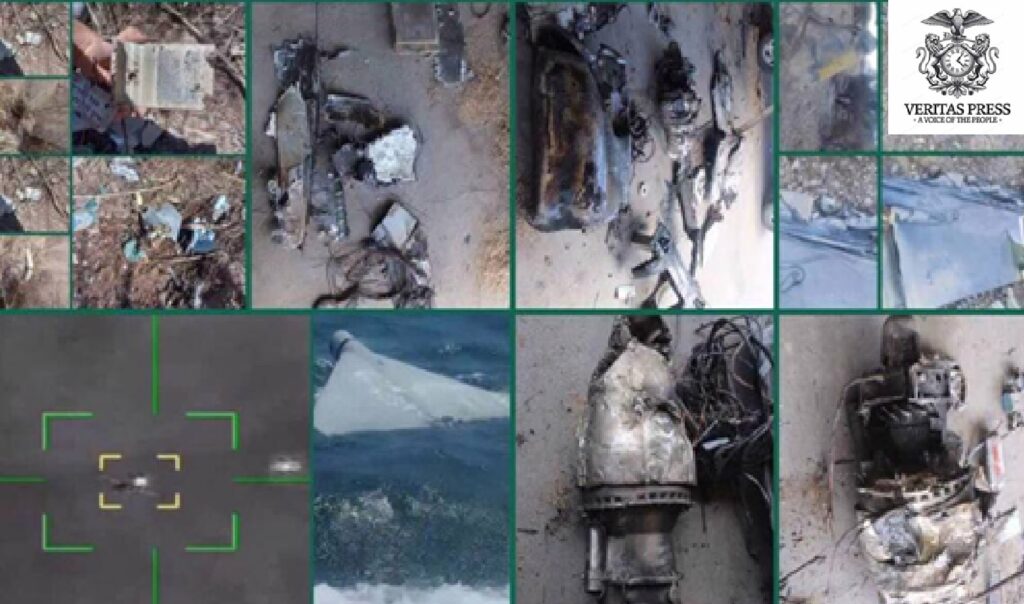
What began on February 28, 2026, as a coordinated US-Israeli campaign to decapitate Iran’s military
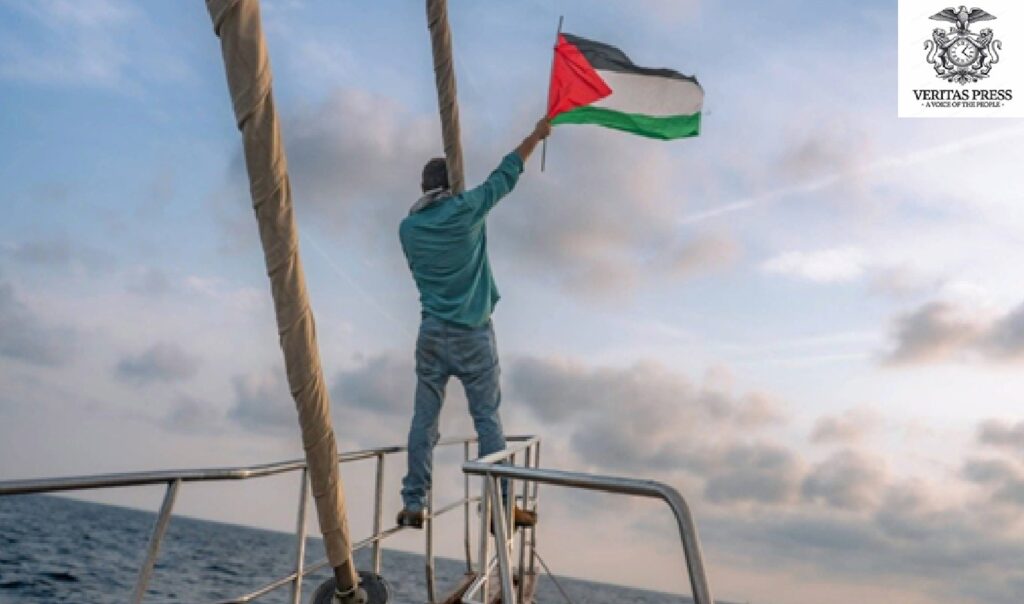
The idea of a “freedom flotilla” carries a ghost in its hold: the 2010 Mavi

Original Article Date Published: Article Date Modified: Help support our mission, donate today and be

Original Article Date Published: Article Date Modified: Help support our mission, donate today and be
A United States fighter jet has been shot down over Iran, marking a dangerous and
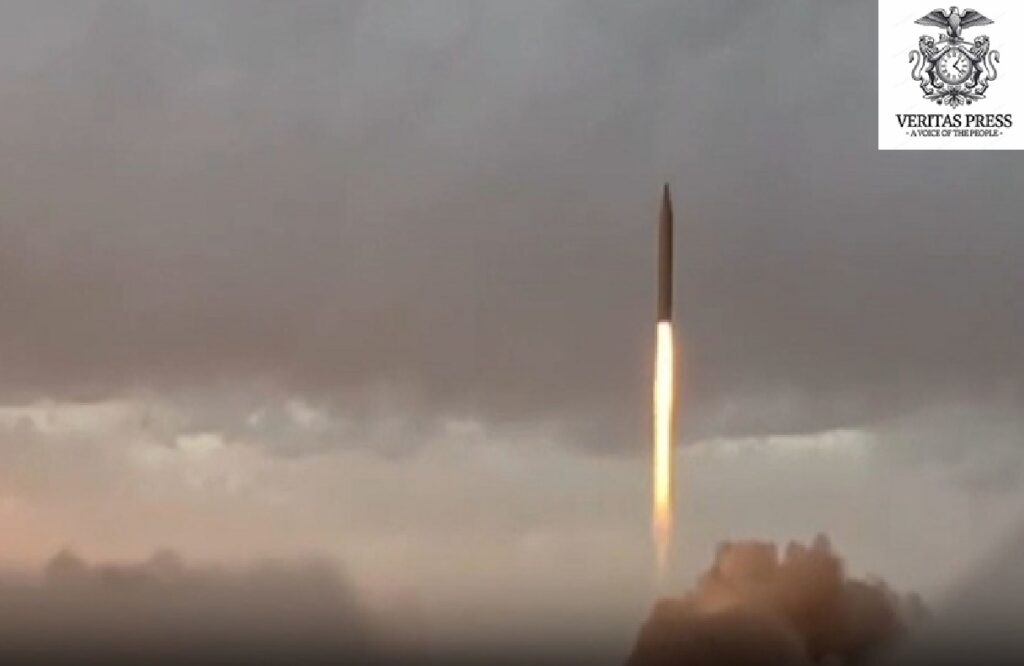
On February 28, the United States and Israel launched coordinated strikes on Iran, reported by

LONDON, UK – Just weeks after being appointed as the government’s “Cost of Living Champion”,

On February 28, 2026, the first wave of U.S.-Israeli pre-emptive strikes hit Iranian military and
USA, NASA – Spurred by American ingenuity, astronauts on NASA’s Artemis II mission are in