

Original Article Date Published:
Article Date Modified:
Help support our mission, donate today and be the change. Every contribution goes directly toward driving real impact for the cause we believe in.
The military confrontation between Israel, the United States, and Iran is no longer confined to missile trajectories and air defence systems. As successive Iranian barrages paralyse Israeli infrastructure and US bases across the Gulf come under fire, a second, less visible front has emerged: psychological operations aimed at reshaping Iran’s internal political order.
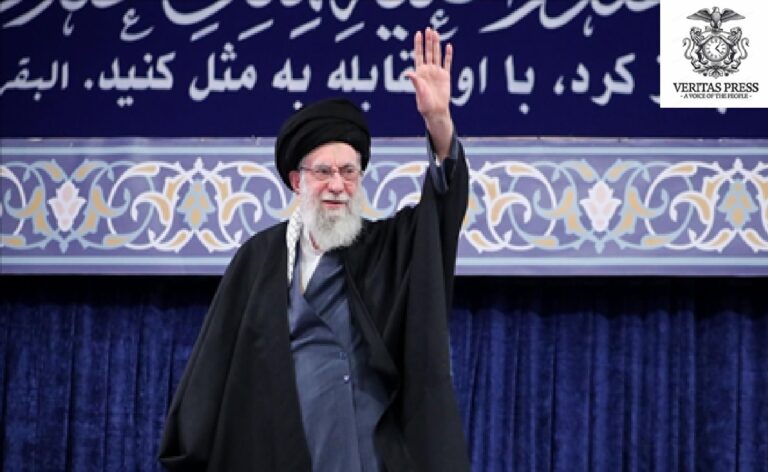
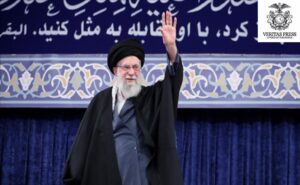
Following the confirmed killing of Supreme Leader Ali Khamenei in coordinated US-Israeli strikes, officials in Washington and Tel Aviv shifted rhetoric beyond deterrence and self-defence toward open appeals for political transformation inside Iran. The result is a war increasingly defined not only by airstrikes and missile launches, but by narrative warfare, strategic messaging, and efforts to influence Iran’s domestic trajectory.
Compounding the volatility is a mounting legal controversy. Critics argue that the war lacks explicit authorisation from the US Congress and was launched without a mandate from the UN Security Council. If accurate, that would place the strikes in tension with both US constitutional war powers provisions and the UN Charter’s prohibition on the use of force absent self-defence or Security Council approval. Supporters of the operation frame it as preemptive self-defence; opponents describe it as an unlawful act of aggression that risks eroding already fragile international norms.
The legality debate has become inseparable from the strategic debate.
From Decapitation Strike to Strategic Shock:
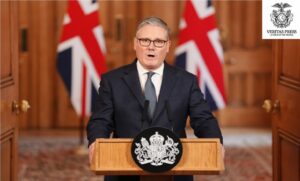
The opening US-Israeli strikes targeted senior leadership compounds, IRGC facilities, and command infrastructure in Tehran and southern Iran. Israeli Prime Minister Benjamin Netanyahu declared shortly afterwards that Khamenei had been eliminated. US President Donald Trump addressed the Iranian public directly:
“When we finish our work, take control of your government. It will be yours to take.”
The language was not subtle. It went beyond degrading military capacity and explicitly invoked regime change. In strategic terms, this suggests a decapitation logic aimed at compressing response time and generating political paralysis at the top of Iran’s governing structure.
But it also signalled something broader: a willingness to encourage domestic political upheaval.
Iran’s Retaliation: Expanding The Battlefield.
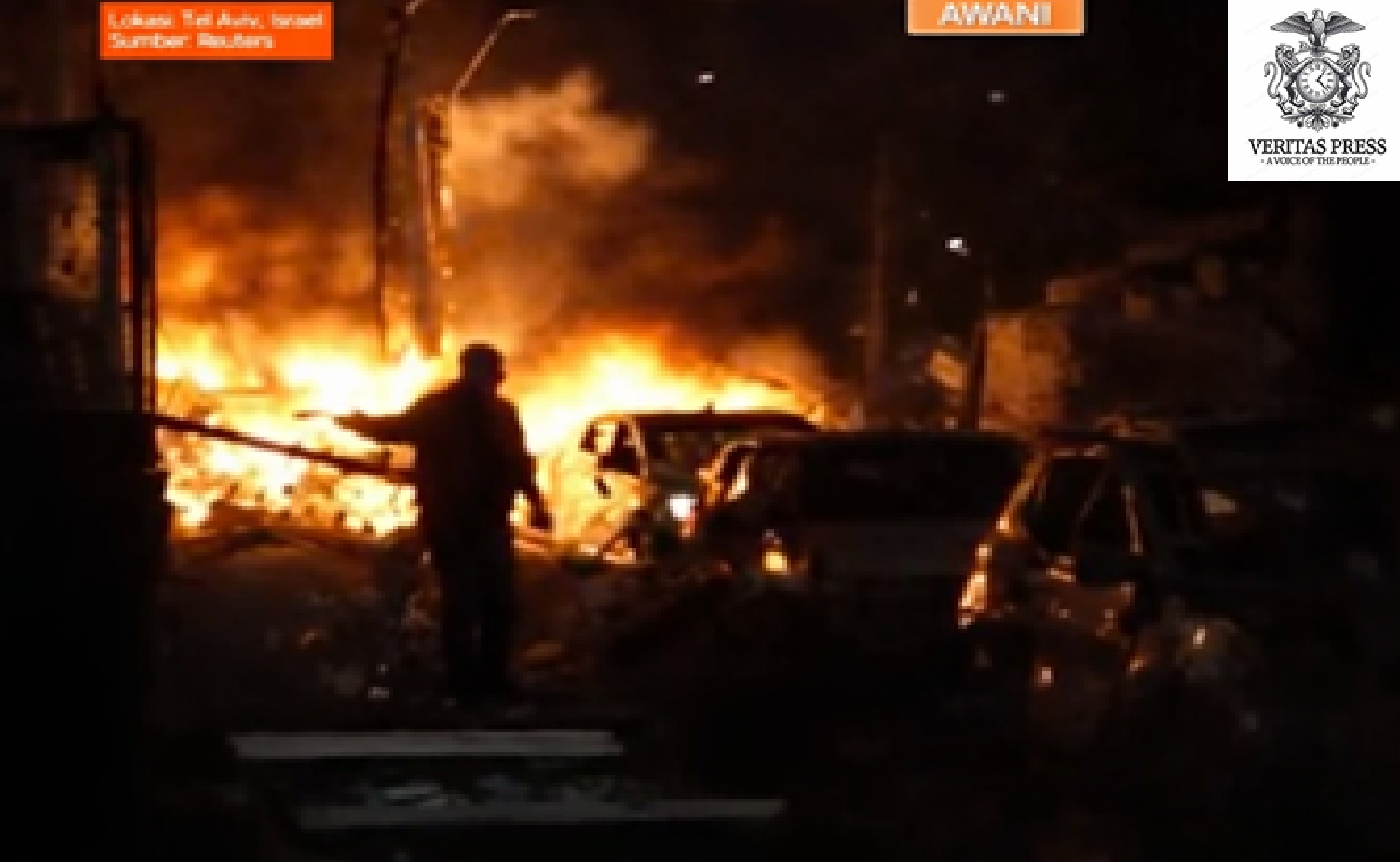
Iran responded with successive missile and drone waves targeting Israeli cities and US bases across the Gulf. The Islamic Revolutionary Guard Corps claimed strikes on 27 US-linked sites, including Al-Udeid in Qatar, Al-Dhafra in the UAE, and the Fifth Fleet headquarters in Bahrain.
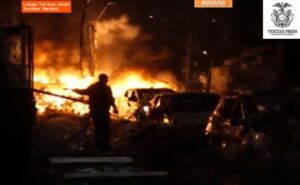
Israeli authorities reported widespread disruptions. Airspace closures halted flights at Ben Gurion Airport. Schools and non-essential sectors were suspended nationwide. Hundreds have reportedly been hospitalised since Israel launched “Operation Lion’s Roar.”
US Central Command stated that Iran caused “minimal damage” to American installations and reported no casualties, though Gulf governments acknowledged intercepted missiles, debris damage, and airport disruptions.
The immediate military exchange has been intense, but parallel messaging suggests that both sides see internal political cohesion as equally decisive.
The Psychological Front: Appeals For Uprising.
Since the strikes, Western messaging has increasingly focused on the Iranian public rather than solely on military objectives.
Trump’s address urging Iranians to “take control” was followed by similar statements from Israeli officials framing the conflict as one against the regime rather than the people. Netanyahu emphasised that Israel’s war is “with the dictatorship, not the Iranian nation.”
Exiled opposition figure Reza Pahlavi called for mass protests, urging demonstrators to seize what he described as a “historic opening.”
Strategic communications specialists describe this approach as psychological operations, coordinated messaging designed to shape perceptions, encourage dissent, and destabilise political legitimacy. In this framing, the battlefield extends beyond territory into cognition: narrative dominance becomes as critical as missile interception rates.
Several regional analysts argue that such messaging is not merely rhetorical but part of a broader political engineering effort. By encouraging civil unrest and political mobilisation at a moment of leadership shock, outside powers may hope to catalyse internal fractures. Critics inside Iran describe it as an attempt to instigate civil violence under the banner of democratic liberation.
Grooming Political Alternatives?
The suggestion that Western governments may favour particular Iranian political currents is not new. For years, analysts have debated whether Washington quietly prefers technocratic or reformist figures who would adopt more liberal economic models and recalibrate foreign policy toward the West, and potentially toward policies less confrontational with Israeli regional priorities.
Following Khamenei’s death, speculation intensified around potential successors or transitional figures who might open space for nuclear compromise and strategic realignment. Former President Hassan Rouhani’s name has resurfaced in diplomatic circles as a possible stabilising candidate in a transitional scenario.
Iranian state media has characterised external appeals as “incitement to civil violence” and “foreign-managed regime change.” President Masoud Pezeshkian condemned what he called “a coordinated attempt to fracture national unity.”
Independent Iranian journalists describe a complex picture:
“People are angry at the regime, yes. But when foreign leaders openly call for an overthrow, it triggers nationalist reflexes. The street does not move simply because Washington says so.”
This dynamic reflects a paradox. External calls for uprising can energise opposition networks, but they can also delegitimise them in the eyes of segments of the population wary of foreign interference.
The Legal Controversy: War Without Mandate?
Beyond military and political strategy lies a deeper structural question: under what authority was this war launched?
Members of Congress from both parties have raised concerns that no formal declaration of war or specific authorisation for the use of military force preceded the strikes. Constitutional scholars argue that large-scale offensive action against a sovereign state typically requires congressional approval under US law.
Internationally, the absence of a UN Security Council resolution authorising force has intensified scrutiny. Article 2(4) of the UN Charter prohibits the use of force against the territorial integrity or political independence of any state, except in cases of self-defence or when authorised by the Security Council. Whether the strikes qualify as lawful preemptive self-defence remains hotly contested.
If the operation is ultimately judged to lack legal grounding, critics warn that it could weaken the already strained post-World War II legal order, encouraging other states to pursue unilateral force under expansive interpretations of “imminent threat.”
In that sense, the war is not only a regional confrontation, but it is a test case for the durability of international law itself.
Civil Unrest Or National Consolidation?
Iran’s leadership has moved quickly to prevent internal destabilisation. The Supreme National Security Council urged residents to relocate from high-risk urban centres. Basij units reportedly deployed in major districts.
Security analysts note that the state’s ability to maintain coherence despite decapitation strikes suggests pre-approved contingency structures designed precisely for this scenario.
Simultaneously, mourning gatherings for Khamenei have drawn significant crowds, complicating narratives of immediate regime collapse.
A Tehran-based activist said:
“There is anger at the system, but also fear. And when bombs fall, people think first about survival.”
War often consolidates national identity, even among those disillusioned with their leadership.
Information Warfare And Censorship:
Both Israel and Iran are tightly managing wartime information. Israeli media operates under strict military censorship regarding strategic sites. Iran has restricted reporting on damage assessments and succession deliberations.
Cyber disruptions affecting Iranian communications systems suggest that digital operations are accompanying kinetic strikes. Analysts say such efforts aim to amplify confusion, accelerate political shock, and widen cracks in institutional continuity.
The war’s informational fog makes independent verification difficult, increasing the power of narrative itself as a weapon.
Strategic Calculations: Regime Change Vs. Survival.
The United States and Israel appear to be pursuing a multi-layered strategy:
- Military degradation of missile and command infrastructure.
- Leadership decapitation to induce paralysis.
- Psychological pressure on the population to exploit potential fractures.
- Narrative framing that distinguishes “regime” from “people,” potentially legitimising political transition.
Iran’s counter-strategy is equally layered:
- Sustained but calibrated missile retaliation to deny a quick victory.
- Expansion of risk to Gulf states hosting US bases.
- Internal security consolidation to prevent protest escalation.
- Framing the war as illegal foreign aggression to rally nationalist unity.
For Tehran, survival—not battlefield dominance—constitutes victory.
The Regional And Global Stakes:
Explosions in Doha, Dubai, and Manama underscore how quickly the war has widened. Gulf states, initially critical of US strikes conducted during nuclear mediation, now face direct exposure.
Iran has hinted at a possible disruption of the Strait of Hormuz, through which roughly a fifth of global oil supply transits. Even partial closure would transform a regional war into a global economic crisis.
European governments have condemned Iranian counterstrikes while urging de-escalation. None has openly endorsed regime-change rhetoric.
The Uncertain Endgame:
The assassination of Khamenei removed a central pillar of Iran’s political system, but it has not produced immediate collapse.
Whether psychological operations, external political signalling, and appeals for uprising translate into sustained internal unrest remains uncertain. History suggests that externally framed regime-change efforts often yield unpredictable consequences, particularly when accompanied by foreign military intervention.
If the war is ultimately judged illegal under domestic or international law, it may further complicate diplomatic resolution and deepen global polarisation over the legitimacy of force.
A regional security analyst summarised the dilemma:
“If Iran fragments, the region could face chaos. If it survives, the war becomes long and regional. There is no easy off-ramp.”
For now, missile sirens continue in Israel, Gulf skies light up with interceptors, and Tehran balances between consolidation and volatility. What began as a rapid decapitation strike has evolved into a complex confrontation where military escalation, psychological operations, legal controversy, and political engineering intersect.
The decisive question may not be which side strikes hardest, but which side maintains internal coherence, narrative legitimacy, and legal credibility long enough to define the post-war order.
Conclusion: A War Beyond The Battlefield.
What is unfolding is not merely a military confrontation; it is a structural stress test of the modern international order and the boundaries of power projection in the 21st century.
The decapitation of a sitting head of state, followed by open appeals for citizens to “take control” of their government, moves this conflict beyond conventional warfare into the terrain of political engineering. When military force is paired with psychological operations designed to fracture internal cohesion and elevate preferred political alternatives, the distinction between deterrence and regime-change strategy becomes increasingly difficult to sustain.
That distinction matters.
Under the UN Charter system established after 1945, the prohibition on aggressive war was intended to prevent precisely this dynamic: powerful states unilaterally reshaping weaker ones through force. The absence of explicit congressional authorisation in Washington and the lack of Security Council approval internationally leave unresolved legal questions that will not fade with battlefield developments. Whether framed as preemptive self-defence or strategic necessity, the evidentiary threshold under international law remains extraordinarily high.
If that threshold has not been met, the precedent is profound. It signals that leadership decapitation and externally encouraged political transformation may once again become normalised tools of statecraft. For smaller and mid-sized powers observing closely, the lesson will not centre on democratic reform; it will centre on strategic vulnerability and the accelerating erosion of legal constraint.
Yet regime change rhetoric alone does not fully explain the strategic depth of this conflict.
Although messaging from the United States and Israel emphasises security and political transformation, critics argue that the underlying drivers extend far beyond immediate retaliation. Control over the Strait of Hormuz, through which a significant share of global energy supply transits, remains a central geoeconomic variable. Maritime trade corridors linking Asia, the Gulf, and Europe, including routes historically associated with the Silk Road trade network, carry enormous strategic weight. Nuclear enrichment capacity, long a focal point of confrontation, intersects not only with deterrence but with bargaining leverage in energy and sanctions regimes. Beneath these layers lies the question of mineral extraction, hydrocarbon distribution, and who ultimately shapes the architecture of post-conflict resource governance.
In that light, regime change may be seen not as an endpoint but as a mechanism, potentially enabling trade realignment, resource redistribution, and economic restructuring under Western-aligned frameworks. Transitional governments in such scenarios often face externally influenced fiscal reforms, tariff restructuring, and rapid integration into global markets. While framed as stabilisation, such measures can generate inflationary pressure and social strain, particularly in states emerging from conflict. Economic shock can reshape political realities as effectively as military force.
At the same time, the strategic gamble contains an inverse risk. If internal fragmentation fails and instead the Islamic Revolutionary Guard Corps consolidates decisive authority, Iran’s doctrine is unlikely to soften. Quite the opposite: full-spectrum deterrence, potentially including accelerated nuclear breakout capacity, would likely be viewed internally as the only reliable shield against future decapitation attempts. In attempting to prevent deterrence maturation, the war could ultimately accelerate it.
There is also a contradiction embedded in externally sponsored political messaging. Efforts to groom liberal-democratic alternatives while missiles are still falling risk discrediting the very political actors such strategies claim to empower. Movements perceived as aligned with foreign military pressure often lose domestic legitimacy, particularly in societies with deep historical memories of intervention. Instead of catalysing reform, overt psychological pressure can consolidate hardline factions and narrow political space.
The strategic wager, therefore, cuts in multiple directions. If Iran fragments, the region may descend into prolonged instability, nuclear uncertainty, proxy escalation, and energy disruption reverberating across global markets. If Iran consolidates under more securitised leadership, the Middle East could enter a more militarised and deterrence-driven era, with diminished space for diplomacy.
What makes this moment historically consequential is the convergence of three domains: kinetic force, information warfare, and contested legality. Military escalation can be measured in damaged runways and intercepted missiles. Psychological operations are measured in perception and legitimacy. Legal erosion is measured more slowly, but its consequences endure longest.
Wars justified under expansive interpretations of self-defence, while openly encouraging political overthrow, blur foundational norms. If such strategies succeed, they may be replicated. If they fail, they may still leave behind a weakened rules-based system and a region further polarised between coercion and resistance.
The decisive question may not ultimately be who controls territory, or even who survives politically in Tehran. It may be who controls legitimacy, domestically, regionally, and globally, after the smoke clears. When military action, economic restructuring, strategic resource calculus, and political engineering converge without a clear legal consensus, the battlefield expands into the architecture of international order itself.
And once that architecture begins to fracture, history suggests it rarely returns to its previous form.
Submissions:
For The Secure Submission Of Documentation, Testimonies, Or Exclusive Investigative Reports From Any Global Location, Please Utilise The Following Contact Details For Our Investigations Desk: enquiries@veritaspress.co.uk or editor@veritaspress.co.uk
Help Support Our Work:
Popular Information is powered by readers who believe that truth still matters. When just a few more people step up to support this work, it means more lies exposed, more corruption uncovered, and more accountability where it’s long overdue.
If you believe journalism should serve the public, not the powerful, and you’re in a position to help, becoming a DONATOR or a PAID SUBSCRIBER truly makes a difference.
DONATION APPEAL: If You Found This Reporting Valuable, Please Consider Supporting Independent Journalism.
Help Support Our Work – We Know, We Know, We Know …
Seeing these messages is annoying. We know that. (Imagine what it’s like writing them … )
Your support fuels our fearless, truth-driven journalism. In unity, we endeavour to amplify marginalised voices and champion justice, irrespective of geographical location.
But it’s also extremely important. One of Veritas Press’s greatest assets is its reader-funded model.
1. Reader funding means we can cover what we like. We’re not beholden to the political whims of a billionaire owner. We are a small, independent and impartial organisation. No one can tell us what not to say or what not to report.
2. Reader funding means we don’t have to chase clicks and traffic. We’re not desperately seeking your attention for its own sake: we pursue the stories that our editorial team deems important and believe are worthy of your time.
3. Reader Funding: enables us to keep our website and other social media channels open, allowing as many people as possible to access quality journalism from around the world, particularly those in places where the free press is under threat.
We know not everyone can afford to pay for news, but if you’ve been meaning to support us, now’s the time.
Your donation goes a long way. It helps us:
- Keep the lights on and sustain our day-to-day operations
- Hire new, talented independent reporters
- Launch real-time live debates, community-focused shows, and on-the-ground reporting
- Cover the issues that matter most to our communities, in real time, with depth and integrity
We have plans to expand our work, but we can’t do it without your support. Every contribution, no matter the size, helps us stay independent and build a truly people-powered media platform.
If you believe in journalism that informs, empowers, and reflects the communities we serve, please donate today.
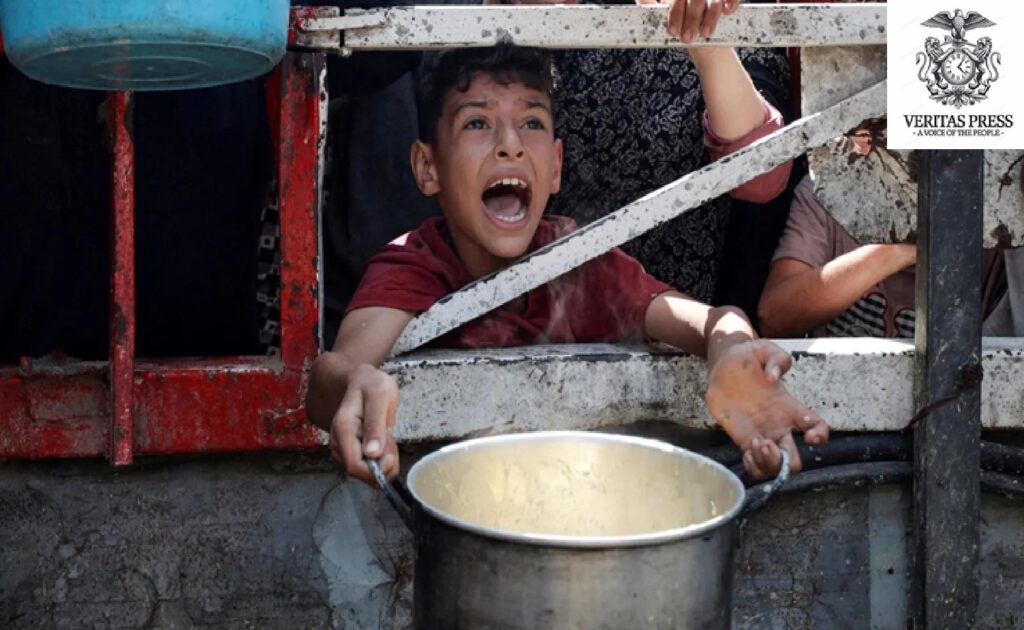
On Saturday, February 28, 2026, Israeli authorities announced the indefinite closure of all crossings into the Gaza Strip, including the Rafah Crossing, citing “recent developments” and “security measures to safeguard lives” amid joint Israeli–U.S. military attacks on Iran.
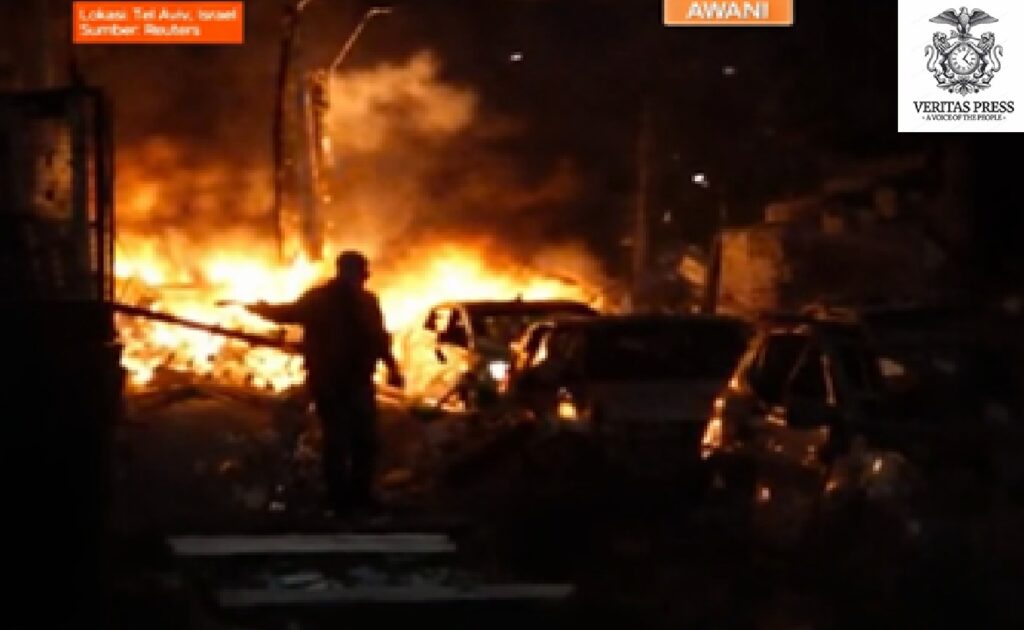
The military confrontation between Israel, the United States, and Iran is no longer confined to missile trajectories and air defence systems. As successive Iranian barrages paralyse Israeli infrastructure and US bases across the Gulf come under fire, a second, less visible front has emerged: psychological operations aimed at reshaping Iran’s internal political order.
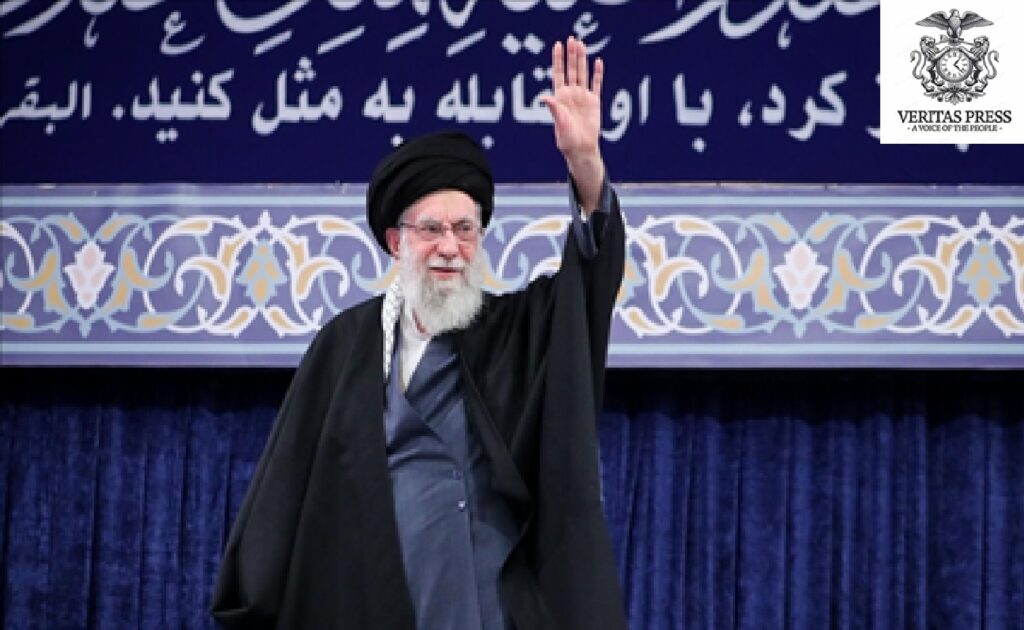
TEHRAN, IRAN – At 5:00 a.m. on Sunday, March 1, 2026, Iranian state television did something it had not done in nearly four decades: it announced the death of a supreme leader. The screen displayed archive images of Ayatollah Ali Khamenei beneath a black mourning banner, as a presenter recited the Quranic verse, “To Allah we belong, and to Him we shall return”.
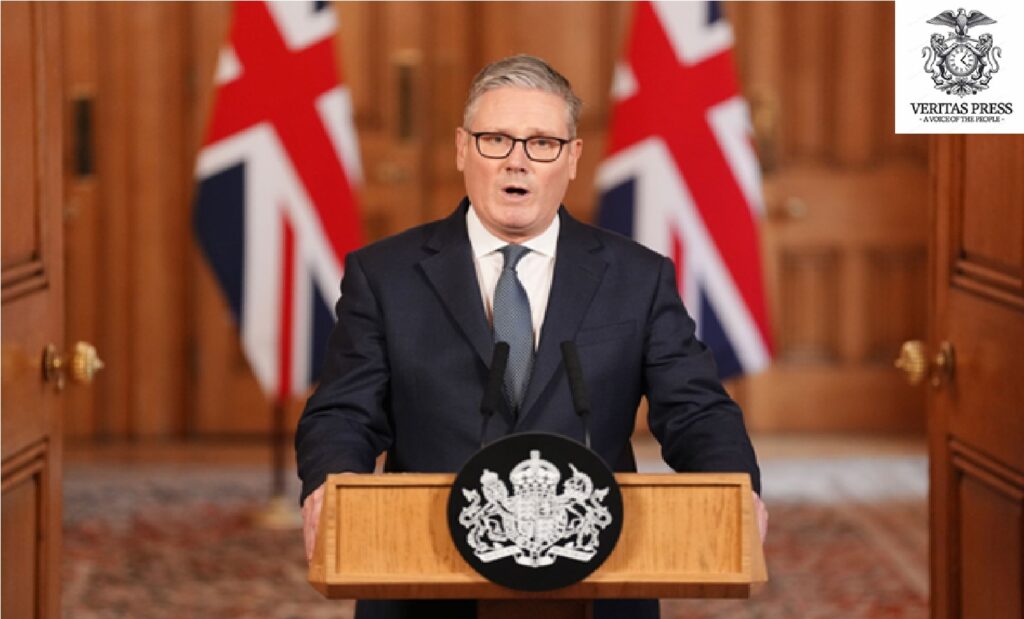
In the early hours of Saturday morning, the Middle East lurched into a new and terrifying phase of conflict. Waves of US and Israeli “preventative” strikes hit Tehran and other major Iranian cities, targeting not just nuclear facilities but, according to reports, the very leadership of the Islamic Republic. By mid-morning, Iranian missiles were raining down on US Fifth Fleet headquarters in Bahrain, US airbases across Qatar and the UAE, and cities in Israel.
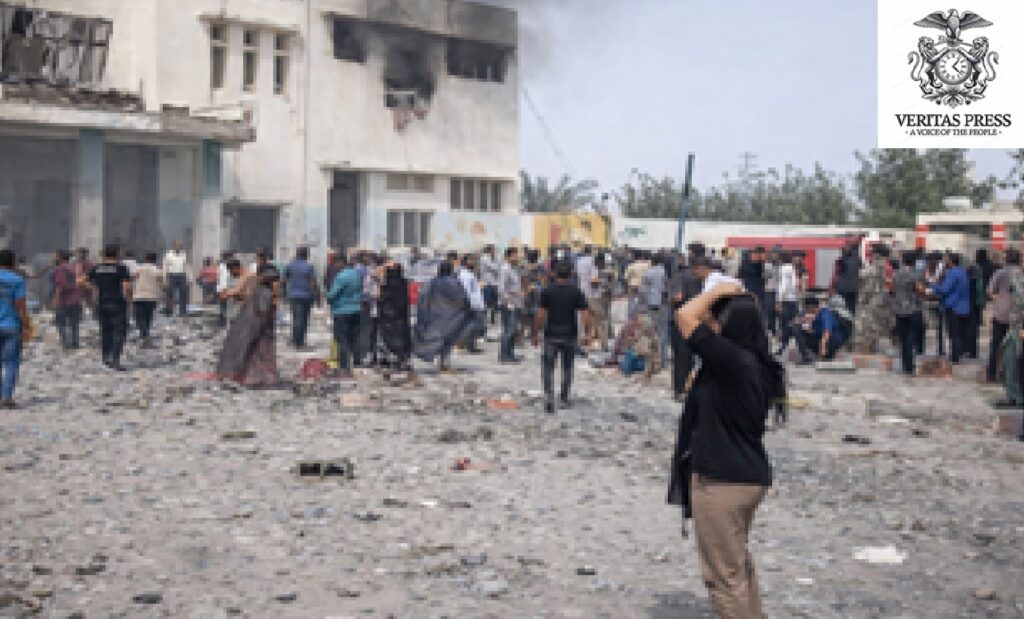
MINAB, IRAN — In the quiet coastal town of Minab, along the strategic Strait of Hormuz, the walls of the Shajareh Tayyiba girls’ elementary school were once painted with pastel-colored flowers. On Saturday, February 28, 2026, those walls were reduced to rubble, burying dozens of young students under an avalanche of concrete, glass, and twisted metal. What the United States and Israel described as a “preemptive” military operation to “dismantle the Iranian regime’s security apparatus” has left a trail of carnage that critics say points to a far more sinister reality: the indiscriminate, and potentially deliberate, targeting of civilian life.

GORTON AND DENTON, UK – At 4:30 am on February 27th, 2026, Hannah Spencer stood before a sparse crowd at Manchester Central Convention Complex and apologised to her plumbing customers. “I think I might have to cancel the work that you had booked in, because I’m heading to parliament,” she said, visibly overwhelmed by the history she had just made.
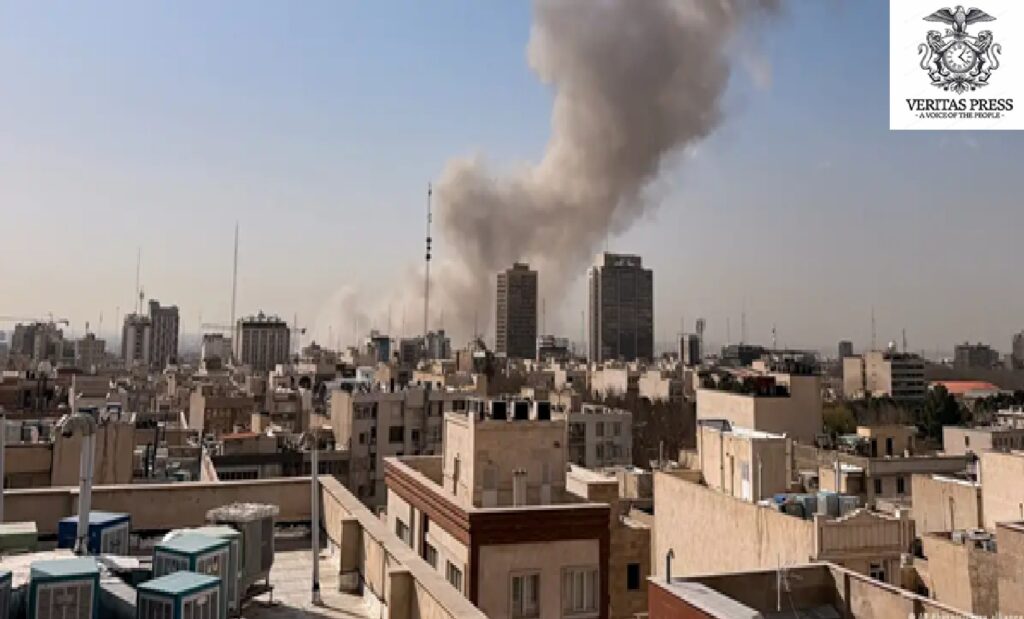
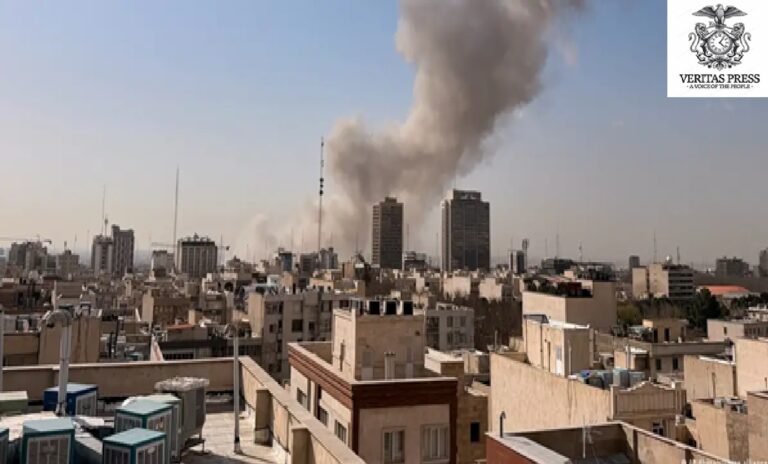
IRAN/US/ISRAEL – In the early hours of February 28, 2026, residents of Tehran awoke to the sound of explosions echoing across the capital. Plumes of smoke rose against the dawn sky as the United States and Israel launched coordinated military strikes against Iran, marking a dramatic and potentially catastrophic escalation in one of the world’s most volatile regions.
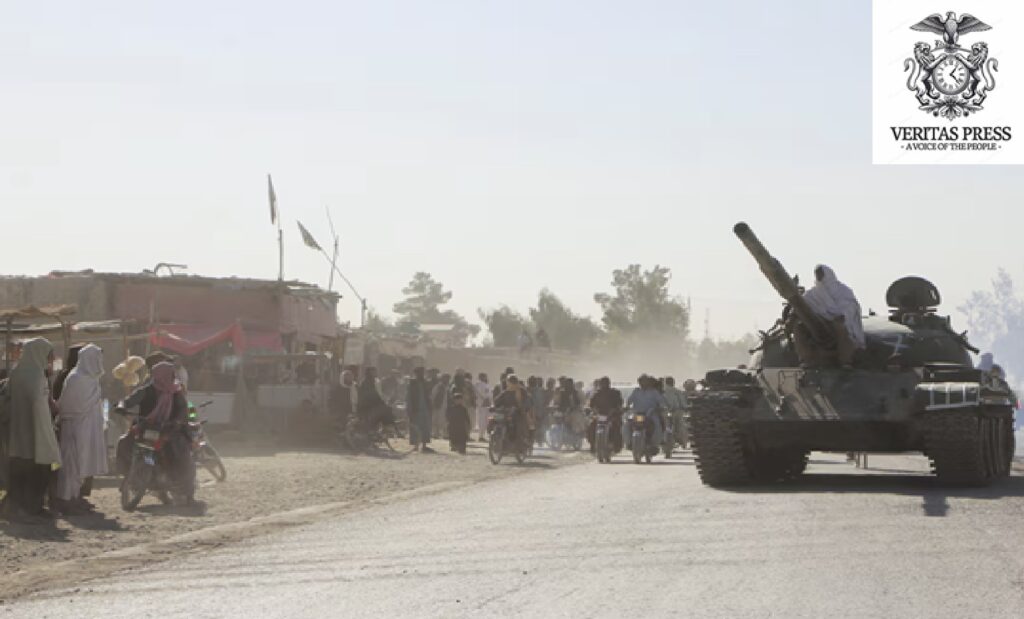
ISLAMABAD/KABUL – The thunder of Pakistani warplanes over the capitals of two nations at dawn on February 27, 2026, did not just shatter a fragile ceasefire; it heralded a fundamental shift in the dynamics of South Asian geopolitics. What began as tit-for-tat skirmishes along the disputed Durand Line has rapidly morphed into a direct, declared military confrontation between Islamabad and Kabul’s Taliban-led administration.
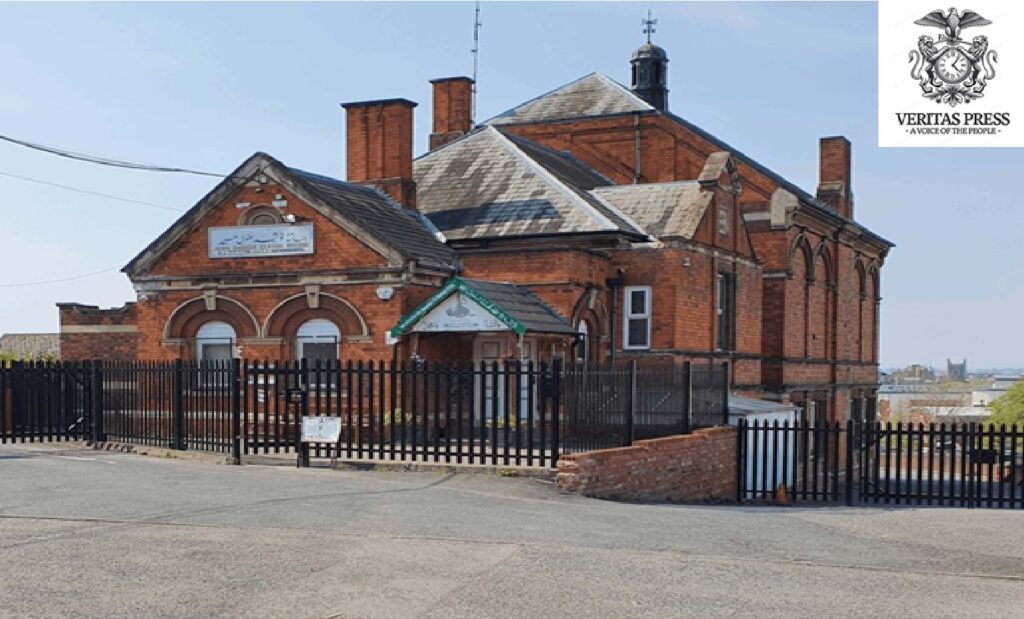
A Muslim community centre adjacent to a mosque in Worcester was firebombed in the early hours of Thursday morning in what the Worcester Muslim Welfare Association (WMWA) has condemned as a “deliberate act of arson” with clear racial and religious motivation.
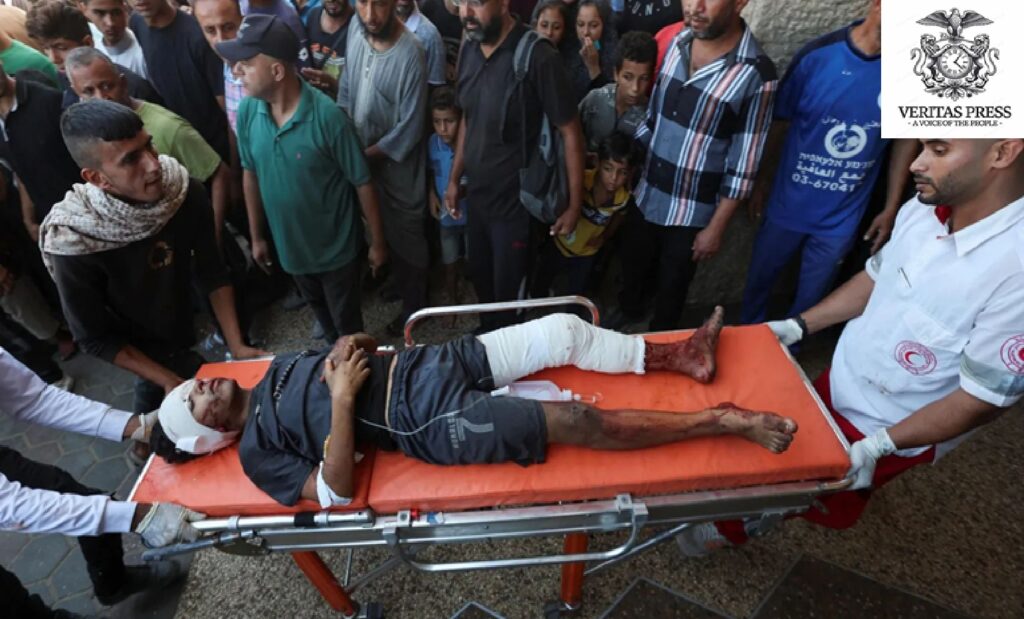
GAZA CITY — In the predawn stillness of the 27th day of Ramadan, the sound of drone motors and subsequent explosions ripped through the al-Mawasi area west of Khan Younis. Families gathering for suhoor, the last meal before the daily fast, were instead met with death and shrapnel.