
Original Article Date Published:
Article Date Modified:
Help support our mission, donate today and be the change. Every contribution goes directly toward driving real impact for the cause we believe in.
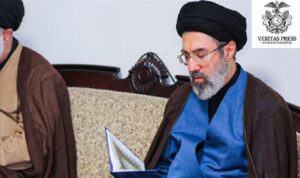
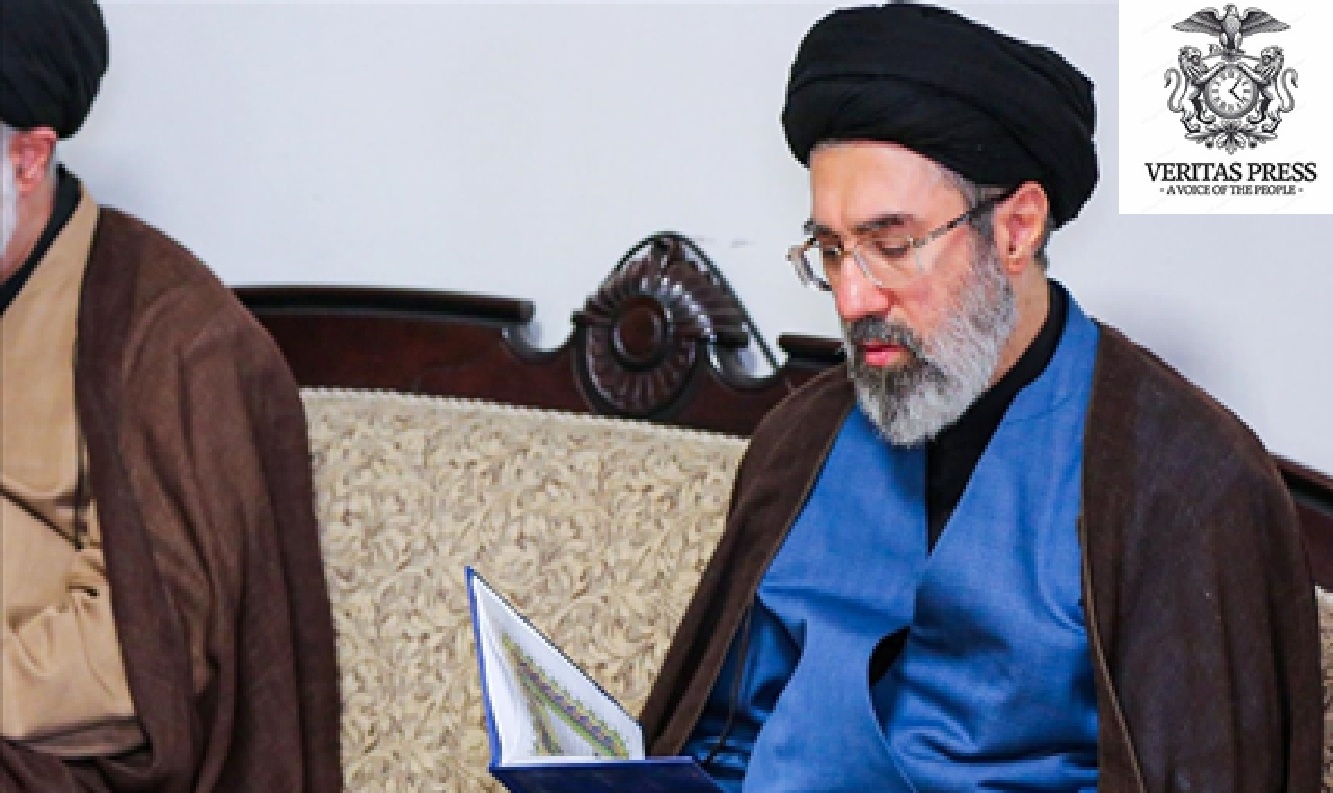
TEHRAN, IRAN – As the US-Israeli conflict with Iran barrels into its third week, the Islamic Republic is projecting an image of defiant resilience. Yet, behind the belligerent statements and threats to choke global oil supplies, a shroud of uncertainty hangs over the nation’s highest office. The new Supreme Leader, Ayatollah Mojtaba Khamenei, has not been seen in public since his appointment, and his first message to the nation, read by a television presenter, has done little to quell fears about his condition or the stability of a regime grappling with an unprecedented crisis.
While Iranian officials insist the successor to his slain father, Ayatollah Ali Khamenei, is only “lightly injured” and “well,” a growing chorus of experts and regional observers suggests a more troubling reality: a leadership vacuum at the very top, just as Tehran finds itself diplomatically isolated and militarily stretched.
The Ghost Leader: ‘Safe And Sound’ Or In A Coma?
The official narrative, reiterated by Foreign Ministry spokesman Esmaeil Baqaei in an interview with Italy’s Corriere della Sera, maintains that Mojtaba Khamenei was wounded but is recovering. This was bolstered by a statement from Yousef Pezeshkian, son of the Iranian president, who relayed that the new leader was “safe and sound”. However, the regime’s handling of the succession has been anything but reassuring.
Mojtaba Khamenei’s first address on Thursday was a case study in controlled communication. A state TV presenter read a message vowing to keep the Strait of Hormuz closed and promising revenge for the “martyrs” killed in the Feb. 28 strikes that killed his father and wife. The absence of the leader himself was glaring.
“The longer that he doesn’t make a public appearance on camera, the more rumours are going to circulate about the breadth and depth of his injuries,” Nader Hashemi, an associate professor of Middle East and Islamic Politics at Georgetown University, told CBC News. “If he’s been severely injured, then who issued this statement today? Does that suggest that there are other forces that are really running this state?”
These “other forces” are widely believed to be the Islamic Revolutionary Guard Corps (IRGC). Reports from immediately after Ali Khamenei’s death indicated that the IRGC, fearing a collapse of the command structure, intervened to pressure the Assembly of Experts into a hasty and “unconstitutional” appointment of Mojtaba. The new leader, a 57-year-old cleric with deep ties to the IRGC but no formal government position, was seen as a figure who could ensure continuity for the hardline security establishment. But if he is incapacitated, the question of who truly holds the reins of power becomes acute.
Abbas Amanat, professor of history emeritus at Yale University, told CBC News that rumours are circulating in Tehran that Khamenei is not merely injured but in a coma, or possibly even dead. While unconfirmed, these whispers are corrosive to a system built on the concept of a singular, divinely guided jurist. Akaash Maharaj, a senior fellow at the Munk School of Global Affairs, noted that even if Khamenei is alive, hiding him makes strategic sense, as “every time a member of his regime lifts his head above the parapet, it has a bad habit of being blown off by the Americans or the Israelis.” However, he added, the lack of a visual confirmation of resilience is a propaganda failure: “If, in fact, he were lightly injured, there could be some propaganda value in showing that he had shed blood for his regime”.
How Iran Lost Its Neighbours:
While the world speculates on the health of its leader, Tehran faces a more immediate strategic disaster: it has managed to unite its neighbours against it in a matter of days. For years, Gulf states engaged in cautious diplomacy with Iran, attempting to de-escalate tensions. The Feb. 28 attacks changed everything.
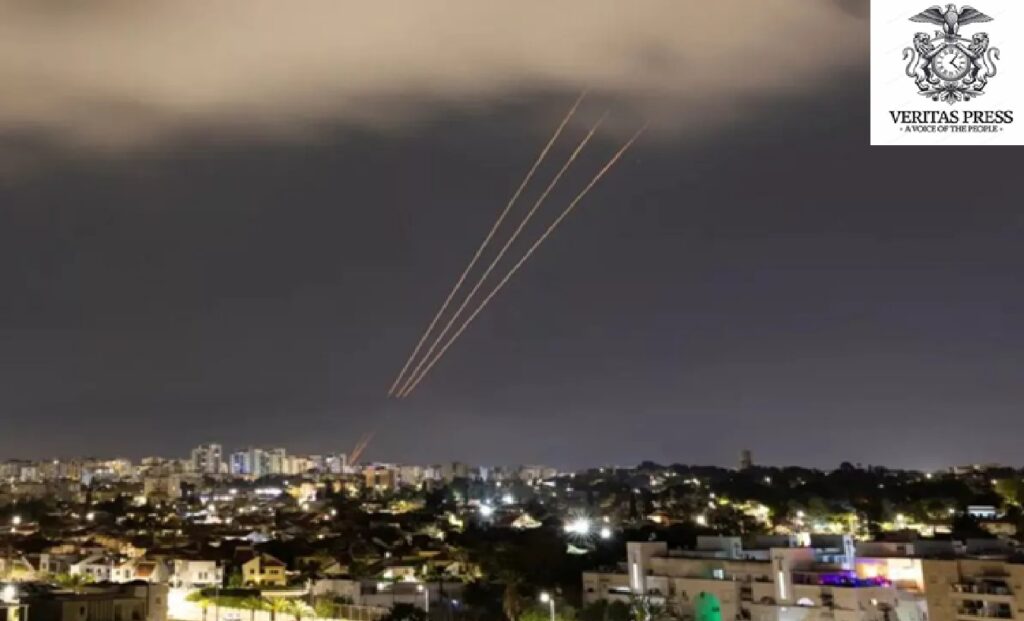
In its retaliation, Iran did not just strike at US assets. It launched drone and missile attacks on the UAE, Qatar, Bahrain, Kuwait, Saudi Arabia, Oman, and Jordan, hitting civilian infrastructure and residential areas. The move, described by analysts as a catastrophic miscalculation, has turned Iran into a regional pariah.
“Your war is not with your neighbours,” Dr. Anwar Gargash, diplomatic adviser to the UAE’s president, stated bluntly, capturing the sentiment of capitals across the Gulf. Hamad bin Jassim bin Jaber Al Thani, Qatar’s former prime minister, wrote that Iran’s actions have “sowed doubts that will be hard to erase in the future,” and will push Gulf states “even more steadfast in their relations with allies from outside the region”.
This shift has concrete consequences. The UAE has closed its embassy in Tehran. Gulf Cooperation Council (GCC) states have reserved the right to respond militarily. Crucially, the joint condemnation issued by the US, Bahrain, Jordan, Kuwait, Qatar, Saudi Arabia, and the UAE signals a unified front that Iran’s leadership had long sought to avoid. Hasan Al Hasan of the International Institute for Strategic Studies noted that Gulf states now have several options, including granting the US greater operational access to their territories, a scenario that would dramatically escalate the military pressure on Iran.
The Strait Of Hormuz: A Double-Edged Sword.
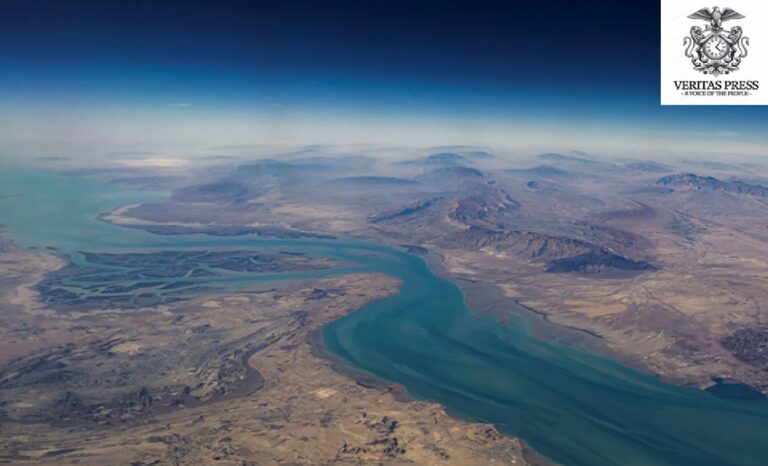
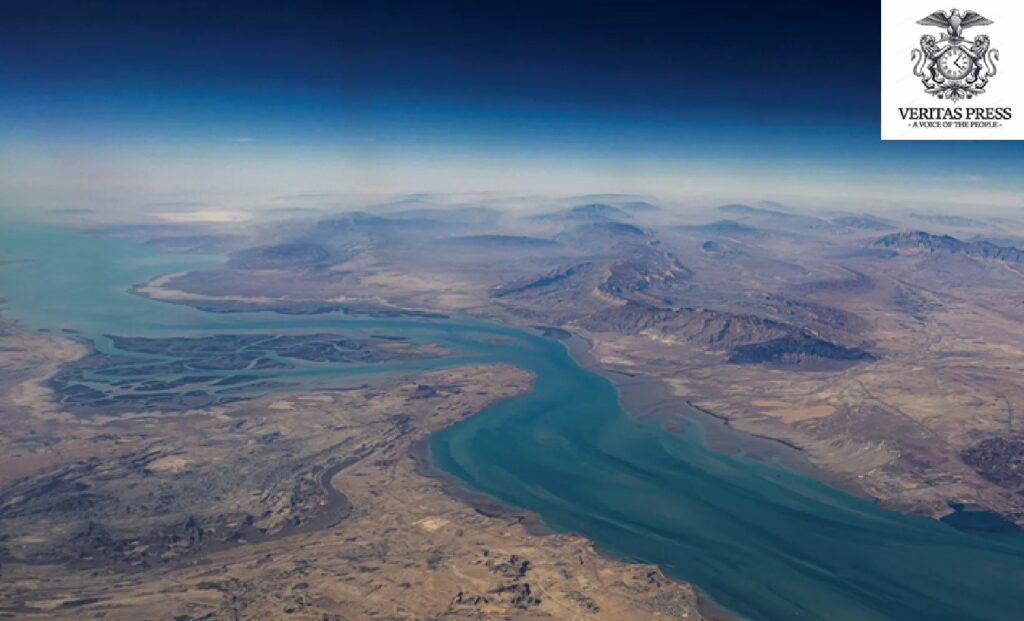
Against this backdrop of diplomatic isolation, Iran is wielding its most potent weapon: the Strait of Hormuz. In his first message, Mojtaba Khamenei declared that the “lever of blocking the Strait of Hormuz must continue to be used”. On Thursday, Foreign Ministry spokesman Baqaei clarified that while Iran does not want the strait to become insecure, “ships must coordinate with the Iranian navy when passing through”.
This de facto control is backed by military action. US officials have accused Iran of using small IRGC boats to lay mines in the strategic waterway, a slow but persistent effort to deter shipping. The IRGC also claimed responsibility for striking a Marshall Islands-flagged vessel linked to the US in the Gulf.
The result has been a seismic shock to the global economy. With 20% of the world’s crude oil supply transiting the strait, its paralysis has sent Brent crude surging past $100 a barrel. Analysts warn that a prolonged closure could trigger a global recession. Mirae Asset Sharekhan analyst Mohammed Imran noted that for every $10 increase above $80, advanced economies could see a 0.3-0.4 percentage point addition to CPI. The International Energy Agency has been forced to coordinate the largest-ever release of strategic petroleum reserves to stem the price surge.
Yet, this economic warfare comes at a cost. While hurting the West, it also devastates Iran’s own economy and those of its neighbours. By cutting off its own exports and crippling the economies of Gulf states, Iran is deepening the economic pain that fuels domestic dissent and alienating the very countries it needs as diplomatic lifelines. This is the paradox of the “Hormuz lever”: it is a weapon of last resort that leaves the user weakened.
The Human Toll: A Region Under Fire.
The rhetoric of strategy and geopolitics often obscures the brutal human cost of the conflict. According to a compilation of figures by AFP, the death toll is mounting rapidly. In Iran, the US-based Human Rights Activists News Agency (HRANA) estimates that at least 1,825 people have been killed, including over 1,200 civilians. The World Health Organization (WHO) has verified 18 attacks on health facilities in Iran and 25 in Lebanon, where at least 687 people have died in the cross-border fighting between Israel and Hezbollah.
The war has also triggered a massive displacement crisis. The UN High Commissioner for Refugees reports that up to 3.2 million people are now temporarily displaced inside Iran. In Lebanon, that number stands at 700,000. The conflict has spread to at least eight countries, with casualties confirmed in Iraq, Kuwait, Saudi Arabia, and the UAE, where six US service members have been killed.
The Diplomatic Mirage:
In the midst of this chaos, diplomatic efforts appear futile. Iran’s call for European mediation, reiterated by Baqaei, rings hollow to many. “We must stand against this injustice,” he pleaded, urging Europe to act as a mediator. Yet, European powers are deeply sceptical. Just days before the escalation, France, Germany, and Britain held “constructive” but vague talks with Iran regarding its nuclear program, warning that Tehran’s enrichment of uranium to 60% was bringing the region to a “breaking point”.
The US position, articulated by President Donald Trump, is uncompromising. He described the military operation as both a “war” and a short-term “excursion,” stating it would continue until its objectives are achieved. Israeli Prime Minister Benjamin Netanyahu has ordered the military to prepare for expanded operations.
Conclusion: A Leadership In The Shadows.
Iran stands at a precipice. Its new Supreme Leader, if alive, rules from the shadows, his absence a source of weakness rather than strength. The regime he is meant to lead has squandered years of diplomatic outreach in a single night of retaliation, uniting its neighbours against it. Its primary strategic asset, the Strait of Hormuz, is a weapon that cuts both ways, crippling its own economy and those of its rivals.
The bravado in Mojtaba Khamenei’s written statement, promising new fronts and vowing revenge, masks a profound vulnerability. As Akaash Maharaj observed, the new leader’s language revealed not a strategist seeking to unite, but a figure expressing “resentment toward the tens of thousands of Iranians who have protested the government”. Leading a nation fractured by war, isolated from its neighbours, and with the loyalty of its own people in question, the unseen leader of Iran faces a battle he cannot win from a bunker. The coming weeks will determine not only the future of the conflict but whether the Islamic Republic can survive its own leadership crisis.
Source: Multiple News Agencies
Submissions:
For The Secure Submission Of Documentation, Testimonies, Or Exclusive Investigative Reports From Any Global Location, Please Utilise The Following Contact Details For Our Investigations Desk: enquiries@veritaspress.co.uk or editor@veritaspress.co.uk
Help Support Our Work:
Popular Information is powered by readers who believe that truth still matters. When just a few more people step up to support this work, it means more lies exposed, more corruption uncovered, and more accountability where it’s long overdue.
Help Protect Independent Journalism, Which Is Currently Under Attack.
If you believe journalism should serve the public, not the powerful, and you’re in a position to help, becoming a DONATOR or a PAID SUBSCRIBER truly makes a difference.
DONATION APPEAL: If You Found This Reporting Valuable, Please Consider Supporting Independent Journalism.
Help Support Our Work – We Know, We Know, We Know …
Seeing these messages is annoying. We know that. (Imagine what it’s like writing them … )
Your support fuels our fearless, truth-driven journalism. In unity, we endeavour to amplify marginalised voices and champion justice, irrespective of geographical location.
But it’s also extremely important. One of Veritas Press’s greatest assets is its reader-funded model.
1. Reader funding means we can cover what we like. We’re not beholden to the political whims of a billionaire owner. We are a small, independent and impartial organisation. No one can tell us what not to say or what not to report.
2. Reader funding means we don’t have to chase clicks and traffic. We’re not desperately seeking your attention for its own sake: we pursue the stories that our editorial team deems important and believe are worthy of your time.
3. Reader Funding: enables us to keep our website and other social media channels open, allowing as many people as possible to access quality journalism from around the world, particularly those in places where the free press is under threat.
We know not everyone can afford to pay for news, but if you’ve been meaning to support us, now’s the time.
Your donation goes a long way. It helps us:
- Keep the lights on and sustain our day-to-day operations
- Hire new, talented independent reporters
- Launch real-time live debates, community-focused shows, and on-the-ground reporting
- Cover the issues that matter most to our communities, in real time, with depth and integrity
We have plans to expand our work, but we can’t do it without your support. Every contribution, no matter the size, helps us stay independent and build a truly people-powered media platform.
If you believe in journalism that informs, empowers, and reflects the communities we serve, please donate today.
TEHRAN, IRAN – As the US-Israeli conflict with Iran barrels into its third week, the
In contemporary geopolitics, the language of gender equality and women’s liberation increasingly appears within the
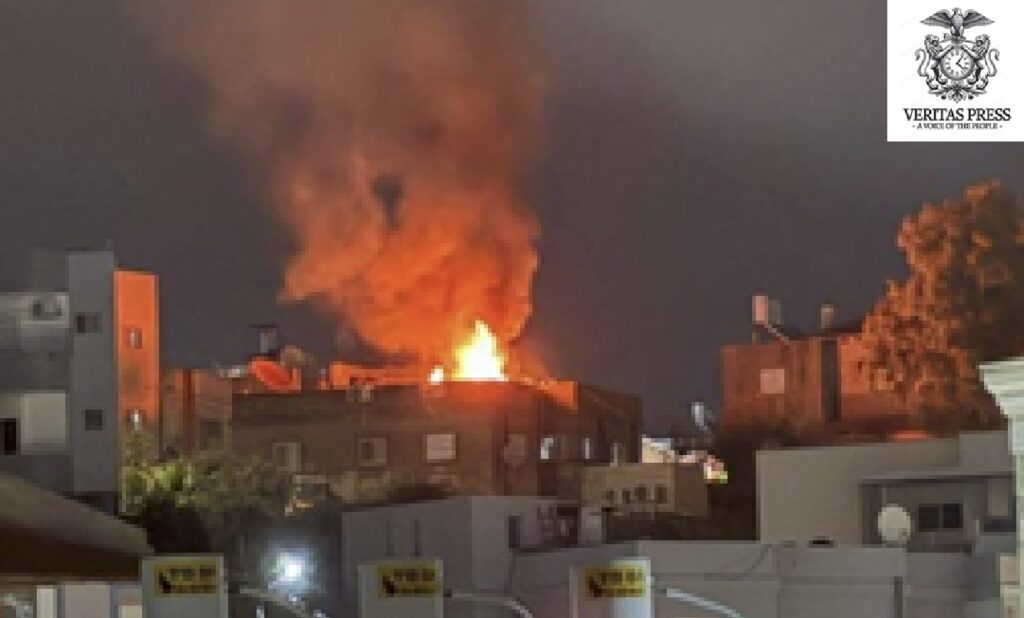
BEIRUT, LEBANON, OCCUPIED PALESTINE — The Middle East is hurtling toward an unprecedented abyss. What
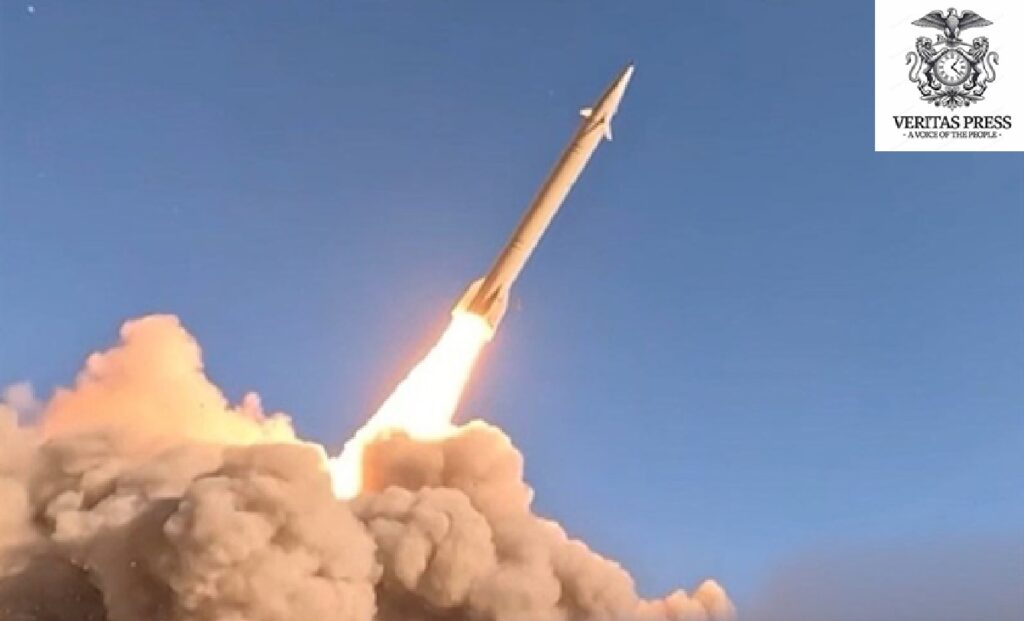
TEHRAN, IRAN – For the past two weeks, the Middle East has been engulfed in
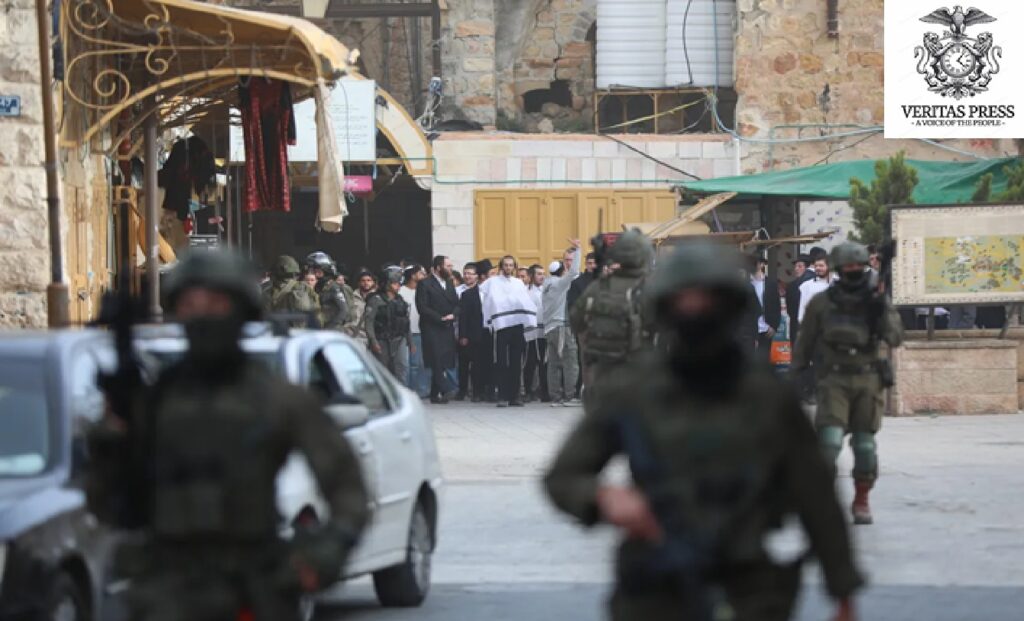
WEST BANK – In the pre-dawn hours of Thursday, March 12, 2026, the occupied West
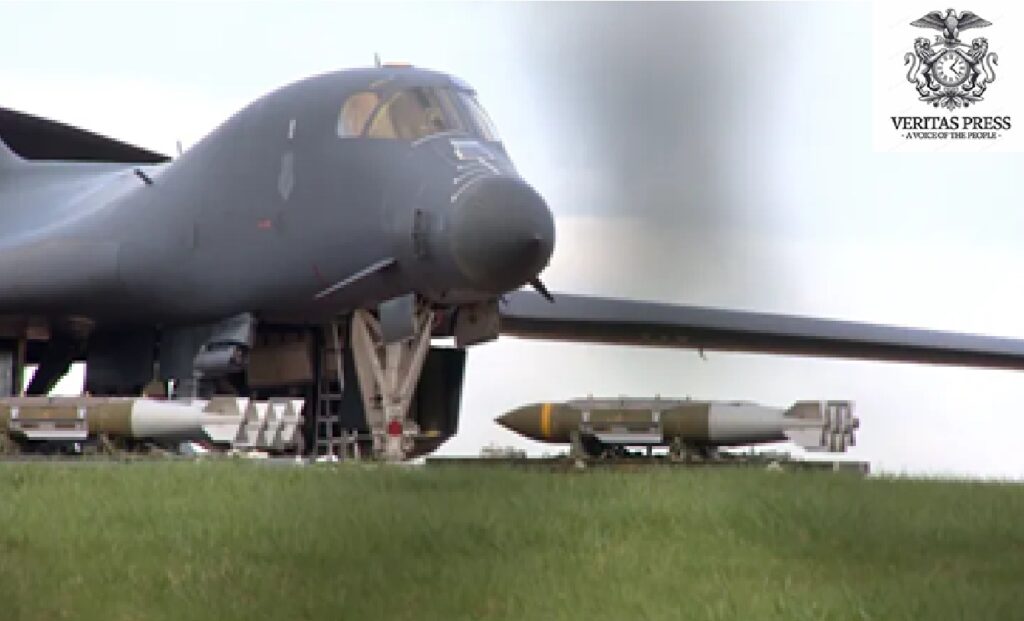
Original Article Date Published: Article Date Modified: Help support our mission, donate today and be
TEHRAN, IRAN – The global economy is holding its breath. Nearly two weeks after the
As the Middle East conflict enters its second week, triggering the largest energy supply disruption
RAMALLAH / JERUSALEM / AMMAN — For the twelfth consecutive day, the gates of the
TEHRAN, IRAN – The early hours of March 11, 2026, marked a significant and dangerous