
Original Article Date Published:
Article Date Modified:
Help support our mission, donate today and be the change. Every contribution goes directly toward driving real impact for the cause we believe in.
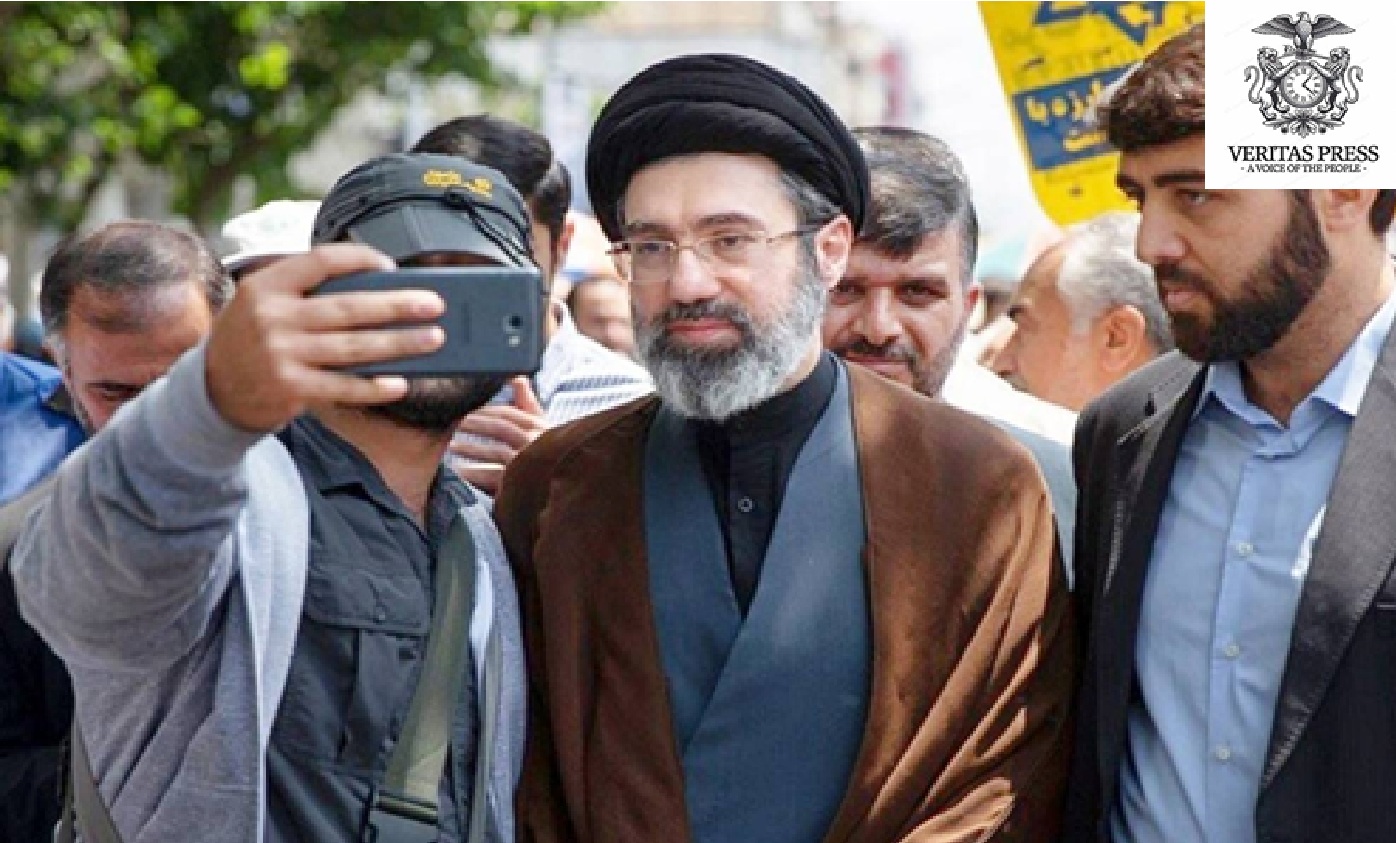
TEHRAN, IRAN — In the smouldering aftermath of the February 28 US-Israeli airstrikes that decapitated the Islamic Republic’s leadership, Iran’s Assembly of Experts has moved with unprecedented speed to fill the vacuum. On March 8, 2026, the body officially appointed Ayatollah Seyyed Mojtaba Hosseini Khamenei as the country’s third Supreme Leader. The 56-year-old cleric, son of the slain leader Ayatollah Ali Khamenei, inherits a nation at war, a region in flames, and a political system grappling with an existential crisis.
While state media hailed the selection as a “decisive vote” and a constitutional necessity, the transition represents a profound and contentious shift in the history of the Islamic Republic. It marks the first time power has passed from father to son, transforming a revolutionary theocracy into an effective dynasty, a move that critics argue betrays the very principles of the 1979 revolution that overthrew the hereditary monarchy of the Shah.
A “Decisive Vote” Under The Shadow Of The IRGC:
Officially, the process adhered to the framework of the constitution. Following Ali Khamenei’s death on February 28, which also claimed the lives of Mojtaba’s wife, Zahra Haddad Adel, his mother, and a sister, a three-member interim council took the helm. The 88-member Assembly of Experts then convened in extraordinary, reportedly secret, sessions to select a permanent successor.
However, accounts emerging from within the assembly paint a picture of a process far removed from religious deliberation. Multiple sources indicate that the selection was heavily influenced, if not dictated, by the Islamic Revolutionary Guard Corps (IRGC).
According to a detailed report, commanders of the IRGC launched a full-scale pressure campaign in the days leading up to the vote. They contacted assembly members directly via phone calls and in-person meetings, urging, and in some cases, demanding, that they back Mojtaba Khamenei. The atmosphere within the meeting was described by some members as “unnatural,” with opponents of the move being given only a limited time to present their arguments before the vote was pushed through. So intense was the pressure that a number of members considered boycotting a follow-up session to protest what they viewed as the militarisation of a religious process.
For the Guards, who have lost key commanders in the ongoing war, Mojtaba represents continuity. As Kasra Aarabi, an expert on the IRGC at United Against Nuclear Iran, noted, “He has a strong constituency and support within the IRGC, in particular amongst the younger radical generations”. In a system reeling from decapitation strikes, the IRGC needed a leader who guaranteed their institutional autonomy and offered a clear line of command. Mojtaba, who served in the IRGC’s Habib Battalion during the Iran-Iraq war and has acted as his father’s “gatekeeper” for decades, was their man. Following the announcement, the IRGC was the first institution to publicly pledge allegiance, signalling where true power in this new era is likely to reside.
The “Enigmatic” Power Broker:
Mojtaba Khamenei has long been described as one of the most influential figures never to hold public office. Born in Mashhad in 1969, he grew up in the slipstream of the Islamic Revolution and his father’s meteoric rise from revolutionary to president and, in 1989, to Supreme Leader.
Unlike his father, who cultivated a public persona as a marja (religious authority), Mojtaba remained a shadowy figure. He studied in the seminaries of Qom, achieving the rank of Hojjatoleslam, a notch below the Ayatollah title held by his father and the founder of the revolution, Ruhollah Khomeini. This lack of senior religious credentials has been a persistent point of contention and a potential vulnerability.
Yet, his power was never theological; it was organisational and financial. Leaked US diplomatic cables from 2007, later published by WikiLeaks, described him as the “man behind the robe,” a key “gatekeeper” who was believed to even monitor his father’s communications and control access to him. His influence first became public during the 2005 presidential election, when rivals accused him of engineering the surprise rise of the hardliner Mahmoud Ahmadinejad. Similar accusations resurfaced during the disputed 2009 election, when protesters chanting “death to Mojtaba” identified him as a key figure in the brutal suppression of the Green Movement.
His power extends deep into the economy. Through a network of bonyads (religious foundations) and holding companies controlled by the Supreme Leader’s office, which analysts estimate oversees as much as 60% of Iran’s economy, Mojtaba is alleged to have built a vast financial empire. A 2026 Bloomberg investigation cited in the provided narratives claims his holdings include high-value real estate in London and Dubai, as well as interests in European shipping and banking, all structured through a labyrinth of intermediaries to obscure ownership. This confluence of security, political, and economic power made him the ultimate insider.
The International Response: Trump’s Bluster And Israel’s Bullet.
The international reaction to Mojtaba’s ascension has been a study in contrasts, revealing a significant rift in strategy between the United States and Israel.
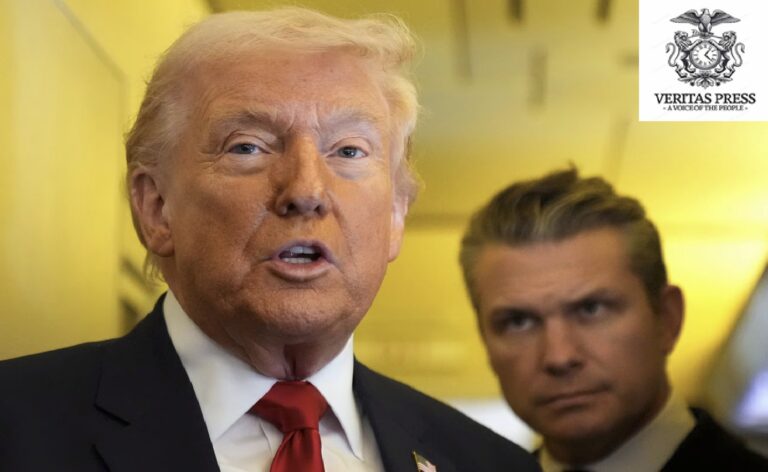
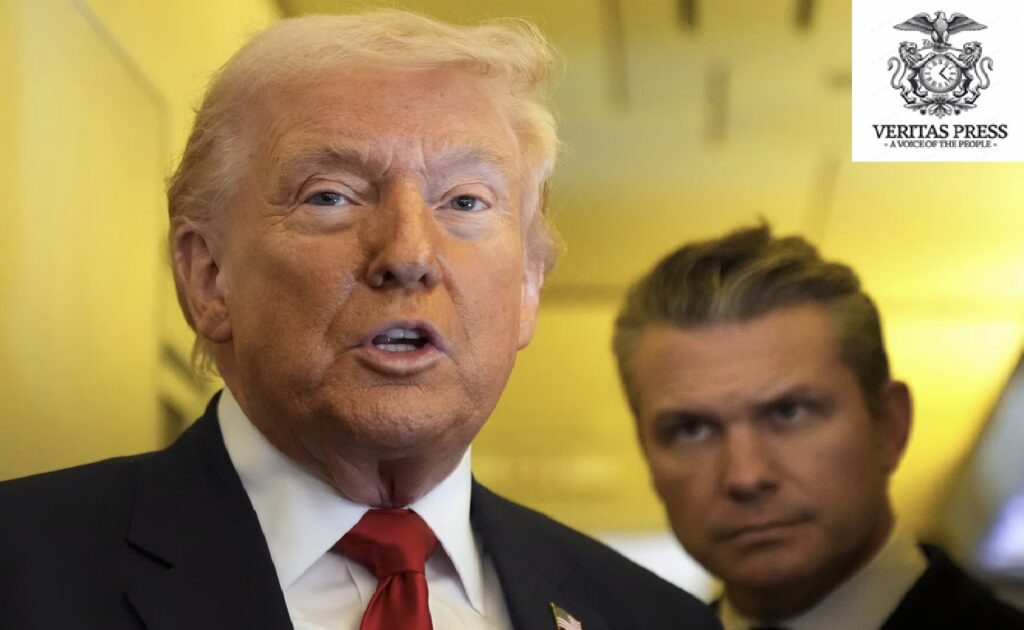
US President Donald Trump, who had previously insisted he should have a role in selecting Iran’s next leader, reacted with surprising caution. After calling Mojtaba a “lightweight” and deeming his appointment “unacceptable” just days prior, his official response was notably muted. In a post on Truth Social, Trump focused on energy markets, stating that temporary oil price increases were a minor cost compared to global stability. He later told Fox News he was “not happy” but that any decision on ending the war would be made “mutually” with Israeli Prime Minister Benjamin Netanyahu.
This measured tone suggests an administration wary of being drawn into a full-scale ground war and conscious of the global economic fallout, with Goldman Sachs warning oil could spike to $150 a barrel. However, his previous rhetoric, “If he doesn’t get approval from us, he’s not going to last long”, hangs over the new leader like a threat, signalling that Washington views the succession as illegitimate and a provocation.
Israel has shown no such restraint. Defence Minister Israel Katz issued a chilling warning on X (formerly Twitter), declaring that any successor chosen by the “Iranian terror regime” would be “a certain target for assassination, no matter his name or where he hides”. The Israeli military followed up with a Farsi-language post on X, directly threatening members of the Assembly of Experts: “We will not hesitate to target you. This is a warning!” For Israel, the appointment of a hardline insider with deep ties to the IRGC, who has opposed any engagement with the West, justifies their policy of “decapitation strikes.” They view him not as a new variable, but as a continuation of the same nuclear and regional ambitions, making him a prime military target.
A Country Under Siege And A Leadership In Hiding:
Mojtaba Khamenei assumes power in a country that is literally under bombardment. Since his father’s death, the US and Israel have expanded their target sets, striking fuel depots in Tehran, sending plumes of black smoke over the capital, and hitting energy infrastructure. Iran has retaliated with drone and missile attacks on Israel and Gulf states, disrupting oil production and threatening global energy supplies.
The human toll is staggering. The AP reports that the war has killed at least 1,230 people in Iran, including over a hundred students in one incident, and has displaced countless others.
Yet, the new leader remains invisible. Mojtaba Khamenei has not been seen or heard from publicly since the war started, raising questions about his safety. Reports suggest he “may already be injured” and that his style of leadership. Will he rule from the shadows, as he did for decades, or will he emerge to rally the nation? As CNN national security analyst Alex Plitsas questioned, “He will go to the microphone and announce a new policy? Will he try to avenge his father’s death?”
Critique And Conclusion: The Dynasty Of Resistance.
The selection of Mojtaba Khamenei is a gamble. Domestically, it risks inflaming a population that has shown, from the 2009 Green Movement to the 2022 protests over Mahsa Amini, a deep-seated opposition to the regime’s rigidity and corruption. The perception of a “hereditary” transfer of power plays directly into the hands of a diaspora opposition, led by figures like Crown Prince Reza Pahlavi, who argue the Islamic Republic has simply replaced one monarchy with another. As one critical voice inside Iran was reported to have said, the decision risks turning the Supreme Leadership into a property passed down within the Khamenei family.
However, for the regime’s hardline core, this is precisely the point. In a moment of maximum external pressure, with US President Trump demanding the right to choose their leader and Israel vowing to assassinate anyone they pick, the Assembly of Experts and the IRGC have closed ranks. By choosing Mojtaba, they have sent a clear message of defiance: we will choose our own, we will not bow, and we will fight.
In a scathing critique that resonates deeply with the regime’s narrative, opponents of the exiled prince argue that Reza Pahlavi’s aspirations for leadership represent not a genuine democratic alternative but rather a foreign-backed project designed to dismember Iran and surrender its sovereignty to Western and Israeli interests. Iranian Intelligence Ministry officials have explicitly accused the United States and Israel of plotting “to install a puppet exile government headed by the disgraced Pahlavi heir” during the June 2025 conflict, describing it as part of “a premeditated and multifaceted war” against the Islamic Republic. This characterisation aligns with a leaked internal strategy document from the IRGC-linked Tasnim News Agency, which instructs media operatives to portray Pahlavi not as a legitimate political actor but as a “Western-backed media instrument” and ultimately a “puppet” whose statements serve merely to provide media coverage of unrest rather than genuine leadership. Critics point to Pahlavi’s residency in the United States since age 18, his frequent addresses to Western audiences in English, and his explicit calls for US military intervention, including his recent urging of President Trump to attack Iran, as evidence that his vision places foreign patronage above national sovereignty. Inside Iran, this narrative finds resonance among protesters who explicitly reject both clerical rule and monarchist alternatives, with demonstrators chanting “We don’t want a king, we don’t want a mullah” and expressing fear that foreign media coverage has reduced their uprising to “the agenda of monarchists abroad”. For these Iranians, the Pahlavi project threatens to replicate the historical pattern of the 1953 CIA-backed coup that restored the Shah’s autocratic rule, this time dressed in the language of democracy but serving the same underlying purpose: securing Western access to Iran’s resources and strategic position. The regime’s messaging apparatus amplifies these fears by invoking historical grievances, including detailed documentation of Pahlavi family wealth accumulated through land seizures and the infamous Pahlavi Foundation, which critics argue represents the original plunder of Iranian assets now held in foreign bank accounts and Western real estate. From this perspective, the exiled prince’s campaign is not about liberating Iran but about completing a cycle of foreign domination, installing a leader who would owe his position not to the Iranian people but to the same US-Israeli axis that, as the regime argues, seeks to “divide and sell the land” through economic concessions, normalization with Israel, and the dismantling of Iran’s regional influence
As the Hong Kong-based analysis pointed out, “Iran is not Venezuela”. By selecting the son of the slain leader, the regime has bet that nationalism, revolutionary zeal, and the iron fist of the IRGC can outweigh the deep-seated grievances of its people. Mojtaba Khamenei, the shadowy power broker, now must step into the light, or risk being consumed by the firestorm his father’s death has ignited. The coming weeks will reveal whether he is merely a placeholder for the IRGC or a leader capable of steering a nation through its most perilous hour since 1979.
Source: Multiple News Agencies
Submissions:
For The Secure Submission Of Documentation, Testimonies, Or Exclusive Investigative Reports From Any Global Location, Please Utilise The Following Contact Details For Our Investigations Desk: enquiries@veritaspress.co.uk or editor@veritaspress.co.uk
Help Support Our Work:
Popular Information is powered by readers who believe that truth still matters. When just a few more people step up to support this work, it means more lies exposed, more corruption uncovered, and more accountability where it’s long overdue.
Help Protect Independent Journalism, Which Is Currently Under Attack.
If you believe journalism should serve the public, not the powerful, and you’re in a position to help, becoming a DONATOR or a PAID SUBSCRIBER truly makes a difference.
DONATION APPEAL: If You Found This Reporting Valuable, Please Consider Supporting Independent Journalism.
Help Support Our Work – We Know, We Know, We Know …
Seeing these messages is annoying. We know that. (Imagine what it’s like writing them … )
Your support fuels our fearless, truth-driven journalism. In unity, we endeavour to amplify marginalised voices and champion justice, irrespective of geographical location.
But it’s also extremely important. One of Veritas Press’s greatest assets is its reader-funded model.
1. Reader funding means we can cover what we like. We’re not beholden to the political whims of a billionaire owner. We are a small, independent and impartial organisation. No one can tell us what not to say or what not to report.
2. Reader funding means we don’t have to chase clicks and traffic. We’re not desperately seeking your attention for its own sake: we pursue the stories that our editorial team deems important and believe are worthy of your time.
3. Reader Funding: enables us to keep our website and other social media channels open, allowing as many people as possible to access quality journalism from around the world, particularly those in places where the free press is under threat.
We know not everyone can afford to pay for news, but if you’ve been meaning to support us, now’s the time.
Your donation goes a long way. It helps us:
- Keep the lights on and sustain our day-to-day operations
- Hire new, talented independent reporters
- Launch real-time live debates, community-focused shows, and on-the-ground reporting
- Cover the issues that matter most to our communities, in real time, with depth and integrity
We have plans to expand our work, but we can’t do it without your support. Every contribution, no matter the size, helps us stay independent and build a truly people-powered media platform.
If you believe in journalism that informs, empowers, and reflects the communities we serve, please donate today.
WASHINGTON, US – The United States and Israel are deepening their military campaign against Iran,
JERUSALEM — In the narrow, winding streets of the Old City, the silence is deafening.
GAZA CITY — Israel’s continued closure of Gaza’s border crossings for more than ten consecutive
TEHRAN, IRAN — In the smouldering aftermath of the February 28 US-Israeli airstrikes that decapitated
Tehran, Iran – The sudden death of Ayatollah Ali Khamenei in the joint US-Israeli strikes
LONDON, UK – As the Middle East conflict entered its eighth day, the ominous silhouette
The sun rises over a shattered Tehran, not over the majestic Alborz mountains, but over
GAZA CITY / CAIRO — Despite the partial reopening of the Kerem Shalom Crossing this
WASHINGTON – As the opening salvos of Operation Epic Fury echoed across the Middle East,
The third Friday of Ramadan is typically a day when the ancient stones of Hebron’s