

Original Article Date Published:
Article Date Modified:
Help support our mission, donate today and be the change. Every contribution goes directly toward driving real impact for the cause we believe in.
A Conflict Without Boundaries:
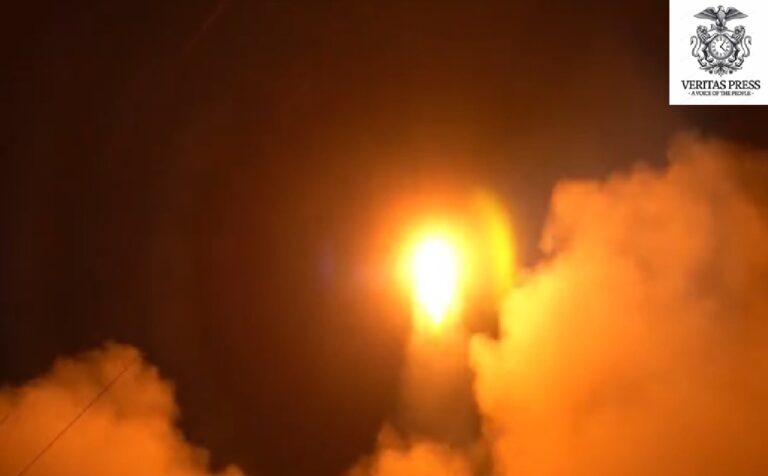
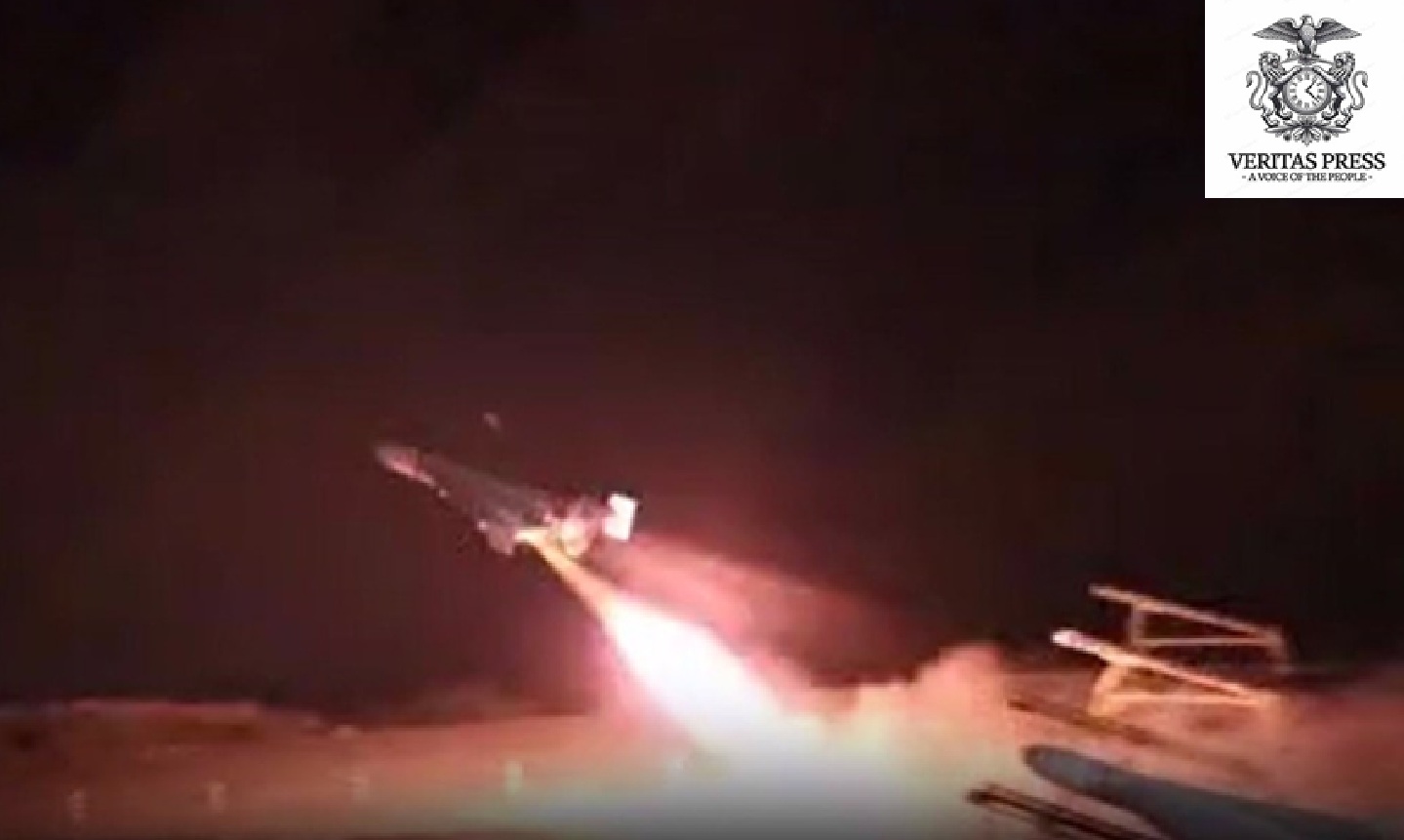
TEHRAN, IRAN – In the early hours of Thursday, the Islamic Revolutionary Guard Corps (IRGC) launched what it called the “most extensive” wave of retaliatory strikes against US-Israeli coalition assets across the Middle East, the 82nd wave of such an operation since the conflict erupted on February 28. According to the semi-official Tasnim news agency, the strikes targeted American military installations in Kuwait, Saudi Arabia, and Bahrain, including the Arifjan base in Kuwait, Al-Kharj in Saudi Arabia, and the Sheikh Isa base in Bahrain. The operation, designated as the fourth phase of the “True Promise” campaign, employed loitering munitions and kamikaze drones to devastate what the IRGC described as US Defence Logistics sites, Patriot radar systems, fuel depots, and hangars housing MQ-9 Reaper drones and P8 surveillance aircraft.
The IRGC’s statement, released Thursday morning, framed the assault as retaliation for earlier airstrikes against critical infrastructure and civilian facilities throughout Iran. “The response against the large-scale aggression will continue until the hands of aggressors and tyrants are cut off from the region,” the statement declared, “and genuine peace and stability are restored.”
Yet beneath the martial rhetoric and the familiar choreography of missile launches and target lists lies a far more complex and troubling reality. What began as a targeted assassination, the killing of Iran’s Supreme Leader Ayatollah Seyed Ali Khamenei alongside several high-ranking military commanders and civilians on February 28, has metastasised into a regional conflagration that is fundamentally reshaping the geopolitical architecture of the Middle East. With over 1,340 Iranians killed in the initial US-Israeli strikes, according to Iranian government figures, and more than 5,229 Israelis wounded in the ensuing retaliatory campaigns, according to Israel’s Health Ministry, the human toll continues to mount with no end in sight.
This article argues that the current conflict represents not merely another escalation in the long-running Iran-Israel shadow war, but rather a decisive rupture in the regional order that has prevailed since the 1990s. Through a critical investigation of military claims, economic impacts, diplomatic manoeuvring, and the experiences of ordinary people caught in the crossfire, it becomes evident that all parties are navigating uncharted waters and that the strategies they have employed may be producing outcomes none of them fully anticipated or desire.
The 82nd Wave: Anatomy Of A Claim – Deconstructing The Official Narrative
The IRGC’s announcement of the 82nd wave of operations warrants careful scrutiny, not to dismiss its factual basis, but to understand how military organisations construct narratives of victory and retaliation. According to the IRGC statement, the strikes “devastated” designated US interests across multiple Gulf states, including “US Defense Logistics Site (kGL), the Patriot radar systems in Bahrain’s Sheikh Isa region, support fuel depots of the US military, a hangar for P8 surveillance aircraft, a hangar for MQ-9 Reaper combat drones, and a satellite communications dish for drones deployed at Ali al-Salem airbase.”
In a separate communication, the IRGC claimed that fighters from the “Axis of Resistance”, a coalition of Iran-aligned groups including Lebanese Hezbollah, Iraqi militias, and Yemen’s Houthis movement, conducted 230 operations in the past 24 hours alone. The breakdown provided by Iranian state media is precise: 87 operations by Hezbollah, 23 by the Iraqi Islamic Resistance group, and 110 by the Iranian Armed Forces.
Yet independent verification of these claims remains elusive. US Central Command (CENTCOM) has not released official statements confirming damage to the named facilities, and Gulf Arab states, which maintain complex relationships with both Washington and Tehran, have offered only cautious, non-committal responses. Kuwait’s Ministry of Defence issued a brief statement saying it was “monitoring the situation” but did not confirm or deny that the Arifjan base had been struck. Saudi Arabia’s state news agency made no mention of the Al-Kharj district attacks, maintaining a studied silence that reflects Riyadh’s precarious balancing act between its formal alliance with the United States and its recent rapprochement with Iran, brokered by China in 2023.
The Information War:
What becomes clear is that the “82nd wave” exists as much in the realm of information warfare as in the physical domain. The IRGC’s detailed enumeration of targets, down to the specific models of aircraft and radar systems, serves multiple purposes. It demonstrates intelligence penetration to domestic audiences, signals technical sophistication to adversaries, and attempts to shape international perceptions of the conflict’s scope and Iranian capabilities.
Yet the very specificity of the claims invites scepticism. “When a military organisation releases target lists with this level of granularity immediately after an operation, you have to question whether operational security has been sacrificed for propaganda value,” observes Dr. Sanam Vakil, director of the Middle East and North Africa programme at Chatham House, in an interview with this writer. “Either they are extraordinarily confident in their intelligence and strike capabilities, or some of this is being amplified for domestic and regional consumption.”
The IRGC’s dedication of the strikes to “honourable and heroic Iranians in the northern provinces of East Azarbaijan, Ardabil, Gilan, Mazandaran and Golestan” also merits examination. These provinces, located along the Caspian Sea coast, have been sites of significant anti-government protests in recent years, particularly during the 2022 “Woman, Life, Freedom” uprising. By framing the strikes as a tribute to residents of these regions, the IRGC seeks to reclaim nationalist sentiment and position itself as the defender of all Iranians, a rhetorical move that obscures the deep domestic divisions that persist within the country.
The February 28 Catalyst: Assassination And Aftermath – Unpacking the Trigger
Any serious analysis of the current conflict must grapple with the events of February 28, which the IRGC describes as the moment the United States and Israel launched “an extensive and unprovoked military campaign” against Iran. According to Iranian government sources, the joint US-Israeli air offensive killed Ayatollah Seyed Ali Khamenei, along with several high-ranking military commanders and civilians. Total Iranian casualties from that initial assault and subsequent strikes are now estimated at over 1,340 dead, though independent verification of these figures remains impossible due to restrictions on foreign journalists and the Iranian government’s control over casualty reporting.
The killing of a sitting head of state represents a dramatic escalation that has few precedents in modern international relations. Yet the international community’s response has been muted, reflecting the deep polarisation that characterises contemporary geopolitics. Western governments, led by the United States, have neither confirmed nor denied responsibility for the assassination, a silence that speaks to the sensitivity of the operation and the legal and diplomatic risks it entails.
“The targeting of a head of state is a threshold event that fundamentally alters the nature of any conflict,” notes Professor Maryam Razavi, an expert on international law at the University of Tehran, in a commentary published on the Iranian legal website Dadgaran. “Under international law, the assassination of a political leader constitutes an act of war, and the responding state is entitled to exercise its right to self-defence under Article 51 of the UN Charter. The question is whether the response remains proportionate, and whether the international community will apply the same standards to both sides.”
Civilian Casualties And The Human Toll:
Among the over 1,340 Iranians reported killed in the initial strikes were civilians in Khorramshahr, the southwestern city that Iranian authorities cite as a key justification for the 82nd wave. “The attacks on Khorramshahr were not military operations; they were massacres,” an IRGC statement claimed, without providing further details.
Local residents interviewed by Iranian media paint a picture of chaos and fear. “I was in my home when the first explosion hit,” said Maryam Hosseini, a 42-year-old teacher in Khorramshahr, speaking to the reformist newspaper Shargh. “The windows shattered, and my neighbour’s house collapsed. We didn’t know what was happening or who was attacking. There was no warning, no evacuation order. People were running in the streets with their children, not knowing where to go.”
Such accounts, while impossible to independently verify, underscore a critical dimension of the conflict that is often lost in military communiques and strategic analyses: the experience of ordinary people who have become unwilling participants in a war they did not choose. On the Israeli side, the toll is similarly devastating. Israel’s Health Ministry reports 5,229 wounded since the conflict began, with 114 currently hospitalised, including 14 in serious condition. The Institute for National Security Studies estimates at least 19 Israelis have been killed, though authorities have imposed strict controls on information related to Iranian strikes, limiting media coverage and restricting the publication of sensitive footage.
“The media restrictions make it very difficult for us to understand the full scope of what’s happening,” says Oren Ziv, a journalist with the independent Israeli news outlet +972 Magazine. “The government is concerned about morale and about operational security, but there’s also a concern about revealing the extent to which the Iron Dome system has been strained or breached. We’re getting fragmentary information at best.”
The Maritime Front: The Strait Of Hormuz Crisis – A Waterway Closed
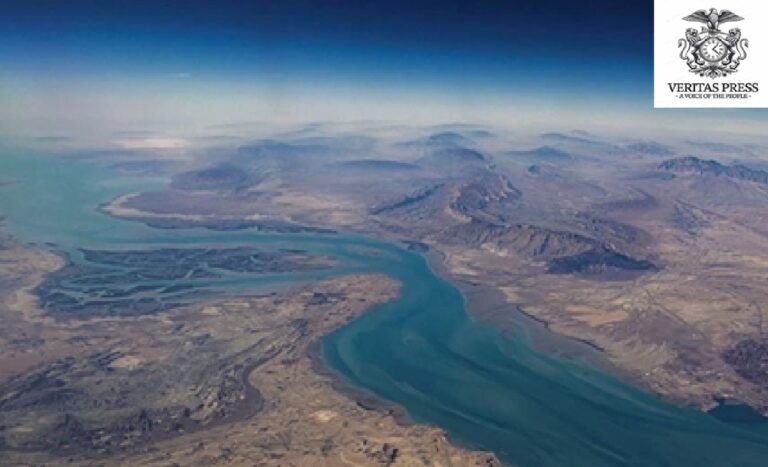
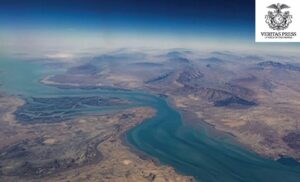
Perhaps the most significant development in the conflict, and the one with the most far-reaching global implications, has been the effective closure of the Strait of Hormuz, the narrow waterway through which approximately 20% of global oil trade normally passes. According to data from MarineTraffic, the real-time ship tracker, around 1,900 commercial vessels remain stranded in the vicinity of the strait, including 211 crude oil tankers carrying approximately 190 million barrels of crude.
Iran has not officially declared the Strait closed, but it has imposed new rules that amount to the same outcome. “The Iranian side changed the rules of the strait,” said Ebrahim Zolfaqari, spokesperson for the unified command of Iran’s armed forces, Khatam al-Anbiya Central Headquarters. “No entity linked to the US and Israel has a right to pass.” Under the new regime, vessels from countries other than the US and Israel may transit so long as they do not participate in or support the aggression against Iran and fully comply with security and safety regulations.
The impact on global shipping has been immediate and severe. Since February 27, the Baltic Dirty Tanker Index, which measures the cost of shipping crude oil, has risen 49%, while the Baltic Clean Tanker Index, for refined products, has surged 78%. Freight rates in the container market have also spiked dramatically, adding inflationary pressures to an already fragile global economy.
“The closure of the Strait of Hormuz is one of those events that economists and security analysts have worried about for decades but never expected to actually happen,” says Filipe Gouveia, maritime analysis director at the Baltic and International Maritime Council, in an interview with Anadolu. “The impact on freight rates depends on how long the situation lasts, but alternative land routes simply don’t have the capacity to replace maritime transit through the strait. We’re looking at a fundamental disruption of global supply chains.”
Regional Alternatives: The Development Road Project.
The crisis in the strait has lent new urgency to long-discussed alternatives to maritime chokepoints. Among these, the Development Road Project, a multimodal transport route from Iraq’s Gulf coast through Türkiye to Europe, has emerged as a potential land-based complement to the disrupted sea lanes.
The project, which envisions a network of railways, highways, and logistics hubs extending from the Port of Al-Faw in the Basra Gulf through Iraq to Türkiye and onward to Europe, has been discussed for years but has gained new momentum amid the current crisis. Turkish officials, who have long positioned their country as a critical transit hub between Asia and Europe, see the project as an opportunity to strengthen regional connectivity and diversify trade routes away from vulnerable maritime chokepoints.
“Wars are not confined to battlefields; they also extend into economic and logistical networks,” a Turkish government analysis of the situation noted. “The Development Road Project is not merely a commercial transport project but a strategic land corridor with the potential to reshape global supply chains.”
Yet significant obstacles remain. Political instability in Iraq, financing challenges, and regional competition from existing initiatives, including China’s Belt and Road Initiative and the India-Middle East-Europe Corridor, all pose substantial barriers to implementation. Moreover, the project’s viability depends on a level of regional cooperation that the current conflict seems designed to undermine.
Geopolitical Repercussions: The Greek Islands Controversy – A Proposal That Reveals Deep Anxieties
As the conflict widens, a parallel drama has unfolded in the Eastern Mediterranean that reveals the depth of Israeli security anxieties and the complex web of regional relationships that the war is reshaping. Reports have emerged of a proposal, backed by a former Israeli defence minister, to acquire Greek islands as an emergency evacuation site for Jewish citizens in the event of a worst-case security scenario.
The initiative, reportedly advanced by a representative from the Blue and White party linked to former Defence Minister Benny Gantz, involved exploring the purchase of territory using funds from the Jewish National Fund (JNF). The proposal, which came before the JNF’s board, envisioned developing infrastructure on uninhabited Greek islands to serve as a sanctuary for civilians in the event of war or major disaster.
Avri Steiner, a board member of Himnuta, a JNF subsidiary, openly linked the idea to growing security concerns about Iran’s ballistic missile capabilities. Yet the proposal faced immediate resistance within the JNF’s governance structure, with the majority of board members rejecting it on the grounds that acquiring land abroad falls outside the organisation’s core mandate.
Regional Reactions:
The Greek government, grappling with economic challenges, has previously considered long-term leases for certain islets through the country’s asset development fund. But the idea of Israeli acquisition of Greek territory has raised eyebrows in Athens and beyond. Türkiye, which maintains a close watch on military and strategic developments in its maritime neighbourhood, has not officially commented on the proposal, but analysts suggest it would view any such acquisition with deep suspicion.
“Any acquisition of territory by a foreign state in the Aegean would carry significant implications for regional stability,” says Dr. Ozgur Unluhisarcikli, director of the German Marshall Fund’s Ankara office. “Türkiye has long-standing disputes with Greece over maritime jurisdiction in the Aegean, and the introduction of a third party, particularly one engaged in an active war, would dramatically complicate an already delicate situation.”
The controversy underscores a broader reality: the current conflict is generating ripple effects far beyond the immediate battlefield, reshaping alliances, reopening old disputes, and forcing countries across the region to reassess their security postures.
The Information War: Claims, Counter-Claims, And Accountability – Analysing Official Statements
In any armed conflict, the gap between official claims and ground truth can be substantial. In the current conflict, this gap is particularly wide, with all parties having strong incentives to exaggerate successes and minimise setbacks.
The IRGC’s claim of having devastated multiple US military installations across three Gulf states, for example, raises obvious questions. US forces in the Gulf operate under robust air defence coverage, and the Patriot systems the IRGC claims to have struck are specifically designed to intercept the kind of loitering munitions Iran says it employed. Without independent confirmation, which neither US Central Command nor the Gulf states in question have provided, the IRGC’s claims must be treated with caution.
Similarly, Israeli claims regarding Iranian casualties and damage must be weighed against the restrictions on information imposed by Israeli authorities. “The lack of transparency is concerning from both an accountability perspective and a public safety perspective,” says Sarah Leah Whitson, executive director of Democracy for the Arab World Now (DAWN), a human rights organisation. “When governments control the flow of information about military operations, it becomes very difficult for civilians to make informed decisions about their safety or for the international community to assess compliance with international humanitarian law.”
The Role Of The Media:
The media environment in which the conflict is being reported has itself become a battlefield. Iranian state media present the IRGC’s strikes as heroic acts of resistance against foreign aggression, while Western outlets often frame the same operations through the lens of Iranian aggression and regional destabilisation. Independent journalism, already under pressure in many countries, has become increasingly constrained by security considerations, political pressure, and the sheer difficulty of accessing conflict zones.
“There’s a real challenge in covering this conflict because the information war is so intense,” says Rana Sabbagh, a veteran Jordanian journalist and former executive director of the Arab Reporters for Investigative Journalism network. “You have official sources on all sides making claims that are impossible to verify independently. Social media is full of footage that may or may not be from the conflict zone, may or may not be current, and may or may not be authentic. It requires an enormous amount of diligence to separate fact from fiction.”
The Human Cost: Beyond The Statistics – Voices From The Ground
Behind the military communiques and geopolitical analyses lie the experiences of ordinary people whose lives have been upended by the conflict. In Iran, where the government has imposed strict controls on information, accounts from residents of affected areas provide glimpses of the human toll.
“My brother was killed in the strikes on Khorramshahr,” said Ali Rezaei, a 28-year-old construction worker, speaking to the reformist newspaper Etemad. “He was not a soldier, not a politician, just a normal person trying to live his life. The government says we will have revenge, but revenge will not bring him back. It will only mean more families like mine losing people they love.”
In Israel, where media restrictions have limited coverage of Iranian strikes, residents of affected areas have taken to social media to share their experiences. “We heard the sirens and ran to the shelter,” wrote a resident of Haifa on Twitter, in a post that was later deleted. “The explosion was so close I could feel the heat through the walls. My children are terrified. They can’t sleep. They ask me every day if the missiles will come again tonight.”
These individual accounts, while anecdotal, point to a collective trauma that will have lasting consequences long after the shooting stops. Psychologists warn that the constant threat of attack, the disruption of daily life, and the loss of loved ones will leave deep scars on the affected populations.
The Displacement Crisis:
Though not yet widely reported, the conflict has also begun to generate displacement. In southern Lebanon, where Hezbollah has conducted 87 operations against Israeli positions according to the IRGC’s count, residents of border areas have begun moving north to escape the crossfire. In Iraq, the resumption of militia attacks on US targets has raised fears of a return to the violence that plagued the country after the 2003 invasion.
“The displacement we’re seeing is still localised, but the pattern is concerning,” says Imran Riza, UN Deputy Special Coordinator for Lebanon, in a statement to the Security Council. “If the conflict expands, we could see significant population movements that would strain already fragile host communities and potentially destabilise the region further.”
A War Of Choice: The Strategic Calculus – The IRGC’s Framing
In its statement announcing the 82nd wave, the IRGC described the conflict as “a war of choice by the United States, the Israeli regime and their regional allies.” This framing, that the United States and Israel chose to initiate the conflict through the February 28 assassination, is central to Iran’s justification of its retaliatory campaign.
But is it accurate to describe the conflict as a war of choice for the United States? The US government has not formally acknowledged responsibility for the assassination of Ayatollah Khamenei, and it is possible that the decision was made by Israel without advance consultation with Washington. If that is the case, the United States may find itself drawn into a conflict it neither chose nor anticipated, a scenario with obvious parallels to previous US entanglements in the region.
“I think there’s a real question about how much control the United States actually has over events at this point,” says Dr. Jon Alterman, director of the Middle East Program at the Centre for Strategic and International Studies. “If Israel made the decision to target Khamenei without clearing it with Washington, then the United States is effectively being dragged into a war by a partner. That’s a very different situation than a deliberate decision to go to war with Iran, and it has different implications for US strategy going forward.”
The Israeli Calculus:
For Israel, the strategic logic of the February 28 assassination appears rooted in a long-standing belief that regime change in Iran is necessary to eliminate the threat of nuclear weapons development and Iranian support for anti-Israeli militant groups. Yet the results of the assassination, the killing of a head of state, the eruption of open warfare, and the closure of the Strait of Hormuz suggest that the anticipated outcomes may not match the reality.
“The Israeli security establishment has been debating the Iran question for decades,” says Dr. Efraim Inbar, president of the Jerusalem Institute for Strategy and Security. “There are those who argue that only direct action can stop Iran’s nuclear program and its regional ambitions. But the current situation demonstrates that even a successful strike can have unintended consequences. The Iranian response has been more extensive and more coordinated than many anticipated, and the regional situation is more volatile than at any time since 1973.”
Regional Responses: The Gulf States’ Dilemma – Caught Between Allies.
For the Gulf Arab states, the current conflict presents an acute dilemma. Formally allied with the United States, they host US military facilities that are now being targeted by Iranian strikes. Yet they have also, in recent years, pursued rapprochement with Iran, recognising that their long-term security requires some accommodation with the Islamic Republic.
Saudi Arabia’s silence regarding the reported strikes on Al-Kharj is telling. By neither confirming nor denying the attacks, Riyadh avoids being drawn into an escalating cycle of retaliation while signalling to Tehran that it does not wish to become a direct belligerent. The United Arab Emirates, which hosts US forces at Al-Dhafra Air Base, has similarly refrained from commenting on Iranian threats.
“The Gulf states are in an impossible position,” says Dr. Kristian Coates Ulrichsen, a fellow at Rice University’s Baker Institute. “They depend on the United States for security guarantees, but they also recognise that the US is not as reliable a partner as it once was. They have been trying to hedge their bets by engaging with Iran, and now that strategy is being tested in the most dramatic way possible.”
Türkiye’s Role As Mediator:
Amid the escalating conflict, Türkiye has emerged as a voice for de-escalation and diplomacy. Turkish officials have repeatedly warned that the cycle of strikes and counter-strikes threatens to destabilise the entire region, with consequences that will be felt far beyond the Middle East.
“Ankara has consistently emphasised that only a negotiated settlement can halt the bloodshed and protect the sovereignty of all nations in the region,” said a Turkish foreign ministry official, speaking on condition of anonymity. “We are in contact with all parties and urging them to prioritise dialogue over further military action.”
Türkiye’s role as a potential mediator is complicated by its own complex relationships with the parties to the conflict. A NATO member, Türkiye is formally allied with the United States, but it has also maintained working relationships with Iran and has been critical of Israeli policies toward Palestinians. Whether Ankara can translate its geographic and diplomatic position into effective mediation remains to be seen.
The Economic Front: Oil, Trade, And Global Stability – Energy Markets In Turmoil
The closure of the Strait of Hormuz has sent shockwaves through global energy markets. With approximately 190 million barrels of crude oil stranded aboard tankers and alternative supply routes constrained by capacity limitations, oil prices have spiked dramatically. The International Energy Agency has warned of potential supply disruptions that could push prices even higher.
The impact is being felt far beyond the Middle East. European economies, already struggling with energy insecurity following Russia’s invasion of Ukraine, now face the prospect of further price increases. Asian economies, heavily dependent on Gulf oil imports, are scrambling to secure alternative supplies. Even the United States, a net oil exporter, is feeling the effects through higher gasoline prices and increased volatility in energy markets.
“We are looking at a potential supply shock of historic proportions,” says Fatih Birol, executive director of the International Energy Agency. “The closure of the Strait of Hormuz removes 20% of global oil trade from the market with no immediate replacement. Even if alternative routes can eventually compensate, the transition will be painful and will have significant economic consequences.”
Global Supply Chains:
Beyond oil, the disruption of maritime trade through the Persian Gulf is affecting global supply chains for a wide range of goods. Container ships carrying everything from electronics to food have been delayed or rerouted, adding costs and delays to global trade.
The impact on food security is particularly concerning. Countries in the Gulf region import the vast majority of their food, and disruptions to shipping could lead to shortages and price spikes. The United Nations World Food Programme has warned that food insecurity could increase across the region if the conflict continues.
“The humanitarian implications of this conflict extend far beyond the immediate casualties,” says David Beasley, executive director of the World Food Programme. “When supply chains are disrupted, food prices rise. When food prices rise, people go hungry. When people are hungry, instability increases. This is a cycle we’ve seen before, and it can have devastating consequences.”
The Nuclear Dimension: A New Phase Of Proliferation Risk? – Targeting Nuclear Facilities
One of the more alarming aspects of the IRGC’s statement is the claim that the 82nd wave of strikes hit “industries related to the Israeli regime’s nuclear program near the Dead Sea.” If accurate, this would represent a significant escalation in targeting, bringing nuclear-related facilities into the direct line of fire for the first time.
Israeli officials have not confirmed or denied the strikes, maintaining the policy of ambiguity that has long characterised Israel’s approach to its nuclear program. But the targeting of nuclear-related facilities raises the spectre of a conflict that could spin out of control, with potentially catastrophic consequences.
“Once nuclear facilities become targets, the risk of escalation becomes exponentially greater,” says Dr. Chen Kane, director of the Middle East Nonproliferation Program at the James Martin Centre for Nonproliferation Studies. “Even if the strikes themselves do not cause a nuclear release, the perception that such facilities are vulnerable could push states to reconsider their nuclear postures. We could be entering a new and dangerous phase of proliferation dynamics in the region.”
Iran’s Nuclear Program:
The conflict also raises questions about the future of Iran’s nuclear program. Prior to February 28, Iran had been engaged in indirect negotiations with the United States over a possible return to compliance with the Joint Comprehensive Plan of Action (JCPOA), the nuclear agreement that the Trump administration abandoned in 2018. Those negotiations are now effectively dead, and Iran has signalled that it may accelerate its nuclear activities.
“The assassination of the Supreme Leader has fundamentally changed the domestic political calculus in Iran,” says Ali Vaez, Iran project director at the International Crisis Group. “Even if the government wanted to return to negotiations, which is doubtful, the political cost would be prohibitive. The hardliners who have always opposed the JCPOA are now in ascendance, and they see this conflict as proof that engagement with the West is futile.”
The Way Forward: Scenarios And Possibilities – Escalation Scenarios
As the conflict continues, analysts have begun sketching possible scenarios for how it might unfold. The most pessimistic scenario envisions a full-scale regional war, with Iran targeting US and Israeli assets across the region, the United States and Israel launching strikes on Iranian nuclear facilities and leadership targets, and the conflict drawing in regional actors like Hezbollah, Hamas, and the Houthis.
In this scenario, the closure of the Strait of Hormuz would become permanent, global oil prices would spike to historic highs, and the humanitarian consequences would be catastrophic. The risk of miscalculation or unintended escalation would be high, and the potential for the conflict to spread beyond the region would be significant.
De-Escalation Pathways:
More optimistic scenarios envision a de-escalation through a combination of diplomatic pressure, military restraint, and the recognition by all parties that further escalation serves no one’s interests. Türkiye’s mediation efforts, the UN Security Council’s calls for restraint, and the behind-the-scenes diplomacy of Gulf states could create the conditions for a ceasefire and eventual negotiations.
Yet even in the most optimistic scenario, the damage already done to regional stability will take years to repair. The assassination of a head of state, the open warfare between Iran and Israel, and the closure of the Strait of Hormuz are not events that can be easily reversed or forgotten. The region will be living with the consequences of the February 28 attacks for a generation.
The Role Of The International Community:
The international community’s response to the crisis has been muted, reflecting the divisions that characterise contemporary geopolitics. The UN Security Council has issued statements calling for restraint but has been unable to agree on stronger measures due to the veto power of permanent members with interests in the conflict.
“The international system is not well equipped to deal with a conflict of this nature,” says Richard Gowan, UN director at the International Crisis Group. “The Security Council is paralysed by divisions between the US and Russia, and there is no consensus on how to address the underlying issues that drive the conflict. We are seeing the limits of the post-Cold War international order.”
Conclusion: A New Middle East
As the IRGC’s 82nd wave of strikes continues, and as the conflict shows no signs of abating, one thing has become clear: the Middle East of February 27, before the assassination of Ayatollah Khamenei, no longer exists. The old rules of engagement, the shadow war that allowed Iran and Israel to compete without open conflict, the careful balancing act of Gulf states between the US and Iran, all have been shattered.
What will replace them remains uncertain. The IRGC’s promise that the response will continue “until the hands of aggressors and tyrants are cut off from the region” suggests that Iran is committed to a prolonged conflict. The Israeli and US commitment to preventing Iran from acquiring nuclear weapons and supporting anti-Israeli groups suggests that they, too, are prepared for a long fight. The Gulf states, caught between their allies and their neighbours, face impossible choices. The global economy is already feeling the pain of disrupted trade routes and spiking energy prices.
For the ordinary people of the region, the 1,340 Iranian families who lost loved ones in the initial strikes, the 5,229 Israelis wounded in the retaliation, the millions whose lives have been disrupted by economic turmoil and the fear of further escalation, the conflict is not a matter of strategy or geopolitics. It is a lived reality of loss, fear, and uncertainty.
“This is not a war that anyone will win,” said Fatima Al-Mansouri, a 54-year-old schoolteacher in Dubai, whose daughter is stranded on one of the container ships held up in the Persian Gulf. “We are all losing. Every day, more people die, more families are destroyed, and more of the future we were building for our children is taken away. And for what? For what purpose? No one can tell me.”
The IRGC’s 82nd wave is, by its own account, a response to an earlier attack. That attack was a response to something that came before, which was a response to something before that. The cycle of retaliation has its own logic, its own momentum, its own terrible inevitability. To break it would require something that all parties seem unable or unwilling to contemplate: a recognition that violence, no matter how justified it appears in the moment, ultimately serves no one.
As the missiles continue to fly, as the ships remain stranded, as the casualties mount, that recognition seems further away than ever. The Middle East has entered a new and dangerous phase, and the way out is not yet visible.
Source: Multiple News Agencies
Submissions:
For The Secure Submission Of Documentation, Testimonies, Or Exclusive Investigative Reports From Any Global Location, Please Utilise The Following Contact Details For Our Investigations Desk: enquiries@veritaspress.co.uk or editor@veritaspress.co.uk
Help Support Our Work:
Popular Information is powered by readers who believe that truth still matters. When just a few more people step up to support this work, it means more lies exposed, more corruption uncovered, and more accountability where it’s long overdue.
Help Protect Independent Journalism, Which Is Currently Under Attack.
If you believe journalism should serve the public, not the powerful, and you’re in a position to help, becoming a DONATOR or a PAID SUBSCRIBER truly makes a difference.
DONATION APPEAL: If You Found This Reporting Valuable, Please Consider Supporting Independent Journalism.
Help Support Our Work – We Know, We Know, We Know …
Seeing these messages is annoying. We know that. (Imagine what it’s like writing them … )
Your support fuels our fearless, truth-driven journalism. In unity, we endeavour to amplify marginalised voices and champion justice, irrespective of geographical location.
But it’s also extremely important. One of Veritas Press’s greatest assets is its reader-funded model.
1. Reader funding means we can cover what we like. We’re not beholden to the political whims of a billionaire owner. We are a small, independent and impartial organisation. No one can tell us what not to say or what not to report.
2. Reader funding means we don’t have to chase clicks and traffic. We’re not desperately seeking your attention for its own sake: we pursue the stories that our editorial team deems important and believe are worthy of your time.
3. Reader Funding: enables us to keep our website and other social media channels open, allowing as many people as possible to access quality journalism from around the world, particularly those in places where the free press is under threat.
We know not everyone can afford to pay for news, but if you’ve been meaning to support us, now’s the time.
Your donation goes a long way. It helps us:
- Keep the lights on and sustain our day-to-day operations
- Hire new, talented independent reporters
- Launch real-time live debates, community-focused shows, and on-the-ground reporting
- Cover the issues that matter most to our communities, in real time, with depth and integrity
We have plans to expand our work, but we can’t do it without your support. Every contribution, no matter the size, helps us stay independent and build a truly people-powered media platform. If you believe in journalism that informs, empowers, and reflects the communities we serve, please donate today.
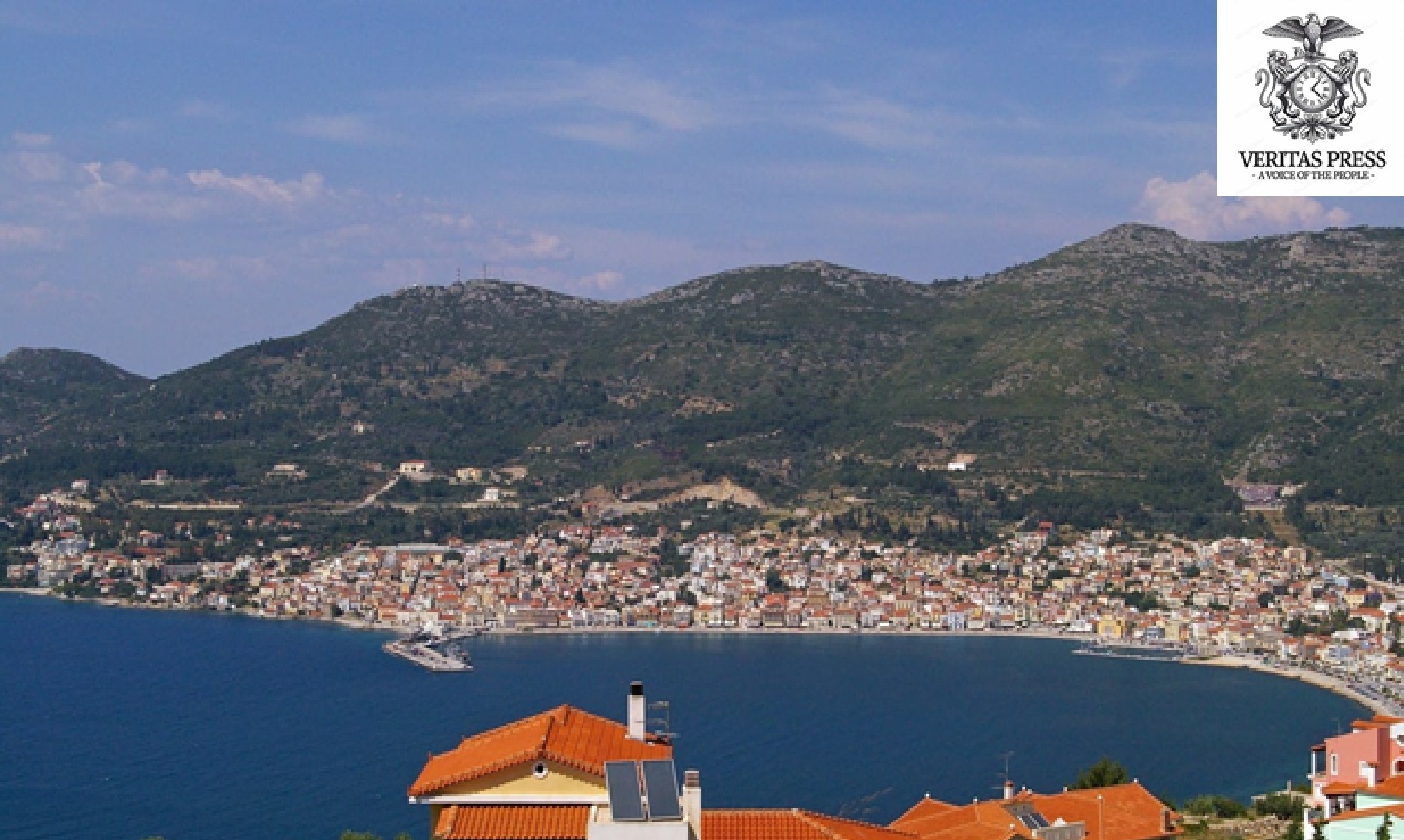
GREEK ISLANDS – A controversial proposal by Israeli politician Avri Steiner to purchase Greek islands
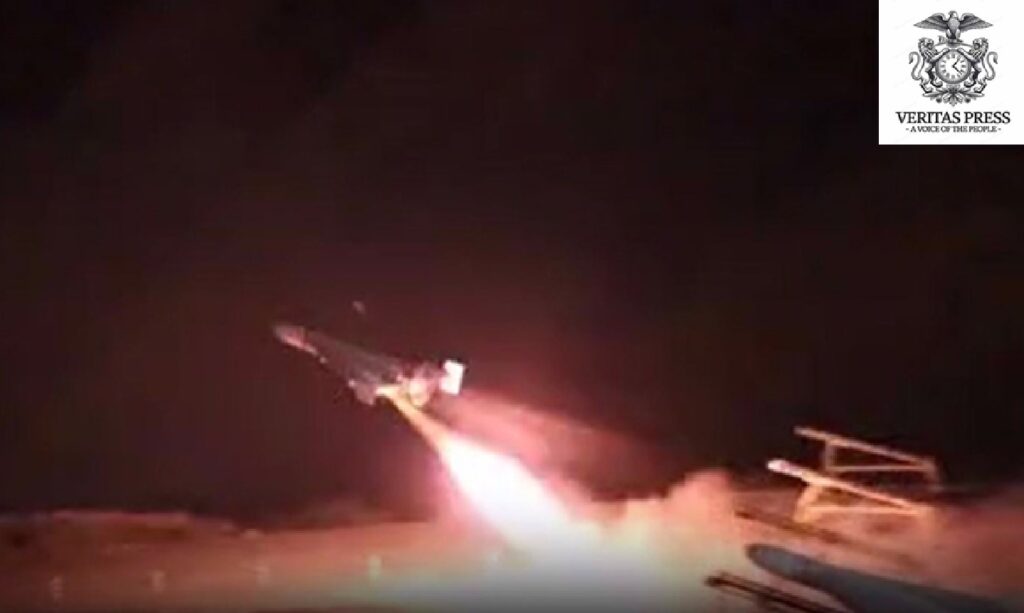
TEHRAN, IRAN – In the early hours of Thursday, the Islamic Revolutionary Guard Corps (IRGC)
LONDON, UK – In the early hours of Monday morning, a quiet street in Golders
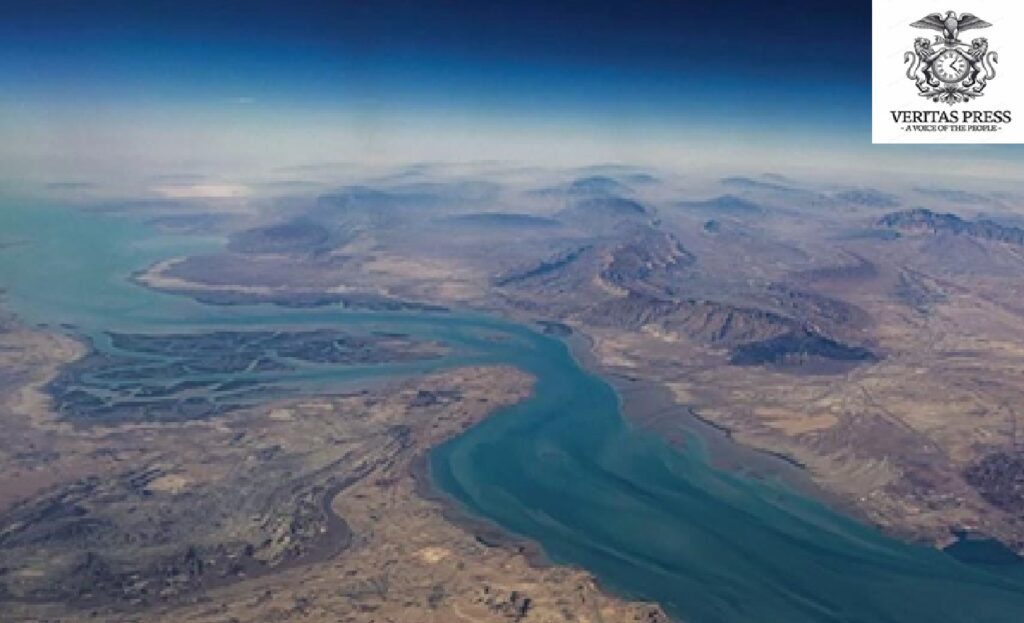
SEOUL / TEHRAN — In a packed press conference at the Iranian Embassy in Seoul’s
Pakistan’s imprisoned former prime minister Imran Khan has issued one of his most forceful denunciations
At the Rubaya mining complex in eastern Democratic Republic of Congo, the hillside known as
On the 25th day of a conflict that has already rewritten the geopolitical map of
On the outskirts of Nabatieh, where the Mediterranean breezes once carried the scent of olive
On December 27, 2024, Israeli occupation forces raided Kamal Adwan Hospital in northern Gaza, one

Senior officials within the US military have drawn up contingency plans for a potential ground