


Original Article Date Published:
Article Date Modified:
TEHRAN/WASHINGTON, February 2026 – Beneath the veneer of resumed talks in Muscat and high-level diplomatic warnings, a grim consensus is hardening among security analysts and regional observers: a direct, large-scale military confrontation between a US-Israeli alliance and Iran is not a matter of if, but when. The current diplomatic flurry, Iran’s chastisement of “destructive influence” ahead of Netanyahu’s Washington trip, the Omani shuttle diplomacy, and the technical discussions on nuclear limits increasingly appear as strategic theatre, a final play of “smoke and mirrors” designed to manage the timeline and narrative of an inevitable war.
The Illusion Of Choice And The Reality Of Posturing:
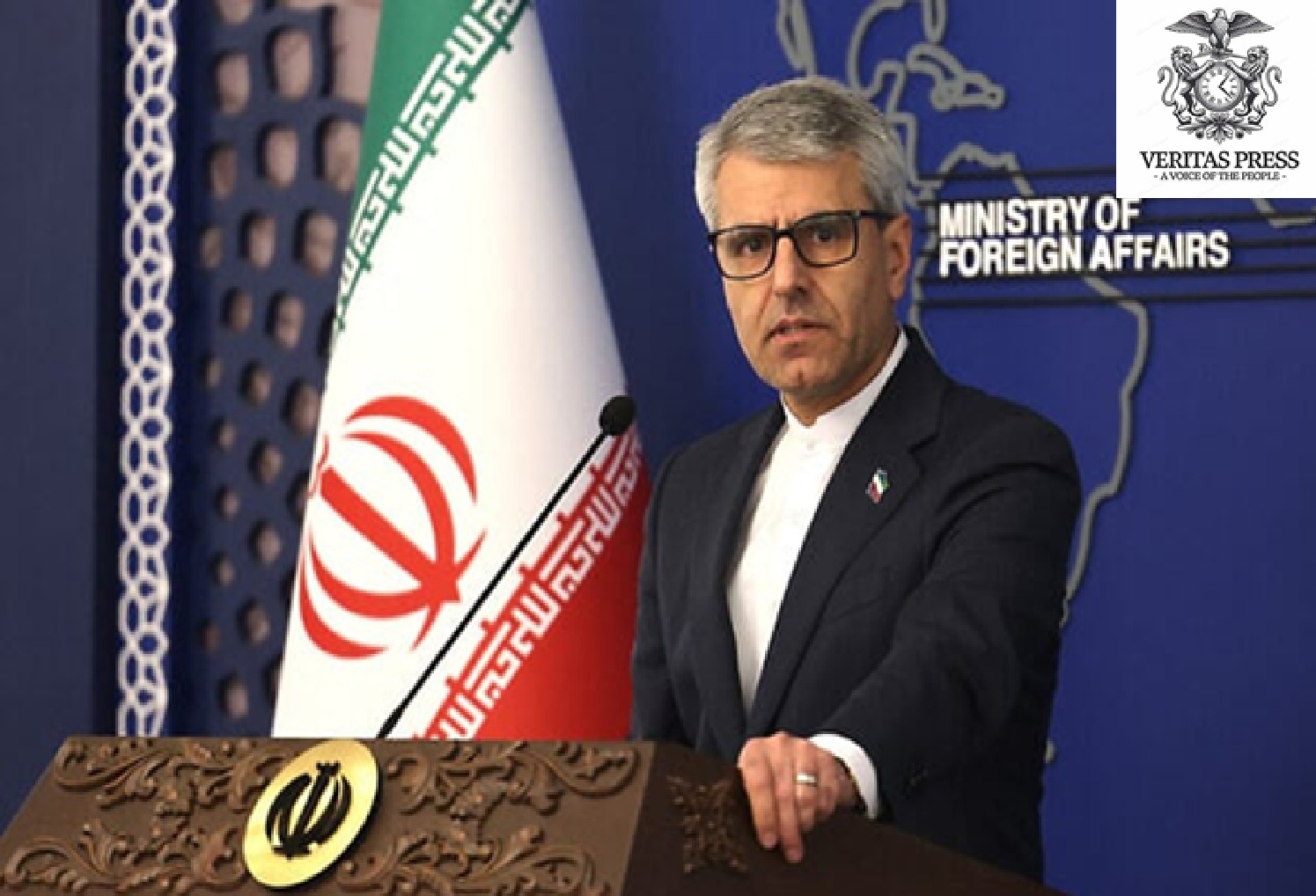
Iranian Foreign Ministry spokesman Esmail Baghaei’s plea for America to act “independently of pressures” exposes the core fiction of the moment. Both Tehran and Washington understand that the United States is not an independent actor in this drama, but is strategically entwined with Israeli security doctrine. Netanyahu’s urgent visit, which moved forward specifically to shape the US negotiating position, is not an external influence but a coordination of strategy between allies.
This is the first layer of the mirror: public diplomacy that maintains the possibility of a peaceful resolution, while simultaneous military and geopolitical preparations make that possibility obsolete.
Military Buildup as the True Diplomacy:
While Baghaei spoke of consensus in Muscat, the region witnessed more telling developments:
- The US carrier group deployed post-Iranian protests remains on station, a permanent sword of Damocles.
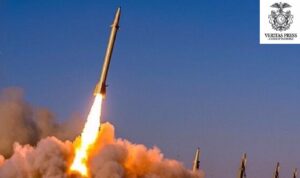
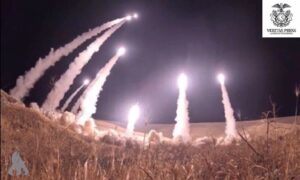
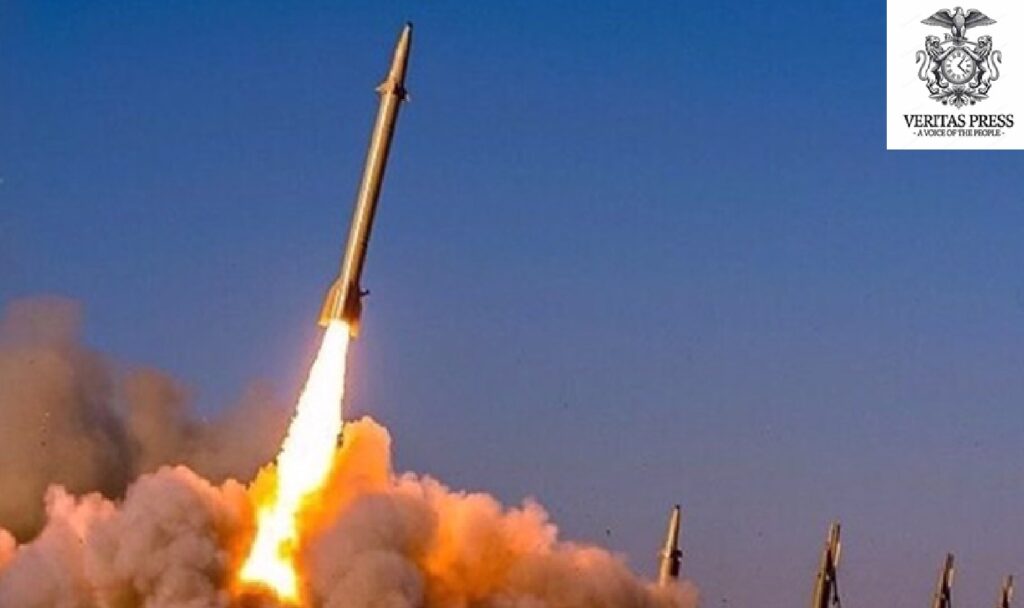
- Unreported in the talks are the accelerated joint US-Israeli air exercises simulating long-range strikes against integrated air defence systems.
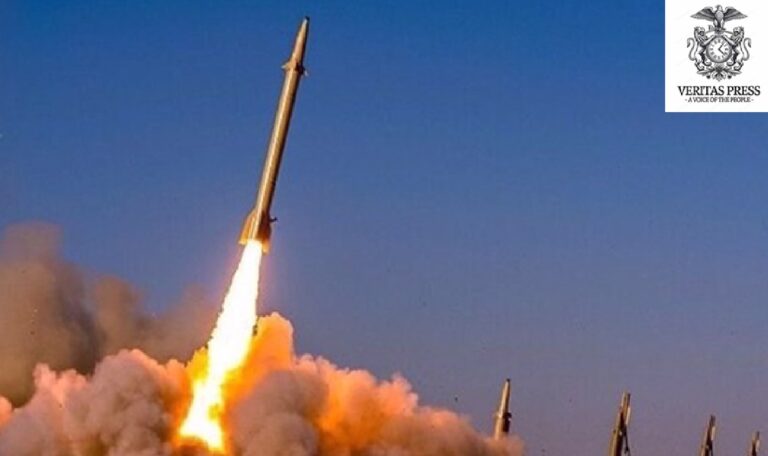
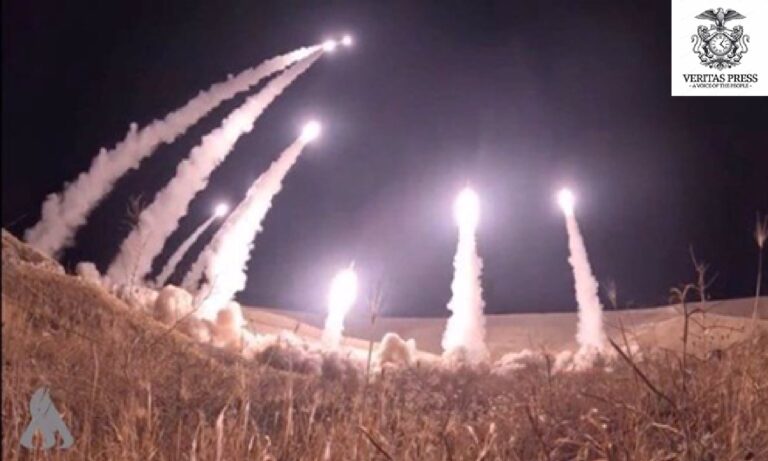
- Iran’s retaliatory strike on the US base in Qatar in June 2025 crossed a psychological Rubicon, embedding within the US military establishment a conviction that Iranian capabilities must be permanently degraded.
These actions constitute the real dialogue. The Muscat meetings are not about preventing war, but about defining its casus belli and establishing the final, unfufillable demands that will justify it.
The “Smoke And Mirrors”: Defining The Unacceptable.
The diplomatic stalemate is itself a catalyst. The US-Israeli demand to negotiate Iran’s ballistic missile program and regional alliances, termed “destructive” by Tehran, is a known non-starter. For the Islamic Republic, these are pillars of its national security and ideological project. To concede them is to capitulate.
Similarly, Iran’s insistence on a nuclear-only deal with full sanctions relief is equally unacceptable to the US-Israel axis, which views a sanctions-free, economically empowered Iran with a preserved missile and proxy network as an existential threat.
This is the second layer of smoke: both sides are defining the negotiation framework around demands they know the other cannot accept. The process creates a paper trail demonstrating “exhausted diplomacy,” a necessary precursor to legitimising war in the eyes of the international community. Netanyahu’s trip to Washington is precisely about locking the US into this maximalist position, ensuring no last-minute diplomatic escape hatch emerges.
The Inevitability Calculus:
Several factors feed the conclusion of inevitability:
- The Failure of Deterrence: The June 2025 war proved that the previous model of shadow warfare and proxy conflict had shattered. Direct strikes occurred on homeland targets. The threshold for major war has already been crossed; the next episode will simply be a continuation at scale.
- The Closing Window Theory: In Israel and Washington, a powerful narrative persists that Iran’s nuclear advancement is approaching a “zone of immunity” where military action becomes futile. This creates a ticking clock, making diplomacy seem like a delaying tactic rather than a solution.
- The Domestic Logic of Hardliners: In both Iran and Israel, hardline factions gain power from perpetual crisis. Netanyahu’s political survival and the Iranian Revolutionary Guard Corps’s institutional dominance are both reinforced by a posture of perpetual confrontation. Managed escalation serves domestic ends.
- The Absence of a Diplomatic Off-Ramp: The internal crackdown in Iran and its support for regional allies have made it a pariah for much of the West, stripping away potential mediators. Oman and Qatar can host talks, but lack the leverage to bridge the fundamental chasm of trust.
Conclusion: The Theatre Before The Storm.
Iran’s warning against “destructive influence” is therefore a poignant, if futile, cry against a fate already being sealed in war rooms and strategic planning sessions. The pardons of prisoners in Tehran and the carefully worded statements from Muscat are the “smoke,” obscuring the visible mobilisation of forces and hardening of political wills.
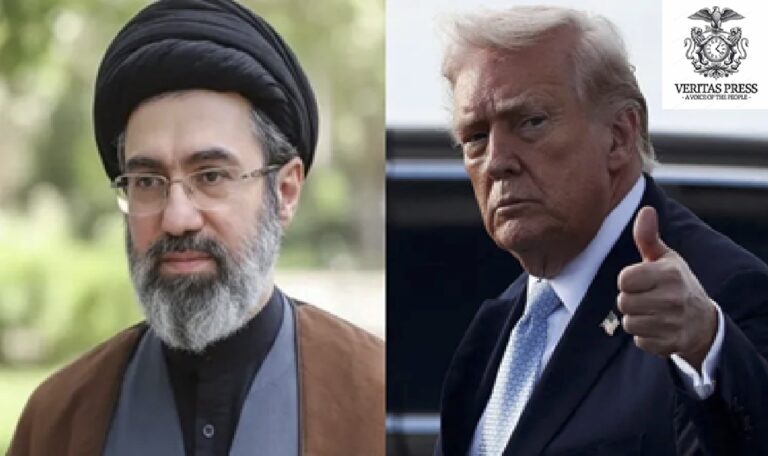
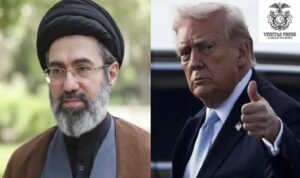
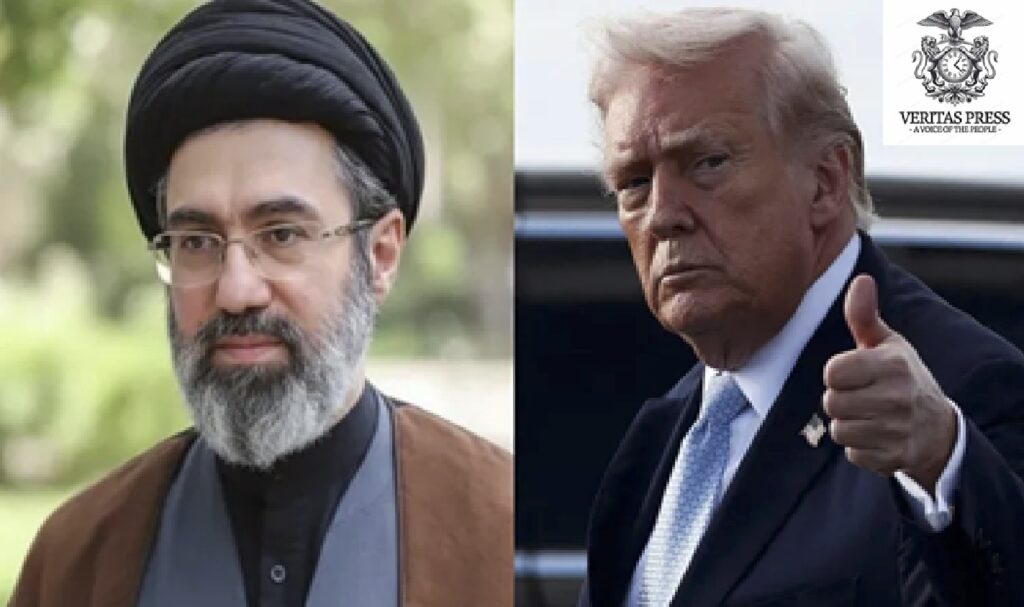
Netanyahu’s meeting with Trump is not a debate over whether to contain Iran, but a synchronisation of watches on how and when to conduct the containment through overwhelming force. The diplomacy playing out is the last act of a political drama, necessary to assign blame and justify the coming, terrible cost. The region, it appears, is trapped in a tragic countdown, with every diplomatic press conference and mediator’s flight masking the relentless march toward a war deemed, by the most powerful actors involved, to be inevitable.
TEHRAN, IRAN – Twenty-eight days after the assassination of Iran’s Supreme Leader Ayatollah Seyyed Ali
Original Article Date Published: Article Date Modified: Help support our mission, donate today and be

NEW YORK, US – On the night of March 26, 2026, Nerdeen Kiswani received a
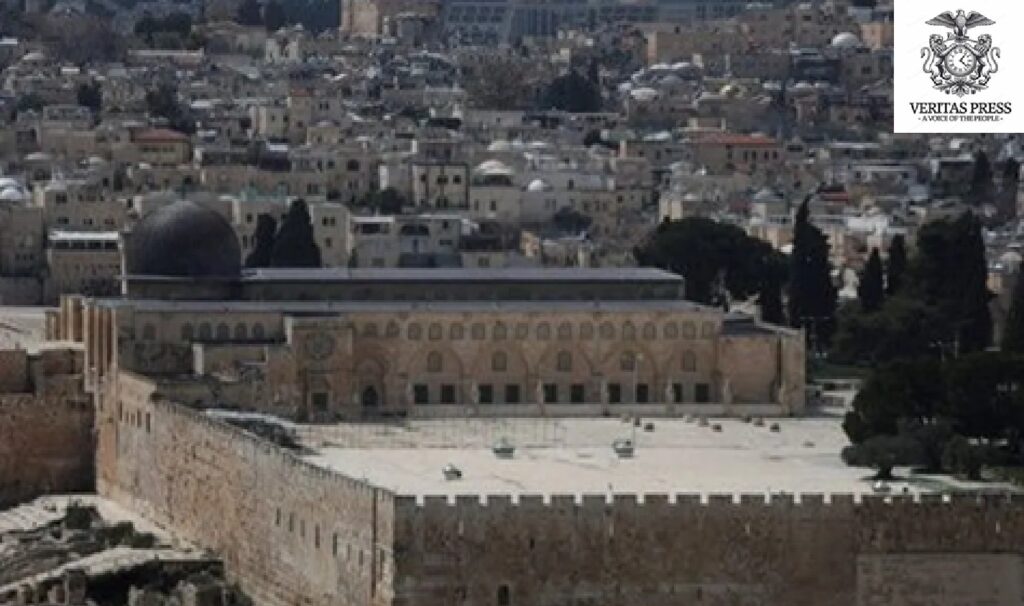
JERUSALEM — For the 29th consecutive day, the heavy iron gates surrounding the Al-Aqsa Mosque

GAZA, March 27, 2026 — The cries of 28-day-old Adam Al-Ustaz shattered the silence of
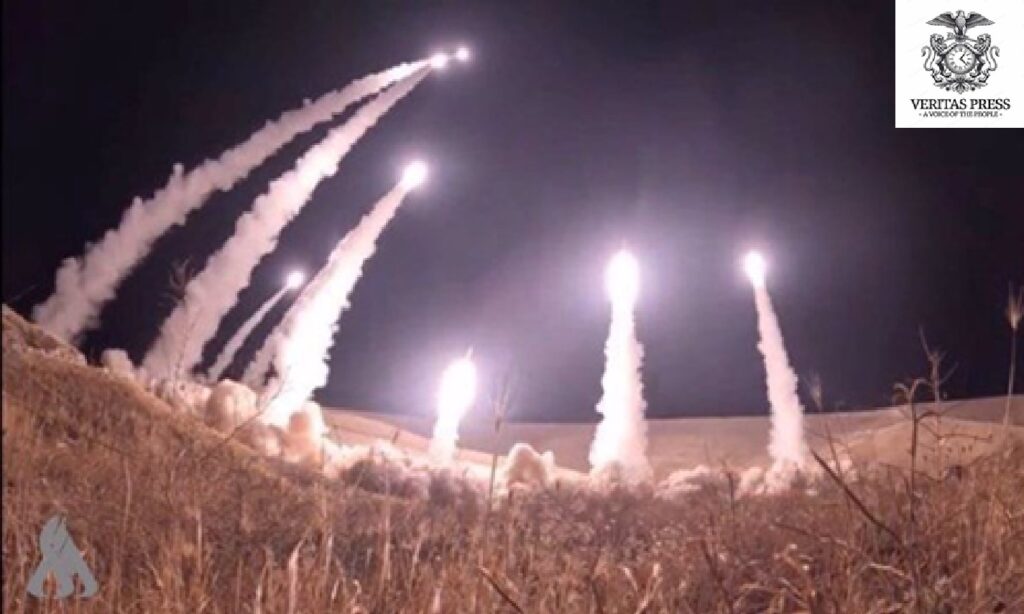
TEHRAN – In the pre-dawn hours of March 27, 2026, the Islamic Revolution Guards Corps
MOSCOW, LONDON – In what marks a significant escalation in the prolonged confrontation between London
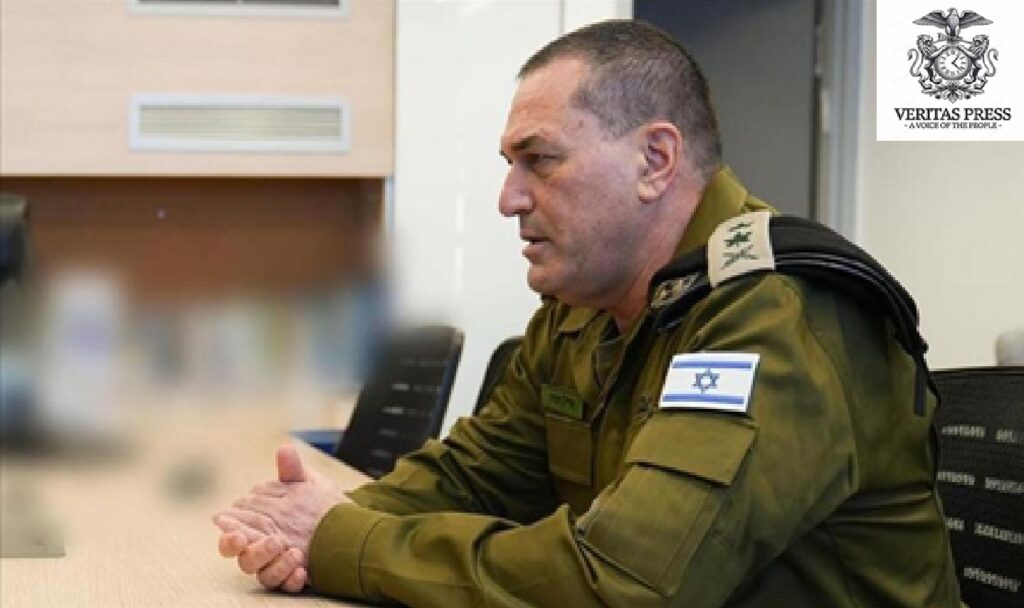
TEL-AVIV – When Lieutenant General Eyal Zamir, Chief of Staff of the Israel Defence Forces

GREEK ISLANDS – A controversial proposal by Israeli politician Avri Steiner to purchase Greek islands
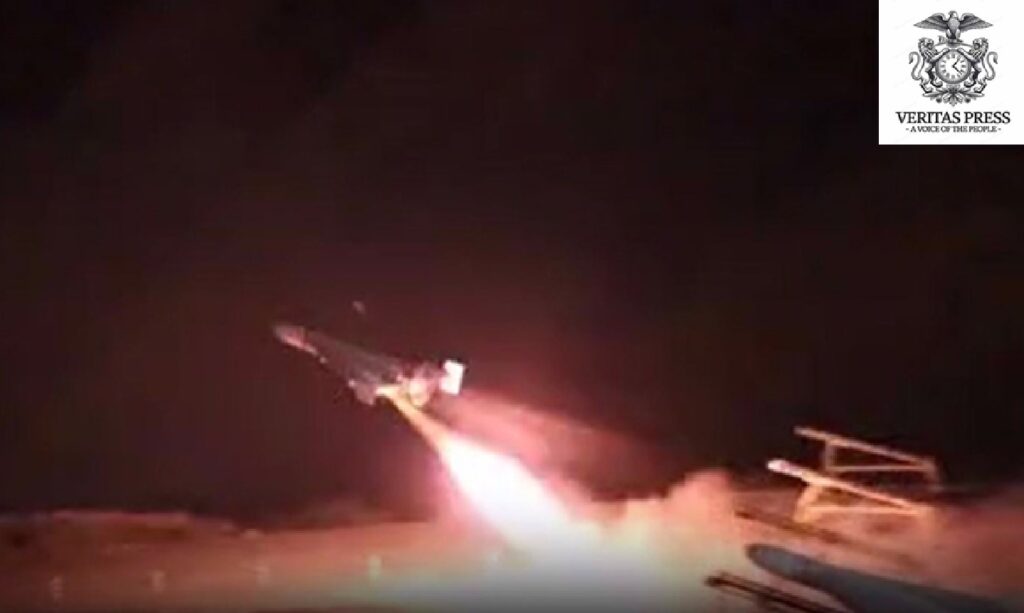
TEHRAN, IRAN – In the early hours of Thursday, the Islamic Revolutionary Guard Corps (IRGC)