


Original Article Date Published:
Article Date Modified:
Help support our mission, donate today and be the change. Every contribution goes directly toward driving real impact for the cause we believe in.
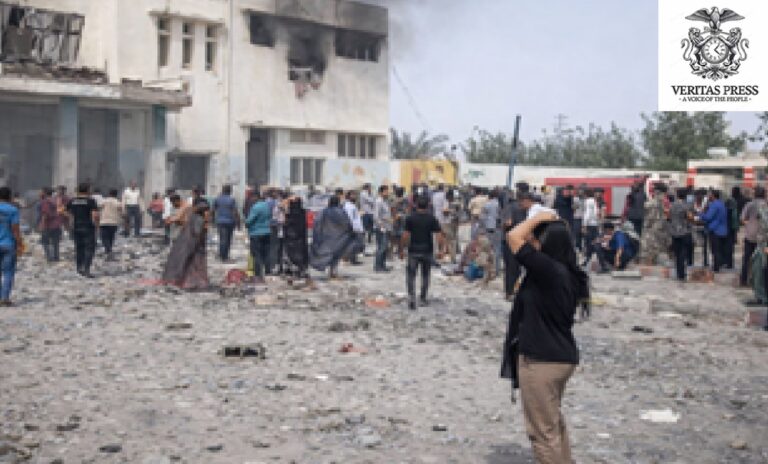
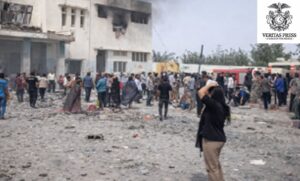
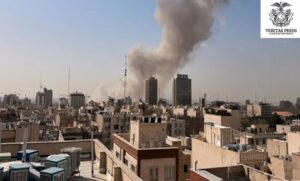
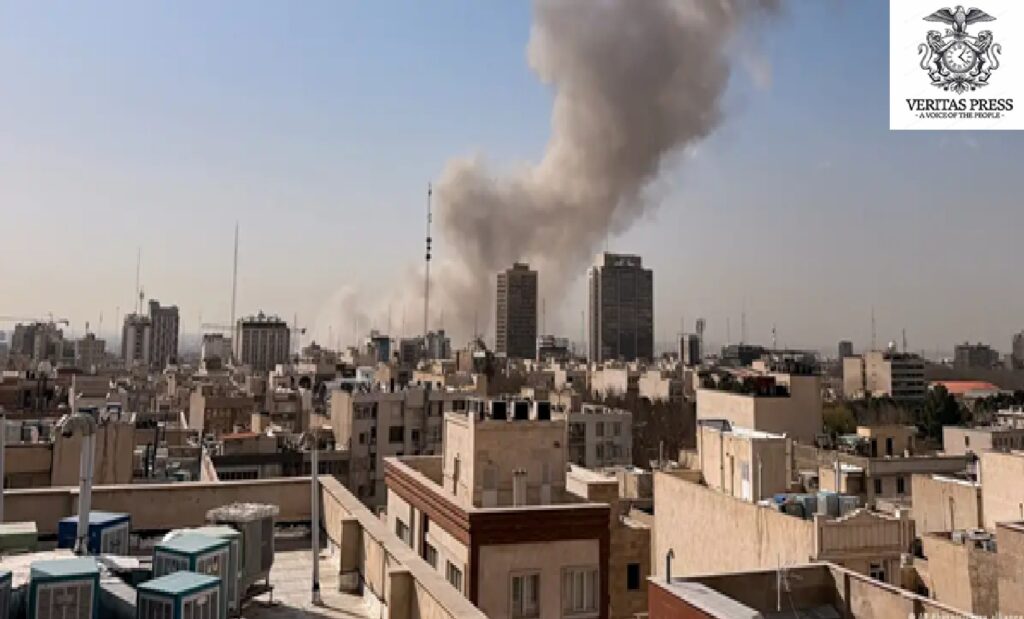
IRAN/US/ISRAEL – In the early hours of February 28, 2026, residents of Tehran awoke to the sound of explosions echoing across the capital. Plumes of smoke rose against the dawn sky as the United States and Israel launched coordinated military strikes against Iran, marking a dramatic and potentially catastrophic escalation in one of the world’s most volatile regions.
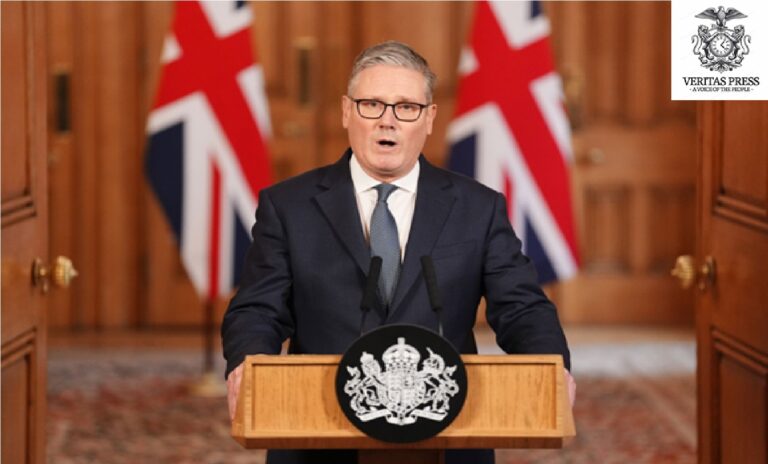
US President Donald Trump confirmed the operation in an eight-minute video posted to his Truth Social platform, announcing that “a short time ago, the United States military began major combat operations in Iran.” The objective, he said, was to eliminate “imminent threats” from the Iranian regime.
Explosions were reported not only in Tehran but in Kermanshah, Lorestan, Tabriz, Isfahan, Karaj, and Qom, suggesting a campaign far broader than prior limited strikes.
Trump’s Message: Destruction And Regime Change.
Trump vowed to “obliterate” Iran’s missile industry and “annihilate” its navy. He framed the operation within decades of hostility, referencing the 1979 embassy crisis and past attacks on US forces.
Most dramatically, he addressed the Iranian people directly:
“The hour of your freedom is at hand… When we are finished, take over your government.”
To the Islamic Revolutionary Guard Corps (IRGC), armed forces, and police, he offered immunity for defection, or “certain death” for resistance.
This language marked a decisive shift toward overt regime-change rhetoric.
The Diplomatic Context: Talks Collapse.
The strikes came days after Oman-mediated talks ended without a breakthrough.
In an appearance on Face the Nation, Omani Foreign Minister Badr Albusaidi revealed Iran had agreed to “zero stockpiling” of nuclear material and irreversible fuel conversion, with monitoring by the International Atomic Energy Agency.
Technical talks were scheduled in Vienna.
Yet Washington reportedly insisted on zero enrichment, going beyond the 2015 Joint Comprehensive Plan of Action.
Iranian Foreign Minister Abbas Araghchi maintained Iran’s missile program was defensive and limited in range.
Diplomacy, however, collapsed before verification mechanisms could be tested.
Regional Fallout:
Iranian retaliation quickly spread. Bahrain confirmed missile strikes near the US Navy’s Fifth Fleet headquarters. Explosions were reported in Gulf capitals.
The strategic focus now turns to the Strait of Hormuz, through which roughly 20 percent of global oil flows. Any sustained disruption could trigger a global energy shock.
The Iranian Response:
Iranian parliament security chief Ebrahim Azizi warned: “You have started down a path whose end is no longer in your control.”
Missile and drone barrages targeted Israel. Israel declared a state of emergency.
Supreme Leader Ali Khamenei was reportedly transferred to a secure location.
Deeper Analysis:
The Collapse of Diplomacy
The timing of the strikes, just as reported concessions emerged, raises questions about coordination between Washington and Tel Aviv and whether diplomatic momentum was deliberately overtaken by military action.
The Illusion of a Military Solution
China’s CGTN warned that force could harden Iran’s resolve. History suggests strikes may delay nuclear capability but often entrench political resistance.
The Regime Change Gamble:
Trump’s appeal to Iranians to “take over your government” risks destabilising a nation of more than 90 million people. The precedent of NATO’s intervention in Libya illustrates how externally driven regime collapse can spiral into fragmentation and prolonged instability.
The Geopolitical Endgame: Control, Chokepoints, And Strategic Leverage.
Beyond dismantling nuclear facilities and destroying ballistic missiles, the pursuit of regime change suggests a broader geopolitical ambition: reshaping the Middle East’s strategic architecture in favour of Washington and Tel Aviv.
At the heart of this vision lies control over trade corridors and energy chokepoints. A government in Tehran aligned with US-Israeli interests would effectively neutralise Iran’s long-standing ability to threaten shipping through the Strait of Hormuz, transforming a vulnerability into a strategic asset. The uninterrupted flow of oil would remain under Western influence, strengthening leverage over global markets and rival powers. Moreover, this action would also enable the US and Israel to oversee and direct the silk trade routes, specifically the China-Pakistan Economic Corridor (CPEC), which is a crucial component of China’s Belt and Road Initiative (BRI). The CPEC aims to strengthen regional connections, boost commerce, and establish a more secure and accessible route for China to import energy. The aim is to strengthen US-Israeli dominance in the region by engineering regime changes and implementing governments that align with their interests.
But hydrocarbons are only part of the equation.
The United States faces acute dependency in critical mineral supply chains vital to its defence and high-technology sectors. It imports over 95 percent of its titanium sponge, essential for advanced fighter aircraft such as the F-35 Lightning II, and relies heavily on foreign sources for cobalt, arsenic, and other materials crucial to semiconductors, radar systems, and batteries.
Meanwhile, China dominates the production or processing of more than twenty critical minerals. Iran possesses significant, largely underdeveloped reserves of rare earth elements and strategic metals. A compliant government could open these resources to Western investment, potentially reducing dependence on Beijing and reshaping global supply chains.
Reports from prior negotiations suggested access to Iranian energy and mineral wealth had surfaced in broader strategic discussions, indicating that economic leverage has long shadowed nuclear diplomacy.
However, such a transformation would not usher in stability.
Turkey fears Kurdish militant resurgence and refugee flows. Pakistan worries about emboldened Baloch separatists exploiting instability. Gulf Arab states, despite rivalry with Tehran, fear civil war spillover and sectarian fragmentation.
For Asian powers, the implications are profound. China, the world’s largest oil importer, sources roughly half its crude from the Middle East. A US-aligned Iran and a secure Strait of Hormuz would grant Washington significant leverage over Beijing’s energy security.
India, which has invested heavily in Iran’s Chabahar port as a gateway to Afghanistan and Central Asia, could see its strategic access constrained.
Rather than solidifying a stable order, forced regime change risks igniting layered proxy competition, great-power rivalry, and regional fragmentation, a vortex of instability drawing multiple powers into confrontation.
International Law Questions:
Under the UN Charter, force is lawful only in self-defence against an armed attack or with Security Council authorisation. The doctrine of preemptive self-defence remains highly contested, particularly when diplomacy was ongoing, and no imminent attack was publicly demonstrated.
Conclusion: Strategic Engineering Of War, Beyond Nuclear Logic.
What is unfolding in Iran is not merely a military escalation over nuclear or missile programmes. It reflects a much deeper strategic calculus, one that leverages the pretext of security to pursue structural dominance over a pivotal region of the world.
The collapse of the Geneva negotiations was presented publicly as a failure over technical disagreements about enrichment caps and inspections. Yet the timing of the talks’ breakdown, immediately preceding coordinated US-Israeli military action, intensifies long-standing suspicions that the diplomatic process was managed in ways that almost guaranteed deadlock. In the final days, US demands went far beyond conventional nuclear diplomacy, including full cessation of enrichment and transfer of all enriched uranium, conditions Tehran was always expected to reject, ensuring the collapse of talks and clearing the way for military action. Such push-and-pull, critics argue, looks less like genuine negotiation and more like a managed pretext for intervention, one reflecting Israeli influence on the agenda and the shape of demands put to Tehran.
At the heart of this vision lies control over trade corridors and energy chokepoints. A government in Tehran aligned with US-Israeli interests would effectively neutralise Iran’s long-standing ability to threaten shipping through the Strait of Hormuz, transforming a chronic vulnerability into a strategic asset. The uninterrupted flow of oil would remain under Western influence, strengthening leverage over global markets and rival powers alike. Such control over a critical artery of the global energy system is geopolitical currency, not merely a tactical wartime target.
But the strategic implications extend further into the architecture of emerging global trade. A compliant Tehran would dramatically reshape the landscape of Eurasian connectivity, including overland corridors such as the China-Pakistan Economic Corridor (CPEC), a vital segment of the Belt and Road Initiative. CPEC is designed to give China more secure access to energy supplies and goods via a network that skirts vulnerable maritime routes and projects Chinese influence deep into South and Central Asia. If Iran were brought into an orbit aligned with Washington and Tel Aviv, politically, economically, or militarily, it would place Western interests at the nexus of these overland arteries, challenging Beijing’s strategic designs and securing leverage over an interconnected web of energy and trade.
In this framing, regime change ceases to be an ideological byproduct and instead becomes an instrument of geopolitical design, a means to reassert influence over chokepoints, redirect corridors of commerce, and reshape supply chains to favour Western interests.
Yet history cautions against the assumption that such ambitions can be realised through force without unintended consequences. Externally engineered political orders, from Iraq to Libya, have too often produced fragmentation, insurgency, and prolonged instability rather than durable alignment. Power vacuums invite proxy wars. Infrastructure corridors become contested terrain. Rival powers react to protect their interests. Instead of securing dominance, intervention can accelerate fragmentation and geopolitical rivalry.
The escalation unfolds amid ongoing conflict between Russia and Ukraine and rising tensions across other arenas of global competition. The assumption that this escalation can remain contained, that geopolitics can be cordoned off into discrete theatres, is historically fragile. Wars initiated with calibrated objectives frequently expand across fronts unforeseen by their architects. Strategic chokepoints become flashpoints. Routes of commerce and supply chains become leverage points in wider rivalries.
War is unpredictable. It rarely follows the script written in war rooms or the talking points of press briefings. Its costs fall not on presidents or generals but on civilians, in cities like Tehran, Tel Aviv, and beyond. Its human toll ripples through families, economies, and societies long after the last bomb falls.
As explosions light up Tehran’s skyline and sirens wail across borders, the question is no longer whether war has begun; it is how far it will spread, how many actors will be drawn in, and whether diplomacy, not as a façade but as a genuine channel for compromise, can be resurrected before the region descends into a far wider conflagration.
This conflict, if left unchecked, threatens not only a rupture in Middle Eastern geopolitics but a broader contest over the future architecture of global power, one fought not just in skies and deserts but across trade routes, energy grids, and the strategic heartlands of our interconnected world.
Submission:
For The Secure Submission Of Documentation, Testimonies, Or Exclusive Investigative Reports From Any Global Location, Please Utilise The Following Contact Details For Our Investigations Desk: enquiries@veritaspress.co.uk or editor@veritaspress.co.uk
Help Support Our Work
Popular Information is powered by readers who believe that truth still matters. When just a few more people step up to support this work, it means more lies exposed, more corruption uncovered, and more accountability where it’s long overdue.
If you believe journalism should serve the public, not the powerful, and you’re in a position to help, becoming a DONATOR or a PAID SUBSCRIBER truly makes a difference.
DONATION APPEAL: If You Found This Reporting Valuable, Please Consider Supporting Independent Journalism.
Help Support Our Work – We Know, We Know, We Know …
Seeing these messages is annoying. We know that. (Imagine what it’s like writing them … )
Your support fuels our fearless, truth-driven journalism. In unity, we endeavour to amplify marginalised voices and champion justice, irrespective of geographical location.
But it’s also extremely important. One of Veritas Press’s greatest assets is its reader-funded model.
1. Reader funding means we can cover what we like. We’re not beholden to the political whims of a billionaire owner. We are a small, independent and impartial organisation. No one can tell us what not to say or what not to report.
2. Reader funding means we don’t have to chase clicks and traffic. We’re not desperately seeking your attention for its own sake: we pursue the stories that our editorial team deems important and believe are worthy of your time.
3. Reader Funding: enables us to keep our website and other social media channels open, allowing as many people as possible to access quality journalism from around the world, particularly those in places where the free press is under threat.
We know not everyone can afford to pay for news, but if you’ve been meaning to support us, now’s the time.
Your donation goes a long way. It helps us:
- Keep the lights on and sustain our day-to-day operations
- Hire new, talented independent reporters
- Launch real-time live debates, community-focused shows, and on-the-ground reporting
- Cover the issues that matter most to our communities, in real time, with depth and integrity
We have plans to expand our work, but we can’t do it without your support. Every contribution, no matter the size, helps us stay independent and build a truly people-powered media platform.
If you believe in journalism that informs, empowers, and reflects the communities we serve, please donate today.
In the early hours of Saturday morning, the Middle East lurched into a new and
MINAB, IRAN — In the quiet coastal town of Minab, along the strategic Strait of
GORTON AND DENTON, UK – At 4:30 am on February 27th, 2026, Hannah Spencer stood
IRAN/US/ISRAEL – In the early hours of February 28, 2026, residents of Tehran awoke to
ISLAMABAD/KABUL – The thunder of Pakistani warplanes over the capitals of two nations at dawn
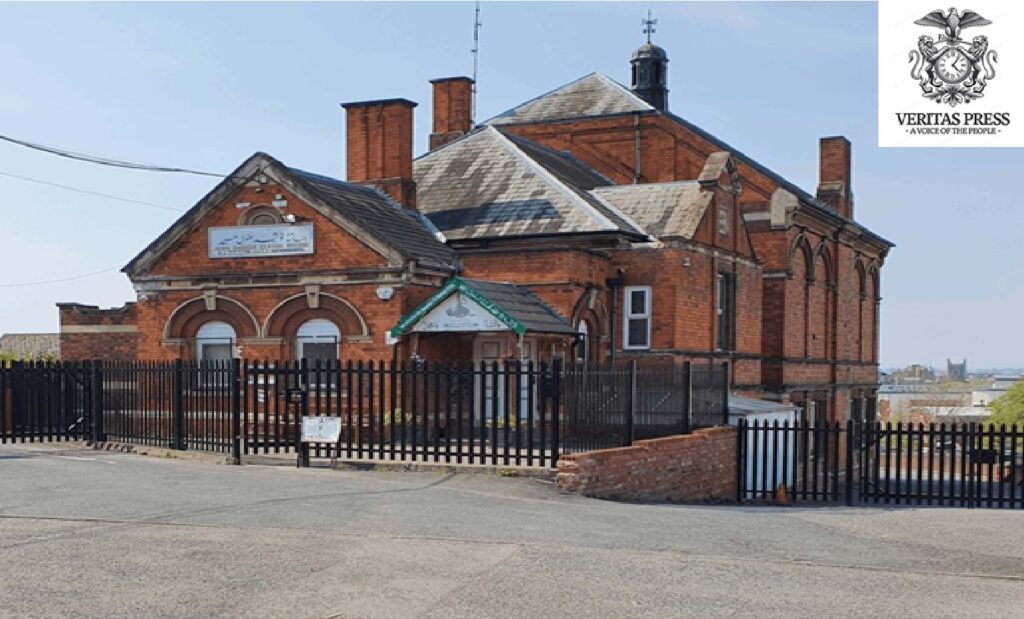
A Muslim community centre adjacent to a mosque in Worcester was firebombed in the early
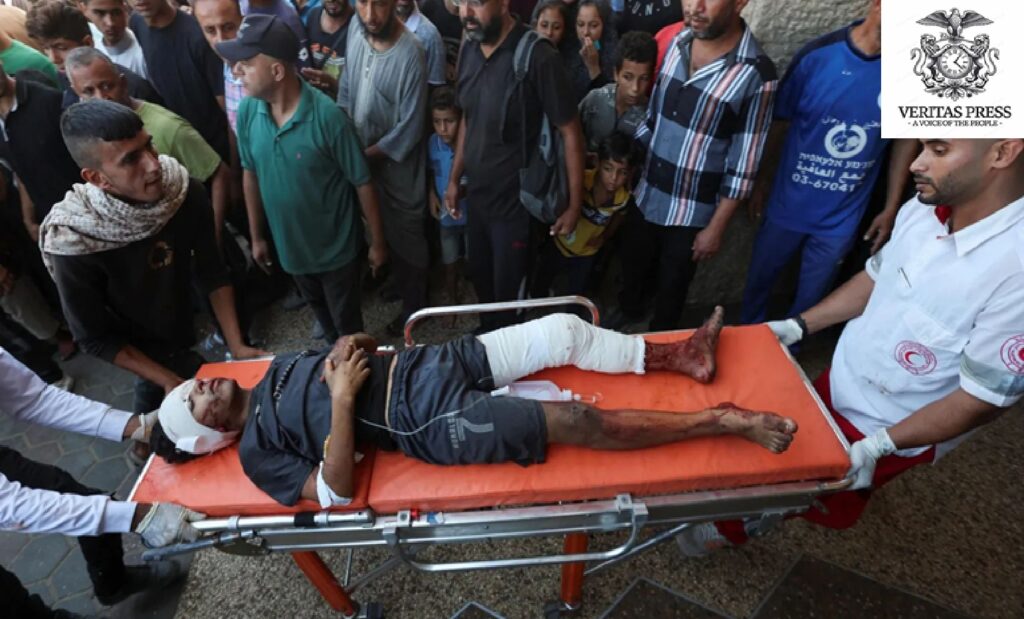
GAZA CITY — In the predawn stillness of the 27th day of Ramadan, the sound
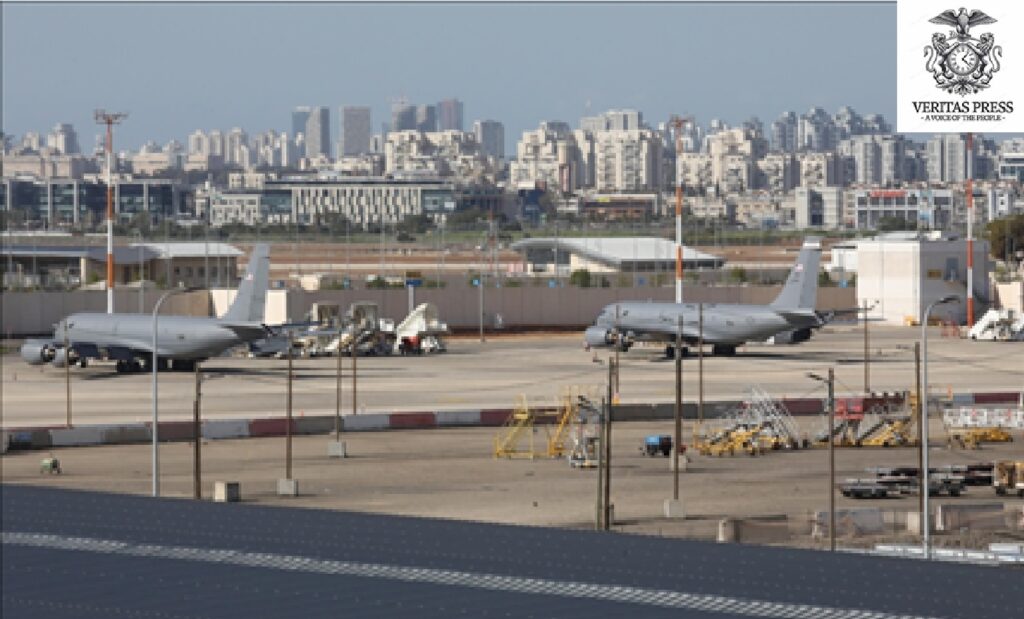
JERUSALEM / WASHINGTON — The skies over the Middle East have become a barometer of
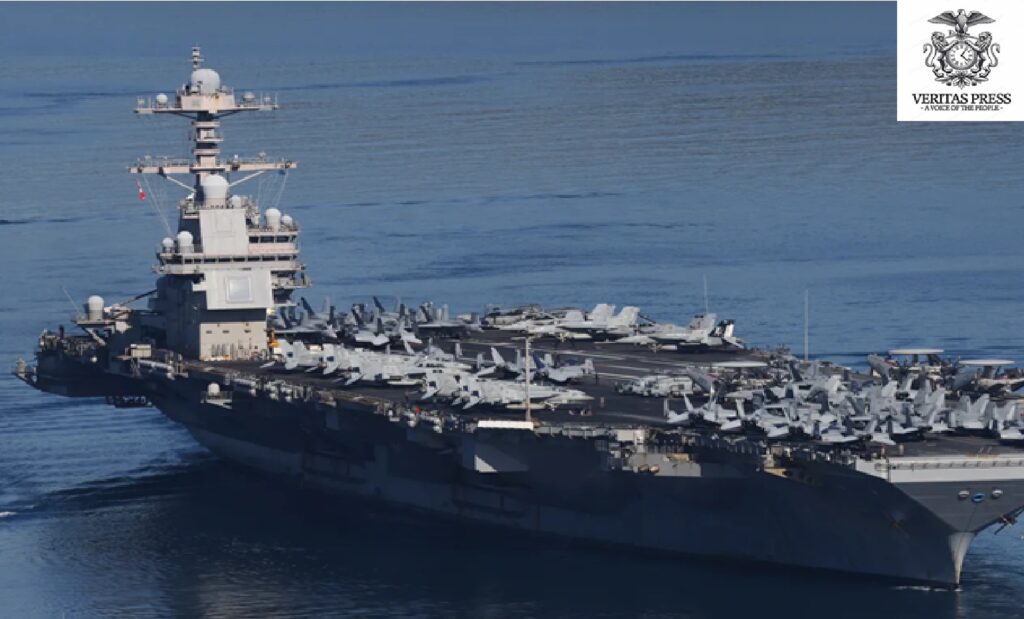
US/IRAN – In a significant escalation of American military posture in the Middle East, the
ISLAMABAD, PAKISTAN – The political temperature in Pakistan, already simmering after years of instability, has