
Original Article Date Published:
Article Date Modified:
Help support our mission, donate today and be the change. Every contribution goes directly toward driving real impact for the cause we believe in.
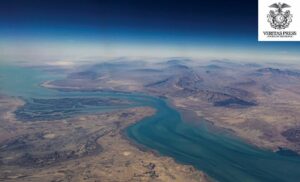
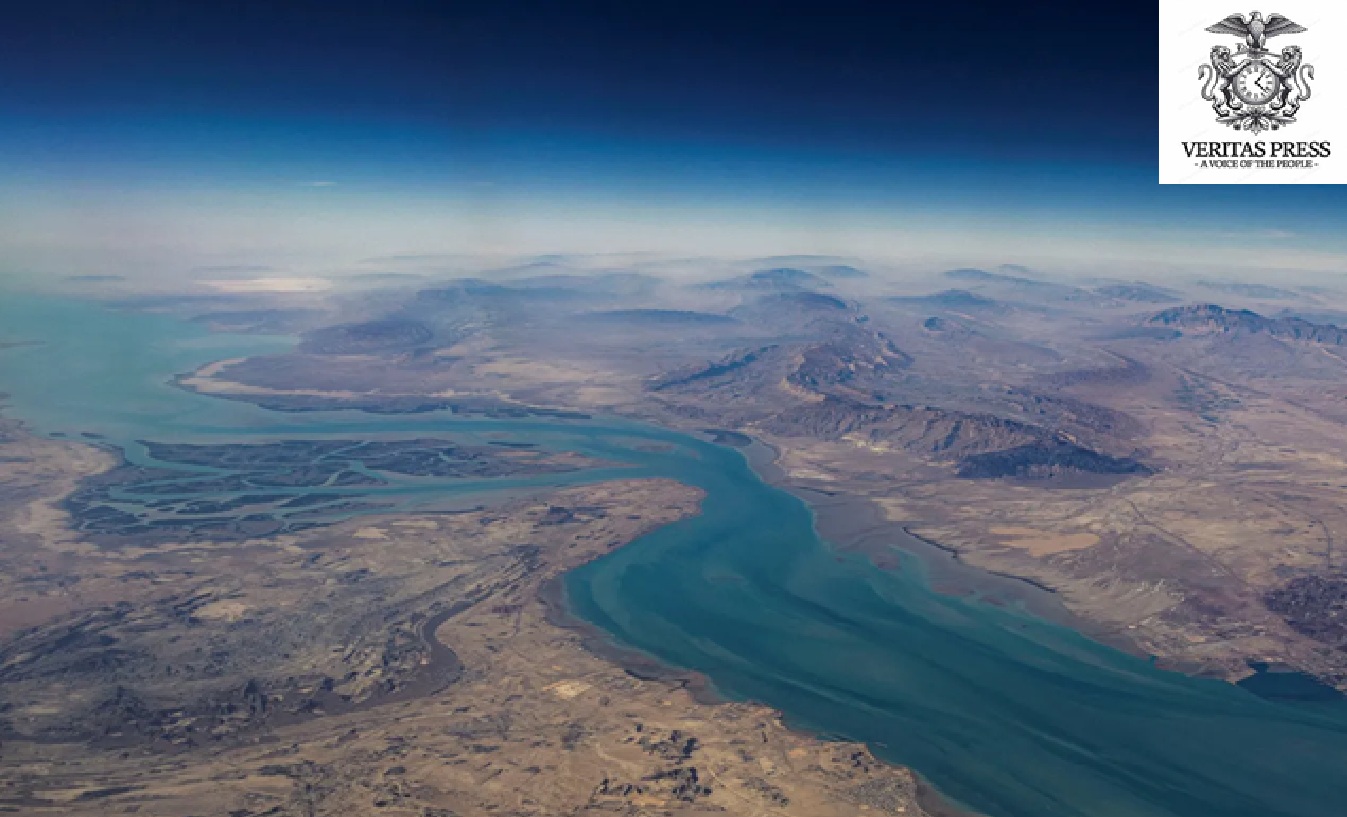
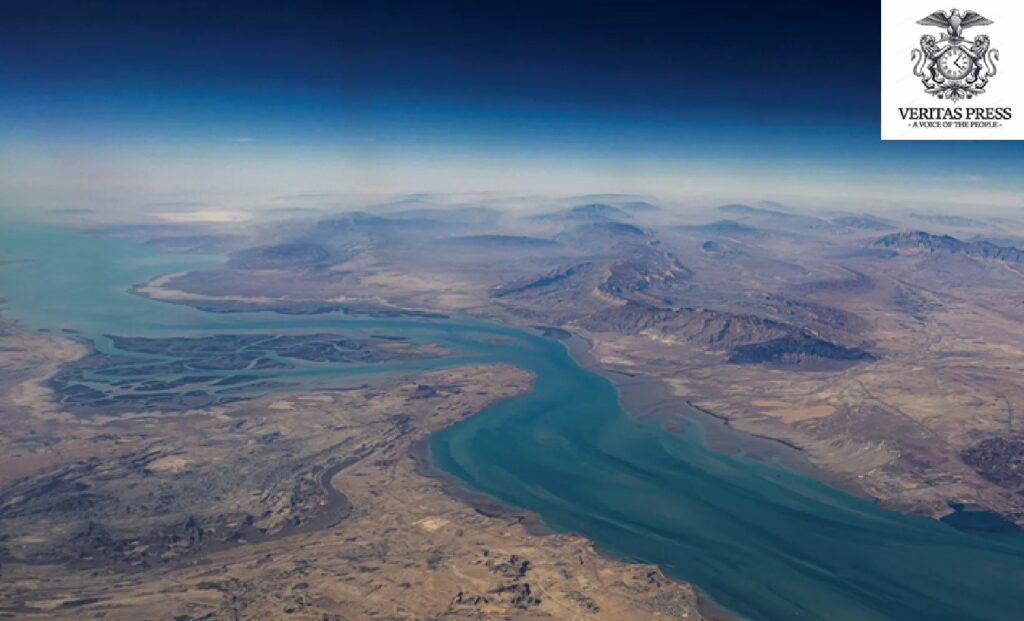
TEHRAN, IRAN – The global economy is holding its breath. Nearly two weeks after the joint US-Israeli military campaign against Iran, the Islamic Republic has made good on its most potent threat: asserting physical control over the Strait of Hormuz. What began as a retaliatory measure has rapidly escalated into a full-blown maritime crisis, disrupting 20% of the world’s oil supply, sending shockwaves through global energy markets, and drawing a line in the water that has pitted Tehran against a coalition of world powers.
On Thursday, Iran’s Armed Forces, through the Khatam al-Anbiya Central Headquarters, issued a stark and unambiguous warning. “Without any doubt or negligence, the Strait of Hormuz is under the wise management of the brave naval forces of the Revolutionary Guards,” the command stated. “American aggressors and their partners have no right to pass through here”.
This is not merely rhetoric. The waterway, a 21-mile-wide chokepoint separating Iran from the Arabian Peninsula, has become a high-stakes chessboard where Iran is using asymmetric naval warfare to counter the conventional military superiority of the United States and Israel.
The ‘No Pass, No Passage’ Doctrine:
Tehran’s strategy has evolved from a general threat to a targeted policy of interdiction. The Islamic Revolutionary Guard Corps (IRGC) has explicitly stated that it will not allow “a single litre of oil” to pass through the strait for the benefit of the US, Israel, or their allies. The Khatam al-Anbiya headquarters’ spokesperson, Ebrahim Zolfaqari, has warned global markets to prepare for oil prices of $200 per barrel, a direct challenge to the US-led international order. “The price of oil depends on security in the region, and you are the source of insecurity,” Zolfaqari said, addressing Washington.
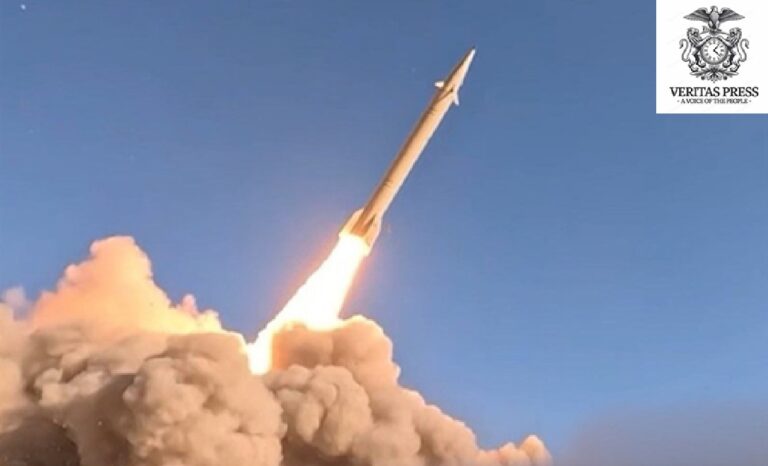
To enforce this, the IRGC has moved from warnings to action. On March 11, at least three commercial vessels were targeted in and around the strait. According to a statement from the IRGC, the Liberian-flagged container ship Express Rome and the Thai-flagged bulk carrier Mayuree Naree were struck by projectiles after “ignoring repeated warnings” and attempting “illegal passage”.
The attack on the Mayuree Naree has drawn a sharp protest from Bangkok. The vessel was set ablaze, with reports that several crew members were trapped in the engine room. A Thai foreign ministry official, speaking on condition of anonymity, expressed outrage: “Our vessel was engaged in legitimate trade. This act of aggression against unarmed civilians is indefensible. We are calling for the immediate release of any detained crew and for safe passage out of the conflict zone.” The incident underscores the widening geographical and political ripple effects of the closure.
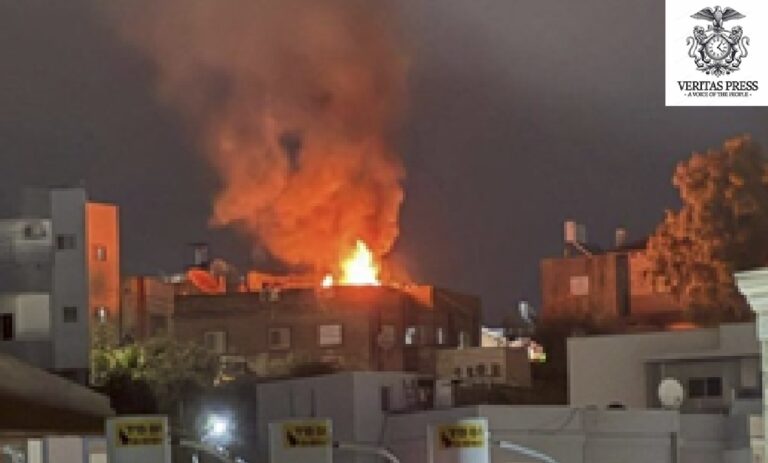
In a separate but related incident, the UK Maritime Trade Operations (UKMTO) reported that a container ship was struck by an “unknown object” approximately 65 kilometres north of Jebel Ali Port in the UAE, causing a fire on board. While no group has claimed responsibility, the proximity to the Hormuz crisis zone has heightened fears that the conflict is spilling over into the previously secure waters of the United Arab Emirates.
A Diplomatic Bludgeon And The G7 Response:
In a move that stunned diplomatic circles, the IRGC has attempted to leverage the closure for political gain. IRGC spokesperson Ali Mohammad Naeini issued an extraordinary offer: free passage through the Strait of Hormuz to any Arab or European nation that expels its US and Israeli ambassadors, including U.S.military bases. This proposal, reported by state media, transforms the world’s most vital energy corridor into a tool for dismantling the diplomatic coalition against it.
“We are waiting for the US Navy,” Naeini stated, claiming that US assets, including the USS Gerald R. Ford carrier strike group, have retreated over 1,000 kilometres from the Iranian coast to escape the reach of Iranian missile and drone swarms.
The response from the West has been swift, though cautious. The G7, meeting in France, issued a joint declaration to “re-establish the free flow of shipping in the Persian Gulf,” agreeing in principle to cooperate on “escorting and ensuring the security of shipping”. However, French President Emmanuel Macron poured cold water on the immediate implementation of such a plan, revealing a fracture in the allied front.
“Currently, the conditions are not met,” Macron told reporters. “The Strait is a war zone.” In a thinly veiled rebuttal to claims from US President Donald Trump, Macron added that he had “no confirmation, either from partner services or from French intelligence services” of the use of naval mines by Iran in the strait. He further warned that Iran’s military capabilities have “not been reduced to zero,” urging Trump to “clarify both his final objectives and the tempo he wants to give to the operations”.
Economic Fallout: Oil At A Crossroads.
The economic impact has been immediate and brutal. Brent crude spiked to $116.50 per barrel before easing slightly following news of a massive reserve release. The International Energy Agency (IEA) announced the largest release of emergency oil stocks in history, 400 million barrels, to prevent a supply crisis. IEA Executive Director Fatih Birol stated the move was a “major action aiming to alleviate the immediate impacts of the disruption in markets”.
Yet, analysts warn this is merely a stopgap. “Three key factors will determine the resilience of refining systems across the Gulf: bypassing the strait through alternate export routes, the balance of domestic product demand, and refining capacity,” said Pankaj Srivastava, Senior Vice President at Rystad Energy. “As of now, Bahrain and Kuwait face the highest operational risk due to their export-dependent refining systems that offer zero alternative routes”.
The closure is pushing Gulf oil inventories toward maximum capacity. With exports blocked, countries like Saudi Arabia and the UAE face the prospect of production shut-ins. Srivastava warns that if the strait remains impassable for six weeks, two million barrels per day of global oil supply could be severely threatened.
The pain is already being felt on the streets of nations far from the conflict. In Nigeria, the African Democratic Congress (ADC) has called on the federal government to introduce a temporary cap on petrol prices. ADC National Publicity Secretary Bolaji Abdullahi stated, “Recent hikes in petrol prices reflect rising volatility in global oil markets… However, ADC believes that external shocks cannot justify allowing fuel prices to spiral without restraint in an already fragile economy”.
Investigative Critique: The Strategy Of “No Right To Pass.”
The narrative of “control” being peddled by Tehran and the “counter-terrorism” operation described by Washington both obscure a more dangerous reality: the securitisation of global trade. By targeting vessels like the Express Room and Mayuree Naree, the IRGC is demonstrating that if its nuclear facilities and military infrastructure are crippled, it will retaliate by holding the global economy hostage.
This is a calculated strategy of deterrence through disruption. Rear Admiral Alireza Tangsiri, commander of the IRGC Navy, made this clear in a provocative post on X. “Were the ships assured they could freely pass through the Strait of Hormuz?” he taunted. “They trusted empty promises, ignored warnings, and attempted passage, but were caught. Any vessel intending to transit must obtain permission from Iran.”
This assertion, that the strait is subject to Iranian “permits”, is a direct violation of international maritime law, which guarantees the right of transit passage. Yet, Iran is framing its actions as a sovereign right to defend its waters against “aggressors.” By blurring the lines between military and commercial vessels, and between “Israeli-owned” and any other ship, Iran maximises the chilling effect on global shipping.
Insurance markets have reacted with predictable panic. War risk premiums have skyrocketed, and some insurers have temporarily withdrawn coverage altogether. As one maritime security analyst told Al Jazeera, “If the US simply announces the war is over, that doesn’t remove Iran’s capability or its legal claim to defend its waters. Uncertainty itself becomes a form of risk.”
The Human And Strategic Toll:
Amidst the geopolitical manoeuvring, the human cost mounts. An Iranian official confirmed to Reuters that Mojtaba Khamenei, the presumed successor to the Supreme Leader, was lightly wounded in the early days of the war, an attack that killed his father, mother, wife, and son. Inside Iran, the regime has cracked down on any dissent. Police Chief Ahmadreza Radan warned that anyone taking to the streets would be treated “as an enemy, not a protester. All our security forces have their fingers on the trigger”.
President Trump, campaigning in Kentucky, offered a stark assessment that suggested a prolonged entanglement. “We don’t want to leave early, do we?” he asked a rally crowd. “We’ve got to finish the job”.
As the G7 wavers between military escorts and diplomatic caution, and as tankers sit idle or burning in the Gulf, one thing is clear: the Strait of Hormuz is no longer just a waterway. It is the frontline of a new kind of war, where a missile fired at a cargo ship in the dark is a signal sent to the world’s trading capitals, and where the price of oil is no longer just a number; it is a weapon.
Source: Multiple News Agencies
For The Secure Submission Of Documentation, Testimonies, Or Exclusive Investigative Reports From Any Global Location, Please Utilise The Following Contact Details For Our Investigations Desk: enquiries@veritaspress.co.uk or editor@veritaspress.co.uk
Help Support Our Work:
Popular Information is powered by readers who believe that truth still matters. When just a few more people step up to support this work, it means more lies exposed, more corruption uncovered, and more accountability where it’s long overdue.
Help Protect Independent Journalism, Which Is Currently Under Attack.
If you believe journalism should serve the public, not the powerful, and you’re in a position to help, becoming a DONATOR or a PAID SUBSCRIBER truly makes a difference.
DONATION APPEAL: If You Found This Reporting Valuable, Please Consider Supporting Independent Journalism.
Help Support Our Work – We Know, We Know, We Know …
Seeing these messages is annoying. We know that. (Imagine what it’s like writing them … )
Your support fuels our fearless, truth-driven journalism. In unity, we endeavour to amplify marginalised voices and champion justice, irrespective of geographical location.
But it’s also extremely important. One of Veritas Press’s greatest assets is its reader-funded model.
1. Reader funding means we can cover what we like. We’re not beholden to the political whims of a billionaire owner. We are a small, independent and impartial organisation. No one can tell us what not to say or what not to report.
2. Reader funding means we don’t have to chase clicks and traffic. We’re not desperately seeking your attention for its own sake: we pursue the stories that our editorial team deems important and believe are worthy of your time.
3. Reader Funding: enables us to keep our website and other social media channels open, allowing as many people as possible to access quality journalism from around the world, particularly those in places where the free press is under threat.
We know not everyone can afford to pay for news, but if you’ve been meaning to support us, now’s the time.
Your donation goes a long way. It helps us:
- Keep the lights on and sustain our day-to-day operations
- Hire new, talented independent reporters
- Launch real-time live debates, community-focused shows, and on-the-ground reporting
- Cover the issues that matter most to our communities, in real time, with depth and integrity
We have plans to expand our work, but we can’t do it without your support. Every contribution, no matter the size, helps us stay independent and build a truly people-powered media platform.
If you believe in journalism that informs, empowers, and reflects the communities we serve, please donate today.
In contemporary geopolitics, the language of gender equality and women’s liberation increasingly appears within the
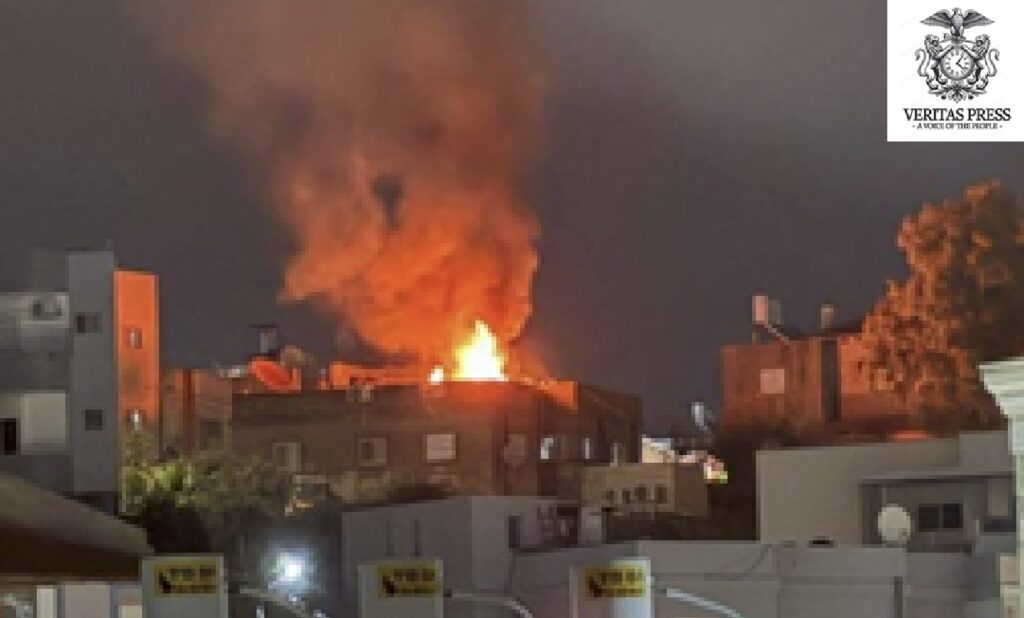
BEIRUT, LEBANON, OCCUPIED PALESTINE — The Middle East is hurtling toward an unprecedented abyss. What
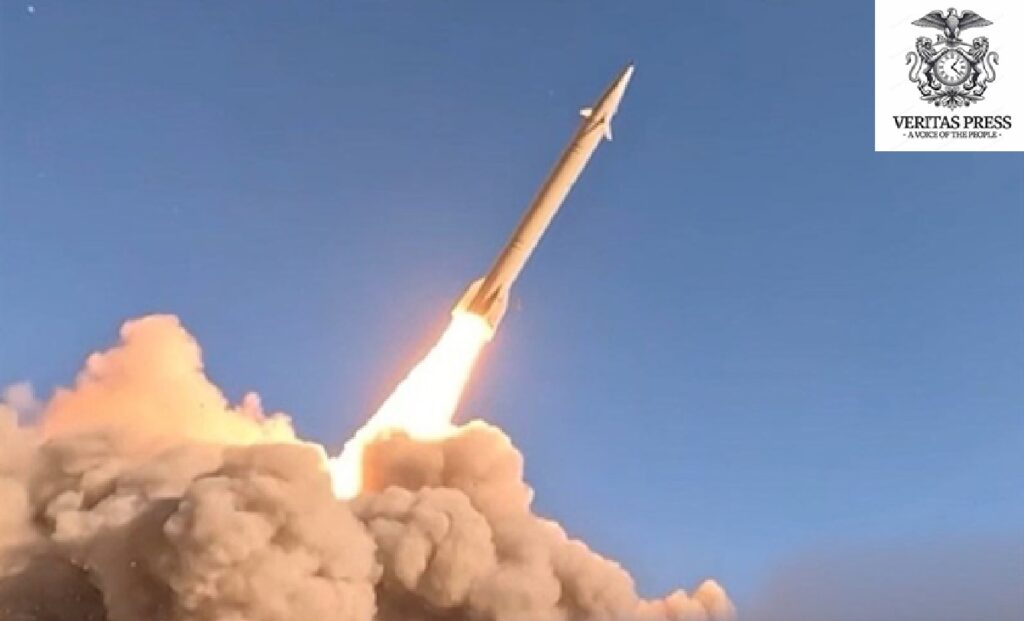
TEHRAN, IRAN – For the past two weeks, the Middle East has been engulfed in
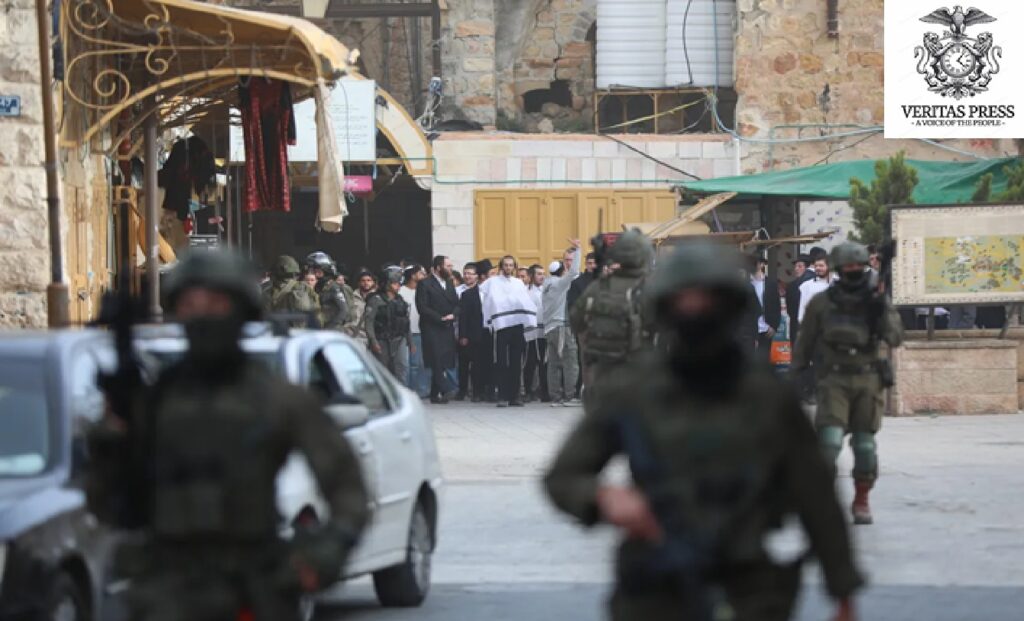
WEST BANK – In the pre-dawn hours of Thursday, March 12, 2026, the occupied West
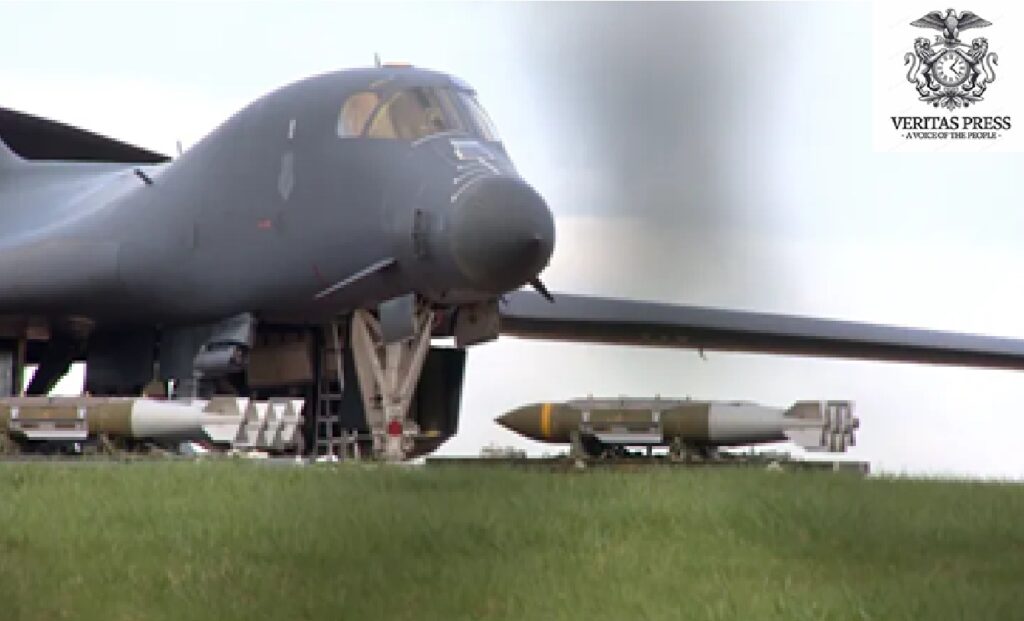
Original Article Date Published: Article Date Modified: Help support our mission, donate today and be
TEHRAN, IRAN – The global economy is holding its breath. Nearly two weeks after the

As the Middle East conflict enters its second week, triggering the largest energy supply disruption
RAMALLAH / JERUSALEM / AMMAN — For the twelfth consecutive day, the gates of the
TEHRAN, IRAN – The early hours of March 11, 2026, marked a significant and dangerous
It was the kind of volatility that wipes out traders and creates legends. In a