

Article Date Modified:
Help support our mission, donate today and be the change. Every contribution goes directly toward driving real impact for the cause we believe in.
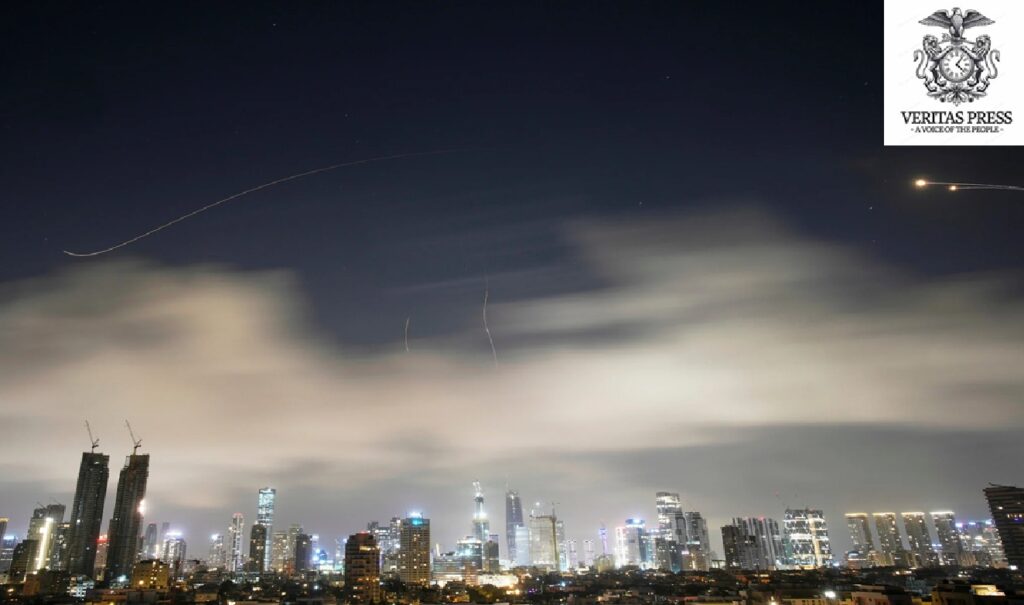
TEHRAN – The war between Israel, Iran, and their regional allies escalated dramatically early Sunday as Iran launched the 53rd wave of its retaliatory missile and drone campaign, while Hezbollah opened parallel attack fronts from Lebanon, marking one of the most coordinated and intense nights of the conflict since the war began.
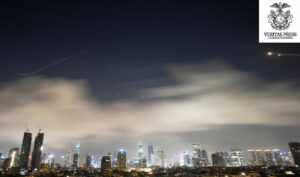
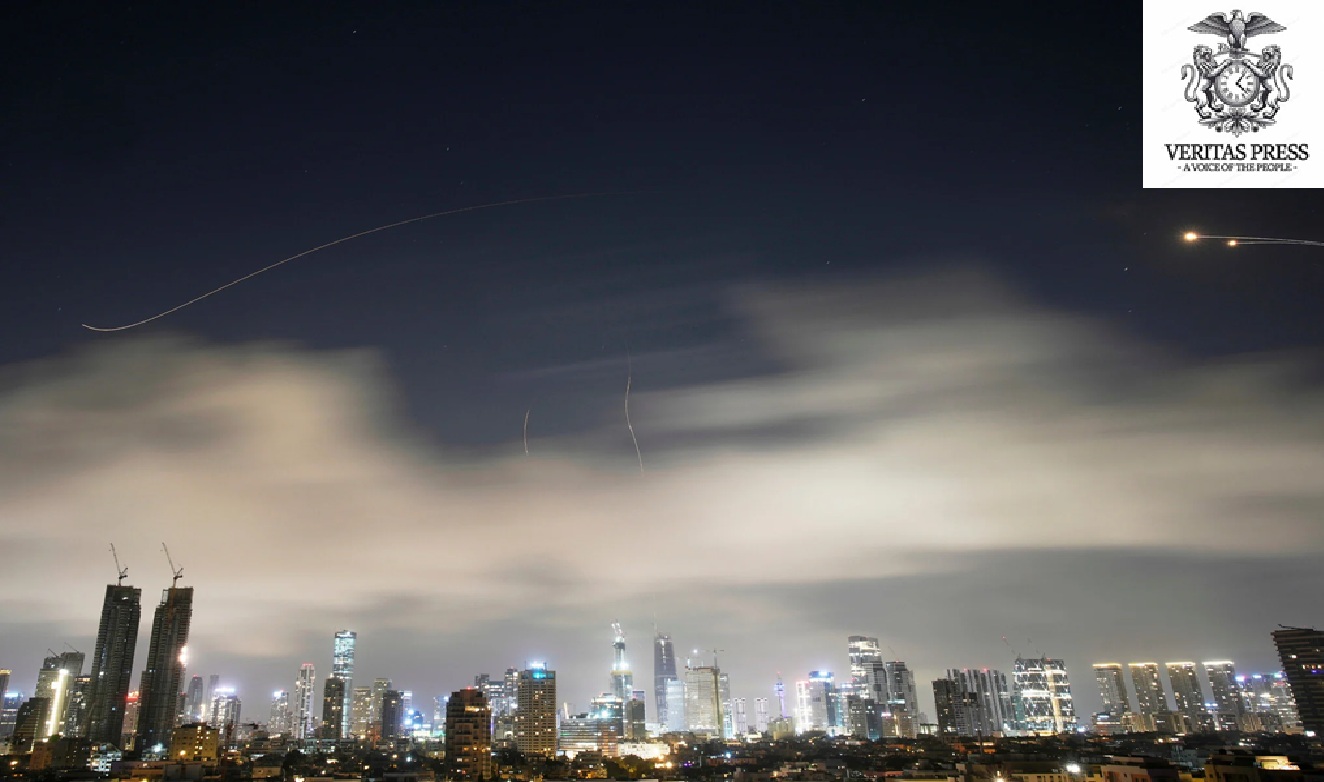
Air-raid sirens echoed across Tel Aviv, Nahariya, Ramla, and Holon, while Israeli air-defence systems intercepted waves of missiles and drones. Debris from intercepted projectiles reportedly struck several urban areas, sparking fires, damaging property, and injuring civilians.
The attacks came as the war triggered by the February 28 joint U.S.–Israeli strike campaign on Iran entered its third week, a conflict that analysts increasingly warn risks spiralling into a multi-front regional war stretching from Lebanon to the Persian Gulf.
Coordinated Iranian–Hezbollah Attacks:
According to Israeli media and military briefings, the barrage began shortly after midnight when Iranian state television announced that missiles had been launched toward the southern Israeli city of Eilat as part of Operation True Promise 4, Tehran’s ongoing retaliation campaign.
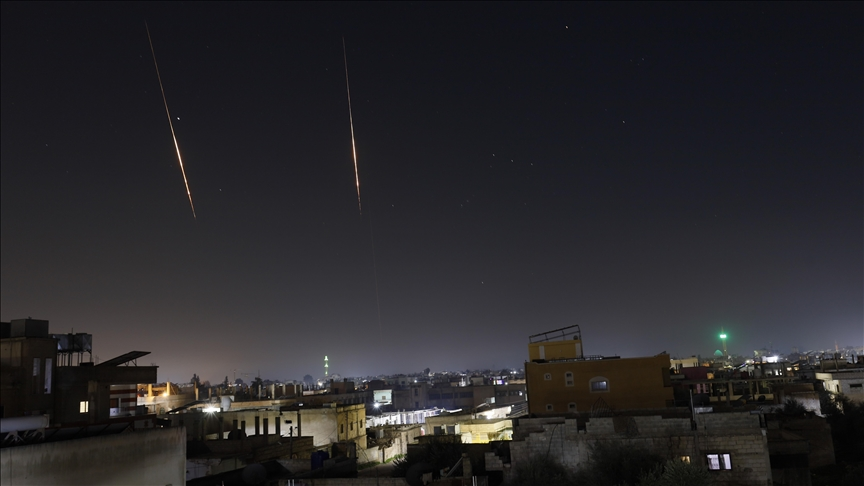
Within hours, additional missiles and drones targeted central Israel, including the greater Tel Aviv area.
Fragments from intercepted missiles reportedly landed in several locations:
- Central Tel Aviv, where bomb disposal teams were deployed after debris damaged buildings and vehicles
- Ramla and Holon, south of Tel Aviv, where fires were reported and at least two people were injured
- Northern Israel, where sirens sounded across Nahariya and the Western Galilee after launches from Lebanon
Israel’s Home Front Command confirmed that approximately 15 launches were detected across multiple fronts during the early hours.
An Israeli police spokesperson told local media:
“Bomb disposal experts and emergency services were dispatched to several impact sites in the Tel Aviv area following interceptions. Residents are urged not to approach debris due to the risk of unexploded fragments.”
The Magen David Adom emergency service said several civilians were treated for injuries, including cuts from shattered glass and smoke inhalation.
A Tel Aviv resident interviewed by Israeli media described the atmosphere overnight:
“Sirens went on and off for hours. You hear the interceptions above you and then explosions from debris hitting the ground. Nobody slept.”
Hezbollah Opens The Northern Front:
While Iran struck from the east, Hezbollah escalated fighting along the Lebanese border, announcing multiple operations targeting Israeli forces and military positions.
According to statements released by the Lebanese group:
- Hezbollah fighters clashed with Israeli troops in the southern Lebanese town of Khiam, using small arms and rocket-propelled grenades
- A Merkava tank was reportedly destroyed near Taybeh
- An Israeli armed drone was shot down over Sharqiya in southern Lebanon
- Rocket barrages targeted Israeli military positions near Adaysah, Mays al-Jabal, and Kfar Yuval
Hezbollah said the attacks were conducted:
“In defence of Lebanon and its people against ongoing Israeli aggression.”
The escalation marks the first major Hezbollah engagement since the fragile November 2024 ceasefire, which had already been repeatedly violated by Israeli airstrikes inside Lebanon.
Lebanese security analyst Riad Kahwaji told regional media that the coordinated attacks signal a strategic shift:
“What we are seeing is the opening phase of a multi-front confrontation where Iran’s allies are synchronising pressure on Israel’s defences.”
Iran: “Defensive Measures Against Aggression.”
Iranian officials framed the missile and drone operations as retaliation against the U.S.–Israeli bombing campaign that began on February 28.
Foreign Minister Abbas Araghchi, speaking during a call with French Foreign Minister Jean-Noël Barrot, accused Washington and Tel Aviv of destabilising the entire region.
“The United States and the Zionist entity are the two main factors behind insecurity in the region, including the Strait of Hormuz,” Araghchi said.
He insisted Iran’s actions are defensive:
“Our measures target the military bases and facilities of the aggressors in the region exclusively and should not be considered attacks against other countries.”
Iranian state media also claimed that explosive drones targeted Israeli police and intelligence facilities, including the elite Lahav 433 police unit and the Gillat satellite communications centre.
Iranian Air Defences Report Downing U.S. And Israeli Drones:
As Israeli strikes continued inside Iran, Tehran reported intercepting several aerial targets.
Iran’s Khatam al-Anbiya Air Defence Headquarters said its systems shot down:
- An Orbiter-4 surveillance drone in Tabriz
- Two Hermes drones over Tehran and Andimeshk
- A cruise missile allegedly targeting Kohgiluyeh province
Iranian outlets Tasnim and Mehr reported additional interceptions above Tehran.
These claims could not be independently verified, but they reflect the increasingly intense aerial contest over Iranian airspace as Israel expands its strikes on military infrastructure.
War Expands Across the Gulf:
The Conflict Has Already Spilled Far Beyond Israel And Iran:
Over the past week:
- Saudi Arabia intercepted seven ballistic missiles and seven drones
- Kuwait shot down four drones
- The United Arab Emirates reported drone crashes near Dubai airport, injuring several people.
- Qatar and Oman intercepted additional drones
Regional shipping has also come under threat.
The UK Maritime Trade Operations (UKMTO) said several vessels transiting the Strait of Hormuz had been struck by projectiles.
The strait carries roughly one-fifth of the world’s oil supply, raising global fears of an energy crisis.
Iran’s parliamentary speaker warned that attacks on the country’s oil infrastructure would provoke a “new level” of retaliation, while U.S. President Donald Trump threatened to target Iranian energy facilities if Tehran interferes with shipping routes.
Oil War And The Kharg Island Flashpoint:
One of the most volatile developments involves Kharg Island, Iran’s main oil export terminal.
Washington claims U.S. forces struck military installations on the island. Trump said American strikes had “obliterated” Iranian military sites there.
Iran disputes this narrative, accusing the U.S. of launching attacks from bases in the United Arab Emirates, including locations near Ras Al-Khaimah and Dubai.
Araghchi warned that the situation is dangerous:
“If neighbouring territories are used as platforms for aggression, they cannot expect immunity.”
Despite the threats, tankers were still seen loading oil at Kharg Island, suggesting Tehran is attempting to maintain exports despite the war.
Energy analyst Helima Croft told financial media:
“Any sustained disruption at Kharg Island or closure of the Strait of Hormuz would trigger an immediate global oil shock.”
Israeli Strikes On Tehran Escalate The War:
Meanwhile, Israel has expanded its own campaign deep inside Iran.
One controversial strike reportedly hit a bank branch in Tehran, killing several employees.
Iran’s military leadership responded by declaring economic institutions in Israel and the United States legitimate targets, signalling a dramatic expansion of potential targets.
In a televised statement, Iran’s Khatam al-Anbiya Central Headquarters warned:
“The Americans should await our countermeasure and our painful response.”
Israel Mobilises For Possible Lebanon Ground War:
At the same time, Israeli military leadership is preparing for a broader confrontation with Hezbollah.
Israel’s Chief of Staff Lt. Gen. Eyal Zamir has ordered troop redeployments from Gaza to the northern border, including units from the Golani Brigade.
The shift suggests Israel is preparing for a possible ground offensive in southern Lebanon, raising fears of a repeat of the devastating 2006 war.
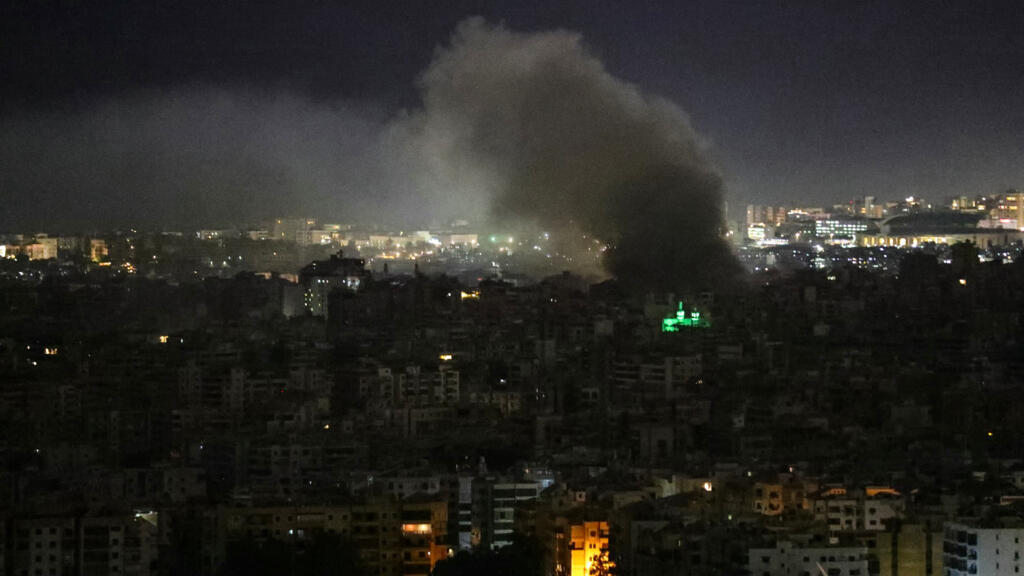
Lebanese officials say Israeli airstrikes have already hit Beirut’s southern suburbs, the Bekaa Valley, and southern Lebanon, killing and wounding civilians.
A Lebanese resident in Dahiyeh, speaking to local journalists after the strikes, said:
“People here fear that the entire country will be dragged into another war.”
Mounting Humanitarian And Political Consequences:
International organisations warn that the escalating war could produce catastrophic humanitarian consequences across multiple countries.
The International Crisis Group said the region is “closer to a systemic war than at any point in decades.”
Meanwhile, Amnesty International and Human Rights Watch have warned that expanding attacks on civilian infrastructure, including banks, ports, and energy facilities, could violate international law.
Political analysts say the war is rapidly transforming from a limited military exchange into a regional confrontation involving multiple states and non-state actors.
Middle East scholar Fawaz Gerges noted:
“What began as a direct Israeli-Iranian confrontation is now evolving into a multi-theatre conflict stretching from Lebanon to the Gulf. The danger is that escalation dynamics are now moving faster than diplomacy.”
A Region On The Edge:
By Sunday morning, the skies over Israel, Lebanon, and the Gulf had become the latest arena in an expanding war.
Iran’s 53rd wave of strikes, Hezbollah’s renewed battlefield role, Israeli deep-strike operations inside Iran, and mounting attacks on Gulf infrastructure collectively illustrate how the conflict is rapidly widening.
With global oil routes threatened, regional militaries mobilising, and diplomatic channels largely frozen, many observers fear the Middle East may be entering the most dangerous phase of confrontation in years.
As one exhausted Tel Aviv resident put it after a night of sirens:
“Every night we wonder if the next missile will land here. Nobody knows where this war ends.”
Source: Multiple News Agencies
Submissions:
For The Secure Submission Of Documentation, Testimonies, Or Exclusive Investigative Reports From Any Global Location, Please Utilise The Following Contact Details For Our Investigations Desk: enquiries@veritaspress.co.uk or editor@veritaspress.co.uk
Help Support Our Work:
Popular Information is powered by readers who believe that truth still matters. When just a few more people step up to support this work, it means more lies exposed, more corruption uncovered, and more accountability where it’s long overdue.
Help Protect Independent Journalism, Which Is Currently Under Attack.
If you believe journalism should serve the public, not the powerful, and you’re in a position to help, becoming a DONATOR or a PAID SUBSCRIBER truly makes a difference.
DONATION APPEAL: If You Found This Reporting Valuable, Please Consider Supporting Independent Journalism.
Help Support Our Work – We Know, We Know, We Know …
Seeing these messages is annoying. We know that. (Imagine what it’s like writing them … )
Your support fuels our fearless, truth-driven journalism. In unity, we endeavour to amplify marginalised voices and champion justice, irrespective of geographical location.
But it’s also extremely important. One of Veritas Press’s greatest assets is its reader-funded model.
1. Reader funding means we can cover what we like. We’re not beholden to the political whims of a billionaire owner. We are a small, independent and impartial organisation. No one can tell us what not to say or what not to report.
2. Reader funding means we don’t have to chase clicks and traffic. We’re not desperately seeking your attention for its own sake: we pursue the stories that our editorial team deems important and believe are worthy of your time.
3. Reader Funding: enables us to keep our website and other social media channels open, allowing as many people as possible to access quality journalism from around the world, particularly those in places where the free press is under threat.
We know not everyone can afford to pay for news, but if you’ve been meaning to support us, now’s the time.
Your donation goes a long way. It helps us:
- Keep the lights on and sustain our day-to-day operations
- Hire new, talented independent reporters
- Launch real-time live debates, community-focused shows, and on-the-ground reporting
- Cover the issues that matter most to our communities, in real time, with depth and integrity
We have plans to expand our work, but we can’t do it without your support. Every contribution, no matter the size, helps us stay independent and build a truly people-powered media platform.
If you believe in journalism that informs, empowers, and reflects the communities we serve, please donate today.
TEHRAN – The war between Israel, Iran, and their regional allies escalated dramatically early Sunday
TORONTO — In the shadow of the US Consulate on University Avenue, the air was
BAGHDAD/TEHRAN – As the US-Israel military campaign against Iran enters its third week, a complex
TEHRAN, IRAN – As the sun rose over a shattered Middle East on the 16th
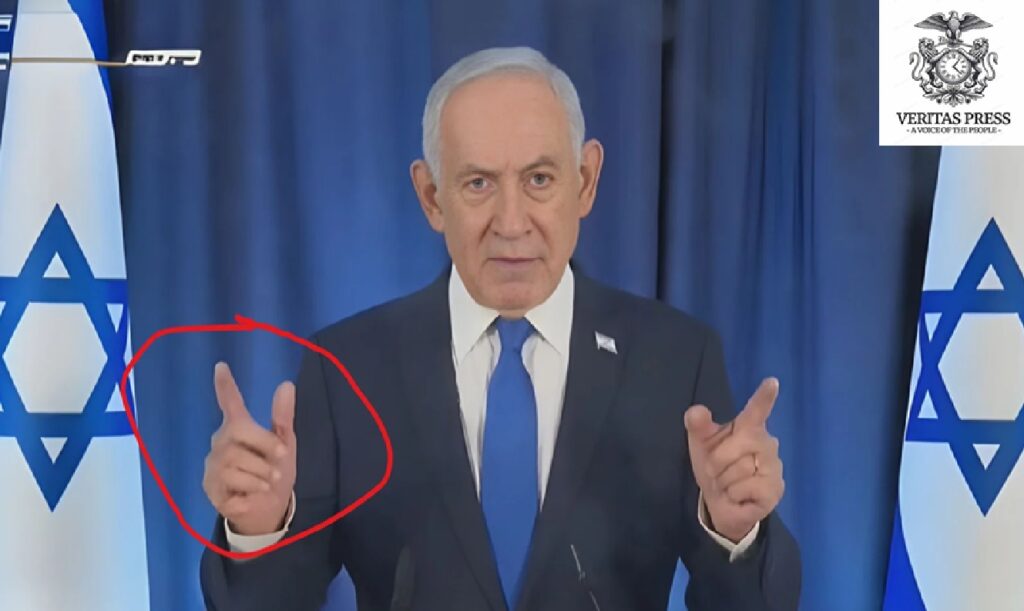
TEL-AVIV – As regional tensions intensify between **Benjamin Netanyahu’s government and Iran, a wave of
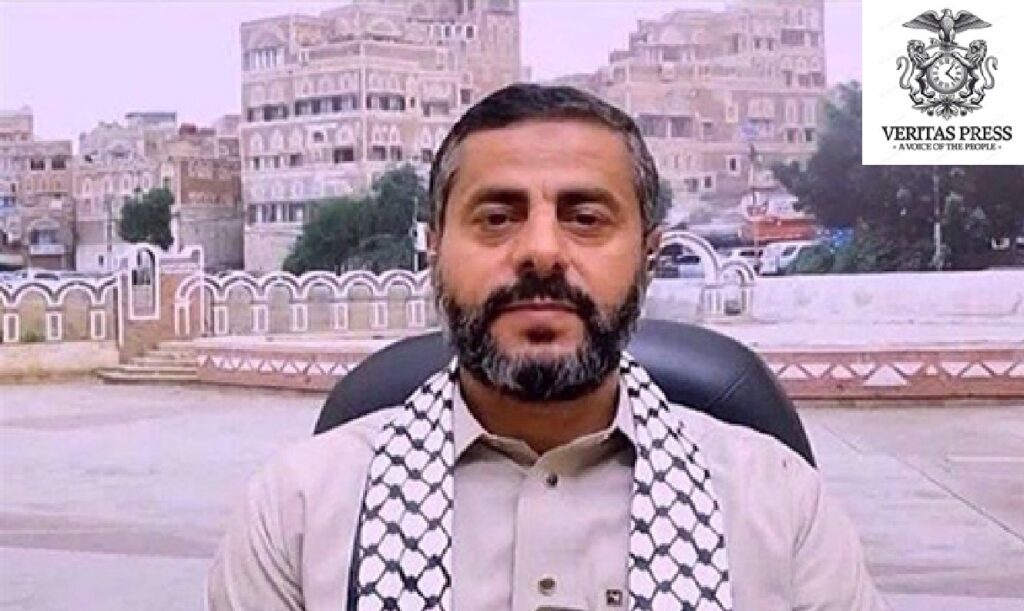
SANA’A — As the U.S.–Israeli war with Iran enters its third week, the already precarious
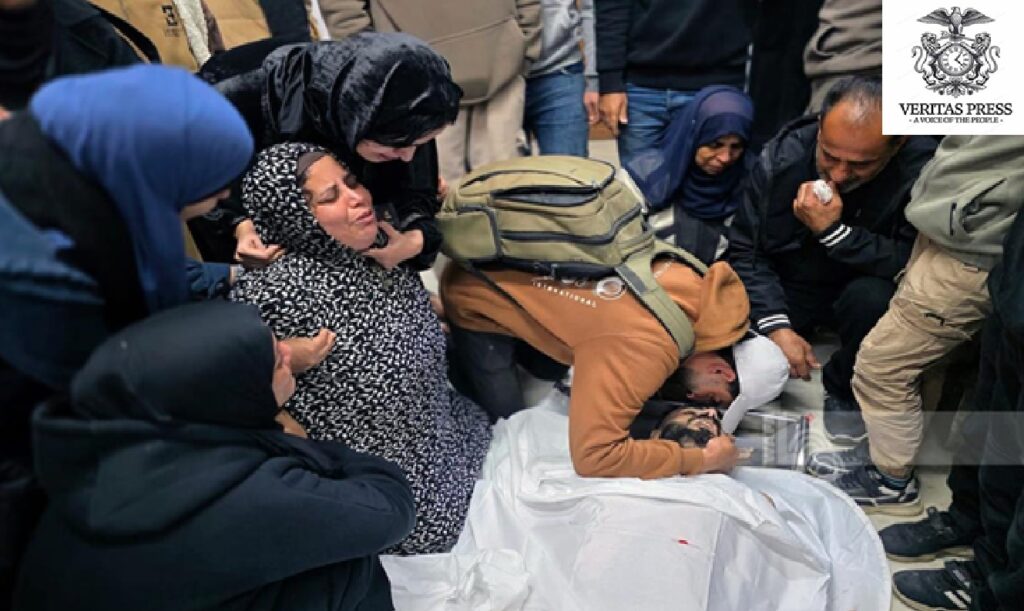
GAZA, March 14, 2026 — The devastating human cost of Israel’s military offensive on the
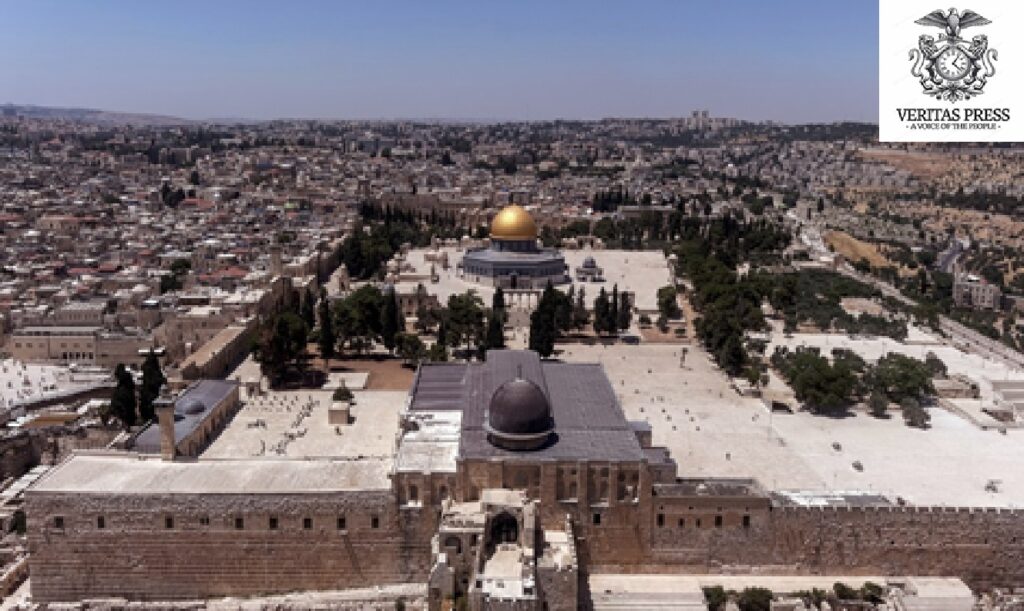
For nearly two weeks during the most sacred period of Ramadan, the courtyards of Al-Aqsa
TEHRAN — The juxtaposition could not be more stark. In Tehran, the 12,000-seat indoor volleyball
TEHRAN, IRAN – As the US-Israeli conflict with Iran barrels into its third week, the