

Original Article Date Published:
Article Date Modified:
Help support our mission, donate today and be the change. Every contribution goes directly toward driving real impact for the cause we believe in.
TEHRAN – The fog of war thickened over central Iran on Sunday, as sharply conflicting accounts emerged over a covert U.S. military operation deep inside Isfahan province, an incident that analysts warn marks a dangerous new phase in the widening US–Iran confrontation.
Iranian military officials claim they decisively repelled what they describe as a clandestine American rescue mission, destroying multiple aircraft and forcing a chaotic retreat. Washington, by contrast, insists the operation succeeded in extracting stranded personnel, even as it has declined to provide verifiable details.
The truth, still obscured by propaganda, denials, and limited independent verification, appears to lie at the centre of an increasingly volatile regional war.
A Covert Mission, A Violent Interception:
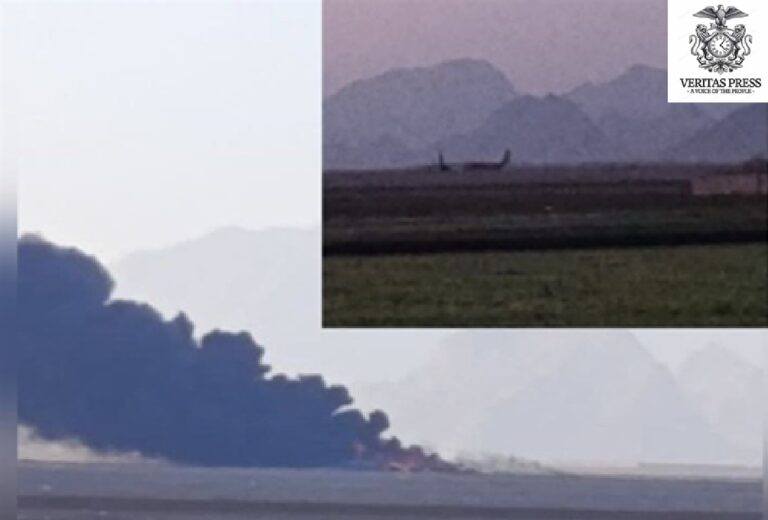
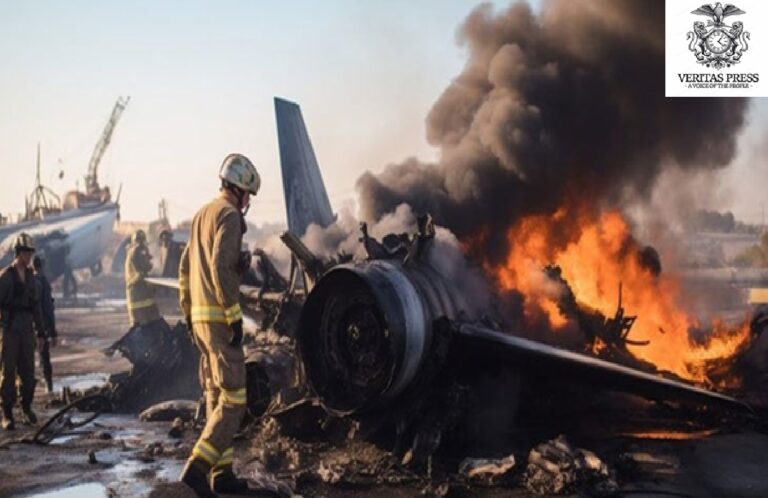
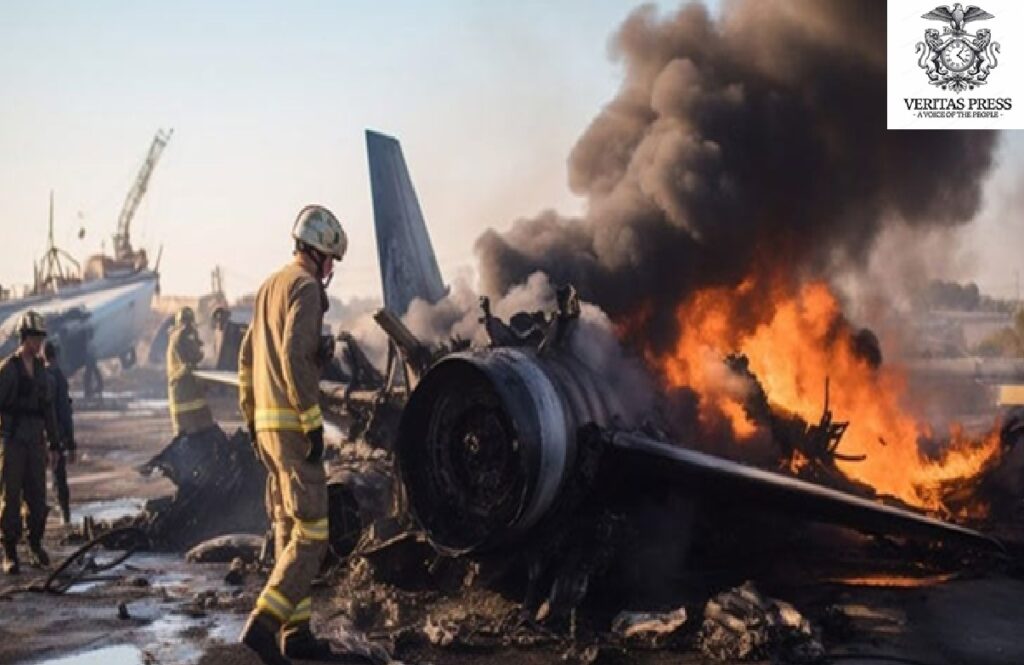
According to Brigadier General Ebrahim Zolfaqari, spokesperson for Iran’s Khatam al-Anbiya Central Headquarters, U.S. forces launched a “deceptive and rapid extraction operation” aimed at rescuing the pilot of a downed F-15 fighter jet near an abandoned airstrip in southern Isfahan.
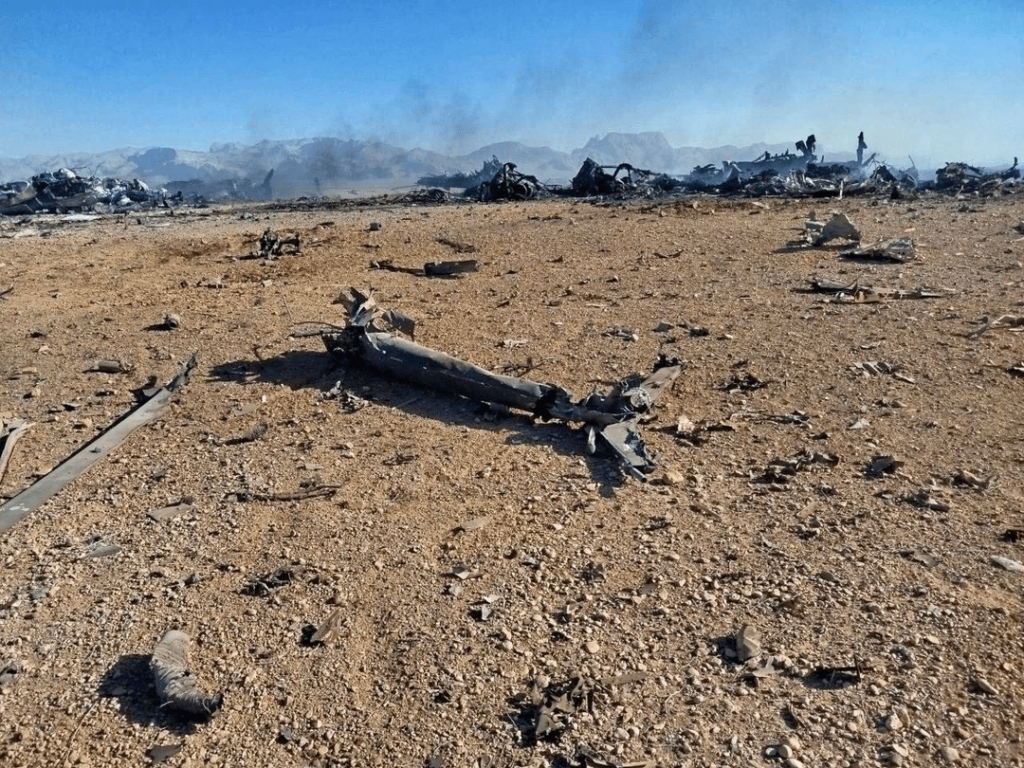
“The operation was brought to a complete failure by the timely presence of the Iranian armed forces,” Zolfaqari declared, framing the incident as a decisive battlefield victory.
Iranian military statements claim that:
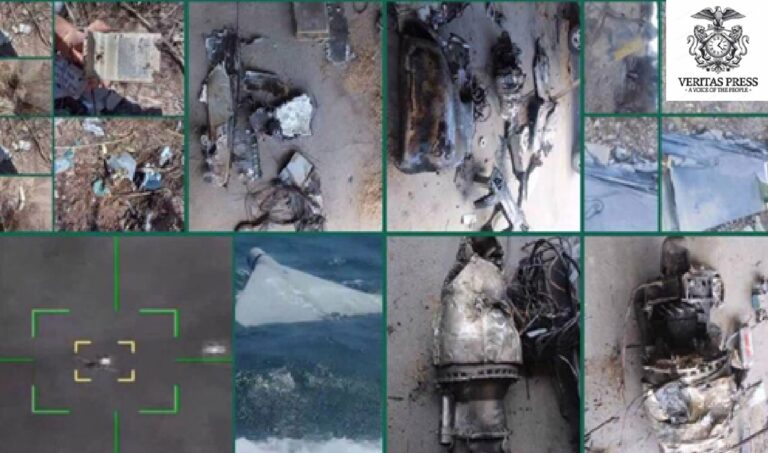
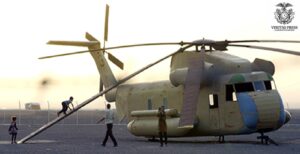
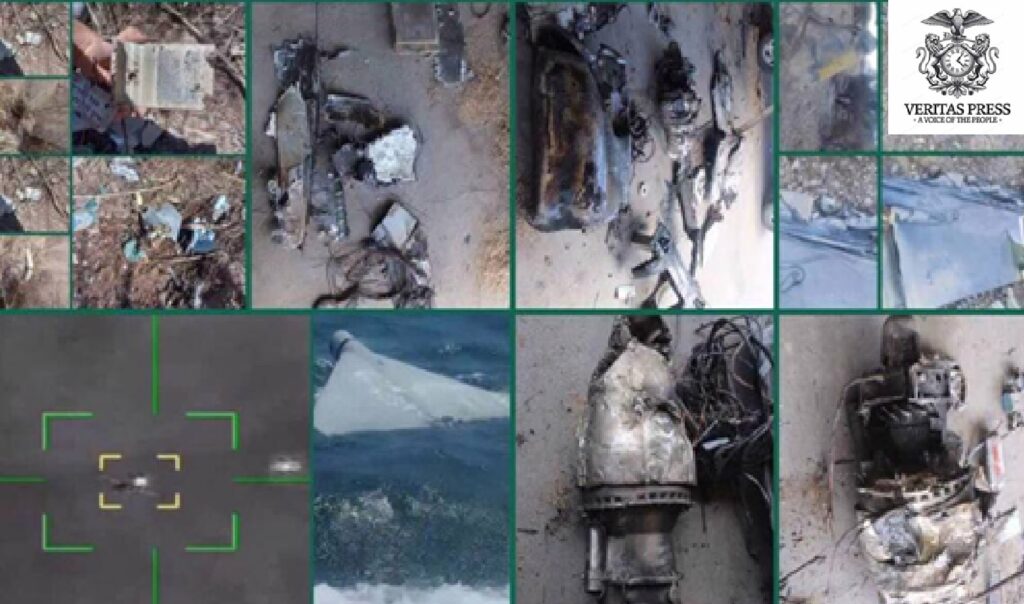
- 2 C-130 (or MC-130J) transport aircraft
- 2 Black Hawk helicopters
- Multiple drones, including an MQ-9 Reaper and Hermes-900
were shot down or destroyed during the confrontation.
The Islamic Revolutionary Guard Corps (IRGC) said the operation involved a coordinated response from aerospace, ground forces, Basij militia units, and police, underscoring what officials describe as a “whole-of-state” defensive mobilisation.
“This once again demonstrated that the enemy cannot operate freely within Iran’s sovereign territory,” the IRGC said, calling the alleged incursion a “humiliating defeat.”
Washington’s Silence, And Trump’s Claims:
The U.S. Department of Defence has neither confirmed nor denied the loss of aircraft, an omission that has only fueled speculation.
However, President Donald Trump claimed on social media that U.S. forces had successfully recovered the downed pilot, stating:
“We got him. Mission accomplished.”
U.S. officials speaking anonymously to Reuters supported the claim that at least one additional airman had been rescued, though they provided no operational details, nor any response to Iranian assertions of heavy American losses.
The absence of imagery, official briefings, or corroborating battlefield evidence has left analysts cautious.
A Western defence analyst, speaking on condition of anonymity, noted:
“If aircraft of that scale were destroyed, it would represent a significant operational loss. But without satellite confirmation or independent footage, both sides are clearly shaping narratives for strategic effect.”
Echoes Of Tabas: History As Messaging.
Iranian officials have repeatedly invoked the failed 1980 U.S. hostage rescue mission, known as Operation Eagle Claw, drawing parallels between past and present.
That mission ended in disaster after a sandstorm crippled U.S. helicopters in Iran’s Tabas desert, killing eight American servicemen.
By evoking that memory, Iranian state media and officials are framing the Isfahan incident as a modern repeat of American military humiliation on Iranian soil.
Iranian Parliament Speaker Mohammad Baqer Qalibaf went further, mocking Washington’s claims:
“If the United States gets three more victories like this, it will be utterly ruined.”
The Cost Of War, And The Stakes:
If Iran’s claims are accurate, the material losses alone would be substantial. The MC-130J aircraft, allegedly involved in special operations platforms designed for infiltration and extraction, is estimated to cost over $100 million each.
Beyond financial cost, however, the strategic implications are far greater.
“This would represent a rare case of U.S. forces being directly engaged and degraded inside Iranian territory,” said a Gulf-based security analyst.
“That’s an escalation threshold we haven’t seen crossed in decades.”
A War Expanding In All Directions:
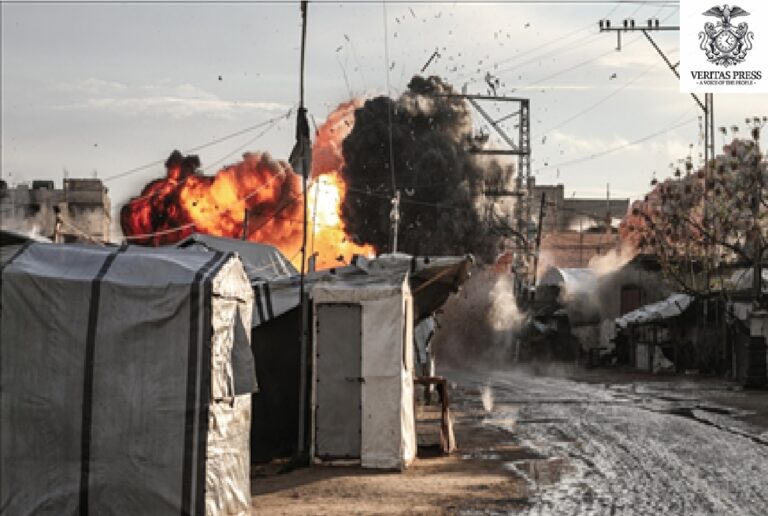
The Isfahan incident cannot be viewed in isolation. It is part of a rapidly intensifying conflict that began with coordinated U.S. and Israeli airstrikes on February 28, targeting dozens of sites across Iran.
Iranian officials say those strikes included assassinations of senior commanders and political figures, actions Tehran has framed as acts of war.
Since then, Iran has:
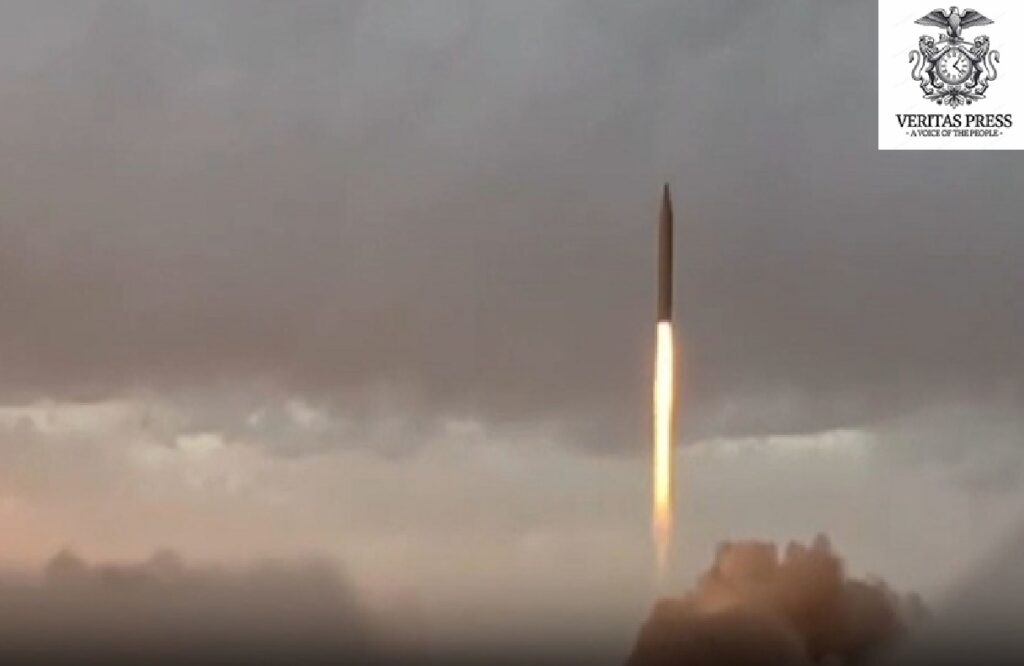
- Launched near-daily missile and drone strikes targeting Israeli-controlled areas
- Attacked U.S. bases across the region
- Claimed to have downed multiple hostile aircraft and drones
Iranian Foreign Minister Abbas Araqchi, in a call with Pakistani counterpart Ishaq Dar, placed responsibility squarely on Washington and Tel Aviv:
“The United States and Israel are responsible for the insecurity and instability in West Asia.”
Pakistan, alongside other regional actors, has called for urgent de-escalation, warning that the conflict risks spiralling into a broader regional war.
Information Warfare And Unverified Claims:
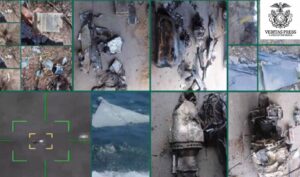
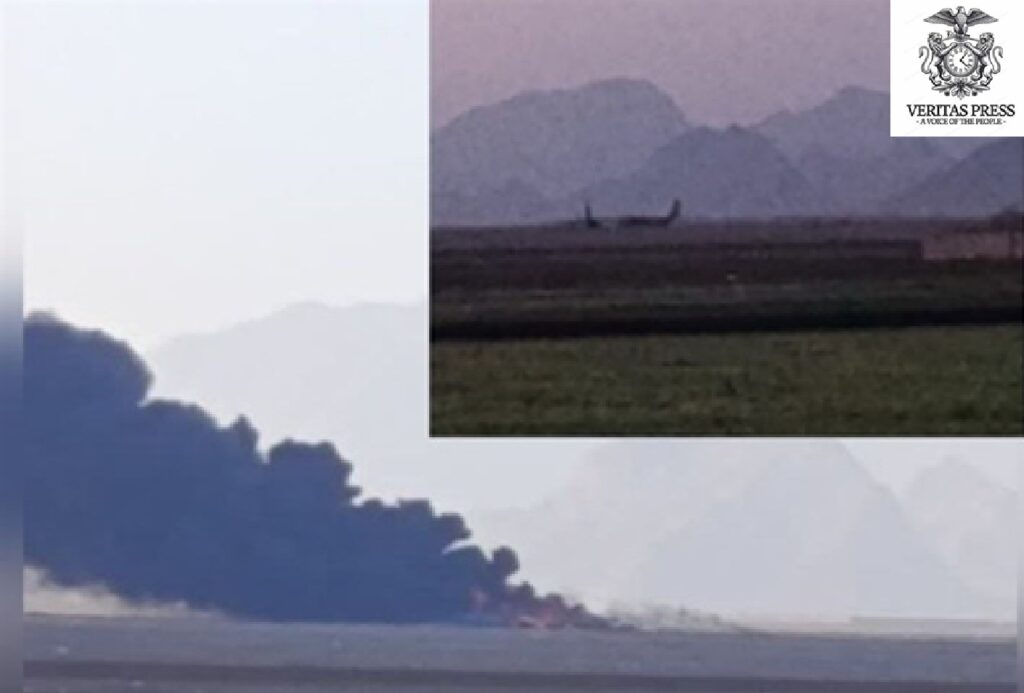
Complicating the situation is the proliferation of unverified footage and claims circulating online. Videos allegedly showing U.S. aircraft wreckage and covert operations inside Iran have surfaced, but none have been independently authenticated.
Reuters noted it could not verify Iranian accounts of destroyed aircraft, while U.S. officials have offered no evidence to substantiate their success claims.
“This is a classic information war environment,” said a media analyst tracking the conflict.
“Both sides are shaping perception as aggressively as they are fighting on the ground.”
Civilians Caught In The Middle:
While official narratives dominate headlines, local accounts, though scarce due to heavy information controls, paint a more chaotic picture.
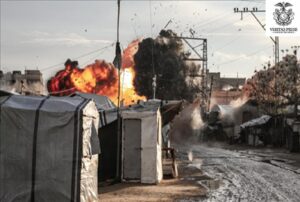
Residents in parts of Isfahan province, speaking to regional media, described hearing explosions and seeing increased military activity overnight.
One local, quoted by a Persian-language outlet, said:
“We heard loud blasts and saw flashes in the sky. People are afraid; no one knows what is happening.”
Human rights groups warn that continued escalation risks bringing the conflict deeper into populated areas, with potentially devastating consequences.
A Dangerous Turning Point:
Whether the U.S. mission ultimately succeeded or failed may matter less than what it represents: a direct, kinetic confrontation between U.S. and Iranian forces on Iranian soil.
That alone signals a profound shift.
“This is no longer shadow conflict or proxy warfare,” said a European diplomat familiar with regional negotiations.
“We are entering a phase of open confrontation, where miscalculation could trigger a full-scale war.”
With both sides claiming victory and neither offering verifiable proof, the Isfahan episode underscores a sobering reality: the battlefield is no longer just physical, but informational, psychological, and global.
And in that war, the truth may be the first casualty.
Source: Multiple News Agencies
Submissions:
For The Secure Submission Of Documentation, Testimonies, Or Exclusive Investigative Reports From Any Global Location, Please Utilise The Following Contact Details For Our Investigations Desk: enquiries@veritaspress.co.uk or editor@veritaspress.co.uk
Help Support Our Work:
Popular Information is powered by readers who believe that truth still matters. When just a few more people step up to support this work, it means more lies exposed, more corruption uncovered, and more accountability where it’s long overdue.
Help Protect Independent Journalism, Which Is Currently Under Attack.
If you believe journalism should serve the public, not the powerful, and you’re in a position to help, becoming a DONATOR or a PAID SUBSCRIBER truly makes a difference.
DONATION APPEAL: If You Found This Reporting Valuable, Please Consider Supporting Independent Journalism.
Help Support Our Work – We Know, We Know, We Know …
Seeing these messages is annoying. We know that. (Imagine what it’s like writing them … )
Your support fuels our fearless, truth-driven journalism. In unity, we endeavour to amplify marginalised voices and champion justice, irrespective of geographical location.
But it’s also extremely important. One of Veritas Press’s greatest assets is its reader-funded model.
1. Reader funding means we can cover what we like. We’re not beholden to the political whims of a billionaire owner. We are a small, independent and impartial organisation. No one can tell us what not to say or what not to report.
2. Reader funding means we don’t have to chase clicks and traffic. We’re not desperately seeking your attention for its own sake: we pursue the stories that our editorial team deems important and believe are worthy of your time.
3. Reader Funding: enables us to keep our website and other social media channels open, allowing as many people as possible to access quality journalism from around the world, particularly those in places where the free press is under threat.
We know not everyone can afford to pay for news, but if you’ve been meaning to support us, now’s the time.
Your donation goes a long way. It helps us:
- Keep the lights on and sustain our day-to-day operations
- Hire new, talented independent reporters
- Launch real-time live debates, community-focused shows, and on-the-ground reporting
- Cover the issues that matter most to our communities, in real time, with depth and integrity
We have plans to expand our work, but we can’t do it without your support. Every contribution, no matter the size, helps us stay independent and build a truly people-powered media platform.
If you believe in journalism that informs, empowers, and reflects the communities we serve, please donate today.
TEHRAN – The fog of war thickened over central Iran on Sunday, as sharply conflicting
ISFAHAN PROVINCE, IRAN – April 5, 2026, In the rugged, mountainous terrain south of the
Original Article Date Modified: Article Date Modified: Help support our mission, donate today and be

The raw numbers tell a story of profound inequality. On 1 April 2026, more than
What began on February 28, 2026, as a coordinated US-Israeli campaign to decapitate Iran’s military
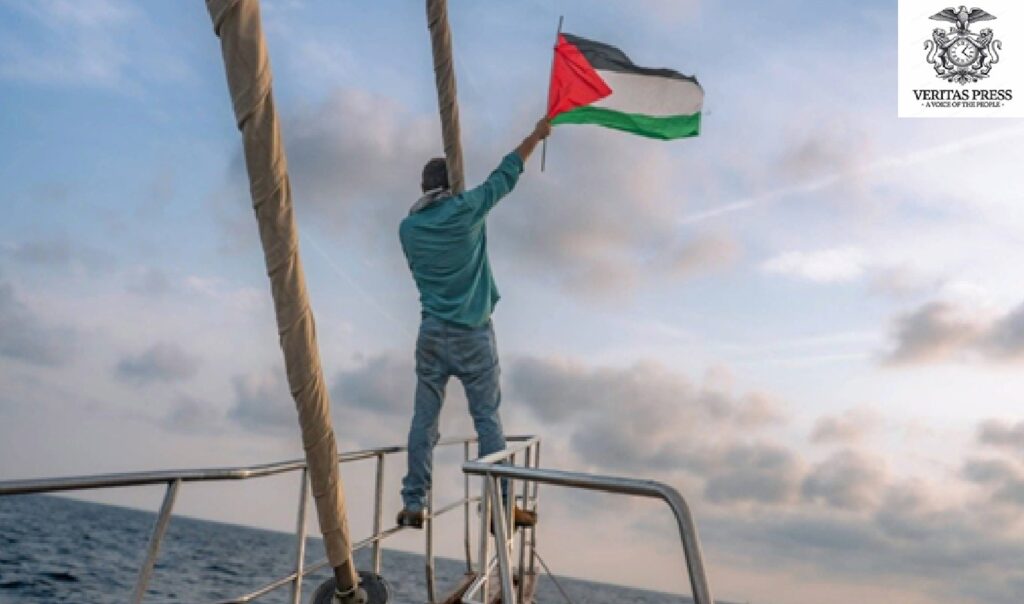
The idea of a “freedom flotilla” carries a ghost in its hold: the 2010 Mavi

Original Article Date Published: Article Date Modified: Help support our mission, donate today and be
Original Article Date Published: Article Date Modified: Help support our mission, donate today and be
A United States fighter jet has been shot down over Iran, marking a dangerous and
On February 28, the United States and Israel launched coordinated strikes on Iran, reported by