


Original Article Date Published:
Article Date Modified:
Help support our mission, donate today and be the change. Every contribution goes directly toward driving real impact for the cause we believe in.
BAGHDAD/TEHRAN – As the US-Israel military campaign against Iran enters its third week, a complex tapestry of accusations and denials is unfolding across the Middle East, with energy infrastructure becoming a central battleground, not just for bombs and drones, but for the very narrative of the war itself.
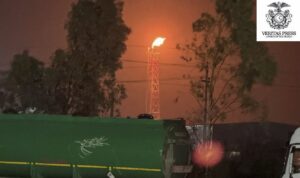
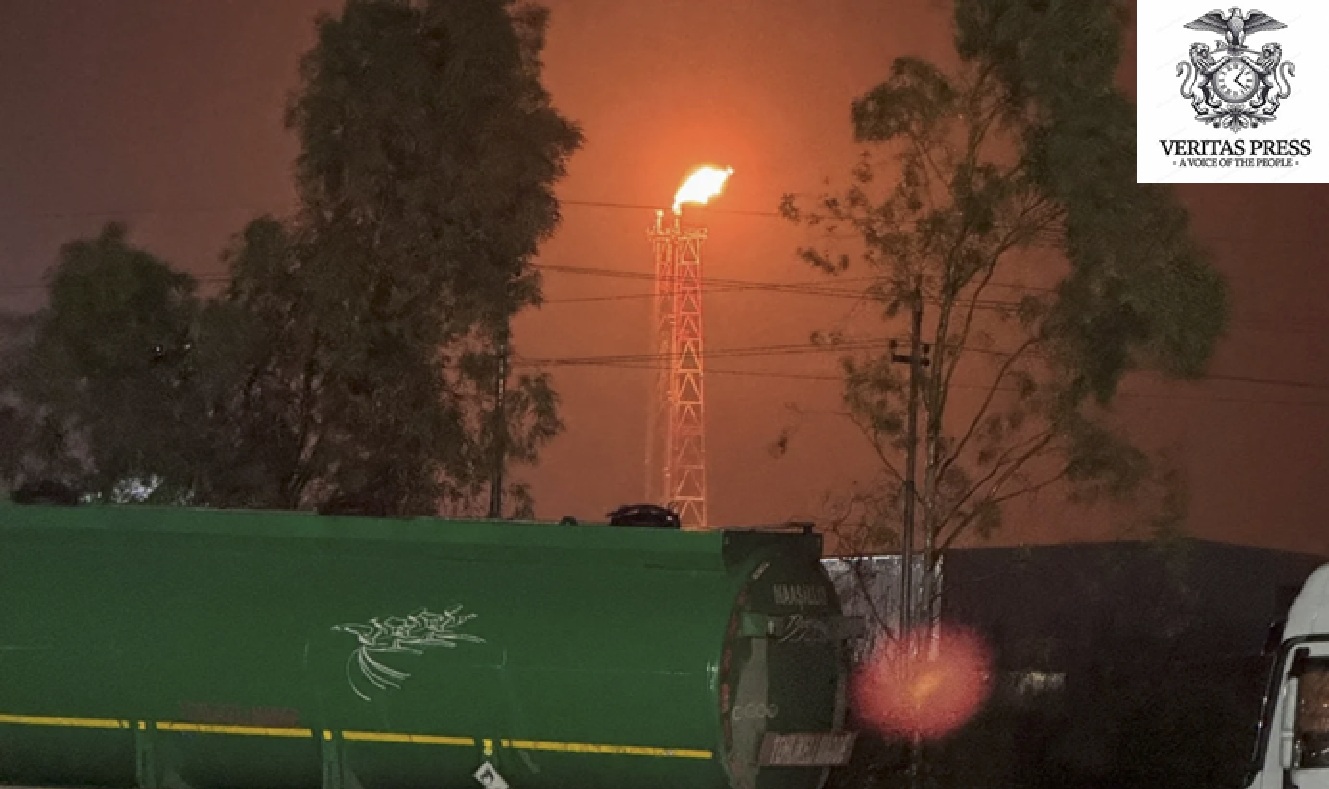
A drone strike on the Lanaz refinery in Erbil, in the Kurdistan Region of Iraq, on Saturday, has sparked a fierce war of words. While the attack temporarily halted operations at the key facility, the identity of the aggressor remains a highly contested piece of intelligence.
The Official Denial From Tehran:
In the wake of the attack, Iranian state-affiliated media moved quickly to distance the Islamic Republic from the incident. Citing an unnamed military source, the semi-official Tasnim news agency issued a firm denial of involvement by either Tehran or its allied resistance groups in Iraq.
“Our information indicates that this attack was carried out by Americans or Israelis under a ‘false flag,’ and its goal is to unnecessarily widen the war against targets that are not part of Iran’s and the resistance’s target data bank,” the military source told Tasnim.
This sentiment was echoed by the spokesman for Iran’s Khatam al-Anbiya Central Headquarters, who accused the US and Israel of orchestrating a campaign to frame Iran using “rebranded” copies of Iranian drones. According to statements carried by Press TV, these drones, referred to by the name “Lucas,” are being used to deliberately strike civilian infrastructure across the region to “create doubt and accuse the Islamic Republic of Iran” while sabotaging Tehran’s diplomatic relations with neighbouring countries.
“If Iran or the resistance attacks any location, they will officially announce it. The interests of the US and Israel in the region are certain targets for us,” the source added, dismissing the notion that Tehran would strike a facility like Lanaz without claiming responsibility.
A Pattern Of Coordinated Strikes?
The denial regarding Erbil came on the same day as another significant security incident in the Gulf. Kuwaiti authorities confirmed that several drones targeted the Kuwait International Airport, damaging its radar system. Abdullah Al-Rajhi, spokesperson for Kuwait’s Public Authority for Civil Aviation, stated that the incident was handled according to emergency protocols, affirming the authority’s commitment to safeguarding civil aviation security, but notably did not assign blame.
Tehran was quick to link the two events. The military source speaking to Tasnim explicitly stated that despite “rumours and biased reporting by some Western media, the attack on the radar of the civilian airport in Kuwait was also carried out by the US and Israel and has nothing to do with Iran”.
Ground Truth In Erbil: Operations Halted
On the ground in Iraqi Kurdistan, the immediate concern is the damage to critical infrastructure. Officials at the Kurdistan Region’s Ministry of Natural Resources confirmed to Reuters that operations at the Lanaz refinery have been suspended until the fire caused by the drone strike is extinguished and the full extent of the damage can be assessed. The refinery remains offline, its status a physical marker of the attack that has now become a diplomatic flashpoint.
Investigative Analysis: The Logic Of A ‘False Flag’.
To understand the veracity of Iran’s claims, one must view them through the lens of current military strategy and the broader context of the war. Since the assassination of the Leader of the Islamic Revolution, Ayatollah Seyed Ali Khamenei, on February 28, an event that dramatically escalated the conflict, the United States and Israel have launched extensive aerial strikes on what they describe as military targets across Iran.
1. The Target Bank Theory:
Iran’s argument rests on a declared strategic doctrine: that its retaliatory operations are calculated and reserved for American and Israeli military positions. As the Khatam al-Anbiya spokesman asserted, “As the Islamic Republic of Iran has repeatedly announced, it only targets the objectives, centres, and interests of the United States and the Zionist regime”. Striking a refinery in the Kurdistan Region, which is not a direct US or Israeli military asset, would be a strategic deviation that offers Tehran little tactical advantage while risking its relationship with the Kurdish authorities and the Iraqi federal government in Baghdad.
2. The “Shahed Imitation” Factor:
Iran’s accusation that the US and Israel are using “imitated” Shahed drones is a technologically plausible scenario. The Shahed-136 has become a ubiquitous symbol of Iranian military capability, but its design is no longer a secret. Replicating or modifying these drones for use in a false-flag operation would serve a clear purpose for an adversary: to conduct attacks that are automatically attributed to Iran by media and casual observers, thereby widening the coalition against it without expanding one’s own military risk.
3. The Precedent of Accusation:
This is not the first time Tehran has levelled such charges during this conflict. Earlier in March, Iranian military sources directly accused Israel of striking Aramco facilities in Saudi Arabia in a false flag operation. At the time, Tehran claimed such an attack was designed to “divert attention away from the military operations” Israel was conducting inside Iran and to implicate Iran in an act of aggression against the Kingdom. This consistent pattern suggests a coordinated information warfare strategy by Tehran to preemptively delegitimise attacks on regional states by framing them as provocations orchestrated by Washington and Tel Aviv.
Regional Repercussions And The Widening War:
Regardless of who struck the Lanaz refinery, the incident underscores the volatile spillover of the US-Israel campaign against Iran. The conflict is no longer contained within Iranian borders.
Recent days have seen a dramatic uptick in regional violence. An American official confirmed to the AP that an additional 2,500 Marines and an amphibious assault ship are being dispatched to the Middle East, signalling a potential escalation of ground operations. Meanwhile, US Defence Secretary Pete Hegseth stated that over 15,000 enemy targets have been struck since the war began.
Retaliatory actions have been widespread. A missile struck a helipad inside the US Embassy compound in Baghdad on Saturday, and debris from an intercepted drone hit an oil facility in the UAE’s Fujairah port. Iran’s joint military command has issued stark warnings to Gulf states, threatening to target “all oil, economic, and energy infrastructures belonging to oil companies across the region that have American shares or cooperate with America”.
Conclusion:
The attack on the Lanaz refinery remains a mystery wrapped in the fog of war. Is it a “false flag” operation by the US or Israel, as Tehran insists, designed to turn regional powers against Iran by making it appear reckless with their economic assets? Or is it a covert strike by an Iranian-backed militia, operating without official attribution to send a message while maintaining deniability?
For now, the fire at the refinery is out, but the political firestorm rages on. As the US and Israel continue their campaign to “destroy Iranian military capabilities,” according to Secretary Hegseth, and as Iran vows to avenge the death of its leaders, the risk of a miscalculation or a manipulated incident, dragging the entire region into a broader conflagration, has never been higher. The truth behind the drones over Erbil may ultimately matter less than how regional and global powers choose to react to them.
Source: Multiple News Agencies
Submissions:
For The Secure Submission Of Documentation, Testimonies, Or Exclusive Investigative Reports From Any Global Location, Please Utilise The Following Contact Details For Our Investigations Desk: enquiries@veritaspress.co.uk or editor@veritaspress.co.uk
Help Support Our Work:
Popular Information is powered by readers who believe that truth still matters. When just a few more people step up to support this work, it means more lies exposed, more corruption uncovered, and more accountability where it’s long overdue.
Help Protect Independent Journalism, Which Is Currently Under Attack.
If you believe journalism should serve the public, not the powerful, and you’re in a position to help, becoming a DONATOR or a PAID SUBSCRIBER truly makes a difference.
DONATION APPEAL: If You Found This Reporting Valuable, Please Consider Supporting Independent Journalism.
Help Support Our Work – We Know, We Know, We Know …
Seeing these messages is annoying. We know that. (Imagine what it’s like writing them … )
Your support fuels our fearless, truth-driven journalism. In unity, we endeavour to amplify marginalised voices and champion justice, irrespective of geographical location.
But it’s also extremely important. One of Veritas Press’s greatest assets is its reader-funded model.
1. Reader funding means we can cover what we like. We’re not beholden to the political whims of a billionaire owner. We are a small, independent and impartial organisation. No one can tell us what not to say or what not to report.
2. Reader funding means we don’t have to chase clicks and traffic. We’re not desperately seeking your attention for its own sake: we pursue the stories that our editorial team deems important and believe are worthy of your time.
3. Reader Funding: enables us to keep our website and other social media channels open, allowing as many people as possible to access quality journalism from around the world, particularly those in places where the free press is under threat.
We know not everyone can afford to pay for news, but if you’ve been meaning to support us, now’s the time.
Your donation goes a long way. It helps us:
- Keep the lights on and sustain our day-to-day operations
- Hire new, talented independent reporters
- Launch real-time live debates, community-focused shows, and on-the-ground reporting
- Cover the issues that matter most to our communities, in real time, with depth and integrity
We have plans to expand our work, but we can’t do it without your support. Every contribution, no matter the size, helps us stay independent and build a truly people-powered media platform.
If you believe in journalism that informs, empowers, and reflects the communities we serve, please donate today.
TEHRAN – The war between Israel, Iran, and their regional allies escalated dramatically early Sunday
TORONTO — In the shadow of the US Consulate on University Avenue, the air was
BAGHDAD/TEHRAN – As the US-Israel military campaign against Iran enters its third week, a complex
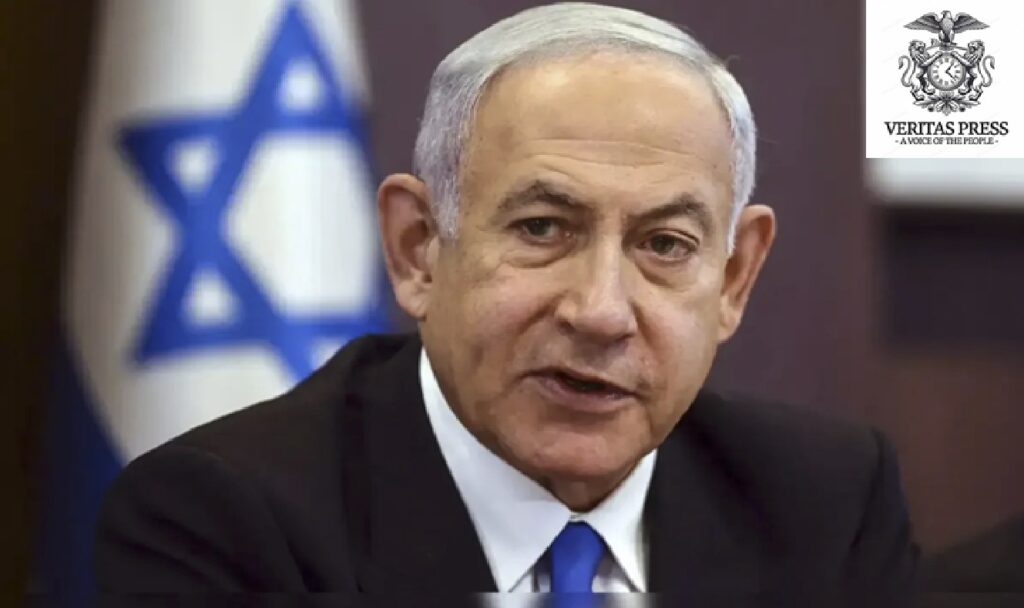
TEHRAN, IRAN – As the sun rose over a shattered Middle East on the 16th
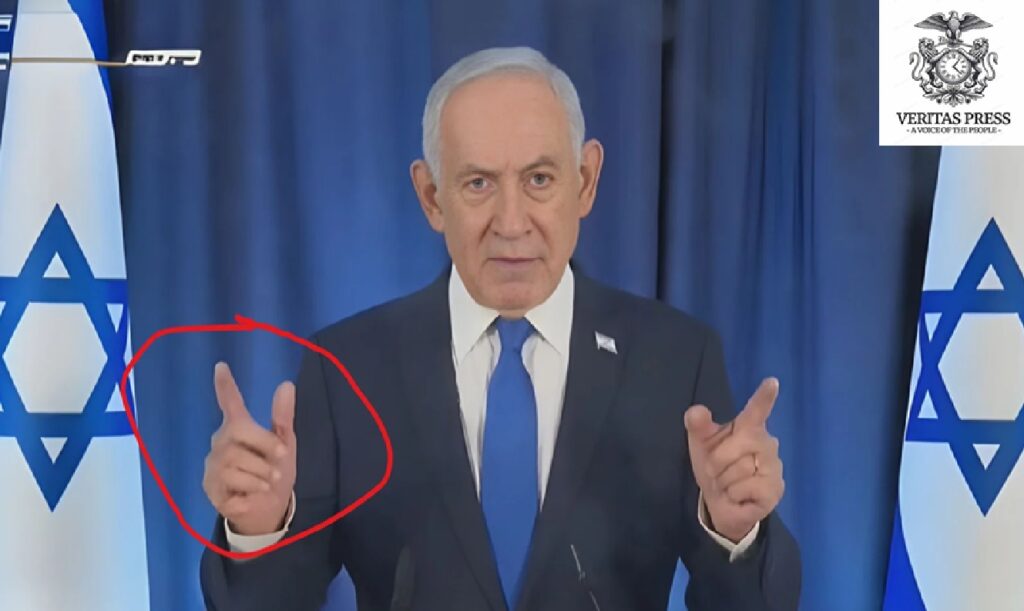
TEL-AVIV – As regional tensions intensify between **Benjamin Netanyahu’s government and Iran, a wave of
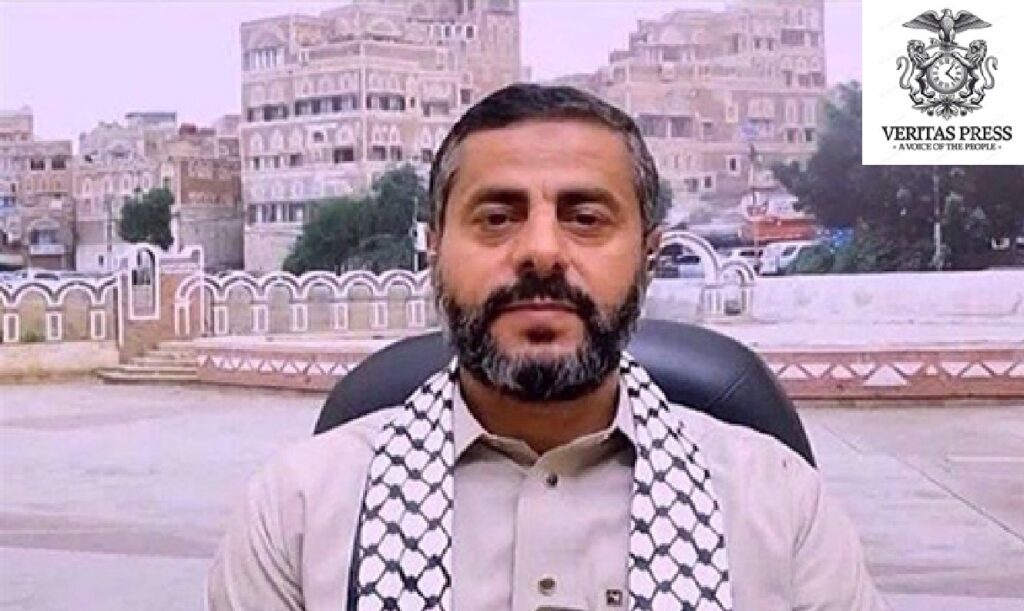
SANA’A — As the U.S.–Israeli war with Iran enters its third week, the already precarious
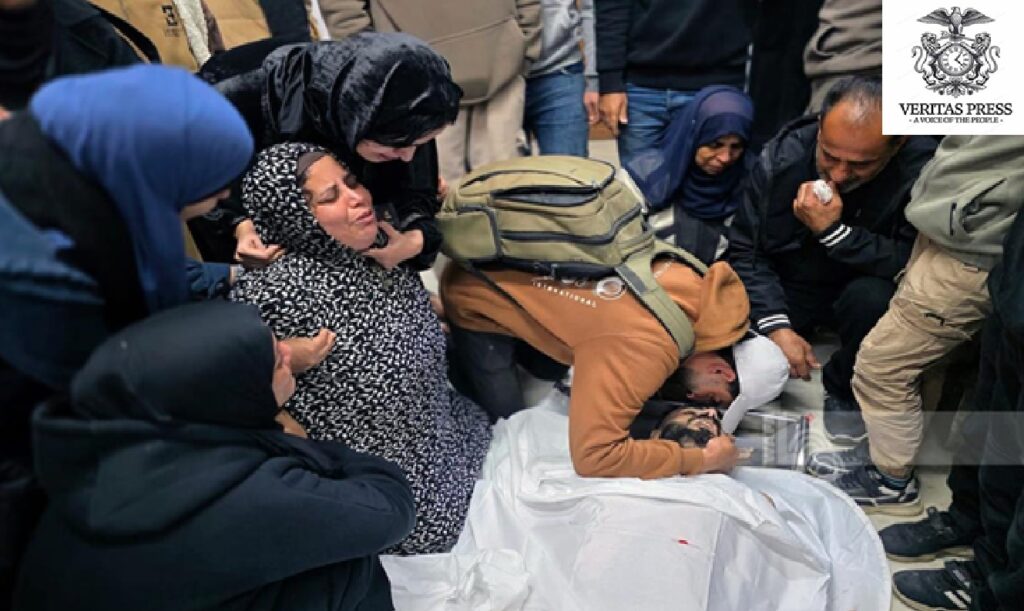
GAZA, March 14, 2026 — The devastating human cost of Israel’s military offensive on the
For nearly two weeks during the most sacred period of Ramadan, the courtyards of Al-Aqsa
TEHRAN — The juxtaposition could not be more stark. In Tehran, the 12,000-seat indoor volleyball
TEHRAN, IRAN – As the US-Israeli conflict with Iran barrels into its third week, the