

Original Article Date Published:
Article Date Modified:
Help support our mission, donate today and be the change. Every contribution goes directly toward driving real impact for the cause we believe in.
TEHRAN, WASHINGTON, TEL-AVIV – After 40 days of intense warfare that had reshaped the geopolitical and military balance across West Asia, a fragile two-week ceasefire between Iran and the United States, brokered through Pakistan, was supposed to signal the beginning of a diplomatic off-ramp. Instead, within hours of its announcement, the truce appeared dangerously close to collapse, exposing deep mistrust, conflicting narratives, and the persistent risk of regional escalation.
At the heart of the uncertainty lies a fundamental question increasingly voiced by Iranian officials, analysts, and even insiders close to the leadership: is the ceasefire a genuine opening for peace, or a strategic pause before renewed confrontation?
A “Trap” In The Making For Iran?
That suspicion was made explicit by Hamzeh Safavi, a political science professor at the University of Tehran with close ties to Iran’s leadership and the son of a former senior Islamic Revolutionary Guard Corps (IRGC) commander.
In an interview with CNN, Safavi warned that many within Iran’s political and military establishment see the ceasefire not as a diplomatic breakthrough, but as a potential deception.
“They decided to attack Iran before, and the negotiation was just a trap,” Safavi said, referring to earlier rounds of failed diplomacy with the Trump administration.
“In this round… There are a lot of officials who believe that this two-week ceasefire is again a trap.”
His remarks reflect a broader institutional memory in Tehran, one shaped by the collapse of previous agreements, including the 2015 nuclear deal, and the abrupt shift from negotiations to military escalation earlier this year.
Safavi also underscored what he described as a hardened resolve among Iran’s military leadership:
“They see it’s a fight and it’s an invasion of Iranian territory, Iranian dignity and pride… Until now, they see that Iran has the upper hand.”
This perception, whether grounded in battlefield realities or political messaging, has become central to Iran’s posture: publicly confident, yet strategically cautious.
Ceasefire Violated Before It Began?
Iranian officials argue that their scepticism has already been vindicated.
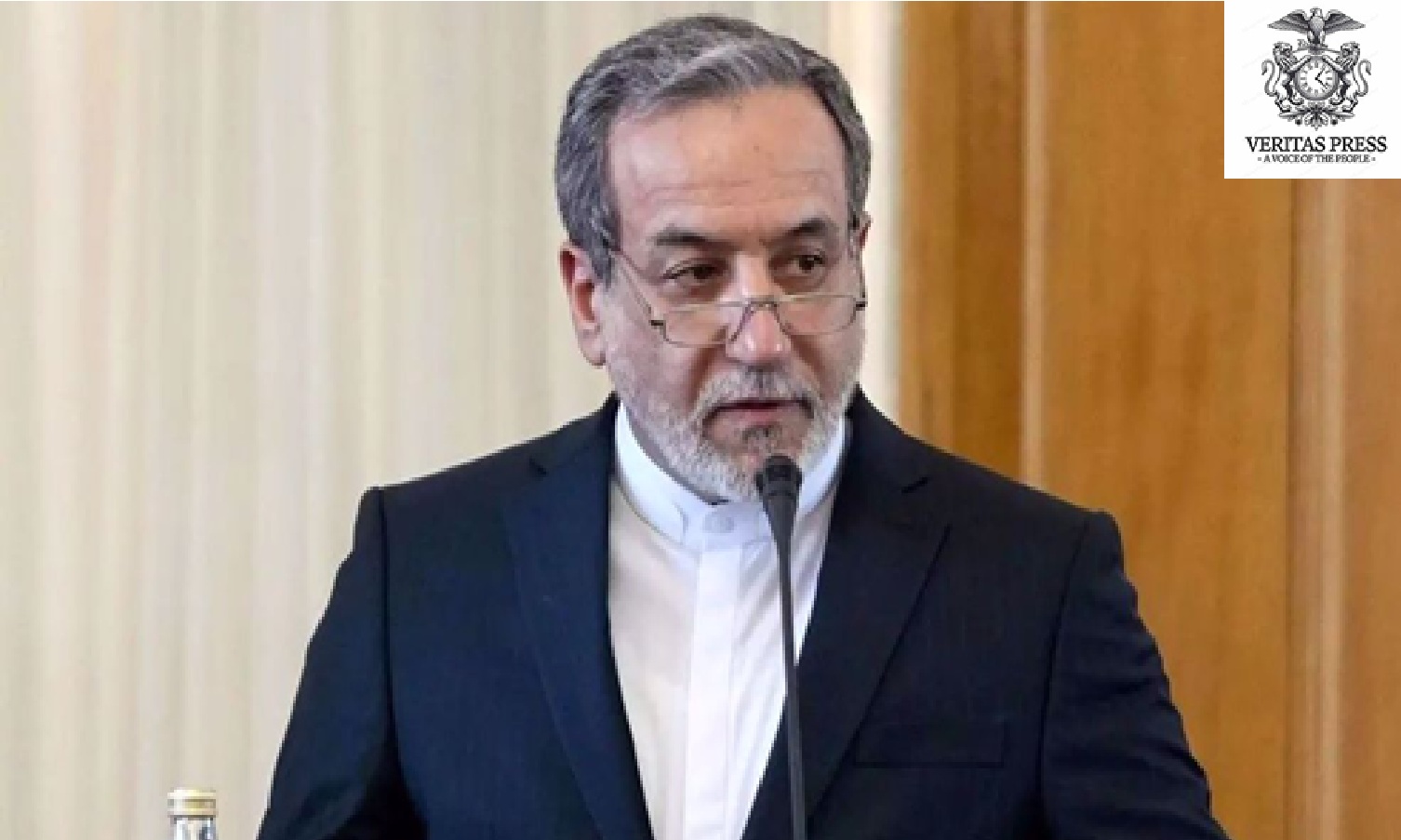
Parliament Speaker Mohammad Baqer Qalibaf stated bluntly that the United States and Israel violated key terms of the ceasefire framework even before negotiations formally began.
In a detailed statement, Qalibaf outlined three alleged breaches:
- Continued Israeli strikes on Lebanon, despite calls for a regional ceasefire
- A reported drone incursion into Iranian airspace, shot down in Fars Province
- U.S. refusal to recognise Iran’s right to enrich uranium, a core demand in Tehran’s 10-point proposal
“Even before the talks began, three key clauses… have been openly and blatantly violated,” Qalibaf said.
“In such circumstances, neither a bilateral ceasefire nor negotiations makes sense.”
This accusation highlights a critical divergence: while Washington frames the ceasefire narrowly, focused on direct U.S.-Iran hostilities, Iran insists it must encompass the broader regional theatre, particularly Lebanon.
Lebanon Burns: Israel’s Strikes Threaten To Collapse Truce.
Nowhere is this divergence more evident than in Lebanon.
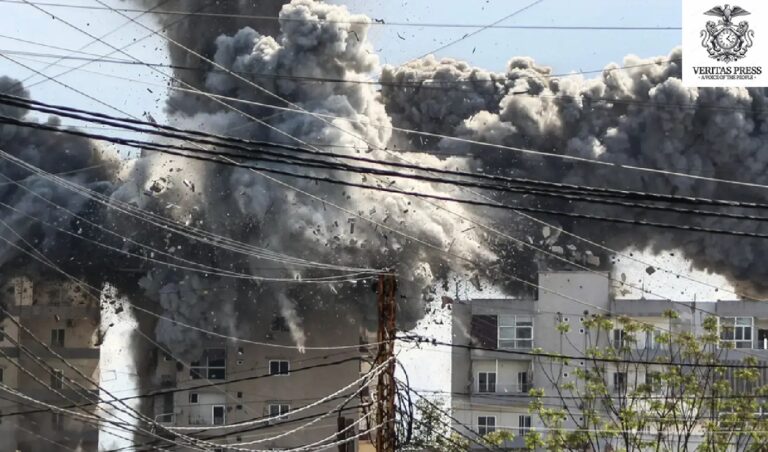
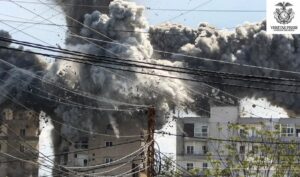
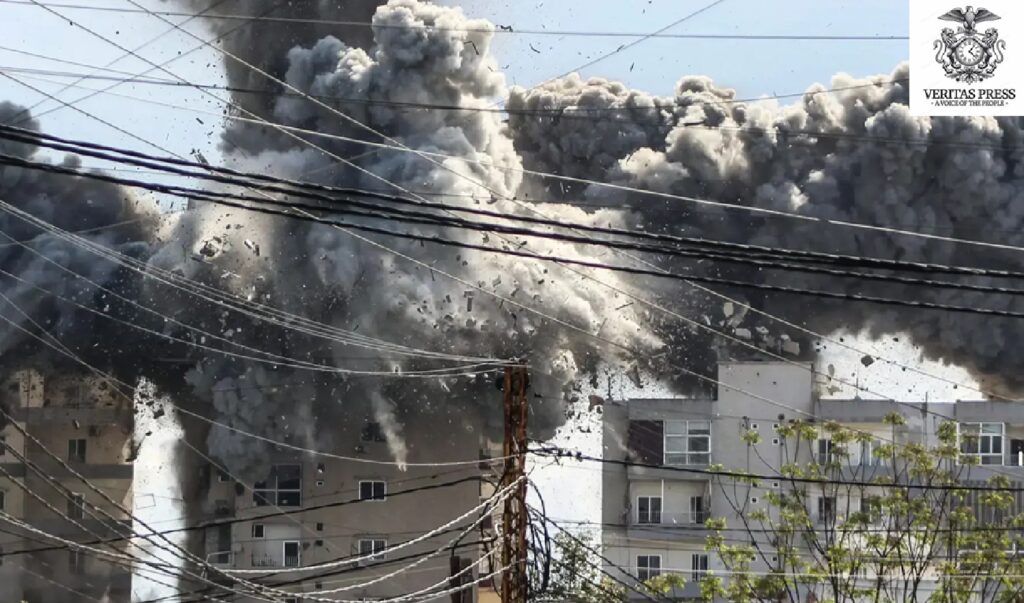
Within hours of the ceasefire announcement, Israel launched one of its deadliest waves of attacks on the country, killing at least 254 people and injuring over 1,100, according to Lebanese civil defence sources. Entire neighbourhoods in Beirut were hit, with residents reporting strikes occurring without prior evacuation warnings.
The scale of the violence triggered international alarm.
UN Secretary-General António Guterres issued a rare and forceful condemnation, warning that Israel’s actions risk undermining already fragile ceasefire efforts:
“The Secretary-General reiterates his urgent call for all parties to immediately cease hostilities,” the UN statement said, stressing that attacks on civilians are “unacceptable” and that “there is no military solution.”
The UN also emphasised the need to uphold international humanitarian law and implement Security Council Resolution 1701, which calls for a cessation of hostilities and respect for Lebanon’s sovereignty.
For Iran, however, the issue is not merely legal, it is strategic. Tehran views Hezbollah as part of its regional deterrence architecture, and Israeli attacks on Lebanon as inseparable from the broader conflict.
Washington vs Tehran: Two Irreconcilable Narratives.
Even as both sides publicly claim victory, the gap between U.S. and Iranian narratives remains stark.
U.S. Defence Secretary Pete Hegseth declared that Washington had achieved its objectives, asserting that Iran’s missile capabilities and air defences had been “functionally destroyed.”
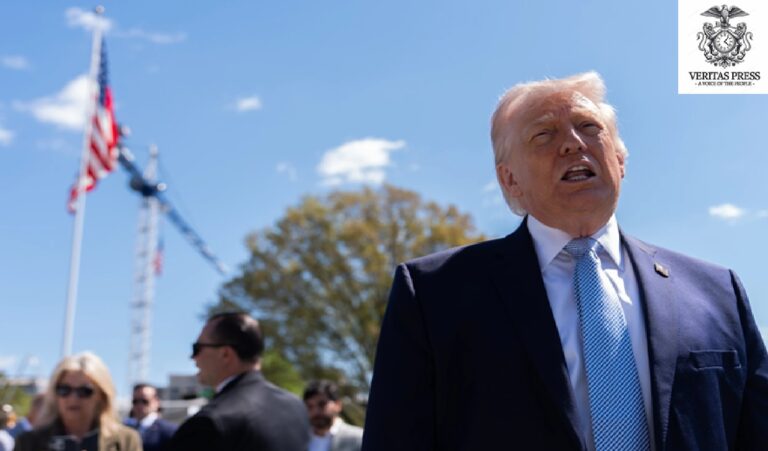
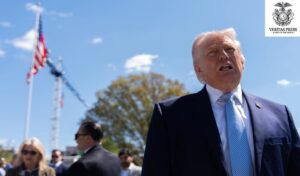
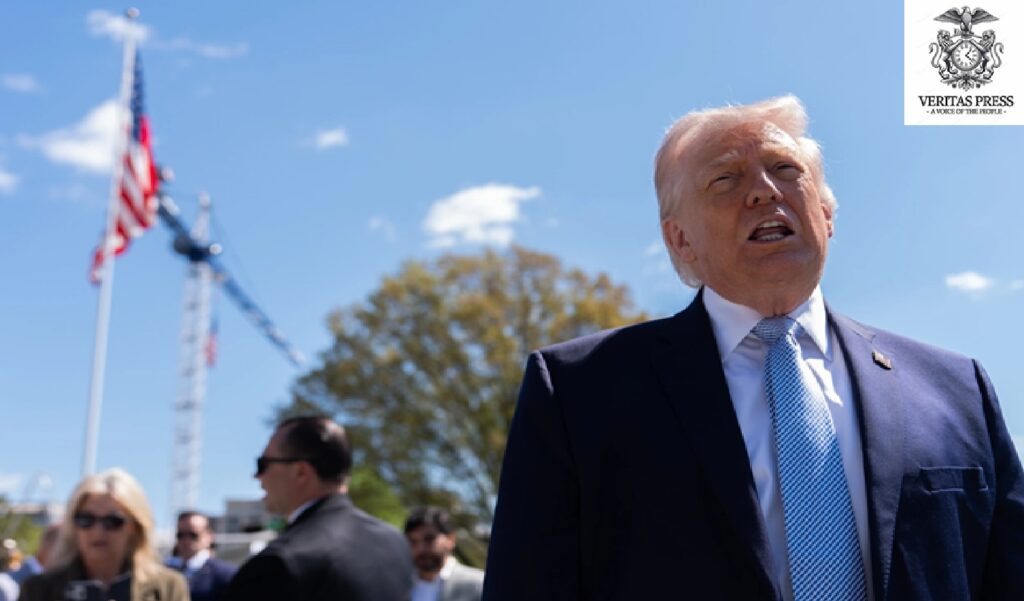
President Donald Trump went further, claiming Iran had agreed to halt uranium enrichment and surrender nuclear materials, an assertion Tehran categorically denies.
Iranian officials insist:
- Their missile and drone capabilities remain operational
- Uranium enrichment is non-negotiable
- The U.S. initiated the ceasefire out of strategic necessity, not Iranian weakness
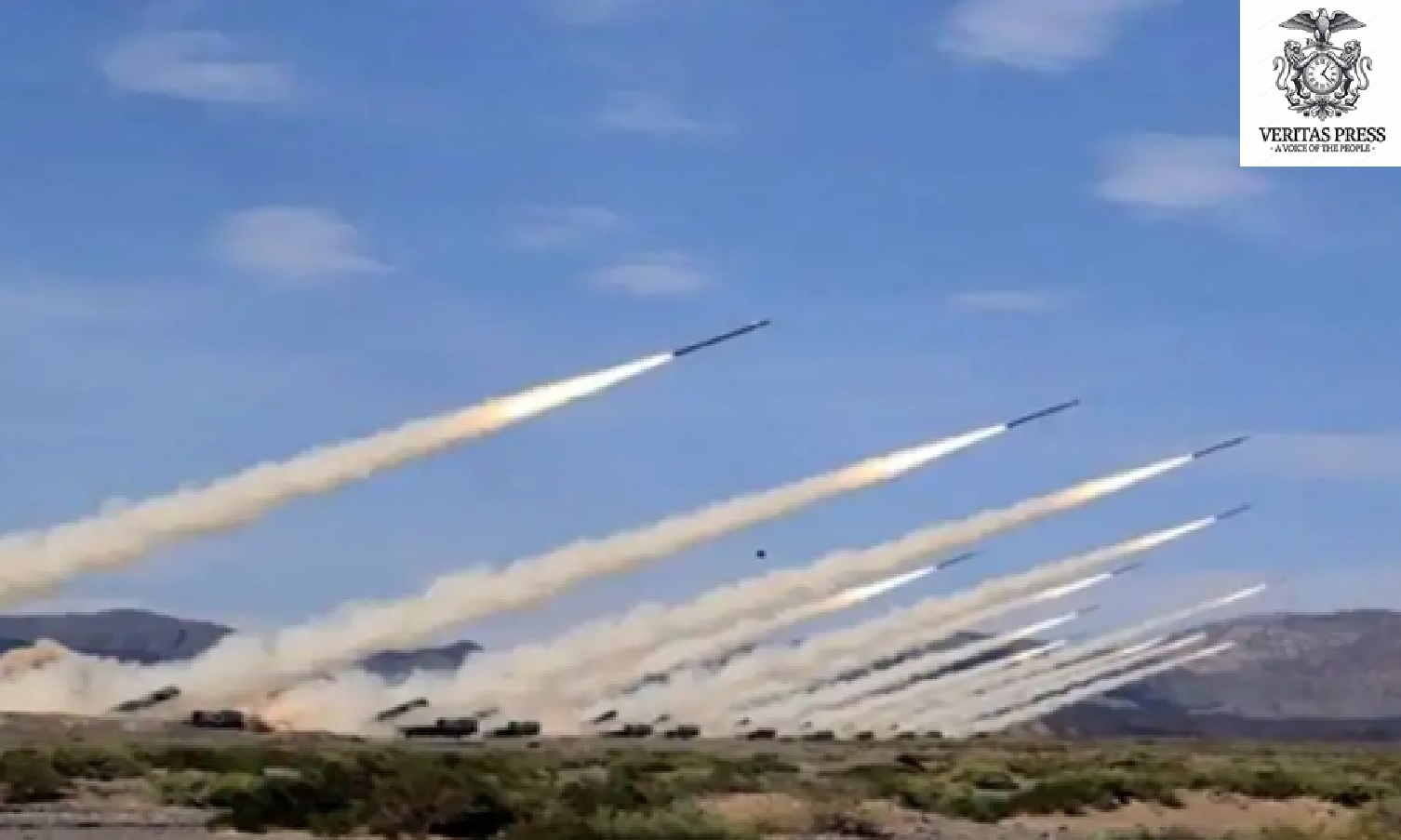
Independent analysts note that Iran continued launching strikes deep into Israeli territory and against U.S.-linked assets across the Gulf even in the final days before the ceasefire, casting doubt on claims of total military degradation.
A War Built On Miscalculation?
Multiple analysts argue that the war itself stemmed from a fundamental misreading by Washington and Tel Aviv.
The initial strategy, reportedly involving leadership decapitation strikes, including the assassination of senior Iranian figures, was predicated on two assumptions:
- That internal unrest would topple Iran’s leadership
- That overwhelming force would compel rapid capitulation
Neither materialised.
Instead:
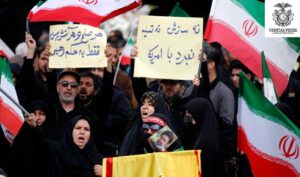
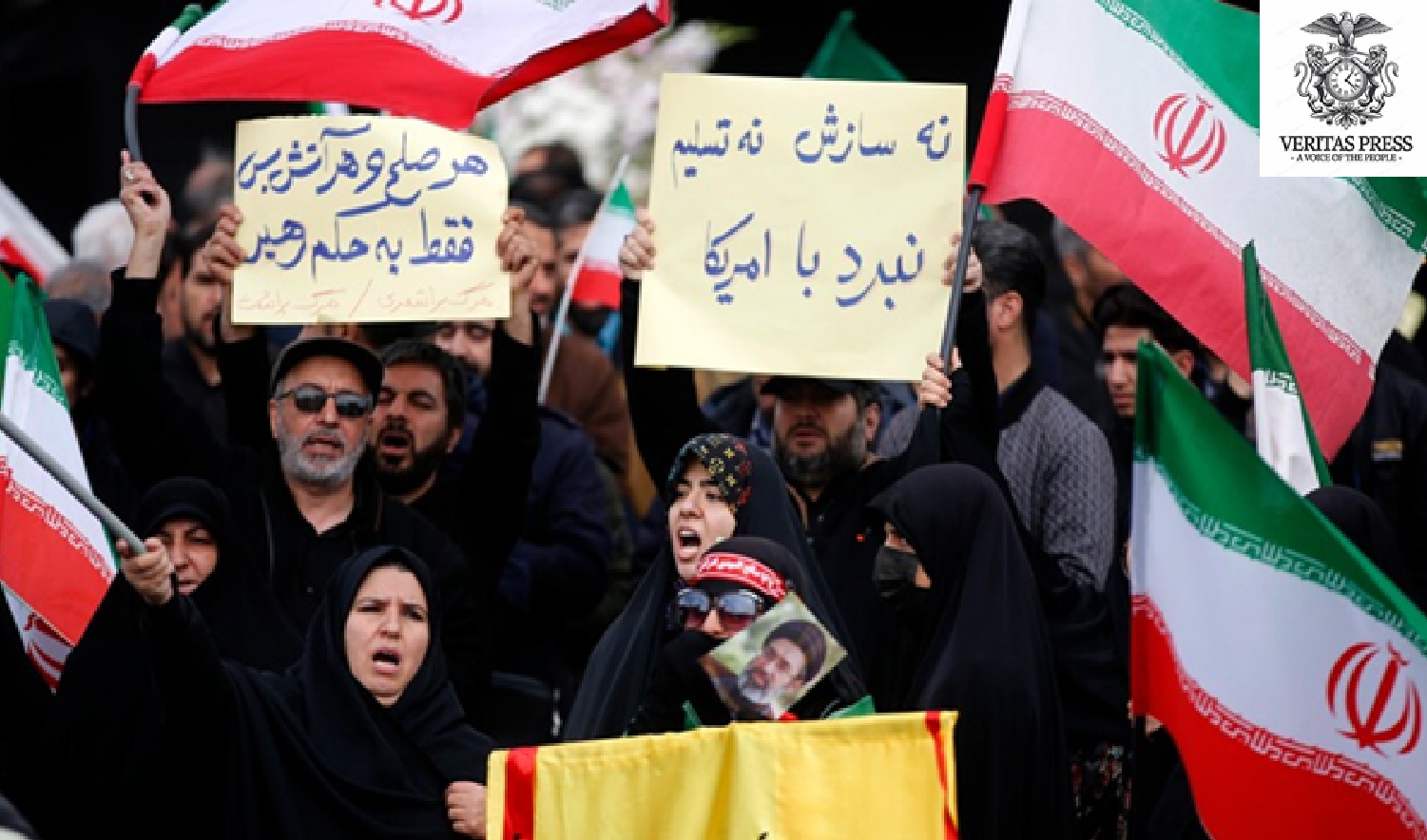
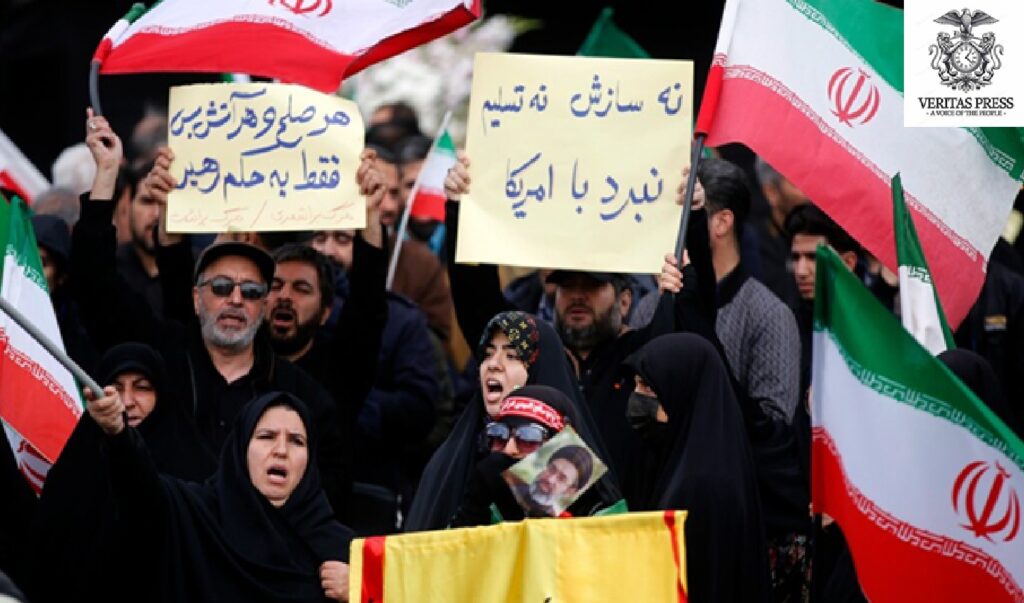
- Iranian society rallied, with nightly pro-government demonstrations
- Assassinated officials were swiftly replaced
- Iran maintained sustained offensive capabilities across multiple fronts
As one regional analyst put it, the conflict exposed “the limits of military coercion against a deeply entrenched state structure.”
The Strait Of Hormuz: Iran’s Strategic Leverage.
Perhaps the most consequential development has been Iran’s effective control over the Strait of Hormuz, a chokepoint through which roughly 20% of global oil passes.
Throughout the conflict:
- Iran restricted access to vessels from “hostile” nations
- Energy infrastructure across the Gulf was repeatedly targeted
- Global oil markets experienced severe volatility
Even with tentative steps toward reopening, shipping companies remain cautious, and analysts warn that supply chains could take months to stabilise.
This has fundamentally altered perceptions of power in the region.
Voices From The Ground: Relief, Fear, And Distrust.
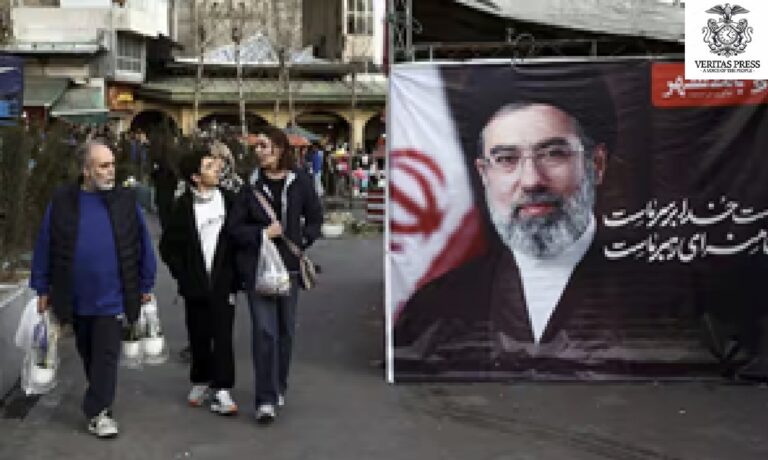
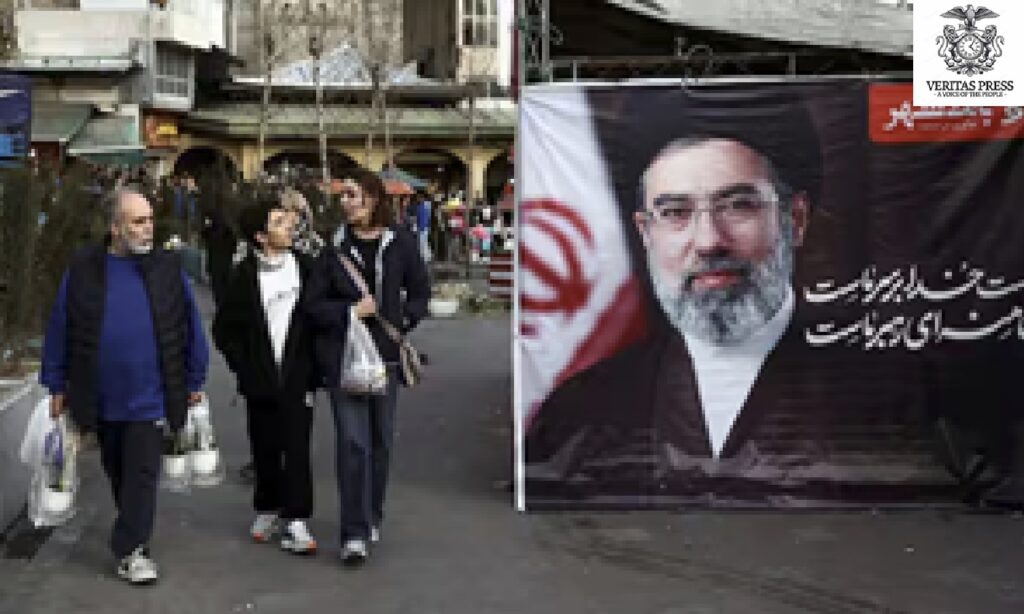
Among ordinary Iranians, the ceasefire has brought a mix of relief and scepticism.
Alireza, a 29-year-old government employee in Tehran, captured the prevailing mood:
“Israel will not allow diplomacy to work, and Trump might change his view tomorrow. But at least we can sleep tonight without strikes.”
Such sentiments reflect a population exhausted by war, yet unconvinced that peace is imminent.
A Ceasefire On The Edge:
As negotiations are set to begin in Islamabad, the situation remains precarious:
- Iran warns it has its “finger on the trigger”
- The IRGC has threatened a “regret-inducing” response to continued Israeli attacks
- U.S. officials warn of “serious consequences” if Iran escalates
- Israel signals readiness to resume full-scale operations “at any moment”
Meanwhile, core disputes, particularly over Iran’s nuclear program and regional influence, remain unresolved.
Conclusion: A Ceasefire Built On Contradictions, Not Consensus.
What is unfolding is not a conventional ceasefire but a high-stakes strategic pause shaped by mutual distrust, competing narratives, and unresolved objectives. More than that, what is now unfolding is not merely a fragile ceasefire; it is a deeply contested narrative of what that ceasefire even means, who it binds, and who is already violating it.
At the centre of this contradiction lies a critical statement from Pakistan’s Prime Minister, Shehbaz Sharif, whose government helped broker the agreement. In announcing the deal, Sharif made it clear that the ceasefire was intended to halt all hostilities “everywhere, including Lebanon and other regions, effective immediately.” That framing directly challenges subsequent claims by Washington and Tel Aviv that Lebanon was never part of the arrangement.
This is not a minor diplomatic discrepancy; it is the fault line upon which the entire ceasefire risks collapsing.
If the broker of the agreement asserts that Lebanon was explicitly included, then the continuation of Israeli bombardment, killing hundreds within hours of the announcement, cannot be dismissed as peripheral or unrelated. It raises the far more serious possibility that the ceasefire is being selectively interpreted, or deliberately narrowed, to allow ongoing military operations under the cover of diplomacy.
For Iran, the implications are both immediate and historical. The fear is clear: that diplomacy may once again serve as cover for military escalation. This contradiction reinforces a long-standing belief within Tehran that negotiations are not conducted in good faith, but instrumentalised. When Iranian officials describe the ceasefire as a “trap,” they are responding not only to past betrayals but to present realities, where terms appear to be redefined unilaterally even as civilians continue to die and bombing continues under the guise of diplomacy.
For the United States, the credibility gap is widening. The challenge lies in containing a conflict that it cannot decisively control without risking a broader regional war. Public acceptance of Iran’s 10-point framework, paired with immediate disputes over core provisions, uranium enrichment, and territorial scope, signals either internal incoherence or strategic ambiguity. Neither inspires confidence in a sustainable diplomatic process.
Israel’s actions, meanwhile, cut through the ambiguity entirely. Its continued large-scale strikes on Lebanon, despite international condemnation and the stated framework of a regional ceasefire, function as a material reality that overrides diplomatic language. Whether acting independently or within a tacit understanding, the effect is the same: the erosion of the ceasefire before negotiations even begin.
And for the region itself, from Beirut to the Strait of Hormuz, the consequences of failure could be catastrophic. Civilian populations remain under threat, energy routes are destabilised, and the risk of multi-front escalation continues to grow.
This convergence of contradictions reveals a more troubling dynamic: the ceasefire may not be designed to hold; it may be designed to manage optics, buy time, or recalibrate military positioning in the region.
As one former U.S. counterterrorism official warned:
“The last thing we need is… actions that escalate the conflict.”
Yet, on the ground, escalation is already underway.
From Tehran to Beirut, the message is consistent: relief is temporary, distrust is permanent.
If one party’s ceasefire includes Lebanon and another’s does not, then there is no shared agreement, only parallel strategies moving under the same name. In that environment, violations are not aberrations; they are inevitable.
The result is a ceasefire that exists more in rhetoric than reality.
A pause was declared, but not observed.
A framework was announced, but not agreed upon.
A path to peace, undermined at its very foundation.
The danger, then, is not just that the ceasefire will fail. It is that it was never uniformly intended to succeed, and that diplomacy itself is being reduced to a tactical instrument within an ongoing war.
In that light, the warnings from Tehran cease to sound like paranoia.
They begin to read as pattern recognition.
The question now is not whether the ceasefire will hold, but whether it was ever meant to.
Source: Multiple News Agencies
Submissions:
For The Secure Submission Of Documentation, Testimonies, Or Exclusive Investigative Reports From Any Global Location, Please Utilise The Following Contact Details For Our Investigations Desk: enquiries@veritaspress.co.uk or editor@veritaspress.co.uk
Help Support Our Work:
Popular Information is powered by readers who believe that truth still matters. When just a few more people step up to support this work, it means more lies exposed, more corruption uncovered, and more accountability where it’s long overdue.
Help Protect Independent Journalism, Which Is Currently Under Attack.
If you believe journalism should serve the public, not the powerful, and you’re in a position to help, becoming a DONATOR or a PAID SUBSCRIBER truly makes a difference.
DONATION APPEAL: If You Found This Reporting Valuable, Please Consider Supporting Independent Journalism.
Help Support Our Work – We Know, We Know, We Know …
Seeing these messages is annoying. We know that. (Imagine what it’s like writing them … )
Your support fuels our fearless, truth-driven journalism. In unity, we endeavour to amplify marginalised voices and champion justice, irrespective of geographical location.
But it’s also extremely important. One of Veritas Press’s greatest assets is its reader-funded model.
1. Reader funding means we can cover what we like. We’re not beholden to the political whims of a billionaire owner. We are a small, independent and impartial organisation. No one can tell us what not to say or what not to report.
2. Reader funding means we don’t have to chase clicks and traffic. We’re not desperately seeking your attention for its own sake: we pursue the stories that our editorial team deems important and believe are worthy of your time.
3. Reader Funding: enables us to keep our website and other social media channels open, allowing as many people as possible to access quality journalism from around the world, particularly those in places where the free press is under threat.
We know not everyone can afford to pay for news, but if you’ve been meaning to support us, now’s the time.
Your donation goes a long way. It helps us:
- Keep the lights on and sustain our day-to-day operations
- Hire new, talented independent reporters
- Launch real-time live debates, community-focused shows, and on-the-ground reporting
- Cover the issues that matter most to our communities, in real time, with depth and integrity
We have plans to expand our work, but we can’t do it without your support. Every contribution, no matter the size, helps us stay independent and build a truly people-powered media platform.
If you believe in journalism that informs, empowers, and reflects the communities we serve, please donate today.
OCCUPIED EAST JERUSALEM, OPT, April 9, 2026 – After forty days of unprecedented closure, the
BEIRUT/ISLAMABAD — The ink had barely dried on a historic, last-minute ceasefire agreement between the
TEHRAN, WASHINGTON, TEL-AVIV – After 40 days of intense warfare that had reshaped the geopolitical
WASHINGTON – Within hours of announcing what he described as a pathway to “long-term PEACE,”

HELSINKI, FINLAND – For seven consecutive years, Finland has been crowned the “happiest country in
TEHRAN/ISLAMABAD/WASHINGTON — In the early hours of Wednesday, a deafening silence fell over the skies
TEHRAN / ISLAMABAD – The world exhaled on April 8, 2026, as the United States

In the United States, millions of people are now going into debt to buy food.
The Islamic Revolution Guards Corps (IRGC) has pounded US-owned petrochemical sites in the Wave 99
TEL-AVIV – It was, by any measure, a grotesque spectacle. In the corridors of the