


Original Article Date Published:
Article Date Modified:
Help support our mission, donate today and be the change. Every contribution goes directly toward driving real impact for the cause we believe in.
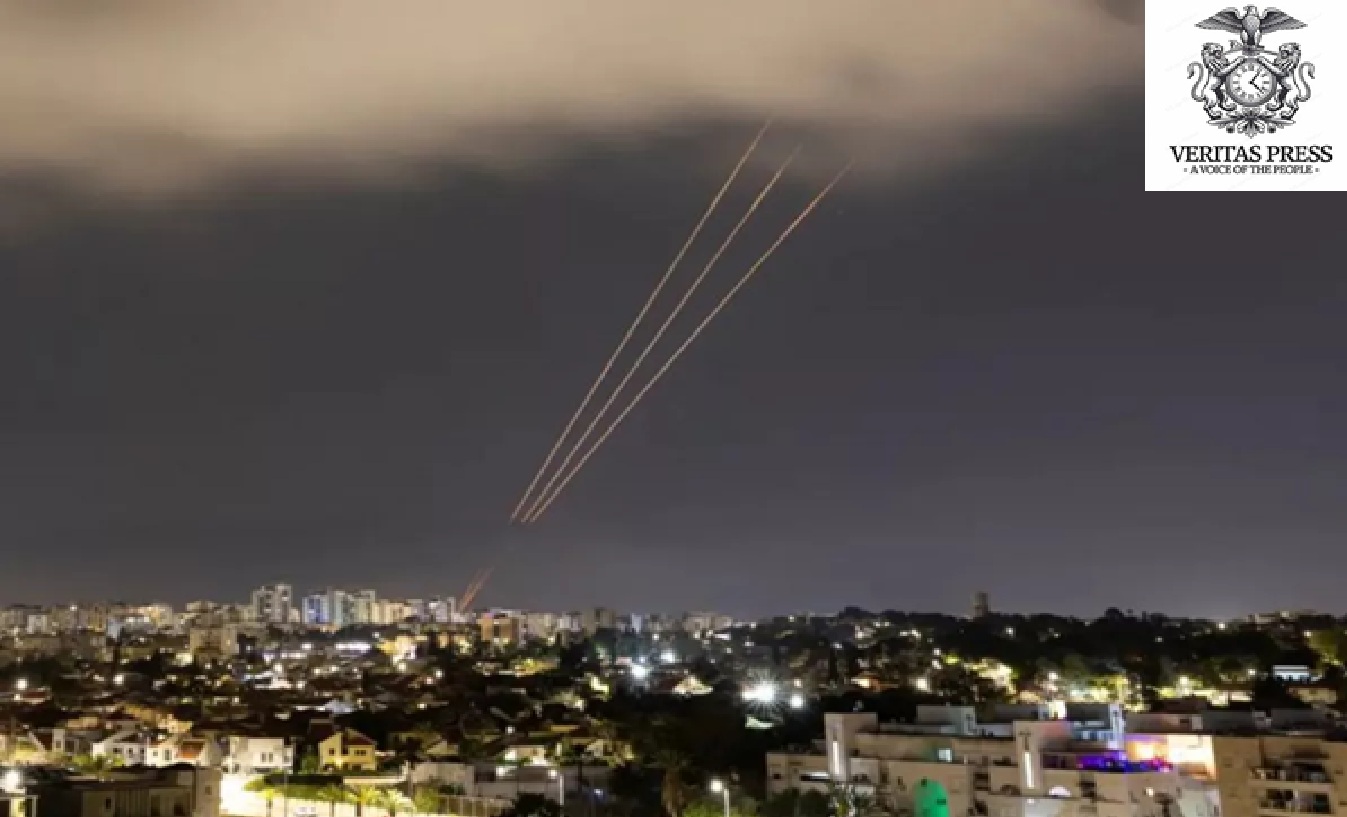
TEHRAN, IRAN – The early hours of March 11, 2026, marked a significant and dangerous escalation in the ongoing conflict between Iran and the US-Israel alliance. Iran’s Islamic Revolutionary Guard Corps (IRGC) announced the launch of “Wave 37” of Operation “True Promise 4,” characterising it as the “most intense” and “most devastating” strike since the war began on February 28. Lasting over three hours, this multi-phase assault targeted not only Israeli territory but also a range of US-linked positions across the region, fundamentally altering the conflict’s scope and intensity.
The Anatomy Of ‘Wave 37’: A Shift In Doctrine.
According to the IRGC, Wave 37 was distinguished by a sustained, multi-layered barrage employing the Islamic Republic’s most advanced weaponry. The operation saw the use of long-range ballistic missiles, including the Kheibar Shekan, Qadr, and most notably, the Khorramshahr heavy ballistic missile. The IRGC emphasised that the Khorramshahr, known for its approximately one-ton warhead, was used in multiple salvos.
This reliance on heavy payloads is not merely a tactical choice but reflects a stated shift in doctrine. Two days prior to the attack, Brigadier General Majid Mousavi, commander of the IRGC Aerospace Force, announced a change in operational policy, declaring that Iran would no longer launch missiles carrying warheads weighing less than one ton. This signals a deliberate move towards maximising destructive capability with each strike, moving away from harassment attacks toward ones intended to cause significant infrastructural damage and psychological impact. “We will continue our sustained attacks with purpose and power, and in this war, we contemplate nothing but the enemy’s complete surrender,” the Guard said in a statement on its official website, Sepah News.
A Widening Battlefield: From Tel Aviv To Kuwait.
The geographical scope of the attacks confirms a deliberate strategy to expand the conflict’s front. While Iranian state media reported strikes on a satellite communications centre near Tel Aviv and military installations in Haifa and West Jerusalem, the most provocative element was the simultaneous targeting of US assets across the Gulf.
Confirmed and alleged US-linked targets include:
- Iraq: A drone struck the U.S. diplomatic support centre in Baghdad, a major logistical hub near the airport, in an attack widely attributed to pro-Iranian militias.
- Kuwait: The IRGC claimed to have fired two missiles at Camp Arifjan, a major US base south of Kuwait City.
- Bahrain: The IRGC stated it targeted the headquarters of the U.S. Navy’s Fifth Fleet.
- Erbil: US bases in the Iraqi Kurdistan region were also reportedly hit.
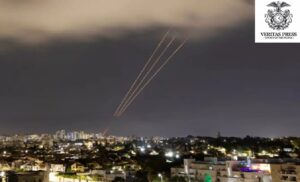
The scale of the retaliation triggered air defence responses across the Arabian Peninsula. Saudi Arabia reported intercepting seven ballistic missiles targeting an air base and its eastern region, as well as a wave of nine drones. Qatar also confirmed intercepting an unspecified number of missiles. This indicates that the Iranian barrage was broad enough to overwhelm or bypass the defences of multiple nations simultaneously.
The ‘Axis Of Resistance’ In Action:
The state media and official narratives paint a picture of a coordinated campaign by the broader “Axis of Resistance.” While Iran launched its long-range missiles, proxy groups escalated their activities:
- The Islamic Resistance in Iraq announced a large-scale campaign against US bases.
- In Lebanon, Hezbollah engaged in clashes with Israeli troops and launched rocket attacks, as Israeli airstrikes pounded Beirut’s southern suburbs and southern Lebanon. The Lebanese government reported a staggering toll from the past week, with 570 killed and over 759,000 displaced since the escalation began.
- Maritime Domain: The UK Maritime Trade Operations (UKMTO) reported that a container ship was hit by an “unknown projectile” off the coast of the UAE, raising fears that the maritime arm of the conflict is now actively targeting commercial shipping near the Strait of Hormuz.
Critique And Verification: The Fog Of War.
While Iran’s claims are bold, independent verification remains difficult due to strict military censorship in Israel and the highly charged information environment. However, cross-referencing official statements from multiple governments provides a clearer, albeit fragmented, picture.
- Israel’s Acknowledgement: The Israel Defence Forces (IDF) confirmed that missiles were launched from Iran and that air defences were activated, with reports of sirens in Jerusalem and Tel Aviv. Crucially, the IDF provided a specific detail absent from Iranian reports: that nearly half of the approximately 300 ballistic missiles launched carried cluster bomb warheads. The use of such munitions, which scatter sub-munitions over a wide area, is banned by the 2008 Convention on Cluster Munitions (to which Iran, Israel, and the US are not signatories). The IDF stated that most were intercepted, but one with a heavy warhead landed near Beit Shemesh.
- Differing Impact Assessments: While Iran claims devastating hits on US and Israeli infrastructure, casualty figures remain relatively low. Israel’s Magen David Adom emergency service reported no immediate fatalities from the overnight strikes, though they treated a small number of people injured while rushing to shelters. This disparity suggests that either Israeli air defences were highly effective, or the Iranian missiles, while numerous, lacked the pinpoint accuracy to cause mass casualties against hardened or defended targets. The heavy warheads, however, suggest a focus on destructive power over mere casualty count.
Regional And International Reaction: A Condemnation Of Escalation.
The Arab response to the Iranian strikes has been one of stark condemnation, highlighting the deep fear that the conflict will engulf the entire region.
- The Arab League issued a strong statement condemning Iranian strikes against fellow member states, describing them as “illegal, unprovoked, and a flagrant violation” of national sovereignty.
- Saudi Arabia and the UAE, which have previously sought to de-escalate with Iran, are now actively defending their skies and publicly reporting interceptions, placing them firmly in the crosshairs of the conflict.
On the global stage, the economic and diplomatic fallout is accelerating.
- Energy Security: The crisis at the Strait of Hormuz, through which 20% of the world’s oil passes, has sent shockwaves through the global economy. In a dramatic move, the White House temporarily permitted India to accept Russian oil already at sea to mitigate supply issues, with Press Secretary Karoline Leavitt stating that “allies in India have been good actors”.
- G7 Intervention: French President Emmanuel Macron convened a call with G7 leaders to discuss the crisis and surging energy prices.
- Price Fluctuation: Paradoxically, despite the intensity of the attack and the threat to the Strait, oil prices plunged by over 11% to $87.80 a barrel. This drop was attributed to talks of a coordinated stockpile release by the International Energy Agency (IEA) and market speculation that the conflict might be reaching its peak, though this remains highly uncertain.
Internal Fronts: Domestic Unrest And Defection.
As the IRGC focuses on external enemies, it also faces a potential crisis of confidence at home. The war has ignited fears that mass anti-government protests, like those seen in recent years, could re-emerge.
- Internal Security Crackdown: Iran’s national police chief, Ahmad-Reza Radan, issued a stark warning to the population: “If anyone comes forward in line with the wishes of the enemy, we will no longer see them as merely a protester, we will see them as an enemy… And we will do to them what we do to an enemy”. This language of treating protesters as “enemies” indicates the leadership’s acute anxiety about internal stability during a war.
- Symbolic Defiance: In a separate incident highlighting internal dissent, members of the Iranian women’s national football team refused to sing the national anthem before an Asian Cup match in Australia, leading Iranian state media to label them “traitors.” Some players subsequently sought asylum, though the team’s future remains uncertain.
Analysis: The Logic Of “Wave 37”.
Wave 37 is not merely another military engagement; it is a strategic signal from Tehran. By simultaneously striking Israeli cities and US military infrastructure in the Gulf, Iran is demonstrating its ability to impose costs on the entire US-led regional architecture. The shift to “super-heavy” warheads suggests a desire to overwhelm the “Iron Dome” and other defence systems not just with volume, but with the sheer mass of each impact.
However, the operation also reveals the limitations of Iran’s position. The widespread condemnation from Arab capitals, the lack of mass casualties reported in Israel, and the successful interceptions by Saudi and Emirati defences show that Iran cannot achieve a decisive knockout blow. Instead, it is locked in a war of attrition that is devastating its allies (like Hezbollah in Lebanon) and alienating its neighbours.
With the world watching, the Strait of Hormuz and oil markets on edge, the conflict has entered a new, more dangerous phase. The use of cluster munitions, the targeting of US bases, and the attacks on civilian infrastructure in Gulf states risk drawing the United States and its regional partners into a direct and prolonged confrontation. The promise of “complete surrender” from the IRGC suggests that Wave 37 will not be the last, ensuring that the region remains on the precipice of a wider war.
Source: Multiple News Agencies
Submissions:
For The Secure Submission Of Documentation, Testimonies, Or Exclusive Investigative Reports From Any Global Location, Please Utilise The Following Contact Details For Our Investigations Desk: enquiries@veritaspress.co.uk or editor@veritaspress.co.uk
Help Support Our Work:
Popular Information is powered by readers who believe that truth still matters. When just a few more people step up to support this work, it means more lies exposed, more corruption uncovered, and more accountability where it’s long overdue.
Help Protect Independent Journalism, Which Is Currently Under Attack.
If you believe journalism should serve the public, not the powerful, and you’re in a position to help, becoming a DONATOR or a PAID SUBSCRIBER truly makes a difference.
DONATION APPEAL: If You Found This Reporting Valuable, Please Consider Supporting Independent Journalism.
Help Support Our Work – We Know, We Know, We Know …
Seeing these messages is annoying. We know that. (Imagine what it’s like writing them … )
Your support fuels our fearless, truth-driven journalism. In unity, we endeavour to amplify marginalised voices and champion justice, irrespective of geographical location.
But it’s also extremely important. One of Veritas Press’s greatest assets is its reader-funded model.
1. Reader funding means we can cover what we like. We’re not beholden to the political whims of a billionaire owner. We are a small, independent and impartial organisation. No one can tell us what not to say or what not to report.
2. Reader funding means we don’t have to chase clicks and traffic. We’re not desperately seeking your attention for its own sake: we pursue the stories that our editorial team deems important and believe are worthy of your time.
3. Reader Funding: enables us to keep our website and other social media channels open, allowing as many people as possible to access quality journalism from around the world, particularly those in places where the free press is under threat.
We know not everyone can afford to pay for news, but if you’ve been meaning to support us, now’s the time.
Your donation goes a long way. It helps us:
- Keep the lights on and sustain our day-to-day operations
- Hire new, talented independent reporters
- Launch real-time live debates, community-focused shows, and on-the-ground reporting
- Cover the issues that matter most to our communities, in real time, with depth and integrity
We have plans to expand our work, but we can’t do it without your support. Every contribution, no matter the size, helps us stay independent and build a truly people-powered media platform.
If you believe in journalism that informs, empowers, and reflects the communities we serve, please donate today.
TEHRAN, IRAN – The early hours of March 11, 2026, marked a significant and dangerous

It was the kind of volatility that wipes out traders and creates legends. In a
BEIJING/DUBAI — As the thunder of airstrikes echoes across the Middle East, one voice has

On the morning of March 9, 2026, as House Republicans gathered at their annual policy
LONDON, UK – Britain’s rapidly expanding military posture in the Middle East has revived uncomfortable
WASHINGTON, TEHRAN – As the war launched by the United States and Israel against Iran
LONDON — For the second time in less than five years, a major conflict in
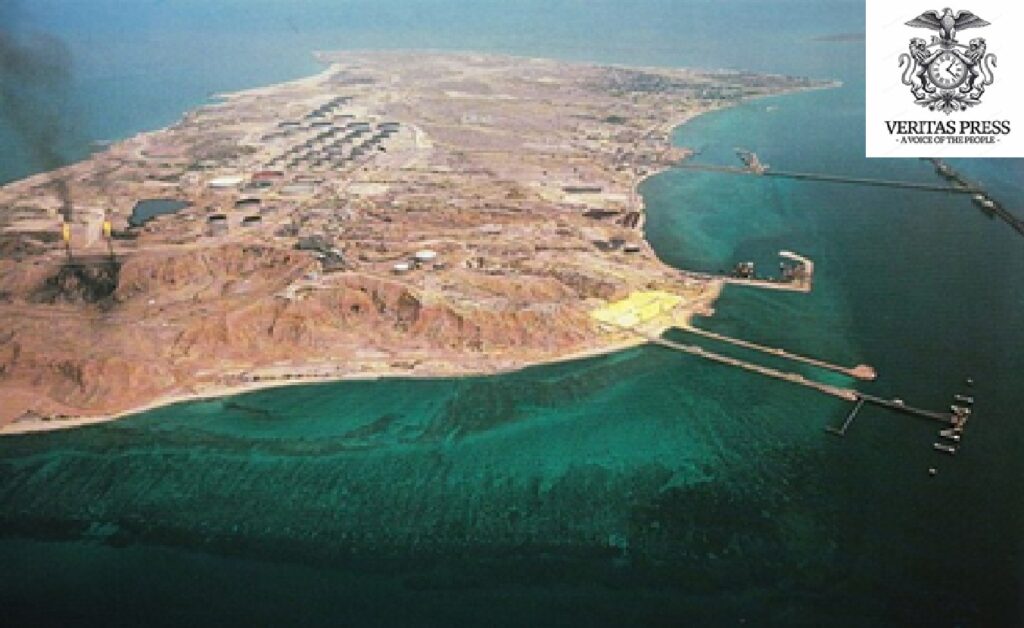
TEHRAN, IRAN – In the northern waters of the Persian Gulf lies a small coral
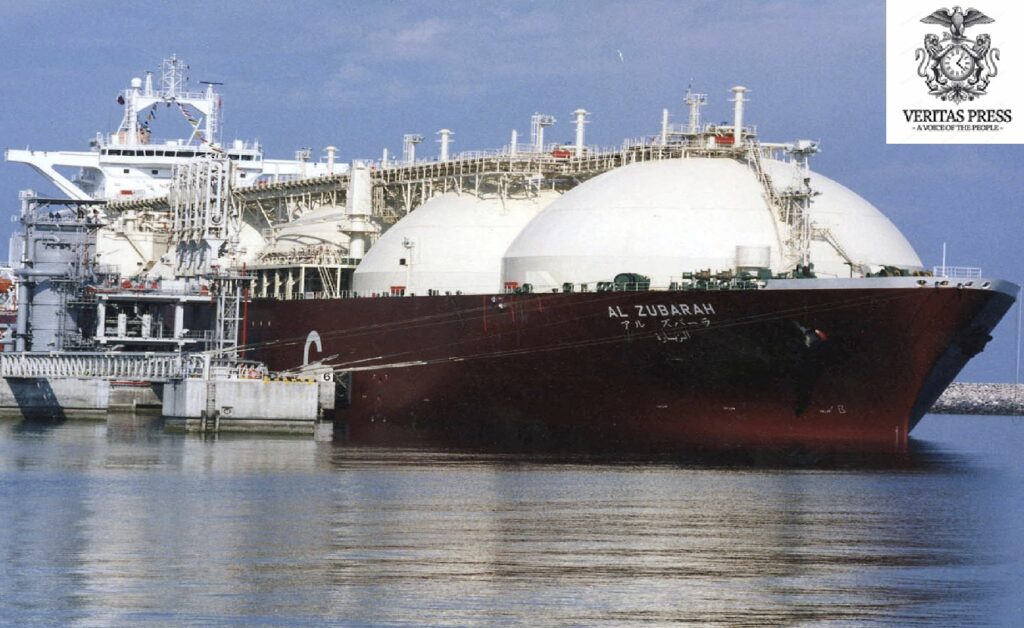
LONDON, UK – As the US-Israeli campaign against Iran enters its second week, a chilling
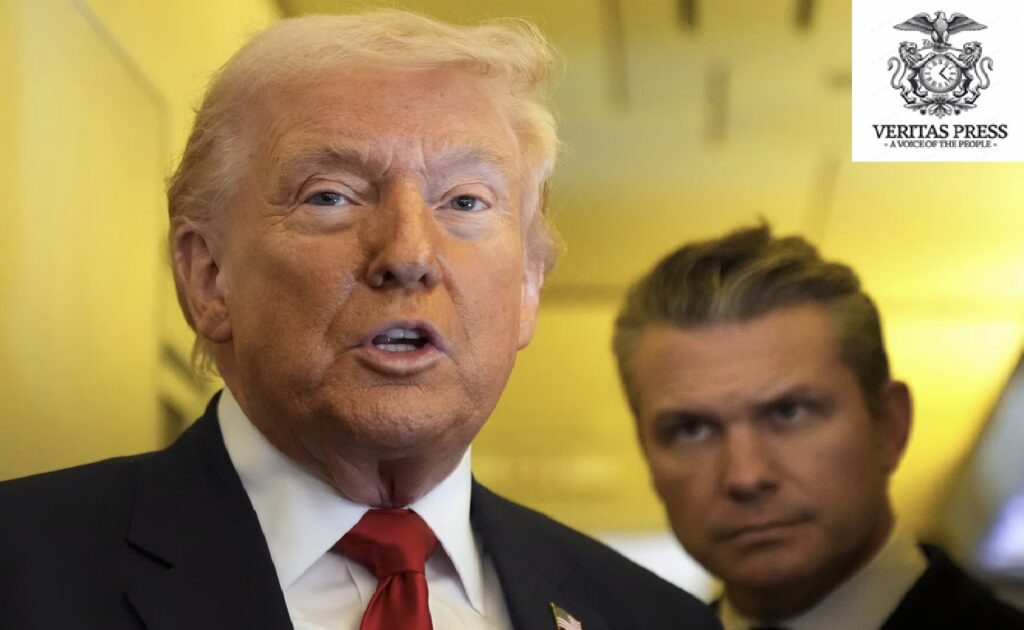
WASHINGTON, US – The United States and Israel are deepening their military campaign against Iran,