



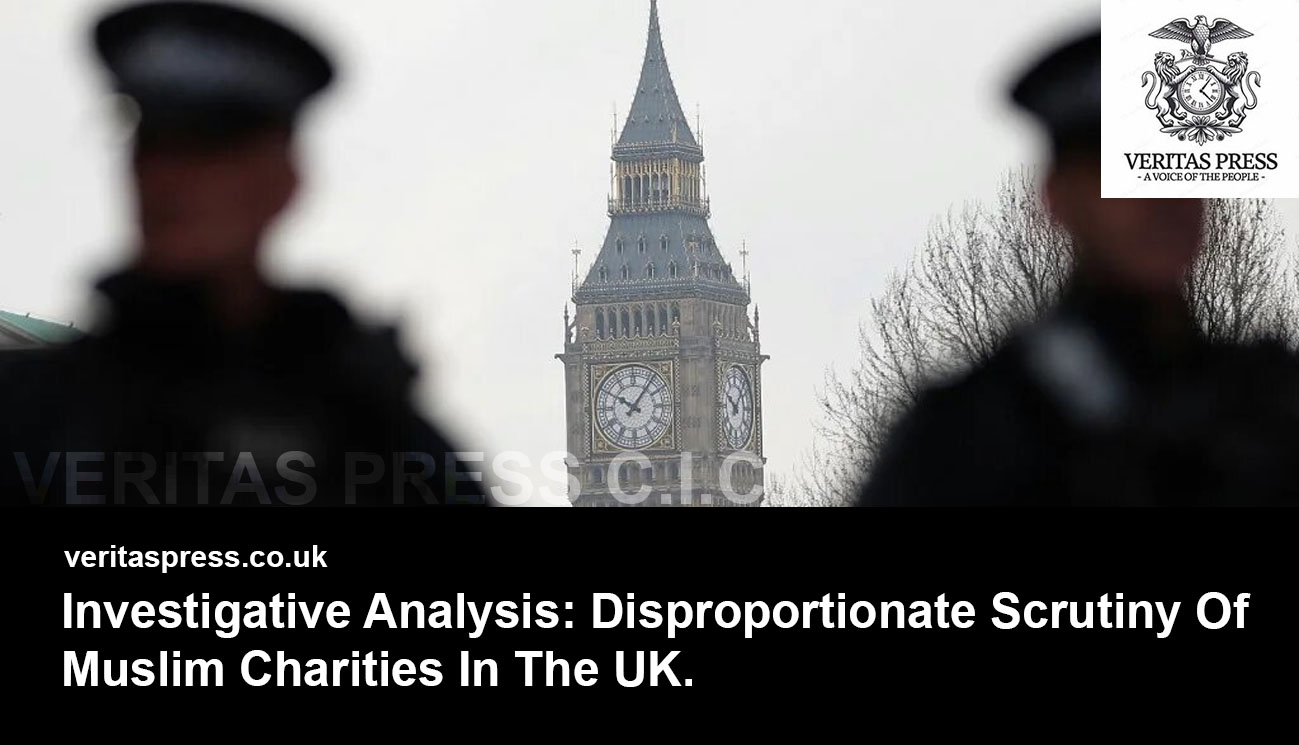

Press Release: Veritas Press C.I.C.
Author: Kamran Faqir
Article Date Published: 15 Aug 2025 at 12:47 GMT
Category: UK | Politics | Charities Commission
Source(s): Veritas Press C.I.C. | Multi News Agencies
Recent revelations have intensified concerns over the UK’s Charity Commission’s inconsistent regulatory practices, particularly regarding Muslim charities. While UK-based charities have been found to funnel millions into illegal Israeli settlements, Muslim organisations face heightened scrutiny, raising questions about potential institutional bias.
Funding Of Illegal Israeli Settlements:
Between 2017 and 2021, the Kasner Charitable Trust, through UK Toremet, donated approximately £5.7 million to the Bnei Akiva Yeshiva high school in Susya, an Israeli settlement in the occupied West Bank. These settlements are deemed illegal under international law and the UK’s foreign policy. Despite this, the Charity Commission approved these donations, citing educational purposes. This decision has drawn criticism from human rights groups and legal experts. The International Centre for Justice and Peace (ICJP) has called for a legal review, stating, “The Charity Commission must ensure that UK charities are not complicit in activities that contravene international law.”
In response to these concerns, the Charity Commission sought advice from the Attorney General regarding the legality of such donations. However, as of the latest reports, no further action has been taken.
Scrutiny Of Muslim Charities:
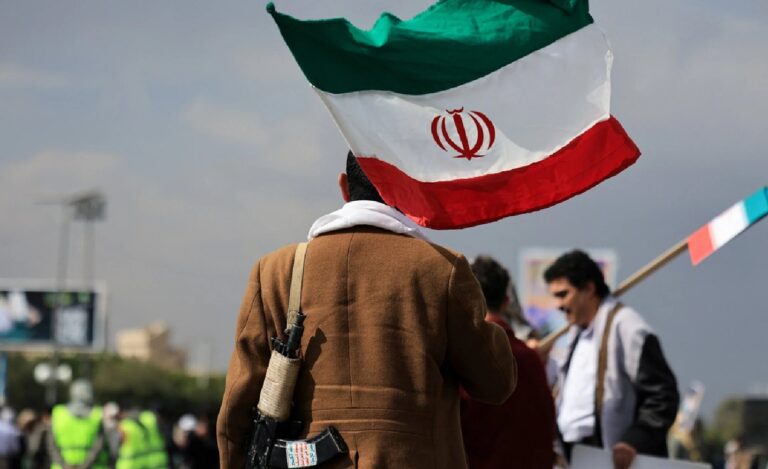
In stark contrast, Muslim charities in the UK have faced extensive scrutiny. The Islamic Centre of England (ICE) has been under investigation since 2022, following a vigil for Iranian General Qassem Soleimani. The Charity Commission raised concerns about governance, online content, and trustees’ alleged conflicts of interest. In May 2025, the inquiry concluded, requiring ICE to implement stricter oversight of its activities.
Similarly, Human Aid UK has been subjected to multiple investigations. In 2019, after staff were detained at Heathrow Airport and funds were seized, the Charity Commission initiated a statutory inquiry. Although the funds were returned and no wrongdoing was found, the inquiry continued, leading the charity to accuse the Commission of bias and acting as an extension of the police and security services’ harassment policy.
Allegations Of Institutional Bias:
Critics argue that the Charity Commission’s actions reflect a broader pattern of institutional bias against Muslim charities. A 2017 academic article in the ReOrient journal highlighted that while Muslim organisations constitute only 1.21% of the charity sector, they accounted for 38% of all disclosed statutory investigations between January 2013 and April 2014. This disparity raises serious concerns about the fairness and consistency of the Commission’s regulatory practices.
Furthermore, the Muslim Council of Britain has alleged that the Charity Commission takes a harsh line on Muslim charities that support Palestine, suggesting that the regulator may be using its powers to silence dissenting voices and prevent expressions of solidarity with Palestinian communities.
Calls For Reform:
In light of these concerns, there have been calls for an independent review of the Charity Commission’s practices to ensure genuine equality and impartiality across all faith-based charities. The Commission maintains that it assesses all concerns fairly and consistently against the legal framework and rejects any allegations of bias.
Conclusion: Unequal Scrutiny And Institutional Bias.
The pattern emerging from the Charity Commission’s enforcement actions suggests more than mere regulatory oversight; it points to systemic, institutional bias. While UK-based charities funnelling millions into illegal Israeli settlements are largely allowed to operate with minimal interference, Muslim charities face repeated investigations, prolonged inquiries, and public stigmatisation for comparatively minor or ambiguous activities.
Eyewitness accounts and statements from affected organisations paint a stark picture: Human Aid UK described the Commission’s actions as “a thinly veiled extension of police and security service harassment,” while trustees at the Islamic Centre of England report being treated as security risks for hosting religious and humanitarian events. Analysts argue that these disparities not only undermine the rule of law but also weaponise regulatory authority against communities already facing social and political marginalisation.
Experts from the International Centre for Justice and Peace warn that “tolerating the funding of illegal settlements while disproportionately targeting Muslim charities erodes public trust and raises serious questions about impartiality and human rights compliance.” Middle East-focused advocacy groups echo this, asserting that the Commission’s approach appears designed to suppress political expression and solidarity with Palestinians under international law.
The Commission’s repeated failure to apply consistent standards exposes a profound accountability gap: one where regulatory discretion becomes selective enforcement, and neutrality is overshadowed by suspicion and bias. Until an independent audit or parliamentary review is conducted, the Charity Commission risks being seen less as a guardian of public trust and more as an instrument of political and religious discrimination, a perception that threatens the legitimacy of the entire UK charitable sector.









Leave a Reply