


Date Published:
Date Modified:
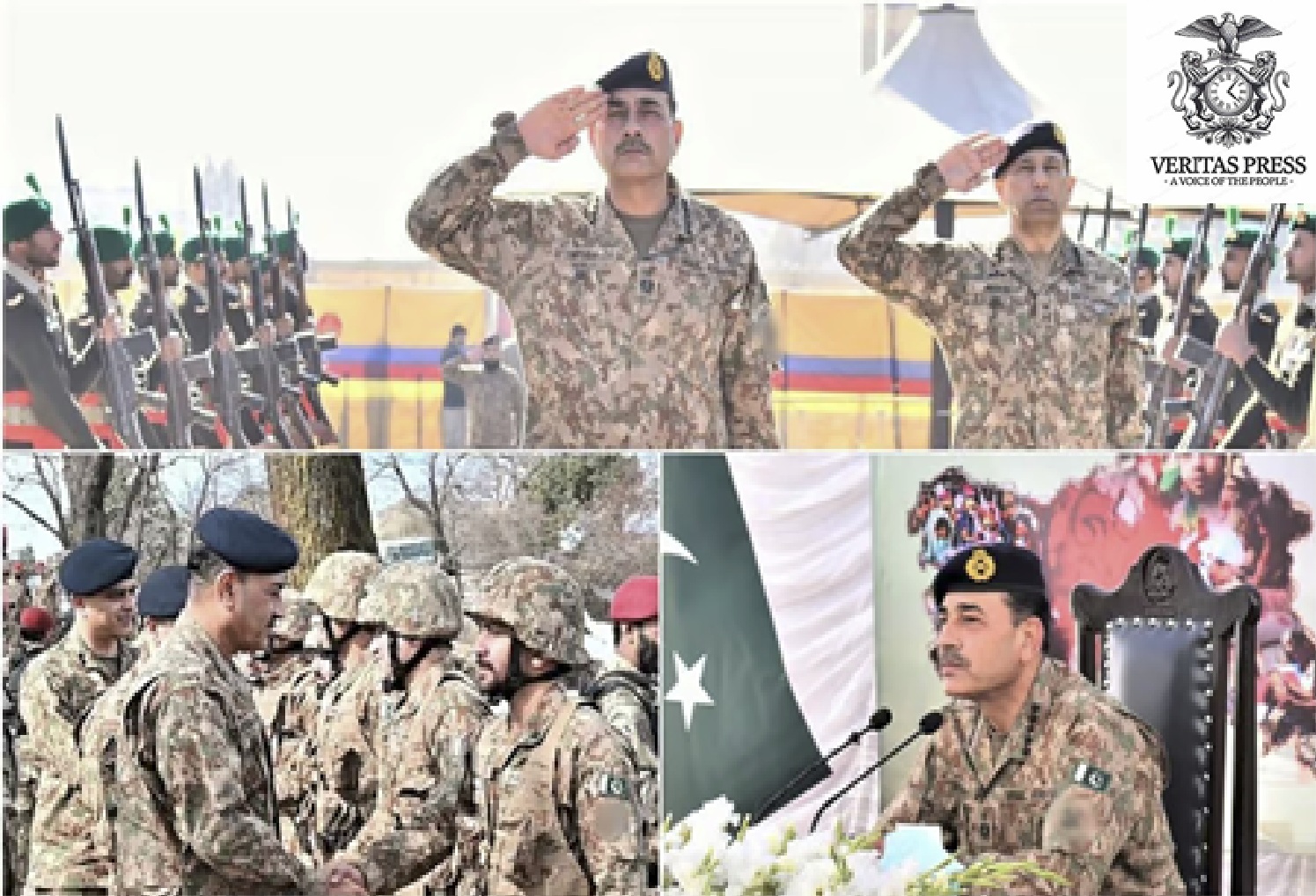
MUZAFFARABAD, PAKISTAN — On Kashmir Solidarity Day, February 5, 2026, Pakistan’s Chief of Defence Staff (CDF) and Chief of Army Staff (COAS), Field Marshal Syed Asim Munir, visited Muzaffarabad, reaffirming Pakistan’s political, moral, and diplomatic support for the people of Indian Illegally Occupied Jammu & Kashmir (IIOJK). He paid homage to the martyrs of the Kashmiri freedom struggle, laying a wreath at the Jammu and Kashmir Martyrs Monument and meeting local notables and veterans.
“Indian atrocities, unabated violations of human rights, and Hindutva-driven excesses have failed to suppress the legitimate struggle and aspirations of the Kashmiri people,” Munir said, reiterating Pakistan’s commitment to raising the Kashmir issue at all relevant international forums until a resolution aligned with UN Security Council resolutions is achieved.
He also visited a forward post, interacting with troops on the frontlines, and stressed that any act of aggression would be met with a swift and befitting response, noting that the armed forces remain fully prepared to counter both conventional and hybrid threats in a volatile security environment.
Pakistan’s Framing: Solidarity And Rights-Based Claims.
The visit coincided with Kashmir Solidarity Day, a national observance to highlight Pakistan’s support for the Kashmiri struggle. Prime Minister Shehbaz Sharif also addressed the Azad Jammu and Kashmir Legislative Assembly, paying tribute to Kashmiri leaders and martyrs. He described Kashmir as Pakistan’s “jugular vein” and reiterated the state’s unwavering moral, political, and diplomatic backing:
“Kashmiris have made immense sacrifices and will never compromise on their right to freedom. Pakistan will continue to highlight the Kashmir issue at all global forums until their right to self-determination is fulfilled.”
Shehbaz announced development projects including the doubling of monthly stipends for Kashmiri refugees, establishing a sub-campus of Daanish University in Muzaffarabad, and funding for school infrastructure and student laptop programs, framing humanitarian support as part of Pakistan’s broader commitment.
UN Human-Rights Experts: Documented Concerns in Indian-Administered Kashmir
While Pakistan emphasises rights violations in IIOJK, independent UN human‑rights experts have also documented serious concerns in Indian-administered Kashmir. Following the April 22, 2025, Pahalgam terror attack, in which 26 civilians were killed, the experts noted:
“We unequivocally condemn the brutal terrorist attack … However, all governments must respect international human rights law while combating terrorism.”
The experts highlighted:
- The arrest and detention of approximately 2,800 individuals, including journalists and human‑rights defenders, under laws allowing prolonged detention without charge.
- House demolitions, forced evictions, and punitive displacement are affecting civilians.
- Communication blackouts, social media restrictions, and limitations on freedoms of expression and assembly.
These observations do not take a position on sovereignty but underscore international concerns about counter-terrorism measures in the region.
Indian Government’s Counter-Narrative:
At the UN and other international forums, India has vigorously rejected claims of repression. Ambassador Parvathaneni Harish, India’s Permanent Representative to the UN, stated:
“The Union Territory of Jammu and Kashmir has been, is, and will always be an integral and inalienable part of India. The people exercise their fundamental rights in accordance with India’s democratic and constitutional framework. Pakistan’s repeated references neither validate its illegal claims nor justify state-sponsored cross-border terrorism.”
India has also criticised the UN High Commissioner for Human Rights for comments it deemed “baseless,” asserting that external reports oversimplify a complex situation and ignore development and governance efforts in the region.
UN Secretary-General António Guterres: Calls For Restraint.
The UN Secretary‑General has consistently emphasised the dangers of escalation between India and Pakistan, especially following incidents like Pahalgam:
“The world cannot afford a military confrontation between India and Pakistan … tensions between the two South Asian neighbours are at their highest in years. We appeal to both governments to exercise maximum restraint.”
He also reiterated that the UN’s good offices are available for mediation, should both sides seek de-escalation.
Ground Realities And Lived Experiences:
While Pakistani and Indian official narratives dominate, independent reporting from Kashmir reflects a more complex reality. Many civilians report militarisation, curtailed civil liberties, and economic disruption, with local voices calling for autonomy, rights protection, and participation in political solutions, rather than outright independence or merger with Pakistan.
Strategic And Geopolitical Context:
Field Marshal Munir’s Muzaffarabad visit also underscores Pakistan’s strategic posture along the Line of Control, highlighting the country’s readiness to respond to threats. India, for its part, frames cross-border tensions in the context of sovereignty and counter-terrorism, while Pakistan positions itself as a champion of Kashmiri rights and UN-backed resolutions. International observers, including the UN, caution that nuclear-armed neighbours must exercise restraint to prevent escalation.
Conclusion: Beyond Rhetoric, The Kashmir Reality.
The events of February 5, 2026, CDF Munir’s Muzaffarabad visit, tributes to martyrs, and PM Shehbaz’s solidarity pledges, illustrate Pakistan’s relentless political and moral positioning on Kashmir. Yet, beneath the ceremonial rhetoric lies a high-stakes contest of narratives and power: India asserts sovereignty and frames its actions as counter-terrorism, Pakistan positions itself as the defender of Kashmiri rights, and international actors such as the UN document rights violations while urging restraint.
The situation in Kashmir remains a complex, multifaceted dispute:
- Pakistan mobilises human rights claims to support its political and diplomatic narrative.
- India stresses sovereignty, internal governance, and counter-terrorism.
- UN human-rights experts document serious rights concerns while remaining neutral on political claims.
- The UN Secretary-General urges restraint and offers mediation.
- Kashmiri voices within the territory express diverse aspirations that are often overshadowed by state narratives.
Independent reporting and UN human-rights analyses reveal a stark discrepancy between political declarations and lived realities. Thousands of civilians, journalists, and human-rights defenders have faced arbitrary detention, communication blackouts, and punitive measures following security incidents. These documented abuses expose the systemic costs of militarisation, where ordinary Kashmiris bear the brunt of both state and non-state violence.
India’s dismissal of international criticism and Pakistan’s strategic posturing underscore a geopolitical stalemate, in which the very people at the heart of the dispute are often marginalised. Despite grandiose statements about “dawn of freedom” or “integral territory,” the lived experience in Kashmir is marked by uncertainty, fear, and restricted civil and political space.
The UN Secretary-General’s repeated calls for restraint and offers of mediation highlight the global stakes: any miscalculation in this nuclear-armed flashpoint risks escalation far beyond the region. Yet, the continued failure of the international system to ensure accountability, rights protection, and meaningful dialogue exposes a broader crisis, one in which humanitarian imperatives are subordinated to strategic and nationalistic objectives.
The stark reality is that neither militaristic posturing nor symbolic solidarity can resolve the Kashmir conflict. Any sustainable resolution will require rights-based protections, unimpeded civil expression for Kashmiris, and international engagement grounded in humanitarian law, rather than annual solidarity declarations or purely geopolitical messaging. The struggle in Kashmir is not merely territorial or diplomatic; it is fundamentally about human rights, dignity, and the recognition of the Kashmiri people as active agents of their destiny. Without addressing these core dimensions, the cycle of violence, political posturing, and international inaction will continue, leaving the promises of freedom, peace, and justice as distant, contested ideals.
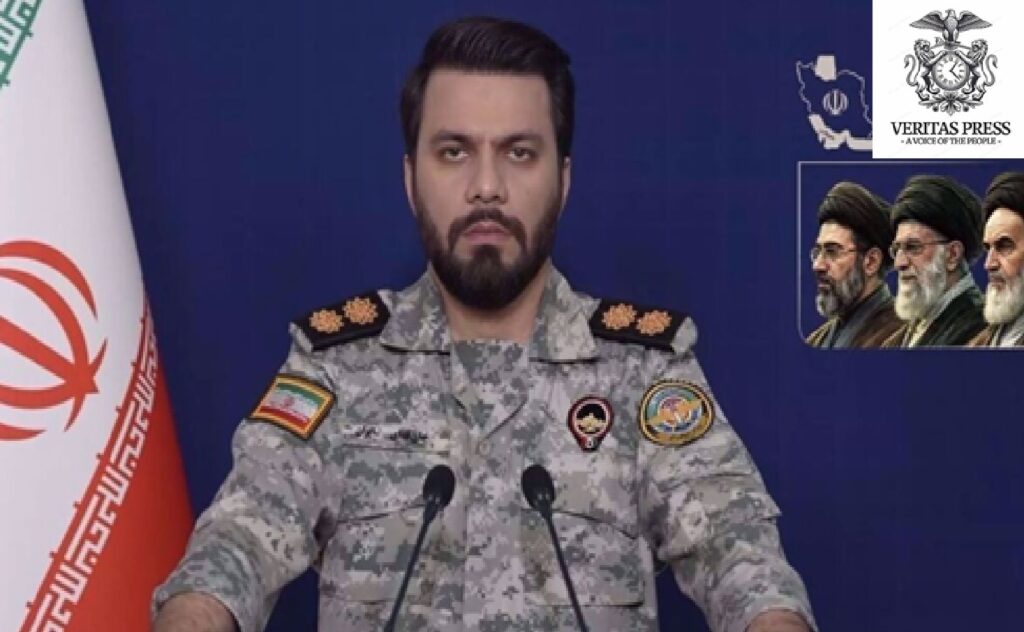
When Lieutenant Colonel Ebrahim Zolfaqari, spokesman for Iran’s Khatam al-Anbiya Central Headquarters, issued a warning
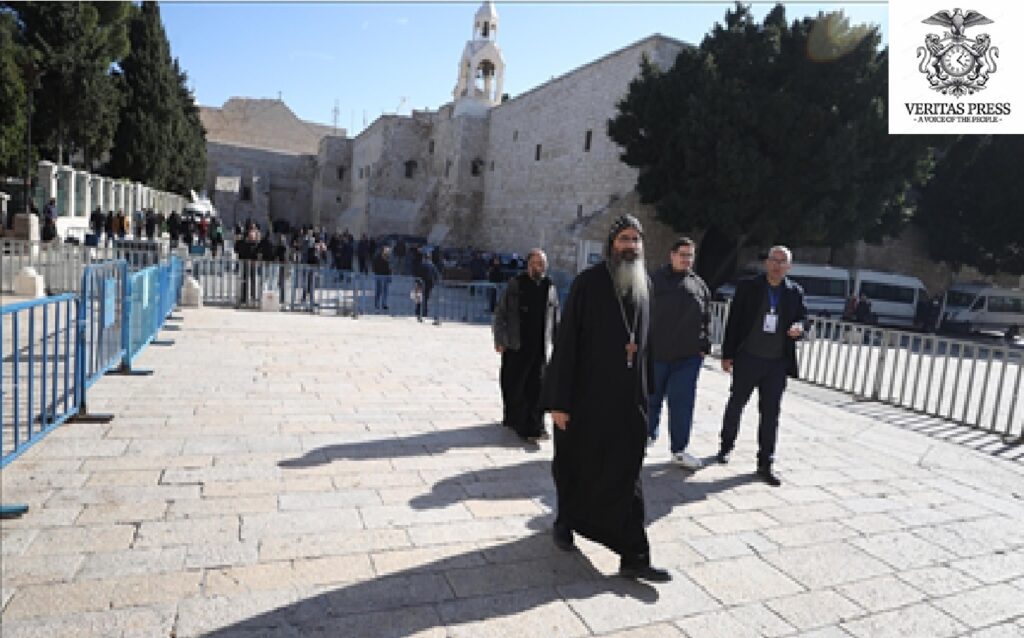
The historic Christian presence in Palestine, dating back to the earliest centuries of Christianity, is
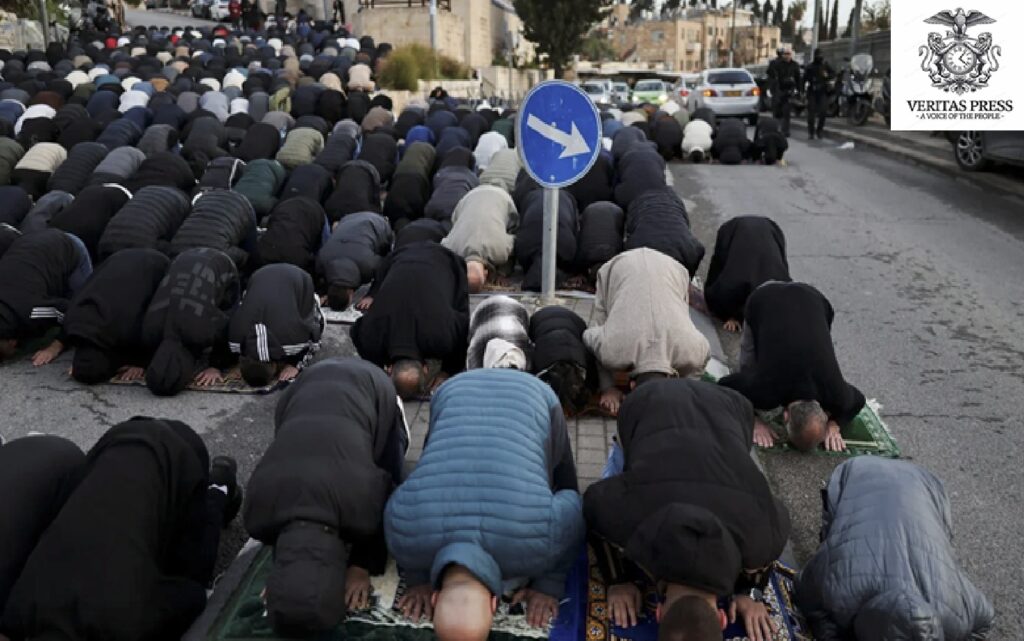
JERUSALEM – For the first time since the aftermath of the Six-Day War, the courtyards
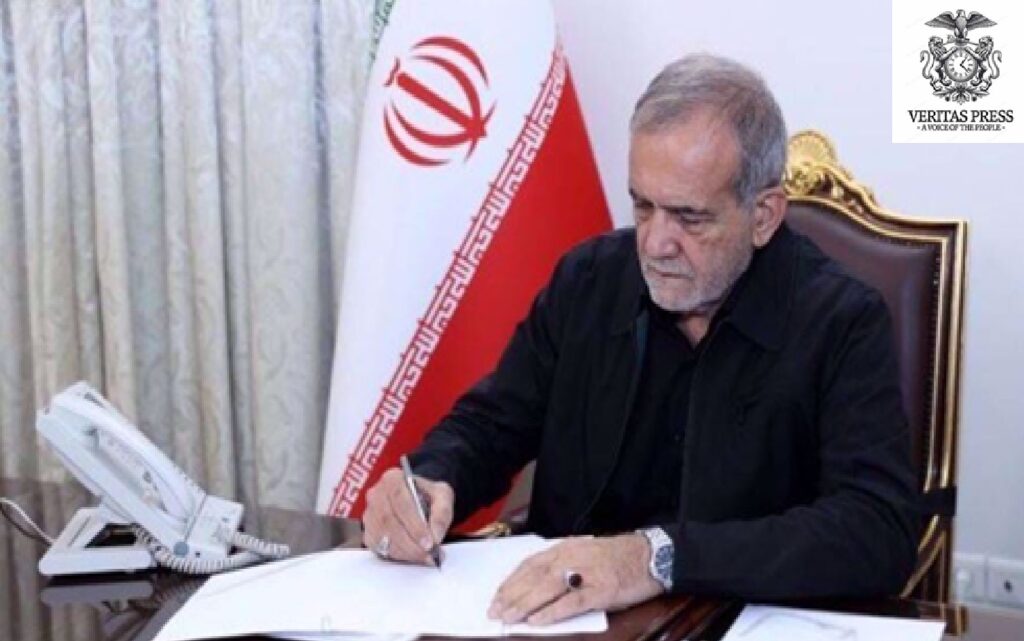
TEHRAN – As the sun rose on Eid al-Fitr, a day meant for celebration and
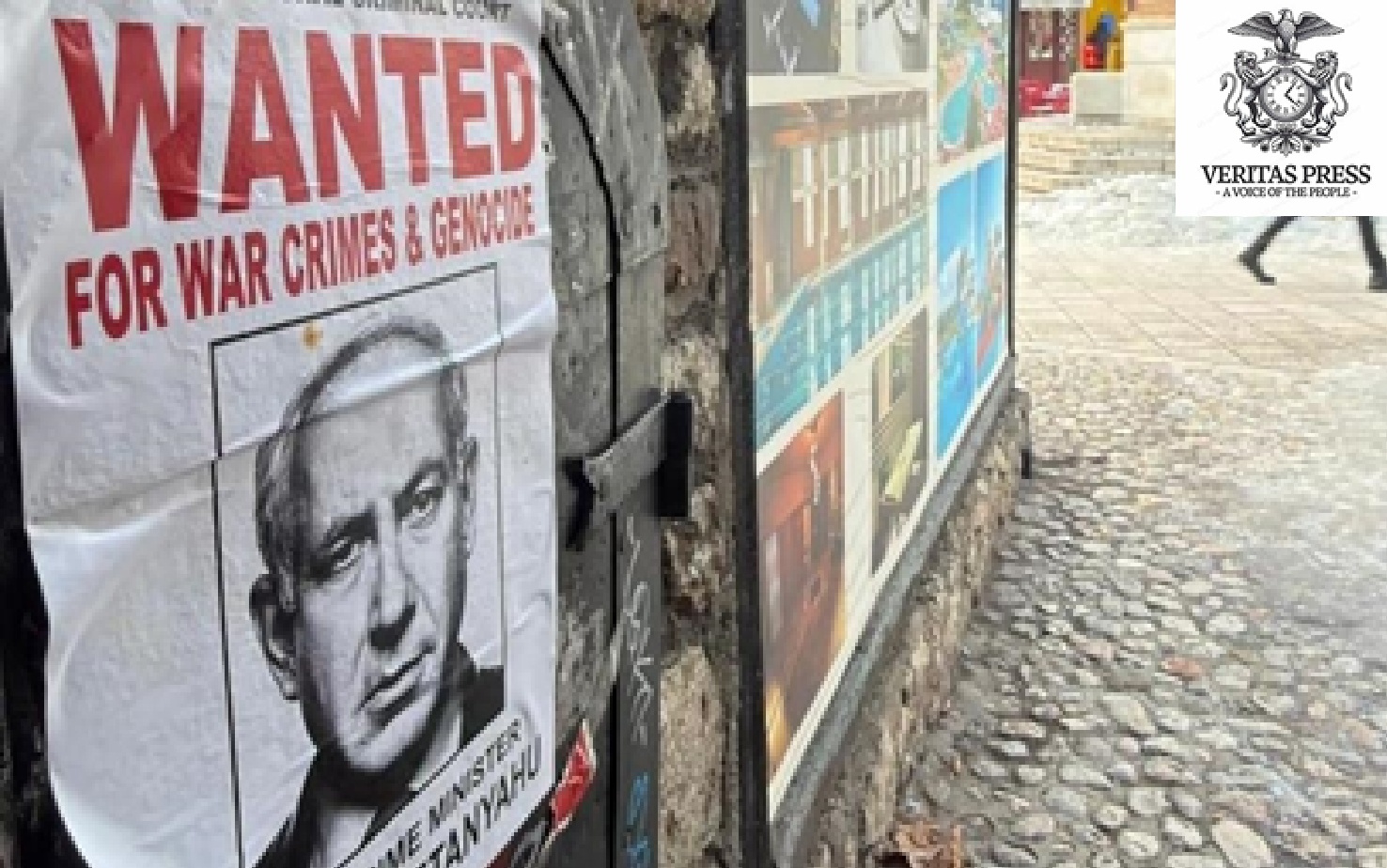
HUNGARY – As Benjamin Netanyahu prepares to travel to Hungary this weekend, a mounting legal
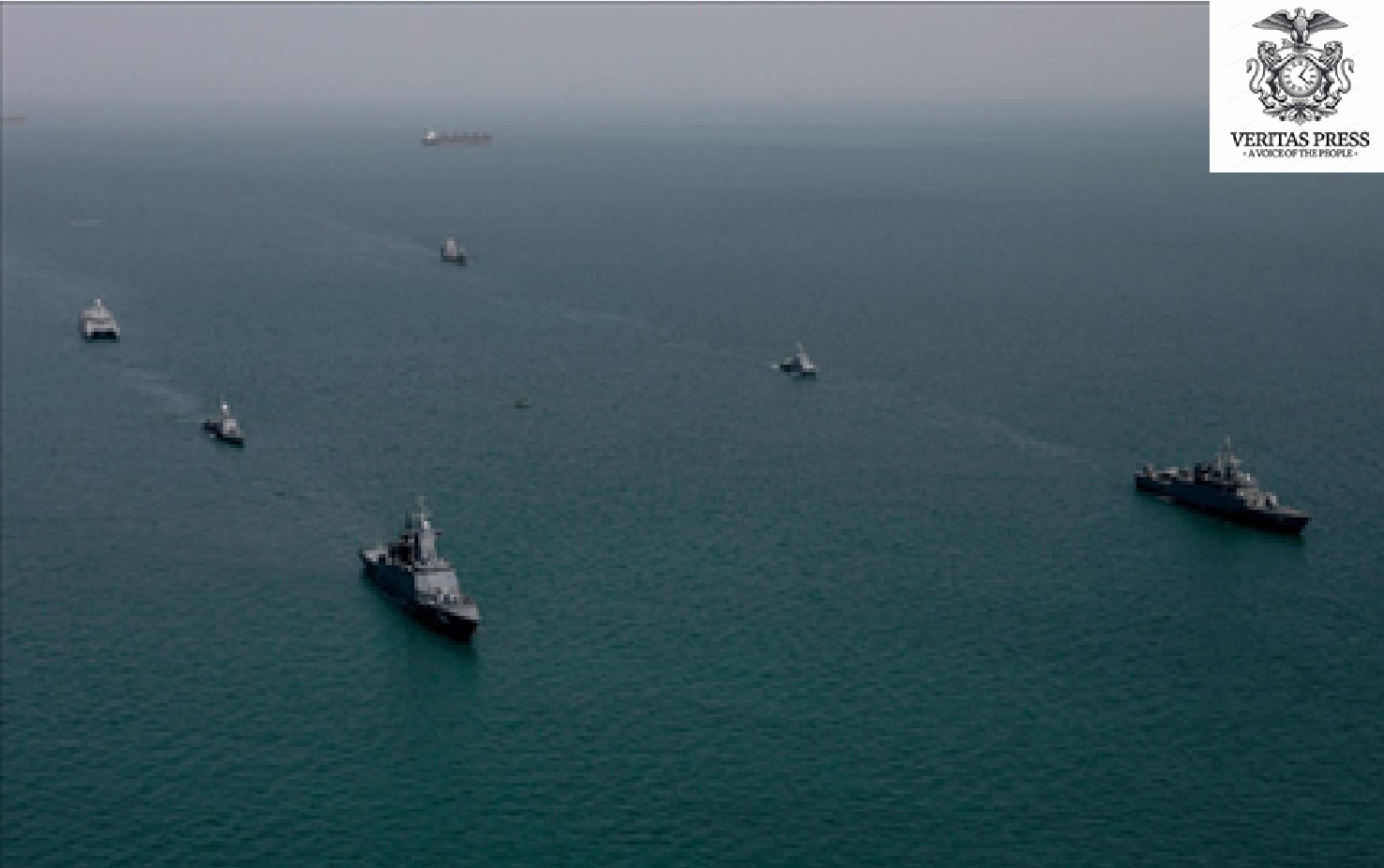
LONDON — In the polished corridors of 10 Downing Street, the language remains meticulously calibrated:
On March 20, 2026, the Pentagon quietly announced what amounts to a fundamental restructuring of
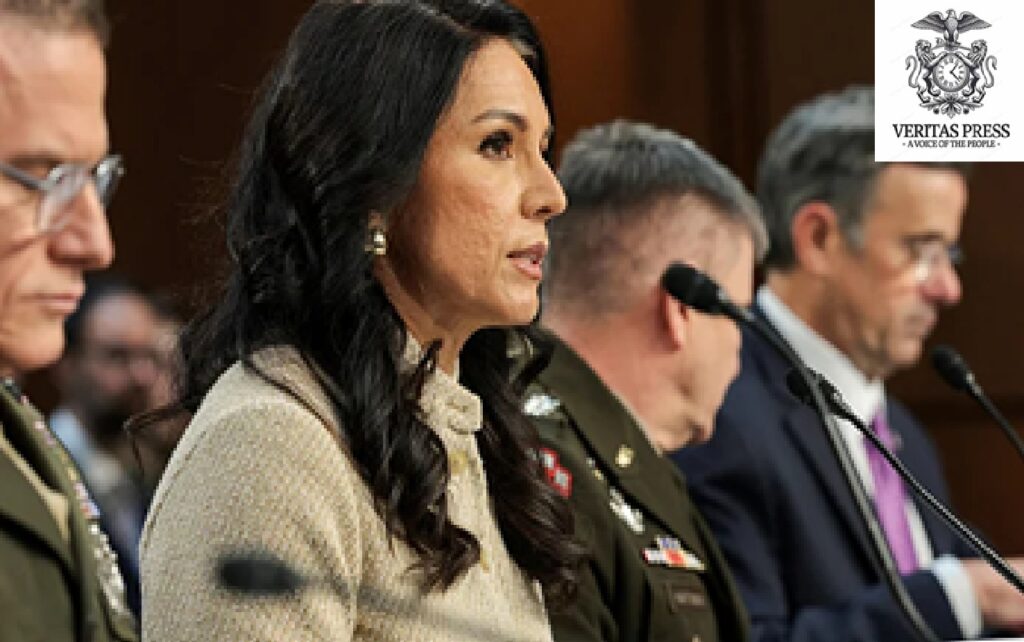
WASHINGTON / ISLAMABAD — A fresh warning by US Director of National Intelligence Tulsi Gabbard
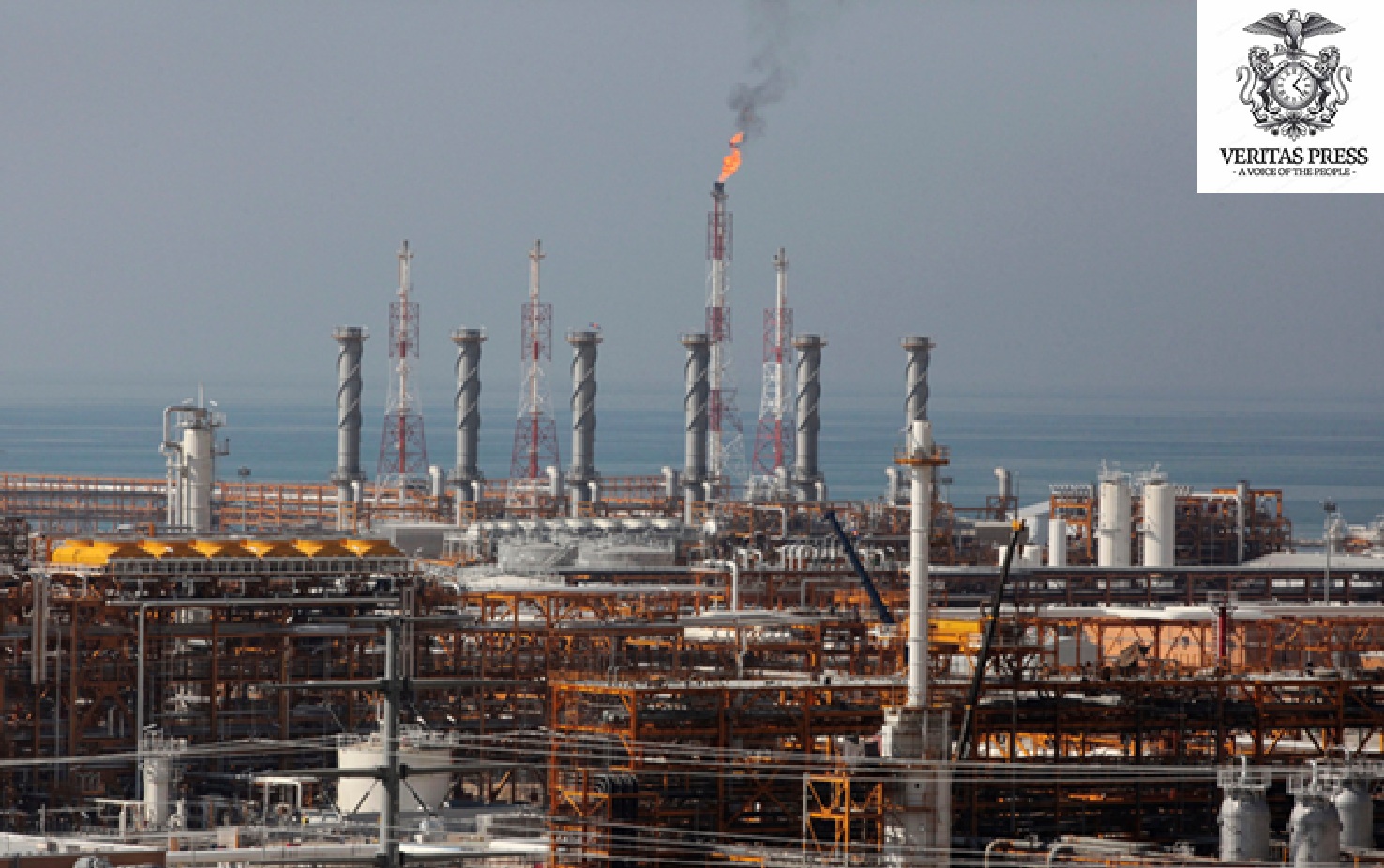
For the first time since the US-Israeli campaign against Iran began on February 28, the
Tensions across the Gulf have escalated to levels not seen in decades, as Saudi Arabia