




Original Article Date Published:
Article Date Modified:
The death toll from the devastating explosion inside an illegal coal mine in India’s northeastern state of Meghalaya has climbed to 27, exposing what activists and watchdogs describe as a long-running governance failure in one of the country’s most dangerous extractive industries.
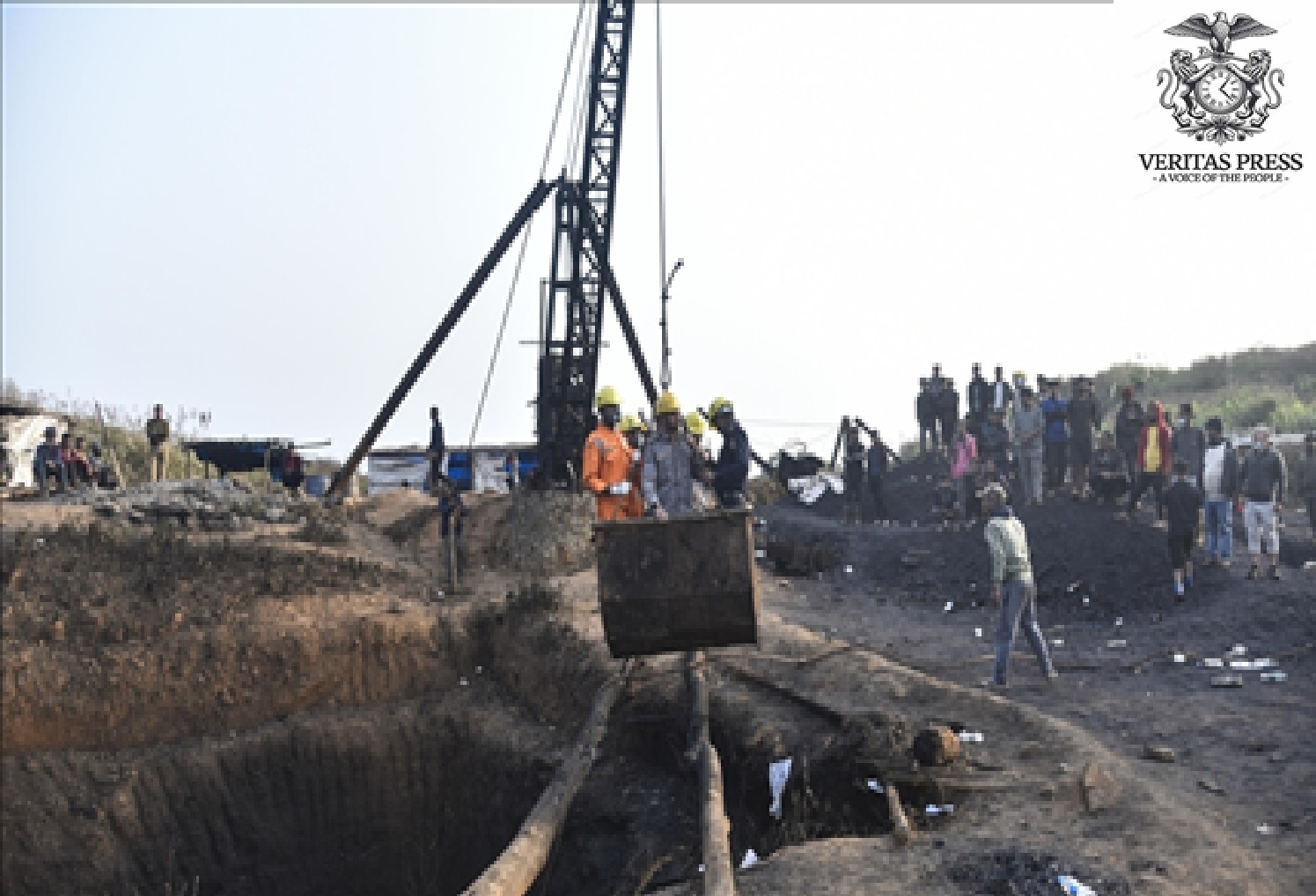
The blast tore through a so-called “rat-hole” mine in the Mynsyngat–Thangsko area of East Jaintia Hills, a remote coal belt about 70 kilometres from the state capital Shillong. Rescue teams continue to search the unstable tunnels amid fears that more miners could still be trapped.
Officials say nine injured survivors are receiving treatment, while victims include workers from Meghalaya, neighbouring Assam, and even Nepal, highlighting the cross-border labour pipeline feeding the hazardous trade.
A Disaster Foretold:
The explosion occurred inside an unauthorised mine, prompting police to file a case under multiple criminal statutes, including the Mines and Minerals Act and the Explosives Substances Act. Two suspects have already been arrested.
Yet the tragedy appears less an accident than a predictable outcome of systemic neglect.
A senior official warned bluntly: “You cannot fight illegal mining only after accidents happen. Prevention has to be constant.”
Environmental authorities say each mining disaster in the state follows a familiar pattern, ignored warnings, bypassed rules, and outrage that fades once headlines move on.
Courts Warned, But Action Lagged:
Just weeks before the blast, a committee appointed by the Meghalaya High Court flagged another fatal accident in the same region. Retired judge B.P. Katakey said, “My report said there should be some action,” adding that district officials had already been informed about illegal operations.
After the latest explosion, the High Court took suo motu cognisance and ordered senior officials to explain why no action was taken despite repeated deaths.
The rat-hole method, narrow shafts barely large enough for a worker, has been banned since 2014 by the National Green Tribunal due to safety and environmental risks.
Yet a tribunal committee later found around 24,000 illegal mines still operating across the state by the end of 2024.
Activists: “This Is A Homicide”.
For campaigners, the disaster represents not just regulatory failure but preventable loss of life.
Meghalaya-based activist Agnes Kharshiing told reporters: “This is very unfortunate, the government could’ve stopped this from happening. This is a homicide.”
She added that authorities had long denied the persistence of rat-hole mining despite mounting casualties.
Kharshiing has also warned that coal extraction has “devastated Meghalaya’s health and environment,” linking the industry to disease, polluted rivers, and massive forest loss.
Another campaigner described the technique as “highly risky,” noting miners often squat in holes just four to five feet high.
Political Accountability Demanded:
Public anger has intensified in the aftermath.
The Hynniewtrep Integrated Territorial Organisation accused authorities of enabling illegality, declaring: “The responsibility lies with the political leadership that has normalised illegality.”
The opposition Congress party similarly demanded accountability “at the highest political and administrative levels” and stricter enforcement of the mining ban.
Authorities have responded with emergency measures, including prohibiting gatherings near illegal mining sites and ordering magistrates and police to identify and arrest mine owners, operators, and financiers.
Economic Desperation Vs. Regulatory Collapse:
Experts say the persistence of illegal mining is driven by poverty, high coal demand, and weak enforcement in remote terrain, sometimes compounded by alleged political patronage.
Daily wages can reach Rs 2,000, drawing migrant workers despite the risks.
Others earn as little as $18–$24 for a 10-hour shift, underscoring the exploitation embedded in the informal economy.
Coal remains lucrative, and illegal extraction is often cheaper than regulated mining, a reality officials admit fuels the underground industry.
Rescue Hampered, And Questions Mount:
The mine’s remote location and lack of equipment delayed rescue efforts, forcing teams to navigate unstable walls and toxic gases.
Authorities acknowledged uncertainty over how many workers were inside when the blast occurred, a common problem in unregistered mines.
Chief Minister Conrad Sangma has promised a thorough investigation and warned that those responsible will face strict legal action.
But critics say inquiries often follow tragedies without preventing the next one.
A Pattern Of Avoidable Death:
Fatal mining accidents have repeatedly scarred Meghalaya. At least 63 people have died in illegal rat-hole mines in Assam and Meghalaya since 2012, according to federal estimates.
In 2018, 15 miners were killed after being trapped inside a flooded shaft, a disaster that triggered nationwide scrutiny but failed to end the practice.
As one official observed, the damage “lingers for decades,” poisoning land and water long after mines close.
Voices From The Ground:
While many families have yet to speak publicly, local accounts suggest most victims were migrant workers supporting households hundreds of kilometres away, amplifying the social cost of regulatory breakdown.
The Assam chief minister has already pledged support if victims from his state are confirmed, underscoring the regional humanitarian fallout.
Governance Failure Or Structural Complicity?
Taken together, the evidence points toward a deeper institutional crisis rather than an isolated accident.
- Courts warned authorities.
- Activists documented illegal operations.
- Monitoring committees flagged enforcement gaps.
Yet mining continued, often in plain sight.
As one analysis noted, the latest explosion “is not an act of fate but the result of continued defiance of safety norms.”
The Unanswered Question:
The Meghalaya blast raises a troubling question for India’s mining governance:
How does an industry banned for over a decade continue to operate at such a scale, and with such deadly consequences?
Until enforcement matches judicial orders and economic alternatives exist for vulnerable workers, experts warn that rat-hole mining will keep claiming lives “silently underground,” leaving behind grieving families and devastated landscapes.
For now, the tunnels remain, and so does the risk of the next explosion.
The blast tore through a so-called “rat-hole” mine in the Mynsyngat–Thangsko area of East Jaintia Hills, a remote coal belt about 70 kilometres from the state capital Shillong. Rescue teams continue to search the unstable tunnels amid fears that more miners could still be trapped.
Officials say nine injured survivors are receiving treatment, while victims include workers from Meghalaya, neighbouring Assam, and even Nepal, highlighting the cross-border labour pipeline feeding the hazardous trade.
A Disaster Foretold:
The explosion occurred inside an unauthorised mine, prompting police to file a case under multiple criminal statutes, including the Mines and Minerals Act and the Explosives Substances Act. Two suspects have already been arrested.
Yet the tragedy appears less an accident than a predictable outcome of systemic neglect.
A senior official warned bluntly: “You cannot fight illegal mining only after accidents happen. Prevention has to be constant.”
Environmental authorities say each mining disaster in the state follows a familiar pattern, ignored warnings, bypassed rules, and outrage that fades once headlines move on.
Courts Warned, But Action Lagged:
Just weeks before the blast, a committee appointed by the Meghalaya High Court flagged another fatal accident in the same region. Retired judge B.P. Katakey said, “My report said there should be some action,” adding that district officials had already been informed about illegal operations.
After the latest explosion, the High Court took suo motu cognisance and ordered senior officials to explain why no action was taken despite repeated deaths.
The rat-hole method, narrow shafts barely large enough for a worker, has been banned since 2014 by the National Green Tribunal due to safety and environmental risks.
Yet a tribunal committee later found around 24,000 illegal mines still operating across the state by the end of 2024.
Activists: “This Is A Homicide”.
For campaigners, the disaster represents not just regulatory failure but preventable loss of life.
Meghalaya-based activist Agnes Kharshiing told reporters: “This is very unfortunate, the government could’ve stopped this from happening. This is a homicide.”
She added that authorities had long denied the persistence of rat-hole mining despite mounting casualties.
Kharshiing has also warned that coal extraction has “devastated Meghalaya’s health and environment,” linking the industry to disease, polluted rivers, and massive forest loss.
Another campaigner described the technique as “highly risky,” noting miners often squat in holes just four to five feet high.
Political Accountability Demanded:
Public anger has intensified in the aftermath.
The Hynniewtrep Integrated Territorial Organisation accused authorities of enabling illegality, declaring: “The responsibility lies with the political leadership that has normalised illegality.”
The opposition Congress party similarly demanded accountability “at the highest political and administrative levels” and stricter enforcement of the mining ban.
Authorities have responded with emergency measures, including prohibiting gatherings near illegal mining sites and ordering magistrates and police to identify and arrest mine owners, operators, and financiers.
Economic Desperation Vs. Regulatory Collapse:
Experts say the persistence of illegal mining is driven by poverty, high coal demand, and weak enforcement in remote terrain, sometimes compounded by alleged political patronage.
Daily wages can reach Rs 2,000, drawing migrant workers despite the risks.
Others earn as little as $18–$24 for a 10-hour shift, underscoring the exploitation embedded in the informal economy.
Coal remains lucrative, and illegal extraction is often cheaper than regulated mining, a reality officials admit fuels the underground industry.
Rescue Hampered, And Questions Mount:
The mine’s remote location and lack of equipment delayed rescue efforts, forcing teams to navigate unstable walls and toxic gases.
Authorities acknowledged uncertainty over how many workers were inside when the blast occurred, a common problem in unregistered mines.
Chief Minister Conrad Sangma has promised a thorough investigation and warned that those responsible will face strict legal action.
But critics say inquiries often follow tragedies without preventing the next one.
A Pattern Of Avoidable Death:
Fatal mining accidents have repeatedly scarred Meghalaya. At least 63 people have died in illegal rat-hole mines in Assam and Meghalaya since 2012, according to federal estimates.
In 2018, 15 miners were killed after being trapped inside a flooded shaft, a disaster that triggered nationwide scrutiny but failed to end the practice.
As one official observed, the damage “lingers for decades,” poisoning land and water long after mines close.
Voices From The Ground:
While many families have yet to speak publicly, local accounts suggest most victims were migrant workers supporting households hundreds of kilometres away, amplifying the social cost of regulatory breakdown.
The Assam chief minister has already pledged support if victims from his state are confirmed, underscoring the regional humanitarian fallout.
Governance Failure Or Structural Complicity?
Taken together, the evidence points toward a deeper institutional crisis rather than an isolated accident.
- Courts warned authorities.
- Activists documented illegal operations.
- Monitoring committees flagged enforcement gaps.
Yet mining continued, often in plain sight.
As one analysis noted, the latest explosion “is not an act of fate but the result of continued defiance of safety norms.”
The Unanswered Question:
The Meghalaya blast raises a troubling question for India’s mining governance:
How does an industry banned for over a decade continue to operate at such a scale, and with such deadly consequences?
Until enforcement matches judicial orders and economic alternatives exist for vulnerable workers, experts warn that rat-hole mining will keep claiming lives “silently underground,” leaving behind grieving families and devastated landscapes.
For now, the tunnels remain, and so does the risk of the next explosion.

GREEK ISLANDS – A controversial proposal by Israeli politician Avri Steiner to purchase Greek islands
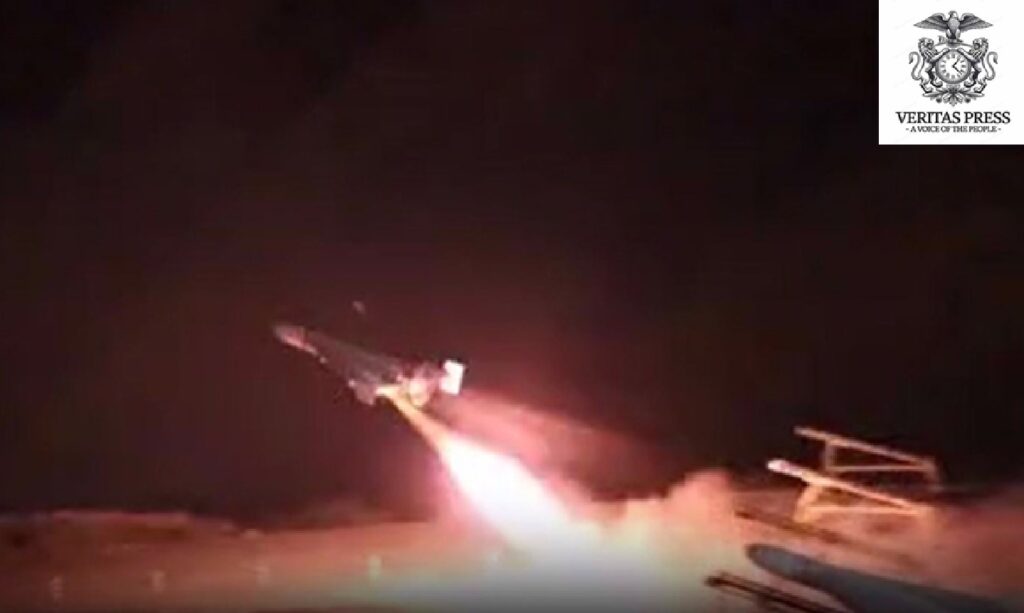
TEHRAN, IRAN – In the early hours of Thursday, the Islamic Revolutionary Guard Corps (IRGC)
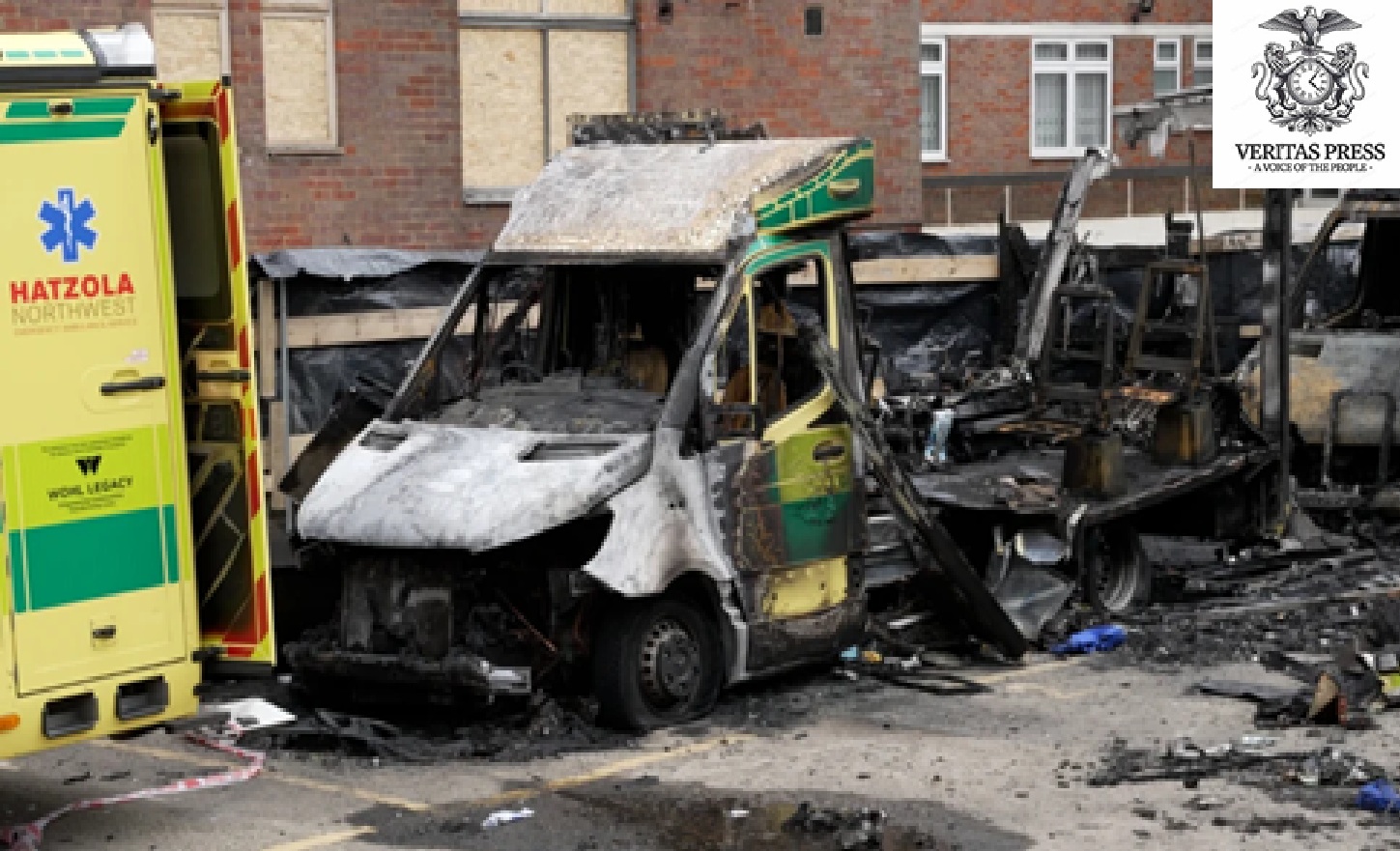
LONDON, UK – In the early hours of Monday morning, a quiet street in Golders
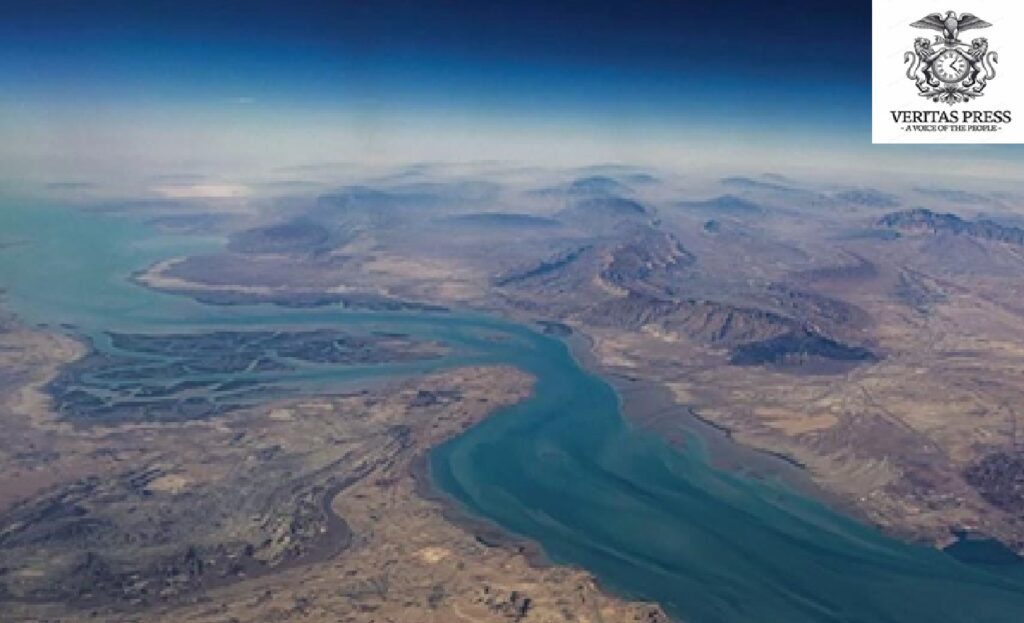
SEOUL / TEHRAN — In a packed press conference at the Iranian Embassy in Seoul’s

Pakistan’s imprisoned former prime minister Imran Khan has issued one of his most forceful denunciations
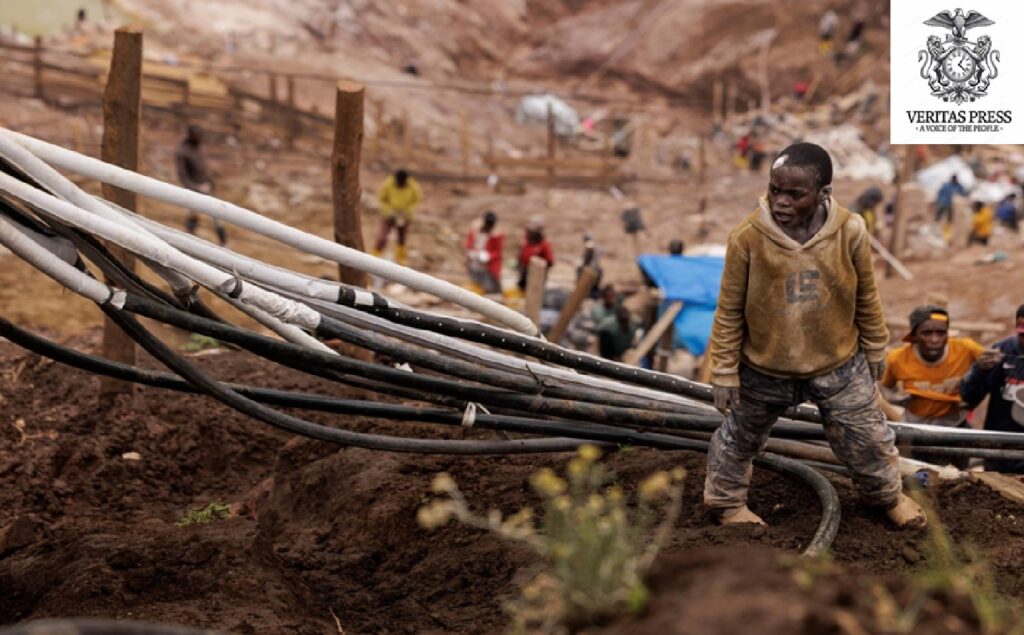
At the Rubaya mining complex in eastern Democratic Republic of Congo, the hillside known as
On the 25th day of a conflict that has already rewritten the geopolitical map of
On the outskirts of Nabatieh, where the Mediterranean breezes once carried the scent of olive

On December 27, 2024, Israeli occupation forces raided Kamal Adwan Hospital in northern Gaza, one

Senior officials within the US military have drawn up contingency plans for a potential ground