




Title: Gaza’s Health System On The Brink: Blockade, Aid Restrictions, And The Human Cost Of Systematic Deprivation
Press Release: Veritas Press C.I.C.
Author: Kamran Faqir
Article Date Published: 27 Jan 2026 at 22:15 GMT
Category: Middle East | Palestine-Gaza-West Bank-OPT | Gaza’s Health System on the Brink: Blockade, Aid Restrictions, and the Human Cost of Systematic Deprivation
Source(s): Veritas Press C.I.C. | Multi News Agencies
Website: www.veritaspress.co.uk

Business Ads


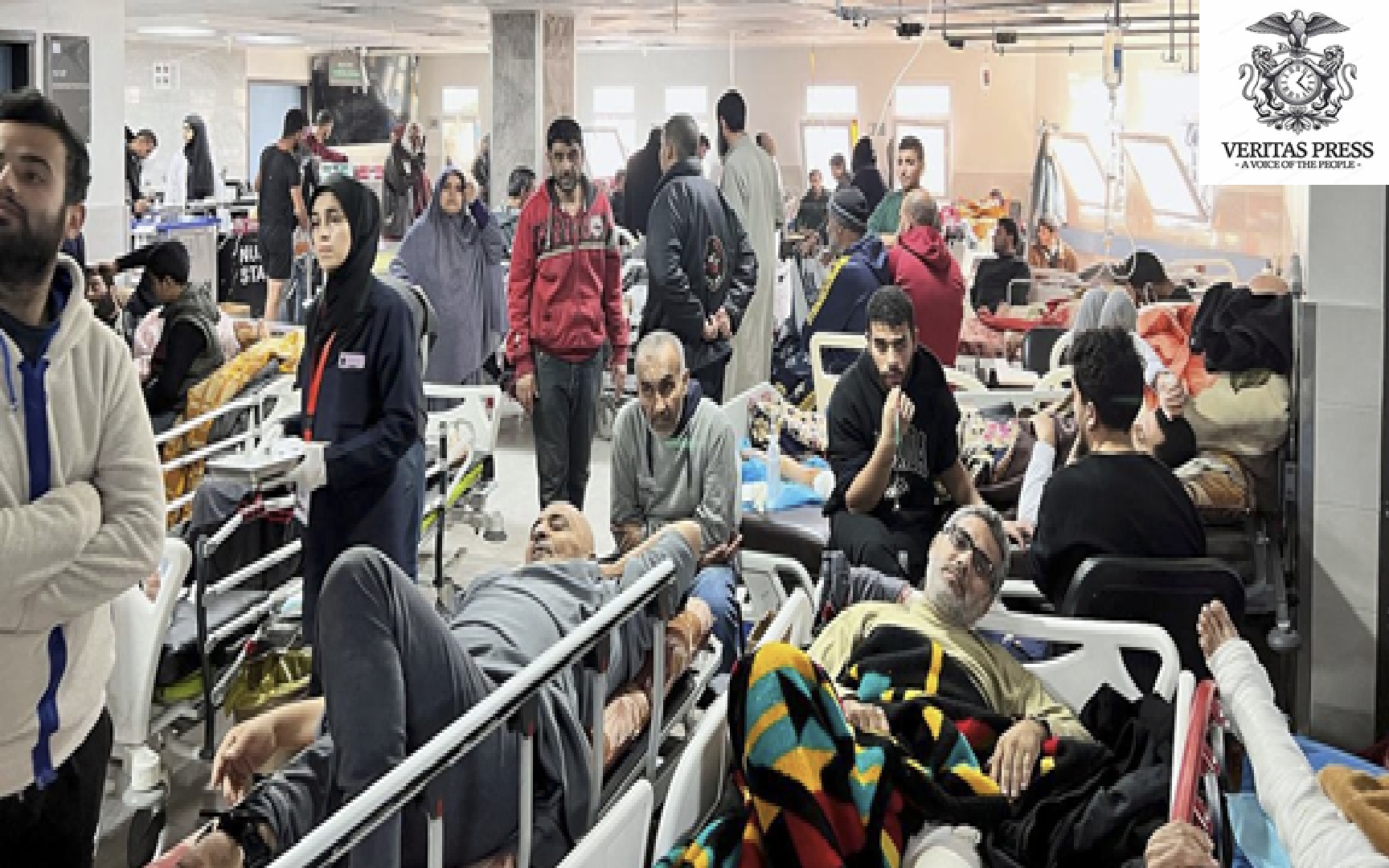
GAZA — Gaza’s Health Ministry has released deeply distressing new figures showing nearly 20,000 patients, including 4,000 cancer patients and 4,500 children, trapped without access to life-saving treatment due to the continued closure of the Rafah border crossing. The ministry warns that the health system, already weakened by years of blockade and repeated Israeli attacks, is now on the verge of total collapse, with thousands of lives at immediate risk.
“This is not just a crisis, it’s a slow, daily death sentence. We have diagnoses but no treatments, referrals but no routes, and patients with ticking clocks.”— Senior Gaza Health Ministry official.
Since Rafah was sealed on May 7, 2024, following Israel’s ground assault on southern Gaza, 1,268 patients have died while waiting for medical evacuation, while only 3,100 patients have been permitted to leave. Life-saving referrals now create a dangerous backlog as specialised care inside Gaza remains largely unavailable.
The Medical Catastrophe:
Frontline doctors describe a system stretched beyond its limits. Hospitals operate with intermittent electricity, skeletal staff, and depleted medicines, forcing clinicians to make impossible triage decisions.
“We are running out of equipment, supplies and fuel, and we are not running out of patients.”
— Dr. Mounir Al Bursh, Director General, Gaza Health Authority
According to WHO and OCHA reports, nearly all hospitals in Gaza are partially operational, with intensive care, oncology, and cardiology services largely inaccessible. Shortages of 321 essential medicines and diagnostic tools leave thousands without care.
A paediatric nurse at Al-Rantisi Hospital described the human toll:
“We’ve got infants here who should be getting vital therapy, but instead watch us improvise because we have no essential drugs or tools.” — Paediatric nurse
Cancer Patients And Children: The Most Vulnerable.
Oncology patients face the gravest consequences. Regular chemotherapy, radiotherapy, and diagnostic monitoring have been virtually halted, leaving cancers to progress unchecked. Children with cancer and congenital conditions are particularly vulnerable.
“Continued delays will result in unpredictable and irreversible outcomes.”— Health Ministry statement.
The Guardian reports that thousands of children and adults are deteriorating daily without access to care outside Gaza, while human rights groups emphasise that denying medical access to civilians constitutes a violation of international humanitarian law.
Blockade And Humanitarian Aid Restrictions:
Beyond the direct effects of the conflict, Gaza suffers under a systematic humanitarian blockade that blocks essential medical supplies, fuel, food, and water. OCHA reports that the blockade has reduced aid volumes by more than 60%, crippling hospitals and public services.
“We are witnessing, in real time, the creation of conditions for the eradication of Palestinian lives in Gaza.” — Médecins Sans Frontières (MSF)
The blockade effectively weaponises aid, making humanitarian relief conditional on political and security agreements, and obstructs the evacuation of critically ill patients.
Ethnic Cleansing And Legal Context:
Human rights organisations argue that the cumulative effect of the blockade, destruction of civilian infrastructure, and denial of medical access amounts to systemic persecution.
- B’Tselem identifies forced displacement and destruction of homes and hospitals as evidence of ethnic cleansing policies.
- Amnesty International warns that the blockade may create conditions that meet the Genocide Convention definition, by deliberately inflicting conditions of life calculated to bring about physical destruction in whole or in part.
“Israeli authorities have failed to take even the minimum steps humanitarians have pleaded for.” — Heba Morayef, Amnesty International.
Voices From The Ground:
- Dr. Al Bursh: “We are not running out of patients, we are running out of lives we can save.”
- International nurse at Rafah: “Children are dying. People are starving. Let us through.”
- MSF coordinator Aitor Zabalgogeazkoa: “The militarised food distribution scheme has weaponised starvation and curated suffering.”
Deaths Continue Despite Ceasefire:
Since the October 11, 2025, ceasefire:
- 488 Palestinians killed, 1,350 injured
- 714 bodies recovered from rubble
- A 12-day-old infant among winter deaths due to hypothermia
Cumulative toll since October 2023: 71,662 dead, 171,428 injured. (WAFA)
Political Deadlock:
Hamas has demanded the unconditional reopening of Rafah, including unrestricted humanitarian access and facilitation of medical evacuations. Israel conditions the crossing on the return of captives and internal political alignment, delaying life-saving interventions. U.S. diplomacy under the Trump administration has sought to implement phases of the ceasefire agreement, but progress remains stalled.
Sidebars And Infographics:
Key Statistics
- Patients stranded: 20,000
- Cancer patients: 4,000
- Children: 4,500
- Deaths since May 2024 waiting for treatment: 1,268
- Patients allowed to leave: 3,100
International Warnings
- WHO: The health system is collapsing, and it needs immense resources compared to the availability
- MSF: “Deliberate humanitarian catastrophe”
- Red Cross: Daily survival threatened
Timeline (infographic)
- May 2024: Rafah closed → evacuation halt
- June 2024: MSF reports medicine shortages
- Oct 2025: Ceasefire declared; deaths continue
- Winter 2025: Infant hypothermia deaths rise
- Jan 2026: 20,000 patients stranded; 1,268 dead
Infographic Suggestions
- Patient Backlog: Pie chart: critical cases, children, cancer patients
- Blocked Aid Flow: Diagram showing medicine, food, and fuel cutoffs
- Hospital Functionality: Bar graph: fully operational vs partially operational vs closed
- Deaths Timeline: Line graph from Oct 2023–Jan 2026, highlighting winter deaths
Conclusion: A Preventable Catastrophe.
The evidence is irrefutable: Gaza’s health system is collapsing, and thousands of deaths are not an inevitable result of conflict alone. They are driven by blockades, aid restrictions, destruction of infrastructure, and political deadlock, conditions that rights groups argue amount to ethnic cleansing and genocidal intent.
“Without immediate, unconditional humanitarian access and evacuation, thousands more will die, not from war injuries, but from preventable suffering imposed by policy.”
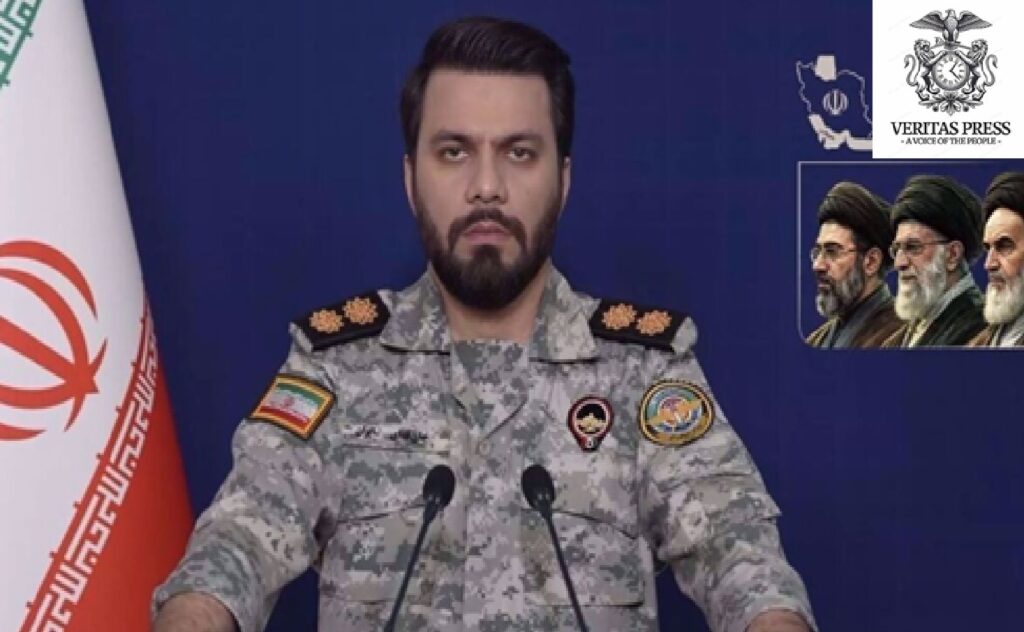
When Lieutenant Colonel Ebrahim Zolfaqari, spokesman for Iran’s Khatam al-Anbiya Central Headquarters, issued a warning

The historic Christian presence in Palestine, dating back to the earliest centuries of Christianity, is
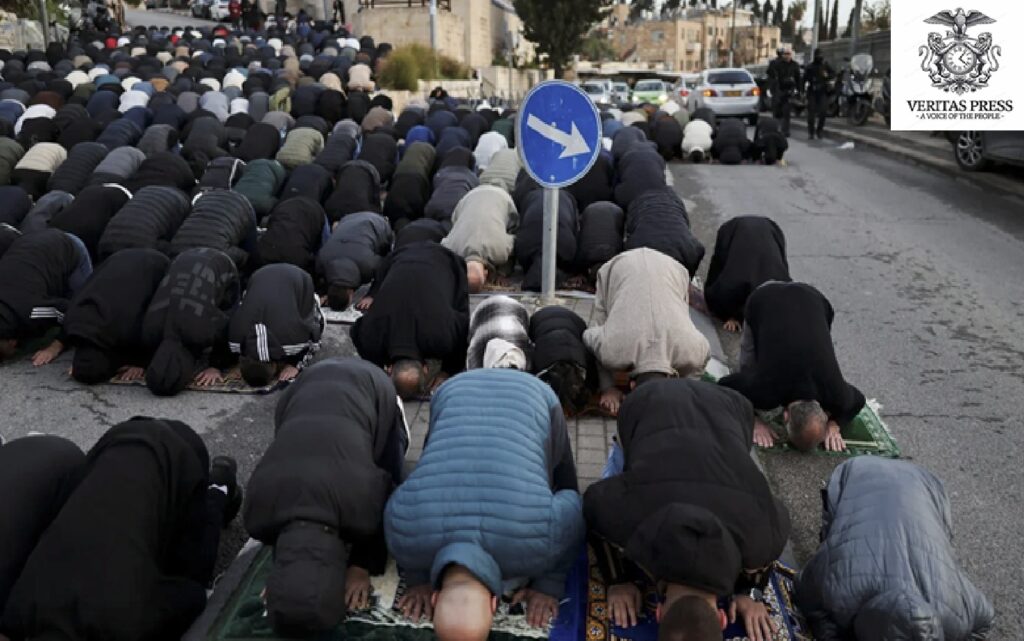
JERUSALEM – For the first time since the aftermath of the Six-Day War, the courtyards
TEHRAN – As the sun rose on Eid al-Fitr, a day meant for celebration and
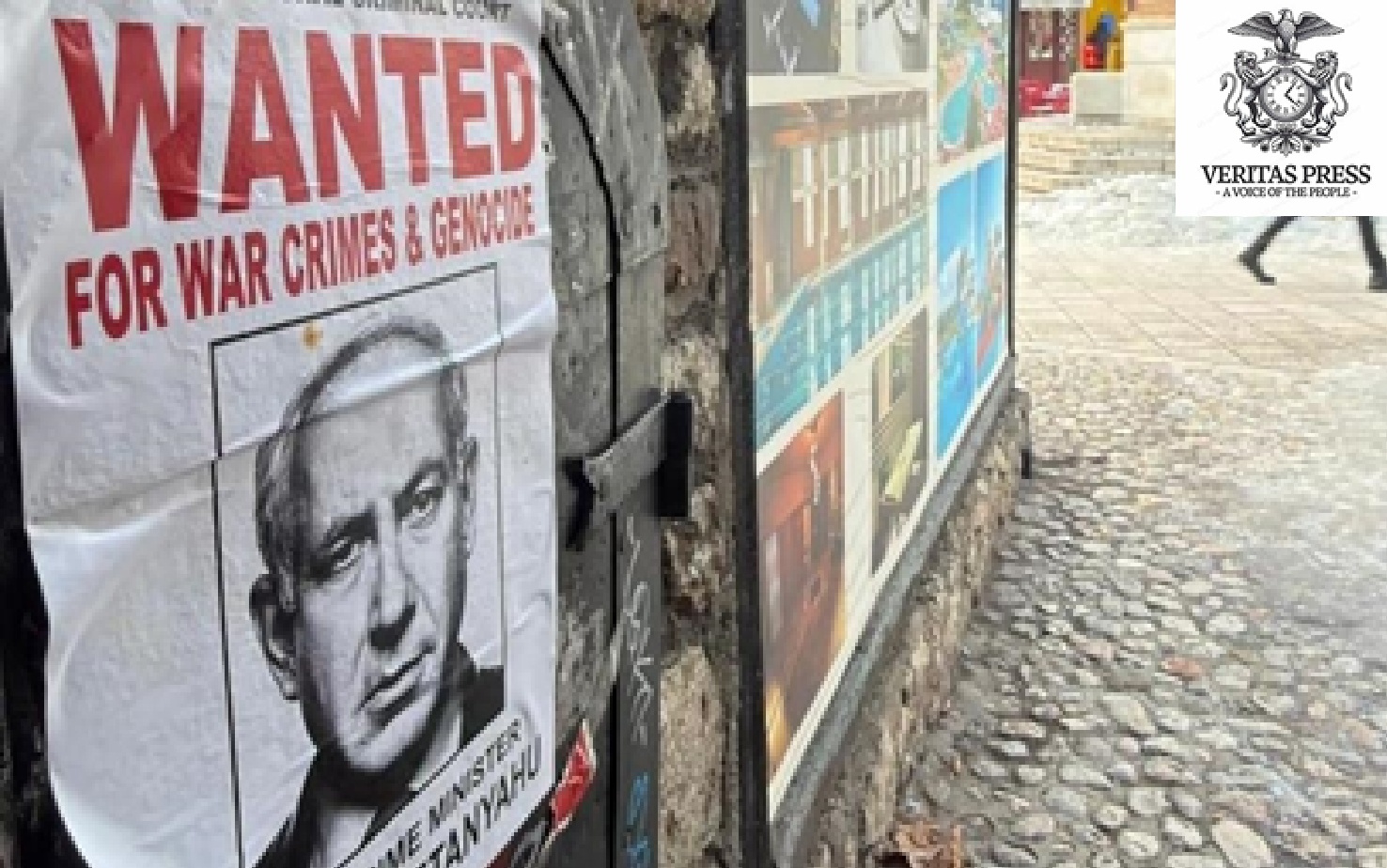
HUNGARY – As Benjamin Netanyahu prepares to travel to Hungary this weekend, a mounting legal

LONDON — In the polished corridors of 10 Downing Street, the language remains meticulously calibrated:
On March 20, 2026, the Pentagon quietly announced what amounts to a fundamental restructuring of
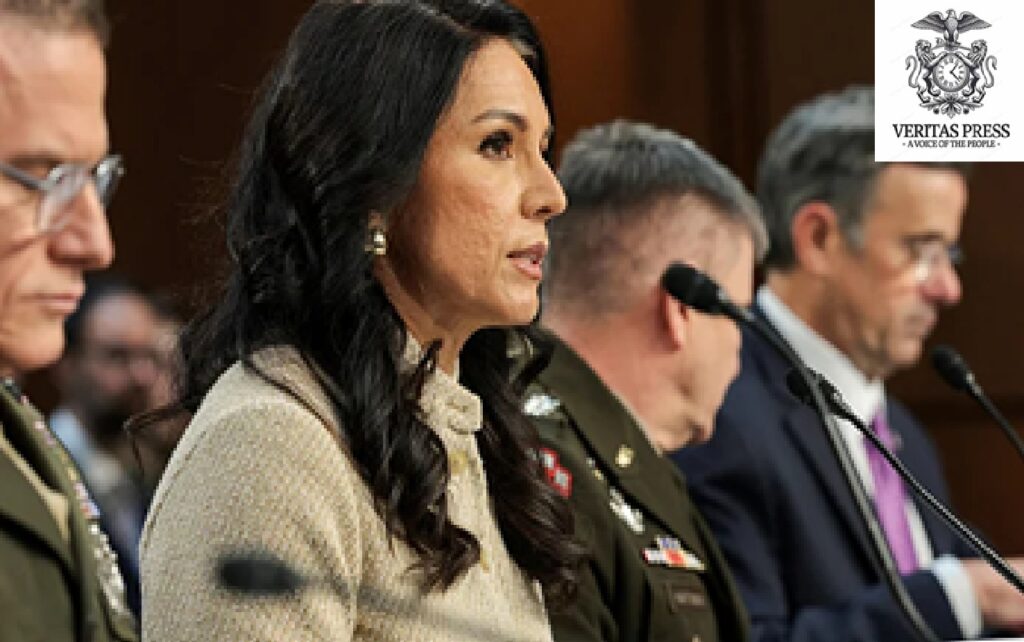
WASHINGTON / ISLAMABAD — A fresh warning by US Director of National Intelligence Tulsi Gabbard