


Original Article Date Published:
Article Date Modified:
Help support our mission, donate today and be the change. Every contribution goes directly toward driving real impact for the cause we believe in.
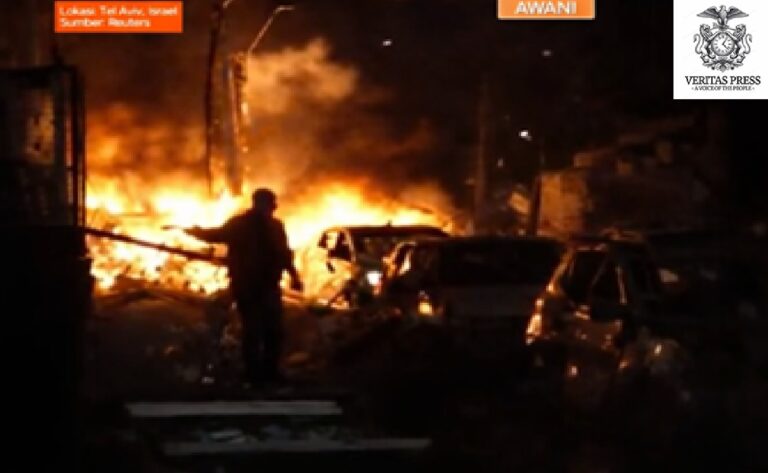
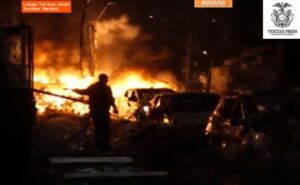
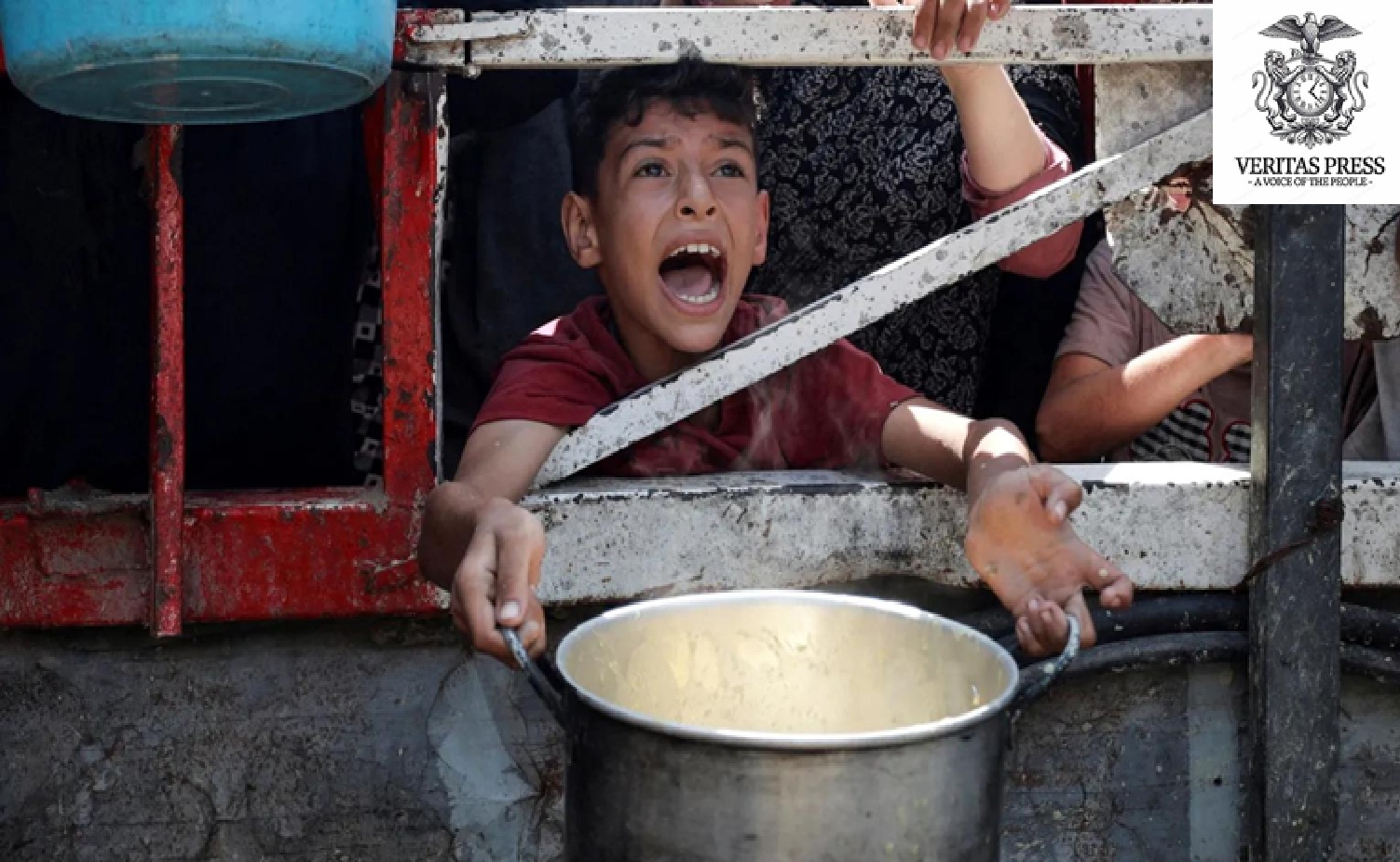
On Saturday, February 28, 2026, Israeli authorities announced the indefinite closure of all crossings into the Gaza Strip, including the Rafah Crossing, citing “recent developments” and “security measures to safeguard lives” amid joint Israeli–U.S. military attacks on Iran.
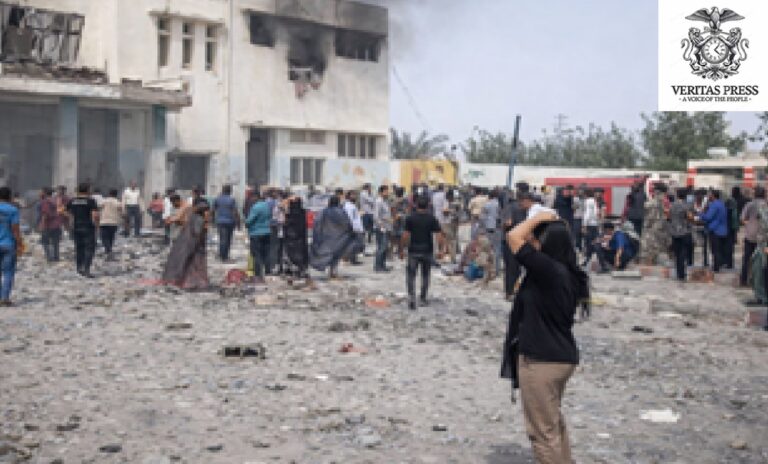
While officially framed as a temporary security precaution tied to escalating regional tensions, the closures represent a critical escalation in a long-standing pattern: the use of sweeping restrictions on Gaza’s civilian population that intensify during moments of wider geopolitical conflict. Under the cover of regional war, the Strip’s already fragile lifelines are being tightened further, not only limiting movement but restricting food, medicine, and the very infrastructure that sustains survival.
The Crossings: A Captive Population’s Last Gasp For Air.
The closure of Rafah is particularly devastating. Reopened only at the beginning of February after months of complete isolation, it had become a slender hope for the critically ill.
According to the United Nations Office for the Coordination of Humanitarian Affairs (OCHA), between its reopening and February 25, the World Health Organization facilitated the medical evacuation of just 289 patients alongside 521 caregivers, a minuscule number relative to the overwhelming need.
“The crossing is considered vital for the delivery of humanitarian aid and the evacuation of critically ill patients,” reported Al Jazeera, noting that virtually all of Gaza’s two million-plus population remains displaced and entirely dependent on external assistance.
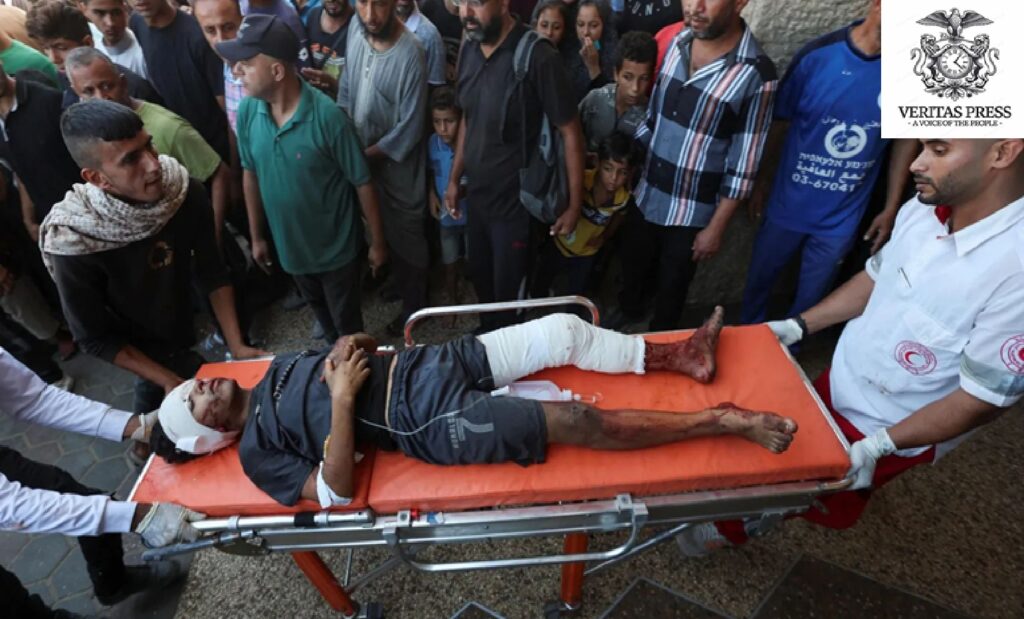
By shutting this door, Israel has effectively halted medical evacuations for patients requiring specialised treatment unavailable in Gaza’s shattered health system.
This closure does not occur in a vacuum. It follows months of what the Gaza Government Media Office describes as systematic ceasefire violations. Between October 10, 2025, and early February 2026, its director general reported over 1,500 violations resulting in hundreds of Palestinian deaths and more than a thousand injuries, the vast majority civilians. The ceasefire agreement’s provision for the immediate flow of “full aid” has, in practice, failed to translate into sustained, unrestricted access.
The Numbers Game: Disputing COGAT’s “Four-Times” Claim.
In justifying the closures, Israel’s Coordinator of Government Activities in the Territories (COGAT) made a striking claim: enough food had entered Gaza since October to provide four times the population’s needs, and existing stocks would suffice for an “extended period.”
This assertion stands in sharp contrast to assessments by humanitarian organisations.
A February report by Human Rights Watch noted that Israeli restrictions continued to cause severe shortages of medicines, reconstruction equipment, food, and water. OCHA data, while showing large volumes of aid offloaded at crossings, underscores that distribution is routinely slowed by inspections, bureaucratic procedures, and limited processing capacity.
According to Gaza officials, between October and February, only 43 percent of expected aid trucks entered the Strip. Aid workers describe long delays at inspection points where perishable goods risk spoilage. More critically, the issue is not merely how much enters, but what enters.
Nutritious staples such as meat, dairy, and fresh vegetables have faced repeated restrictions, while processed snack items are more readily permitted. OCHA’s Situation Report No. 69 indicates that vegetables are consumed on average only two days per week, compared to six before October 2023. Protein intake remains limited to roughly one day per week.
The World Food Programme warns that low offload rates at Kerem Shalom, with only about 30 percent of manifested trucks processed through the Egypt corridor, threaten the continuation of daily meal production for nearly one million people.
This is not the profile of a territory with a four-month surplus. It is the profile of a population hovering at the edge of renewed famine.
Restricting Aid As A Tool Of Scarcity And Control:
Taken together, the pattern suggests something beyond logistical strain. By withholding the required amount and diversity of aid necessary for stability, Israel maintains decisive control over Gaza’s most basic resources, food, fuel, medicine, and reconstruction materials.
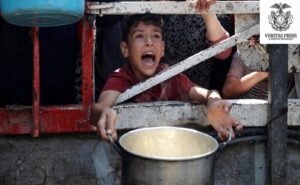
When humanitarian access is restricted below survival thresholds, starvation risk rises. When livelihoods collapse and medical care disappears, families are forced to move in search of relief. In that sense, the restriction of aid does not simply create hunger; it reshapes geography.
The cumulative effect is forced dependency. Scarcity compels displacement toward areas where assistance is rumoured to be available. Displacement deepens reliance on centralised aid distribution points. Control over aid becomes control over population movement.
Human Rights Watch has stated that deliberate restrictions on humanitarian assistance, when used to achieve political or military objectives, may violate international humanitarian law and can constitute a war crime if starvation is employed as a method of warfare.
While Israel maintains that its measures are necessary for security and to prevent diversion of supplies to armed groups, humanitarian agencies argue that the volume and composition of aid currently permitted fall short of what is required to prevent chronic malnutrition and collapse.
In practice, restricting humanitarian access is not neutral. It produces hunger. It accelerates displacement. And it consolidates external control over essential resources.
The NGO Ban: Strangling The Aid Infrastructure.
Compounding the closure of physical crossings is the government’s parallel pressure on aid organisations. A March 1 deadline requiring 37 international NGOs to cease operations under new registration rules was temporarily halted by an injunction from the Supreme Court of Israel.
The new regulations require extensive disclosure of staff identities, funding sources, and operational details. Groups such as Oxfam, the Norwegian Refugee Council, and Médecins Sans Frontières argue that providing such data to a party to the conflict violates humanitarian neutrality and endangers staff.
According to OCHA, international organisations support 60 percent of field hospitals in Gaza and operate all stabilisation centres for children suffering severe malnutrition. Collectively, the affected NGOs are responsible for roughly half of the food distribution and a majority of field hospital services.
If crossings restrict supplies and regulatory measures restrict distributors, the humanitarian system is squeezed from both ends.
The West Bank: A Coordinated Crackdown.
The tightening of Gaza’s crossings coincided with intensified restrictions in the occupied West Bank. The Palestinian news agency WAFA reported sweeping checkpoint closures in Ramallah, Bethlehem, Salfit, and Hebron over the same weekend, sealing off communities and paralysing movement.
Human Rights Watch has documented rising settler violence and large-scale displacement from West Bank refugee camps during 2025, with tens of thousands unable to return.
The simultaneity of these measures suggests a broader territorial dynamic: limiting movement, restricting aid, and fragmenting Palestinian communities across both Gaza and the West Bank.
The Bigger Picture: Security Policy Or Structural Displacement?
The confluence of crossing closures, aid throttling, NGO restrictions, and intensified West Bank controls unfolds as international attention shifts toward confrontation with Iran.
Israel describes its actions as security measures during wartime. Critics argue the pattern reflects structural pressure designed to make life unsustainable.
As one analysis in Al Jazeera put it, policies that render daily survival precarious risk pushing Palestinians toward despair and outward migration.
Whether characterised as collective punishment, administrative enforcement, or wartime precaution, the material consequences are measurable: fewer trucks, reduced nutrition, halted evacuations, weakened hospitals, and expanding displacement.
The United Nations has warned that without immediate and sustained access, fragile ceasefire gains will collapse and famine conditions could return.
For now, the crossings remain closed. Aid organisations face legal uncertainty. Food programs warn of interruption. And more than two million people remain dependent on a flow of assistance that is not only insufficient but tightly controlled.
In that reality, humanitarian restriction becomes more than a security tactic. It becomes a governing mechanism, one that risks turning starvation, famine, forced displacement, and resource control into enduring features of life in Gaza under the shadow of regional war.
Conclusion: Starvation As Strategy, The Systemic Weaponisation Of Aid.
The cumulative picture is stark and deliberate: Gaza’s lifelines are being dismantled under the veneer of security. The indefinite closure of crossings, the throttling of essential food and medical aid, and the regulatory assault on humanitarian organisations are not isolated administrative measures. Together, they constitute a calculated system in which access to survival itself becomes a lever of control.
By restricting the volume and quality of aid to below the levels necessary for basic survival, Israel effectively dictates who lives, who suffers, and who is forced to move. Starvation and malnutrition are no longer unintended consequences; they are the predictable, almost engineered outcomes of a policy that leverages deprivation to achieve political and territorial objectives. Simultaneously, forced displacement is quietly accelerated: families deprived of food, medicine, and electricity are compelled to abandon their homes, concentrating populations where oversight and control are easier to enforce.
The targeting of international NGOs and the paralysing bureaucratic hurdles placed before aid deliveries expose the broader strategy: not only to limit supplies but to erase independent witnesses, weaken civil society, and ensure that no external actor can document or intervene in the systematic deprivation. In practice, this is a form of governance by scarcity, where the withholding of life-sustaining resources becomes an instrument of coercion, manipulation, and demographic engineering.
Framed as security measures amid a regional conflict with Iran, the policy’s real effect is unmistakable. Hunger is weaponised, mobility is restricted, and the Strip’s residents remain trapped in a controlled vacuum where every aspect of life, food, health, shelter, and hope, is mediated by political calculation. Humanitarian law and the basic principles of human dignity are subordinated to this strategy, with the global community largely sidelined as attention is diverted to broader regional tensions.
This is not a crisis of logistics, nor a temporary wartime disruption. It is a systematic campaign to consolidate control through deprivation, a strategy in which starvation, forced displacement, and monopolisation of resources are deployed as deliberate tools of political power. The question for the international community is urgent: how long will Gaza’s civilian population be left to survive under conditions that are increasingly engineered to break it?
Submissions:
For The Secure Submission Of Documentation, Testimonies, Or Exclusive Investigative Reports From Any Global Location, Please Utilise The Following Contact Details For Our Investigations Desk: enquiries@veritaspress.co.uk or editor@veritaspress.co.uk
Help Support Our Work:
Popular Information is powered by readers who believe that truth still matters. When just a few more people step up to support this work, it means more lies exposed, more corruption uncovered, and more accountability where it’s long overdue.
If you believe journalism should serve the public, not the powerful, and you’re in a position to help, becoming a DONATOR or a PAID SUBSCRIBER truly makes a difference.
DONATION APPEAL: If You Found This Reporting Valuable, Please Consider Supporting Independent Journalism.
Help Support Our Work – We Know, We Know, We Know …
Seeing these messages is annoying. We know that. (Imagine what it’s like writing them … )
Your support fuels our fearless, truth-driven journalism. In unity, we endeavour to amplify marginalised voices and champion justice, irrespective of geographical location.
But it’s also extremely important. One of Veritas Press’s greatest assets is its reader-funded model.
1. Reader funding means we can cover what we like. We’re not beholden to the political whims of a billionaire owner. We are a small, independent and impartial organisation. No one can tell us what not to say or what not to report.
2. Reader funding means we don’t have to chase clicks and traffic. We’re not desperately seeking your attention for its own sake: we pursue the stories that our editorial team deems important and believe are worthy of your time.
3. Reader Funding: enables us to keep our website and other social media channels open, allowing as many people as possible to access quality journalism from around the world, particularly those in places where the free press is under threat.
We know not everyone can afford to pay for news, but if you’ve been meaning to support us, now’s the time.
Your donation goes a long way. It helps us:
- Keep the lights on and sustain our day-to-day operations
- Hire new, talented independent reporters
- Launch real-time live debates, community-focused shows, and on-the-ground reporting
- Cover the issues that matter most to our communities, in real time, with depth and integrity
We have plans to expand our work, but we can’t do it without your support. Every contribution, no matter the size, helps us stay independent and build a truly people-powered media platform.
If you believe in journalism that informs, empowers, and reflects the communities we serve, please donate today.
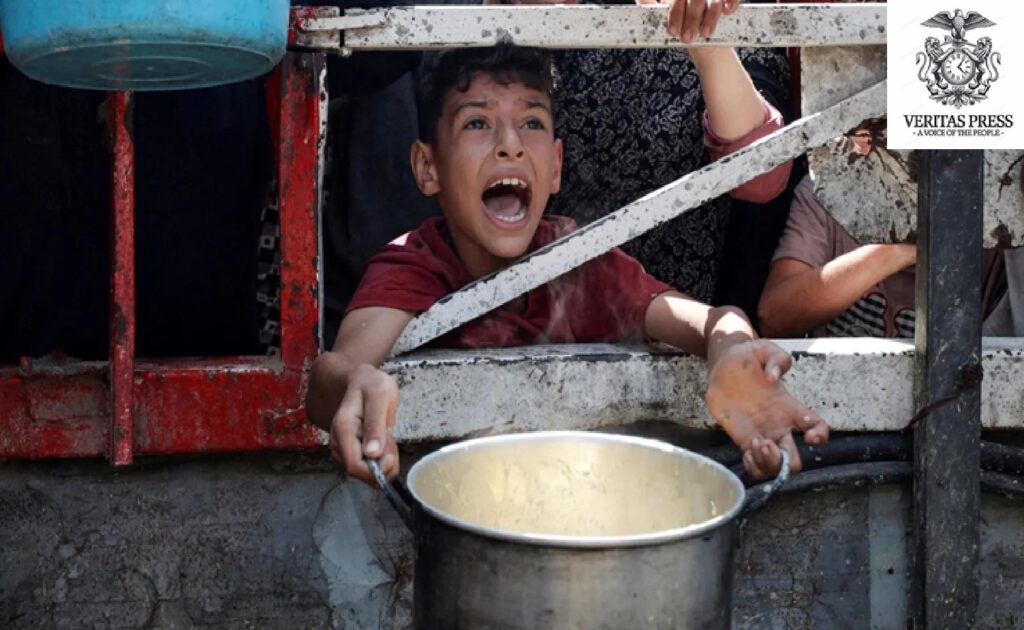
On Saturday, February 28, 2026, Israeli authorities announced the indefinite closure of all crossings into
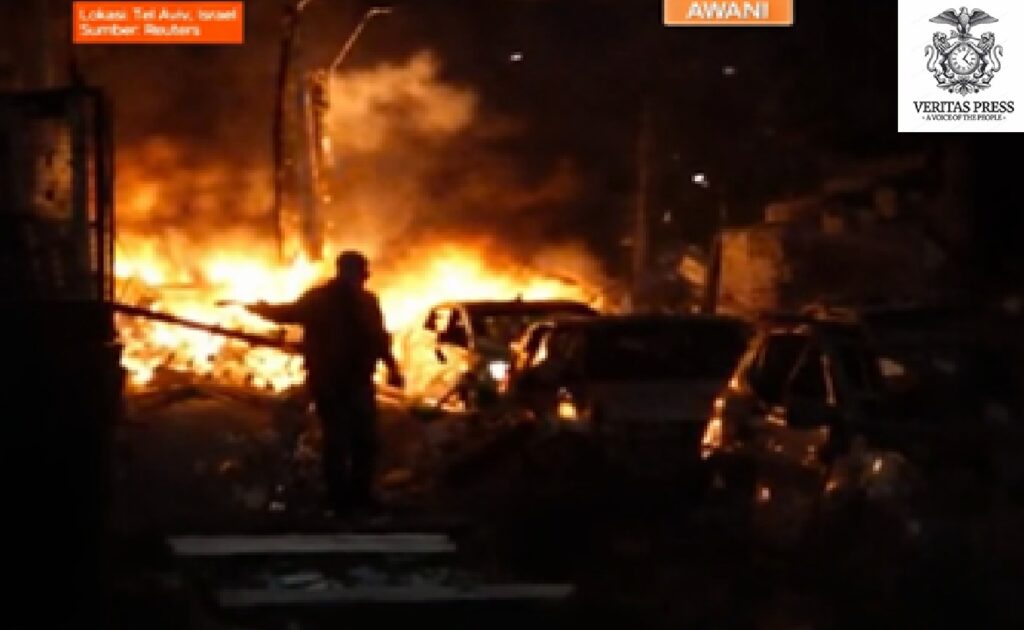
The military confrontation between Israel, the United States, and Iran is no longer confined to
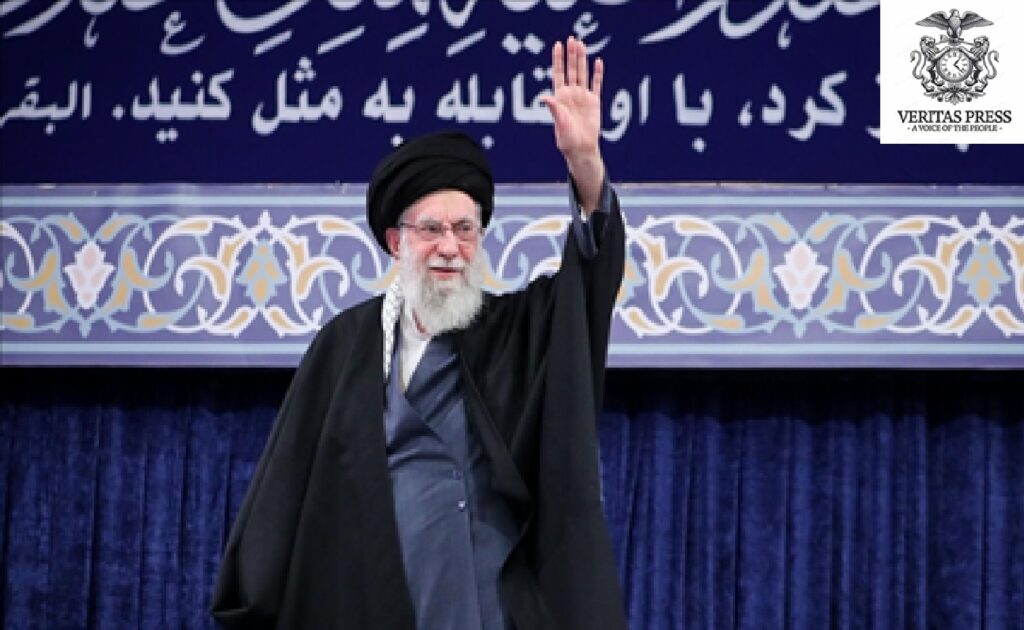
TEHRAN, IRAN – At 5:00 a.m. on Sunday, March 1, 2026, Iranian state television did
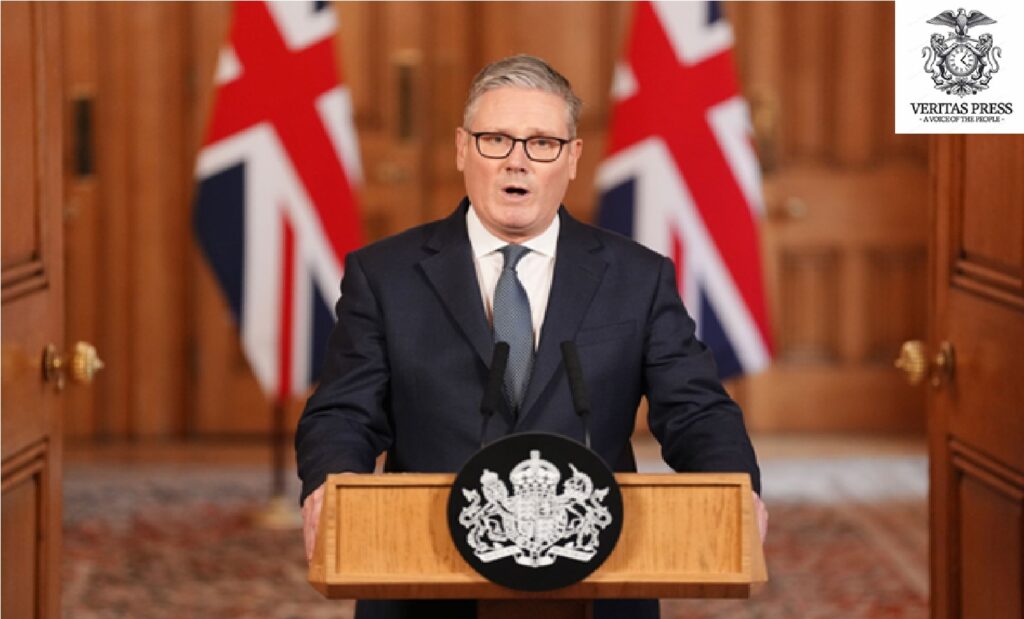
In the early hours of Saturday morning, the Middle East lurched into a new and
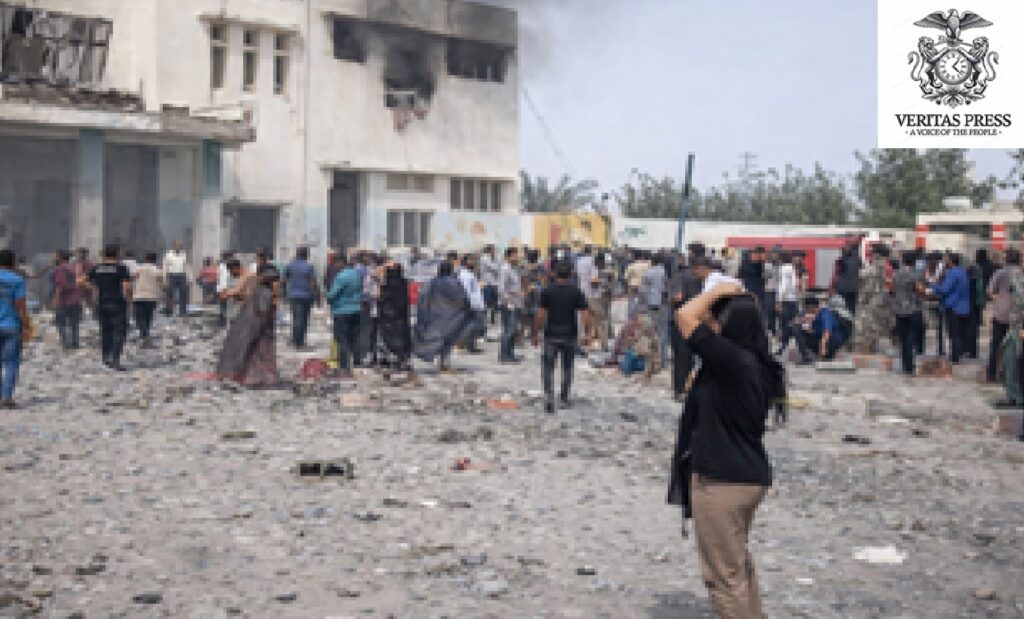
MINAB, IRAN — In the quiet coastal town of Minab, along the strategic Strait of

GORTON AND DENTON, UK – At 4:30 am on February 27th, 2026, Hannah Spencer stood
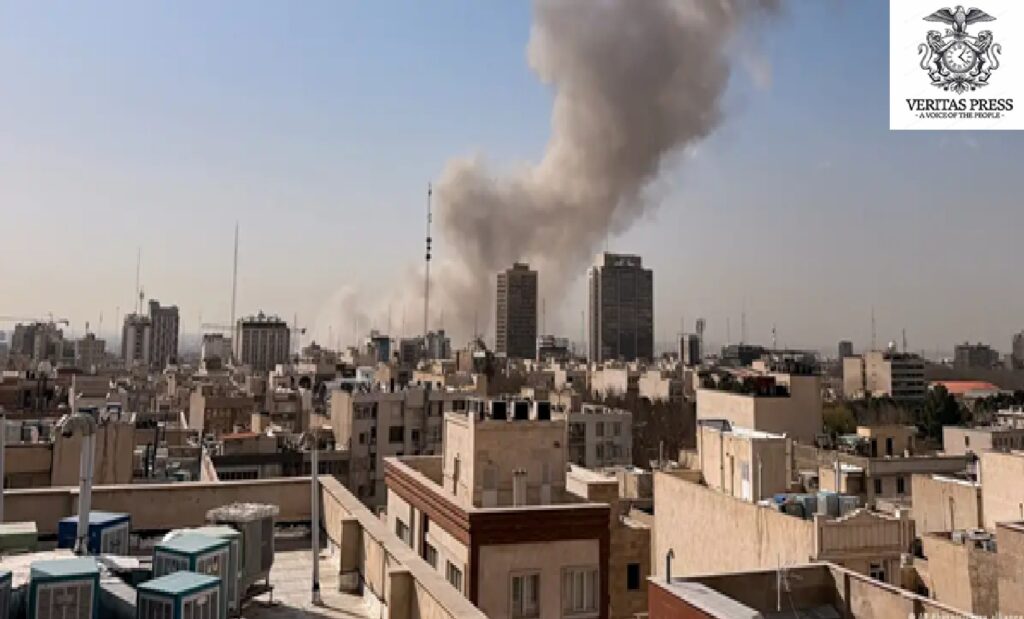
IRAN/US/ISRAEL – In the early hours of February 28, 2026, residents of Tehran awoke to
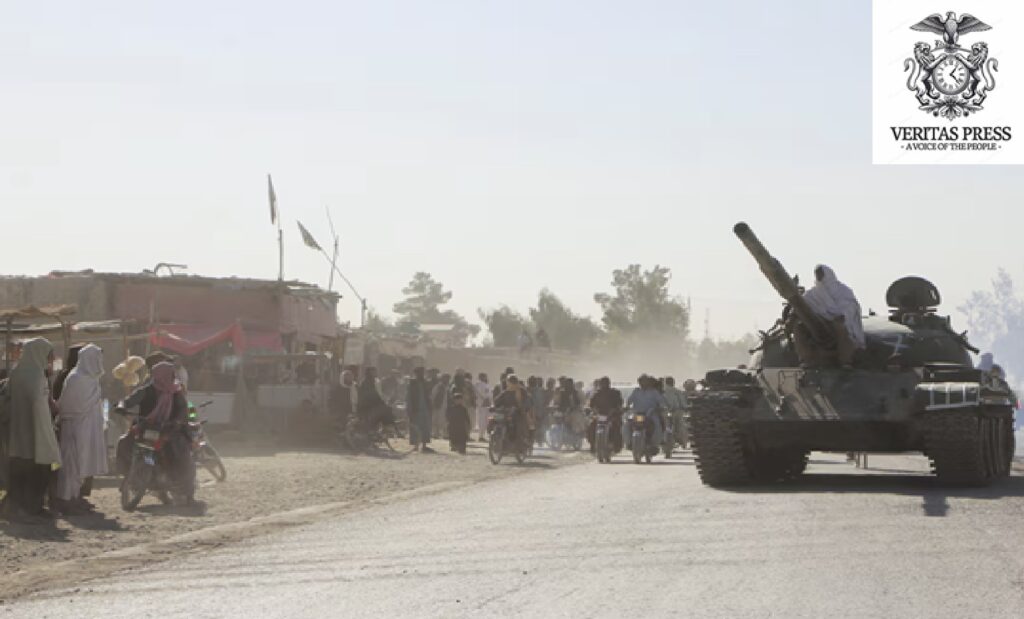
ISLAMABAD/KABUL – The thunder of Pakistani warplanes over the capitals of two nations at dawn
A Muslim community centre adjacent to a mosque in Worcester was firebombed in the early
GAZA CITY — In the predawn stillness of the 27th day of Ramadan, the sound