

Original Article Date Published:
Article Date Modified:
Help support our mission, donate today and be the change. Every contribution goes directly toward driving real impact for the cause we believe in.
GAZA CITY / GENEVA – The ceasefire was supposed to mark the beginning of the end. Six months ago, on 10 October 2025, a US‑brokered truce halted two years of devastating war between Israel and Hamas. Yet on the ground in Gaza, the killing has never stopped.
According to the Palestinian Ministry of Health, at least 738 Palestinians have been killed since the ceasefire took effect, with more than 2,000 others injured. The UN Human Rights Office has recorded 294 Palestinian journalists killed since 7 October 2023, along with 589 aid workers, including 397 UN staff and team members. “The unrelenting pattern of killings reflects continuing disregard for Palestinian lives, enabled by sweeping impunity,” UN Human Rights Chief Volker Türk said on Friday, marking the sixth anniversary of an agreement that has brought Palestinians no safety at all.
What follows is an investigative account of how the “ceasefire” became a licence to continue killing – and why the international community’s silence has become complicity.
‘Direct Impacts To The Face, Torso And Other Parts Of The Body’
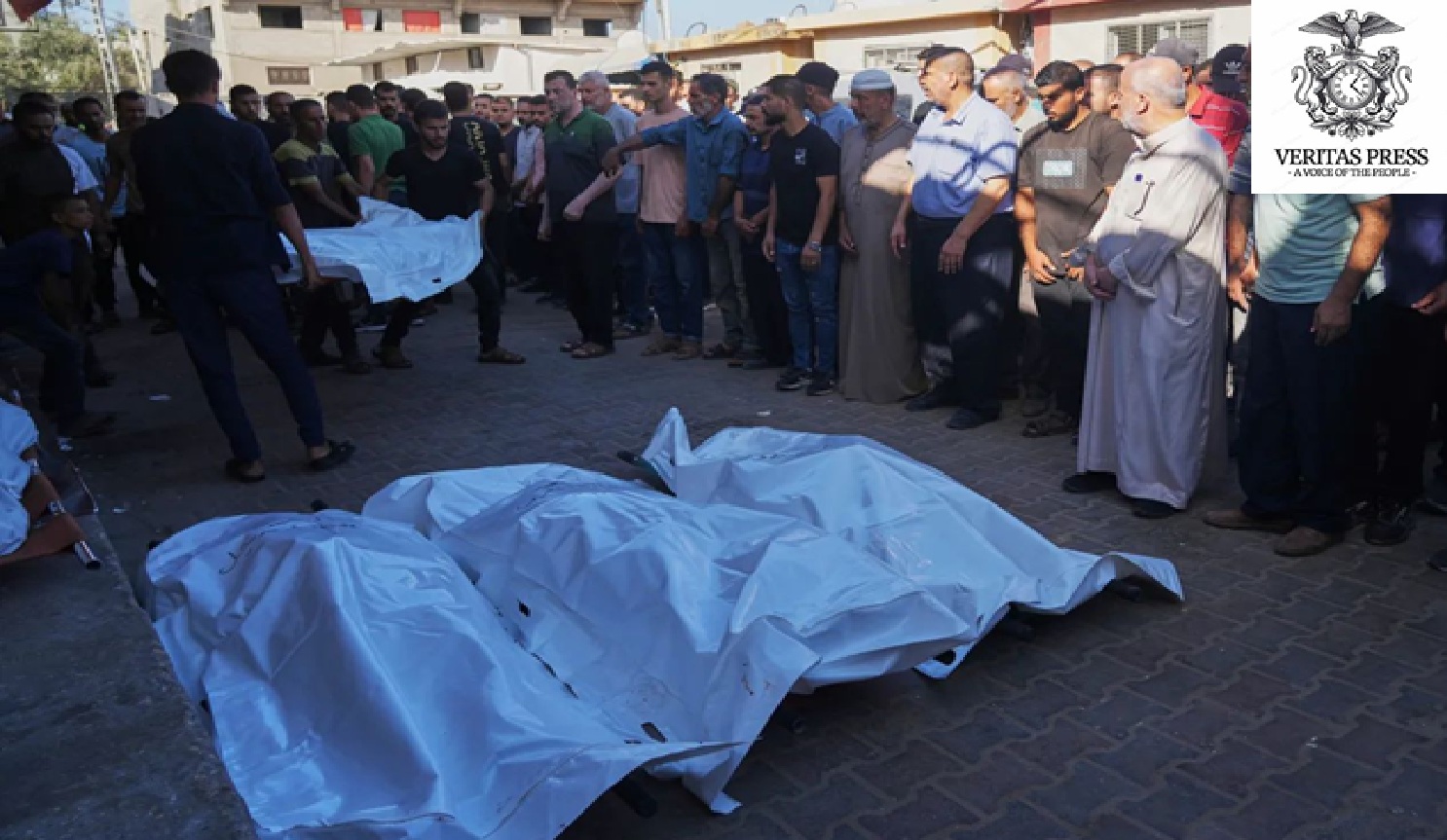
In the early hours of Saturday, 11 April 2026, an Israeli drone fired two missiles close to a police post in the Al‑Bureij refugee camp in central Gaza. Gaza’s civil defence spokesman, Mahmoud Bassal, told reporters that at least seven people were killed, with several more wounded, four of them critically. Among the dead were Al‑Aqsa TV director Mohammed Sayed and a senior police officer.
The Al‑Aqsa hospital in central Gaza said it had received six bodies and seven wounded, “including four in a critical condition because of direct impacts to the face, torso and other parts of the body”. The nearby Al‑Awda hospital received one further fatality and two wounded.
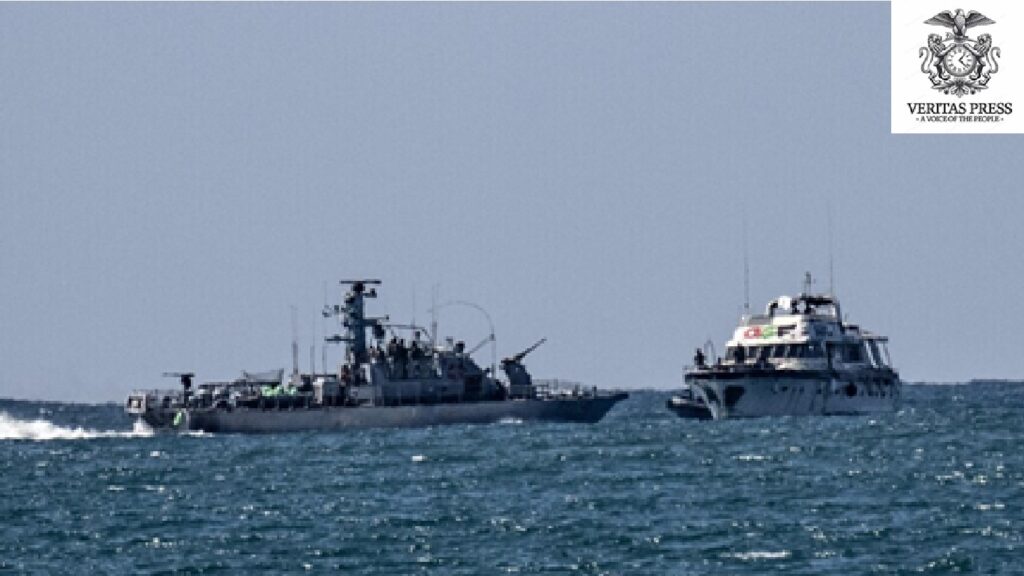
That same day, separate Israeli shelling targeted a gathering of civilians elsewhere in Al‑Bureij, killing six Palestinian civilians, including a journalist identified as Muhammad Sayed, according to the Palestinian news agency Sanad. Eyewitnesses reported that Israeli artillery shelled the eastern areas of the Al‑Tuffah neighbourhood, east of Gaza City, while Israeli gunboats opened fire off the coast of Khan Younis and tanks shelled the city’s centre and east.
“For the 184th consecutive day, Israeli forces continue to violate the ceasefire agreement in the Gaza Strip through airstrikes, artillery shelling, and heavy gunfire, in addition to demolishing homes and civilian infrastructure,” Sanad reported, citing local sources.
On Thursday, 9 April, a 13‑year‑old girl named Ritaj Abdul Raouf Rihan was killed by enemy fire while receiving instruction inside a school tent belonging to the Abu Ubaida bin Al‑Jarrah School in Beit Lahiya, northern Gaza. A woman was wounded in the back by gunfire from Israeli military vehicles inside the Tel al‑Zaatar school in Beit Lahiya, the same morning.
The UN’s Verdict: ‘A Continued Disregard For Palestinian Lives’
Volker Türk did not mince words. “The unrelenting pattern of killings reflects continuing disregard for Palestinian lives, enabled by sweeping impunity,” he said. Citing figures from Gaza’s Health Ministry, Türk noted that at least 32 Palestinians had been killed by Israeli forces in April alone.
“For the past 10 days, Palestinians have been killed and injured in what is left of their homes, shelters and tents of displaced families, on the streets, in vehicles, at a medical facility and a classroom.” — Volker Türk, UN High Commissioner for Human Rights
Türk cited the killing of Ritaj Rihan, the third‑grade girl shot inside her makeshift classroom. He also condemned the drone strike that killed Al Jazeera journalist Mohamed Washah in Gaza City on 8 April, calling it part of a pattern in which Israeli authorities allege, without independently verifiable evidence, that slain journalists were militants. The Israeli military claimed Washah was “a key terrorist in Hamas’ rocket and weapons production headquarters” who “operated under the guise of an Al Jazeera journalist”. Al Jazeera strongly condemned “the heinous crime”, describing it as “not a random act but a deliberate and targeted crime intended to intimidate journalists”.
According to the UN human rights office, Washah is the 294th Palestinian journalist to be killed by Israeli forces since 7 October 2023. The Committee to Protect Journalists (CPJ) condemned the killings of three journalists in Gaza and Lebanon on the same day, stating: “Deliberate, indiscriminate, or disproportionate attacks on journalists – civilians under international humanitarian law – are apparent war crimes and warrant investigation”.
Türk further highlighted that on 6 April, Israeli forces shot at a car carrying World Health Organisation workers, killing the driver. “Movement itself has become a life-threatening activity. Incidents of Palestinians killed by Israeli forces while walking, driving, or standing outside are recorded nearly every day,” he said.
The ‘Yellow Line’: A Shifting Death Sentence
One of the most insidious features of the post‑ceasefire landscape is the so‑called “yellow line” – a shifting and poorly marked Israeli military deployment line that cuts through Gaza. Civilians killed for approaching or being near this line are, according to Türk, victims of war crimes regardless of their proximity to military positions.
Between the onset of the ceasefire on 10 October 2025 and 27 February 2026, the UN Human Rights Office recorded the killing of at least 224 Palestinians east or near the so‑called “Yellow Line” and 347 Palestinians in attacks far from it. “Targeting civilians not taking direct part in hostilities is a war crime, regardless of their proximity to deployment lines,” Türk insisted.
‘A Blueprint For Survival’ That Does Not Exist
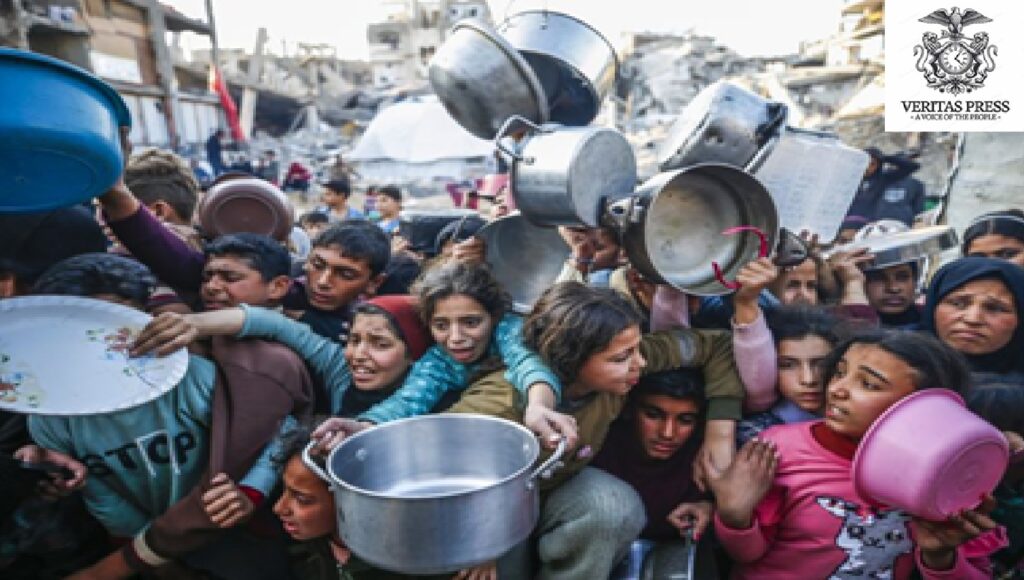
The humanitarian catastrophe has only deepened. Israeli restrictions on aid entry, the destruction of civilian infrastructure, and the continued instability have created what Türk called an impossible reality.
“Palestinians have no blueprint for survival: whatever they do or don’t do, wherever they go or don’t go, there is no safety or protection afforded to them. It is hard to square this with a ceasefire.” — Volker Türk
On 28 February, Israeli authorities closed all crossings into Gaza, suspending the entry of aid, fuel, medical evacuations, and the rotation of humanitarian staff. While the Kerem Shalom crossing was partially reopened for fuel and some aid cargo on 3 March, the Rafah crossing remains closed, and medical evacuations have not resumed.
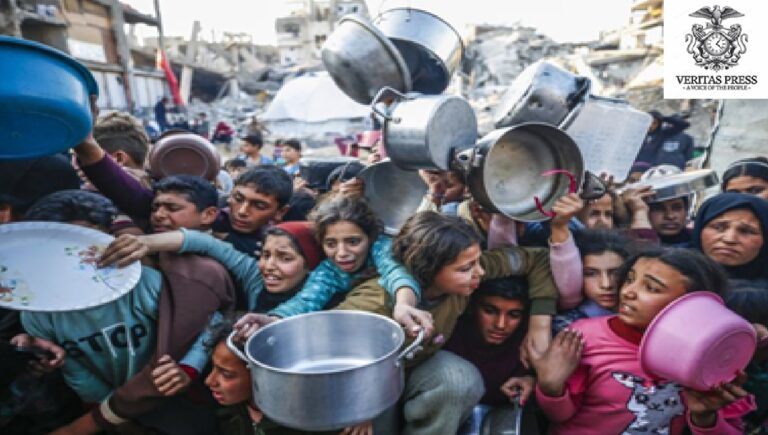
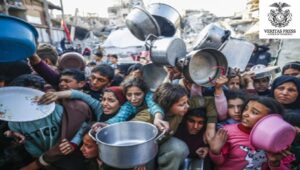
The humanitarian situation is now beyond crisis. According to the Integrated Food Security Phase Classification (IPC), 77% of Gaza’s population experiences severe acute food insecurity. The UN Office for the Coordination of Humanitarian Affairs (OCHA) has documented more than 18,500 patients, including 4,000 children, needing medical evacuation – yet since February, only 625 of 7,800 travellers have been permitted to leave for treatment, approximately 8% of the agreed number.
Gaza’s Government Media Office recently disputed claims by the Board of Peace envoy Nickolay Mladenov that 602 aid trucks entered Gaza in one day, clarifying that only 207 trucks actually entered, with just 79 carrying humanitarian assistance. The office added that Israel’s implementation of the humanitarian protocol under the ceasefire agreement has not exceeded 38% of the agreed-upon levels, asserting that “distorting the facts cannot conceal the scale of the catastrophe, nor does it absolve any party of its legal and humanitarian responsibilities”.
Diplomacy Amid Bloodshed: The Board Of Peace Talks
Even as Israeli strikes continue, diplomatic efforts are underway in Cairo. A Hamas delegation is engaged in intensive talks with Nickolay Mladenov, the High Representative for Gaza of the US‑backed “Board of Peace”, alongside mediators from Turkey, Qatar, Egypt and the United States.
The Board of Peace plan calls for the full consolidation of all weapons, including light, heavy, tribal and personal arms, followed by a full Israeli withdrawal only after Gaza is verified to be free of weapons. Hamas rejects the plan in its current form, demanding guarantees of full Israeli withdrawal before discussing disarmament.
Hamas spokesman Hazem Qassem condemned the latest Israeli attacks as a “horrific massacre” and a “heinous crime”, underscoring the need to compel Israel to “implement the first phase of the ceasefire agreement, including halting violations, before moving to the second phase”.
Yet on the ground, Israeli violations continue unabated. Israel has regularly targeted police checkpoints in Gaza since the ceasefire was signed, killing dozens of police officers. The attacks are not sporadic – they are routine.
The Toll In Context: More Than 72,000 Dead Since October 2023
The ceasefire violations must be seen against the backdrop of the broader war. According to Gaza’s Health Ministry, whose figures are considered reliable by the UN, Israel’s military offensive since October 2023 has left more than 72,000 people dead, mostly women and children. Over 171,000 have been injured and maimed.
The war in Gaza began when Hamas militants attacked Israel on 7 October 2023, killing approximately 1,221 people, according to an AFP tally based on official Israeli figures. But the scale of the Israeli response has been catastrophic. Amnesty International concluded in December 2024 that Israel has committed genocide against Palestinians in Gaza. In October 2025, the International Court of Justice found that Israel had systematically starved the Palestinian population and committed acts amounting to war crimes.
‘The International Community Must Move Beyond Words’
Volker Türk’s message to the world was unambiguous.
“After two‑and‑a‑half years of repeated crimes under international law, committed with sweeping impunity, and tens of thousands of Palestinian civilians killed, the international community must move beyond words. It must undertake meaningful actions to end Israel’s ongoing violations of international law, ensure accountability for crimes committed by all parties, and guarantee that Palestinians are able to start the recovery and rebuilding of their homes and community.” — Volker Türk.
The question is whether anyone is listening. Six months into a ceasefire that has never truly taken hold, the people of Gaza continue to die in their homes, in their shelters, in their tents, on the streets, in vehicles, at medical facilities and in classrooms. A 13‑year‑old girl was shot while learning her lessons. A journalist was killed by a drone. A WHO driver was shot in his car. Police officers targeted at checkpoints.
The pattern is not random. It is relentless. And until the international community acts, the killing will continue – ceasefire or no ceasefire.
Source: Multiple News Agencies
Submissions:
For The Secure Submission Of Documentation, Testimonies, Or Exclusive Investigative Reports From Any Global Location, Please Utilise The Following Contact Details For Our Investigations Desk: enquiries@veritaspress.co.uk or editor@veritaspress.co.uk
Help Support Our Work:
Popular Information is powered by readers who believe that truth still matters. When just a few more people step up to support this work, it means more lies exposed, more corruption uncovered, and more accountability where it’s long overdue.
Help Protect Independent Journalism, Which Is Currently Under Attack.
If you believe journalism should serve the public, not the powerful, and you’re in a position to help, becoming a DONATOR or a PAID SUBSCRIBER truly makes a difference.
DONATION APPEAL: If You Found This Reporting Valuable, Please Consider Supporting Independent Journalism.
Help Support Our Work – We Know, We Know, We Know …
Seeing these messages is annoying. We know that. (Imagine what it’s like writing them … )
Your support fuels our fearless, truth-driven journalism. In unity, we endeavour to amplify marginalised voices and champion justice, irrespective of geographical location.
But it’s also extremely important. One of Veritas Press’s greatest assets is its reader-funded model.
1. Reader funding means we can cover what we like. We’re not beholden to the political whims of a billionaire owner. We are a small, independent and impartial organisation. No one can tell us what not to say or what not to report.
2. Reader funding means we don’t have to chase clicks and traffic. We’re not desperately seeking your attention for its own sake: we pursue the stories that our editorial team deems important and believe are worthy of your time.
3. Reader Funding: enables us to keep our website and other social media channels open, allowing as many people as possible to access quality journalism from around the world, particularly those in places where the free press is under threat.
We know not everyone can afford to pay for news, but if you’ve been meaning to support us, now’s the time.
Your donation goes a long way. It helps us:
- Keep the lights on and sustain our day-to-day operations
- Hire new, talented independent reporters
- Launch real-time live debates, community-focused shows, and on-the-ground reporting
- Cover the issues that matter most to our communities, in real time, with depth and integrity
We have plans to expand our work, but we can’t do it without your support. Every contribution, no matter the size, helps us stay independent and build a truly people-powered media platform.
If you believe in journalism that informs, empowers, and reflects the communities we serve, please donate today.
LONDON, UK – This wasn’t just another protest. On a Saturday afternoon in London’s Trafalgar
GAZA – The fragile ceasefire in Gaza was never a return to normalcy, but for
ISTANBUL — In a dramatic escalation of legal and political pressure against Israeli leadership, the
ISLAMABAD, TEHRAN, WASHINGTON – For 21 hours, the world watched Islamabad. Delegations from Washington and
GAZA CITY / GENEVA – The ceasefire was supposed to mark the beginning of the
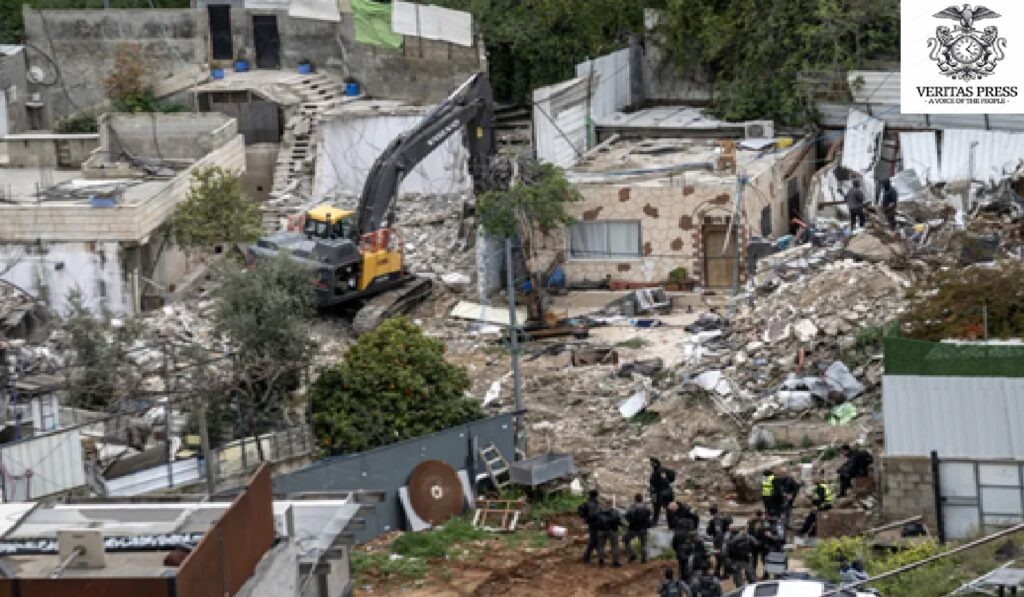
EAST JERUSALEM — On a crisp April morning in the Ras al-Amud neighbourhood of Silwan,
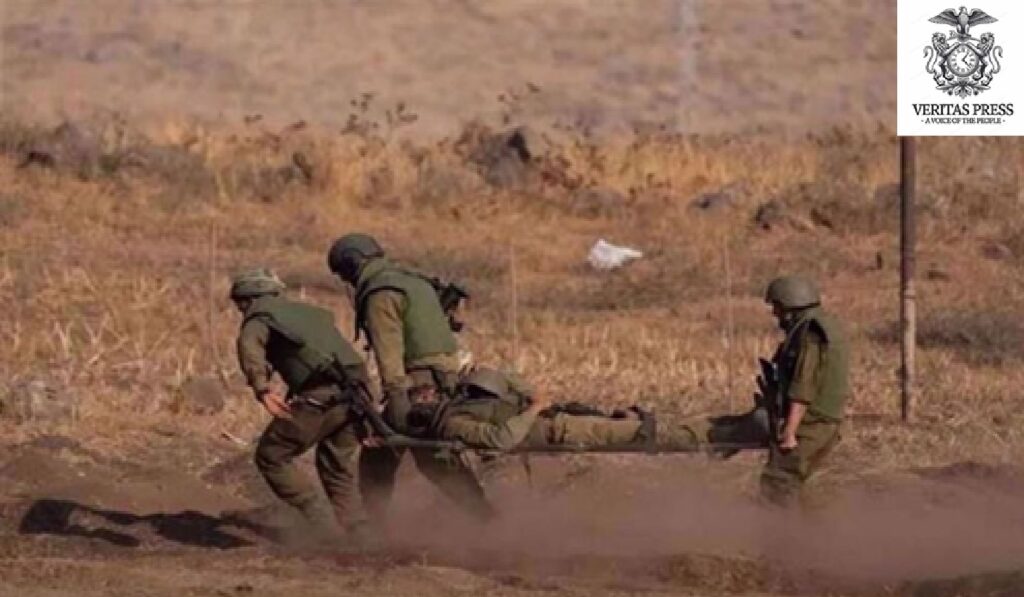
BEIRUT/TEL AVIV — A humanitarian catastrophe is unfolding in Lebanon as Israeli military operations intensify,

US, NASA – On Friday, April 10, 2026, at precisely 5:07 p.m. PDT (0007 GMT
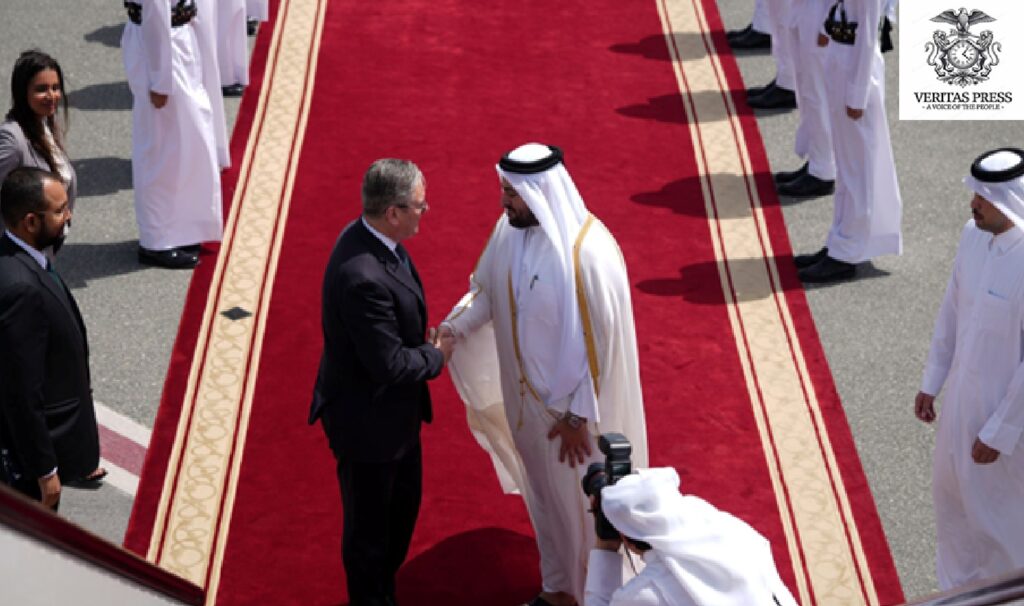
A fragile ceasefire intended to pause a 40-day war and reopen the world’s most critical
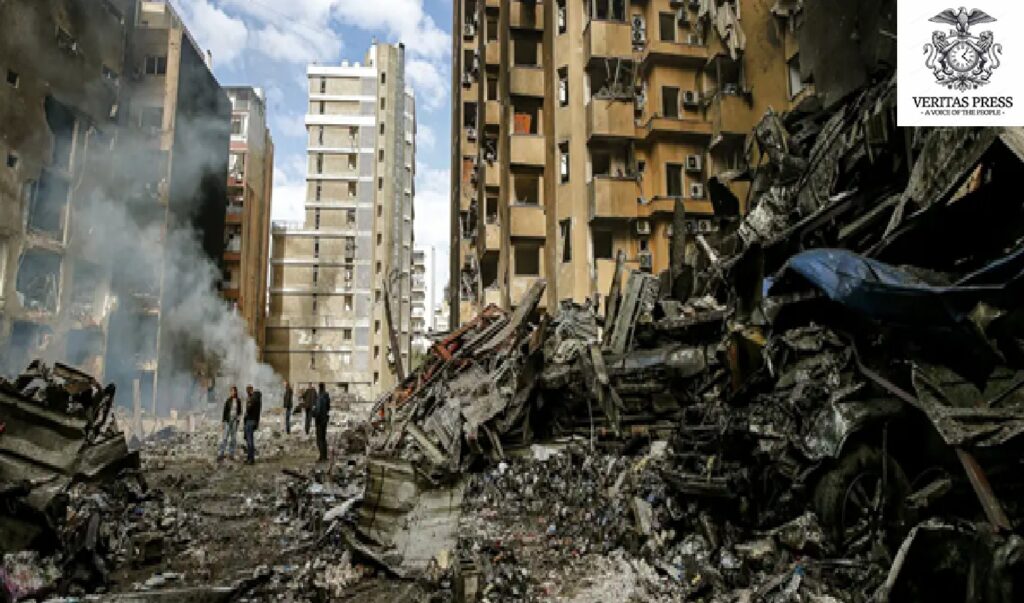
ISLAMABAD / BEIRUT — As dawn breaks over a locked-down Islamabad on Friday, the world’s