



Original Article Date Published:
Article Date Modified:
Help support our mission, donate today and be the change. Every contribution goes directly toward driving real impact for the cause we believe in.
A New Phase In Gaza’s Reconstruction:
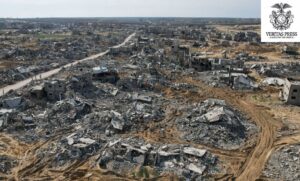
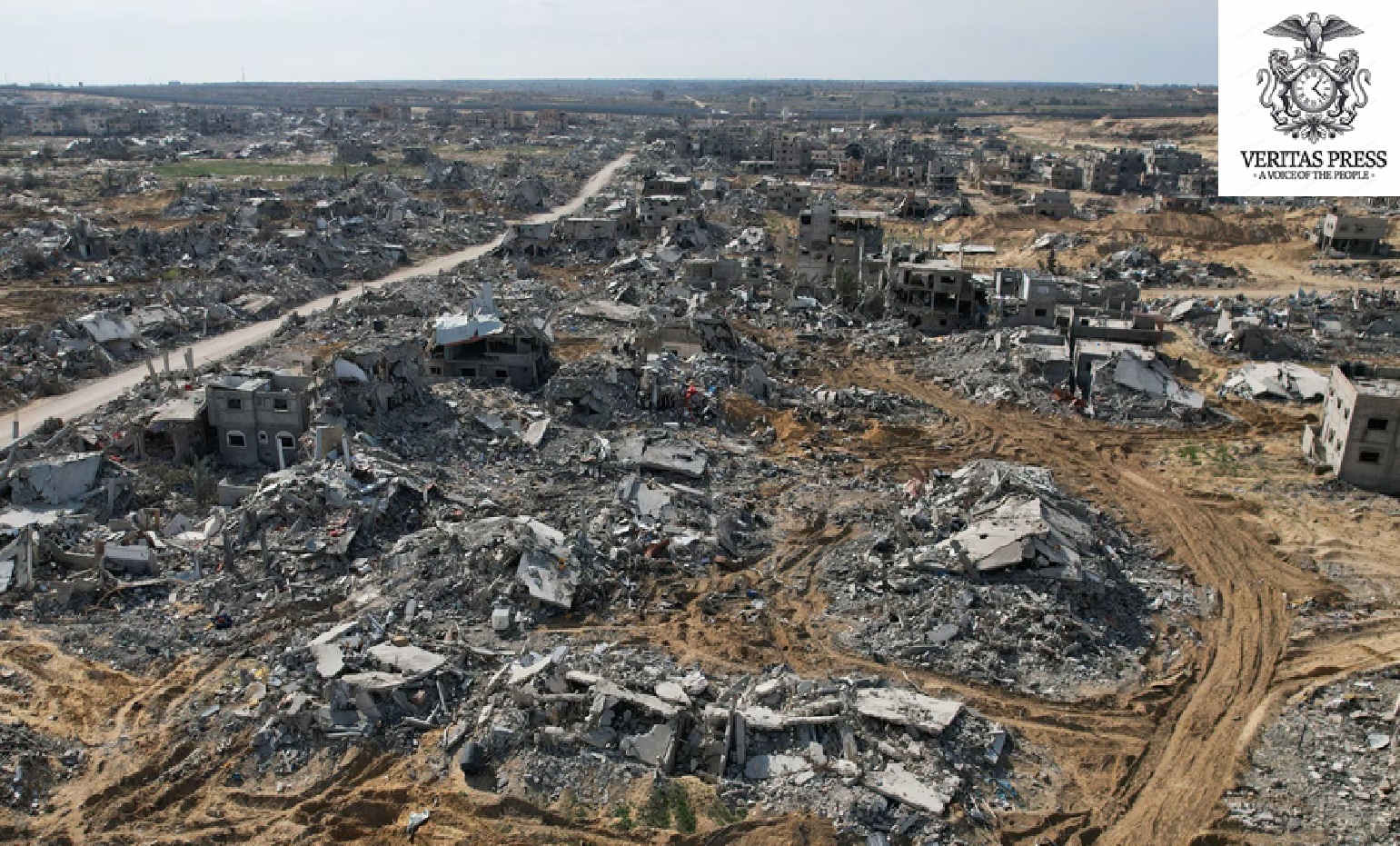
A significant and highly controversial development is underway in the southern Gaza Strip. Recent reporting by Reuters and other international outlets has confirmed that a Gaza-based contracting firm, Masoud & Ali Contracting Co (MACC), has been selected to build a large, UAE-funded housing compound near the destroyed city of Rafah. Dubbed “Emirates City” by some diplomats, the project is intended to house tens of thousands of displaced Palestinians in an area currently under direct Israeli military occupation.
This plan represents a concrete step in the post-war governance and reconstruction framework advanced by the Trump administration. However, a deeper investigation into the project’s structure, funding, security protocols, and regional context reveals a reality far more complex than a simple humanitarian gesture. It points to a strategic realignment in Gaza that prioritises population management, surveillance, and the marginalisation of Hamas, potentially at the cost of Palestinian self-determination and territorial integrity.
The Latest Developments: The Contractor Is Named.
According to two Israeli officials and two Palestinian businessmen who spoke to Reuters on February 25, 2026, the project has moved from a conceptual map to a contracted reality. The key new detail is the involvement of MACC, a well-established Gazan firm with a history of implementing large-scale projects funded by international bodies like the World Bank and USAID.
- Project Scope: The compound is planned to span approximately 74 acres near Rafah. It will consist of pre-fabricated, multi-story trailer-style units designed to accommodate tens of thousands of people.
- Implementation: MACC is set to partner with two unnamed Egyptian firms, and the entire project is ultimately financed by the UAE. This structure is seen by analysts like Reham Owda as a strategic move to make the project “more acceptable to Gazans” by creating local jobs and involving familiar local entities.
- Status: Construction has not yet begun. The project is pending final approval from Israeli authorities, a condition that starkly illustrates the layers of external control governing the reconstruction. A planned site visit by contractors earlier in February may or may not have taken place, indicating the delicate and preliminary nature of the ground operations.
The Geopolitical Framework: The “Board Of Peace” And The “Yellow Line”.
The “Emirates City” project cannot be disentangled from the broader political architecture being erected by the US, Israel, and the UAE. It is a central pillar of what was initially termed “Alternative Safe Communities” and later rebranded as “Planned Communities” by US officials.
- A Divided Gaza: The project is situated on the Israeli side of the so-called “yellow line,” the informal border established by the October 2025 ceasefire that divides Gaza. Israel currently occupies and controls 53% of the strip, primarily the southern areas, while the majority of the 2 million Palestinian population is crowded into a narrow, Hamas-run coastal enclave.
- The Board of Peace: The project is being coordinated with Washington and Trump’s “Board of Peace,” a global body established to resolve conflicts. A US official confirmed the UAE is working with this board and a US-backed Palestinian technocratic committee meant to eventually govern Gaza. This creates a direct line of authority from Abu Dhabi and Washington into the heart of Gaza’s reconstruction.
- The Mladenov Factor: The appointment of Nickolay Mladenov as the high representative for Gaza is telling. After leaving the UN, Mladenov worked for the UAE at the Anwar Gargash Diplomatic Academy, and diplomats now assess his statements as often aligning with the US-UAE axis, blaming Hamas for the continuation of the conflict.
The “Ghetto-Ization” Of Gaza: A Critical Analysis.
While proponents frame the project as a humanitarian solution to a housing crisis, a growing body of analysis, including reporting from Middle East Eye and critical frameworks like those presented by Robert Inlakesh in the Palestine Chronicle, suggests a more sinister outcome: the creation of a modern, surveillance-controlled ghetto.
- The Euro-Med Monitor Warning: In January 2026, the Euro-Mediterranean Human Rights Monitor described the plan as a “ghetto,” warning that it risks “forcibly displacing Palestinians from their original places of residence” and converting large areas into “closed military zones under the direct control of the Israeli army.” They explicitly compared the design to historical models of colonial and racist ghettos where populations are confined and controlled by external forces.
- Security Vetting and Biometric Data: The most alarming details come from reports on the ground. According to a report by Al-Quds on February 25, 2026, the plan for this “New Rafah” includes severe population control measures. To reside in these “planned communities,” Palestinians will reportedly be required to:
- Undergo rigorous security vetting by Israeli authorities.
- Submit to biometric data collection.
- Use an electronic wallet system based on the Israeli shekel to control financial flows.
- Receive education through independent curricula, separate from pre-war Palestinian standards.
- A Tool to “Choke Hamas Off”: The strategic goal was bluntly outlined by US officials. Kenneth Katzman of The Soufan Centre explained that these communities are designed as a way of gradually “choking Hamas off” by encouraging Gazans to leave Hamas-controlled zones, thereby depriving the group of a civilian population base. The provision of shelter, water, and electricity becomes a weapon of political warfare, awarded only to those who pass Israeli security checks and agree to live under military occupation.
Regional Fallout: Straining Ties With Egypt And Rivals.
The UAE’s solo move into southern Gaza is creating significant diplomatic friction.
- Strained UAE-Egypt Relations: Egypt views the construction of permanent-looking housing on its border, under the cover of the Israeli military, as a direct threat to its national security. Egyptian officials have told Middle East Eye that Cairo is opposed to any plan that partitions Gaza or creates a lasting displacement crisis on its frontier. This project could severely strain ties between Cairo and Abu Dhabi.
- Isolating Qatar and Saudi Arabia: The UAE’s emerging role as Israel’s preferred partner in Gaza puts it at odds with other Gulf powers. Saudi Arabia’s Crown Prince Mohammed bin Salman reportedly demurred when asked by Trump to fund Gaza’s reconstruction in late 2025. Both Riyadh and Qatar are sceptical of pumping money into a reconstruction effort that does not guarantee a political horizon or a full Israeli withdrawal, effectively underwriting a permanent occupation.
Strategic Assessment: Reconstruction As A Mechanism Of Control.
The core strategic concern is that the “Emirati Housing Compound” is not a step toward restoring Palestinian sovereignty, but a sophisticated mechanism for institutionalising its absence.
- Normalisation of Occupation: By building permanent infrastructure in an area under Israeli military control, the UAE is helping to normalise the division of Gaza and the permanence of the “yellow line.” As Jared Kushner mused at Davos, the initial idea was to “build a free zone, and then we have a ‘Hamas zone'”. This project risks cementing that de facto partition.
- Privatisation of Palestinian Rights: The project places fundamental rights, housing, safety, and freedom of movement in the hands of a technocratic committee and private contractors, contingent on security approval from an occupying power. This transforms basic human needs into conditional privileges granted by a foreign-owned, Israeli-approved entity.
- A Model for the Future: US officials have explicitly stated that this first city could “become a model” for others. If the model succeeds, the future of Gaza could be a patchwork of such “ghettos” enclosed, surveilled, and managed zones, where the population is vetted, biometrically tracked, and economically dependent on external actors, all while living under the ultimate authority of the Israeli military. This is not the reconstruction of a nation; it is the construction of a permanent, high-tech trusteeship.
Conclusion:
The selection of a Gazan firm to build the UAE-funded compound near Rafah is a tactical move to give a deeply controversial strategic plan a local, palatable face. While it may offer temporary shelter for some of the desperate displaced population, the price is the institutionalisation and compartmentalisation of occupation, the division of Palestinian land, and the creation of a surveillance state in the name of humanitarian aid.
The project remains contingent on Israeli approval, a fact that speaks volumes about where true power lies. As reconstruction finally moves from rhetoric to reality, the international community must scrutinise not just the concrete being poured, but the cages being built alongside it.
For The Secure Submission Of Documentation, Testimonies, Or Exclusive Investigative Reports From Any Global Location, Please Utilise The Following Contact Details For Our Investigations Desk: enquiries@veritaspress.co.uk or editor@veritaspress.co.uk
Popular Information is powered by readers who believe that truth still matters. When just a few more people step up to support this work, it means more lies exposed, more corruption uncovered, and more accountability where it’s long overdue.
If you believe journalism should serve the public, not the powerful, and you’re in a position to help, becoming a DONATOR or a PAID SUBSCRIBER truly makes a difference.
DONATION APPEAL: If You Found This Reporting Valuable, Please Consider Supporting Independent Journalism.
Help Support Our Work – We Know, We Know, We Know …
Seeing these messages is annoying. We know that. (Imagine what it’s like writing them … )
Your support fuels our fearless, truth-driven journalism. In unity, we endeavour to amplify marginalised voices and champion justice, irrespective of geographical location.
But it’s also extremely important. One of Veritas Press’s greatest assets is its reader-funded model.
1. Reader funding means we can cover what we like. We’re not beholden to the political whims of a billionaire owner. We are a small, independent and impartial organisation. No one can tell us what not to say or what not to report.
2. Reader funding means we don’t have to chase clicks and traffic. We’re not desperately seeking your attention for its own sake: we pursue the stories that our editorial team deems important and believe are worthy of your time.
3. Reader Funding: enables us to keep our website and other social media channels open, allowing as many people as possible to access quality journalism from around the world, particularly those in places where the free press is under threat.
We know not everyone can afford to pay for news, but if you’ve been meaning to support us, now’s the time.
Your donation goes a long way. It helps us:
- Keep the lights on and sustain our day-to-day operations
- Hire new, talented independent reporters
- Launch real-time live debates, community-focused shows, and on-the-ground reporting
- Cover the issues that matter most to our communities, in real time, with depth and integrity
We have plans to expand our work, but we can’t do it without your support. Every contribution, no matter the size, helps us stay independent and build a truly people-powered media platform.
If you believe in journalism that informs, empowers, and reflects the communities we serve, please donate today.

ISLAMABAD, PAKISTAN – The political temperature in Pakistan, already simmering after years of instability, has reached a perilous boiling point. At the heart of the crisis lies a single, visceral question: Is the state slowly allowing former Prime Minister Imran Khan to go blind in custody?

For years, the United Kingdom has watched a harrowing pattern emerge from its maternity wards. From Morecambe Bay to Shrewsbury and Telford, and from East Kent to Nottingham, investigative reports have landed with thuds of condemnation, each promising to be the final turning point.
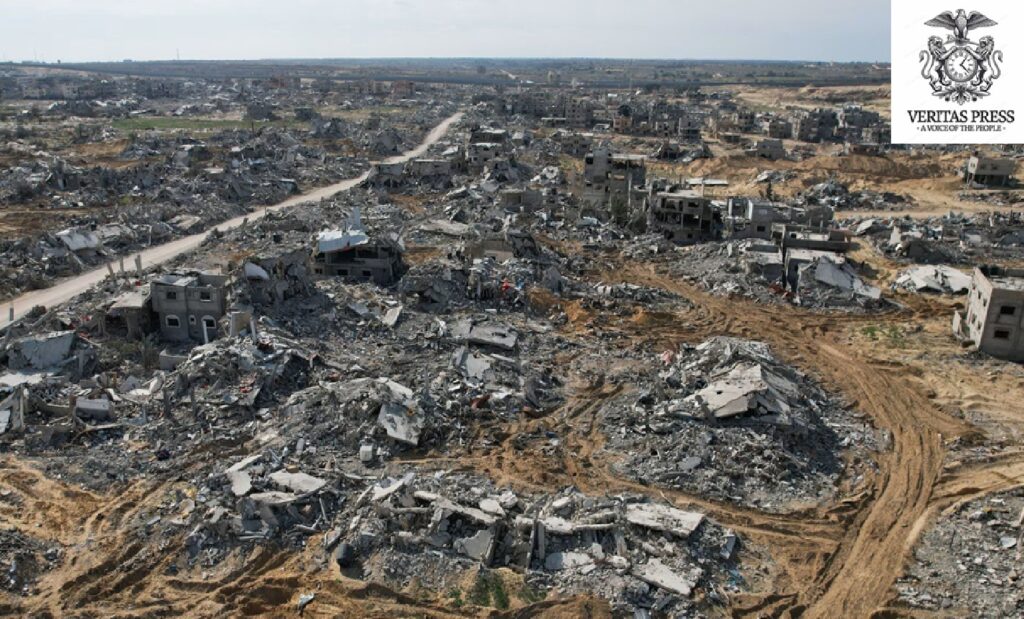
A significant and highly controversial development is underway in the southern Gaza Strip. Recent reporting by Reuters and other international outlets has confirmed that a Gaza-based contracting firm, Masoud & Ali Contracting Co (MACC), has been selected to build a large, UAE-funded housing compound near the destroyed city of Rafah.
GENEVA/WASHINGTON — As a third round of indirect talks between the United States and Iran convenes in Geneva, attention remains focused on uranium enrichment levels, centrifuge cascades, and breakout timelines. But beneath the technical language of non-proliferation lies a far more explosive fault line: Iran’s steadfast refusal to negotiate its ballistic missile program.

In what press freedom watchdogs are calling a historic collapse of civilian protection, 2025 has been confirmed as the deadliest year on record for journalists and media workers since modern documentation began.
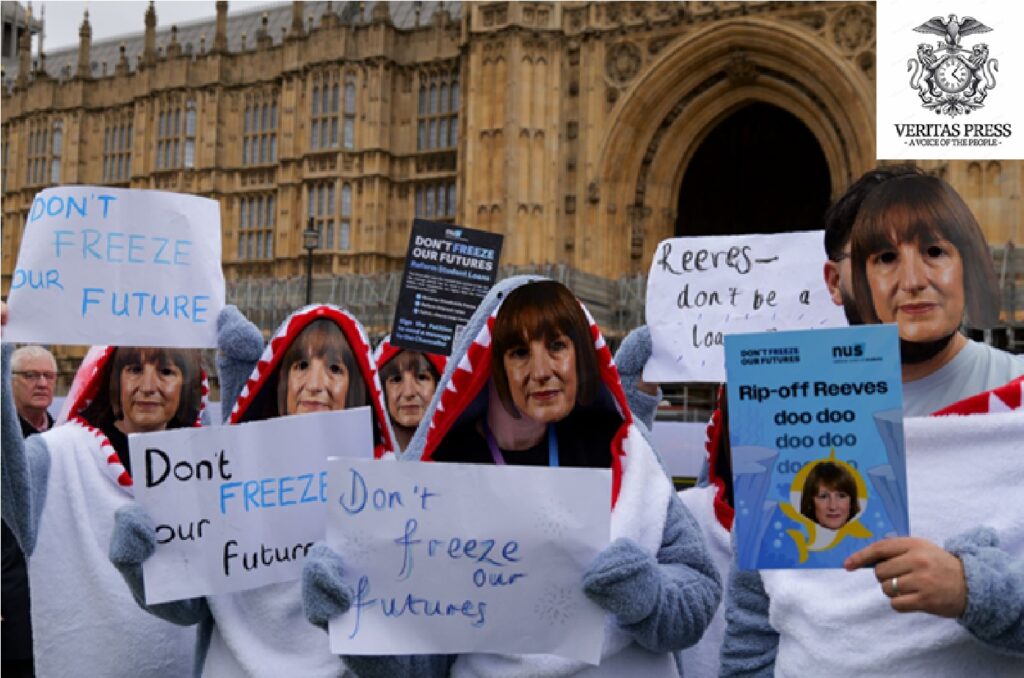
In an extraordinary parliamentary intervention that has sent shockwaves through Westminster, a coalition of Labour backbenchers has turned on their own government, condemning the student loan system in England and Wales as an “outrageous scam” against graduates.
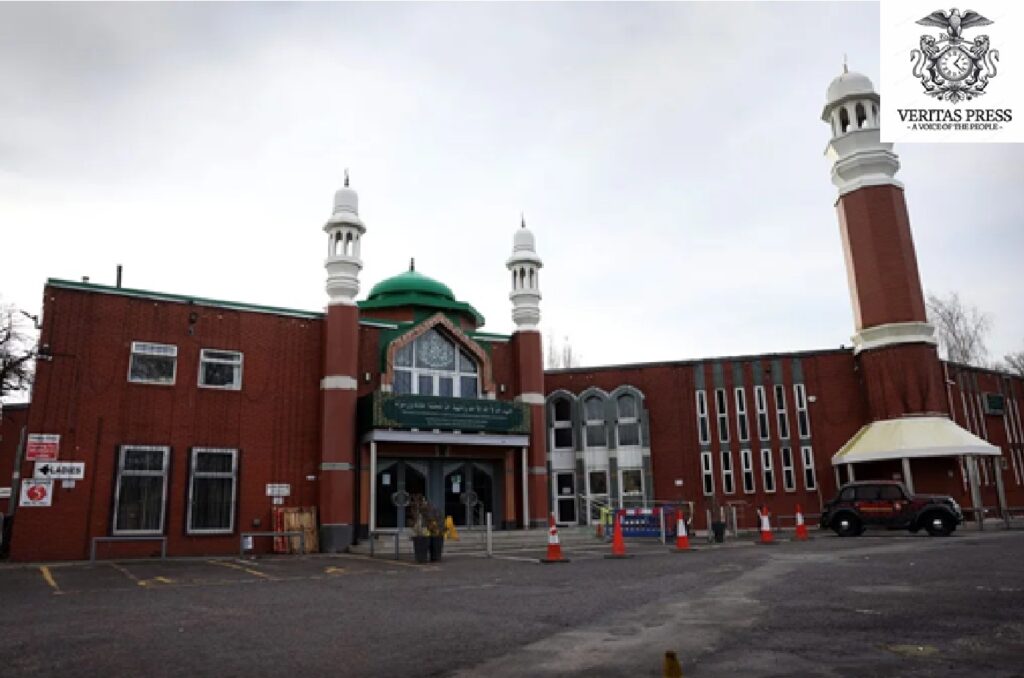
GREATER MANCHESTER, UK – On the evening of February 24, prayers at Manchester Central Mosque, one of the UK’s largest Islamic centres, were interrupted by what officials have called a “serious security incident.”
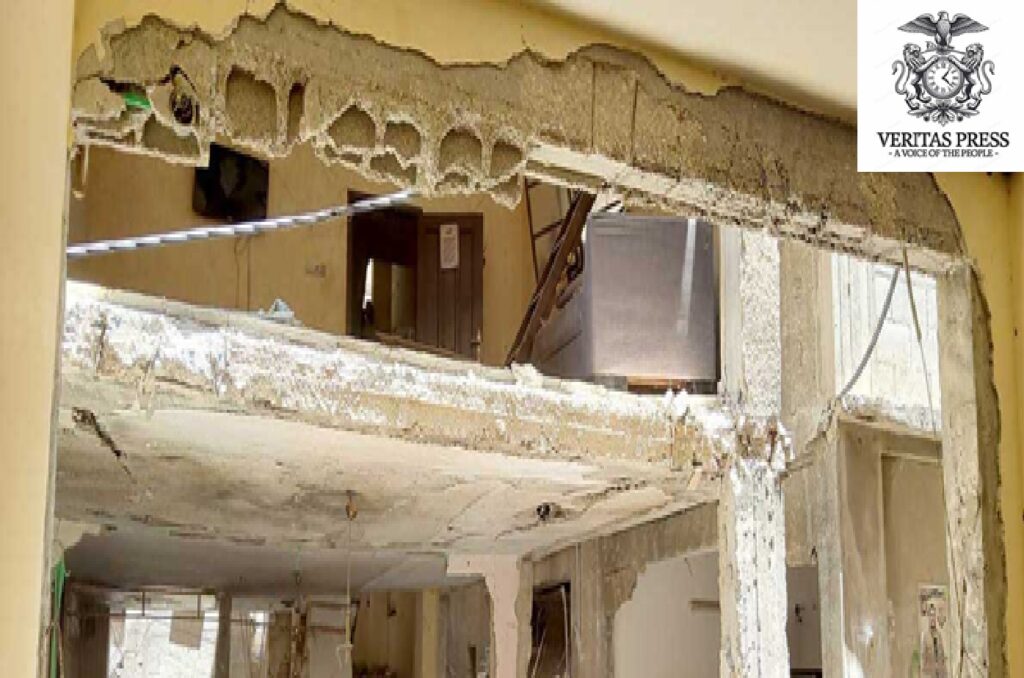
WEST BANK, Date: February 25, 2026 – The occupied West Bank is witnessing a dramatic and dangerous escalation as the Israeli occupation forces (IOF) and illegal Jewish settlers engage in coordinated, multi-pronged attacks against Palestinian communities.
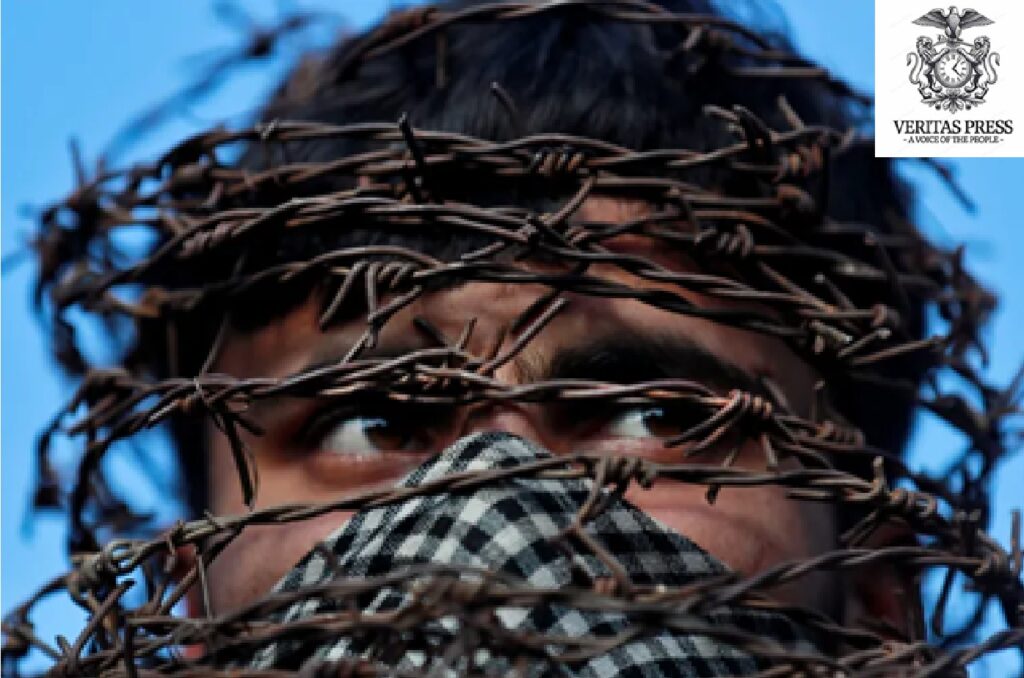
NEW DELHI/KASHMIR -As Narendra Modi makes his second official visit to Israel starting February 25, 2026, the relationship has transcended defence pacts and trade agreements.
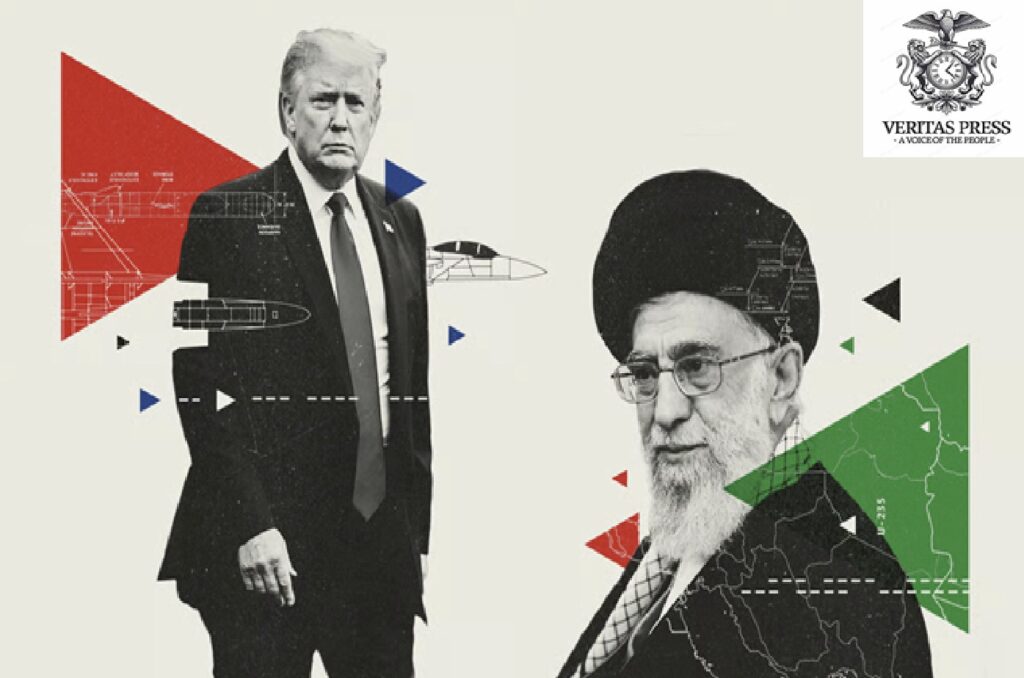
WASHINGTON/TEHRAN, Feb 25, 2026- For the second time in a week, Tehran has levelled an accusation steeped in historical gravity against Washington: that the United States and Israel are systematically employing a propaganda technique straight out of the Nazi playbook to manufacture consent for conflict.