


Date Published:
Date Modified:
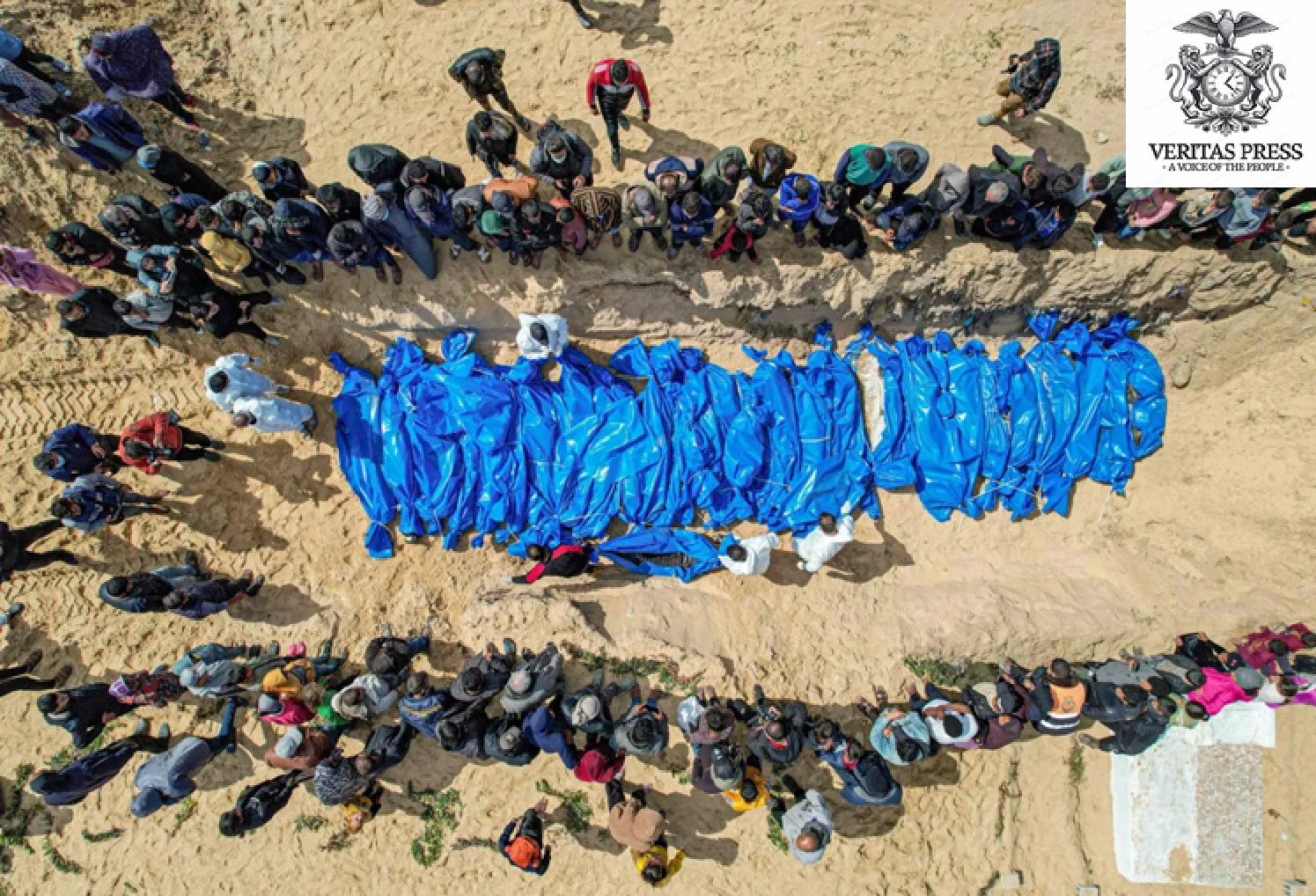
Israeli forces have returned the bodies of dozens of Palestinians to Gaza alongside boxes of dismembered remains, while only a handful of critically ill patients have been permitted to leave the enclave, developments that doctors, humanitarian officials, and analysts say reflect a deepening humanitarian and moral crisis even after a ceasefire.
The latest handover underscores mounting concerns over the treatment of Palestinian detainees and the fate of thousands still awaiting medical evacuation from a health system described by medics as effectively shattered.
A Grim Delivery To Al-Shifa:
Gaza’s Health Ministry said Al-Shifa Medical Complex received 54 bodies and 66 boxes containing human remains transferred through the International Committee of the Red Cross, with medical teams beginning identification procedures immediately.
The ICRC emphasised that its role is strictly humanitarian.
“It is the responsibility of the parties to search for, collect, and evacuate human remains. The parties must endeavour to facilitate the return of the remains of the deceased to their families,” the organisation said, stressing it can operate “only through the cooperation of all actors.”
The Red Cross added that it deploys body bags, refrigerated vehicles, and specialised teams to ensure the deceased are handled with dignity, urging all sides to faithfully implement agreements so remains can be returned to grieving families.
Israel has not publicly commented on the latest transfer, though rights advocates note that the country has historically withheld bodies as leverage in negotiations.
The Jerusalem Legal Aid and Human Rights Centre told Israel’s High Court that authorities are holding more than 700 Palestinian bodies from Gaza and the West Bank, including hundreds who remain unidentified.
For families, each batch prolongs uncertainty rather than delivering closure.
Legal Obligations Under The Geneva Conventions:
The Red Cross’ warning carries legal weight. Under the Geneva Conventions and customary international humanitarian law, warring parties must:
- search for and recover the dead
- protect bodies from mutilation
- record identifying information
- mark graves
- return remains to families
- account for the missing
These duties are not symbolic, they are binding obligations rooted in the principle of dignity in death.
The ICRC notes that when large numbers of fatalities occur, it can reveal how a war is being conducted and whether humanitarian rules are being breached. Legal scholars increasingly argue that withholding bodies, failing to share identifying data, or returning mutilated remains could constitute serious violations of the laws of war.
The organisation has repeatedly stressed that dignified management of the dead is an “essential element” of humanitarian compliance, particularly during ceasefires intended to reduce suffering.
Doctors Warn Of Possible Executions:
Medical evidence from previously returned bodies has intensified scrutiny.
Dr. Ahmed al-Farra of Nasser Hospital said, “almost all of them had been blindfolded… gunshots between the eyes.”
He added that scars and skin discolouration indicated beatings before death and possible abuse afterwards.
Health officials have likewise reported that many returned remains showed marks of violence and possible executions, raising fears that some victims were killed while in custody rather than on the battlefield.
Analysts say such findings, if independently verified, could trigger serious international legal questions regarding detainee treatment and war-crime accountability.
Physicians for Human Rights Israel has called for an urgent independent investigation into deaths linked to detention conditions, while the International Criminal Court is already examining alleged war crimes connected to the conflict.
An aid worker who inspected multiple bodies described the scene bluntly:
“People’s bodies were covered in scars and what looked like open wounds… It was just horrific,” said Moureen Kaki, a Palestinian-American activist with the medical charity Glia.
She added:
“Every single person that I looked at had their hands and feet bound, or traces of their hands or feet were bound in some way.”
Israeli authorities have rejected allegations of torture, saying their forces operate in accordance with international law.
Identification Crisis: Bodies Without Names.
The process of identifying the dead remains painfully slow.
Hospitals in Gaza lack DNA analysis capabilities after widespread destruction, leaving staff with few forensic tools. The absence of equipment is part of a broader healthcare collapse in which attacks have damaged or destroyed nearly every hospital in the strip.
Mass graves discovered at major medical facilities earlier in the war illustrated the scale of the crisis, with staff forced to bury bodies on hospital grounds during sieges.
Medical teams now rely on scars, clothing fragments, and personal belongings, methods forensic experts warn are far less reliable than scientific identification.
Humanitarian observers caution that unidentified burials risk erasing legal evidence and complicating future investigations into wartime conduct.
Dr. Munir al-Bursh, Gaza’s health ministry director-general, previously said document tags found inside body bags indicated some remains had been held at Israel’s Sde Teiman detention facility, asking: “Where is the world?”
Aid Workers And Graves Deepen Outrage:
International reaction has sharpened following earlier discoveries of burial sites.
UN aid chief Tom Fletcher said the bodies of humanitarian workers were found near wrecked vehicles after being killed while “trying to save lives,” adding:
“We demand answers & justice.”
Philippe Lazzarini, head of UNRWA, described the bodies as:
“discarded in shallow graves, a profound violation of human dignity.”
Such statements have fueled calls from rights groups for independent investigations into burial practices and the handling of remains.
Rafah Reopening, But Only Barely:
While bodies are returning, the living remain trapped.
WHO spokesperson Christian Lindmeier confirmed that the agency supported the evacuation of five patients and seven companions through Rafah, the first such transfer in months.
Yet the numbers highlight the scale of unmet need.
“We have more than 20,000 sick and wounded patients who need urgent medical treatment outside Gaza,” said Dr. Khalil Al-Daqqran, spokesperson for Al-Aqsa Hospital.
He warned that allowing only about 50 departures daily means evacuations could take “more than two years.”
Separately, the director of Al-Shifa Hospital cautioned that blocking evacuations could become a “death sentence” for many patients.
Relief agencies report that the crossing currently allows only around 150 people to leave per day, despite tens of thousands needing care.
Healthcare System “Completely Destroyed”:
The evacuation bottleneck reflects a broader systemic breakdown.
WHO officials have previously warned that the degradation of health services “needs to stop,” noting that countries are willing to accept patients if corridors open.
At one point, only seven UNRWA health facilities remained operational in southern and central Gaza.
Medical staff have described the sector as overwhelmed, with overcrowded hospitals and deaths linked to shortages of electricity and oxygen.
For humanitarian analysts, the convergence of blocked evacuations, destroyed hospitals, and delayed identifications signals what one relief worker called a “layered catastrophe”, one affecting both the dead and the living.
Bodies As Bargaining Chips?
The return of remains has often been tied to hostage negotiations.
Under a ceasefire deal, Israel was expected to transfer 15 Palestinian bodies for every Israeli hostage body returned, illustrating how the dead themselves can become instruments in wartime bargaining.
Legal scholars argue that withholding bodies may violate international humanitarian law, which emphasises dignified treatment and the timely return of the deceased.
A War That Continues After Death:
The discovery of mass graves, allegations of execution-style killings, and the bureaucratic struggle to identify victims suggest the conflict’s consequences persist long after the fighting subsides.
For families waiting outside morgues, the return of remains is less an end than the beginning of another ordeal, confirming loss while raising new questions about how their loved ones died.
Meanwhile, thousands of patients remain caught between collapsing hospitals and tightly controlled border crossings.
Together, these realities point to a stark conclusion increasingly voiced by doctors and aid officials: in Gaza, survival, and even dignity in death, have become contingent on political decisions far beyond the reach of those suffering the consequences.
Conclusion:
What is unfolding in Gaza is not a mere humanitarian crisis; it is, according to doctors, human rights monitors, and legal analysts, a calculated strategy that systematically undermines Palestinian life, dignity, and survival. Israeli actions lack accountability and morality, including mass killings, the withholding and the mutilation of bodies, deliberate destruction of hospitals and infrastructure, forced displacement, and continued settlement expansion, indicating a policy designed to make Palestinian conditions unlivable. These policies have been described by experts as forms of dehumanisation, erasure, and potentially genocidal conduct.
Observers note that Israel’s actions are often steeped in deception, cloaked in bureaucratic and legal arguments, and shielded behind recurring claims of security imperatives. Political leaders frequently divert scrutiny by invoking antisemitic tropes or framing international criticism as attacks on Jewish identity, a tactic that effectively masks the human suffering on the ground and obstructs accountability. Human rights advocates warn that such rhetoric does not neutralise legal or moral responsibility; rather, it facilitates the continuation of policies that systematically target civilians.
Medical professionals in Gaza report conditions consistent with intentional deprivation. Hospitals operate without electricity, anaesthesia, or adequate medical supplies; medical evacuations are tightly restricted; and thousands of critically ill patients remain trapped amid destroyed infrastructure. “We are no longer just treating injuries,” a senior trauma doctor said. “We are documenting the slow dismantling of civilian life.” Forensic specialists confirm that bodies returned by Israel bear signs of beatings, blindfolding, and execution-style killings, raising urgent questions about detainee treatment and potential war crimes.
The International Committee of the Red Cross has repeatedly emphasised that parties to a conflict must protect civilians, respect medical facilities, and allow humanitarian aid to reach those in need. The organisation stresses that these obligations are binding under international humanitarian law, regardless of military objectives, and that their violation constitutes a serious breach of the Geneva Conventions.
Meanwhile, families in Gaza endure what one activist called a “layered catastrophe”, where the dead are returned as unidentified remains, the living remain trapped in collapsing hospitals, and their entire futures are conditioned on political decisions far beyond their control. Relief agencies warn that allowing only a trickle of medical evacuations means that tens of thousands could die before reaching care.
Analysts argue that the cumulative effect of Israel’s policies, destruction of civilian infrastructure, annexation of land, forced displacement, and obstruction of aid signals an intent not to protect Palestinian lives, but to systematically degrade them. Combined with the strategic use of deception and inflammatory rhetoric, these policies perpetuate suffering while obscuring accountability on the international stage.
History suggests that the normalisation of such practices, the stripping away of life, dignity, and legal protection, rarely occurs suddenly. It happens incrementally, through policies that are justified, masked, and defended while civilians bear the cost.
The evidence continues to mount: doctors are documenting the devastation, journalists are reporting it, and humanitarian organisations are raising the alarm. Yet the question remains whether the international community will act while the law and moral norms still have teeth, or whether accountability, once again, will arrive only after irreversible loss and the systematic erosion of Palestinian existence.
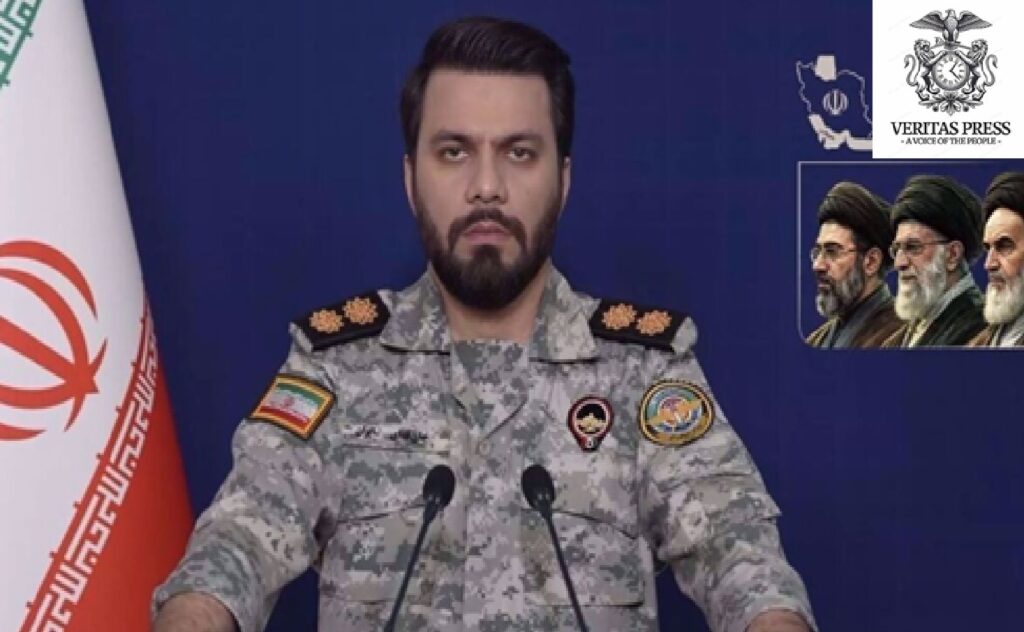
When Lieutenant Colonel Ebrahim Zolfaqari, spokesman for Iran’s Khatam al-Anbiya Central Headquarters, issued a warning
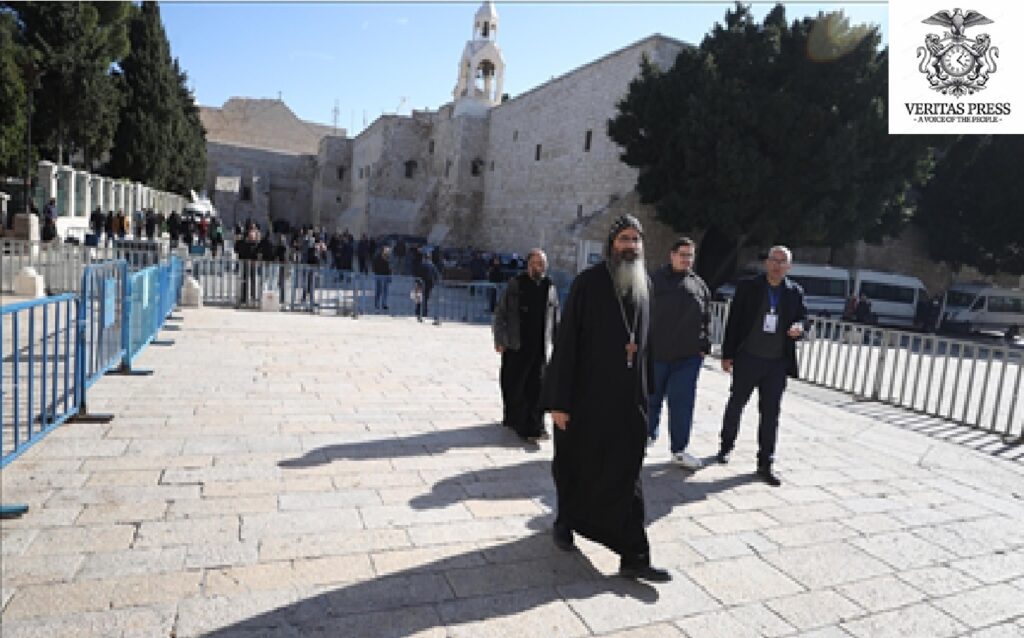
The historic Christian presence in Palestine, dating back to the earliest centuries of Christianity, is
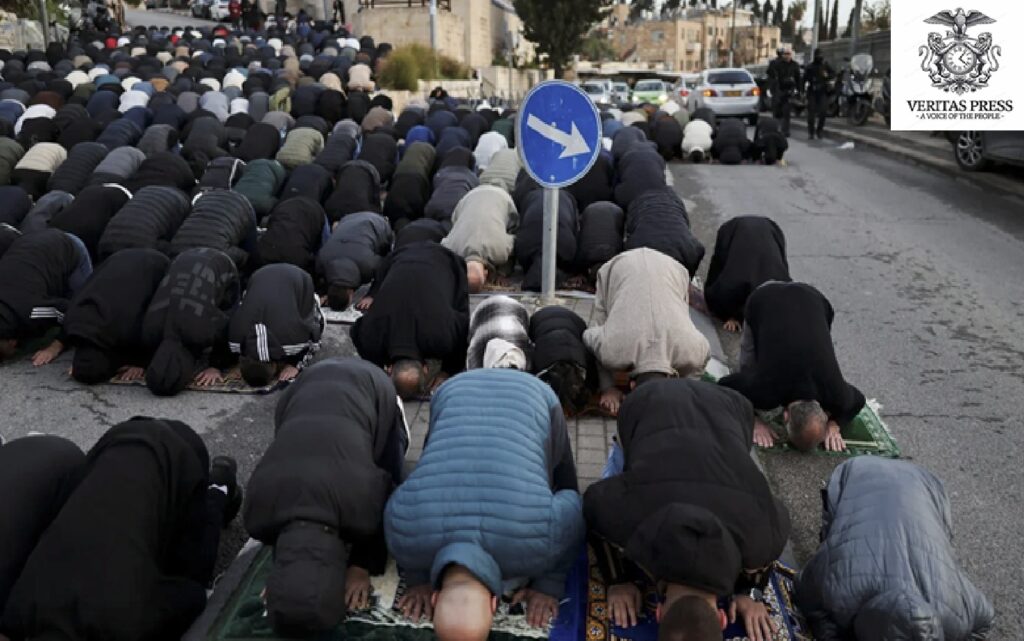
JERUSALEM – For the first time since the aftermath of the Six-Day War, the courtyards
TEHRAN – As the sun rose on Eid al-Fitr, a day meant for celebration and
HUNGARY – As Benjamin Netanyahu prepares to travel to Hungary this weekend, a mounting legal

LONDON — In the polished corridors of 10 Downing Street, the language remains meticulously calibrated:
On March 20, 2026, the Pentagon quietly announced what amounts to a fundamental restructuring of
WASHINGTON / ISLAMABAD — A fresh warning by US Director of National Intelligence Tulsi Gabbard

For the first time since the US-Israeli campaign against Iran began on February 28, the
Tensions across the Gulf have escalated to levels not seen in decades, as Saudi Arabia