
Original Article Date Published:
Article Date Modified:
Help support our mission—donate today and be the change. Every contribution goes directly toward driving real impact for the cause we believe in.
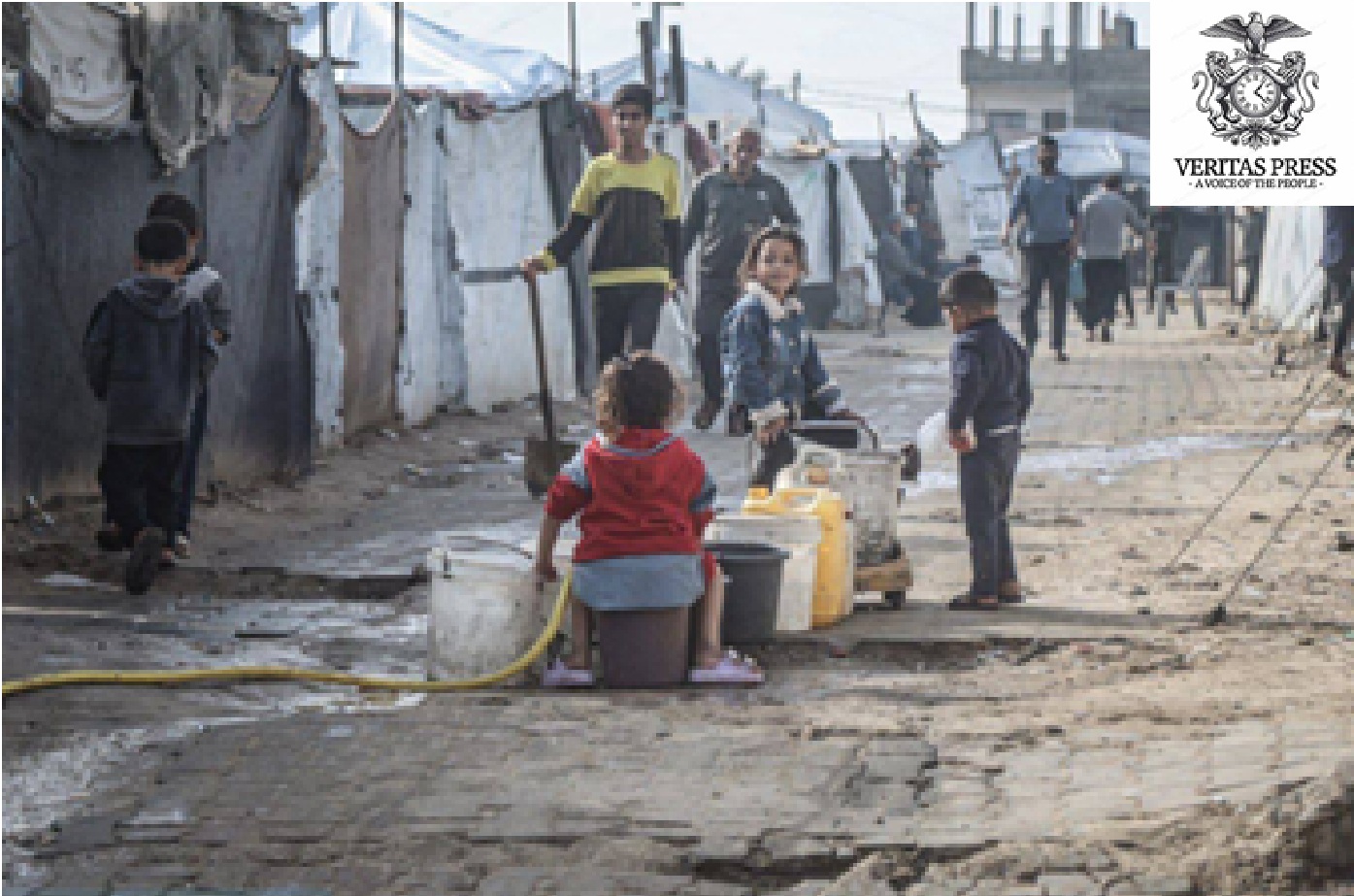
GAZA – A comprehensive investigation has concluded that the deaths of 39 Palestinians, including 22 children, during the winter of 2025–2026 were not the result of an unavoidable natural disaster, but the predictable outcome of widespread infrastructure destruction and continued blockade conditions that left Gaza’s civilian population exposed to the elements.
The Foreseeable Catastrophe:
In the first weeks of 2026, as harsh winter storms lashed the Gaza Strip, the international community received a stark indictment of the human cost of war. B’Tselem released a report documenting how 39 Gaza residents, more than half of them minors, froze to death or were crushed when flimsy shelters and bomb-damaged buildings collapsed under heavy rain and wind.
The report, titled “Our Genocide,” makes a singularly potent argument: these were not deaths caused by weather alone. They were deaths made inevitable by policy.
As one Gaza resident told humanitarian workers: “The rain came, and the wind howled, but we were already shattered. The walls that once protected us are gone, and the storm simply finished what the bombs began.”
This investigation expands on those findings, incorporating UN reporting and field data to examine how the denial of basic survival conditions, warmth, shelter, electricity, dryness, became a direct driver of mortality, even after the October 2025 ceasefire.
The Toll: A Forensic Accounting Of Death By Exposure.
Between 11 December 2025 and 26 January 2026, Gaza’s Ministry of Health recorded 39 weather-related fatalities.
- Total killed: 39
- Children: 22
- Killed by collapsing structures: 27
- Died of hypothermia: 12
These were not abstract figures. B’Tselem identified each victim by name and age.
Those Who Died Of Hypothermia:
The winter began claiming lives on 11 December:
- Rahaf Ahmad Naji Abu Jazar, 8 months
- Tayyem Mahmoud Omar Khawaja, 57 days
The following day, Hadil ‘Abdallah Jamal Hamdan, 9, also died of exposure.
Over the next six weeks, infants and toddlers continued to succumb:
- Arkan Firas Hamed Musleh, 2 months
- Sila Ahmad Khamis Abu Hasireh, 8 days
- Malek Muhammad Samir al-Masharawi, 4 years
- Muhammad Wisam Ahmad Abu Harbid, 55 days
- Muhammad Maher Isma’il al-Basyuni, 1 year
- ‘Aaishah ‘Ayesh Khaled al-Agha, 27 days
- Shatha Muhammad ‘Ali Abu Jarad, 3 months
- ‘Ali Ahmad Fuad Abu Zur, 3 months
- Haitham Hikmat Muti’ Abu Qas, 12 days
Hypothermia deaths of newborns in modern urban settings are extraordinarily rare outside extreme deprivation. These children died in flooded tents, without heating fuel, in a territory where electricity infrastructure remains devastated and fuel severely restricted.
Those Killed By Collapsing Structures:
The majority were killed when bomb-damaged buildings gave way under winter storms.
On 12 December alone, multiple families were buried:
- Khalil Ihab Khalil Hanunah, 17
- Khader Ihab Khalil Hanunah, 23
- ‘Abd a-Ra’uf Mahmoud Muhammad Badran, 72
- Ghazi Muhammad Ghazi Nassar, 15
- Lina Muhammad Ghazi Nassar, 18
- Tasnim ‘Abd a-Ra’uf Mahmoud Badran, 15
- Asmaa ‘Abd a-Ra’uf Mahmoud Badran, 11
- Inas Mahmoud Riyad ‘Awwad Badran, 49
- Wasim ‘Abd a-Ra’uf Mahmoud Badran, 16
- Mahmoud Wael Hassan Eshbeir, 30
In the following weeks:
- Hamad Khalil Baker Abu al-Kheir, 14 days
- Mahdi Muhammad ‘Ali al-Hilu, 56
- Sa’id As’ad ‘Abdin, 29 days
- Ayman Radi Salim Labad, 41
- Jana Akram Muhammad Lubad, 16
- Sundus Muhammad Sa’id Lubad, 18
- Rania Muhammad Mahmoud Lubad, 50
- Walaa Marwan ‘Izzat Juha, 20
- Muntasser Rifqi Ramadan al-Ghalith, 60
- Ilaf Muhammad Feisal Barbakh, 4
- ‘Alaa a-Din Muhammad Zuheir Israf, 17
- Ibrahim Muhammad Ibrahim a-Shana, 29
- Muhammad Ibrahim Muhammad a-Shana, 8
- Du’aa Mansur Husni Hamudah, 40
- Muhammad ‘Abed Muhammad Hamudah, 72
- Rimas Bilal Muhammad Hamudah, 15
- Saqer Mahmoud ‘Ali Dib, 58
Many had returned home after the October 2025 ceasefire, only to find their structures too weakened to survive winter rains.
The case of siblings Ghazi (15) and Lina (18) Nassar illustrates the pattern. Their family had returned to their damaged home after the ceasefire. During Storm Byron, the roof collapsed. Their father reportedly waited nearly 90 minutes for rescue crews as his children screamed beneath the rubble.
A ‘Human-Made Disaster’:
UNRWA described the storm as natural, but its deadly consequences as man-made.
Storm Byron damaged or destroyed more than 42,000 tents, affecting over 235,000 people. These tents were emergency stopgaps for a population already displaced en masse.
The UN Shelter Cluster traced a direct line between prior bombardment and winter fatalities. Homes hollowed out by airstrikes became structurally unstable. Displacement camps turned into mudfields. Emergency services were decimated.
Winter did not create vulnerability. It exposed it.
The Blockade Of Warmth:
Hypothermia deaths occurred amid continued restrictions on:
- Temporary housing units
- Construction materials
- Heating fuel
- Blankets and winter clothing
Humanitarian reporting indicates that limited access to electricity and gas forced families to burn firewood inside flammable tents, leading to at least 12 displacement-site fires since November 2025.
At Al-Shifa Hospital, approximately 500 patients per day were reportedly being received by mid-January, with roughly 200 presenting acute respiratory symptoms linked to exposure. Premature babies requiring thermal care faced unstable power supplies in a health system operating at minimal capacity.
The “Ceasefire” Reality:
The October 2025 ceasefire did not translate into sustained safety.
According to the United Nations Office for the High Commissioner for Human Rights and Gaza health authorities, more than 600 Palestinians were reportedly killed between 11 October 2025 and late February 2026.
Airstrikes and shelling continued. Reconstruction materials remained restricted. Of 854 trucks manifested in early February, only about 35% were able to offload at Kerem Shalom crossing.
The form of harm shifted, from high-intensity bombardment to prolonged deprivation.
February 2026: New Storms, Same Vulnerability.
On 23–24 February 2026, heavy rains again flooded displacement camps in al-Mawasi and Khan Younis. Civil Defence units reported multiple distress calls from submerged tents.
With approximately 1.9 million people still displaced, every new weather system carries lethal potential.
The UN has also warned of fire risk in overcrowded camps where families cook inside tents to survive the cold. With limited equipment and rubble-blocked access roads, a small fire can escalate into a mass casualty event.
From Collateral Damage To Foreseeable Outcome:
B’Tselem frames the winter deaths not as collateral damage but as foreseeable outcomes.
The report argues that systematic destruction of water, electricity, housing, and sanitation systems, combined with longstanding blockade conditions, created an environment where winter weather becomes deadly.
International agencies had warned for months that winter would bring a second wave of deaths. Under legal analysis, the concept of dolus eventualis, foreseeing lethal consequences and proceeding regardless, looms over the findings.
A child dying of hypothermia in Gaza in 2026 is not dying solely of cold. They are dying in a territory where fuel entry is restricted, power plants have been bombed, and homes have been reduced to unstable shells.
Conclusion: Exposure As Policy, Accountability As Imperative.
The 39 deaths documented by B’Tselem do not sit at the margins of this war. They sit at its centre.
What this winter revealed was not merely a humanitarian breakdown, but structural intent. Gaza’s civilians were not only bombed; they were left without the systems that make survival possible. Homes were reduced to unstable shells. Power grids were dismantled. Fuel flows were restricted. Reconstruction materials were blocked. Nearly 1.9 million people were displaced into tents never designed to withstand sustained winter storms.
When the rain came, it did not create vulnerability. It activated it.
This is the critical distinction. In many conflicts, winter hardship is described as an unintended consequence of destruction. In Gaza, the conditions that made winter lethal were known, documented, and repeatedly warned about by humanitarian agencies. The formula was visible in advance: mass displacement plus destroyed housing plus blocked reconstruction plus restricted fuel equals preventable death.
The legal implications are profound. Under international humanitarian law, infrastructure indispensable to civilian survival, such as housing, water, electricity, and medical care, is protected. When those systems are systematically degraded, and when restrictions on repair and humanitarian access persist despite explicit warnings of lethal consequences, the resulting deaths cannot be credibly dismissed as collateral damage or force majeure.
They become the foreseeable outcome of policy.
The concept of dolus eventualis, acting while foreseeing the probable lethal consequences, hovers over this record. Authorities were repeatedly informed that winter exposure would kill. Aid groups warned publicly of hypothermia among infants, structural collapses in bomb-damaged homes, fire hazards in displacement camps, and neonatal mortality from power instability. Yet reconstruction materials remained restricted. Fuel remained limited. Temporary housing units remained blocked.
The violence, in other words, did not end with the October 2025 ceasefire. It changed form. High-intensity bombardment gave way to prolonged environmental exposure. Instead of blast injuries, there were collapsed ceilings, flooded tents, respiratory infections, and frozen newborns.
Rahaf. Tayyem. Hadil. Ghazi. Lina. Hamad. Sila. Haitham.
Thirty-nine names across forty-seven days.
As UNICEF and other humanitarian agencies have reiterated, these deaths were preventable.
Prevention requires more than emergency aid deliveries. It requires restoration of electricity and water systems, unrestricted humanitarian access, safe housing reconstruction, and accountability for the destruction of life-sustaining infrastructure.
Without that accountability, the next storm, whether in December or February, will not be an unforeseen tragedy.
It will be another chapter in an entirely human-made catastrophe.
For The Secure Submission Of Documentation, Testimonies, Or Exclusive Investigative Reports From Any Global Location, Please Utilise The Following Contact Details For Our Investigations Desk: enquiries@veritaspress.co.uk or editor@veritaspress.co.uk
Popular Information is powered by readers who believe that truth still matters. When just a few more people step up to support this work, it means more lies exposed, more corruption uncovered, and more accountability where it’s long overdue.
If you believe journalism should serve the public, not the powerful, and you’re in a position to help, becoming a DONATOR or a PAID SUBSCRIBER truly makes a difference.
DONATION APPEAL: If You Found This Reporting Valuable, Please Consider Supporting Independent Journalism.
Help Support Our Work – We Know, We Know, We Know …
Seeing these messages is annoying. We know that. (Imagine what it’s like writing them … )
Your support fuels our fearless, truth-driven journalism. In unity, we endeavour to amplify marginalised voices and champion justice, irrespective of geographical location.
But it’s also extremely important. One of Veritas Press’s greatest assets is its reader-funded model.
1. Reader funding means we can cover what we like. We’re not beholden to the political whims of a billionaire owner. We are a small, independent and impartial organisation. No one can tell us what not to say or what not to report.
2. Reader funding means we don’t have to chase clicks and traffic. We’re not desperately seeking your attention for its own sake: we pursue the stories that our editorial team deems important and believe are worthy of your time.
3. Reader Funding: enables us to keep our website and other social media channels open, allowing as many people as possible to access quality journalism from around the world, particularly those in places where the free press is under threat.
We know not everyone can afford to pay for news, but if you’ve been meaning to support us, now’s the time.
Your donation goes a long way. It helps us:
- Keep the lights on and sustain our day-to-day operations
- Hire new, talented independent reporters
- Launch real-time live debates, community-focused shows, and on-the-ground reporting
- Cover the issues that matter most to our communities, in real time, with depth and integrity
We have plans to expand our work, but we can’t do it without your support. Every contribution, no matter the size, helps us stay independent and build a truly people-powered media platform.
If you believe in journalism that informs, empowers, and reflects the communities we serve, please donate today.
US – In a move that has simultaneously energised moderate pro-Israel advocates and drawn sharp
GAZA – A comprehensive investigation has concluded that the deaths of 39 Palestinians, including 22
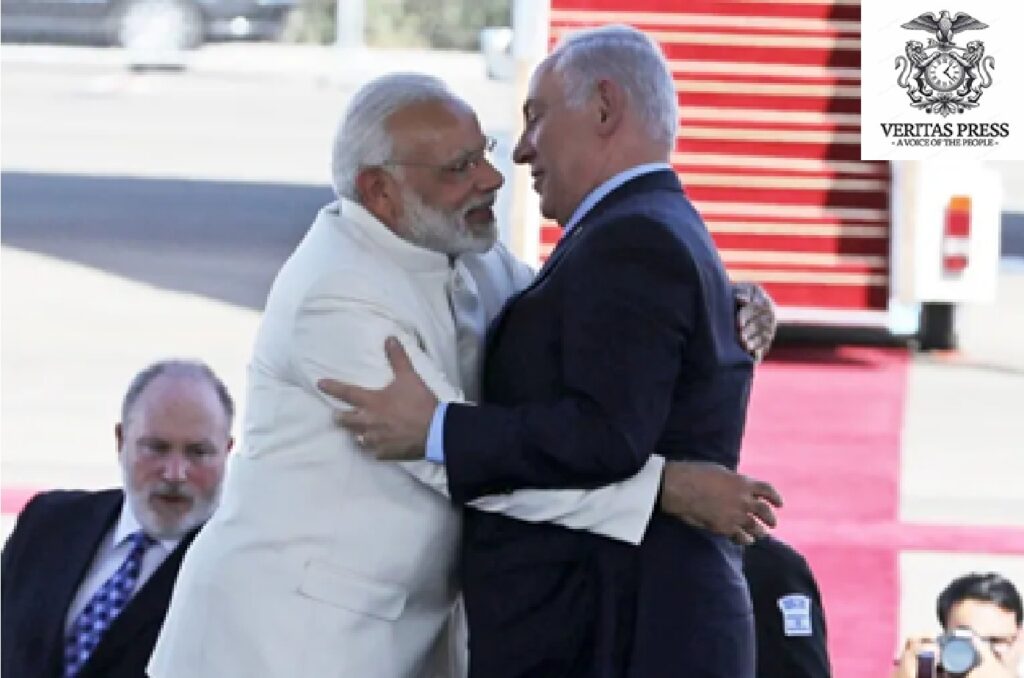
As Indian Prime Minister Narendra Modi prepares to land in Tel Aviv on February 25
In the complex tapestry of Middle Eastern geopolitics, cartography is often the sharpest weapon. In
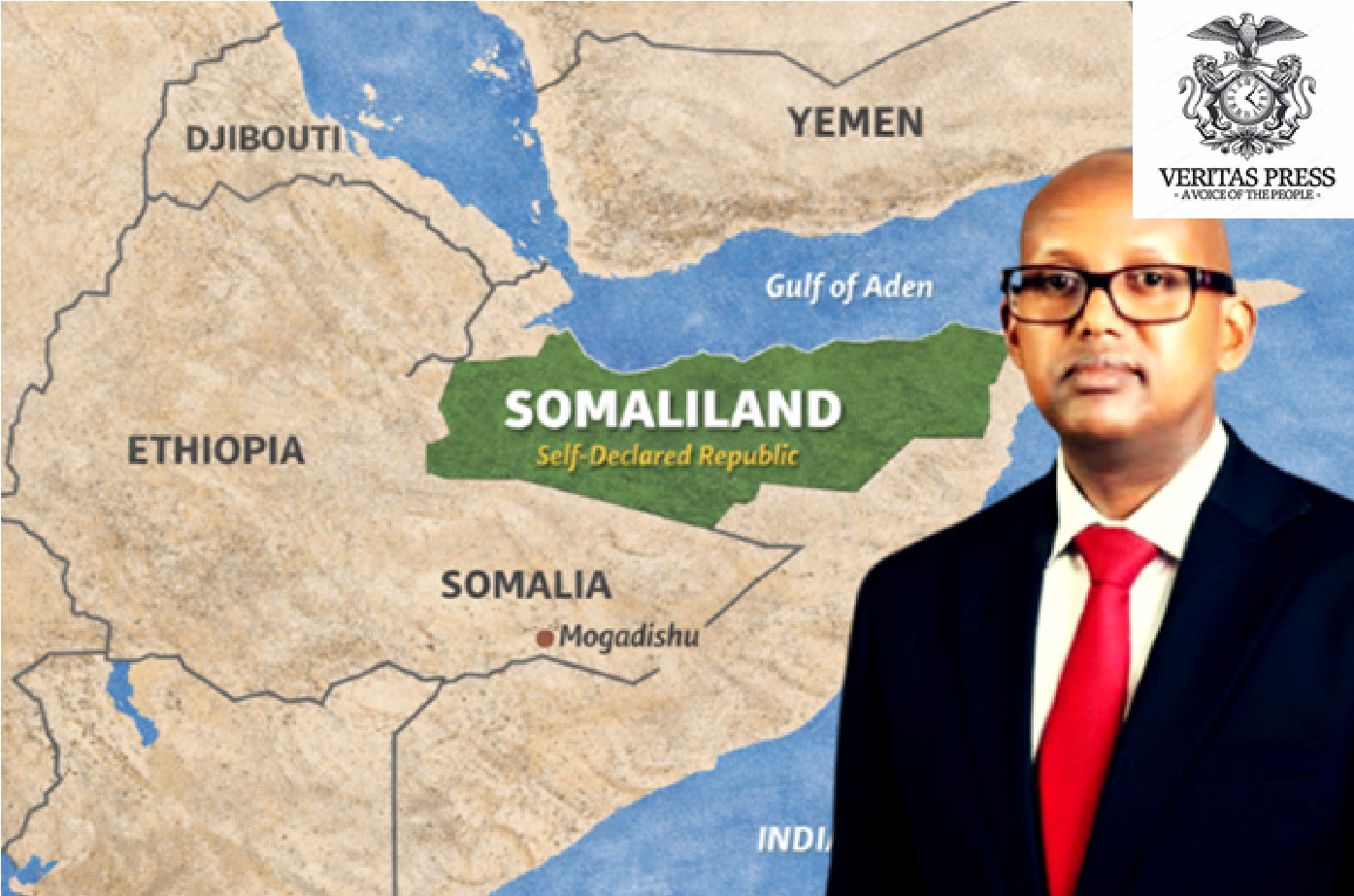
SOMALILAND – The Horn of Africa is once again emerging as the epicentre of a
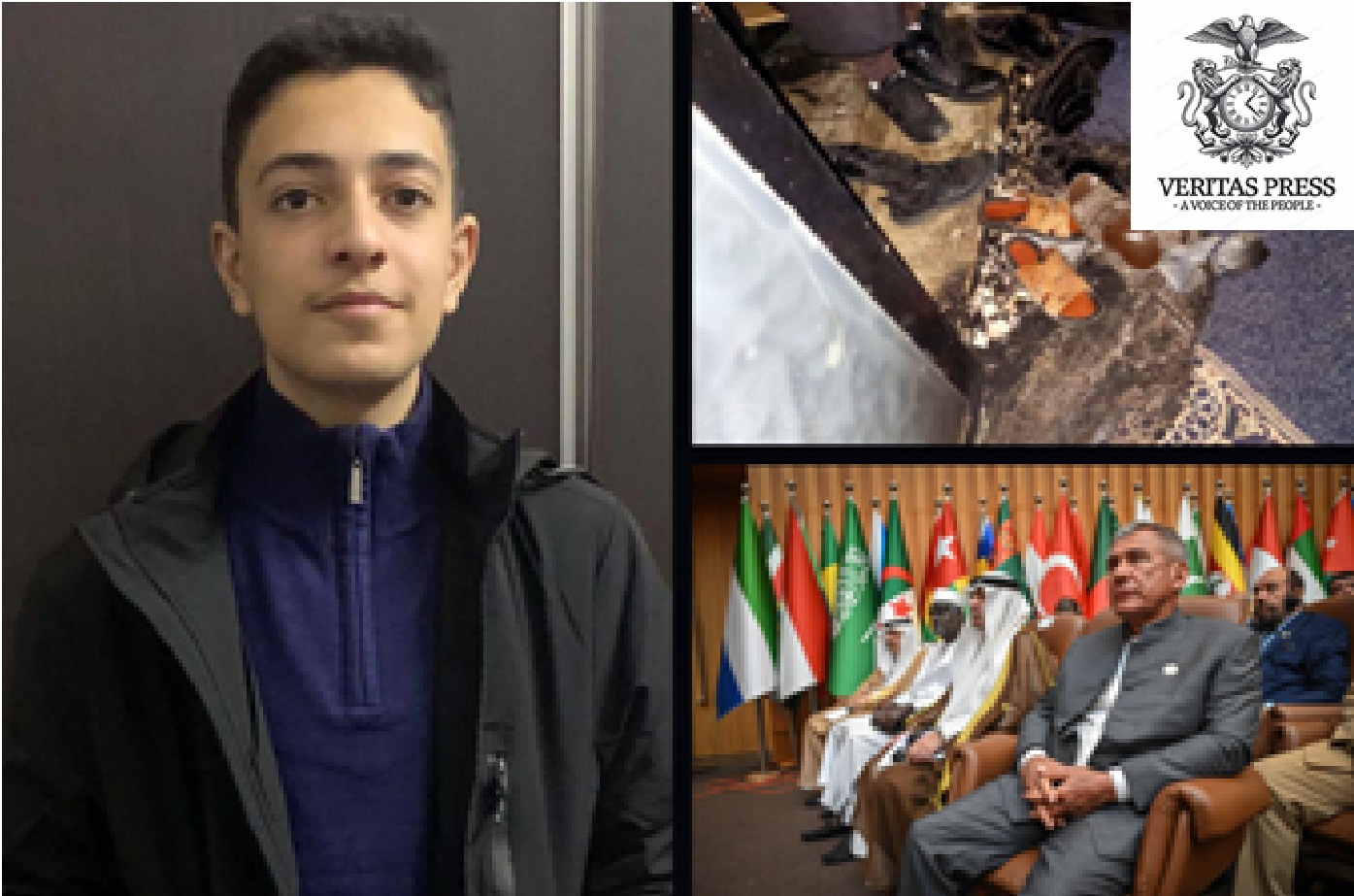
WEST BANK – Israeli occupation forces launched a new wave of raids, arrests, and home
A flagship UN report redefines the global water crisis, not as a series of temporary
For the most vulnerable people in society, the elderly pensioners facing a prolonged stay in
AFRICA/DARFUR – Clashes erupted over the weekend in the strategic border town of Tina (also
In the waning days of 2025, as global financial publications released their annual rankings, a