
Original Article Date Published:
Article Date Modified:
Help support our mission, donate today and be the change. Every contribution goes directly toward driving real impact for the cause we believe in.
KHAN YUNIS, GAZA – In the early hours of Wednesday morning, east of Khan Yunis, the relative quiet of a disputed truce was shattered by gunfire. Two Palestinian men, identified by medical sources as Maher Harb Samour (43) and Montaser Saad Samour, were shot and killed by Israeli occupation forces in the town of Bani Suheila. Their bodies were transported to Nasser Hospital, adding two more names to a growing toll that the Gaza Health Ministry now puts at 633 Palestinians killed since the ceasefire was supposed to begin on October 10, 2025.
These latest fatalities, reported by WAFA and confirmed by local eyewitnesses, are not anomalies in a peaceful period. They are the bloody punctuation marks in a five-month-long campaign of attrition. Since the truce brokered in late 2025 took effect, Israeli forces have committed over 1,700 violations, according to Palestinian monitoring groups. These range from tank shelling east of Gaza City and Deir al-Balah to naval machine-gun fire pounding the coastline, a consistent military pressure that has rendered the term “ceasefire” a diplomatic fiction for the 2.4 million residents of the Strip.
A Regional War Used To Justify A Local Siege:
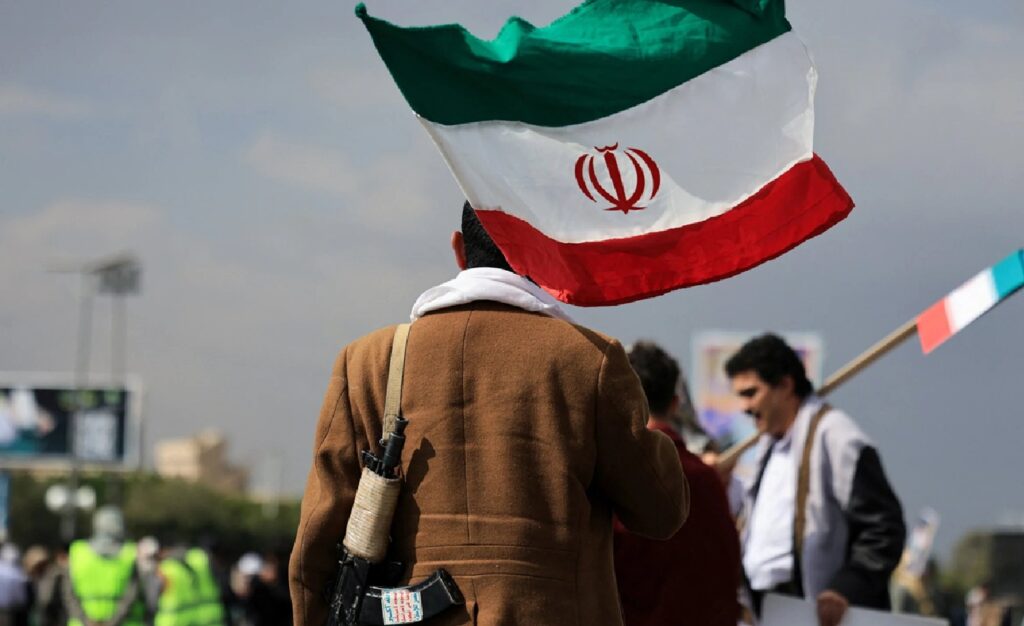
While the guns remain active on the border, the real stranglehold in recent days has been economic and humanitarian. On March 1, citing the widening regional war with Iran, dubbed “Operation Roaring Lion”, Israel closed every crossing into Gaza, including the vital Rafah gateway to Egypt and the commercial Kerem Shalom (Karem Abu Salem) crossing.
For four days, the movement of goods, fuel, and humanitarian staff was frozen. Though Israel’s Coordinator of Government Activities in the Territories (COGAT) announced the reopening of Kerem Shalom on March 3 for a “gradual” entry of aid, the figures on the ground tell a story of administrative suffocation. According to the Gaza Crossing and Border Authority, only 16 trucks entered the Strip on Tuesday, 14 carrying aid and two commercial vehicles.
To understand the severity of this bottleneck, one must look at the pre-war context. Before October 2023, Gaza required 500 to 600 trucks daily to sustain its population. Under the terms of the October 2025 ceasefire, “full aid” was to be immediately sent in. Yet, data from the Government Media Office reveals that between October and February, only 31,178 trucks entered out of a pledged 72,000, a mere 43%. The current trickle of 16 trucks is not just insufficient; it is a death sentence disguised as compliance.
‘Deliberate Starvation’ And The New Math Of Famine:
The United Nations and international aid organisations are sounding alarms that are becoming tragically familiar. The UN Office for the Coordination of Humanitarian Affairs (OCHA) warned this week that the blockade is directly impacting every facet of life. Fuel shortages have forced the rationing of supplies for backup generators in hospitals, halted waste collection, and crippled desalination plants. In some areas of Gaza, residents are receiving as little as two litres of drinking water per day.
UN Special Rapporteur Francesca Albanese delivered a blistering critique on Wednesday, rejecting any justification based on the regional conflict. “While the world is once again preoccupied with wars and manufactured despair, Israel is once again deliberately starving Gaza,” Albanese posted on X. She specifically targeted the international diplomatic corps, stating that the so-called “peace council” presiding over this suffering “is not diplomacy, it is a grim omen for the world to come if we do not stop it”.
Her words echo the lived reality of displaced families. Hamada Abu Laila, a displaced Palestinian speaking to Reuters, articulated the collective dread settling over the tent camps. “Why is it our fault, in Gaza, with regional wars between Israel, Iran, and America? It is not our fault,” he said, voicing the fear that the famine which gripped parts of the enclave in 2024 is poised for a return.
The Human Cost Of ‘Gradual’ Reopenings:
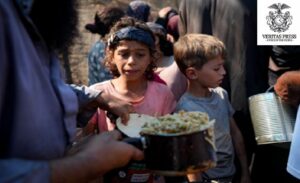
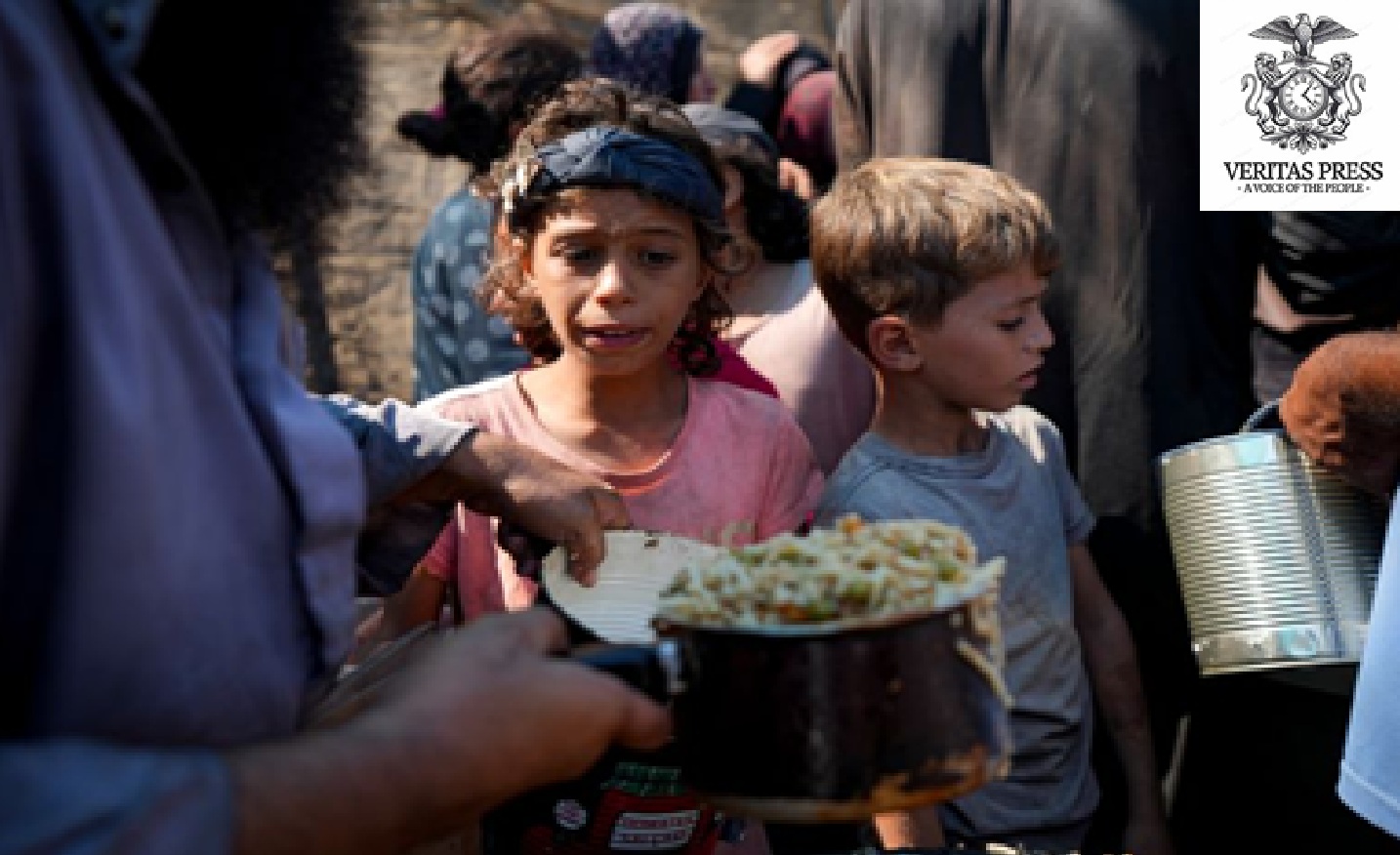
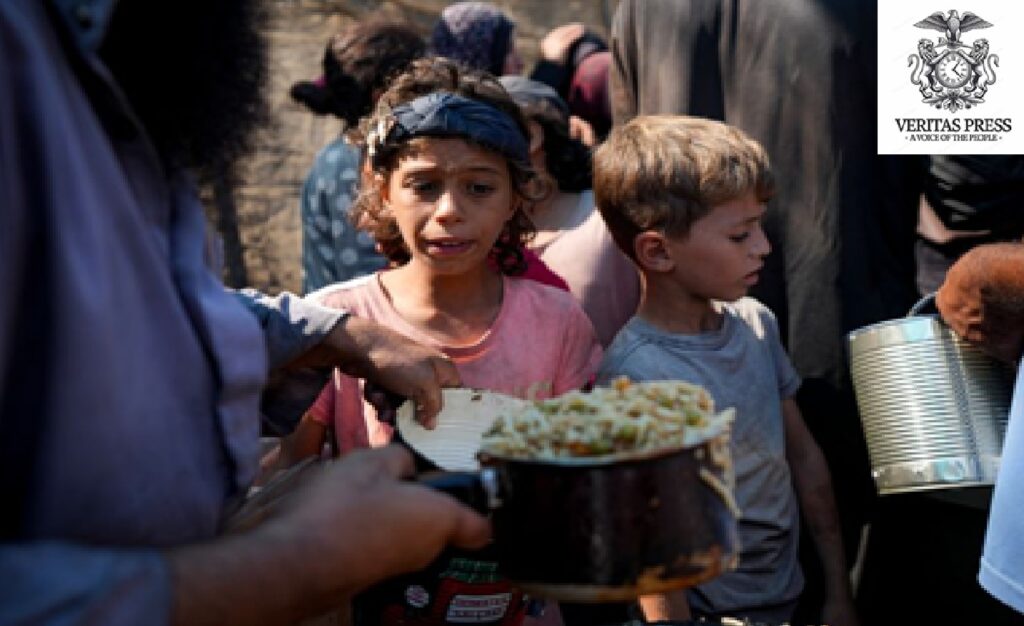
On the ground, the partial reopening has done little to alleviate panic. Mai Elawawda, Communications Officer for Medical Aid for Palestinians (MAP) in central Gaza, described the psychological toll. “The mood in Gaza right now is incredibly fearful and uncertain. With the closure of crossings and the sound of rockets overhead, people have rushed to stock up on food and medicines,” she said. “But after more than two years of devastation, displacement and loss of income, thousands of families simply cannot afford the basics. Our teams are still recording significant levels of malnutrition, especially in pregnant women and children”.
The medical crisis is compounding the nutritional one. MAP noted that while the Rafah crossing had been partially reopened for medical evacuations on February 2, only 289 patients had been allowed out, a fraction of the 18,500 critically ill individuals awaiting treatment. More than 1,400 people have reportedly died while waiting for evacuation since the truce began.
Karuna Herrmann, director of the United Nations Office for Project Services, had warned that fuel supplies were down to a matter of days. While the trickle of new trucks prevents an immediate total blackout, the UN World Food Programme (WFP) stated it has only 10 days’ supply of wheat flour inside the enclave and enough food parcels for two and a half weeks. Samer Abdel Jaber, WFP Regional Director, warned that the instability is straining supply routes across the region, warning of “delays and driving costs” that will further isolate Gaza.
A Cultural Genocide Alongside The Physical:
As the humanitarian floor collapses, Palestinian volunteers are engaged in a desperate battle to preserve the soul of the nation. In the rubble of Gaza City’s Old City, workers are carefully extracting manuscripts from the library of the Great Omari Mosque. Once the third-largest library in Palestine, housing nearly 20,000 volumes, it now holds fewer than 4,000.
Volunteers wearing facemasks and gloves are brushing gunpowder residue and dust off ancient texts on jurisprudence, medicine, and literature. “These books represent the history of the city and bear witness to historical events,” one volunteer told AFP. The destruction of these sites, UNESCO has verified damage to 150 heritage sites since the war began, is viewed by many as a deliberate erasure of Palestinian identity and culture, a war crime that the UN Independent International Commission of Inquiry has explicitly levelled against Israel.
Analysis: The Fragility Of The ‘Yellow Line’.
The current escalation underscores the fundamental instability of the October 2025 agreement. The so-called “Yellow Line”, a demarcation separating Israeli-controlled areas from Palestinian zones, has become a killing field. Israeli forces positioned east of this line have been using live fire regularly, claiming to enforce security zones.
Meanwhile, Israel’s COGAT maintains that “enough food” has been delivered since the truce began and that existing stocks “are expected to suffice for an extended period”. This assertion is flatly contradicted by UN agencies on the ground and the visible reality of markets running empty.
The international response remains tepid. While UN Secretary-General Antonio Guterres has called for the crossings to be reopened “as soon as possible,” and while reports suggest American pressure led to the limited reopening of Kerem Shalom, the fundamental structure of the siege remains intact. Aid groups like MAP are unequivocal: the restrictions are placing Palestinian lives at risk and obstructing medical teams.
As the world’s attention pivots to the expanding regional war between the US, Israel, and Iran, the people of Gaza remain trapped in the crossfire, not of missiles alone, but of bureaucracy, border closures, and a ceasefire that has failed to stop the killing or the hunger. With 1.9 million people displaced and winter still clutching the coastal enclave, the question is no longer whether the ceasefire will hold, but whether the population can survive its hollow interpretation.
Source: Multiple News Agencies
Submissions:
For The Secure Submission Of Documentation, Testimonies, Or Exclusive Investigative Reports From Any Global Location, Please Utilise The Following Contact Details For Our Investigations Desk: enquiries@veritaspress.co.uk or editor@veritaspress.co.uk
Help Support Our Work:
Popular Information is powered by readers who believe that truth still matters. When just a few more people step up to support this work, it means more lies exposed, more corruption uncovered, and more accountability where it’s long overdue.
Help Protect Independent Journalism, Which Is Currently Under Attack.
If you believe journalism should serve the public, not the powerful, and you’re in a position to help, becoming a DONATOR or a PAID SUBSCRIBER truly makes a difference.
DONATION APPEAL: If You Found This Reporting Valuable, Please Consider Supporting Independent Journalism.
Help Support Our Work – We Know, We Know, We Know …
Seeing these messages is annoying. We know that. (Imagine what it’s like writing them … )
Your support fuels our fearless, truth-driven journalism. In unity, we endeavour to amplify marginalised voices and champion justice, irrespective of geographical location.
But it’s also extremely important. One of Veritas Press’s greatest assets is its reader-funded model.
1. Reader funding means we can cover what we like. We’re not beholden to the political whims of a billionaire owner. We are a small, independent and impartial organisation. No one can tell us what not to say or what not to report.
2. Reader funding means we don’t have to chase clicks and traffic. We’re not desperately seeking your attention for its own sake: we pursue the stories that our editorial team deems important and believe are worthy of your time.
3. Reader Funding: enables us to keep our website and other social media channels open, allowing as many people as possible to access quality journalism from around the world, particularly those in places where the free press is under threat.
We know not everyone can afford to pay for news, but if you’ve been meaning to support us, now’s the time.
Your donation goes a long way. It helps us:
- Keep the lights on and sustain our day-to-day operations
- Hire new, talented independent reporters
- Launch real-time live debates, community-focused shows, and on-the-ground reporting
- Cover the issues that matter most to our communities, in real time, with depth and integrity
We have plans to expand our work, but we can’t do it without your support. Every contribution, no matter the size, helps us stay independent and build a truly people-powered media platform.
If you believe in journalism that informs, empowers, and reflects the communities we serve, please donate today.

LONDON, UK – In the span of a single week, the fragile foundations of the
IRAN, DAY 6 – As the US-Israeli military campaign against Iran enters its sixth day,
The opening days of March 2026 have witnessed a seismic shift in the Middle Eastern
KHAN YUNIS, GAZA – In the early hours of Wednesday morning, east of Khan Yunis,
For The Secure Submission Of Documentation, Testimonies, Or Exclusive Investigative Reports From Any Global Location,
JENIN, OCCUPIED WEST BANK — For the residents of Faqqu’a, a small town nestled east
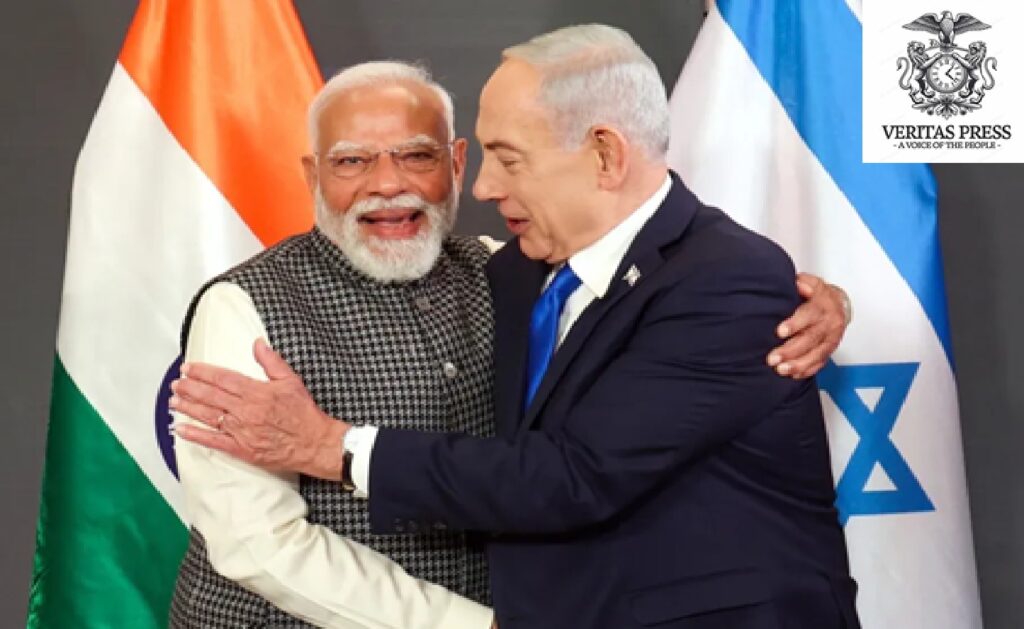
NEW DELHI/TEL AVIV: When Narendra Modi stood before the Knesset and described Israel as the

US Lawmakers clash over the rationale behind Trump’s Iran strikes, calling them “very disturbing” as
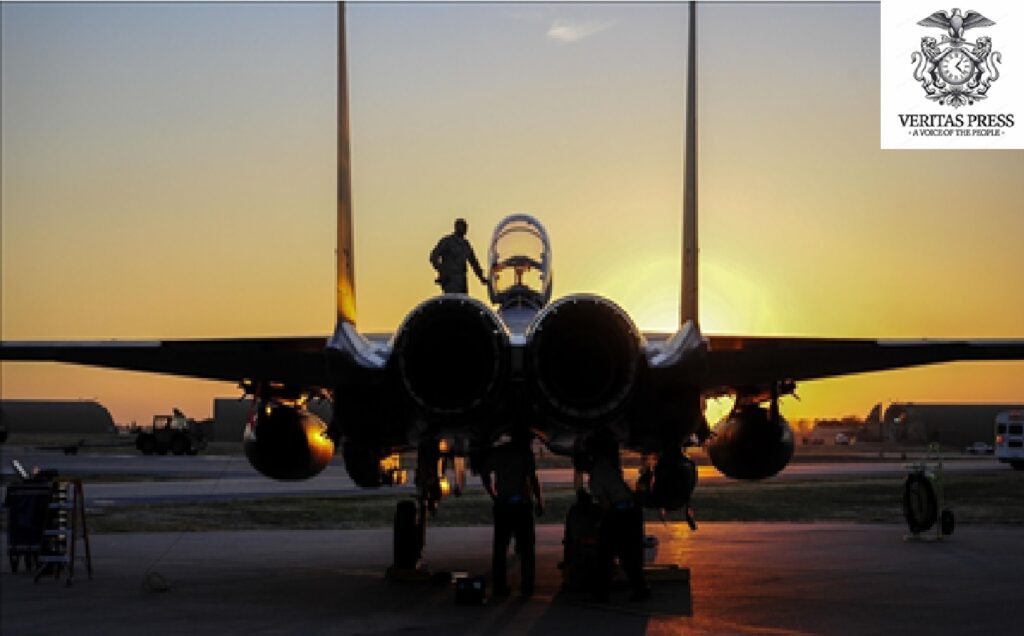
Just four days into what President Donald Trump has dubbed “Operation Epic Fury,” the United
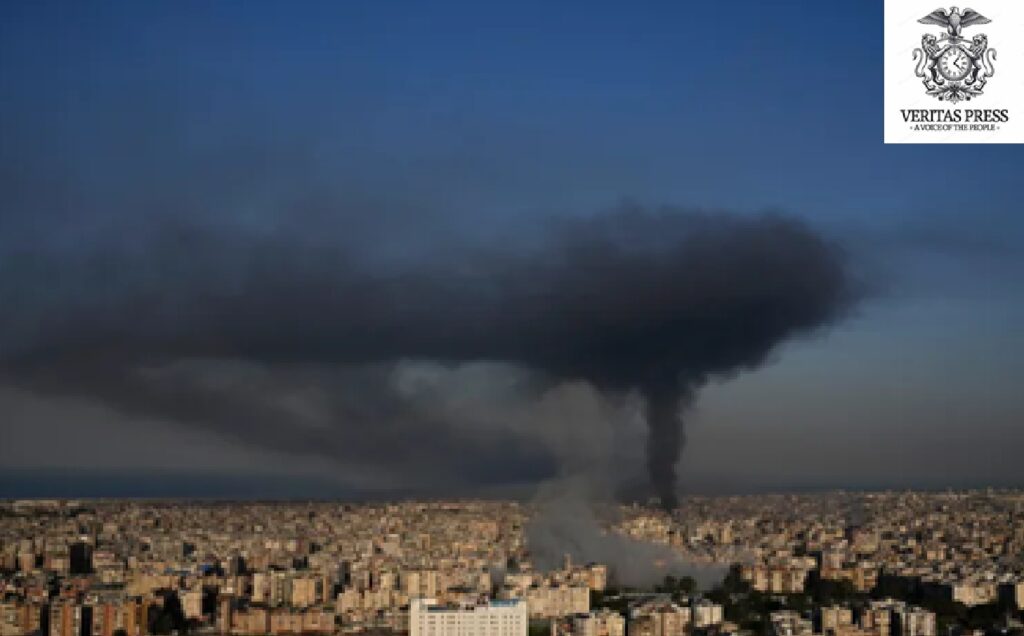
BEIRUT, LEBANON – The echoes of the 2024 ceasefire, already faint after months of daily