




Date Published:
Date Modified:
Famine is no longer confined to Sudan’s contested capitals, it is now spreading across the western Darfur region, engulfing towns that have long been overlooked by the world’s media. On 5 February 2026, the United Nations-backed Integrated Food Security Phase Classification (IPC) confirmed that famine thresholds for acute malnutrition have been exceeded in Um Baru and Kernoi, near the border with Chad.
The figures are devastating: 53% of children under five in Um Baru are acutely malnourished, nearly double the threshold for famine, while 32% of children in Kernoi face the same fate. For families displaced from nearby cities like el-Fasher, which fell to the paramilitary Rapid Support Forces (RSF) in October 2025 after an 18-month siege, survival has become almost impossible.
These numbers do more than document hunger. They expose a systemic failure of governance, the deliberate targeting of civilians in conflict, and the incapacity, or unwillingness, of both Sudanese authorities and the international community to prevent mass death by starvation.
The War Behind The Famine:
Since April 2023, Sudan has been engulfed in a near-continuous civil war between the Sudanese Armed Forces (SAF) and the Rapid Support Forces, a paramilitary force originally drawn from Janjaweed militias responsible for past Darfur atrocities. Tens of thousands have been killed; nearly 11 million people have been displaced, and entire regions have been pushed into famine.
The fall of el-Fasher, long a SAF stronghold, was preceded by relentless bombardment and starvation tactics. When RSF forces finally overran the city, tens of thousands fled to surrounding towns like Um Baru and Kernoi, placing enormous strain on already fragile local systems. Aid agencies have documented systematic obstruction of humanitarian aid by RSF checkpoints, targeted attacks on medical facilities, and looting of food supplies.
Experts warn this is not a coincidental humanitarian crisis; it is a conflict-driven famine. The siege tactics, deliberate starvation of populations, and attacks on hospitals and supply lines violate international humanitarian law, yet there has been little accountability.
A Crisis Spreading Across Sudan:
The IPC warns that at least 20 other areas across Darfur and Kordofan are at risk of sliding into famine, as fighting continues to disrupt markets, agriculture, and humanitarian logistics. The siege of towns like Kadugli and Dilling, recently broken by the SAF, illustrates how access to food and medical care remains weaponized, with civilians trapped as both sides use starvation as leverage.
Famine in Sudan is not an isolated event. According to IPC methodology, famine is confirmed when 30% of children under five suffer acute malnutrition, deaths from malnutrition reach certain thresholds, and at least one in five households faces extreme food deprivation. With over 21 million people now acutely food insecure, almost half the population, Sudan is on track for one of the largest man-made famines in decades.
Hospitals Targeted And Aid Blocked:
The human cost is compounded by repeated attacks on medical infrastructure. Just this week, the RSF targeted a military hospital in Kouik, South Kordofan, killing 22 people, including medical staff, and wounding eight others. Such attacks are increasingly recognised as a deliberate tactic to exacerbate civilian suffering, undermining the fragile health system in conflict zones.
Even when aid organisations attempt interventions, insecurity and bureaucratic blockades prevent food and medicine from reaching those in desperate need. Humanitarian corridors are either blocked, bombed, or mined, and local governance structures are too weak to coordinate relief.
International Response: Too Little, Too Late.
The international response has been limited and reactive. The recently launched Sudan Humanitarian Fund, supported by the United States and UAE with $700 million, is a fraction of what is needed. Even these contributions are constrained by insecurity on the ground, meaning aid often fails to reach famine-stricken communities.
Experts and aid workers warn that without sustained political pressure for a ceasefire and unfettered humanitarian access, no amount of aid can stop mass deaths. Yet international diplomacy has largely focused on high-level negotiations while tens of thousands starve in remote towns, underscoring a moral and political failure at the global level.
Children At The Epicentre Of Deliberate Starvation:
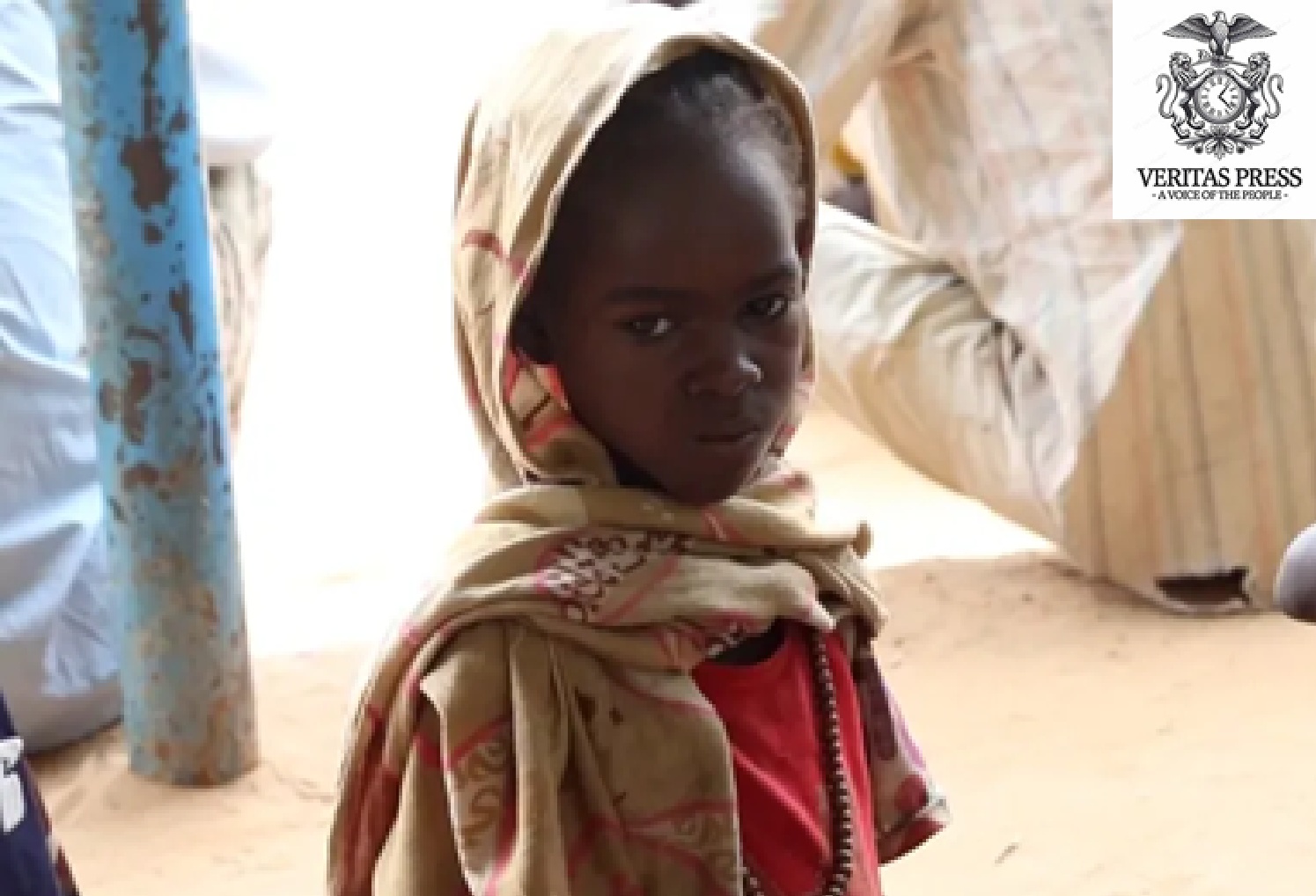
Children are bearing the brunt of this crisis. In Um Baru, more than half of all children under five are acutely malnourished, a statistic that translates to a generation at risk of irreversible physical and cognitive harm. Local reports indicate that families are selling whatever assets they have to secure food, while others are forced to rely on wild roots and leaves. Malnutrition is now killing children faster than bullets.
This is not simply a consequence of war; it is a failure of protection and governance, and a stark example of how civilians, particularly the most vulnerable, are being deliberately deprived of sustenance as a weapon of conflict.
Investigative Analysis: Deliberate Neglect Or Systemic Failure?
The spread of famine in Sudan exposes multiple levels of culpability:
- Conflict as a Weapon: RSF and SAF tactics, sieges, targeting hospitals, controlling food distribution, indicate that famine is being used strategically to subdue populations.
- Governmental Neglect: Both the Sudanese government and RSF-aligned administrations have failed to maintain basic food security or protect civilians.
- Global Inaction: International actors, despite billions pledged in humanitarian aid, have failed to enforce access, impose accountability, or prioritise civilian protection over political negotiations.
- Structural Vulnerabilities: Decades of underinvestment in infrastructure, health, and agriculture in Darfur have made the region extraordinarily vulnerable to famine once conflict erupted.
The result is a man-made humanitarian catastrophe: millions of people, particularly children, are facing death from hunger in a crisis that could have been mitigated with decisive action and international pressure.
Call to Action:
Humanitarian experts, including the IPC, the UN, and NGOs like Oxfam, insist that an immediate, sustained ceasefire is critical to prevent further starvation. They warn that famine is spreading, not inevitable but preventable, if the international community acts decisively to protect civilians, secure aid corridors, and hold perpetrators accountable.
Without this, Sudan risks a wider, deeper famine that will claim lives on a scale unseen in decades, cementing the conflict’s status as a deliberate, politically engineered humanitarian disaster.

When Lieutenant Colonel Ebrahim Zolfaqari, spokesman for Iran’s Khatam al-Anbiya Central Headquarters, issued a warning

The historic Christian presence in Palestine, dating back to the earliest centuries of Christianity, is

JERUSALEM – For the first time since the aftermath of the Six-Day War, the courtyards

TEHRAN – As the sun rose on Eid al-Fitr, a day meant for celebration and

HUNGARY – As Benjamin Netanyahu prepares to travel to Hungary this weekend, a mounting legal

LONDON — In the polished corridors of 10 Downing Street, the language remains meticulously calibrated:

On March 20, 2026, the Pentagon quietly announced what amounts to a fundamental restructuring of

WASHINGTON / ISLAMABAD — A fresh warning by US Director of National Intelligence Tulsi Gabbard

For the first time since the US-Israeli campaign against Iran began on February 28, the

Tensions across the Gulf have escalated to levels not seen in decades, as Saudi Arabia