

Title: Escalating Settler Violence And Military Raids In The West Bank: Systematic Displacement And Humanitarian Crisis
Press Release: Veritas Press C.I.C.
Author: Kamran Faqir
Article Date Published: 23 Jan 2026 at 13:02 GMT
Category: Middle East | Palestine-Gaza-West Bank-OPT | Escalating Settler Violence And Military Raids In The West Bank: Systematic Displacement And Humanitarian Crisis
Source(s): Veritas Press C.I.C. | Multi News Agencies
Website: www.veritaspress.co.uk

Business Ads


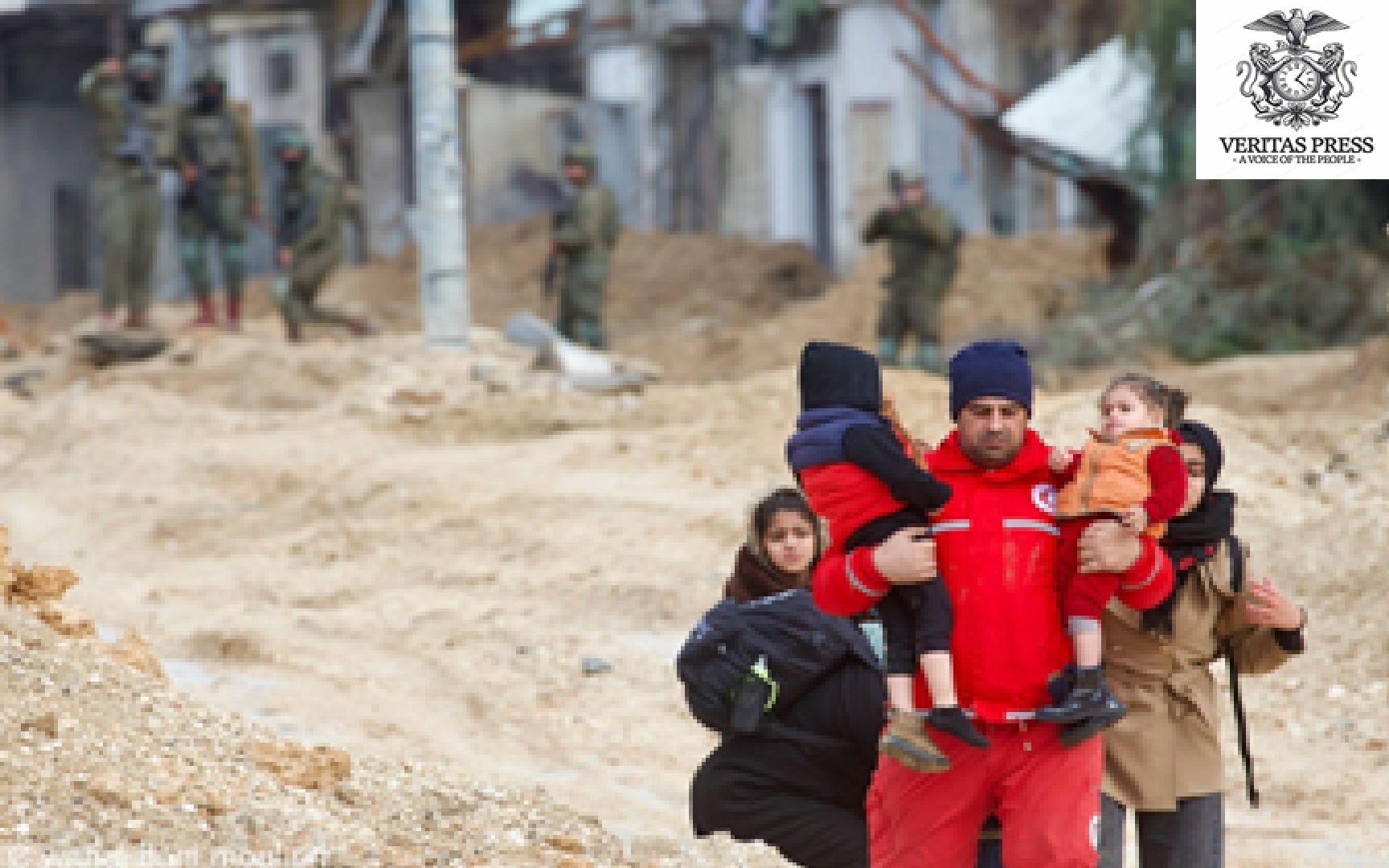
OCCUPIED WEST BANK & EAST JERUSALEM — As Israeli settler violence intensifies around Jerusalem and across the West Bank, Palestinian communities are facing an unprecedented humanitarian crisis. UNRWA reports that over 33,000 Palestinians remain forcibly displaced in the northern West Bank, many from Jenin, Tulkarm, and surrounding areas devastated by military operations and settler raids. Humanitarian agencies warn that the displacement is systematic and linked to broader policies of coercion, property destruction, and shrinking civic space.
Settler Attacks And Military Complicity:
In al-Muntar, southeast of occupied Jerusalem, settlers vandalised homes, destroyed farming equipment, looted property, and attacked livestock enclosures. Reports indicate Israeli forces accompanied the settlers in several locations, including al-Khalayel in al-Mughayyir village, northeast of Ramallah.
A local resident told Amnesty International:
“This isn’t spontaneous vandalism. It’s organised. They come with weapons, with intent, burning our homes, cutting down our olive trees, stealing our livestock. Our children sleep in fear.” (Amnesty International field report, late 2025)
Footage from Khirbet al-Sidra shows settlers setting homes and vehicles on fire, yet no arrests were made, highlighting the perception of impunity.
Human Rights Watch and B’Tselem note that such attacks are increasingly systematic, state-enabled, and intended to displace Palestinians, particularly in rural and strategic areas.
Human Stories: Direct Accounts From Displaced Families.
The human cost behind the statistics is stark. Interviews with displaced residents reveal trauma, loss, and ongoing fear:
Jenin refugee camp, January 2025
“You don’t have a house here anymore. You need to leave.” — Leila E., 54, describing Israeli forces ordering her to evacuate, contributing to the mass displacement of ~32,000 camp residents.
Bedouin communities near Jericho
“The settlers are armed and attack us, and the military protects them. We can’t take it anymore, so we decided to leave.” — Mahmoud Mleihat, 50, father of seven.
Kisan village demolitions
“This house was 250 square meters — my family’s home. On May 14 it was demolished without warning. I lost all of my life’s savings in this house. Now I have nothing.” — Maher Ubayat.
Psychological impact
“It’s not the first demolition or army incursion that happened here, but this time it was the most aggressive… We couldn’t even get our possessions back. Everything is destroyed.” — Warda, resident of a displaced family.
Fear of return
“Jenin is a repeat of what happened in Gaza — they made it uninhabitable… I’m not sure my family will ever be able to go back.” — Hassan al-Katib, 85.
These testimonies reveal the psychological and material toll of systematic displacement, reinforcing evidence from UN and NGO reports that this is astructured strategy of coercion and territorial control, not isolated incidents.
Hebron And “Operation Iron Wall”:
Hebron’s H2 area, including Jabal Jawhar, has been heavily militarised. Israeli forces conducted large-scale operations involving hundreds of house raids, detentions, and the militarisation of schools. A resident told Al Jazeera:
“They came with bulldozers, with rifles. They forced our children inside, detained our sons… Then they turned schools into barracks. There is no normal life here anymore.”
(Al Jazeera field report, 2026)
The Iron Wall operation, launched in January 2025 in Jenin and Tulkarm refugee camps, left much of the population displaced. UNRWA notes these operations have emptied refugee camps, destroyed infrastructure, and blocked humanitarian services, creating a coercive environment that forces Palestinian families to flee.
UNRWA Under Threat: Education And Aid In Jeopardy.
UNRWA operates as the lifeline for displaced families, but its work is increasingly threatened:
- Kalandia Training Centre may be forcibly closed within days, depriving 350 youth of vocational training.
- Israeli authorities demolished UNRWA facilities in East Jerusalem, and plan cuts to water and electricity.
- Philippe Lazzarini, UNRWA Commissioner-General:
“These actions are part of a concerted campaign to undermine the agency’s operations and erase the Palestinian refugee identity… deepening the humanitarian crisis and radicalising a new generation.” (UNRWA press conference, Jan 2026)
Legal And Human Rights Context:
Human rights organisations classify the cumulative effect of displacement, settler violence, and demolitions as systematic coercion.
- HRW: Patterns of forced evictions and property destruction meet criteria for “crimes against humanity” when viewed cumulatively.
- B’Tselem: Settler attacks are part of a strategy to expand control and limit Palestinian presence.
UN officials warn that such acts violate international humanitarian law and constitute collective punishment in breach of the Fourth Geneva Convention.
Timeline Of Key Displacement Events (2025–2026):
| Date | Event | Impact |
| Jan 21, 2025 | Jenin refugee camp raid (“Iron Wall”) | ~20,000 displaced; infrastructure destroyed |
| Jan 27, 2025 | Tulkarm refugee camp raid | Additional thousands displaced; UNRWA schools closed |
| May 14, 2025 | Kisan village demolition | Entire family displaced; loss of property |
| Oct 2025 | Bedouin communities in the Jordan Valley face settler attacks | Multiple families flee; livestock seized |
| Jan 2026 | Al-Muntar, al-Khalayel attacks | Property destroyed; fear of further displacement |
| Jan 2026 | UNRWA Kalandia Centre threatened | Education of 350 youth at risk; vocational training halted |
Conclusion: A Deliberate Pattern Of Displacement And Coercion.
The evidence from field interviews, UN and NGO reports, and local observations indicates a clear, systematic pattern: militarisation of civilian areas, state-enabled settler violence, and forced displacement are reshaping the West Bank’s demographic and humanitarian landscape. Families are losing homes, livelihoods, and the ability to plan for the future, while the international community watches largely without meaningful intervention.
“We are being erased from our land, slowly and systematically. This is not chaos, it is a plan.” — Mahmoud Mleihat, displaced Bedouin father, reflecting a sentiment echoed across the West Bank.
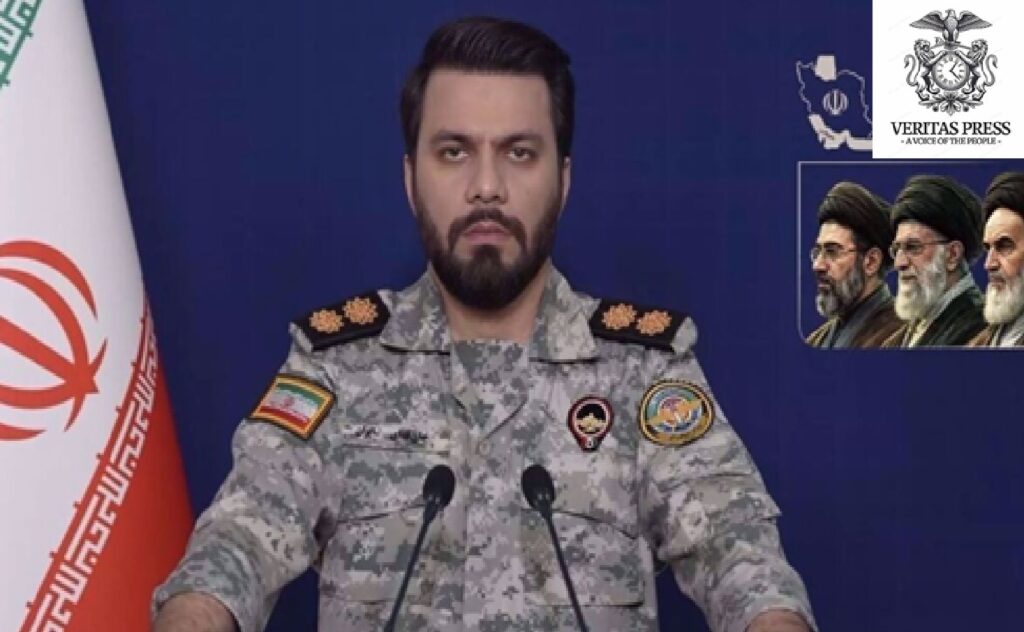
When Lieutenant Colonel Ebrahim Zolfaqari, spokesman for Iran’s Khatam al-Anbiya Central Headquarters, issued a warning on Sunday that any attack on Iranian energy infrastructure would trigger retaliation against “all energy
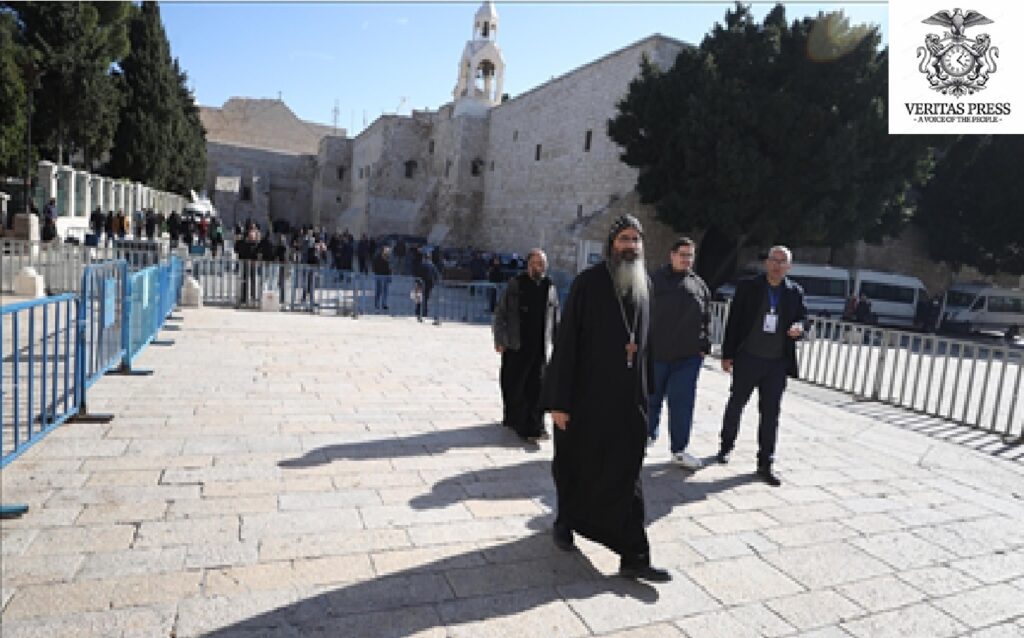
The historic Christian presence in Palestine, dating back to the earliest centuries of Christianity, is facing what church leaders, human rights advocates, and local clergy increasingly describe as an existential
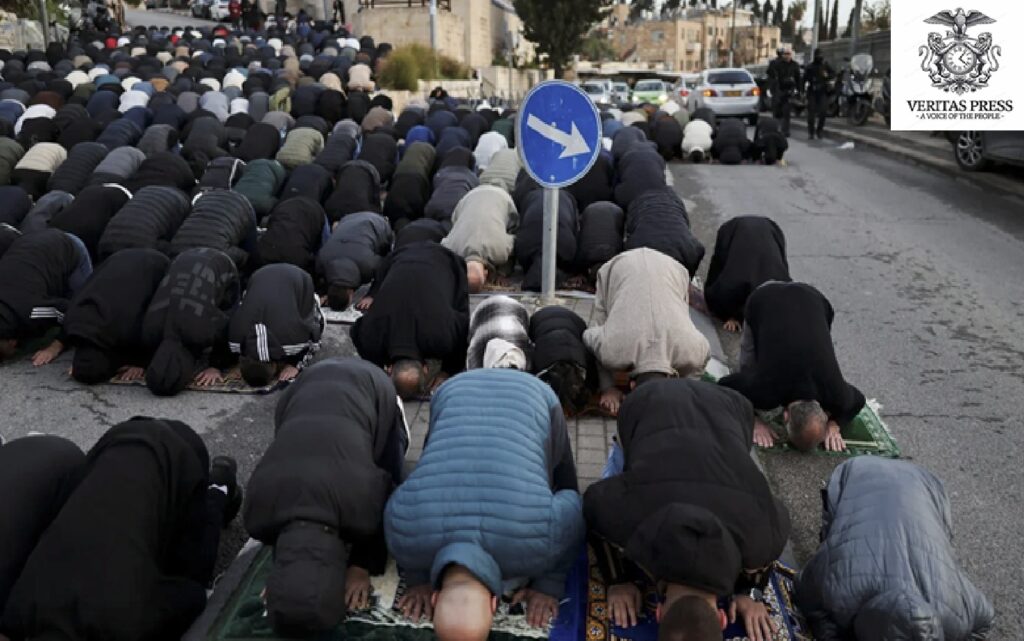
JERUSALEM – For the first time since the aftermath of the Six-Day War, the courtyards of Al-Aqsa Mosque fell silent on Eid al-Fitr. No mass prayers. No echoing takbirs. No tens
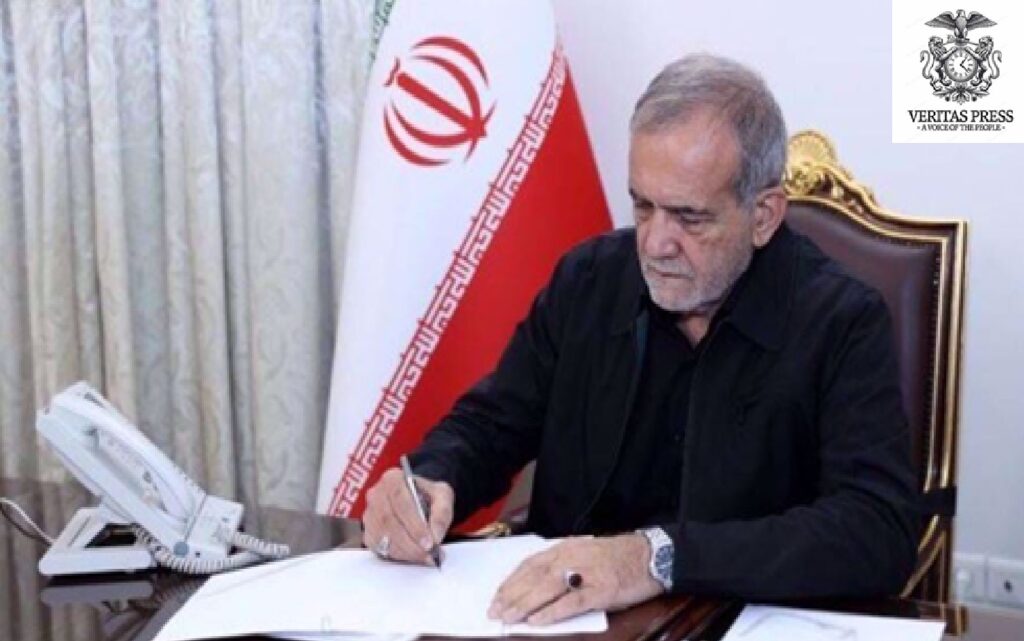
TEHRAN – As the sun rose on Eid al-Fitr, a day meant for celebration and community, the Middle East found itself trapped in a grim paradox. Iranian President Masoud Pezeshkian
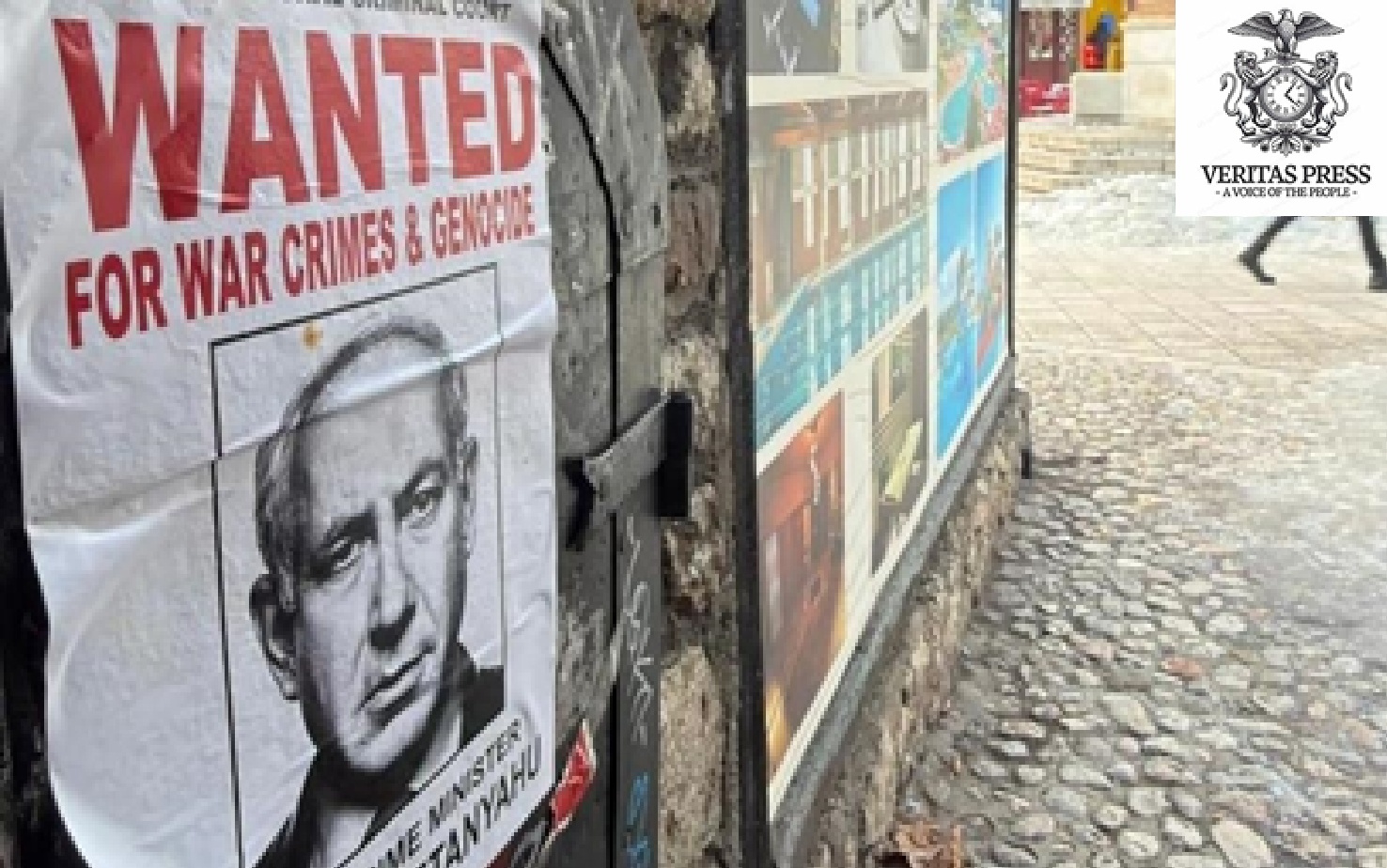
HUNGARY – As Benjamin Netanyahu prepares to travel to Hungary this weekend, a mounting legal and political confrontation is unfolding, one that cuts to the heart of international justice, European
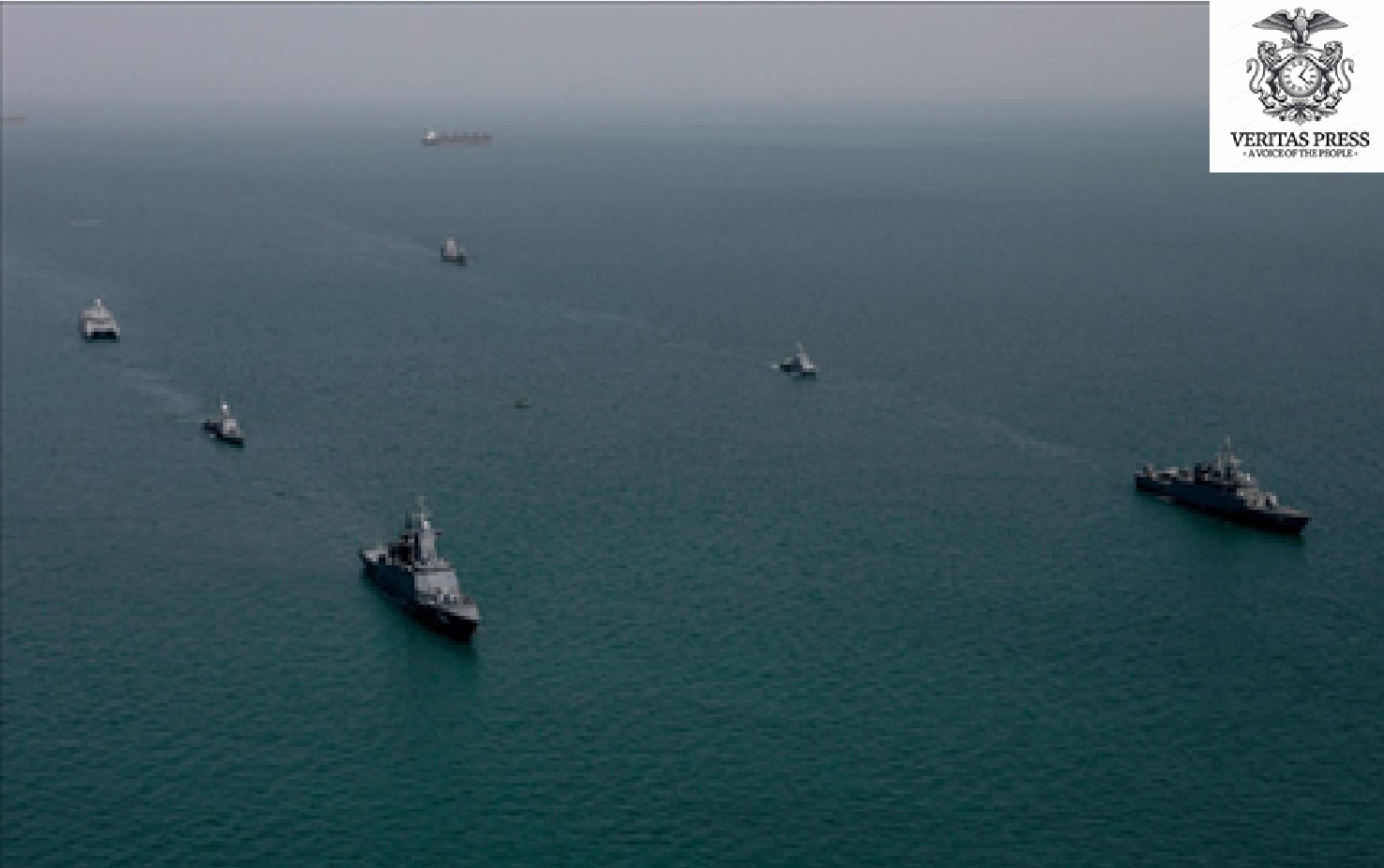
LONDON — In the polished corridors of 10 Downing Street, the language remains meticulously calibrated: “collective self-defence,” “defensive operations,” “not getting drawn into the wider conflict.” But on the ground,
On March 20, 2026, the Pentagon quietly announced what amounts to a fundamental restructuring of how the United States and its allies will arm themselves in the Indo-Pacific. The Partnership
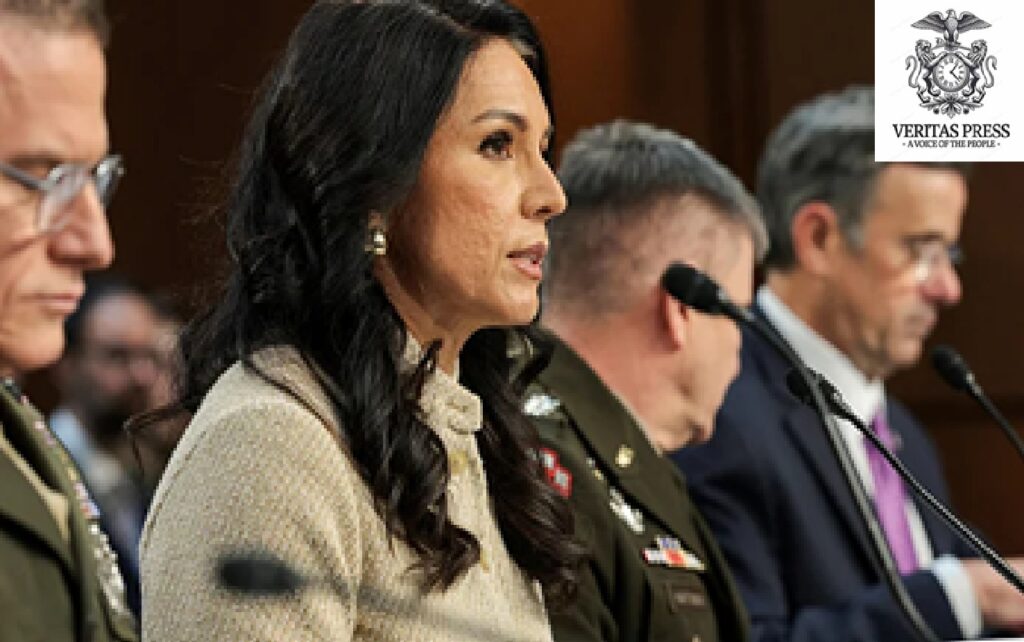
WASHINGTON / ISLAMABAD — A fresh warning by US Director of National Intelligence Tulsi Gabbard has placed Pakistan among a small group of states allegedly developing missile capabilities that could