

Date Published:
Date Modified:
Cuba is gasping for fuel. Blackouts stretch across the island for twenty hours at a time, public transport grinds to a halt, and food distribution falters. Yet the danger is not merely domestic. Washington’s renewed campaign of economic coercion, tariffs on countries supplying oil to Havana, legal claims against nationalised assets, and pressure on regional partners, is part of a far larger strategy: reshape governments, control resources, and restructure global power hierarchies without firing a shot.
Deputy Foreign Minister Carlos Fernández de Cossío made Havana’s position unmistakable: “We’re not ready to discuss our constitutional system. The United States is the exception today.” In other words, sovereignty itself is non-negotiable, even as the U.S. tests the limits of structural pressure to enforce political compliance.
Economic Coercion As A Tool Of Political Engineering:
Trump’s tariffs on nations selling oil to Cuba are not a narrow pressure tactic. They are an experiment in economic warfare, forcing third countries into impossible choices: maintain commercial ties with Havana and risk U.S. sanctions, or comply with Washington and watch a smaller neighbour collapse. Mexico, as one of Cuba’s primary oil suppliers, is already caught in the squeeze. President Claudia Sheinbaum warns that cutting oil to Cuba could trigger a humanitarian crisis, yet she also acknowledges that defying U.S. demands carries economic peril.
Economically, this is classical dependency in action. Smaller economies reliant on imported resources and dollar-based finance are forced into structural submission. Energy is leverage; markets are instruments of discipline; sovereign choices are funnelled through coercive enclosures. Legal mechanisms reinforce this pressure: U.S. Supreme Court cases involving corporate claims against Cuban state property, from ExxonMobil to cruise lines, entwine corporate profit with strategic imperatives, creating pathways for regime destabilization. Property, law, and energy converge as instruments of leverage, signalling to governments worldwide that political autonomy comes at a steep price.
Eastern Mediterranean: Energy, Military Power, And Political Domination:
Half a world away, the Eastern Mediterranean mirrors the same logic. Israel, controlling natural gas fields off Gaza, Lebanon, and Cyprus, and shaping regional energy corridors, wields influence over neighbouring states. Multinational energy firms operate under frameworks Washington favours, while smaller states are increasingly marginalised, squeezed between infrastructure they cannot access and markets they cannot control. Energy access becomes political power. Control the pipelines, control the markets, control the state.
Here, as in Cuba, coercion is structural. Governments that resist strategic priorities risk isolation and economic destabilisation. Israel’s energy dominance, backed by U.S. geopolitical power, demonstrates how resources can be weaponised to produce desired political outcomes. Control the flow of energy, and you control who survives politically, a subtle but potent form of regime shaping.
Neo-Imperial Architecture: From Tariffs To Tanks Without Firing A Shot.
Cuba and the Eastern Mediterranean reveal a twenty-first-century model of empire. It does not announce itself with banners or soldiers. It operates quietly, through pipelines, tariffs, corporate litigation, and financial leverage. Dependency theorists long warned that smaller states are disciplined by structural economic exposure; today, this is enforced globally. Energy becomes the lever, law the hammer, and corporate interests the silent partner in political engineering.
The pattern is clear: external shocks, blackouts, fuel scarcity, or legal claims are designed to provoke internal crises, test nationalist resilience, and open opportunities for leadership change. In Cuba, this takes the form of pressure aimed at undermining a socialist government. In the Eastern Mediterranean, it consolidates regional hierarchies in favour of Israel and its partners, marginalising states that resist. Across both theatres, structural power replaces bullets with dollars, tanks with tariffs, and invasions with corporate entanglements.
Legal, Corporate, And Financial Instruments As Political Weapons:
The Supreme Court cases against Cuba exemplify the intersection of law and strategy. By enabling corporations to pursue compensation for expropriated assets, U.S. policy fuses economic pressure with legal enforcement. If the Cuban government falters under the strain of tariffs and energy shortages, these cases create avenues for foreign economic penetration tied directly to regime change objectives.
Meanwhile, multinational energy projects in the Eastern Mediterranean reward compliant states and marginalise dissenters. Legal frameworks, corporate control, and energy infrastructure merge to produce a global lattice of influence, structural coercion calibrated to reshape governments.
The Convergence Of Energy, Law, And Empire:
From Havana to Haifa, from Caracas to Cairo, the mechanisms are the same. Control circulation, control access, and leverage dependency to produce political outcomes. Cuba’s sovereignty is challenged through tariffs, energy chokepoints, and corporate litigation. Israel consolidates regional power through energy corridors and legal-economic alliances. Smaller states are disciplined, threatened, and nudged toward compliance, or risk isolation. Across these theatres, regime change is embedded in the architecture of structural influence, executed without tanks, without invasions, without overt war.
Energy is central. Cuba’s vulnerability stems from dependence on imported fuel, exacerbated by Venezuela’s collapse as a supplier. In the Eastern Mediterranean, Israel’s control of pipelines and gas fields secures both wealth and leverage over neighbours. In both cases, the logic is identical: resources dictate politics; shortages dictate strategy; control over energy translates directly into the power to reshape governments.
Havana’s Defiance And The Limits Of Coercion:
Cuba’s leaders resist. They refuse to negotiate over their constitutional system while leaving the door open for limited cooperation. Yet the external mechanisms of control are potent, capable of producing political strain severe enough to provoke leadership concessions, or to empower internal factions aligned with U.S. strategic interests. History suggests external shocks can harden nationalist resistance, but the combination of energy leverage, financial pressure, and legal entanglement represents a far more sophisticated threat than anything seen in prior decades.
A Global System Of Enclosure:
Neo-imperialism today is invisible, diffuse, and structural:
- Not land, but circulation.
- Not bullets, but tariffs and pipelines.
- Not direct occupation, but enforced political engineering.
Cuba, the Eastern Mediterranean, and their energy corridors reveal a global architecture increasingly defined by coercion as policy, energy as leverage, and structural pressure as a means of reshaping governments. Empire has evolved. It no longer marches; it flows through pipelines, markets, and courts, leaving a trail of political transformation in its wake. Those who resist are exposed to isolation, economic collapse, and the silent hand of regime change. Those who comply are rewarded with market access, political favour, and a measure of security.
The map of power is no longer drawn with borders alone. It is drawn through dependency, circulation, and control over what sustains life itself: energy, capital, and legal legitimacy. In this architecture, the world is enclosed, and governments are no longer free actors; they are nodes in a system designed to produce political compliance, structural domination, and, ultimately, regime transformation at scale.
Conclusion: Empire In The Shadows.
The crises in Cuba and the Eastern Mediterranean are not isolated incidents; they are symptoms of a global architecture of coercion designed to reshape governments, control resources, and enforce compliance without ever firing a shot. Energy pipelines, oil shipments, tariffs, corporate litigation, and legal frameworks converge into a mechanised system of political engineering, calibrated to produce regime change where strategic interests demand it.
Cuba’s socialist government resists, drawing red lines around its sovereignty. Israel consolidates regional dominance through energy corridors, dictating who can access the lifeblood of the Eastern Mediterranean. Third countries, like Mexico, Venezuela, or Lebanon, are forced into impossible choices: comply with structural coercion or risk economic collapse. In this world, dependency is weaponised, scarcity becomes leverage, and law becomes a tool of empire.
This is neo-imperial power at scale, invisible yet pervasive, silent yet violent in its effects. It is a system where governments are no longer independent actors but nodes within a global lattice designed to extract compliance and reshape political landscapes. Energy shortages become instruments of political pressure; legal claims become avenues for economic penetration; tariffs become missiles of influence.
Regime change is not a distant threat; it is embedded in the very structure of the system. External shocks, carefully engineered scarcity, and structural dependency produce political outcomes in line with strategic objectives. And yet, unlike traditional war, this system leaves few traces of violence: no tanks on the streets, no bombs in the skies, only blackouts, blockades, and the slow erosion of sovereignty.
For those watching from within, the lesson is stark: in a world governed by the fusion of trade, energy, and law, power flows invisibly, resources dictate politics, and resistance is measured not by armies but by the courage to survive amid structural siege. The stakes are nothing less than sovereignty itself, and the price of defiance is being rewritten across continents, one pipeline, one tariff, and one court ruling at a time.
Empire has evolved. It no longer occupies; it encloses. And in that enclosure, governments are no longer masters of their fate; they are subjects of a new, structural war for control, resources, and political compliance.
Across the globe, the threads connect: Cuba’s fuel shortages, Israel’s energy corridors, Trump-era tariffs, and corporate litigation are not anomalies but deliberate instruments of structural domination. War is no longer merely kinetic; it is economic, legal, and infrastructural, designed to force governments into compliance or collapse. Sovereignty is commodified, resources are weaponised, and regime change is embedded in the architecture of power itself. Every blackout, every pipeline, every court ruling is a message: defiance comes at a cost, and the new world order is enforced in dollars, barrels, and laws, long before any soldier marches. For those caught in its path, the question is no longer whether the system can be resisted, it is whether survival itself has become a form of rebellion.
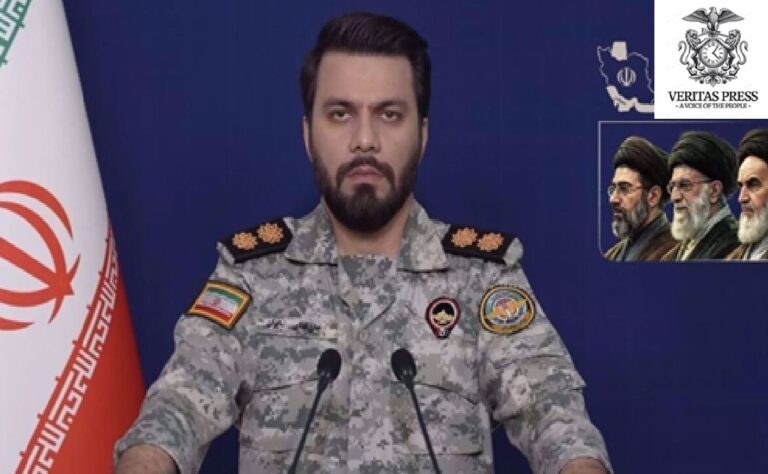
When Lieutenant Colonel Ebrahim Zolfaqari, spokesman for Iran’s Khatam al-Anbiya Central Headquarters, issued a warning
The historic Christian presence in Palestine, dating back to the earliest centuries of Christianity, is
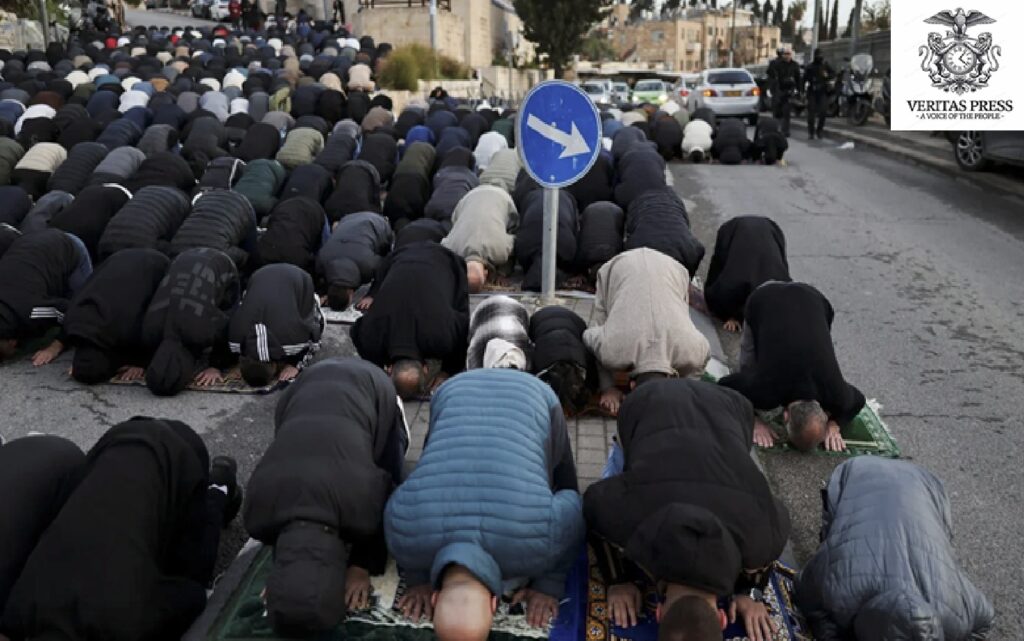
JERUSALEM – For the first time since the aftermath of the Six-Day War, the courtyards
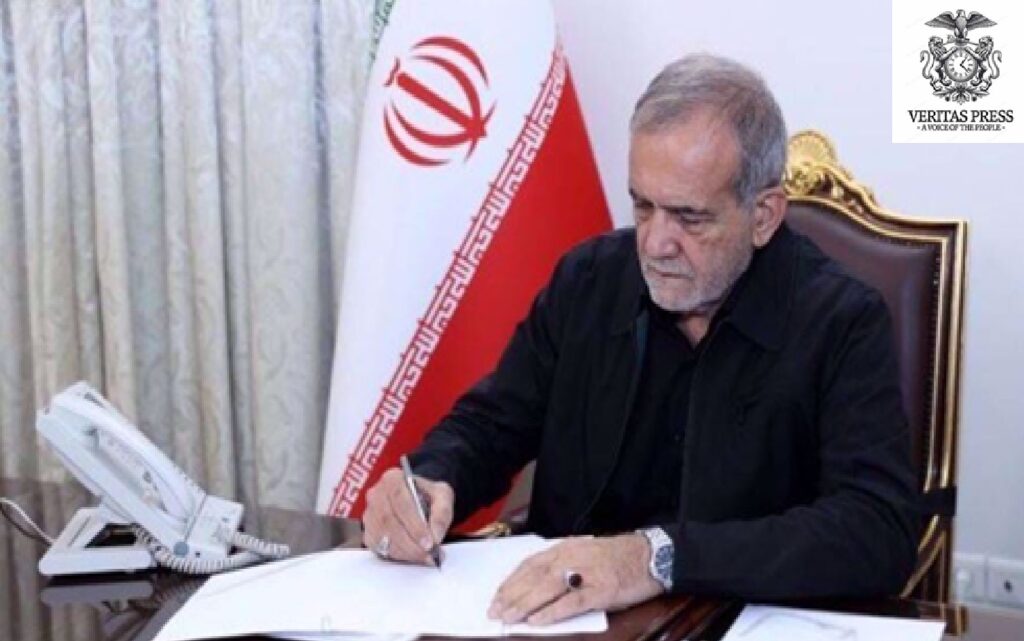
TEHRAN – As the sun rose on Eid al-Fitr, a day meant for celebration and
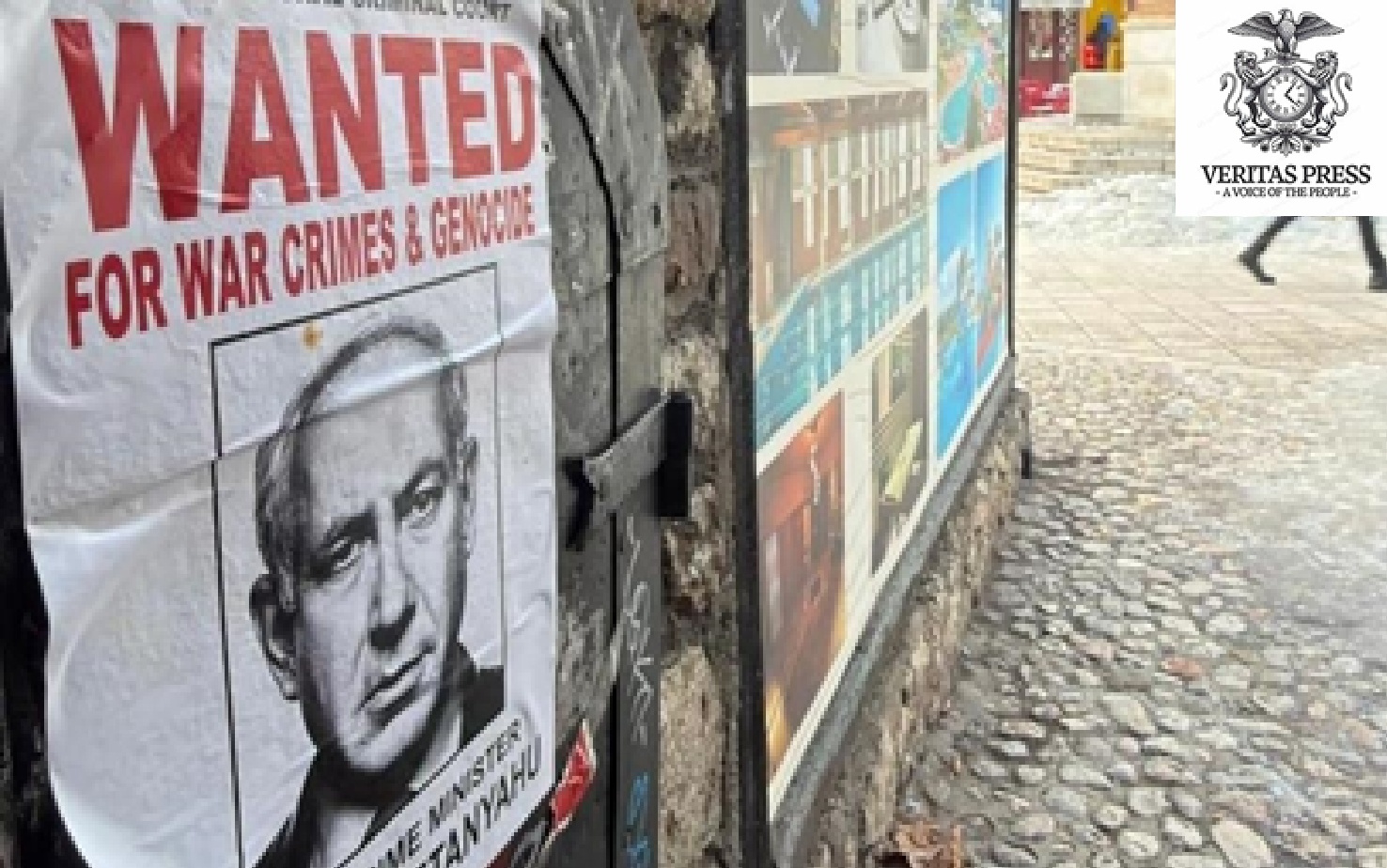
HUNGARY – As Benjamin Netanyahu prepares to travel to Hungary this weekend, a mounting legal
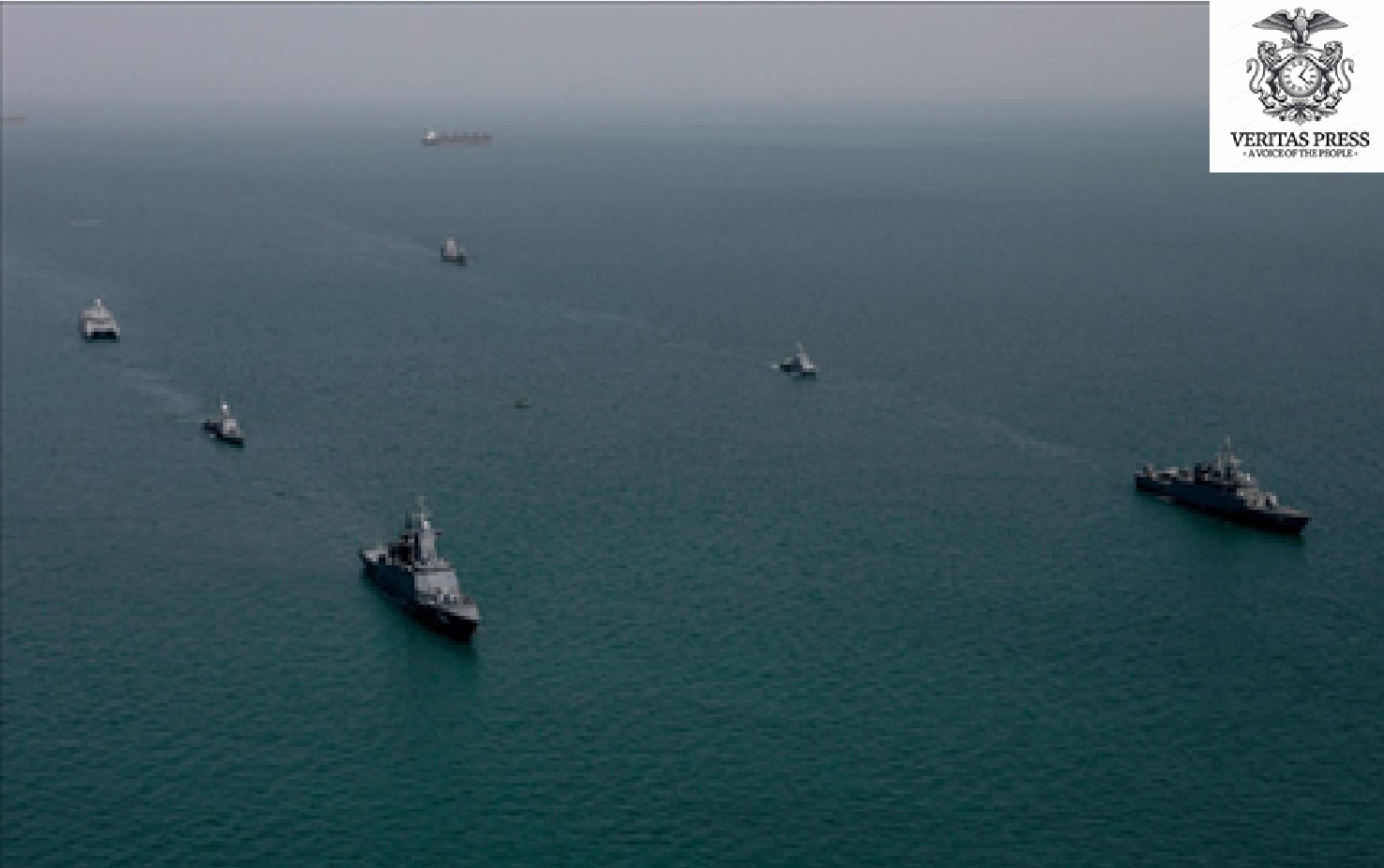
LONDON — In the polished corridors of 10 Downing Street, the language remains meticulously calibrated:
On March 20, 2026, the Pentagon quietly announced what amounts to a fundamental restructuring of
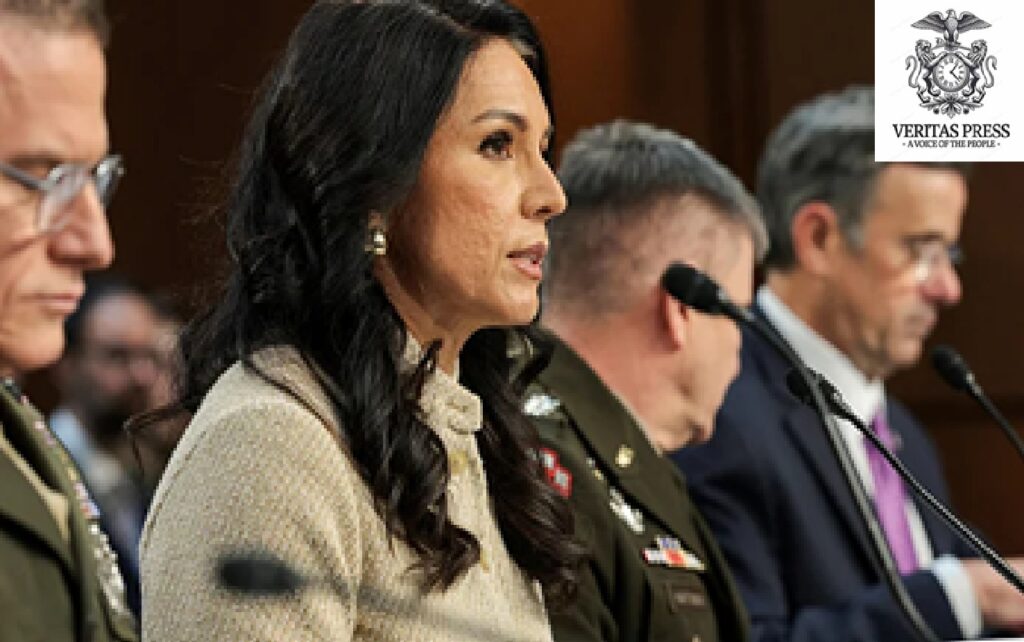
WASHINGTON / ISLAMABAD — A fresh warning by US Director of National Intelligence Tulsi Gabbard
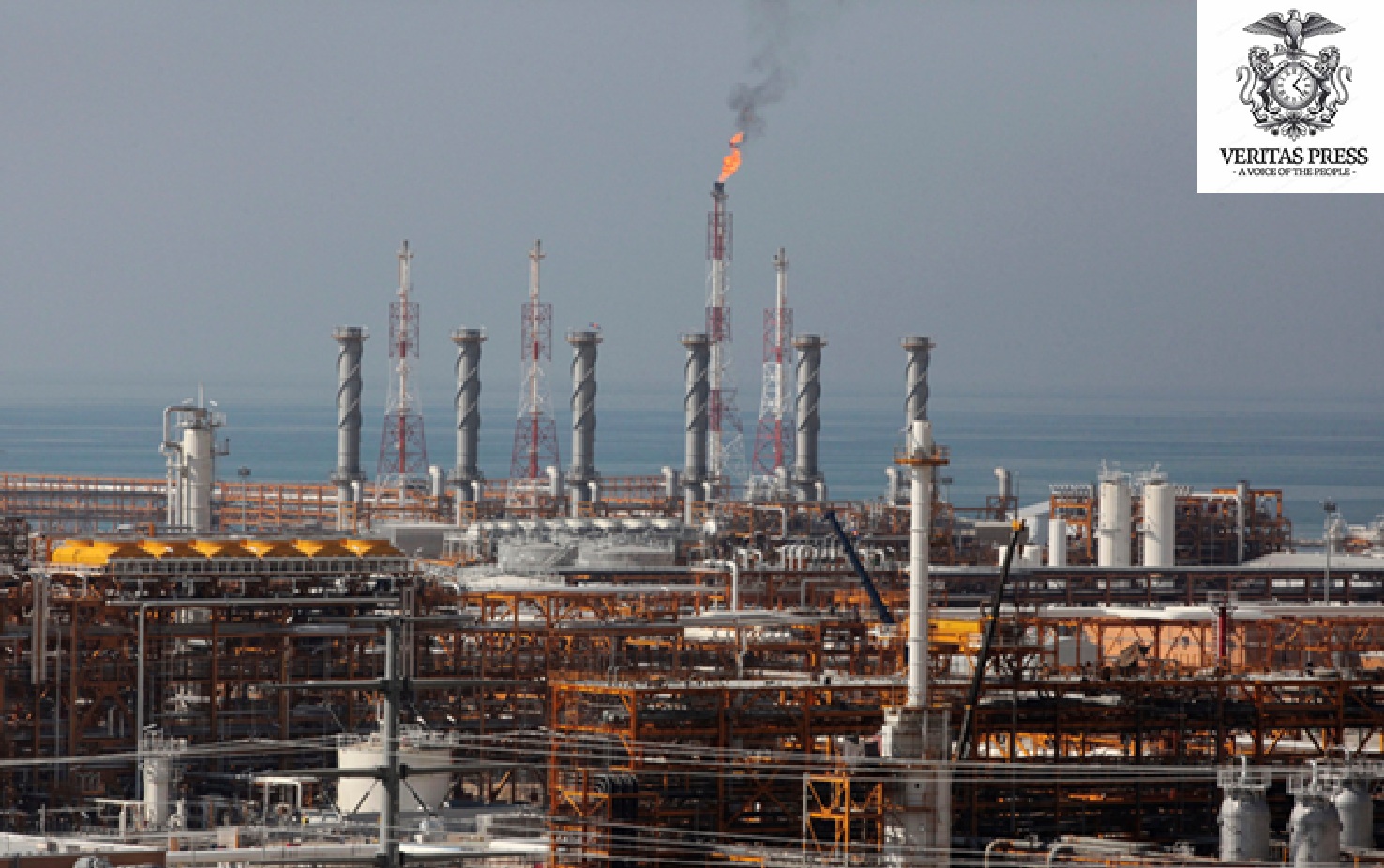
For the first time since the US-Israeli campaign against Iran began on February 28, the
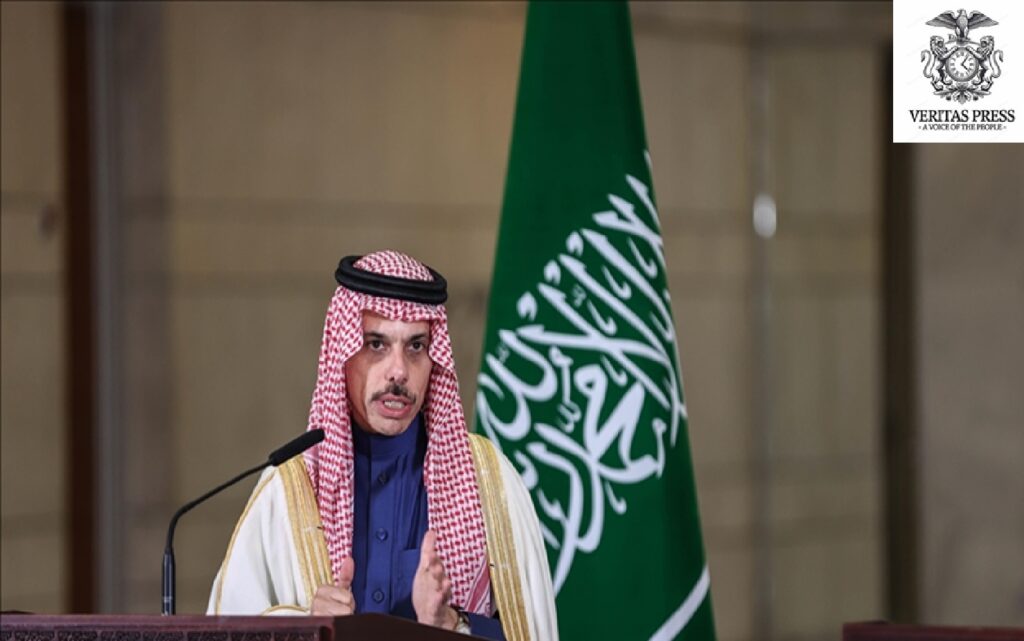
Tensions across the Gulf have escalated to levels not seen in decades, as Saudi Arabia