





Original Article Date Published:
Article Date Modified:
Help support our mission—donate today and be the change. Every contribution goes directly toward driving real impact for the cause we believe in.
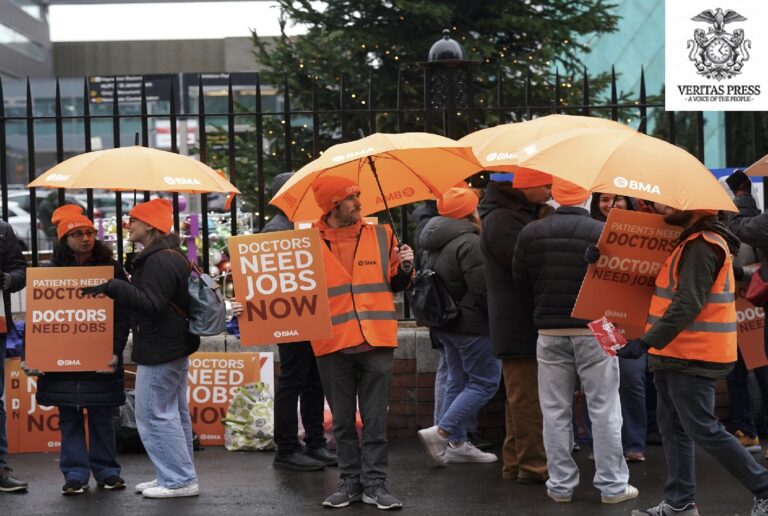
With just over a week until major changes to the UK’s border system come into force on 25 February, British dual nationals are facing anxious waits, potential separation from their families, and bills of nearly £600 as they scramble to prove their right to return home. Campaigners warn that the new rules, which form part of the rollout of the Electronic Travel Authorisation (ETA) system, are discriminatory and have been poorly communicated, leaving thousands at risk of being denied boarding to their own country.
For Jelena, a 34-year-old chartered surveyor who has lived in the UK for 16 years, a “holiday of a lifetime” around South America is looming. But upon its conclusion, she faces the prospect of being unable to return to her flat in Glasgow, her husband, and her job. “As it stands, after South America, I won’t be able to return… to the country I have lived in for nearly 16 years, studied in and paid taxes,” she told the BBC.
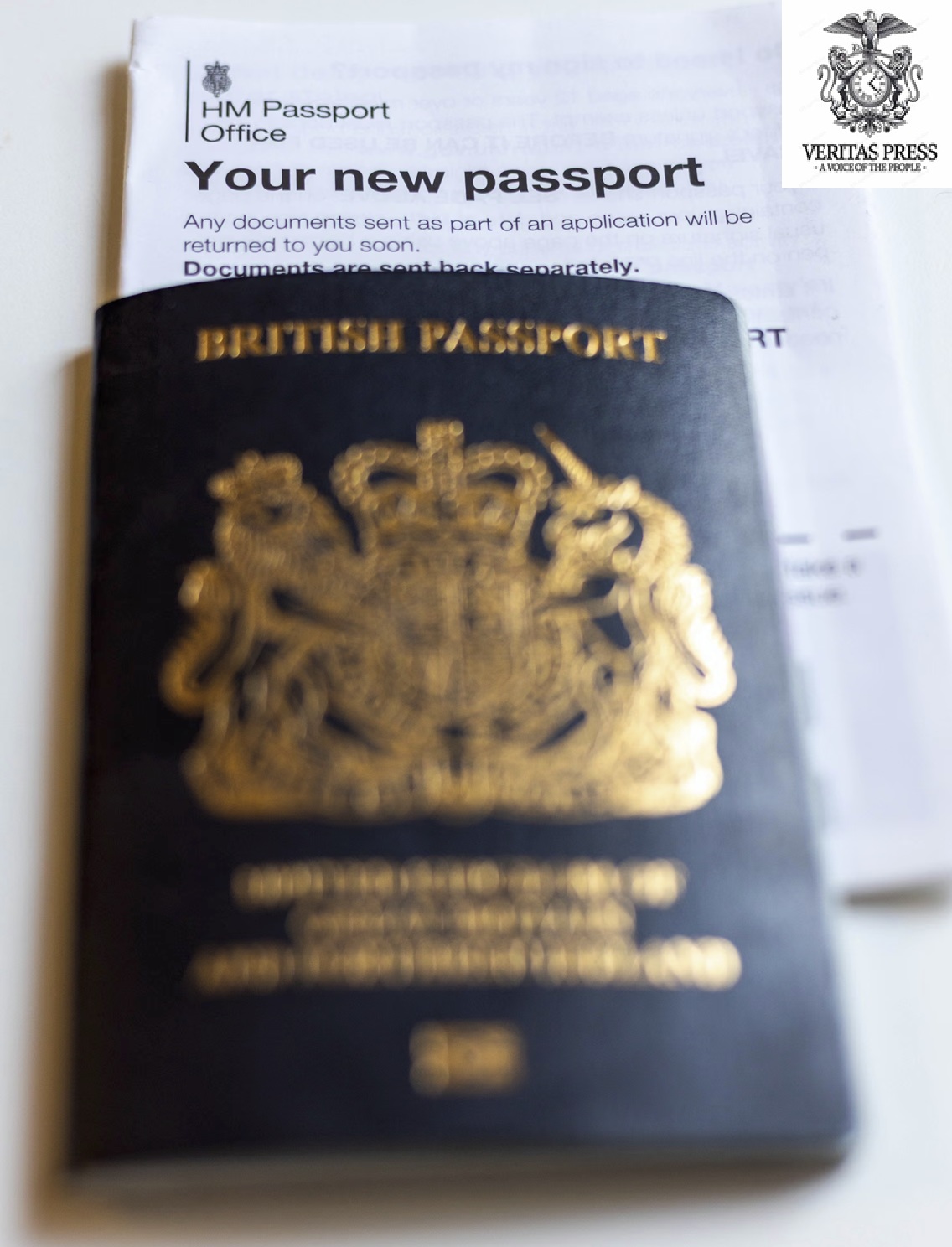
Jelena, a British-Latvian dual national who received her citizenship in November, is one of hundreds of thousands of people caught out by the overhaul of the UK’s entry requirements. From 25 February, the long-standing practice of dual nationals entering the UK using a foreign passport will end. Instead, they must present either a valid British passport or a new digital “certificate of entitlement to the right of abode,” which costs a hefty £589.
How The New Rules Work:
The changes are a knock-on effect of the UK’s new Electronic Travel Authorisation (ETA) scheme, a major immigration reform requiring visitors who do not need a visa to obtain pre-travel permission costing £16. While the ETA streamlines entry for foreign nationals, dual nationals are in a bureaucratic blind spot. Because they are British citizens, they are ineligible for an ETA, but without a British passport, their status is invisible to the new digital checks carried out by airlines.
This means that from 25 February, anyone holding British citizenship alongside another nationality must prove their right to enter the UK at the boarding gate. The only acceptable proofs are a valid British (or Irish) passport or a digital certificate of entitlement linked to their foreign passport.
The problem, as critics and affected individuals point out, is that neither document is automatically issued upon gaining citizenship, and both take weeks to obtain. A first-time adult passport costs around £100, while the certificate of entitlement, which campaigners have labelled “punitive,” costs £589 and requires a separate application.
‘I found out about it on Facebook’
The lack of clear communication has been a recurring theme in the anger directed at the Home Office. Petra Gartzen, a UK-German dual national who has made the UK her home for 40 years, told the BBC she only discovered the rule change through a Facebook post while staying in Spain for the winter.
“I found out about it from a Facebook post, and just thought, now what?” she said. She is now frantically trying to secure a passport from abroad, facing logistical hurdles like needing to travel to Madrid for appointments and struggling to provide original documents locked away in her UK home. “The UK is my home,” she added. “I’ve lived there for 40 years, I own a home, I work and pay tax. My whole life is there.”
Her story is echoed by many. The Guardian reports that a British-Italian museum registrar only recently discovered that his return flight from New York lands after the cut-off, and that the processing time for a certificate, which can take up to eight weeks, makes it impossible for him to secure one in time.
A ‘Discriminatory’ Impact On Women:
Beyond the logistical scramble, campaigners have identified a deeply concerning and discriminatory aspect of the new rules, particularly affecting women in Spain and Greece.
The issue stems from the UK’s strict requirement that names on travel documents must match exactly. In Greece, women are legally required to retain their maiden name after marriage. This means a British-Greek woman whose British passport is in her married name will find it does not match her Greek passport, causing an automatic red flag at boarding.
Similarly, Spanish naming conventions require two surnames, the father’s first surname and the mother’s maiden name, while UK passports typically list only one. The mismatch creates an insurmountable hurdle.
“It is causing huge problems,” Julia Cross of the grassroots organisation British in Greece told The Guardian. “Many didn’t know they had to get a second passport, but the requirement for name alignment on the two passports is discriminatory and only impacts women”.
The Home Office has stated it will “exceptionally consider” allowing mismatched names in cases where individuals can prove they cannot change their name in their foreign-issued documents. However, campaigners say this guidance is vague and adds another layer of stress and uncertainty for women who now fear they will be barred from entering the UK.
The ‘Secret’ British Passport Holders Of Spain:
Further complexities have emerged in Spain, where the naturalisation process requires candidates to renounce their previous nationality. While the UK recognises dual nationality, many Britons who became Spanish citizens after Brexit technically renounced their British citizenship on paper but, as one woman told The Guardian, “secretly still hold British passports”.
Presenting a British passport at the airport to satisfy the new UK rules could expose their dual nationality to Spanish authorities, potentially jeopardising their Spanish citizenship. This legal catch-22 leaves them in a precarious position. “Even if I could fly out on the Spanish and show the airline I possess a British passport,” said Stefanie, a British-Spanish woman, “I was told if the names don’t align, the airline may refuse boarding”.
Practical Advice And Employer Responsibilities:
For those navigating this last-minute chaos, specialised advice is crucial. For travellers uncertain about their eligibility or the application process for the £589 certificate of entitlement, services like VisaHQ offer a one-stop advisory platform. Their UK portal helps travellers check requirements, secure electronic permissions, and facilitate right-of-abode applications, potentially saving dual nationals from last-minute surprises at the airport.
The implications extend beyond individual travellers to businesses. Global mobility managers are being urged to audit employees who are dual nationals to ensure they have valid British passports for business trips after the deadline, or to budget for the costly certificate of entitlement, which must be renewed with every new foreign passport.
Official Response And Calls For A Pause:
The Home Office defends the changes as part of a move towards a “seamless digital border,” aligning the UK with countries like the US and Australia. A spokesperson stated that “public information advising dual nationals to carry the correct documentation has been available since October 2024” and that an ETA communications campaign has been running since 2023.
However, campaign group the3million, which represents EU citizens in the UK, argues this has not been enough. “The Home Office has not done enough to warn dual nationals of the serious impact this will have on them,” said Monique Hawkins, the group’s head of policy and advocacy. She has called on the government to “urgently hit the pause button” and introduce a low-cost, one-off travel authorisation for those affected.
With the 25 February deadline fast approaching and processing times for documents stretching into weeks, thousands of British citizens abroad are left with a nervous wait. For Jelena and hundreds like her, the irony is bitter. “If I hadn’t applied for citizenship and just had an EU passport, I would be in a better situation than I am now,” she said. “The irony is that I’ve chosen to be part of this country, but it feels like I’m being deported. It feels like a betrayal”

The raw numbers tell a story of profound inequality. On 1 April 2026, more than
What began on February 28, 2026, as a coordinated US-Israeli campaign to decapitate Iran’s military

The idea of a “freedom flotilla” carries a ghost in its hold: the 2010 Mavi

Original Article Date Published: Article Date Modified: Help support our mission, donate today and be

Original Article Date Published: Article Date Modified: Help support our mission, donate today and be

A United States fighter jet has been shot down over Iran, marking a dangerous and
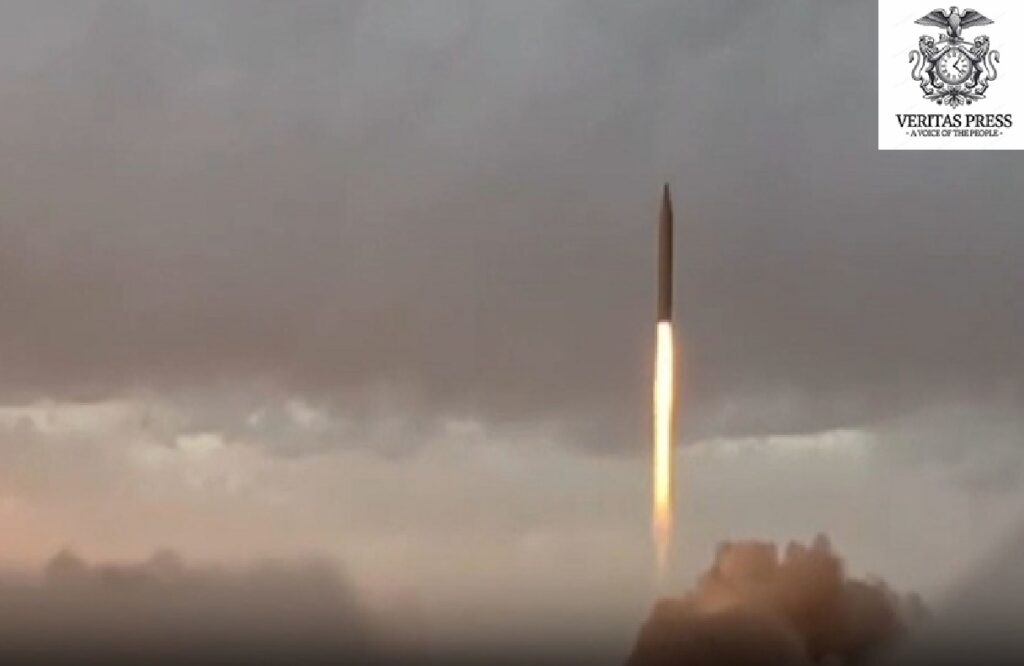
On February 28, the United States and Israel launched coordinated strikes on Iran, reported by

LONDON, UK – Just weeks after being appointed as the government’s “Cost of Living Champion”,

On February 28, 2026, the first wave of U.S.-Israeli pre-emptive strikes hit Iranian military and

USA, NASA – Spurred by American ingenuity, astronauts on NASA’s Artemis II mission are in