



Original Article Date Published:
Article Date Modified:
Help Support our mission—donate today and be the change. Every contribution goes directly toward driving real impact for the cause we believe in.
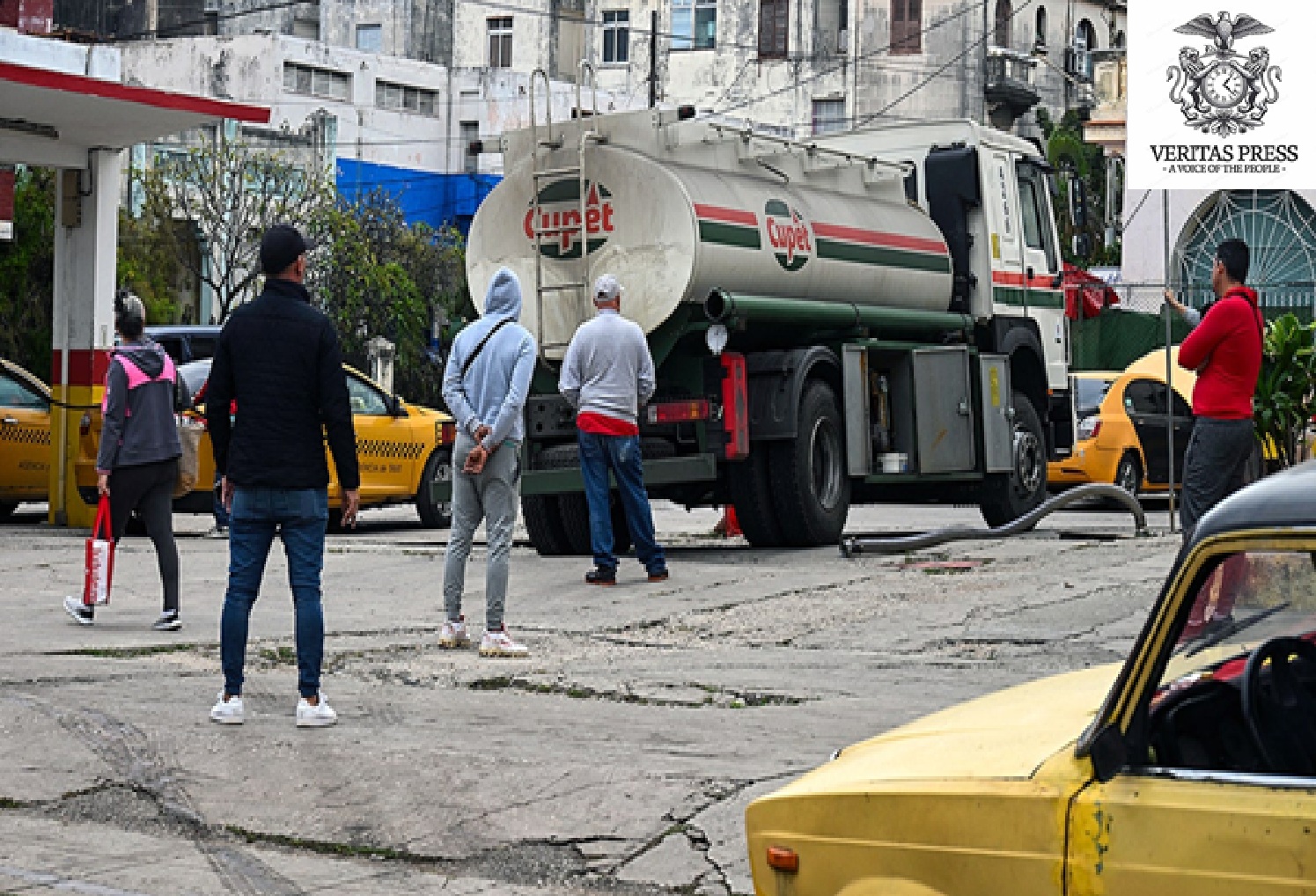
A tightening U.S. oil squeeze on Cuba is rapidly evolving into one of the most consequential economic confrontations in the Western Hemisphere, a campaign critics say blends sanctions, tariff threats, and geopolitical muscle to economically suffocate the island while advancing Washington’s regional dominance.
What began as a strategy of political pressure is now being described by diplomats, economists, and humanitarian observers as a systemic assault on the foundations of Cuban society.
At stake is not simply fuel.
It is electricity, food production, hospital capacity, transportation networks, and ultimately, the survival of an already fragile economy.
A Policy Of Maximum Pressure:
Deputy Foreign Minister Carlos Fernández de Cossío did not mince words when describing the U.S. campaign.
“Lack of fuel harms transportation, medical services, schooling, energy, production of food, the standard of living… Massive punishment is a crime.”
His accusation points toward a deeper legal and moral debate: whether cutting off a nation’s energy lifeline amounts to collective punishment under the Fourth Geneva Convention.
Washington rejects that characterisation, framing sanctions as legitimate tools to force democratic reforms.
But targeting oil, the operational core of modern economies, has consequences that extend far beyond political elites.
Energy analysts describe fuel sanctions as a “whole-of-system weapon.”
When oil disappears, everything else begins to fail.
The Oil Shock That Changed Everything:
For years, Cuba depended heavily on subsidised crude from Venezuela under leader Nicolás Maduro.
That supply collapsed following Maduro’s reported removal by U.S. forces, a geopolitical earthquake that redrew the Caribbean energy map overnight.
Havana scrambled for alternatives.
Mexico stepped forward through the state firm Petróleos Mexicanos.
Then came Washington’s warning: any country supplying oil to Cuba could face punitive tariffs.
Shipments stopped.
The signal to global markets was unmistakable: trading energy with Cuba could trigger economic retaliation from the world’s largest economy.
Geopolitical scholars call this secondary coercion: isolating a state not only directly, but by intimidating its partners.
Corporate Power And Energy Control:
Behind the sanctions debate lies a rarely examined dimension, the historical intersection of U.S. foreign policy and energy interests.
Control of Caribbean supply routes has long been viewed as strategically vital to American economic security. Analysts note that modern sanctions frequently align with broader efforts to shape regional energy flows and limit rival influence.
Critics argue the policy effectively weaponises global oil markets.
Supporters counter that denying revenue and resources is essential to weakening authoritarian governments.
The reality is more uncomfortable:
When energy becomes leverage, civilian infrastructure becomes collateral.
The Economic Chain Reaction:
The mechanics of economic strangulation are neither dramatic nor immediate, but they are devastating.
Economists outline a predictable cascade:
- Fuel shortages stall factories and farms
- Transport disruptions fracture supply chains
- Scarcity drives inflation
- Currency value erodes
- Poverty deepens
Residents now report dollar-priced fuel, soaring food costs, expanding blackouts, and shrinking access to essentials.
One Havana-based communications worker captured the crisis succinctly:
“There are several culprits, but the only victim is the people of Cuba.”
Even analysts critical of Havana’s centralised economic model acknowledge that external pressure is accelerating structural weaknesses at a dangerous speed.
Washington’s Hardliners See Opportunity:
Three Cuban-American lawmakers, Carlos A. Giménez, Mario Díaz-Balart, and María Elvira Salazar, are pressing for the closure of remaining commercial “valves,” including export licenses worth over $100 million.
Their legal foundation rests on the Helms–Burton Act, designed to deny economic support until Cuba transitions toward democratic governance.
To supporters, the tightening noose represents overdue accountability.
To critics, it risks broad economic denial that historically harms ordinary citizens more than ruling structures.
“Comprehensive sanctions almost always hit the lowest-income populations first,” regional development specialists warn.
Political leadership adapts.
Households cannot.
Starvation By Economics?
Humanitarian observers increasingly speak of “slow-onset economic starvation.”
Without fuel:
- Agricultural equipment sits idle
- Fertiliser distribution falters
- Refrigeration fails
- Food transport collapses
The outcome is rarely immediate famine, but a grinding deterioration in nutritional security.
President Miguel Díaz-Canel has called the blockade “genocidal,” a charge Washington rejects but one that underscores the existential framing adopted by Cuban leadership.
A Strategy Rooted In Cold War Memory:
The confrontation cannot be understood without history.
Hostility between the United States and Cuba dates back to the revolution led by Fidel Castro, which toppled U.S.-backed ruler Fulgencio Batista.
For decades, the embargo policy has pursued the same underlying objective: economic isolation as a catalyst for political transformation.
Yet research on sanctions reveals a persistent paradox, they often entrench governments by allowing leaders to attribute domestic hardship to foreign aggression.
Regional Fault Lines Reopen:
The oil confrontation is already reshaping hemispheric alignments.
Ambassador Viktor Koronelli signalled that Russia intends to continue supplying crude, raising the spectre of renewed great-power competition in America’s strategic backyard.
Meanwhile, Mexican President Claudia Sheinbaum faces mounting domestic pressure from solidarity movements urging resistance to U.S. demands.
What emerges is the outline of a familiar doctrine, a hemisphere contested not only by ideology, but by energy dependency.
The Endgame Problem:
Perhaps the most striking feature of the current strategy is what remains undefined:
What happens if it works?
Rapid economic collapse just 90 miles from Florida could trigger:
- Mass migration
- State instability
- Organised crime expansion
- Regional economic shock
Yet Washington has articulated no detailed contingency plan for a destabilised Cuba.
Some foreign-policy experts warn that coercion without reconstruction planning risks creating precisely the crisis it seeks to prevent.
Memory Of The “Special Period”:
Across the island, older Cubans are invoking a phrase heavy with historical dread, the Special Period.
Following the Soviet collapse, Cuba endured severe shortages, malnutrition, and daily blackouts.
- Today, many fear the country is drifting toward a second iteration.
- Still, defiance runs deep.
- Some residents insist the nation will endure external pressure.
- Others warn that the economy is nearing a breaking point.
Pressure, Or Predation?
A deeper investigative reading suggests overlapping objectives behind the oil squeeze:
- Accelerating regime change
- Reasserting U.S. hemispheric dominance
- Controlling regional energy corridors
- Deterring left-leaning governments
But the humanitarian calculus is becoming harder to ignore.
Targeting oil does not merely pressure a government.
It pressures an entire society.
The Civilians In The Crossfire:
The geopolitical struggle is state versus state.
Its consequences are measured in far more intimate terms:
- Kilowatts lost.
- Calories reduced.
- Hospital machines idled.
- Bus routes cancelled.
As one resident observed:
“There are several culprits, but the only victim is the people of Cuba.”
That stark assessment may ultimately define the unfolding oil siege: a high-stakes contest of power in which the heaviest burden is carried not by governments, but by ordinary citizens struggling to keep the lights on.
Conclusion: Engineering Collapse, Or Forcing Change?
Strip away the diplomatic language, and a harder question emerges from the tightening oil siege on Cuba: When does economic pressure cross the threshold into deliberate societal destabilisation?
The strategy advanced by the administration of Donald Trump is not a conventional sanctions regime aimed at discrete political actors. By targeting fuel, the metabolic energy of a modern state, Washington is exerting pressure on the circulatory system of the entire Cuban economy. Electricity grids, hospital generators, irrigation pumps, food transport, and public transit all run on the same lifeline now being constricted.
This is not incidental leverage. It is structural.
Historically, sanctions have been defended as a non-military alternative to war. Yet economists increasingly warn that comprehensive economic denial can function as a form of siege warfare, slower, quieter, but capable of producing comparable humanitarian consequences. When fuel disappears, scarcity compounds into inflation; inflation mutates into poverty; poverty erodes public health and social stability.
Deputy Foreign Minister Carlos Fernández de Cossío called the measures “massive punishment,” invoking the prohibition on collective penalties under the Fourth Geneva Convention. Washington rejects that framing, insisting the objective is a democratic transition rather than civilian suffering.
But intent and outcome are rarely identical in economic warfare.
Even analysts critical of President Miguel Díaz-Canel acknowledge that broad energy restrictions tend to compress entire societies long before they fracture ruling elites. Political leadership often adapts, through rationing, securitisation, and tighter internal control, while ordinary citizens absorb the shock.
The deeper investigative concern is not merely humanitarian. It is strategic.
What, precisely, is the endgame?
If the Cuban state weakens abruptly, the fallout would not stop at its shores. Migration surges toward the United States could accelerate. Regional economies could feel aftershocks. Rival powers may step into the vacuum, transforming the Caribbean into a renewed theatre of geopolitical competition.
Coercion without a reconstruction blueprint has historically produced fragile states rather than stable democracies.
Meanwhile, proponents of maximum pressure argue that decades of isolation have failed precisely because they were inconsistently applied. From this perspective, tightening the economic vice is not cruelty but unfinished policy, the final escalation required to force political opening.
Yet history offers an uncomfortable counterpoint: populations under external pressure often rally defensively around sovereignty narratives, allowing governments to recast economic failure as resistance.
Sanctions meant to weaken regimes can inadvertently reinforce them.
There is also a quieter, less examined dimension to this confrontation, one rooted in energy geopolitics. Control over oil flows has long shaped power hierarchies across the hemisphere. Restricting who can supply Cuba does more than punish Havana; it signals that access to regional energy networks remains subject to U.S. strategic approval.
Critics see echoes of an older doctrine, dominance enforced not through occupation, but through economic architecture.
Whether that interpretation is fair or not, the material reality on the island is becoming harder to dispute: shortages deepen, blackouts lengthen, and purchasing power erodes.
The danger is not necessarily sudden collapse.
It is slow exhaustion.
Not famine, perhaps, but nutritional decline.
Not institutional failure overnight, but gradual systemic decay.
A society does not need to implode dramatically to be broken; it can simply be worn down.
Ultimately, the defining uncertainty is moral as much as geopolitical: How much civilian suffering is considered acceptable in pursuit of political transformation?
If the objective is regime change, policymakers must confront the ethical arithmetic embedded within economic siege tactics, because the burden is not borne equally. Governments negotiate pressure. Citizens live it.
For now, Cuba stands at the intersection of power politics and human vulnerability, a reminder that in modern geopolitical contests, the most decisive battles are often fought not with weapons, but with fuel shipments withheld, trade routes severed, and economies quietly starved.
And if the strategy succeeds, the final verdict may not hinge on whether a government falls, but on the price an entire population was forced to pay.
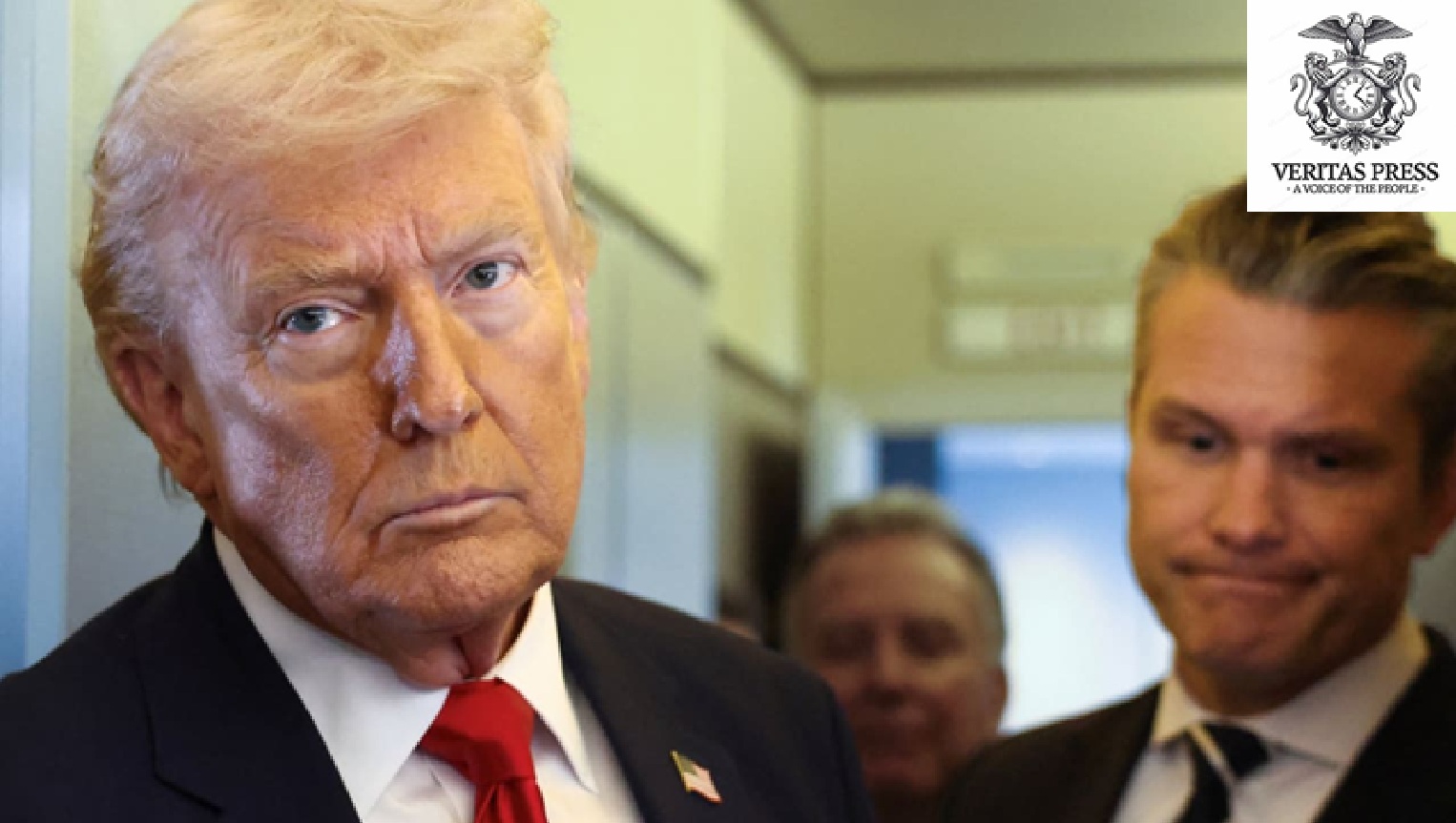
In the annals of American foreign policy, few moments have laid bare the tectonic shift
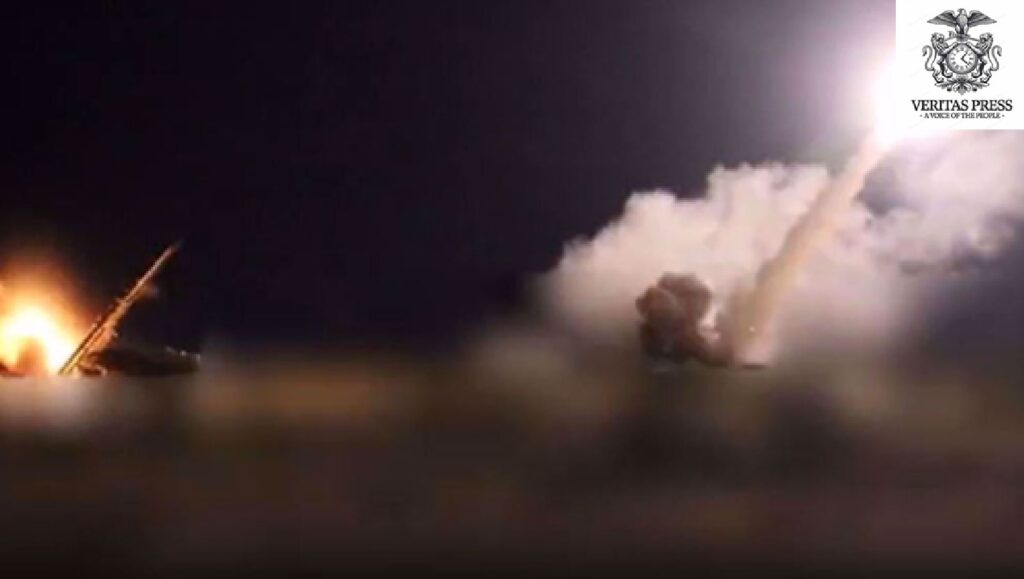
TEHRAN — In the early hours of March 31, 2026, the Islamic Revolution Guards Corps

On March 30, 2026, the Israeli Knesset passed legislation that fundamentally alters the country’s relationship
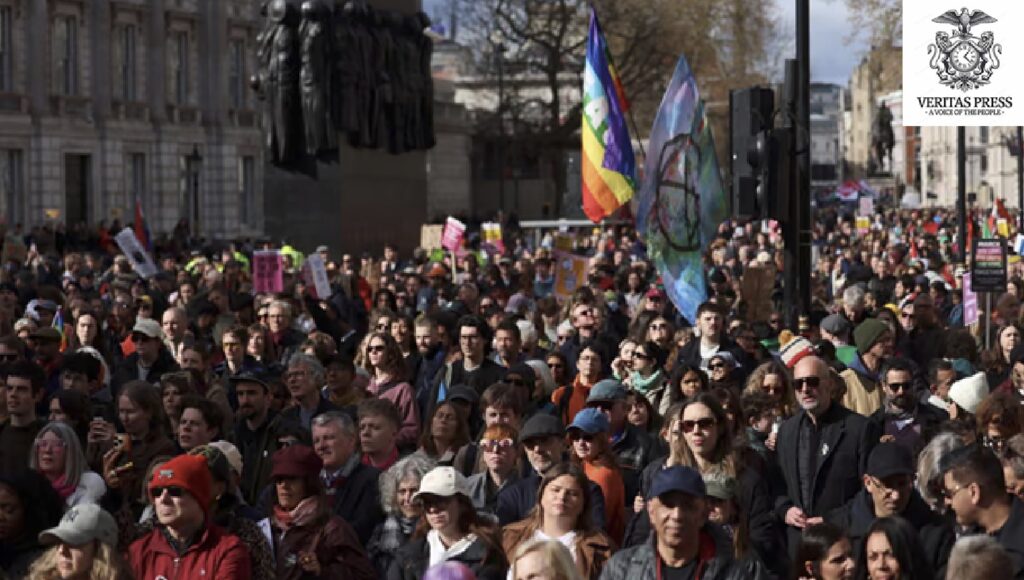
LONDON, UK – On a crisp Saturday in late March, central London became the stage
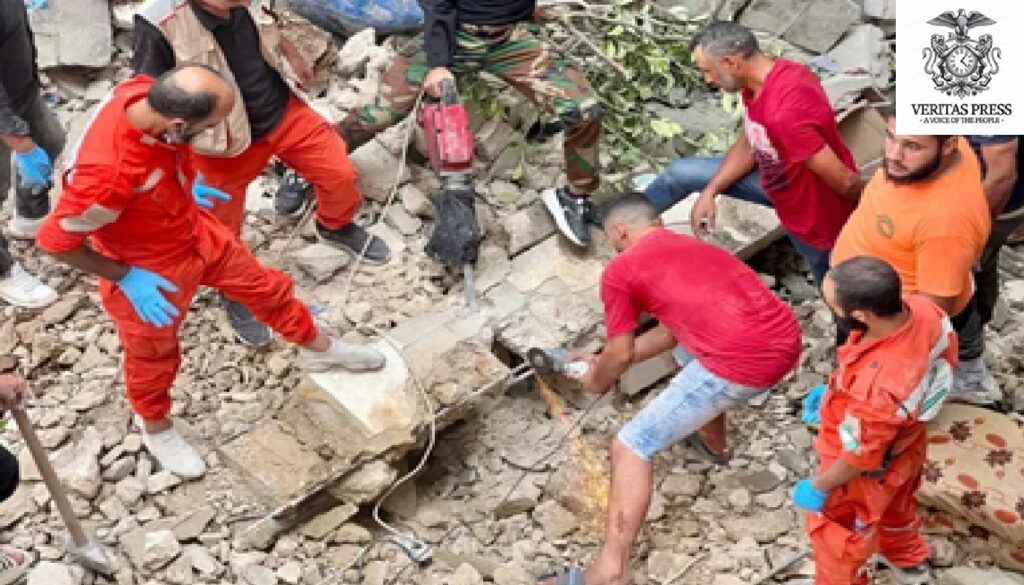
BINT JBEIL, LEBANON – The airstrike came just after midnight. Israeli warplanes targeted the perimeter
More than half a decade after COVID-19 first reshaped global society, a new variant dubbed
TEHRAN, IRAN – Twenty-eight days after the assassination of Iran’s Supreme Leader Ayatollah Seyyed Ali
Original Article Date Published: Article Date Modified: Help support our mission, donate today and be

NEW YORK, US – On the night of March 26, 2026, Nerdeen Kiswani received a
JERUSALEM — For the 29th consecutive day, the heavy iron gates surrounding the Al-Aqsa Mosque