
Original Article Date Published:
Article Date Modified:
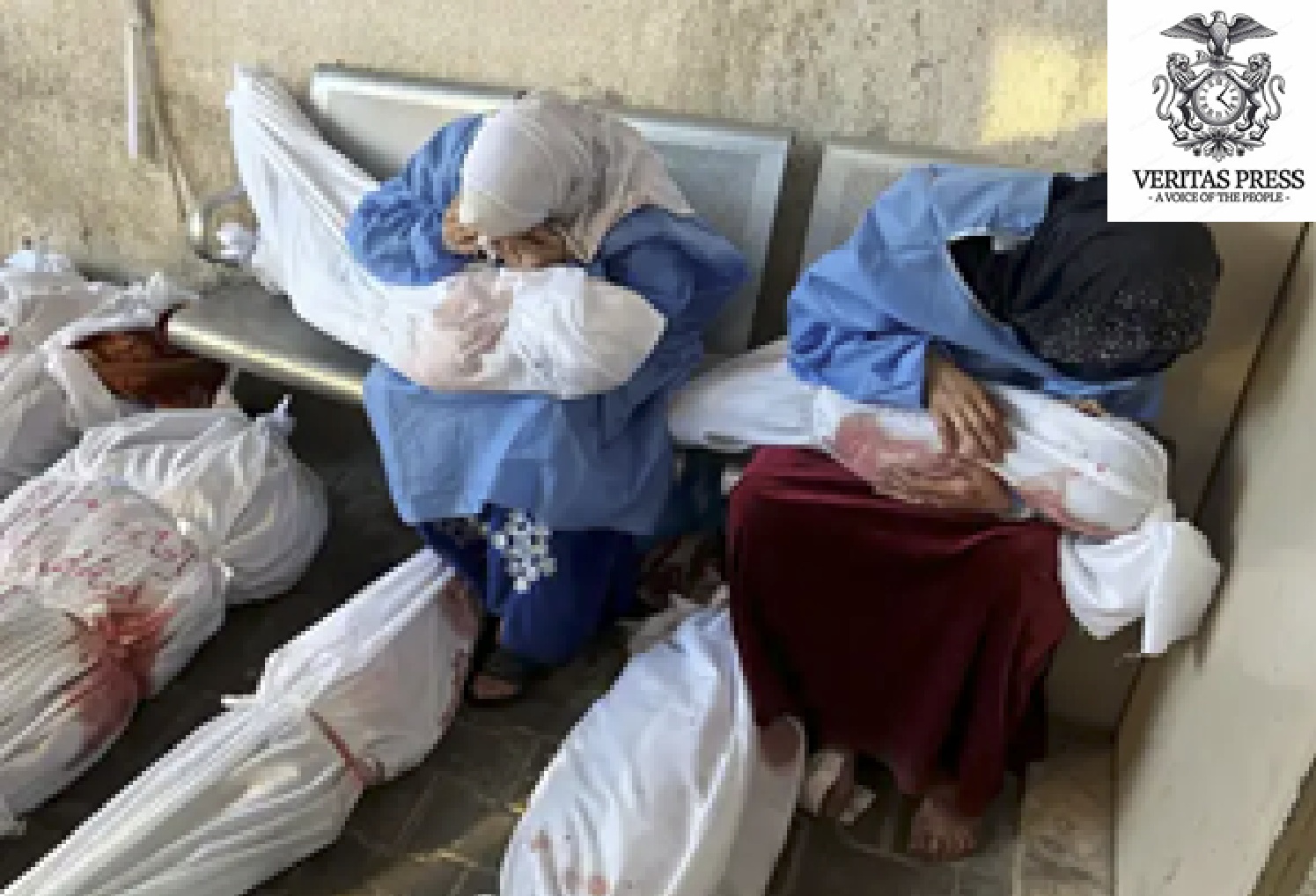
GAZA / GENEVA — As world leaders point to a truce in the Gaza Strip, a deeper reality persists: children continue to die, and entire communities suffer under conditions aid organisations describe as catastrophic. UNICEF has confirmed that more than 100 Palestinian children have been killed since the ceasefire began in early October 2025, an average of about one child per day, even during the period labelled a “pause” in hostilities.
But behind the statistics are voices of those living and working amid this destruction, medics, families, journalists, and rights workers, whose testimonies expose a “ceasefire” that has failed to protect civilians and deliver basic human security.
“Life In Gaza Remains Suffocating” — UNICEF
UNICEF spokesperson James Elder described the contradiction starkly at a January briefing in Geneva:
“Life in Gaza remains suffocating. Survival is still conditional. Whilst the bombings and shooting have slowed during the ceasefire, they have not stopped… a ceasefire that slows the bombs is progress, but one that still buries children is not enough.”
Elder underscored that the official count of 100+ child deaths likely understates the reality since many cases are unreported due to access restrictions, meaning the true toll is higher.
Firsthand Accounts: Medics Under Fire, Medics Describe Ongoing Casualties During “Calm”
Local health officials and medical workers in Gaza repeatedly report that civilians are killed and wounded even amid periods of reduced bombardment. In one recent incident, Israeli fire killed at least 11 Palestinians, including two boys and three journalists, according to local medics. evidence that deadly violence persists during the ceasefire.
A medic who responded to an earlier strike described a pattern that has become tragically familiar:
“First, there was an initial blast. As we rushed to help, another strike hit, killing one of our medics. This is not peace. This is continued violence under a different name.”
Another medic, speaking on condition of anonymity because of security concerns, told investigators:
“We treat injuries every day, shell wounds, burns, shrapnel. There’s no true break in violence. And supplies are so limited that even basic wound care is hard to provide.”
These accounts are consistent with reporting from Médecins Sans Frontières (MSF), which said its teams treated women and children for war-related injuries during periods touted as ceasefires.
Stretched Medical Infrastructure:
The World Health Organization recently announced the first medical evacuations via the Rafah crossing in more than a year, noting that over 18,500 patients, including more than 3,000 children, urgently need evacuation due to chronic conditions and war injuries. WHO’s Christian Lindmeier commented that some patients have died waiting for treatment just beyond reach.
Families In The Crossfire, Testimonies Of Loss, Grief From Ground Zero.
In Gaza City, Families Have Shared Devastating Testimonies Of Loss:
“While we were sleeping in our house, the tank shelled us… Our children were martyred, my son, my brother’s son and daughter,” said Abu Mohamed Habouch, as he mourned relatives killed during a period described as a ceasefire.
Another displaced parent, now living in overcrowded tents after repeated forced evictions, explained:
“We escaped with nothing but our lives. The children tremble from the cold at night. Every siren sends them into panic. There is no safe place, only temporary stops between strikes.”
The emotional trauma described here reflects broader evidence that even when bombs are less frequent, daily life remains unsafe and psychologically devastating for children, with long-term effects on mental health and development.
Local Journalists: Reporting Under Fire.
Journalists working in Gaza, tasked with documenting the humanitarian crisis, also speak of peril and vulnerability.
Palestinian journalist Nour Swiriki, who has reported from inside Gaza, said:
“Under international humanitarian law, journalists are civilians and protected. But here, we feel our lives are worth nothing. Every day is a scramble to survive long enough to report.”
Her testimony highlights both the danger faced by media workers and the broader climate of fear that civilians endure, where even identifying oneself as press does not guarantee safety.
Human Rights Perspectives: Systemic Harm, Not Sporadic Violence.
Rights groups and humanitarian experts argue that the pattern of violence reflects structural issues rather than isolated incidents.
UNRWA’s Juliette Touma, director of communications, observed:
“Words and legal terms do not feed hungry children… Palestinians in Gaza have gone through what no human being should go through.”
Her remarks underscore that beyond physical violence, the collapse of basic systems, water, food, sanitation, healthcare, education and shelter, constitutes a form of systemic harm driving death and long-term suffering.
School Destruction And Lost Childhoods:
UNICEF and partner data show roughly 90% of Gaza’s schools have been damaged or destroyed, leaving more than 700,000 children without regular education. Emergency learning centres struggle to provide minimal services, often lacking materials, sanitation, and safety.
Children now study in tents or partially standing buildings, often exposed to nearby military operations, a scenario that caregivers and educators say deepens psychological trauma and shatters any sense of normalcy for Gaza’s youth.
Conclusion: A Ceasefire In Name, A Catastrophe In Practice.
The testimonies of medics, families, journalists, and human rights workers paint a starkly different picture from the diplomatic narrative of a ceasefire. Despite decreased intensity, violence continues, and with it, the death of children, the collapse of essential services, and the erosion of everyday life. Repeated strikes on evacuated or densely populated areas, attacks on medical personnel, and the destruction of schools and shelters reflect not isolated incidents but systemic harm that continues even under truce conditions.
UNICEF spokesperson James Elder framed the situation bluntly:
“What the world now calls ‘calm’ would be considered a crisis anywhere else… a ceasefire that buries children is not enough.”
The evidence is clear: the so-called truce has failed to provide meaningful protection. Children continue to die from direct attacks, malnutrition, hypothermia, and preventable disease; schools and hospitals lie in ruins; families endure repeated displacement; and the psychological trauma on a generation of children grows daily. This is not simply the fog of war, but a predictable consequence of policies and actions that systematically endanger civilians while creating the illusion of reduced conflict.
International actors, governments, aid agencies, and diplomatic intermediaries have failed to provide protection or justice, their acts often characterised by duplicity and normalisation of ongoing violence. By publicly championing ceasefires while allowing military actions, blockades, and systemic deprivation to continue, they signal that civilian suffering can be tolerated as long as appearances of “stability” are maintained.
What is unfolding in Gaza is not just violence; it constitutes acts of genocide, erasure, generational erasure, cultural erasure, ethnic cleansing, occupation, and forced displacement. Children are killed, entire communities are uprooted, education and health systems are destroyed, and the social and cultural fabric of Gaza is systematically dismantled. This is a coordinated, structural assault on the identity and survival of a people, perpetuated under the guise of conflict management and ceasefire diplomacy.
Unless the truce is transformed into real protection, with full humanitarian access, unimpeded aid flows, accountability for violations, and enforcement of international law, Gaza’s children will continue paying the highest price for a conflict the international community professes to pacify but has not ended. The ceasefire in Gaza thus becomes a moral, legal, and political test: either the world acts to uphold its obligations to protect civilians, particularly children, or it implicitly sanctions the continuation of systemic, multigenerational violence disguised as peace.
The testimonies, statistics, and field reports leave no ambiguity: calm without safety is not peace, and until international actors abandon duplicity, enforce accountability, and recognise the full scale of crimes being committed, including genocide and forced erasure, Gaza’s children will continue to pay with their lives, health, and future.

GREEK ISLANDS – A controversial proposal by Israeli politician Avri Steiner to purchase Greek islands
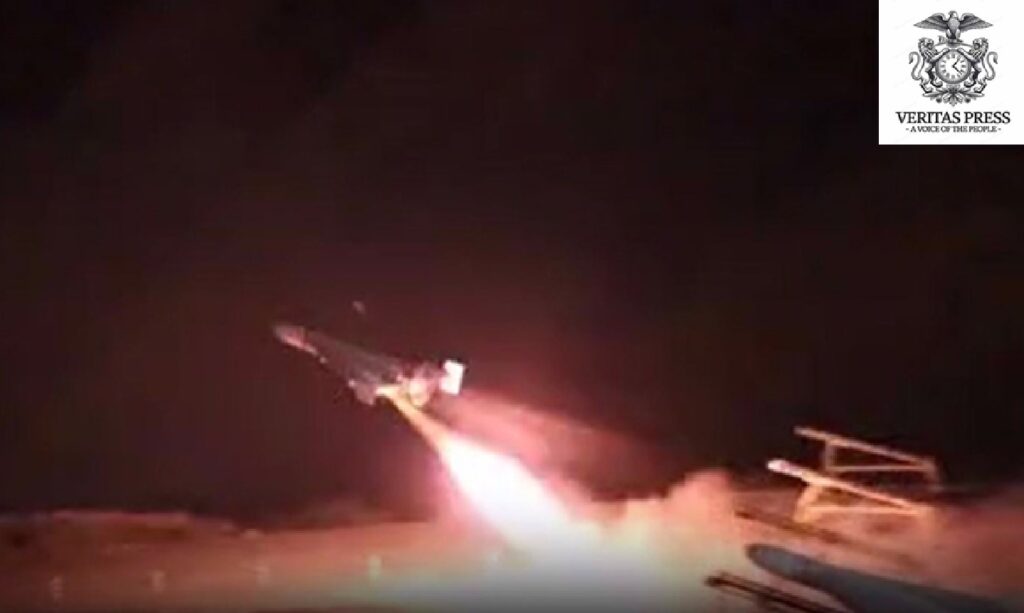
TEHRAN, IRAN – In the early hours of Thursday, the Islamic Revolutionary Guard Corps (IRGC)
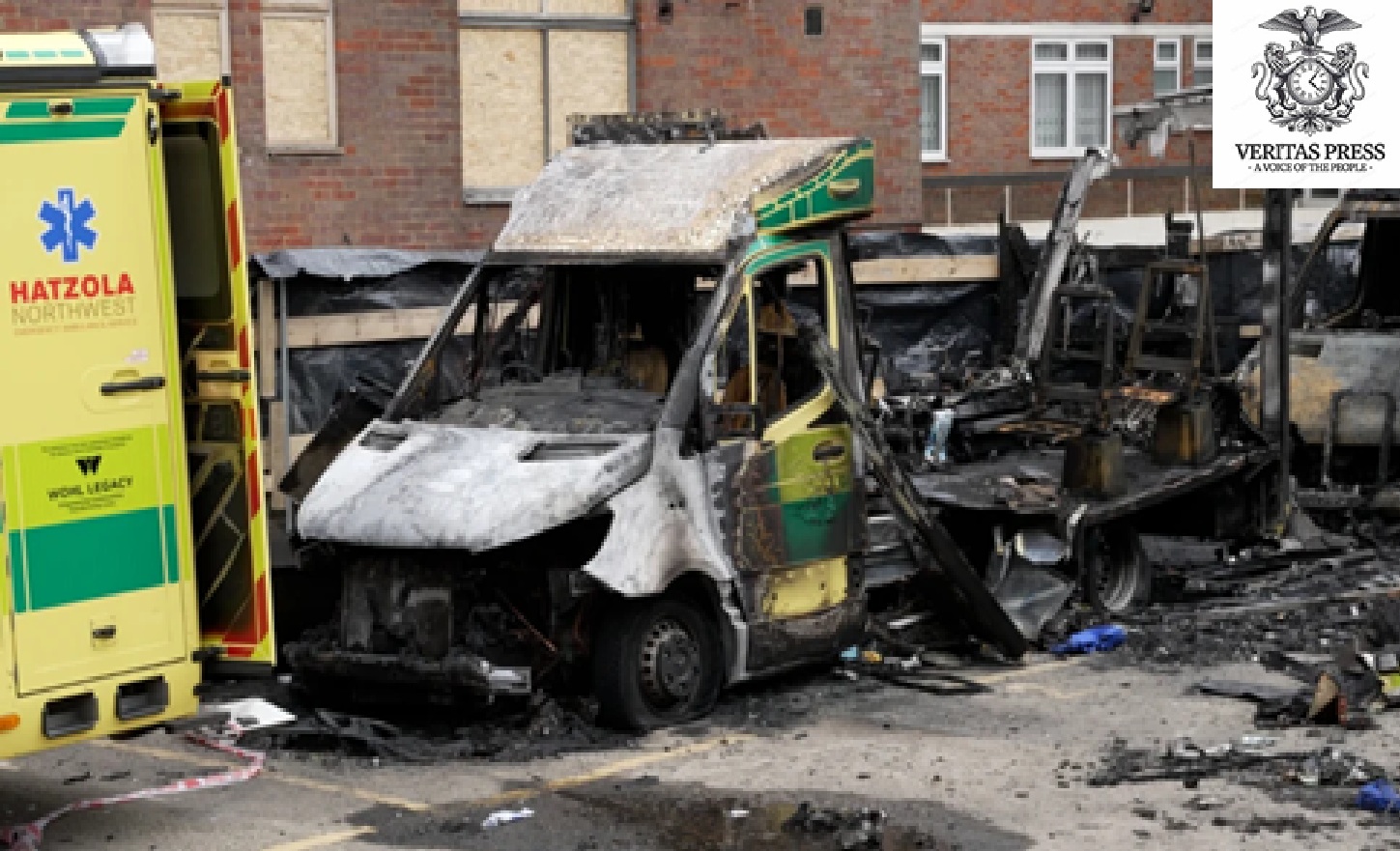
LONDON, UK – In the early hours of Monday morning, a quiet street in Golders
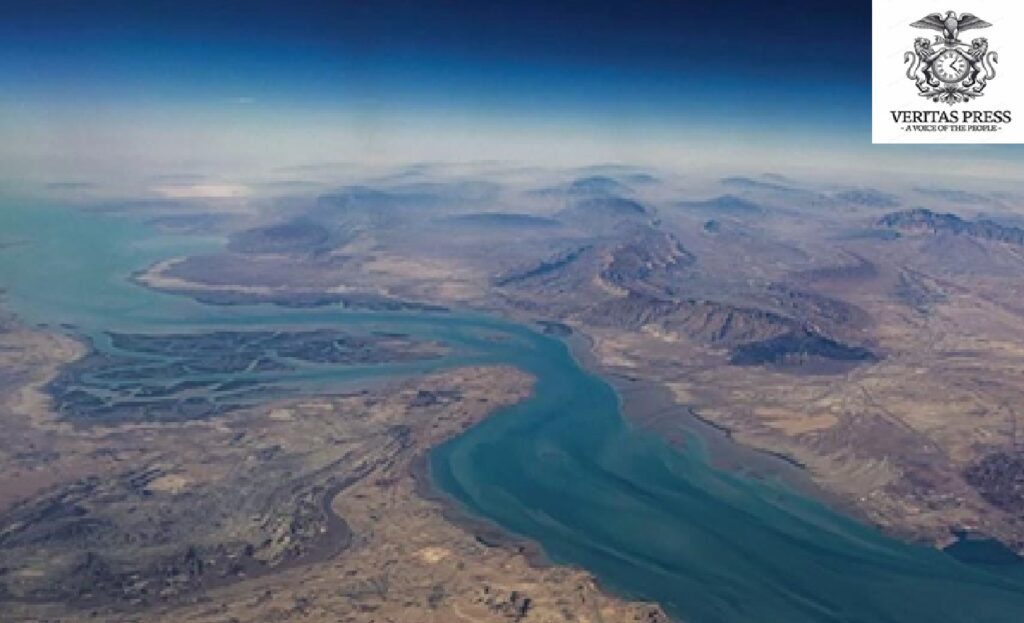
SEOUL / TEHRAN — In a packed press conference at the Iranian Embassy in Seoul’s
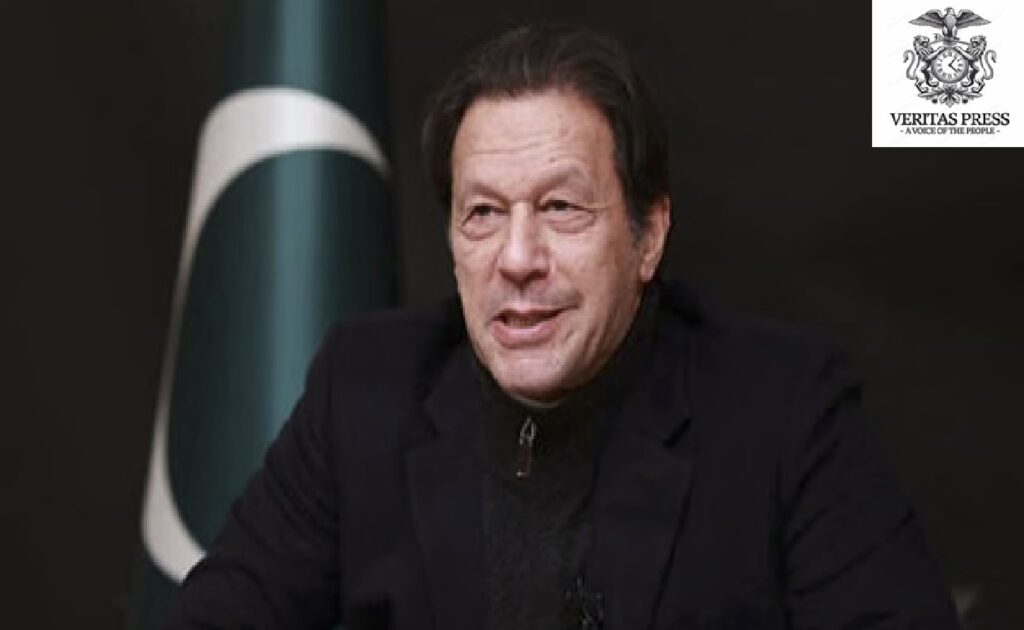
Pakistan’s imprisoned former prime minister Imran Khan has issued one of his most forceful denunciations
At the Rubaya mining complex in eastern Democratic Republic of Congo, the hillside known as
On the 25th day of a conflict that has already rewritten the geopolitical map of
On the outskirts of Nabatieh, where the Mediterranean breezes once carried the scent of olive
On December 27, 2024, Israeli occupation forces raided Kamal Adwan Hospital in northern Gaza, one

Senior officials within the US military have drawn up contingency plans for a potential ground