

Original Article Date Published:
Article Date Modified:
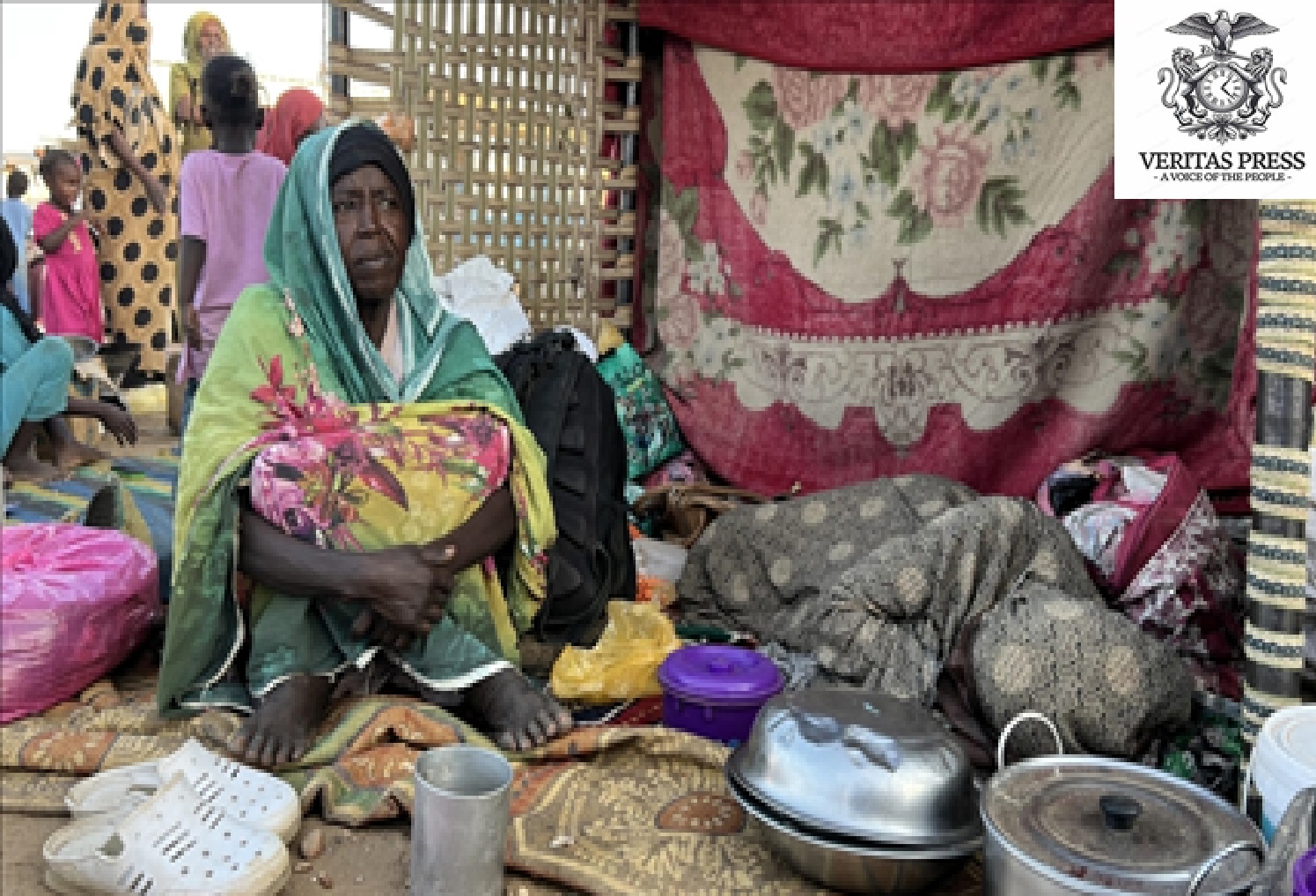
GENEVA / KHARTOUM — The city of El Fasher, capital of North Darfur, has become emblematic of one of the most overlooked yet catastrophic humanitarian crises in the world. Once a city of bustling markets, universities, and communities, it is now a landscape of mass graves, destroyed infrastructure, and traumatised survivors. The cause is clear: deliberate, systematic violence by Sudan’s paramilitary Rapid Support Forces (RSF) and their allies, enabled by foreign backers, a flow of weapons, and global inaction.
The UN High Commissioner for Human Rights, Volker Türk, left little room for equivocation in a landmark address to the Human Rights Council. Describing the situation in El Fasher as a “preventable human rights catastrophe”, Türk placed full responsibility on the RSF, its allied militias, and the external sponsors who have fueled the conflict.
“The threat was clear, but warnings were not heeded… responsibility lies squarely with the RSF and their allies and supporters,” Türk said.
“If we stand by, wringing our hands while armies and armed groups commit well-flagged international crimes, we can only expect worse to come.”
The Siege And Its Aftermath: Mass Killings, Sexual Violence, And Ethnic Targeting.
Following an 18-month siege marked by systematic starvation, bombardment, and deprivation, RSF fighters stormed El Fasher in October 2025. Within days, tens of thousands fled, and thousands were killed.
The UN human rights office interviewed more than 140 survivors and witnesses, who described patterns of mass killings, summary executions, torture, sexual violence, abductions for ransom, and attacks on healthcare workers.
“Piles of dead bodies lined roads leading out of El Fasher,” one survivor told UN investigators, describing scenes he likened to the “Day of Judgment.”
Another grim account came from people who had fled separate locations thousands of kilometres apart, all reporting the mass killing of hundreds sheltering at El Fasher University. Some victims were reportedly targeted because of their non-Arab ethnicity, particularly members of the Zaghawa community, echoing patterns of ethnically motivated violence seen in earlier Darfur conflicts.
Türk emphasised that sexual violence was systematically used as a weapon of war, with survivors recounting gang rape and assaults during abductions and searches.
“I have rarely seen people so traumatised by their experiences,” Türk told the Human Rights Council.
Thousands remain missing, detained in inhumane conditions, or transferred to facilities like Tagris prison in South Darfur, where survivors describe severe overcrowding, malnutrition, and torture. Children were reportedly recruited by RSF forces, either through coercion or pressure on communities.
The International Criminal Court (ICC) has already assessed that war crimes and crimes against humanity were committed during the RSF siege, a conclusion Türk said aligns with UN findings.
Nearly Three Years Of War: 30 Million People At Risk.
Sudan’s current conflict erupted in April 2023, when a fragile power-sharing agreement collapsed between the Sudanese Armed Forces (SAF) and the RSF. The ensuing civil war has caused mass displacement, famine, and widespread sexual violence, affecting over 30 million people, nearly two-thirds of the population.
Doctors Without Borders reported that more than 70% of children in some displacement camps are acutely malnourished, a humanitarian indicator that alarmingly approaches famine levels.
“The true scale of the crisis is likely far worse than reported,” the NGO warned, citing ongoing blockades, bombardments, and the continuous movement of fighting closer to civilian concentrations.
Drone Warfare Expands The Killing Zone:
The battlefield has expanded beyond Darfur into central Kordofan, where drone strikes by both SAF and RSF forces have killed over 90 civilians and injured 142 in just two weeks, according to UN documentation.
Among the deadliest attacks were three strikes on health facilities in South Kordofan, killing 31 people, as confirmed by the World Health Organization. On February 7, 2026, an RSF drone strike hit a vehicle transporting displaced families, killing 24 civilians, including eight children, according to the Sudan Doctors Network.
Repeated drone strikes on markets, residential neighbourhoods, and fuel trucks underscore the indiscriminate nature of the conflict and the high risk for civilians trapped in active combat zones.
Targeting Infrastructure: Power, Water, And Healthcare.
Türk personally visited Merowe Dam and its hydroelectric power station, which once supplied 70% of Sudan’s electricity, witnessing first-hand how RSF attacks have disrupted power and water supplies, severely impacting healthcare.
“Repeated drone strikes have disrupted power and water supplies to huge numbers of people, with a serious impact on healthcare,” he said.
Aid organisations warn that attacks on civilian infrastructure are not collateral; they are deliberate strategies to amplify civilian suffering and displace communities, a tactic consistent with international definitions of war crimes.
The Geopolitics Of War: Foreign Backers And Arms Flows.
The conflict in Sudan is deeply internationalised, with foreign powers fueling both RSF and SAF capabilities.
- The UAE is widely reported to supply RSF militias with fuel, heavy weapons, and drones, while profiting from Sudan’s gold exports.
- Egypt and Saudi Arabia have reportedly supported SAF with logistics, intelligence, and financial aid, reflecting strategic interests in the Nile and Red Sea corridors.
- Russia and China have supplied small arms and ammunition, sometimes to both sides, reinforcing the war economy and complicating accountability.
This external support has made the conflict self-perpetuating, undermining local and international efforts at mediation, while emboldening commanders who commit atrocities with near impunity.
Legal And Investigative Implications:
The crimes documented in El Fasher fall clearly under international law frameworks:
- War Crimes: The deliberate targeting of civilians, hospitals, schools, and displacement camps, as well as torture and sexual violence, meet criteria for prosecutable war crimes.
- Crimes Against Humanity: Systematic attacks against a civilian population, particularly ethnic targeting and the use of sexual violence as a weapon, indicate crimes against humanity.
- Command Responsibility: Military and RSF leaders, along with external backers, may be held accountable for knowing or facilitating these crimes.
ICC investigations are ongoing, but enforcement faces hurdles: cooperation by Sudanese authorities is minimal, and foreign powers supplying arms are largely outside the jurisdiction of international law.
Voices From The Ground:
- Sudan Doctors Network: “Civilians are being killed, detained, and starved. We cannot operate safely. The international community must act before the next mass killing.”
- Amnesty International: “Weapons continue to flow into Sudan, enabling both sides to wage war without restraint. Foreign sponsors are complicit.”
- Local Displacement Committees: “People are trapped in their homes; markets and roads are littered with corpses. Our warnings have been ignored.”
- UN Humanitarian Coordinators: “Access to aid is blocked by ongoing drone strikes. Each day without intervention costs lives.”
The Stakes For The International Community:
Türk warned that similar violations could occur in Kordofan, where drone warfare and siege tactics now threaten another wave of civilian casualties. He outlined confidence-building measures to prevent further bloodshed:
- Commitments not to target civilians or residential areas.
- Enable unimpeded humanitarian aid.
- End arbitrary detention and torture.
- Support local mediation and civil society efforts to counter hate speech. (ungeneva.org)
Yet, as Türk bluntly put it:
“If we stand by…we can only expect worse to come.”
Without enforcement, sanctions, and decisive global action, Sudan risks repeating history, with foreign sponsors, paramilitaries, and the state military all complicit in mass atrocity crimes.
Conclusion: Impunity Fuels The Next Massacre.
The tragedy of El Fasher is preventable, predictable, and politically enabled. The RSF’s siege, combined with foreign arms and global inaction, has produced a scenario where civilians are systematically targeted, healthcare and infrastructure destroyed, and humanitarian aid obstructed.
Legal instruments exist, the Rome Statute, ICC prosecutions, and UN mandates, yet the political will to enforce them remains minimal. Meanwhile, civilians continue to die in a war that international actors watch unfold, with some complicit through direct or indirect support.
For survivors, activists, and humanitarian workers, the question is urgent: will the international community act before the next El Fasher? Or will history record yet another preventable atrocity as a warning ignored?
TEHRAN, IRAN – Twenty-eight days after the assassination of Iran’s Supreme Leader Ayatollah Seyyed Ali
Original Article Date Published: Article Date Modified: Help support our mission, donate today and be
NEW YORK, US – On the night of March 26, 2026, Nerdeen Kiswani received a
JERUSALEM — For the 29th consecutive day, the heavy iron gates surrounding the Al-Aqsa Mosque
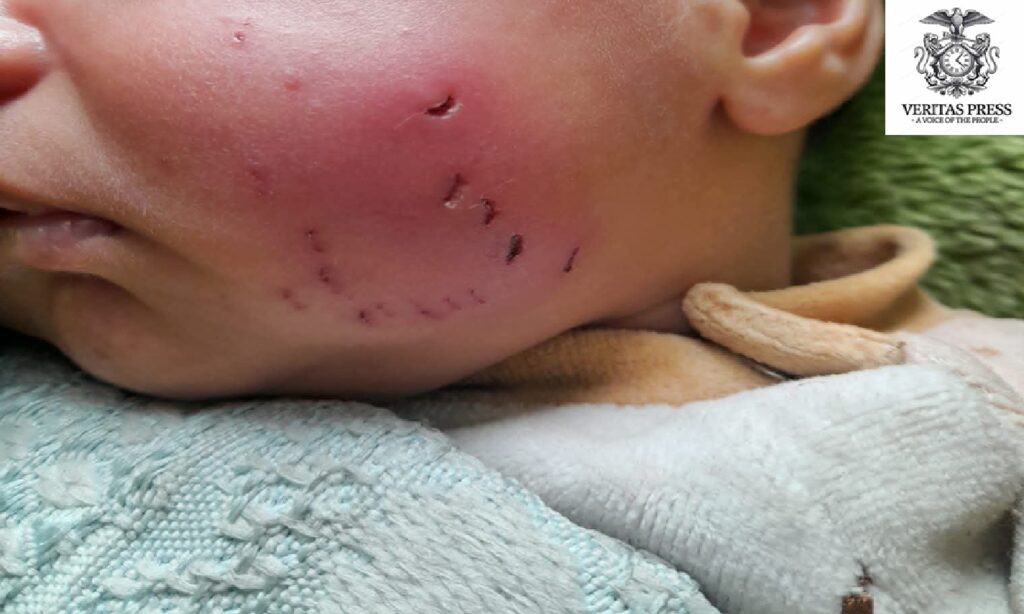
GAZA, March 27, 2026 — The cries of 28-day-old Adam Al-Ustaz shattered the silence of
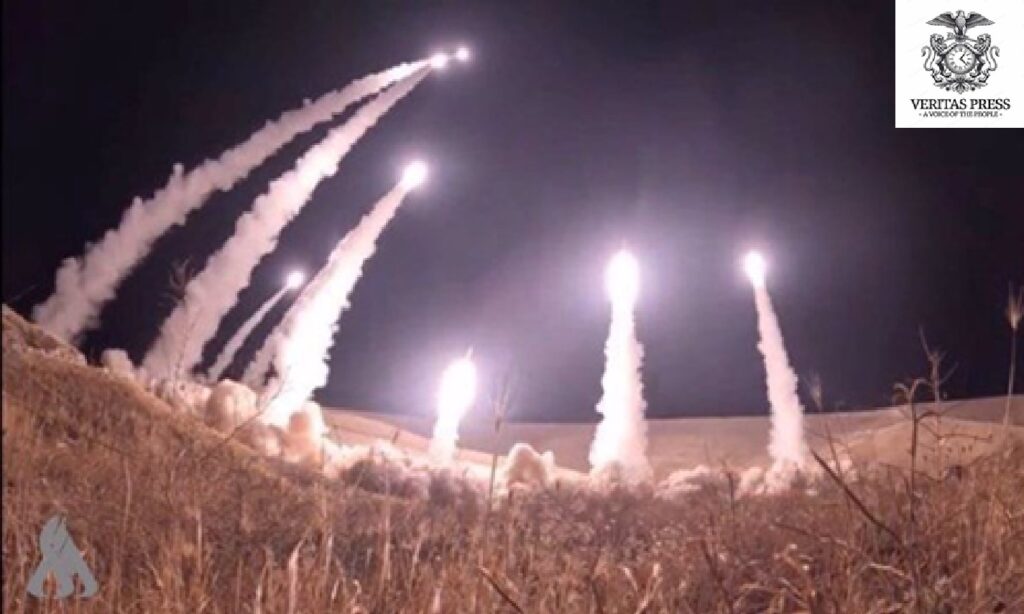
TEHRAN – In the pre-dawn hours of March 27, 2026, the Islamic Revolution Guards Corps
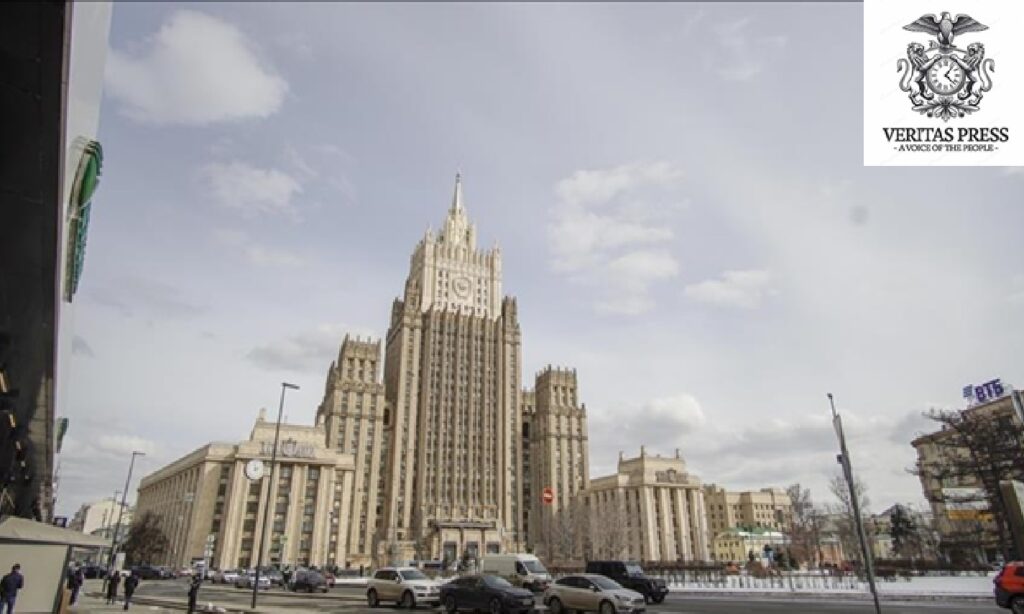
MOSCOW, LONDON – In what marks a significant escalation in the prolonged confrontation between London
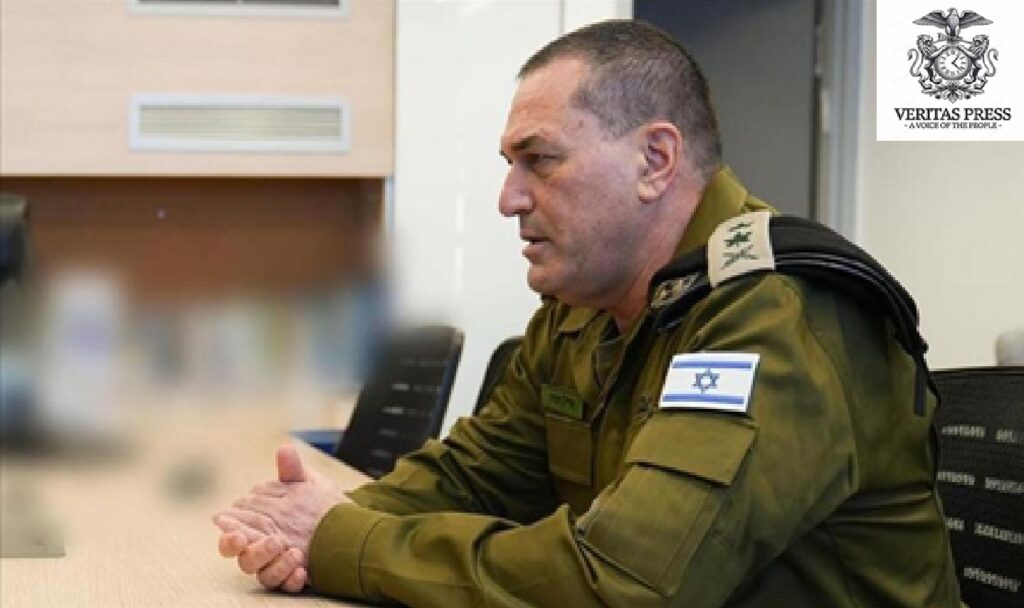
TEL-AVIV – When Lieutenant General Eyal Zamir, Chief of Staff of the Israel Defence Forces

GREEK ISLANDS – A controversial proposal by Israeli politician Avri Steiner to purchase Greek islands
TEHRAN, IRAN – In the early hours of Thursday, the Islamic Revolutionary Guard Corps (IRGC)