
Title: “A Militia That Kills”: Why ICE’s Olympic Role Has Become A Political Flashpoint In Italy.
Press Release: Veritas Press C.I.C.
Author: Kamran Faqir
Article Date Published: 27 Jan 2026 at 15:15 GMT
Category: Europe-US | Politics | “A Militia That Kills”: Why ICE’s Olympic Role Has Become A Political Flashpoint In Italy.
Source(s): Veritas Press C.I.C. | Multi News Agencies
Website: www.veritaspress.co.uk

Business Ads


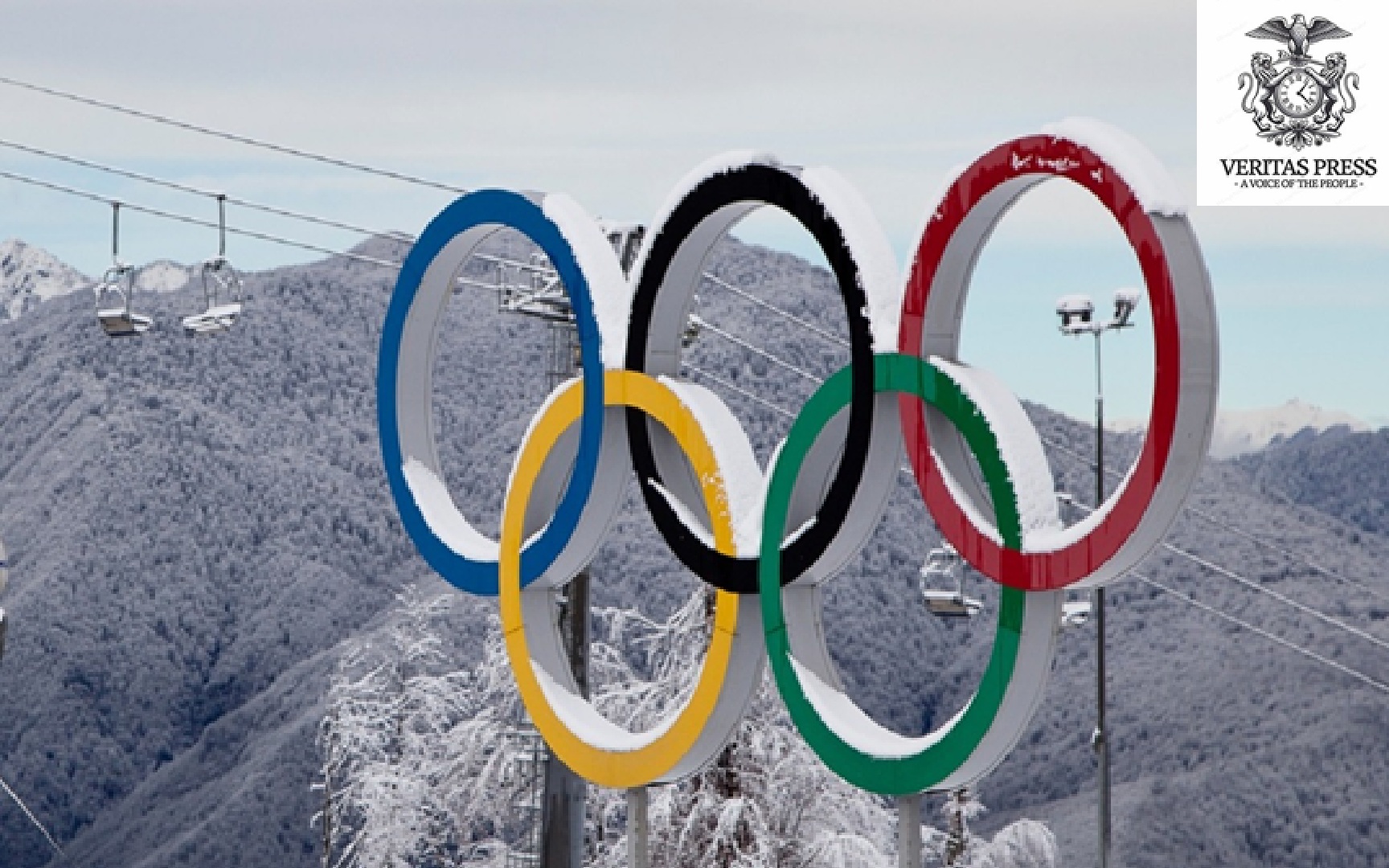
As Milan prepares to host the opening ceremony of the 2026 Winter Olympics on February 6, Italian officials insist that all security operations remain firmly under national control. Yet the confirmation that the United States’ Immigration and Customs Enforcement agency (ICE) will play a supporting role for the U.S. delegation has triggered an uproar that goes far beyond bureaucratic misunderstandings or diplomatic protocol.
At stake is not merely who protects visiting dignitaries and fans, but what kind of power is being invited onto Italian soil, and what values the Olympic spectacle is now expected to launder.
From Diplomatic Escort To Political Signal:
According to the U.S. Embassy in Rome, ICE’s Homeland Security Investigations (HSI) unit will support the U.S. Department of State’s Diplomatic Security Service during the Games. Officially, the role is limited: intelligence support, risk vetting, and coordination against “transnational criminal organisations,” with no immigration enforcement and no independent authority.
Italian Interior Minister Matteo Piantedosi has repeatedly stressed that foreign agents cannot conduct police activity in Italy and that all public order decisions rest with Italian authorities alone.
But critics argue that this framing deliberately obscures the political significance of ICE’s presence.
“There are many ways to protect a delegation,” said one Italian security analyst. “Choosing ICE is not neutral. It reflects priorities, alliances, and a particular model of security, one that is deeply contested.”
That model, they argue, treats political dissent not as a democratic right but as a destabilising threat, a logic increasingly visible in how mega-events are secured worldwide.
Why ICE, And Why Now?
ICE is not a conventional diplomatic security service. It is an agency whose core mandate is immigration enforcement, and whose recent history is marked by lethal force, secrecy, and systematic rights violations.
In January alone, ICE and associated federal agents were involved in the fatal shootings of two U.S. citizens in Minneapolis: Renée Nicole Good and Alex Pretti. Video footage, eyewitness testimony, and human rights investigations have raised serious questions about the necessity and proportionality of force used in both cases. In Pretti’s killing, Human Rights Watch documented evidence that the victim was unarmed and attempting to assist others when he was shot.
These are not isolated incidents. Over the past decade, ICE has been repeatedly accused by civil rights organisations of operating with impunity: targeting migrants and activists, misleading the public after violent encounters, and evading meaningful oversight. Journalists have increasingly been treated as adversaries. Italian state broadcaster RAI recently aired footage showing ICE agents threatening to smash the window of a television crew’s vehicle during reporting in the United States.
It is this record that prompted Milan Mayor Giuseppe Sala to describe ICE as “a militia that kills”, a phrase that has since become a rallying cry for Italian opposition parties.
For critics, the issue is not simply ICE’s past, but the normalisation of its presence in spaces that claim to embody peace, inclusion, and international cooperation.
Security For Whom? Israel, The U.S., And Selective Protection:
Italian officials deny that ICE’s presence is linked to any specific delegation beyond senior U.S. officials such as Vice President JD Vance and Secretary of State Marco Rubio. Yet critics argue that this explanation ignores broader geopolitical realities.
Since Israel’s war on Gaza, and the global protest movement it ignited, major sporting and cultural events across Europe have been accompanied by heightened security around Israeli teams and spectators. In multiple countries, pro-Palestinian demonstrations have been restricted or banned outright, often justified on the grounds of protecting Israeli delegations and allied interests.
Security experts familiar with Olympic planning say that U.S. threat assessments increasingly merge the protection of American officials, Israeli delegations, and allied political interests into a single security framework, one that treats dissent itself as a risk.
“The phrase ‘transnational criminal organisations’ is elastic,” said a former European security official. “In practice, it often expands to include political protest, especially where Israel is concerned.”
While no official document confirms that ICE will directly oversee protection for Israeli fans, critics argue that the pattern is unmistakable: extraordinary security measures for some, and shrinking civic space for others, particularly demonstrators opposing Israel’s war or U.S. foreign policy.
From Olympic Security To The Policing Of Dissent:
Civil liberties groups warn that this convergence of foreign security coordination and Olympic exceptionalism risks transforming public space into a controlled zone where protest is pre-empted rather than protected.
Mega-events, they note, routinely become laboratories for expanded surveillance, intelligence-sharing, and discretionary policing. In this environment, the presence of agencies like ICE, even without formal enforcement powers, helps legitimise a security mindset in which assemblies are framed as threats and visibility itself becomes suspect.
The concern is not that ICE agents would directly police Italian protests, which would be unlawful, but that their intelligence inputs and threat framing could influence how Italian authorities assess, restrict, or disperse demonstrations.
“This is how repression works in democratic settings,” said an Italian civil liberties advocate. “Not through overt bans, but through risk assessments, permit denials, and security logic that quietly overrides rights.”
The IOC’s ‘Neutrality’ Rules And The Architecture Of Silence:
This security posture aligns seamlessly with the International Olympic Committee’s own restrictions on political expression. Under IOC Rule 50, athletes are prohibited from political demonstrations on the field of play, podiums, or during official ceremonies. While the IOC has slightly relaxed enforcement in recent years, discipline remains discretionary and punitive.
Human rights advocates argue that the rule functions less as neutrality than as institutionalised silence.
Athletes expressing solidarity with Palestine, racial justice movements, or anti-war causes have faced warnings, investigations, or informal pressure to self-censor at recent Games. When combined with heightened security coordination, the result is a layered system of control: athletes are disciplined, protesters are displaced, and dissent is neutralised without needing mass arrests.
“The Olympics don’t ban politics,” said a European sports law expert. “They ban inconvenient politics.”
Italian And EU Law: A Legal Stress Test.
Legally, critics argue that Olympic security planning risks placing Italy in tension with its own constitutional and European obligations.
Article 17 of the Italian Constitution guarantees the right to peaceful assembly, allowing restrictions only on demonstrable public safety grounds, not political sensitivity. At the European level, Article 11 of the European Convention on Human Rights and Article 12 of the EU Charter of Fundamental Rights impose strict tests of necessity and proportionality on any restriction of protest.
European courts have repeatedly ruled against states that used international events to justify excessive policing, mass surveillance, or pre-emptive protest bans.
“Hosting the Olympics does not suspend the rule of law,” said an Italian constitutional lawyer. “But governments often behave as if it does.”
Rights groups warn that protest exclusion zones, intelligence-driven permit denials, or restrictions tied to political messaging could expose Italy to legal challenges, particularly if dissent related to Gaza or U.S. policy is disproportionately targeted.
Sovereignty In Name, Deference In Practice:
Formally, Italy’s position is clear. Foreign agents cannot operate independently, carry weapons, or exercise police powers on Italian territory. Interior Ministry officials insist there are no collaboration agreements with ICE for the Olympics.
Politically, however, critics argue that sovereignty is being hollowed out through deference.
La Repubblica reported that Prime Minister Giorgia Meloni’s government briefly considered blocking ICE’s participation, only to abandon the idea to avoid friction with Washington. The episode has reinforced accusations that Italy’s far-right government, which has cultivated close ties with President Donald Trump, is unwilling to draw clear lines, even amid public outrage.
“This isn’t about jurisdiction,” said a Democratic Party senator. “It’s about whether Italy is willing to say no when the symbolism is wrong.”
The Deeper Contradiction:
For many critics, the ICE controversy exposes a deeper contradiction at the heart of the Milan–Cortina Games. While the Olympic spectacle promises unity and coexistence, its security architecture reflects a world shaped by war, repression, and selective protection.
The insistence on “apolitical” sport, the disciplining of athletes, and the quiet suppression of protest all serve to protect the image of the Games, even as they erode the freedoms the Olympics claim to celebrate.
“Olympic history shows us that medals fade,” one opposition lawmaker said. “What remains is whether we had the courage to confront injustice when it was dressed up as protocol.”
As the opening ceremony approaches, the question facing Italy is no longer whether ICE will formally “operate” on its soil. It is whether the country, and the Olympic movement itself, is willing to reckon with what it means to host a global celebration guarded by agencies whose power is built on fear, force, and impunity.
In that sense, the outrage in Milan is not a distraction from the Games.
It may be their most honest moment.
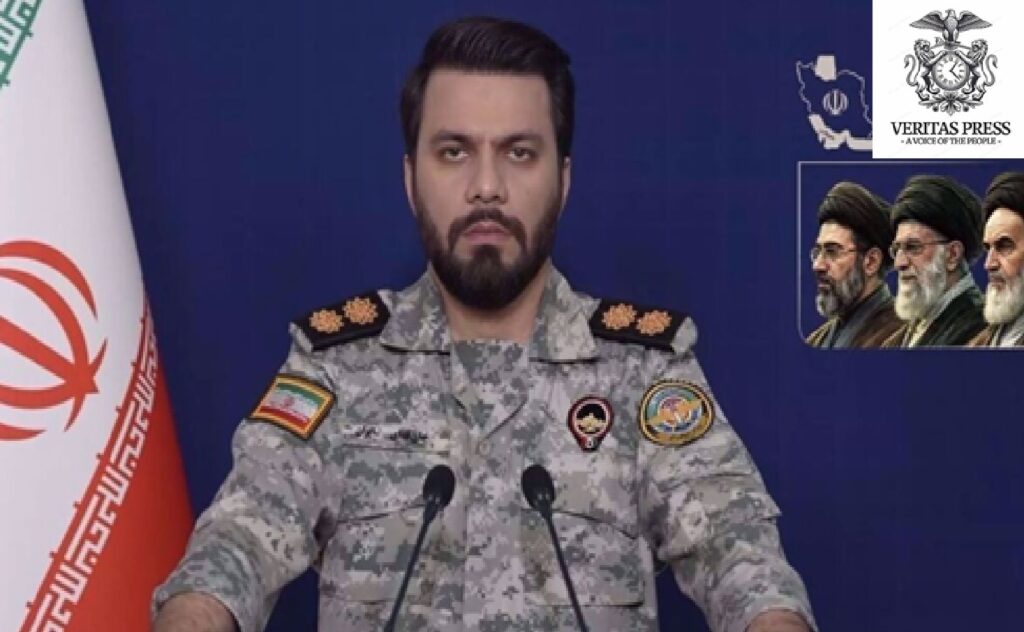
When Lieutenant Colonel Ebrahim Zolfaqari, spokesman for Iran’s Khatam al-Anbiya Central Headquarters, issued a warning on Sunday that any attack
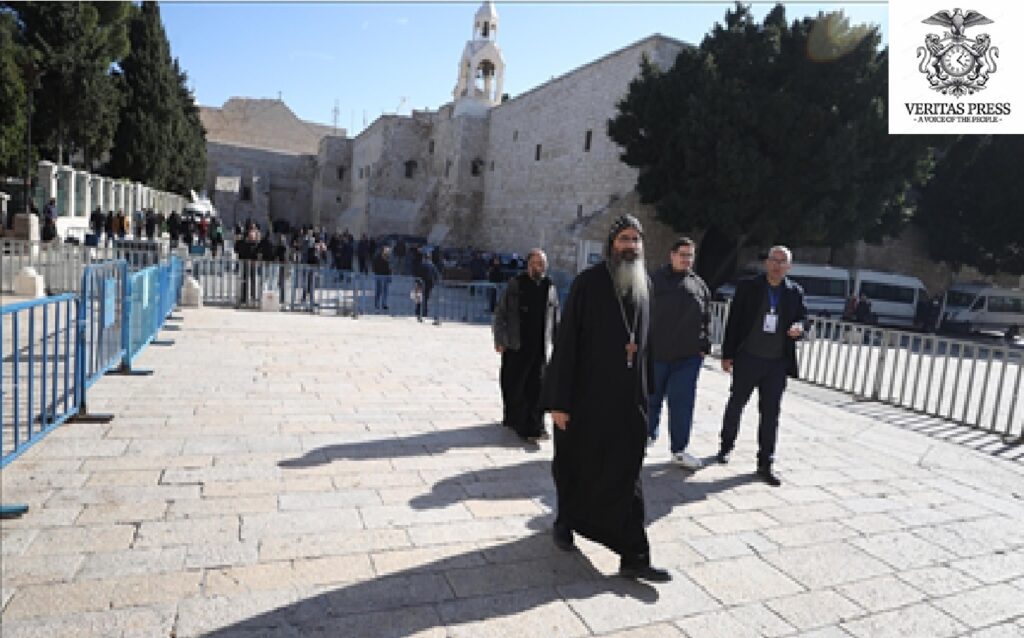
The historic Christian presence in Palestine, dating back to the earliest centuries of Christianity, is facing what church leaders, human
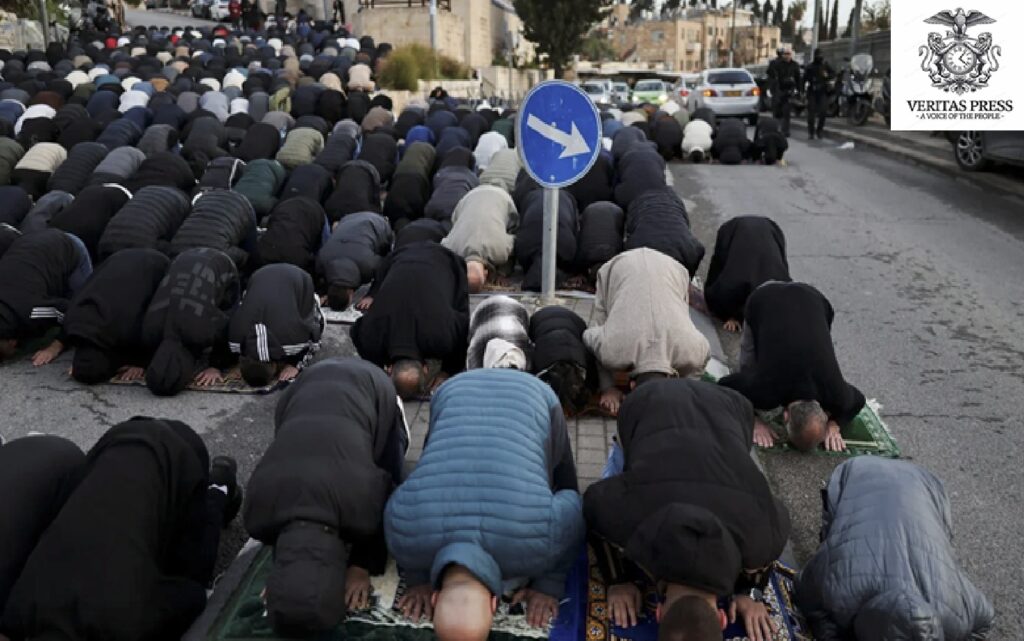
JERUSALEM – For the first time since the aftermath of the Six-Day War, the courtyards of Al-Aqsa Mosque fell silent
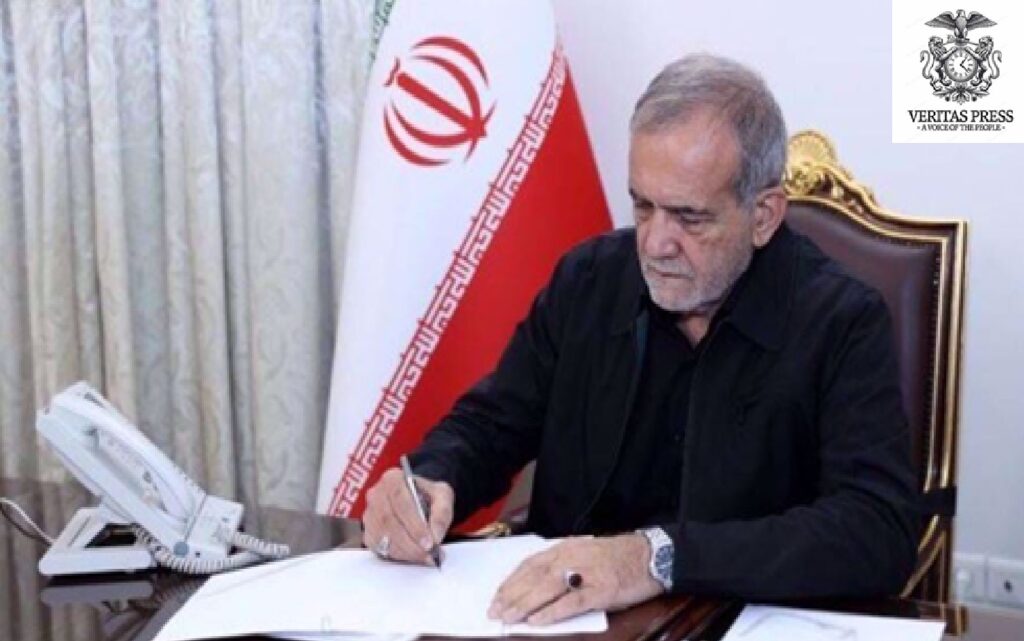
TEHRAN – As the sun rose on Eid al-Fitr, a day meant for celebration and community, the Middle East found
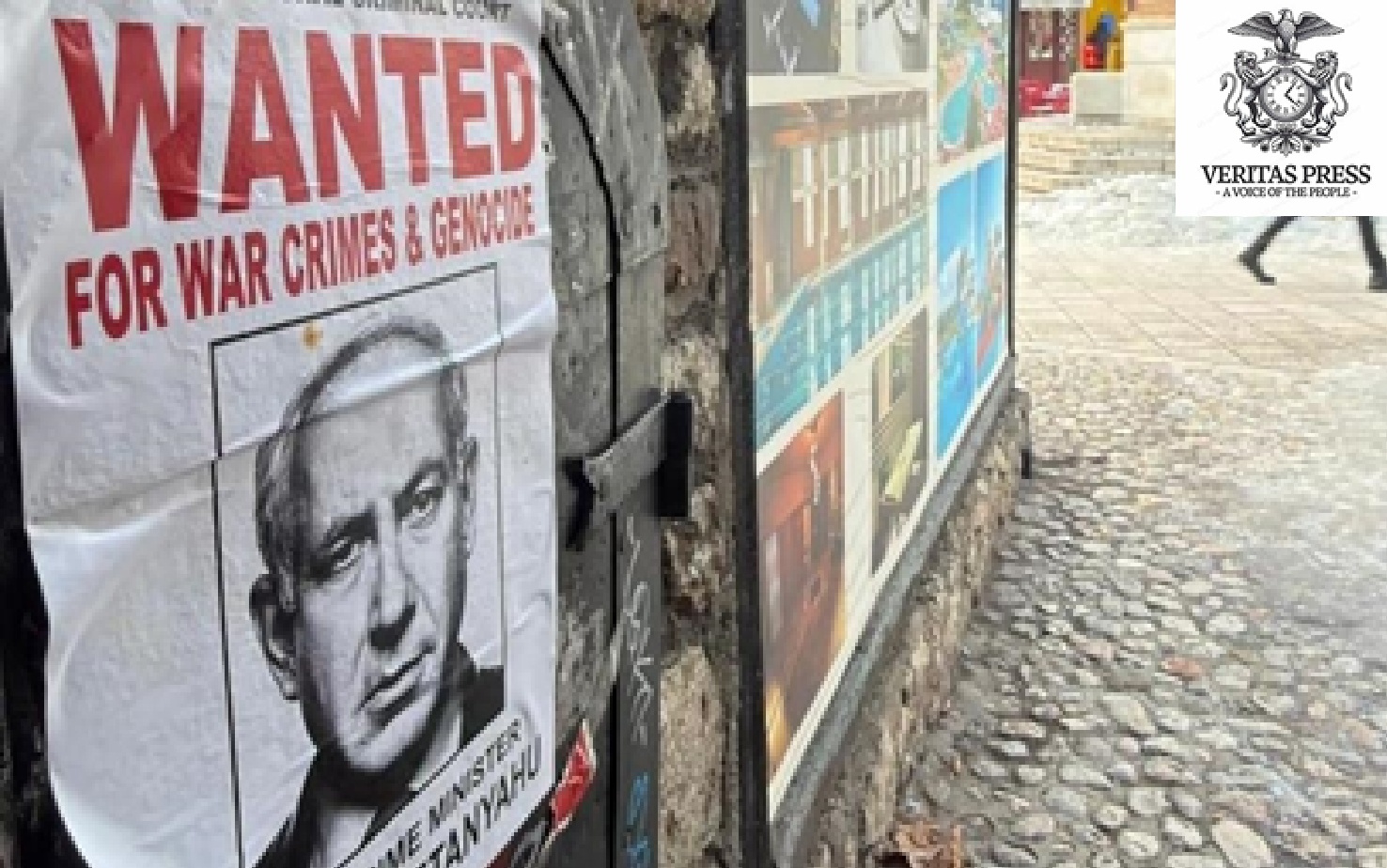
HUNGARY – As Benjamin Netanyahu prepares to travel to Hungary this weekend, a mounting legal and political confrontation is unfolding,
LONDON — In the polished corridors of 10 Downing Street, the language remains meticulously calibrated: “collective self-defence,” “defensive operations,” “not
On March 20, 2026, the Pentagon quietly announced what amounts to a fundamental restructuring of how the United States and
WASHINGTON / ISLAMABAD — A fresh warning by US Director of National Intelligence Tulsi Gabbard has placed Pakistan among a