Kamran Faqir is a volunteer investigative journalist and writer committed to exposing hidden truths and amplifying underreported stories. Driven by social justice, he brings sharp insight and fearless truth-telling to independent journalism. NUJ registered.
Original Article Date Published:
Article Date Modified:
Listen to this article
Help support our mission—donate today and be the change. Every contribution goes directly toward driving real impact for the cause we believe in.
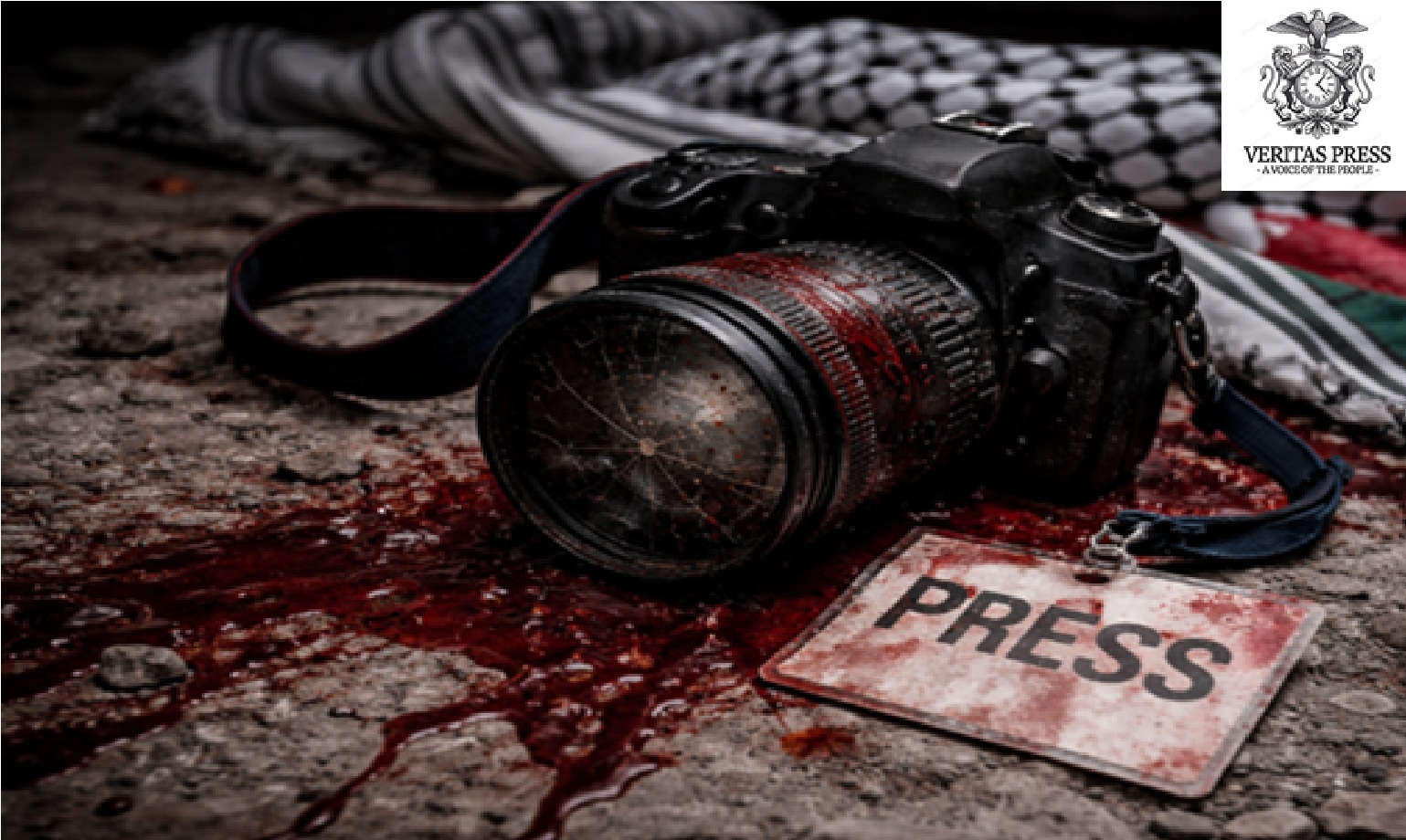
In what press freedom watchdogs are calling a historic collapse of civilian protection, 2025 has been confirmed as the deadliest year on record for journalists and media workers since modern documentation began.
According to the annual report released on February 25, 2026, by the Committee to Protect Journalists (CPJ), a staggering 129 journalists and media workers were killed worldwide in relation to their work, more than in any other year since CPJ began tracking fatalities in 1992.
Israel was responsible for 86 of those deaths, roughly two-thirds of the global total, marking the highest number of journalists killed by any government in a single year since CPJ began its documentation.
“Journalists are being killed in record numbers at a time when access to information is more important than ever,” warned CPJ CEO Jodie Ginsberg in the organisation’s statement accompanying the report.
“Attacks on the media are a leading indicator of attacks on other freedoms. We are all at risk when journalists are killed for reporting the news.”
The Scale Of The Bloodshed: Beyond The Global Total.
CPJ’s Killed in 2025 report paints a grim and deeply concentrated picture of violence:
Total journalists killed: 129 (highest annual figure since 1992)
Killed by Israeli fire: 86 (≈67%)
Palestinian journalists in Gaza: Over 60% of those killed by Israeli forces
Cases classified as intentional murder: 47, Israel is responsible for 81% of those confirmed murders.
Journalists killed by drone strikes: 39 globally, including 28 attributed to Israeli military drones in Gaza
The report underscores that with the Gaza Strip largely inaccessible to foreign correspondents, the true number of Palestinian journalists deliberately targeted “may never be known.”
The Gaza Epicentre: A Deadly Paradigm Shift.
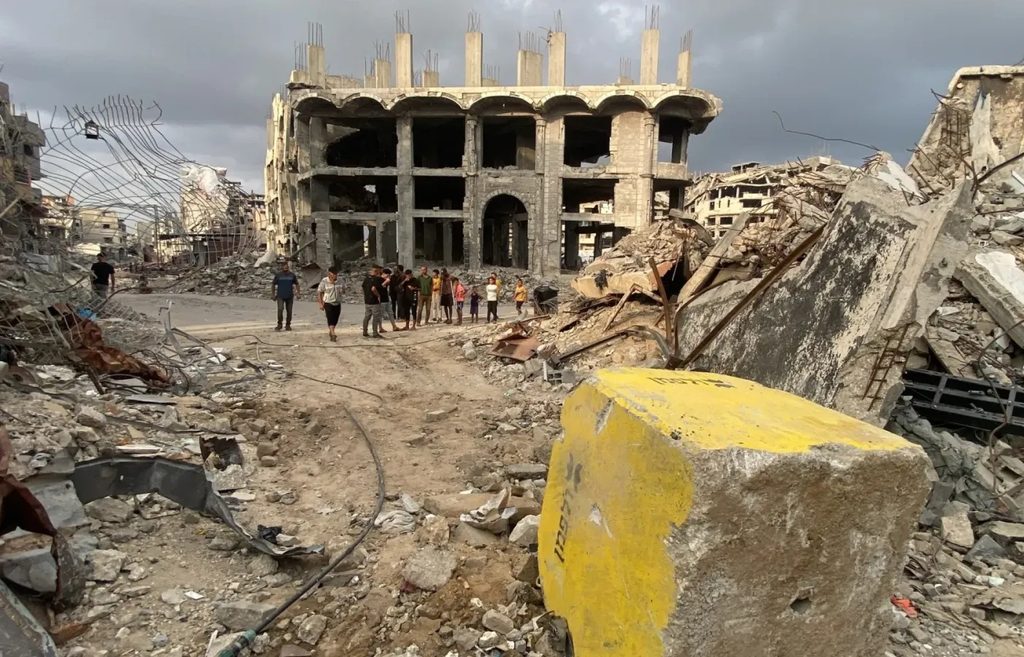
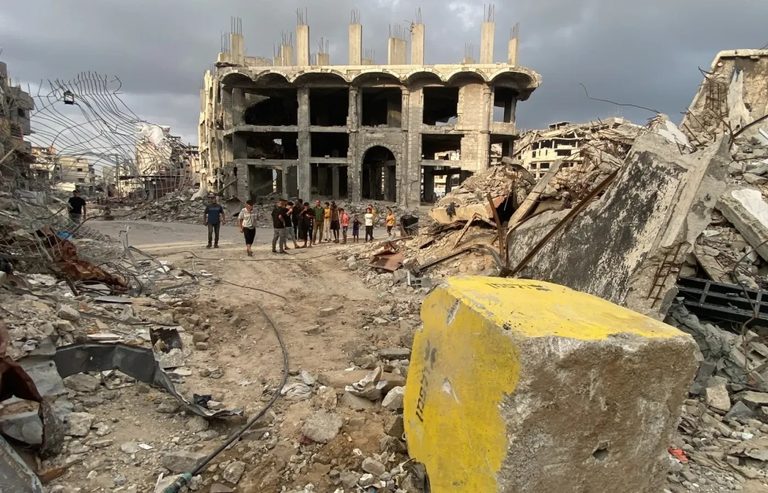
Never before have so many journalists been killed in such a geographically concentrated conflict zone over such a short period.
“This is not a side effect of war, this is an assault on the very idea of truth in conflict,” said one international press freedom advocate following the CPJ release.
Israeli authorities have repeatedly denied deliberately targeting journalists, maintaining that military operations are directed at militants and hostile infrastructure. However, CPJ and multiple international media organisations have documented a recurring pattern: journalists killed in strikes are often posthumously accused of militant affiliation, frequently without publicly presented evidence.
“If I Die, Let It Be Loud”: The Killing Of Hossam Shabat
Among the most widely cited cases in CPJ’s 2025 review was the killing of 23-year-old journalist Hossam Shabat, a correspondent for Al-Jazeera Mubasher and contributor to Drop Site News.
On March 24, 2025, Shabat was killed in a direct Israeli drone strike near the Indonesian Hospital in northern Gaza.
Hours before his death, he had posted:
“If I die, let it be loud. Let it be known that I was reporting from a city that refused to disappear.”
After his killing, Israeli officials alleged he was a “Hamas sniper.” CPJ stated that no credible evidence was made public to substantiate the claim.
A colleague who worked alongside him said:
“He stayed when others evacuated because he believed Gaza needed witnesses. He carried a camera, not a weapon.”
His mother told regional media:
“They killed him because he showed the truth. He was our son, but he was also Gaza’s voice.”
‘Deadly Smears’: The Architecture Of Impunity.
CPJ describes the pattern of posthumous accusations as “deadly smears”, allegations that killed journalists were militants, issued without verifiable evidence.
In another high-profile case, five journalists were killed in a strike on the Nasser Hospital complex in Khan Yunis on August 25, 2025.
An investigation by Reuters found that the strike hit a long-established Reuters camera position used for live broadcasts. The Israeli military claimed it targeted a “Hamas camera.”
A Reuters editor stated publicly:
“We knew that camera. It had been operating openly for months. It was clearly marked and transmitting live.”
Israeli Prime Minister Benjamin Netanyahu described the strike as a “tragic mishap.”
The brother of one of the slain journalists responded:
“He believed wearing a PRESS vest meant protection. That vest became his burial shroud.”
The New Face Of War: Precision Strikes And Drone Assassinations.
One of the most alarming findings in CPJ’s report is the surge in drone-related killings.
Drone-related journalist deaths rose from just two in 2023 to 39 in 2025. Of those, 28 occurred in Gaza and were attributed to Israeli military drones.
Rights groups argue that such precision capabilities undermine claims of mistaken identity.
As one senior conflict analyst told CPJ:
“Drone strikes allow combatants to make kill decisions from afar, removing human accountability and increasing the likelihood of deliberate targeting.”
Israel maintains that it targets militants embedded within civilian infrastructure and denies systematic targeting of media workers.
Yet a Gaza-based cameraman described the psychological toll:
“We stopped fearing the jets. We started listening for the hum.”
Beyond Numbers: Families As Collateral:
Palestinian press associations report that since October 2023, more than 700 family members of journalists have been killed.
One father, whose daughter, a freelance photographer, was killed alongside her two children, said:
“They did not just kill my daughter. They erased my grandchildren. What was their crime?”
International humanitarian law prohibits collective punishment. Israeli officials argue that civilian casualties occur because Hamas operates within densely populated areas.
But journalists in Gaza say the destruction of homes belonging to known reporters has created a climate of terror.
A senior Middle East correspondent for a major news agency, speaking anonymously, stated:
“These are not accidents; these are journalists doing their job in cities under siege. They carry cameras, not rifles.”
The International Community Responds:
Press freedom coalitions have issued unusually forceful statements.
The World Press Freedom Coalition said:
“The unprecedented loss of life among media professionals, especially in Gaza, should be a wake-up call to all governments and international bodies.”
The Middle East Journalists Association added:
“We mourn our colleagues and demand independent international investigations into each death.”
Meanwhile, several Western governments reiterated general calls for civilian protection without assigning specific responsibility.
A European diplomat said:
“All parties must respect international humanitarian law, including protections afforded to journalists.”
Human rights researchers argue such language avoids confronting documented patterns of responsibility.
“The fact that so few cases are transparently investigated, and that no one has been held accountable, underscores a culture of impunity that encourages further attacks,” said one prominent researcher.
A World Of Impunity: From Yemen To Mexico.
While Gaza remains the epicentre, CPJ documented journalist deaths elsewhere:
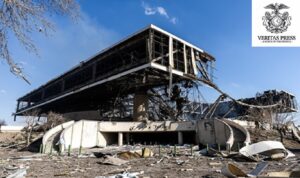
In Sanaa, Yemen, airstrikes on newspaper offices killed 31 media workers, the second-deadliest single incident in CPJ’s database. Israel acknowledged striking facilities it described as linked to a Houthi propaganda apparatus.
In Mexico, six journalists were killed amid persistent organised crime violence and weak state protection mechanisms.
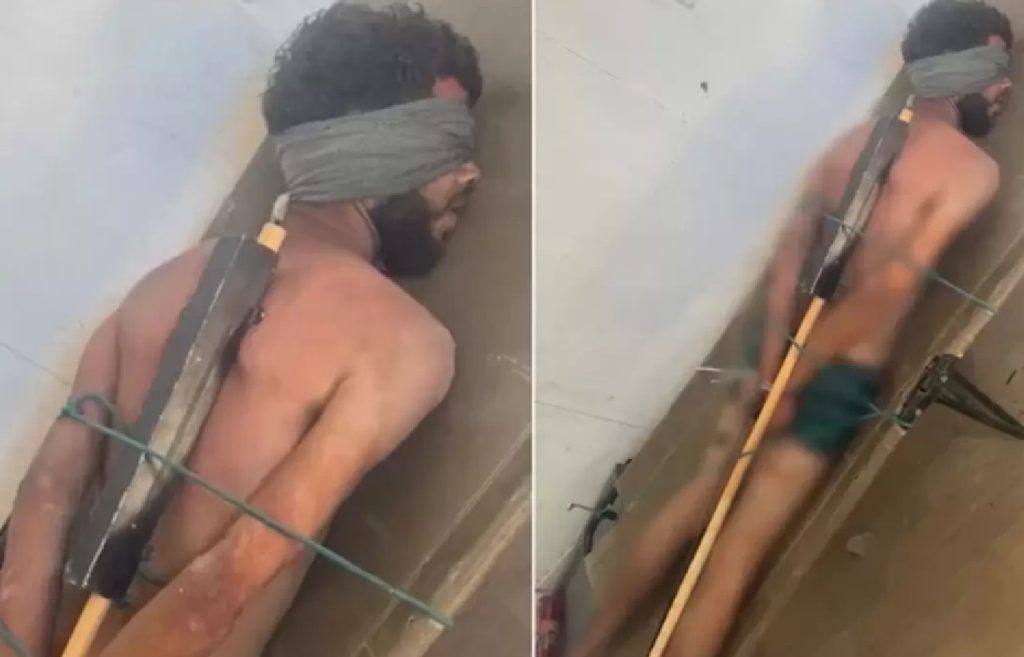
In Saudi Arabia, columnist Turki al-Jasser was executed after years in detention, the first documented journalist execution by Saudi authorities since the 2018 killing of Jamal Khashoggi.
A regional media analyst remarked:
“The message globally is chilling: silence criticism, or risk elimination.”
Conclusion: The Machinery Of Silence And The Price Of Impunity.
The killing of 129 journalists in 2025 is not merely a record-breaking statistic. It is evidence of a structural collapse in the protections that international law once promised to civilians and media workers.
The findings of the Committee to Protect Journalists make clear that this was not a random global surge in violence. It was geographically concentrated, technologically precise, and overwhelmingly traceable to a single ongoing military campaign in the Gaza Strip.
The 129 journalists killed in 2025 are more than a number in an annual database. They are witnesses removed from the historical record.
With foreign media largely barred from Gaza, Palestinian journalists became the primary chroniclers of bombardment, displacement, starvation, and siege. They were not simply reporting events; they were constructing the evidentiary archive of a war unfolding in real time.
As one veteran war correspondent observed:
“If you eliminate the witnesses, you control the narrative.”
That observation cuts to the core of what CPJ’s data reveals. When 86 journalists are killed by one government in a single year, many in drone strikes, many after being publicly labelled militants without disclosed evidence, the danger is not only physical. It is epistemic. The public record itself becomes thinner, more fragile, easier to manipulate.
Modern drone warfare allows for sustained aerial surveillance and high-resolution target identification. If clearly marked press vehicles, fixed broadcast cameras, and known media workers are repeatedly struck, the burden of explanation cannot rest solely on generalised claims of collateral damage. Allegation is not evidence. Posthumous accusation is not due process.
Yet CPJ notes that no one has been held accountable for the targeted killing of a journalist by Israeli forces since October 7, 2023. The absence of prosecutions, independent inquiries, or meaningful consequences does not merely close cases, it establishes precedent. And precedent, in conflict, becomes permission.
The implications stretch beyond Gaza. From executions in Saudi Arabia to chronic impunity in Mexico, the global pattern is unmistakable: killing journalists rarely carries legal or political cost.
“We are all at risk when journalists are killed for reporting the news,” warned CPJ CEO Jodie Ginsberg.
Her warning is not rhetorical. When media workers are eliminated at scale, and when those deaths pass without consequence, the erosion extends beyond press freedom. It reaches courts, legislatures, humanitarian oversight, and public accountability itself.
Press freedom organisations argue that without independent investigations, credible accountability mechanisms, arms transfer scrutiny, and potential international legal action, the record set in 2025 may not stand for long, not because conditions improve, but because they deteriorate further.
If the killings of 2025 are normalised, they will not remain exceptional. They will become instructive.
And if witnesses can be removed without consequence, then what is lost is not only journalism.
It is the world’s ability to know what is happening while it is still happening.
The cameras fell silent. The feeds went dark. But the record remains.
For The Secure Submission Of Documentation, Testimonies, Or Exclusive Investigative Reports From Any Global Location, Please Utilise The Following Contact Details For Our Investigations Desk: enquiries@veritaspress.co.uk or editor@veritaspress.co.uk
Popular Information is powered by readers who believe that truth still matters. When just a few more people step up to support this work, it means more lies exposed, more corruption uncovered, and more accountability where it’s long overdue.
If you believe journalism should serve the public, not the powerful, and you’re in a position to help, becoming a DONATOR or a PAID SUBSCRIBER truly makes a difference.
DONATION APPEAL: If You Found This Reporting Valuable, Please Consider Supporting Independent Journalism.
Help Support Our Work – We Know, We Know, We Know …
Seeing these messages is annoying. We know that. (Imagine what it’s like writing them … )
Your support fuels our fearless, truth-driven journalism. In unity, we endeavour to amplify marginalised voices and champion justice, irrespective of geographical location.
But it’s also extremely important. One of Veritas Press’s greatest assets is its reader-funded model.
1. Reader funding means we can cover what we like. We’re not beholden to the political whims of a billionaire owner. We are a small, independent and impartial organisation. No one can tell us what not to say or what not to report.
2. Reader funding means we don’t have to chase clicks and traffic. We’re not desperately seeking your attention for its own sake: we pursue the stories that our editorial team deems important and believe are worthy of your time.
3. Reader Funding: enables us to keep our website and other social media channels open, allowing as many people as possible to access quality journalism from around the world, particularly those in places where the free press is under threat.
We know not everyone can afford to pay for news, but if you’ve been meaning to support us, now’s the time.
Your donation goes a long way. It helps us:
Keep the lights on and sustain our day-to-day operations
Hire new, talented independent reporters
Launch real-time live debates, community-focused shows, and on-the-ground reporting
Cover the issues that matter most to our communities, in real time, with depth and integrity
We have plans to expand our work, but we can’t do it without your support. Every contribution, no matter the size, helps us stay independent and build a truly people-powered media platform.
If you believe in journalism that informs, empowers, and reflects the communities we serve, please donate today.
Kamran Faqir is a volunteer investigative journalist and writer committed to exposing hidden truths and amplifying underreported stories. Driven by social justice, he brings sharp insight and fearless truth-telling to independent journalism. NUJ registered.
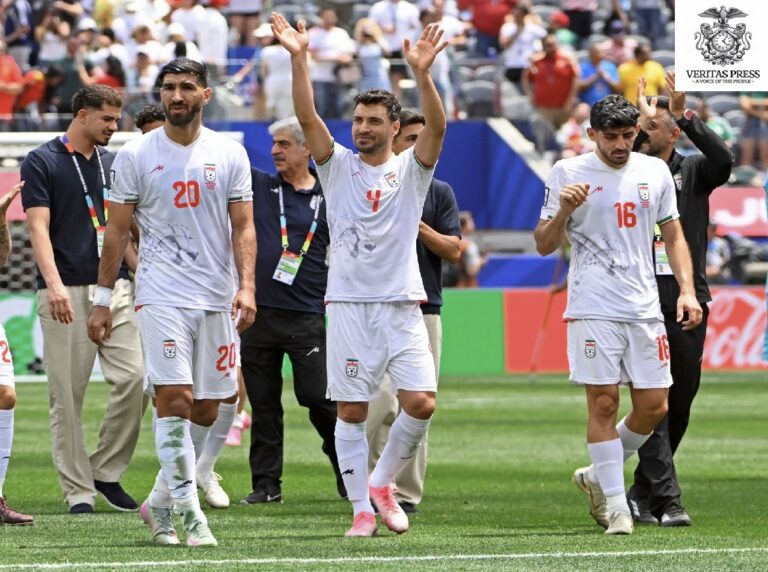
SEATTLE, TEHRAN — The U.S. Department of Homeland Security (DHS) will allow Iran’s national football team to enter the country 48 hours before their critical World Cup match against Egypt on Friday, a modest concession in a tournament where Team Melli’s travel conditions have sparked claims of oppression and competitive disadvantage.