Kamran Faqir is a volunteer investigative journalist and writer committed to exposing hidden truths and amplifying underreported stories. Driven by social justice, he brings sharp insight and fearless truth-telling to independent journalism. NUJ registered.
Original Article Date Published:
Article Date Modified:
Listen to this article
Help support our mission—donate today and be the change. Every contribution goes directly toward driving real impact for the cause we believe in.
As Indian Prime Minister Narendra Modi prepares to land in Tel Aviv on February 25 for his second official visit to Israel, the embrace between New Delhi and Jerusalem appears warmer than ever. But a deeper investigation into the timing, context, and diplomatic manoeuvring surrounding this trip reveals a complex narrative: one where strategic “pragmatism” has come at the direct expense of India’s historical moral leadership on the Palestinian question.
The Hug And The Hague: A Friendship Forged In Controversy.
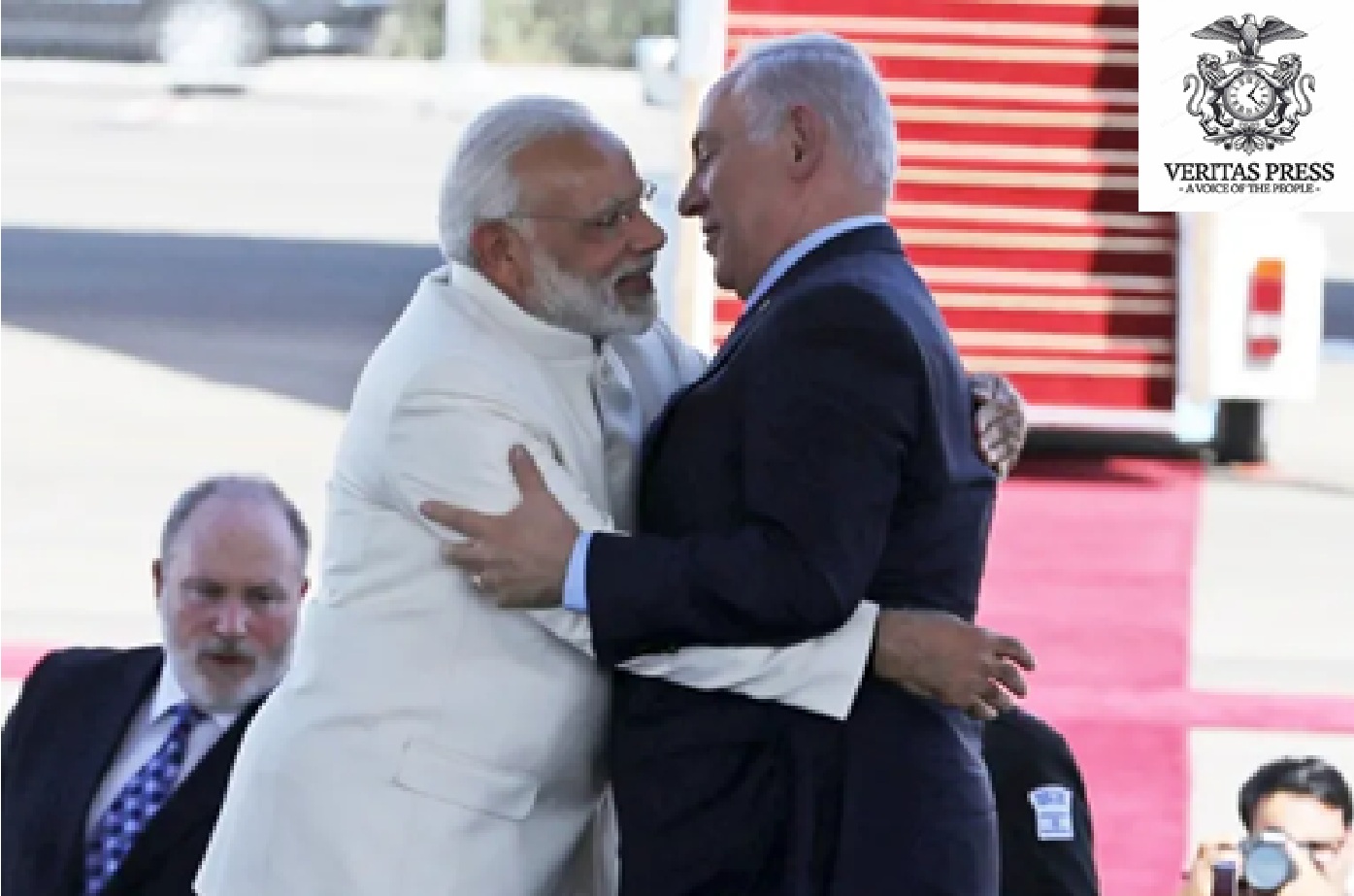
When Modi emerges from his aircraft at Ben Gurion Airport, he will once again be greeted by Benjamin Netanyahu. The image of the two leaders embracing, reminiscent of their historic 2017 meeting, is carefully curated to project unshakable friendship. However, the backdrop of this image has shifted dramatically.
Netanyahu now governs while facing an arrest warrant from the International Criminal Court (ICC), issued in late 2024, for alleged war crimes connected to Israel’s devastating military campaign in Gaza. Despite this, Modi has continued to describe the Israeli leader as a “dear friend.” The visit, analysts suggest, is not merely a diplomatic formality but a significant political act.
“This is almost a personal favour to Netanyahu by boosting his image as an international statesman just as Israeli election campaigning is getting underway,” Max Rodenbeck of the International Crisis Group told Al Jazeera. At a time when Israel’s actions in Gaza have shrunk its circle of friends among Global South nations, India’s presence on the tarmac serves as a powerful counter-narrative to Israeli isolation.
The 2017 Watershed And The Epstein Shadow:
To understand the depth of the current relationship, one must revisit the watershed moment of July 2017. Modi’s first visit shattered a long-standing diplomatic norm: previously, even low-level Indian officials would pair visits to Israel with parallel engagements in Palestine. Modi skipped Ramallah entirely, a decision that signalled the “de-hyphenation” of the two relationships.
That trip has recently come under a dark new spotlight. As part of the unsealed Jeffrey Epstein documents, an email revealed that the disgraced financier claimed to have advised a billionaire close to Modi during the 2017 visit. In a July 6 email to an unidentified individual referred to as “Jabor Y,” Epstein wrote: “The Indian Prime Minister Modi took advice, and danced and sang in Israel for the benefit of the US president. They had met a few weeks ago. IT WORKED! “
While India’s Ministry of External Affairs swiftly dismissed the claims as the “trashy ruminations” of a convicted criminal, the revelation adds a layer of opacity to the motives and influences shaping the bilateral dynamic. It raises unanswered questions about the intersection of personal diplomacy, external advice, and the subsequent fervour of the Modi-Netanyahu alliance.
The Anatomy Of A Flip-Flop: 24 Hours Of Hesitation.
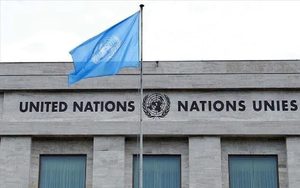
The most telling indicator of India’s current predicament occurred just days before Modi’s departure. On February 17, a coalition of 85 countries issued a joint statement at the UN, “strongly condemning unilateral Israeli decisions and measures aimed at expanding Israel’s unlawful presence in the West Bank”.
Conspicuously, India Was Absent From The List:
The omission was glaring. The signatories included not only India’s traditional partners and the Arab League, but also its Quad partners (Australia, Japan) and BRICS allies. For 24 hours, New Delhi remained silent. Critics, including former foreign secretary Nirupama Menon Rao, lamented the apparent shrinkage of India’s “moral vocabulary.” Former diplomat K.C. Singh called it “regrettable that India has chosen the Israeli corner so blatantly”.
The hesitation was widely interpreted as an attempt to avoid upsetting its host just days before Modi’s arrival. However, by late Wednesday, facing a domestic political backlash and the erosion of its credibility in the Arab world, India scrambled to add its name to the statement, bringing the total endorsing countries to over 100.
The Congress party was quick to pounce. General Secretary Jairam Ramesh labelled the episode “sheer hypocrisy and cynicism,” challenging Modi to “call out his good friend Mr. Netanyahu, and publicly express India’s grave concern at what Israel is executing in the occupied West Bank”.
This 24-hour hesitation encapsulates the core tension of Modi’s policy: the desire to maintain a “strategic autonomy” is increasingly strained by a public embrace of Israel that makes criticising its actions diplomatically untenable.
The Cost Of “Pragmatism”: Weapons, Workers, And Moral Power.
The official justification for this realignment is one of pragmatism. Israel is a premier source of defence technology (India is now its largest weapons buyer), expertise in fields like artificial intelligence and cybersecurity, and a partner in multilateral frameworks like I2U2.
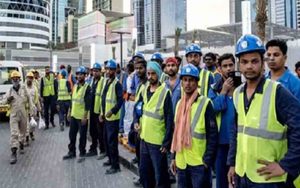
Yet, the “cost” of this pragmatism is quantifiable. In 2024, as Israel waged its war on Gaza, Indian weapons firms were found to be selling rockets and explosives to Israel, contributing to a military campaign that has killed tens of thousands of Palestinians. Furthermore, after Israel banned Palestinian workers in the wake of October 7, thousands of Indian workers were recruited to fill the void in Israel’s construction sector. This dynamic, Indian workers replacing Palestinians, underscores a troubling dimension of the partnership: it actively facilitates Israel’s separation from the Palestinian economy.
” The so-called realist turn of India has cost its moral power, which it used to enjoy in the Global South,” said Anwar Alam of the Policy Perspectives Foundation. He argues that Modi’s visit, amid an ongoing war, “amounts to legitimising the apartheid Israeli state”.
Looking Over The Horizon: Iran And The New Middle East.
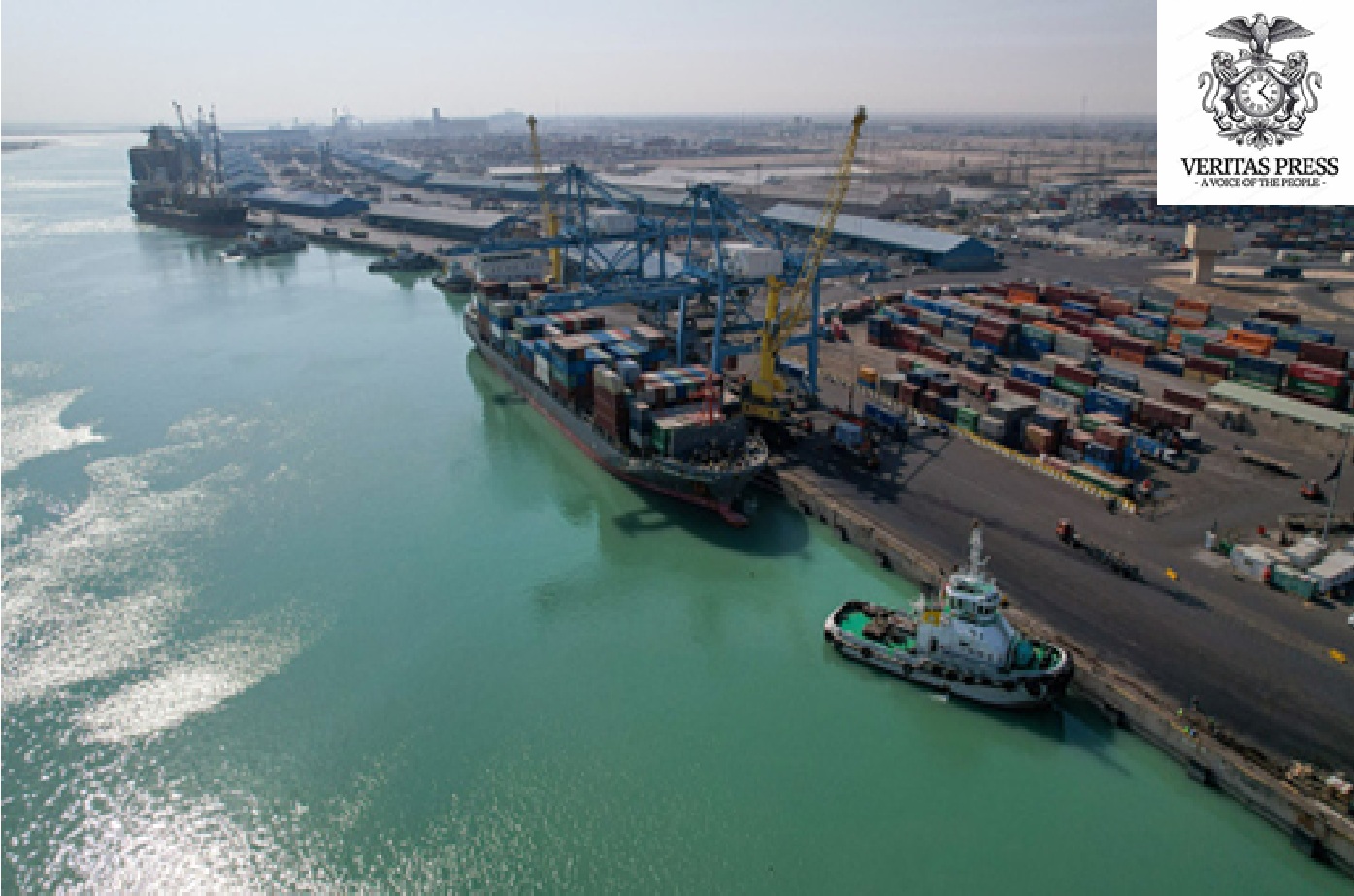
India’s diplomatic calculus is also being shaped by seismic shifts in the broader Middle East. Under pressure from the Trump administration, India has halted oil purchases from Iran and is taking steps to wind down its commitment to the strategically vital Chabahar port, a project once seen as India’s gateway to Central Asia.
As the US amasses warships near Iran and threats of an attack loom, analysts suggest India is positioning itself for a post-confrontation scenario. “I suspect India may be looking over the horizon to a Middle East where Iran has suffered heavy attack from the US and Israel, and no longer projects power in the region,” Rodenbeck noted. “In these circumstances, Israel will emerge as something of a regional hegemon. India is perhaps positioning itself to benefit”.
This realignment suggests that India’s relationship with Israel is no longer just a bilateral affair but a strategic hedge in a region being rapidly reshaped by US and Israeli power.
Conclusion: A Legacy Written In Ramallah And Gaza.
As Modi prepares to address the Knesset, the gap between India’s past and present could not be wider. The nation that Mahatma Gandhi once said would be “wrong and inhumane to impose the Jews on the Arabs” now stands as one of Israel’s staunchest allies.
While Indian diplomats argue they can balance a relationship with both Israel and the Arab world, the “balancing” act looks increasingly lopsided. India continues to call for a two-state solution, but it abstains from UN votes on ceasefire resolutions and hesitates to condemn West Bank annexations until the last possible moment.
Modi’s trip may yield lucrative defence deals and glowing photo opportunities, but the deeper legacy of his policy will be written in the occupied territories. By breaking down the walls between India and Israel, Modi has simultaneously erected a barrier between India and its own history of anti-colonial solidarity. For Palestine, and for India’s standing as a voice for the Global South, that may be the most expensive cost of all.
For The Secure Submission Of Documentation, Testimonies, Or Exclusive Investigative Reports From Any Global Location, Please Utilise The Following Contact Details For Our Investigations Desk: enquiries@veritaspress.co.uk or editor@veritaspress.co.uk
Popular Information is powered by readers who believe that truth still matters. When just a few more people step up to support this work, it means more lies exposed, more corruption uncovered, and more accountability where it’s long overdue.
If you believe journalism should serve the public, not the powerful, and you’re in a position to help, becoming a DONATOR or a PAID SUBSCRIBER truly makes a difference.
DONATION APPEAL: If You Found This Reporting Valuable, Please Consider Supporting Independent Journalism.
Help Support Our Work – We Know, We Know, We Know …
Seeing these messages is annoying. We know that. (Imagine what it’s like writing them … )
Your support fuels our fearless, truth-driven journalism. In unity, we endeavour to amplify marginalised voices and champion justice, irrespective of geographical location.
But it’s also extremely important. One of Veritas Press’s greatest assets is its reader-funded model.
1. Reader funding means we can cover what we like. We’re not beholden to the political whims of a billionaire owner. We are a small, independent and impartial organisation. No one can tell us what not to say or what not to report.
2. Reader funding means we don’t have to chase clicks and traffic. We’re not desperately seeking your attention for its own sake: we pursue the stories that our editorial team deems important and believe are worthy of your time.
3. Reader Funding: enables us to keep our website and other social media channels open, allowing as many people as possible to access quality journalism from around the world, particularly those in places where the free press is under threat.
We know not everyone can afford to pay for news, but if you’ve been meaning to support us, now’s the time.
Your donation goes a long way. It helps us:
Keep the lights on and sustain our day-to-day operations
Hire new, talented independent reporters
Launch real-time live debates, community-focused shows, and on-the-ground reporting
Cover the issues that matter most to our communities, in real time, with depth and integrity
We have plans to expand our work, but we can’t do it without your support. Every contribution, no matter the size, helps us stay independent and build a truly people-powered media platform.
If you believe in journalism that informs, empowers, and reflects the communities we serve, please donate today.
Kamran Faqir is a volunteer investigative journalist and writer committed to exposing hidden truths and amplifying underreported stories. Driven by social justice, he brings sharp insight and fearless truth-telling to independent journalism. NUJ registered.
SEATTLE, TEHRAN — The U.S. Department of Homeland Security (DHS) will allow Iran’s national football team to enter the country 48 hours before their critical World Cup match against Egypt on Friday, a modest concession in a tournament where Team Melli’s travel conditions have sparked claims of oppression and competitive disadvantage.